 English
 中文简体
 日本語
 한국어
 русский
 Español

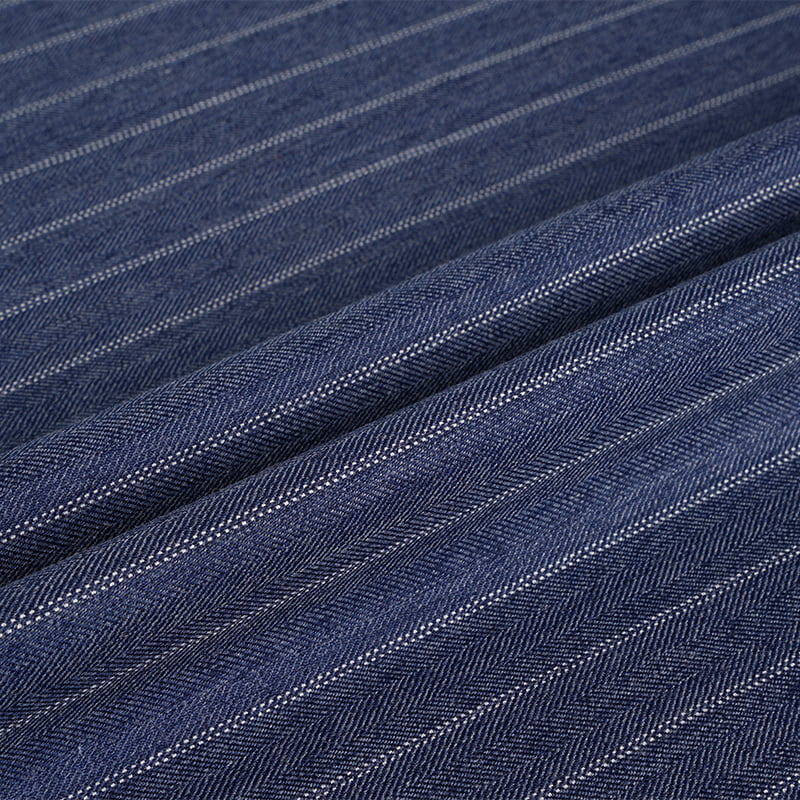
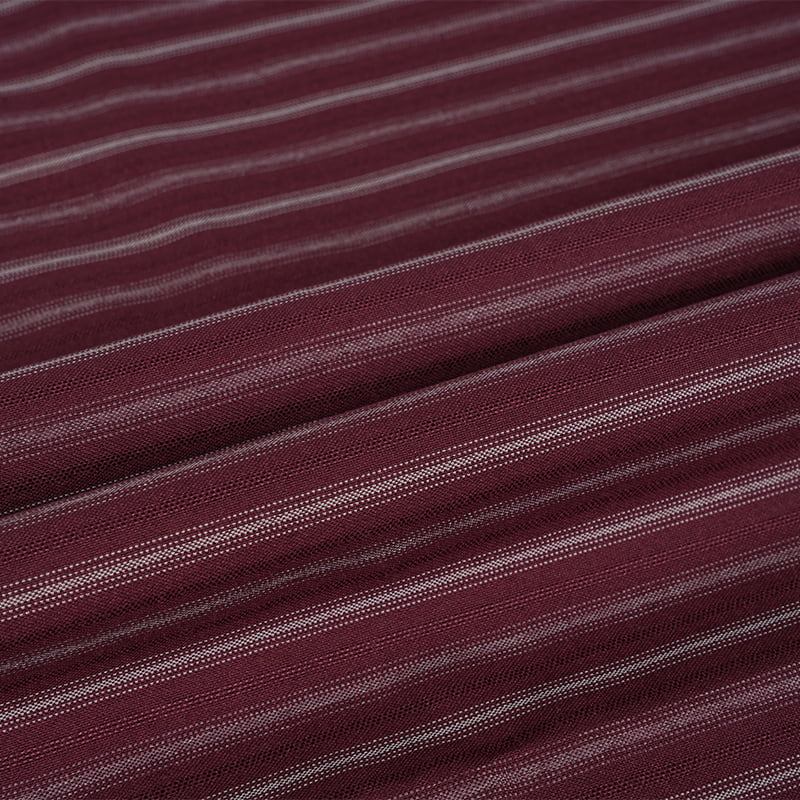
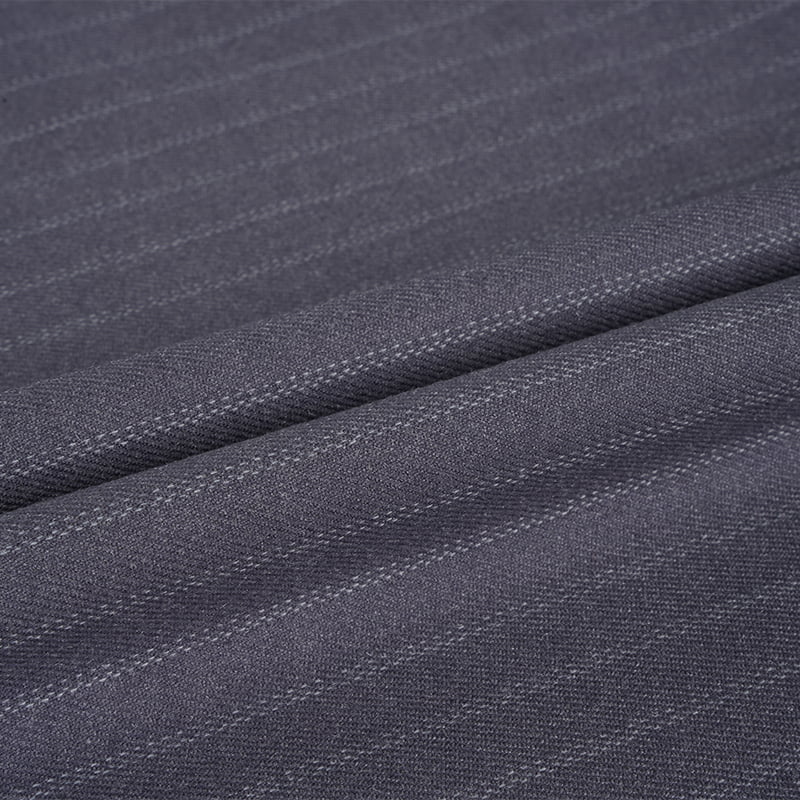
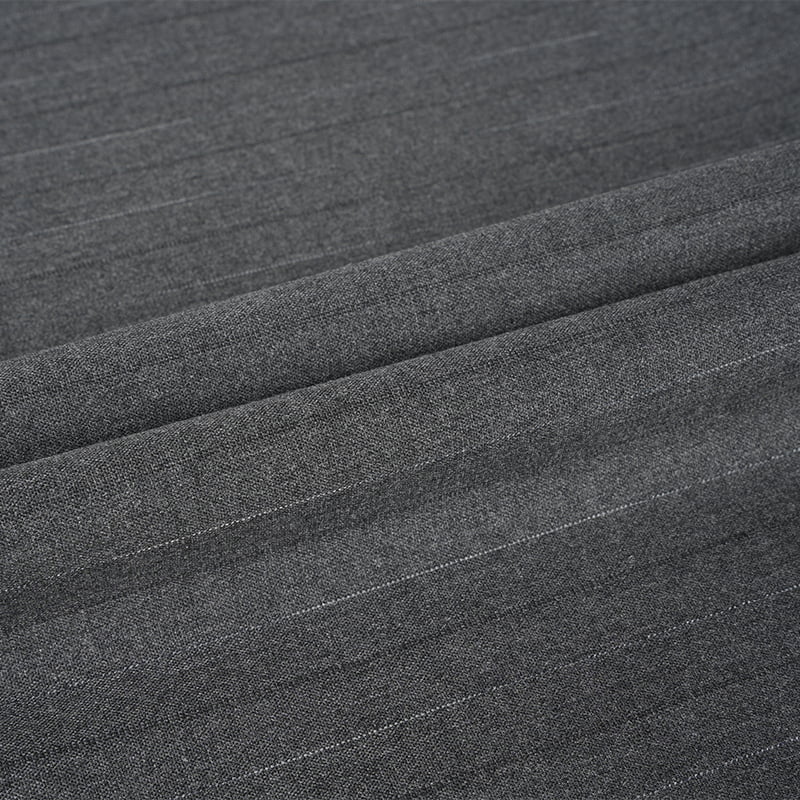
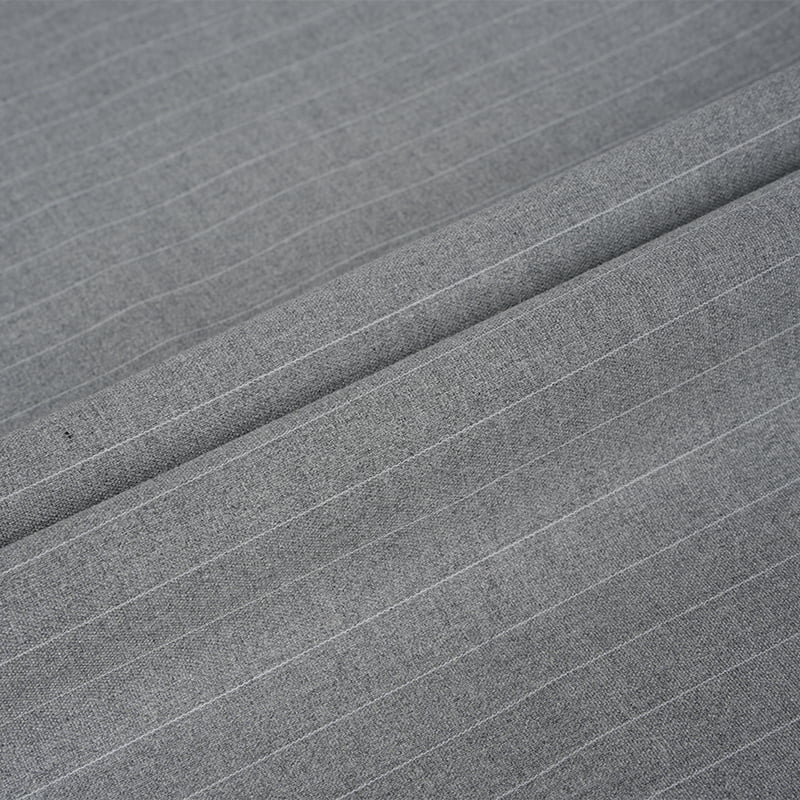
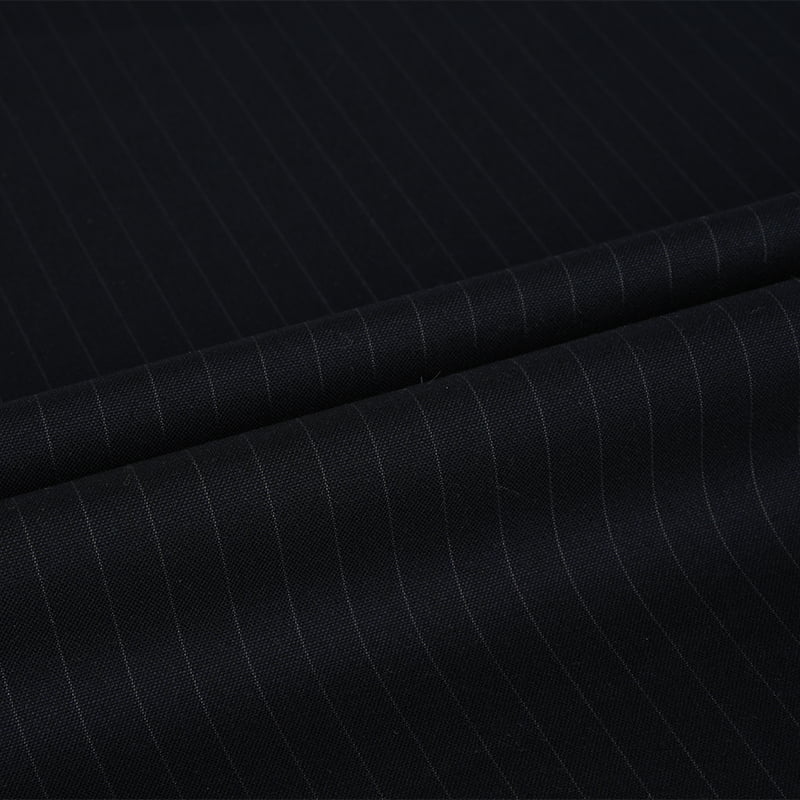
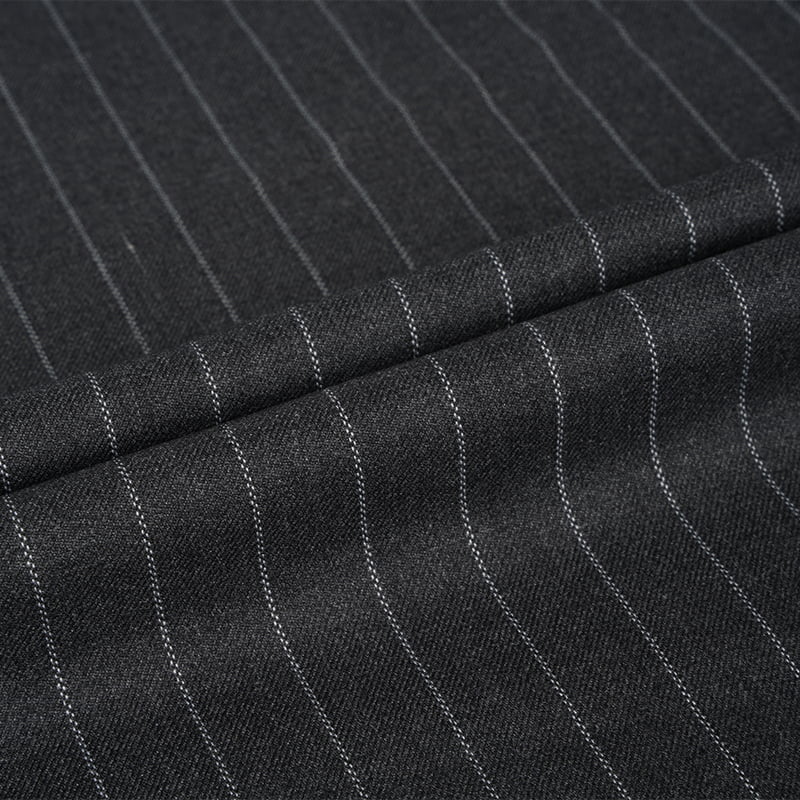
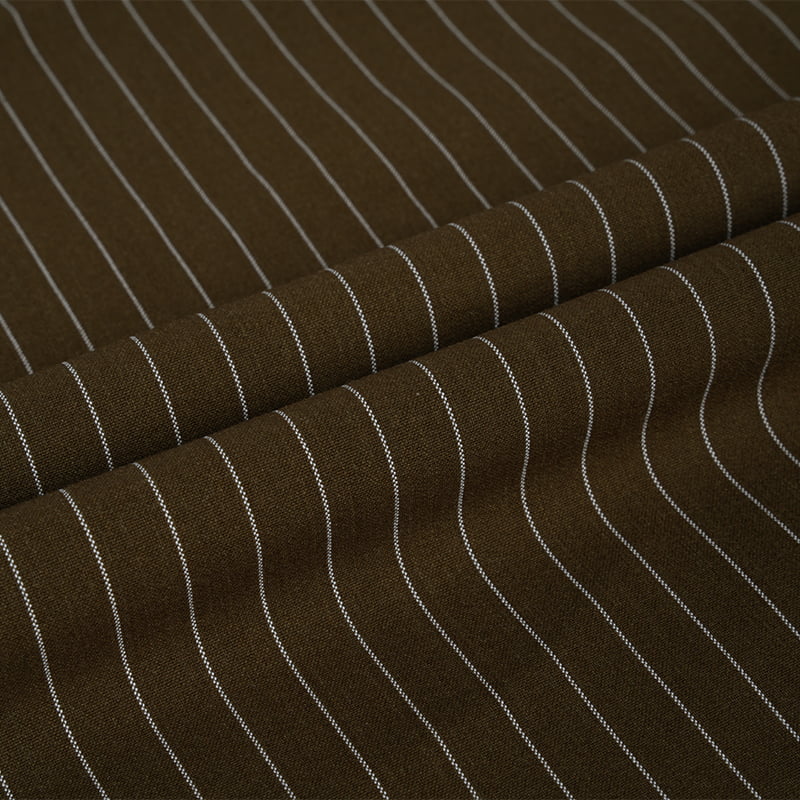
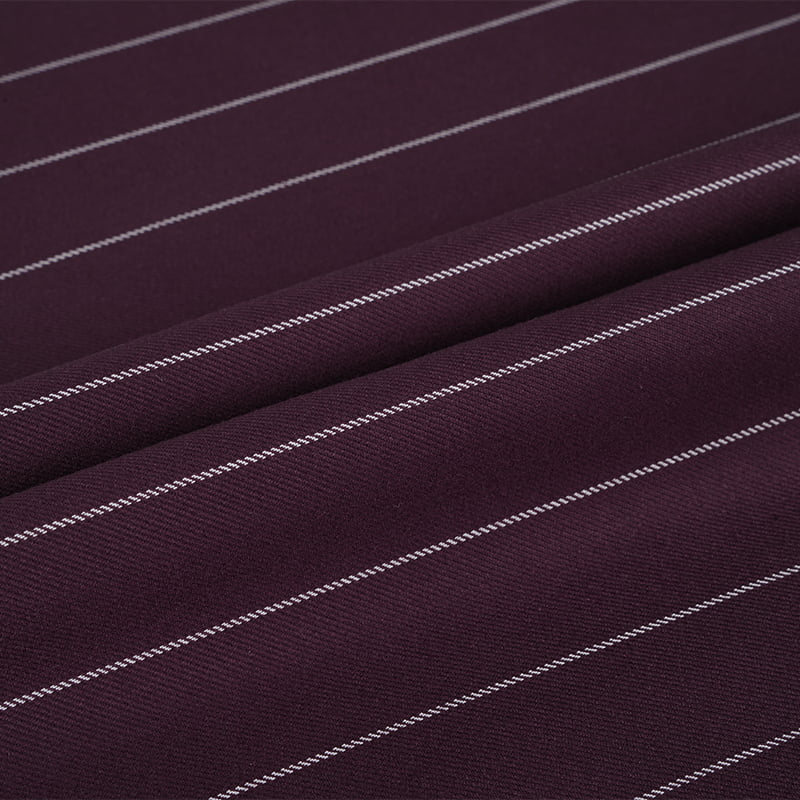
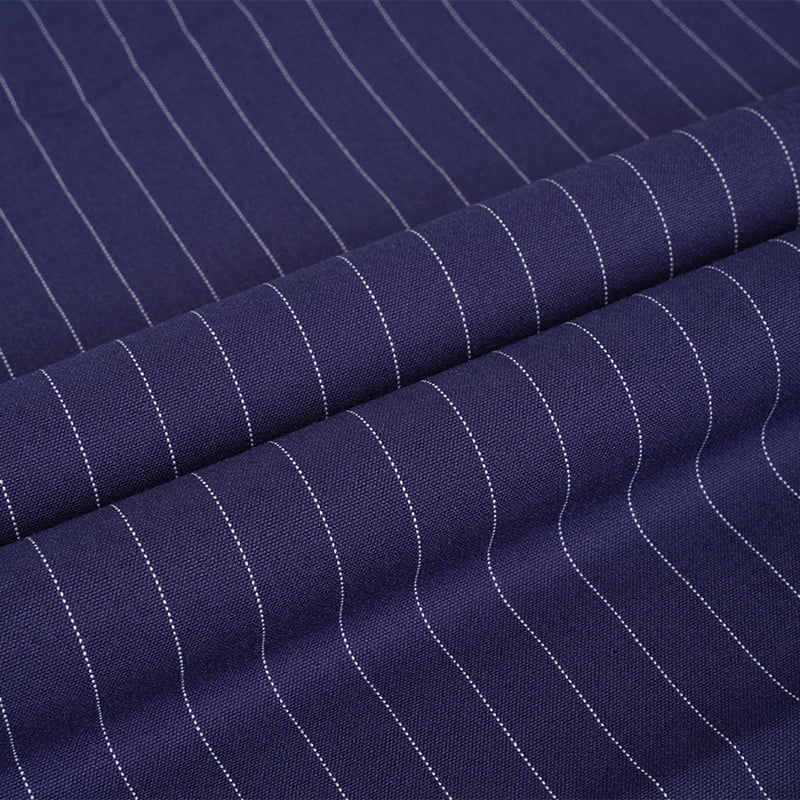
Shaoxing Fuxing Textile Technology Co., Ltd. was founded in 2002 and is located in Keqiao, Shaoxing — one of China‘s most dynamic textile hubs. We operate a 50,000㎡ modern facility equipped with 128 imported Italian rapier looms, supported by a dedicated team of 150+ professionals including textile engineers, quality control specialists, and customer service staff.
We are a specialized China Striped Fabric for Suits Supplier and Striped Fabric for Suits Company, we deliver high-quality, professional-grade fabrics for suits, trousers, blazers, and uniforms. we deliver high-quality, professional-grade fabrics for suits, trousers, blazers, and uniforms. By controlling everything from yarn procurement to finished fabric, we guarantee consistent dye lots, reliable quality, and seamless re-orders.
With the innovation of science and technology, Fuxing Textile has developed more and faster and now we annually provide over 10 million meters of fabric for designers, brands, and terminal purchasers.

Stripe Fabric
Structured Comfort.
Woven for Real Life
Woven for Real Life
Our suiting fabrics combine shape retention with subtle stretch and wrinkle recovery. Engineered for blazers, trousers, and skirts that hold their form — wear after wear.
Striped Fabric for Suits Supplier
About Us
Shaoxing Fuxing Textile Technology Co., Ltd.
-
50,000㎡Factory Area
-
128+Imported Weaving Machine
-
150+Current Employees
-
20+Countries and Regions
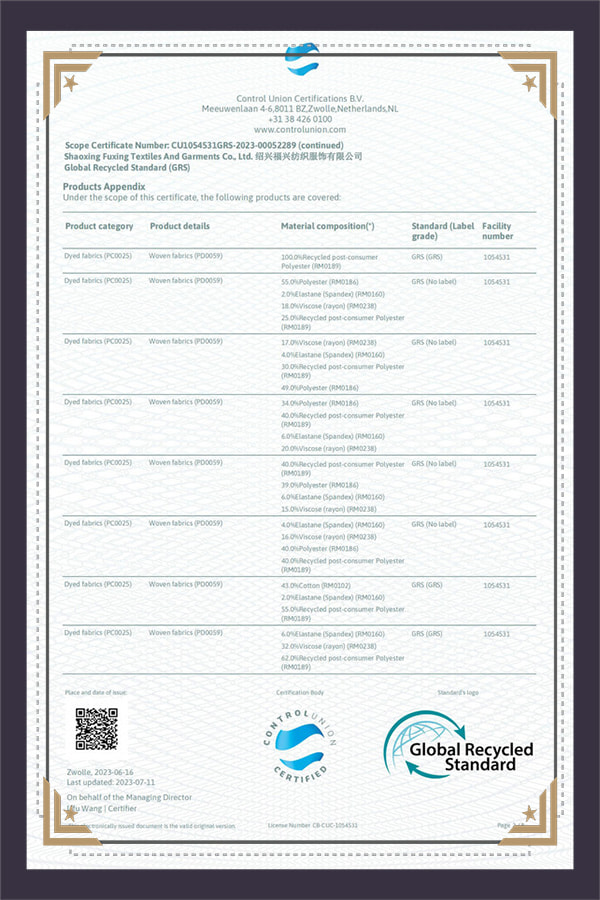
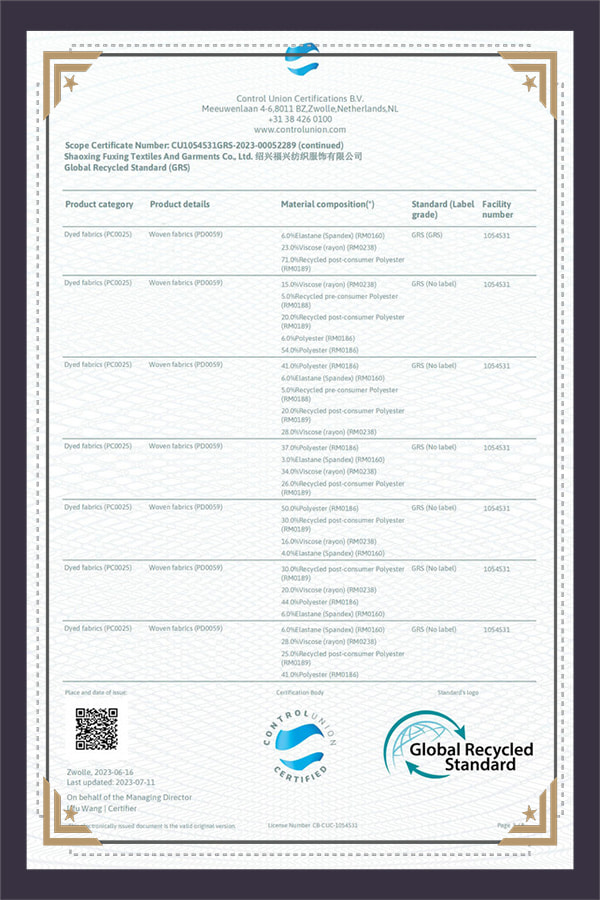
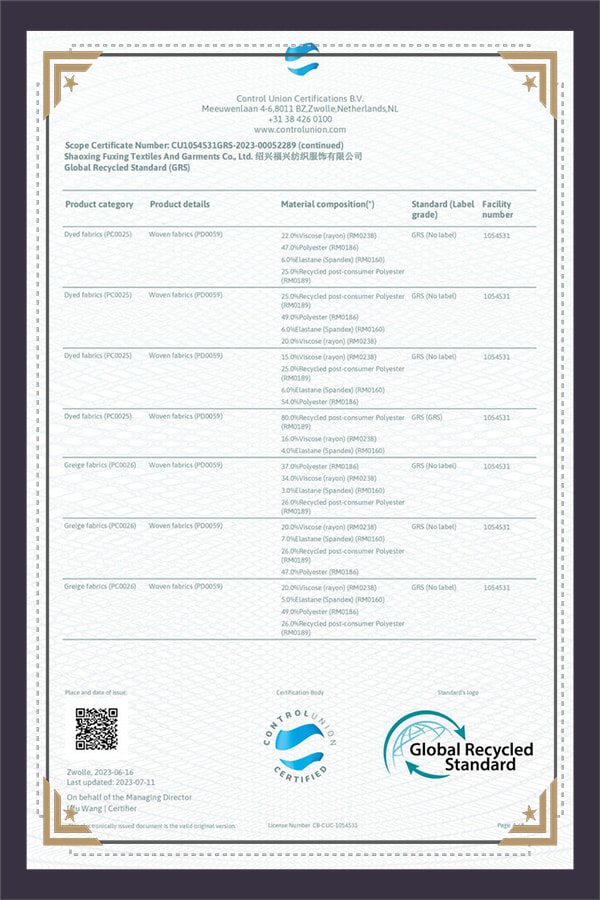
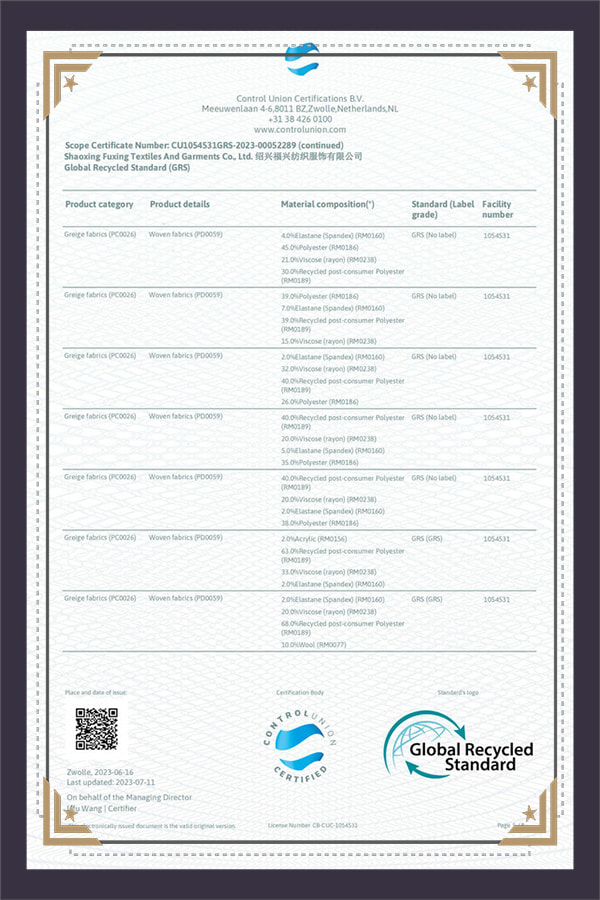
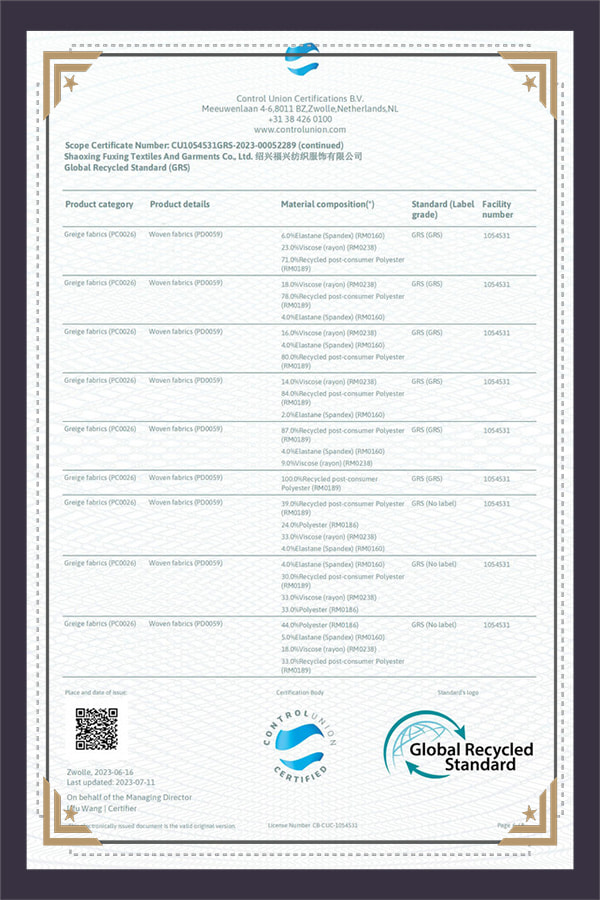
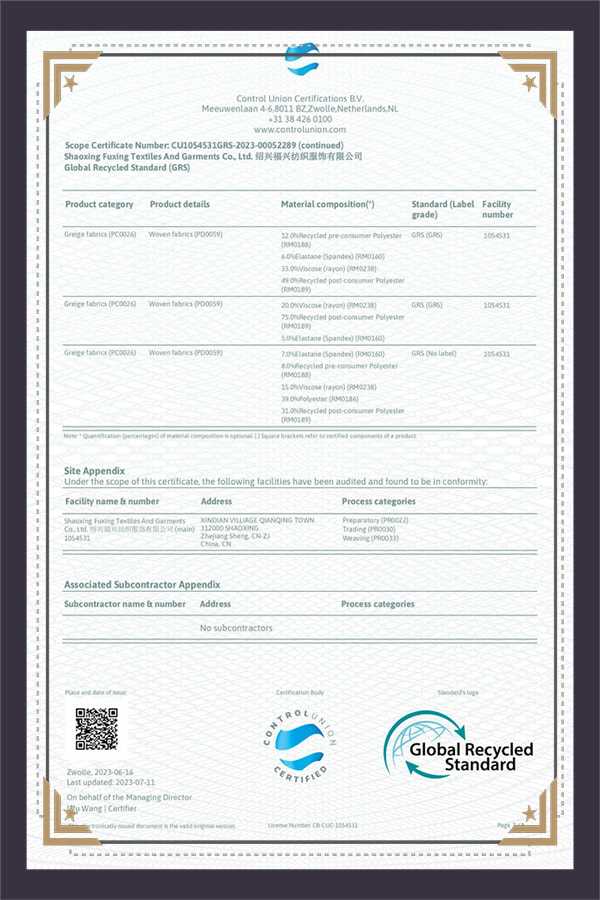
Certificate Of Honor
Stripe Fabric Industry knowledge
Shaoxing Fuxing Textile Technology Co., Ltd. weaves striped suiting cloth for women's tailoring at our mill in Keqiao, Shaoxing. As a China Striped Fabric for Suits manufacturer, we hold a range of stripe qualities inside the women's suiting program, built on polyester-rayon, poly-viscose and spandex blends and developed for blazers, full suits, trousers, skirts and waistcoats, plus business and corporate uniform programs where a stripe has to stay straight through cutting, sewing and pressing.
Where Striped Suiting Sits in Our Range
Shaoxing Fuxing Textile Technology Co., Ltd. was founded in 2002 and runs a 50,000 m2 facility with 128 imported Italian rapier looms, a team of 150+ people and annual output above 10 million meters, serving customers in more than 20 countries and regions. Yarn procurement, weaving, dyeing, finishing and inspection sit inside the same operation, which is what keeps dye lots consistent when a striped quality is reordered season after season.
Our woven output is organized into two product lines: Women's Suiting Fabric and medical apparel fabrics. Within women's suiting, the stripe range sits alongside three other dye routes:
- Piece Dyed Suiting Fabric - the solid-ground base of the suiting line.
- Yarn Dyed Suiting Fabric - where color is set in the yarn before the loom.
- Top Dyed Suiting Fabric - developed for melange and heathered surfaces.
- Striped Fabric for Suits - the stripe layouts described on this category.
The Stripe Qualities We Hold
We group our stripe qualities by fiber base first, then show which of them are developed through the top dyeing route. The two are separate choices, so one quality can appear in both descriptions.
TR and TR spandex stripes
Polyester-rayon with spandex is the backbone of the stripe range. FX57024, FX57083 and FX56057 are built on this base, which gives a firm, dry hand, clean crease recovery and enough give for a fitted blazer or a narrow-leg trouser. These are the qualities we most often place in tailoring that has to travel and still look pressed at the end of the day.
Poly-viscose stripes with stretch
FX57022, FX56242, FX56062 and FX56490 use poly-viscose with spandex, giving a softer, more fluid drape than the straight TR base. They suit unstructured jackets, softly cut trousers, skirts and waistcoats, and they are the natural choice where the stripe should read as a design detail rather than a formal business marking.
Top dyed and colorful stripes
Top dyeing is a dye route, not a fiber base. FX57070, FX57082, FX57083 and FX56490 are developed through it, on the TR spandex, polyester/rayon/spandex or poly-viscose bases described above, so the stripe color is carried in dyed fiber rather than applied to a greige cloth. The result is a deeper, softer tone in the stripe and a surface that hides the light creasing of a long working day.
Twill-construction stripes
FX57080 uses a viscose-poly twill with TR spandex, and the diagonal structure gives the stripe a subtle rib that reads differently under office lighting. Twill constructions are also the practical answer for trousers and uniform pieces that take repeated pressing.
| Reference | Fiber basis | Design route | Typical suiting fit |
|---|---|---|---|
| FX57024 | Polyester / rayon / spandex (TR) | Stripe design, TR stretch | Ladies' suits, blazers |
| FX57022 | Poly / viscose with stretch | Stripe design, poly-viscose | Soft blazers, skirts, suits |
| FX57070 | TR with spandex | Top dyed, colorful stripe | Fashion suits, blazers |
| FX57080 | Viscose / poly twill with TR spandex | Twist stripe on twill ground | Ladies' suits, uniforms |
| FX57082 | Poly / rayon / spandex | Top dyed stripe | Suits and uniform jackets |
| FX56057 | Polyester / rayon / spandex | Stripe design suiting | Trousers, skirts, blazers |
How the Stripe Is Built Into the Cloth
A stripe in suiting is a weaving decision before it is a color decision. Color can be carried in the yarn before weaving through the yarn dyed route, created from fiber dyed before spinning through the top dyed route, or worked into a solid-ground cloth that is dyed after weaving. Each route behaves differently in repeat matching, hand feel and lot-to-lot consistency.
We set stripe pitch, color order and the balance between ground and stripe during development, then check the result on the intended garment rather than on the swatch alone. That matters most for blazers, where the stripe crosses a roll line, a pocket and a center-back seam within a few centimeters.
Stretch, Recovery and Surface Performance
Suiting stripes have to move with the body without losing shape, so the stretch is engineered into the weave rather than added as a surface effect.
- Stretch: spandex is added in the weft direction, typically at 3-5% content, for 15-25% moderate stretch.
- Shape retention: the woven structure is designed to resist sagging, with no bagging at knees or elbows after wear.
- Pilling: our T/R stretch qualities reach grade 3-4 on ISO 12945 through yarn quality, weaving density and finishing.
- Wrinkle recovery: casual suiting qualities are wrinkle-resistant finished; hanging overnight restores smoothness and low-temperature ironing is enough.
- Color fastness: tested in-house against washing, rubbing, light, perspiration and chlorine bleaching.
- Dimensional stability: shrinkage and distortion are measured batch by batch in our own laboratory.
Weight Bands and Garment Matching
Our suiting range covers 180-220 GSM for spring and summer and 240-300 GSM for autumn and winter. The stripe reference usually stays the same across bands while the ground cloth changes, so a blazer and its matching trouser can be developed as one story.
| Garment | Weight band we start from | What the stripe has to deliver |
|---|---|---|
| Blazer or full suit | 240-300 GSM | Stable alignment across roll line, lapel and center-back seam |
| Tailored trousers | 180-220 GSM | Crease retention and knee recovery without shine |
| Skirts | 180-220 GSM | Drape that keeps the stripe vertical in movement |
| Waistcoats | 240-300 GSM | Firm hand for a close fit over a shirt |
| Uniform and workwear programs | Both bands, set by wear cycle | Color consistency across large repeat orders |
Sampling, Custom Development and OEM Work
Our R&D center runs its own sample weaving machine, sample warping machine and dyeing prototype machine, so a stripe layout can be trialed before it reaches a production loom. We replicate customer references or develop new structures and stripe arrangements from a brief.
- Regular sample lead time of 5-12 days, with urgent requests negotiable.
- Development of small batches and multiple varieties within one sampling round.
- Adjustment of fiber composition, weave structure and color within the sample stage.
- OEM and ODM development for brands and distributors working on their own stripe designs.
Production Control, Testing and Batch Traceability
Every meter passes eight main processes and at least three intermediate inspections, from raw material detection through warping, sizing, weaving, fabric inspection, finishing and final inspection to packing. An ERP system records production data for each batch, which is how we keep dye lots matched on repeat orders.
Our in-house laboratory tests abrasion, pilling, breaking and tearing strength, color fastness, dimensional stability and fiber composition, and we arrange third-party testing reports where a program requires them. Products are produced to OEKO-TEX Standard 100 conformity. Bulk lead time is 25-30 days, and technical datasheets and compliance documents are issued with the order.
Information We Use to Prepare Your Fabric Proposal
We build each striped suiting proposal from the garment backwards, so the quotation reflects a cloth that can actually be cut and sewn at the stated volume.
- Target garment and style: blazer, suit, trouser, skirt, waistcoat or uniform piece, with the construction details that affect stripe placement.
- Fiber composition and hand feel direction, including whether the base should be TR, poly-viscose or a twill construction.
- Weight and width requirements, and the season the cloth is intended for.
- Stripe specification: pitch, color order, ground color and any reference swatch or development sketch.
- Color standards and lab dip requirements for the ground and the stripe.
- Order quantity by colorway, plus the expected repeat pattern across the season.
- Testing requirements, including any third-party reports or performance standards the program must meet.
- Delivery timing and packing instructions for the destination.
Questions We Answer Most Often
Can you develop a stripe to match our existing reference?
Yes. Our sample development center replicates customer references and also builds new stripe layouts from a brief, sketch or garment sample. We adjust composition, weave structure and color during sampling before the quality moves to a production loom.
How long does sampling take?
Regular samples are delivered within 5-12 days. Requests that need several colorways or an urgent trial can be discussed and scheduled against the loom plan.
What is the bulk lead time for a striped suiting order?
Bulk orders run on a 25-30 day lead time, planned across 128 imported Italian rapier looms. Repeat orders of an approved quality follow the same dye route so the lot matches the original sample.
Does the stripe fabric stretch and recover?
Spandex is woven into the weft at typically 3-5% content, producing 15-25% moderate stretch. The structure is designed for shape retention, so trousers resist bagging at the knee and jackets keep their form through a working day.
Which garments do these stripes suit best?
Women's blazers, suits, trousers, skirts and waistcoats in the business and business-casual category, plus uniform programs. Lighter cloths in the 180-220 GSM band carry spring and summer tailoring, while 240-300 GSM grounds are used for autumn and winter pieces.

Can Supply Mature And Stable Products.
Choose Us, Contact Us
Choose Us, Contact Us
Contact Us
-

Tel: +86-575-81176657
+86-18857538666 -
 E-mail: martin@fuxing-tex.com
-
 Xindian Village, Qianqing Street, Keqiao District, Shaoxing City, Zhejiang Province, China.
Quick Links
Products
Get In Touch
Copyright © Shaoxing Fuxing Textile Technology Co., Ltd. All rights reserved. Wholesale Striped Fabric for Suits Supplier OEM/ODM Striped Fabric for Suits Company
