 English
 中文简体
 日本語
 한국어
 русский
 Español

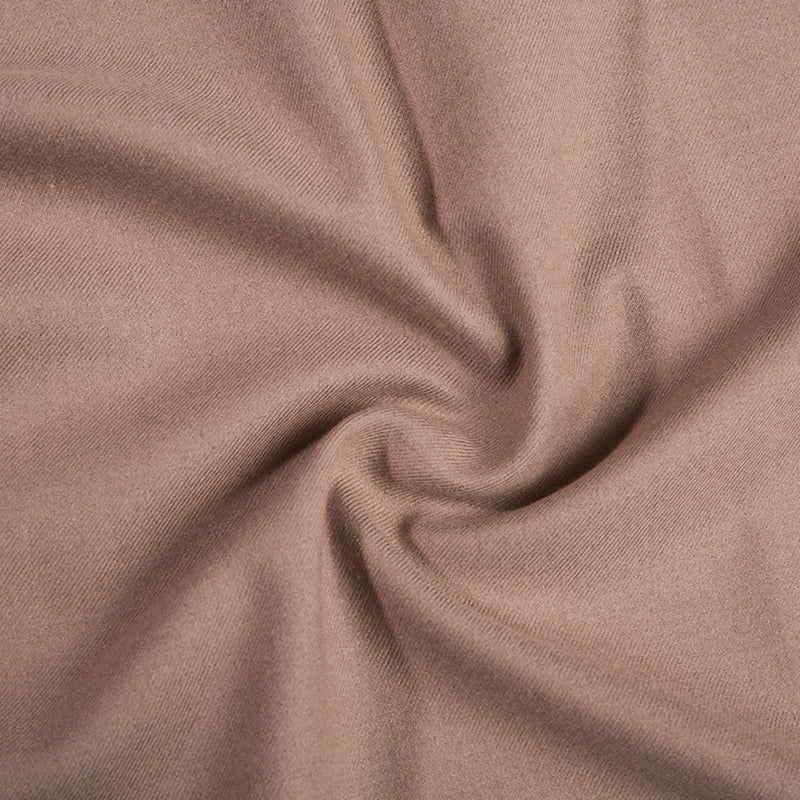
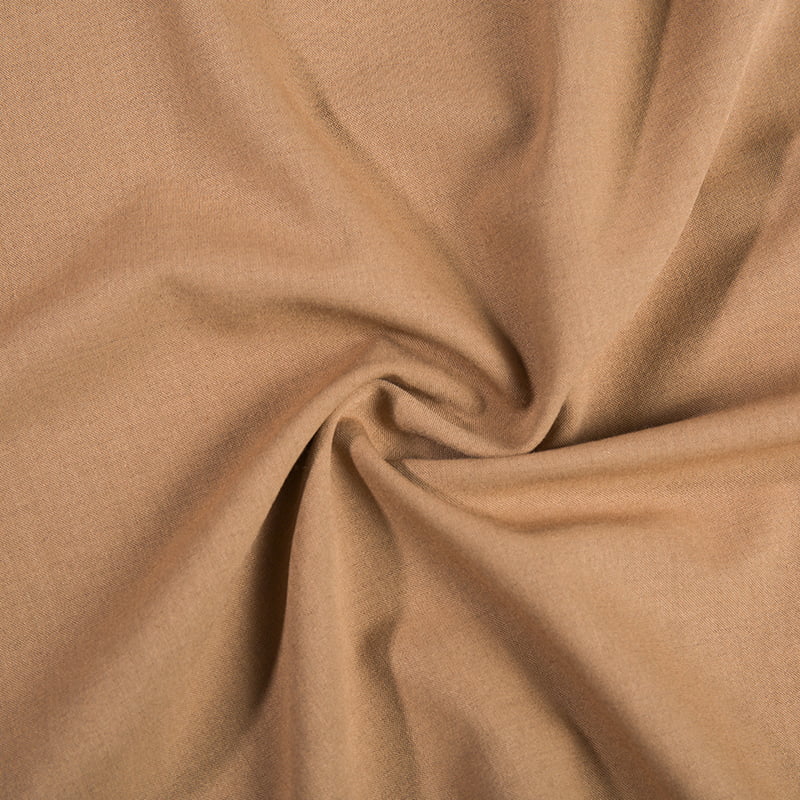
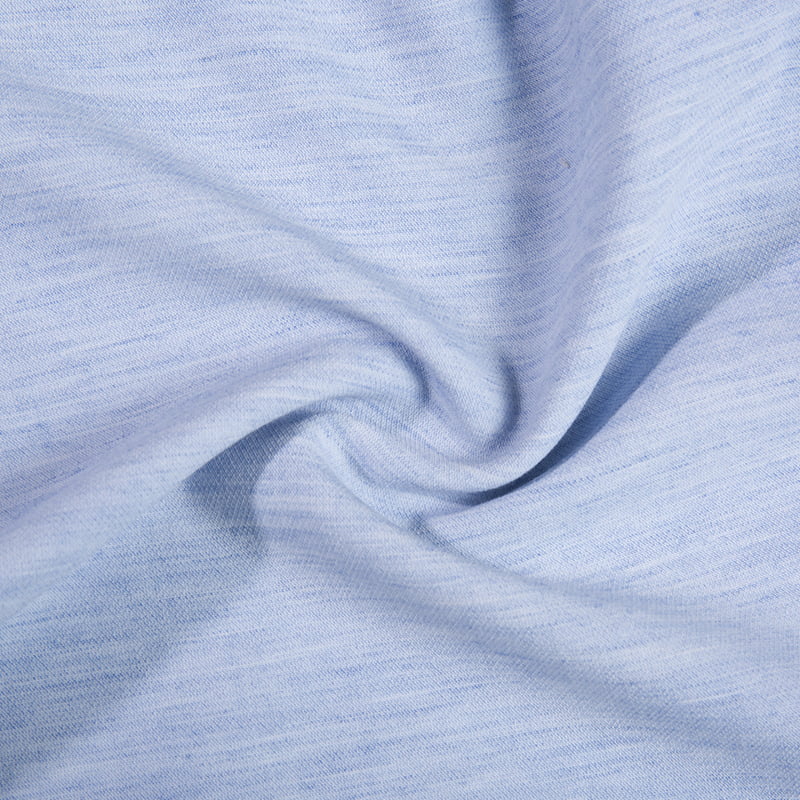
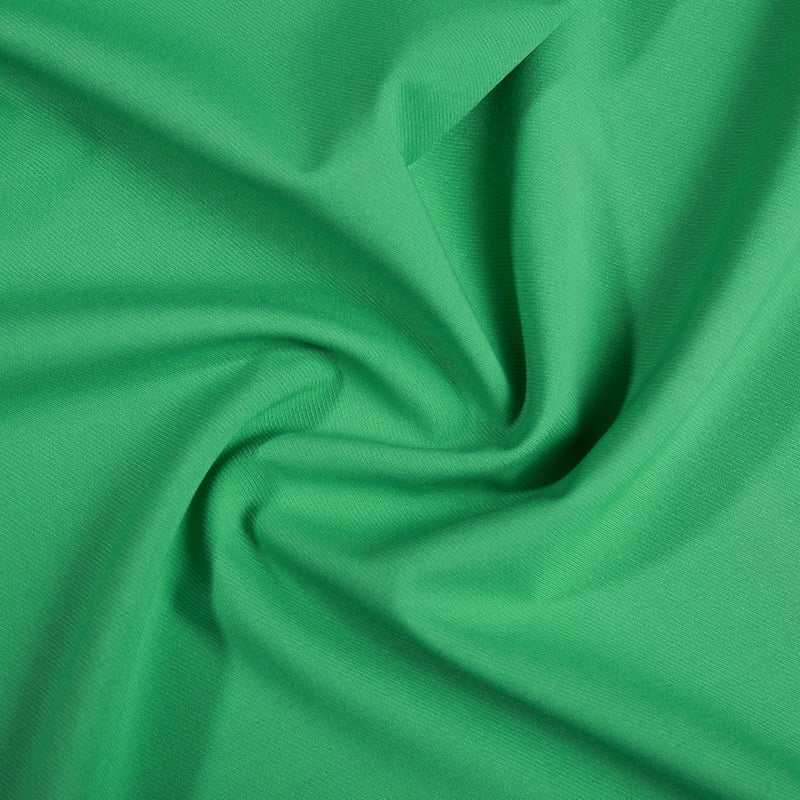
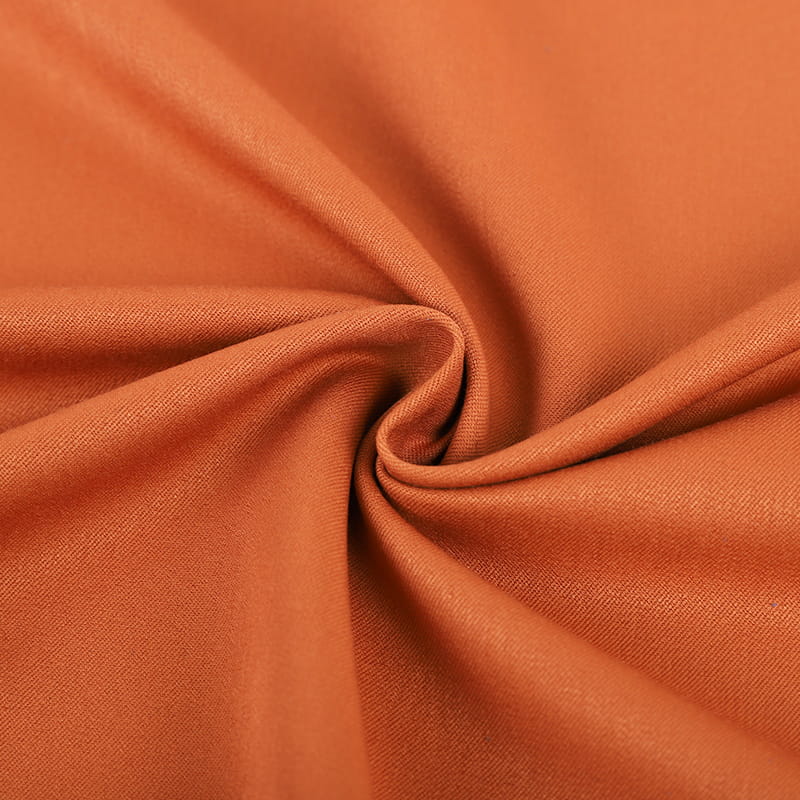
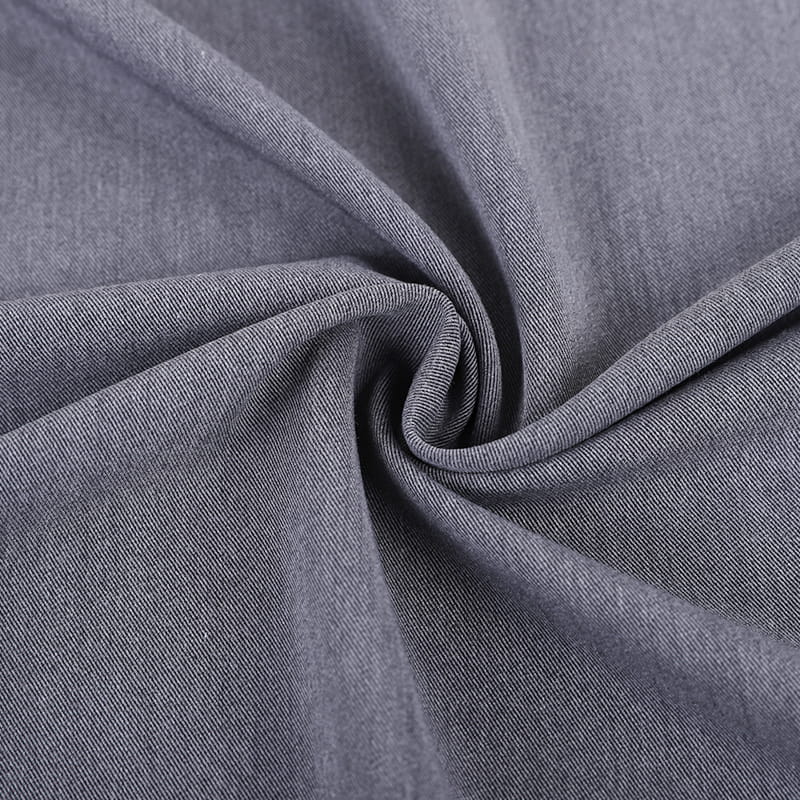
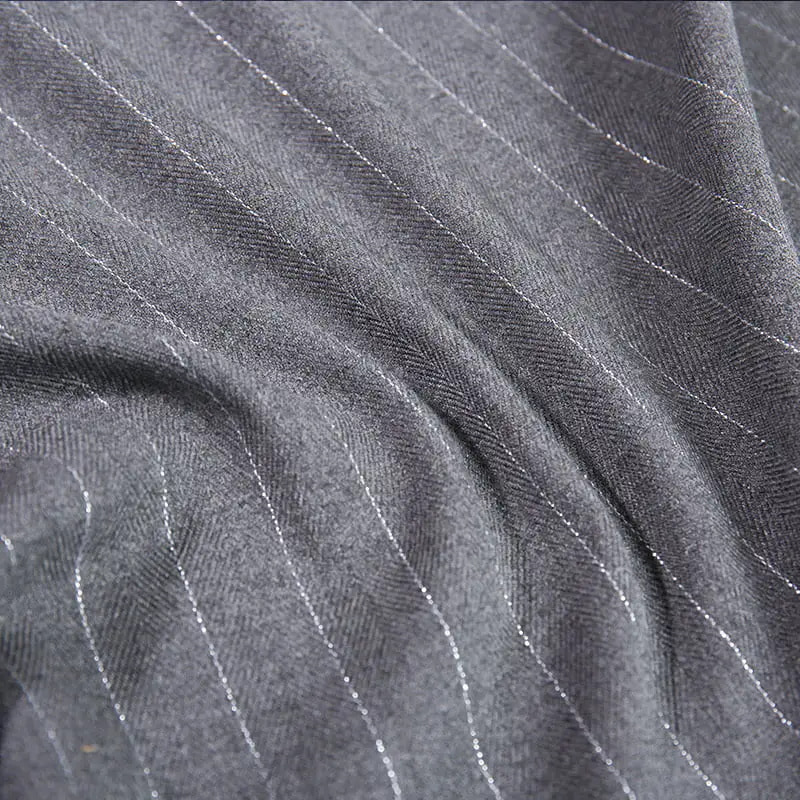
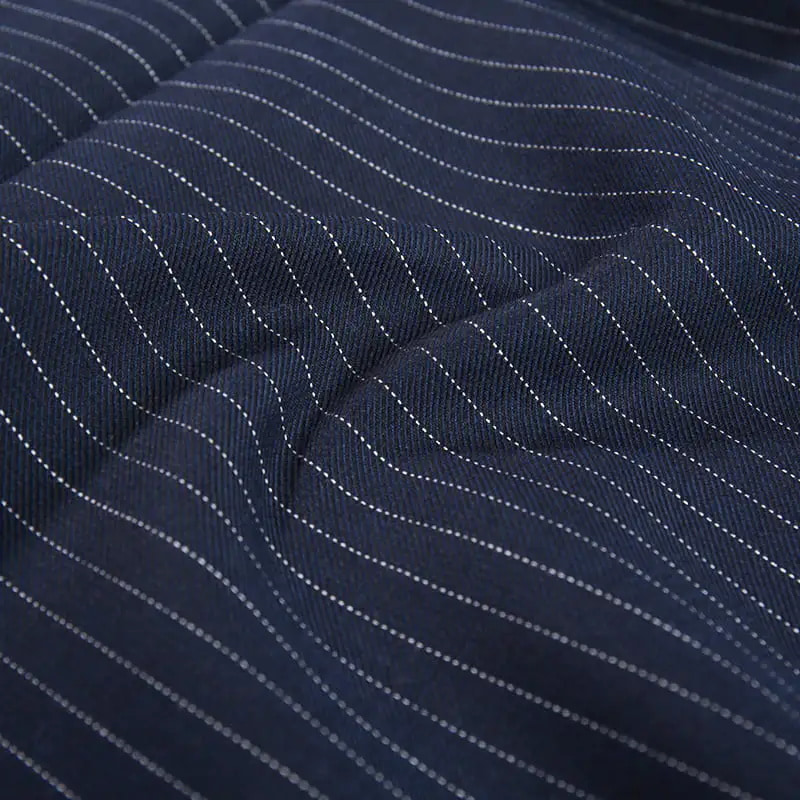
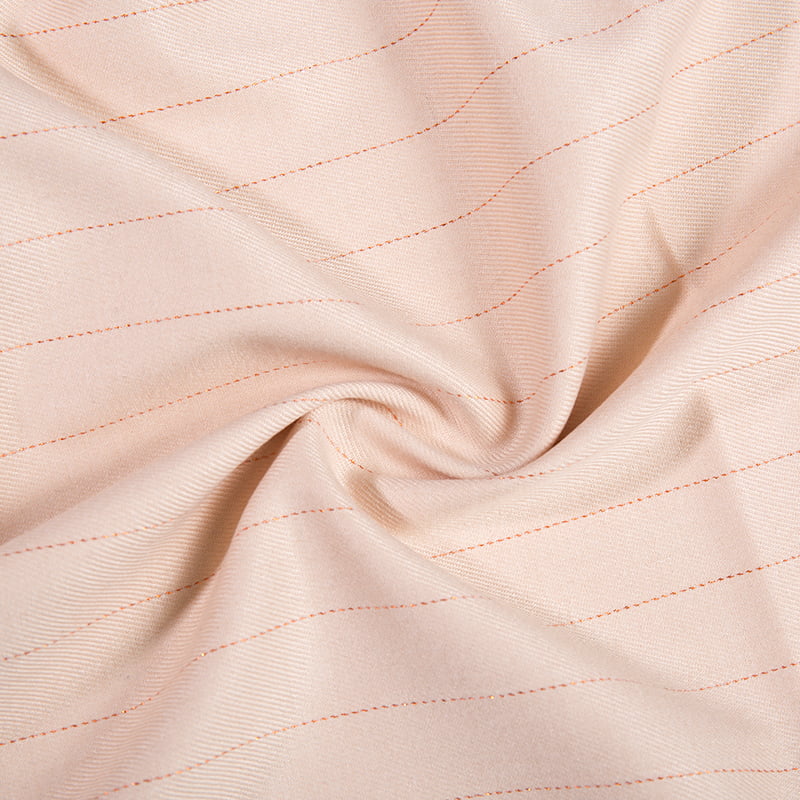
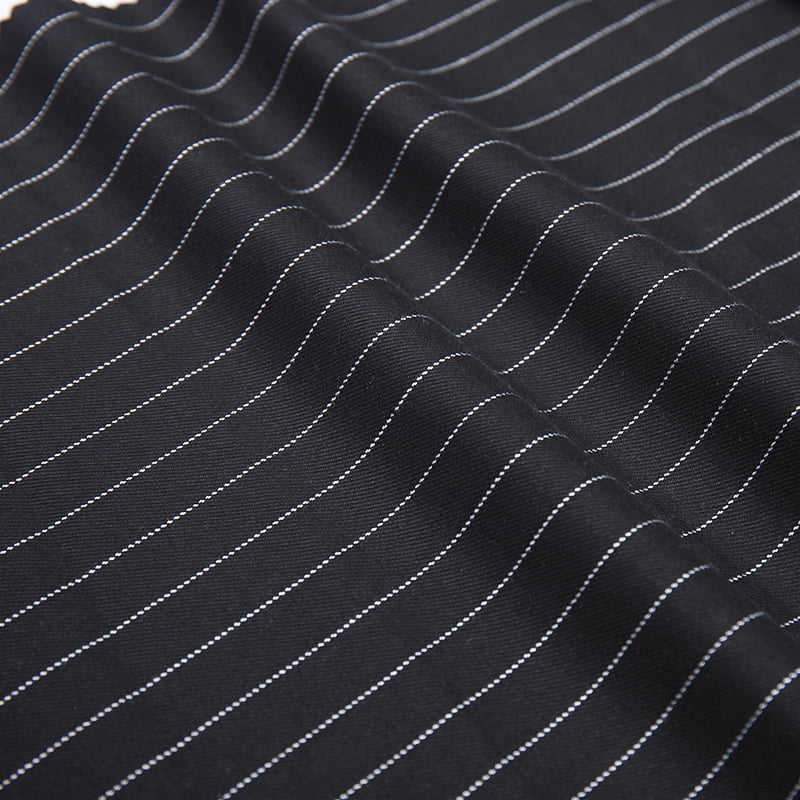
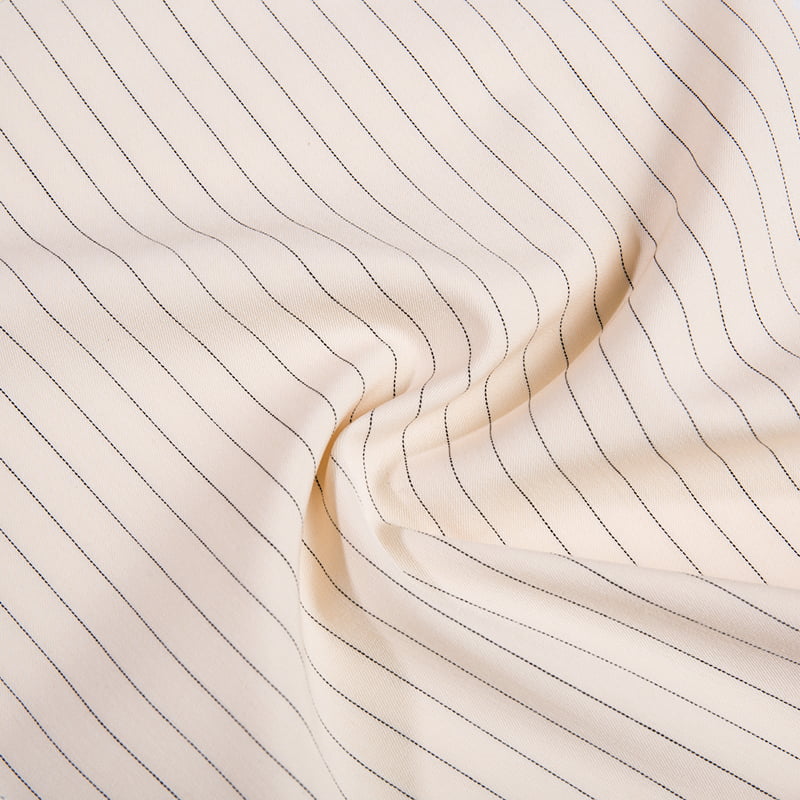
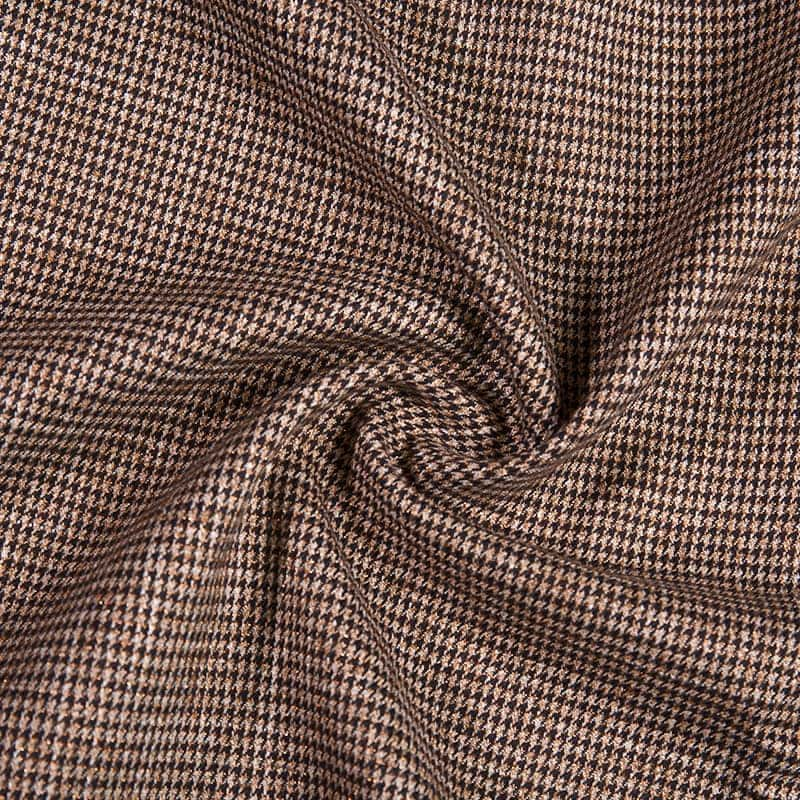
Shaoxing Fuxing Textile Technology Co., Ltd. was founded in 2002 and is located in Keqiao, Shaoxing — one of China‘s most dynamic textile hubs. We operate a 50,000㎡ modern facility equipped with 128 imported Italian rapier looms, supported by a dedicated team of 150+ professionals including textile engineers, quality control specialists, and customer service staff.
We are a specialized China Women's Suiting Fabric Manufacturer and Women's Suiting Fabric Factory, we deliver high-quality, professional-grade fabrics for suits, trousers, blazers, and uniforms. we deliver high-quality, professional-grade fabrics for suits, trousers, blazers, and uniforms. By controlling everything from yarn procurement to finished fabric, we guarantee consistent dye lots, reliable quality, and seamless re-orders.
With the innovation of science and technology, Fuxing Textile has developed more and faster and now we annually provide over 10 million meters of fabric for designers, brands, and terminal purchasers.

Women's Suiting Fabric Manufacturer
Our suiting fabrics combine shape retention with subtle stretch and wrinkle recovery. Engineered for blazers, trousers, and skirts that hold their form — wear after wear.
About Us
Shaoxing Fuxing Textile Technology Co., Ltd.
-
50,000㎡Factory Area
-
128+Imported Weaving Machine
-
150+Current Employees
-
20+Countries and Regions
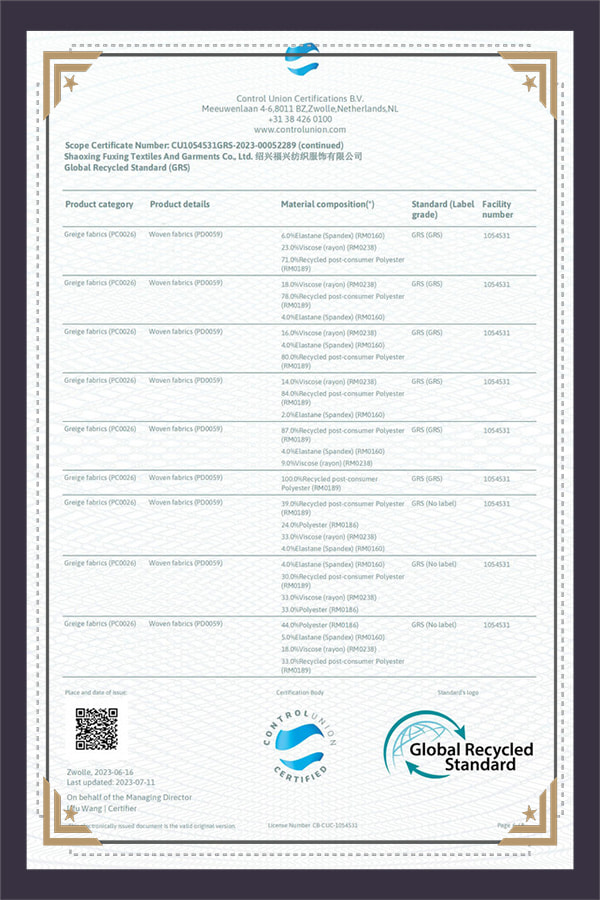
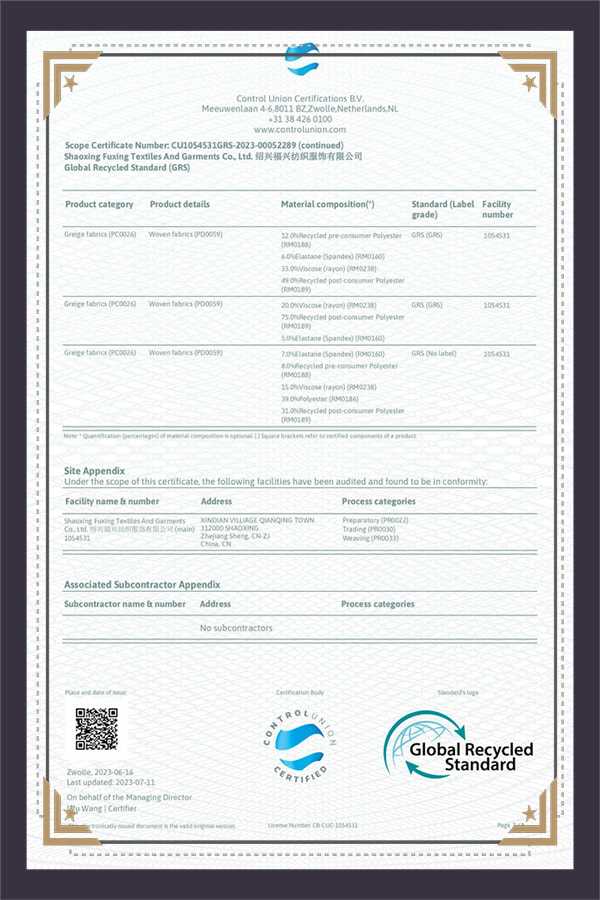
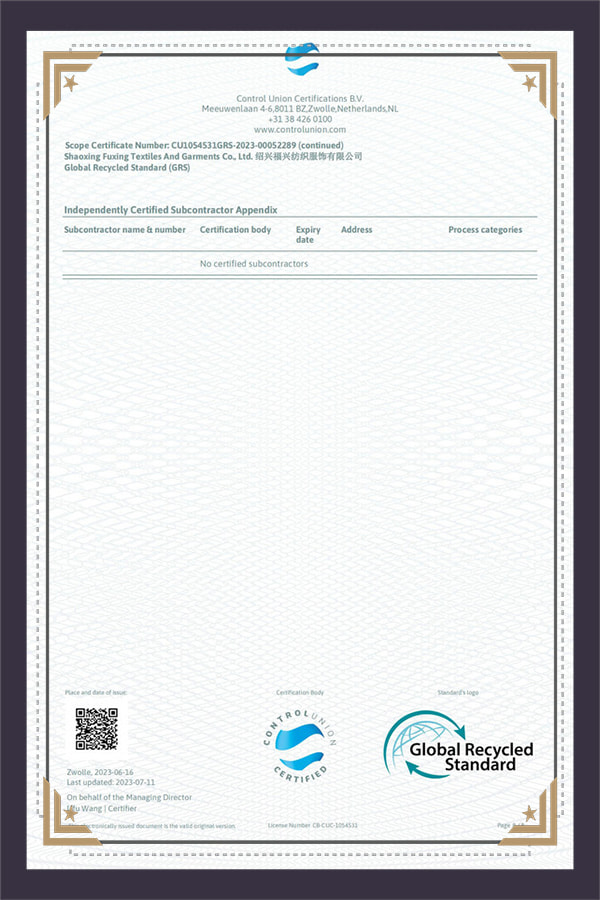
Certificate Of Honor
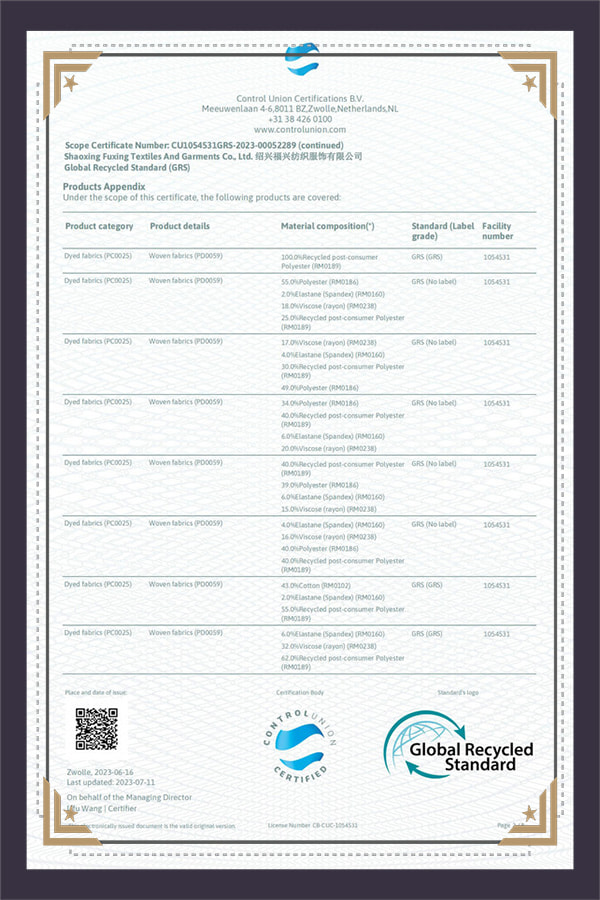
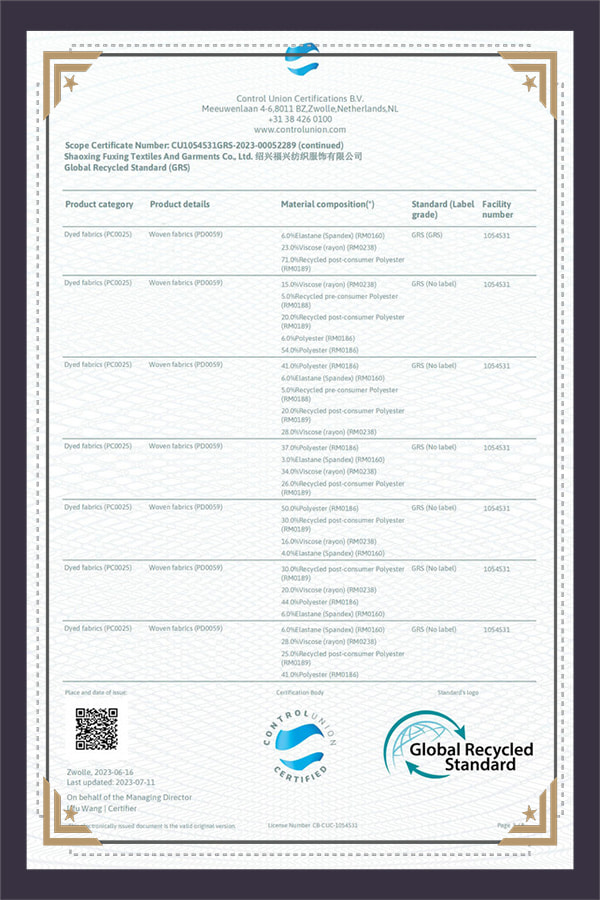
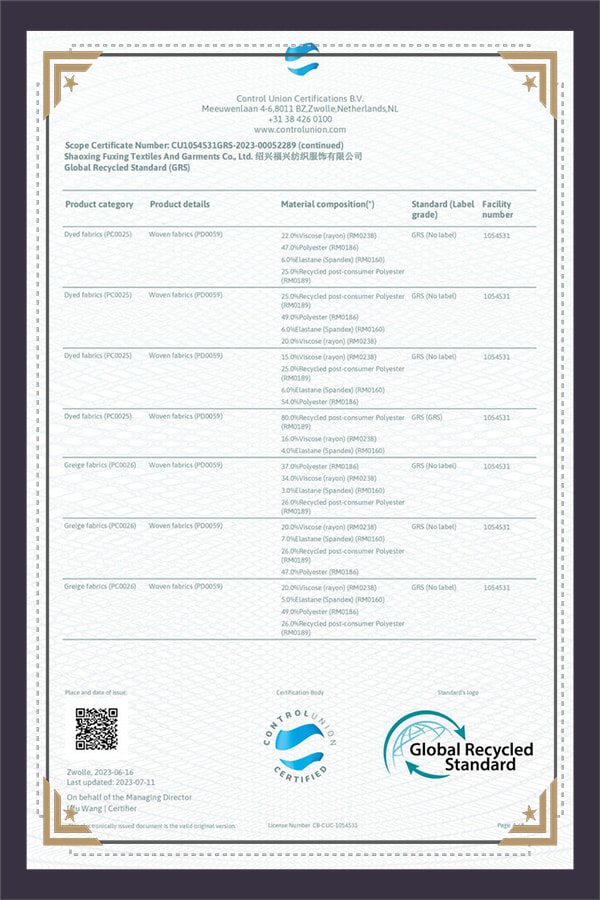
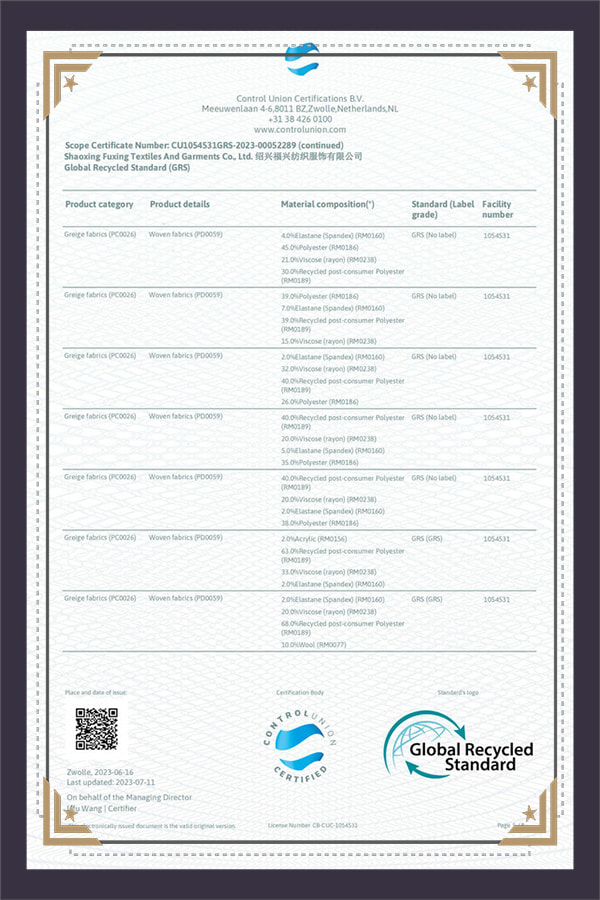
Women's Suiting Industry knowledge
Fuxing Textile is a Women's Suiting Fabric manufacturer based in Keqiao, Shaoxing, weaving cloth for tailored womenswear. Our range covers a wide variety of styles across four production routes - piece dyed, yarn dyed, top dyed and striped - built mainly on polyester, rayon and spandex, with wool, modal, linen and cashmere entering the blends at the upper end. The styles shown on this website are only a selection of what we produce. We weave, dye, finish and inspect inside a 50,000 m2 facility equipped with 128 imported Italian rapier looms, and we supply brands, ODM factories and uniform programs in more than 20 countries. Every fabric in this family is developed for the same job: blazers, trousers, skirts and waistcoats that keep their line through a working day and through repeated wear.
Where We Sit in Women's Suiting
Shaoxing Fuxing Textile Technology Co., Ltd. was founded in 2002 and has grown around woven stretch fabrics rather than a broad catalogue of knits and prints. Annual output exceeds 10 million meters, produced by a team of 150+ people that includes textile engineers and quality control specialists. Yarn procurement, weaving, dyeing coordination, finishing and final inspection sit under one roof, which is what allows us to hold dye lots consistent across repeat orders.
Our suiting fabrics are engineered around shape retention with a moderate stretch and wrinkle recovery - the combination that lets a tailored jacket hold its shoulder and a trouser hold its crease without feeling rigid.
- Base platform: polyester-rayon-spandex wovens, with 3-5% spandex in the weft delivering roughly 15-25% stretch
- Weave structures: plain, twill, crepe, herringbone and double weave
- Upgraded blends: wool, wool-cashmere, modal and linen variants for autumn/winter and premium programs
- Finishing: wrinkle-resistant and anti-pilling finishes applied where the end use calls for them
The Range We Supply
Piece Dyed Suiting Fabric
Our solid-shade route, where the woven grey fabric is dyed as a whole. Solids can be matched to a Pantone reference or a physical swatch, and because grey fabric is held in stock, dyeing starts on order confirmation. Plain, twill and crepe surfaces sit alongside double-weave constructions where both faces can be used. This is the practical choice for blazers, trousers and corporate uniform programs where the shade is confirmed close to the cut date.
Yarn Dyed Suiting Fabric
Stripes, checks and houndstooth, where colour is fixed into the yarn before weaving and the pattern comes from the interlacing itself. Patterns read clearly on both sides, hold their definition after laundering and stay consistent between batches - useful for uniform ranges that must look identical across intakes. Standard width is 57/58 inches, and stripe width, check colourway and pattern arrangement are developed to specification.
Top Dyed Suiting Fabric
Fibres are dyed before spinning, so colour sits inside the fibre and the surface carries a fine natural blend effect rather than flat solid shade. Weights run 170-340 GSM with 2-way and 4-way stretch options and spandex from 2% to 6%. Fastness to rubbing, perspiration and washing reaches grade 3 or above, which supports long-term repeat programs in suits, trousers and uniforms.
Striped Fabric for Suits
A dedicated stripe range, from fine business pinstripes to wider decorative bands for blazers and separates. Stripes are built through yarn arrangement or weave structure rather than printing, so the line stays sharp through cutting, sewing and pressing. We develop stripe width, repeat spacing and colourway against the garment's panel layout.
Composition, Weight and Stretch
Most of the range is a polyester-rayon-spandex formula: polyester carries dimensional stability and durability, rayon adds moisture absorption, breathability and a natural luster, and spandex supplies elastic recovery. Adjusting the ratio shifts softness, drape and stretch behaviour, so we treat composition as a development variable rather than a fixed recipe.
- Seasonal weights: 180-220 GSM for spring/summer tailoring, 240-300 GSM for autumn/winter
- Full top-dyed band: 170-210 GSM for warm climates, 220-270 GSM for year-round indoor wear, 310-340 GSM for heavy autumn/winter garments
- Stretch: 2-way or 4-way; low spandex (2-3%) for formal silhouettes that must stay close to traditional fit, 4-6% where comfort and movement matter
- Pilling: grade 3-4 on T/R stretch styles under ISO 12945
- Recovery: wrinkle-resistant finishing across the range, with crepe and twill structures hiding creases between wears
Matching Fabric Route to Garment
| Fabric route | Construction and surface | Weight and stretch | Strongest garment fit |
|---|---|---|---|
| Piece dyed TR stretch | Plain, twill or crepe, solid shade | Medium weight, 2-way or 4-way | Blazers, tailored trousers, waistcoats |
| Piece dyed double weave | Two wearable faces, clean reverse | Medium to heavy, stretch as standard | Structured jackets, skirts, unlined tailoring |
| Top dyed TR | Fibre-dyed, fine blended surface | 170-340 GSM, spandex 2-6% | Suits, trousers, corporate uniform ranges |
| Yarn dyed stripe, check, houndstooth | Pattern from interlacing, both sides visible | Light to heavy, stretch standard | Blazers, suits, uniform programs with strict appearance standards |
| Wool blend and herringbone | Wool, cashmere or modal in the blend, herringbone design | Heavy weight | Autumn/winter suits, premium structured blazers |
| Striped fabric for suits | Woven stripes, custom width and repeat | Light to medium | Suit separates, trousers, skirts |
Colour and Pattern Development
Colour matching runs through all four routes. For piece dyeing we work from a Pantone number or a physical sample and dye the whole piece, which gives tight shade consistency within a batch. For yarn and top dyeing the shade is set at yarn or fibre stage, so batch-to-batch deviation is small and the pattern survives abrasion far better than a printed surface.
Pattern work is handled as a development task, not a catalogue selection. Stripe width and repeat, check scale, houndstooth size and colourway placement are all set against the garment panels they will be cut into, so a blazer front and a trouser leg read as one story.
Sampling and Custom Development
Our in-house sample development centre runs its own sample weaving machine, sample warping machine and dyeing prototype machine. That lets us replicate a customer reference or build a new construction from scratch without waiting on external sampling capacity.
- Regular sample turnaround of 5-12 days, with urgent requests negotiated case by case
- Composition adjustments, weave changes and colour customisation supported at sample stage
- Development of new organisations and surface effects to a brief
- Physical swatches supplied for hand-feel assessment before bulk confirmation
Weaving, Finishing and Quality Control
Each meter passes eight main processes with at least three intermediate inspections, from raw material detection through warping, sizing, weaving, fabric inspection, post-finishing and final product inspection. Production data is recorded in an ERP system, so each batch is traceable back through its process history.
Our own laboratory tests every batch internally: abrasion, pilling, breaking and tearing strength; colour fastness to washing, rubbing, light, perspiration and chlorine bleaching; shrinkage and distortion for dimensional stability; and fibre composition identification. Third-party test reports are arranged when a program requires them, and technical datasheets and compliance documentation are issued with the order paperwork.
Order Scope, Lead Time and Delivery
Minimums vary by construction. Part of the range starts at 1,500 m per colour, and top dyed orders run 1,500-2,000 m per colour with colourway splitting supported once the full-order minimum is met - useful for multi-colour uniform programs that need several shades from one development. Bulk production runs on a 25-30 day lead time after order confirmation, planned across 128 rapier looms dedicated to T/R stretch and functional wovens.
Information We Use to Configure Your Fabric Proposal
A quotation that holds up in production starts from the garment, not the price per meter. These are the inputs we work from when specifying a women's suiting fabric:
- Target garment and silhouette - blazer, trousers, skirt, waistcoat or full suit, and whether it is lined or unlined
- Composition direction and any fibre restrictions, including wool, modal or linen content
- Weight in GSM and the season or climate the garment sells into
- Required width, normally 57/58 inches
- Weave and surface - plain, twill, crepe, herringbone, double weave, stripe, check or houndstooth
- Stretch direction and level, plus wrinkle-resistant or anti-pilling finishing requirements
- Colour reference as a Pantone number or physical swatch, and the number of colourways
- Quantity per colour and total order volume, so minimums and colour splitting can be planned
- Testing and documentation requirements for the destination market
- Required delivery window and shipping destination
Frequently Asked Questions
What is the practical difference between piece dyed, yarn dyed and top dyed suiting in your range?
Piece dyeing colours the woven grey fabric as a whole, giving flat solid shades with late colour confirmation. Yarn dyeing colours the yarn before weaving, so stripes, checks and houndstooth are formed by the interlacing and appear on both faces. Top dyeing colours the fibre before spinning, which produces a fine blended surface, higher fastness and very consistent batch-to-batch colour.
Which weights suit spring/summer and autumn/winter tailoring?
For women's business tailoring we usually place 180-220 GSM in spring/summer and 240-300 GSM in autumn/winter. Across the top dyed series the band widens to 170-340 GSM: 170-210 GSM for hot climates, 220-270 GSM for year-round indoor wear, and 310-340 GSM where a heavier hand and stronger drape are wanted.
How much stretch do your suiting fabrics have?
Spandex sits in the weft at typically 3-5% and produces around 15-25% moderate stretch. That level keeps a jacket shoulder and a trouser knee from bagging after wear. Where a closer, more traditional silhouette is required we reduce spandex to 2-3%; where movement matters more, 4-6% with 4-way stretch is available.
What are your sampling and bulk lead times?
Regular samples are delivered in 5-12 days, with urgent requests negotiated individually. Bulk orders run 25-30 days after confirmation, planned across our Italian rapier looms and tracked in the ERP system through each production stage.
Can colours and patterns be developed to our own reference?
Yes. We match to Pantone numbers or physical swatches and develop stripe width, check scale, houndstooth size and colourway placement to your specification. Composition and weave adjustments are handled at sample stage, so the bulk fabric is confirmed from a swatch you have already assessed in the garment.

Can Supply Mature And Stable Products.
Choose Us, Contact Us
Choose Us, Contact Us
Contact Us
-

Tel: +86-575-81176657
+86-18857538666 -
 E-mail: martin@fuxing-tex.com
-
 Xindian Village, Qianqing Street, Keqiao District, Shaoxing City, Zhejiang Province, China.
Quick Links
Products
Get In Touch
Copyright © Shaoxing Fuxing Textile Technology Co., Ltd. All rights reserved. Custom Women's Suiting Fabric Manufacturer OEM/ODM Women's Suiting Fabric Factory
