
 English
 中文简体
中文简体 日本語
日本語 한국어
한국어 Español
 русский
Content
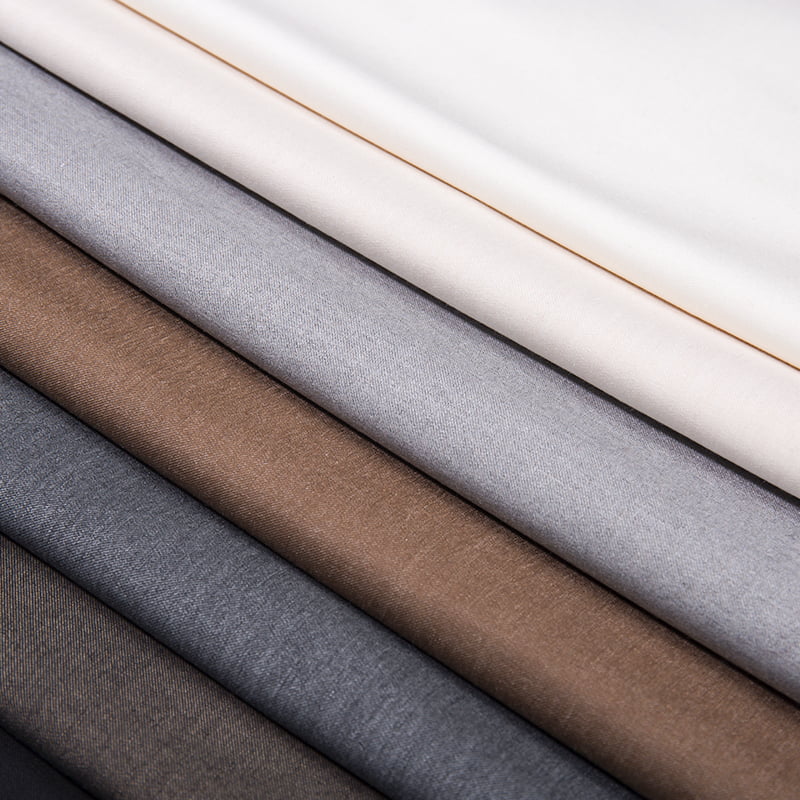
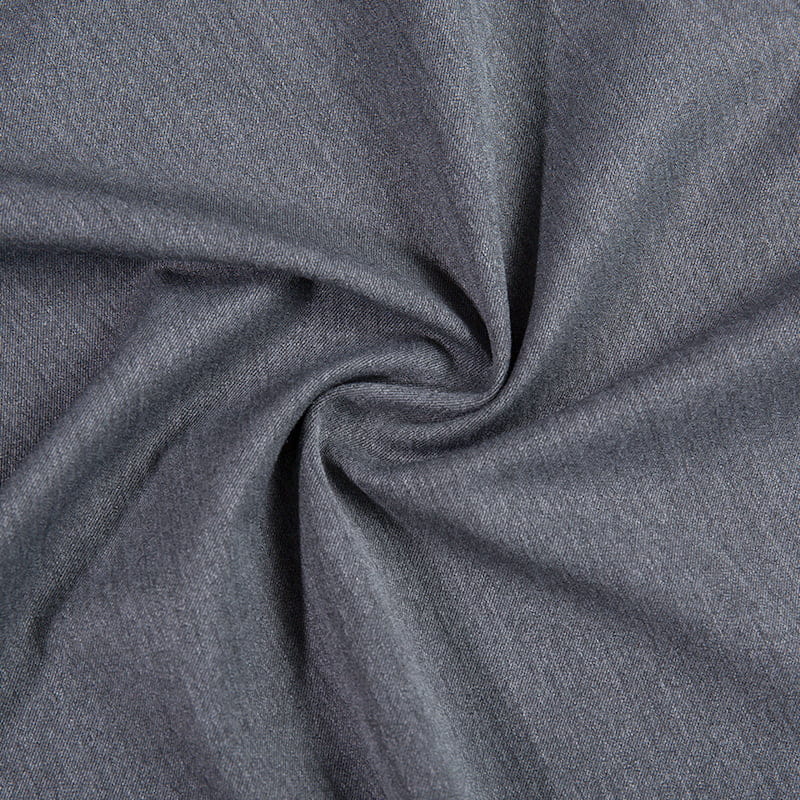
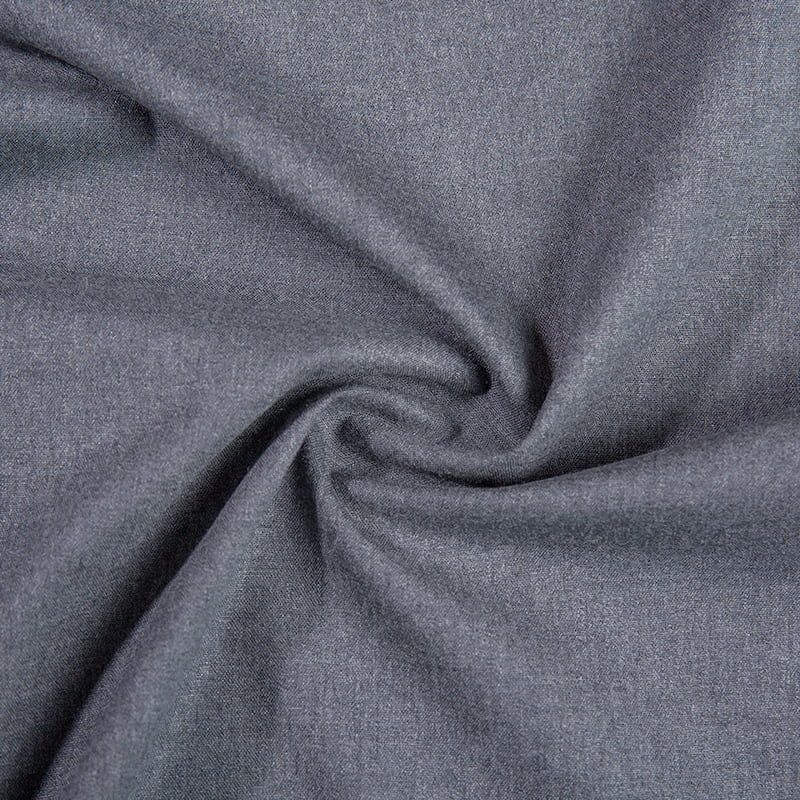
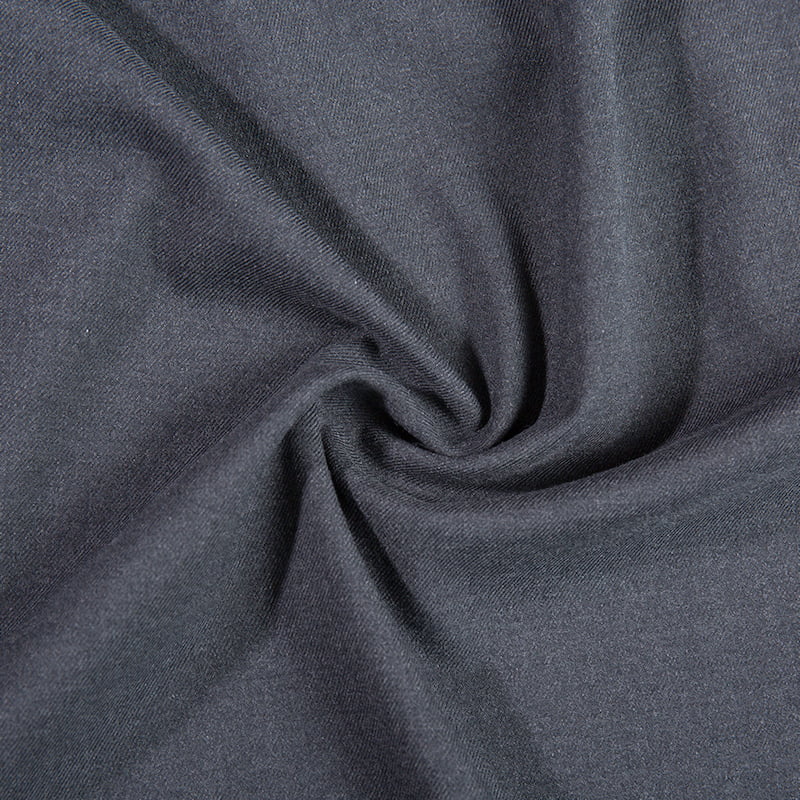
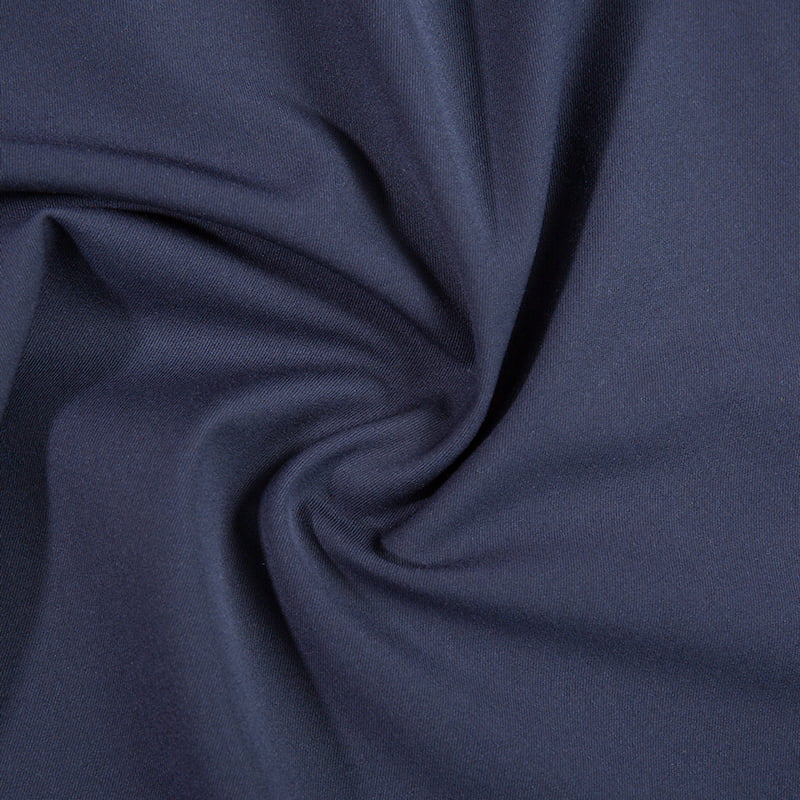
When it comes to tailoring the perfect suit, the fabric plays a critical role in both appearance and comfort. Modern suits come in a wide variety of fabrics, each offering distinct qualities suited for different seasons, occasions, and personal preferences. Understanding the types of suit fabrics can help you make an informed decision when selecting the perfect fabric for your needs.
Understanding Suit Fabrics
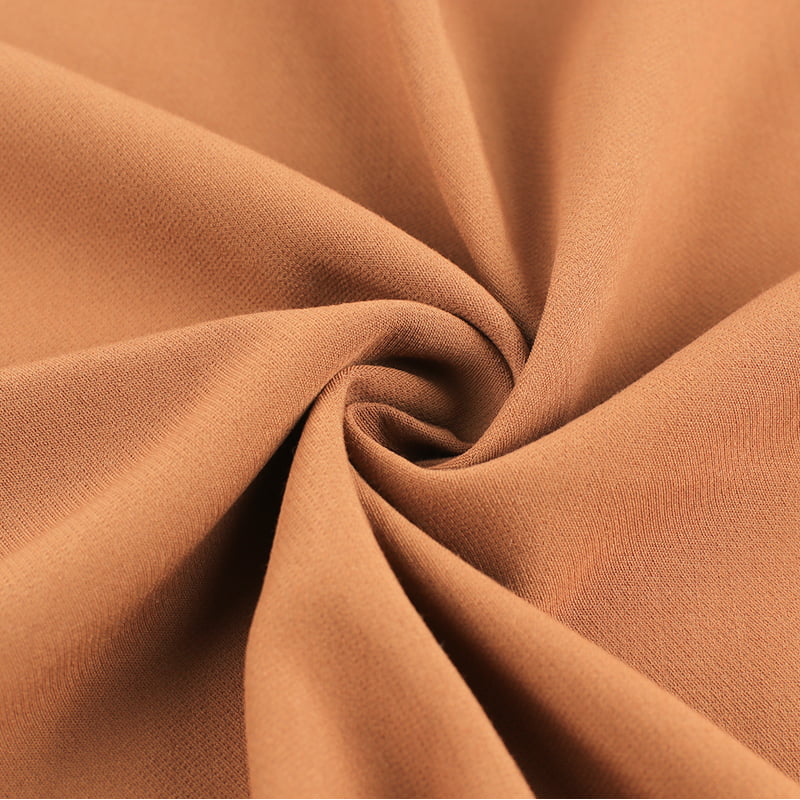
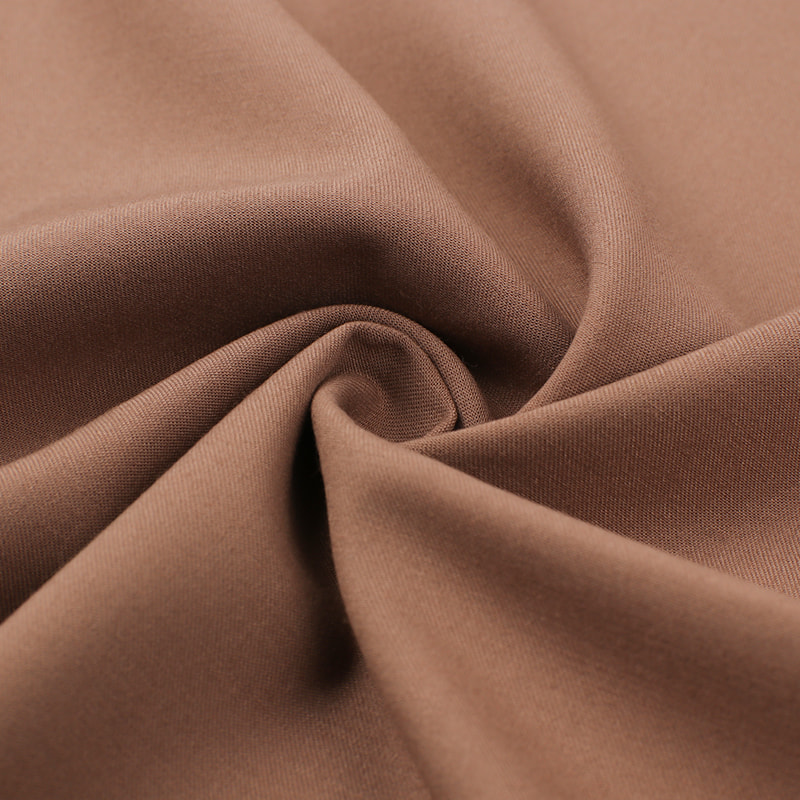
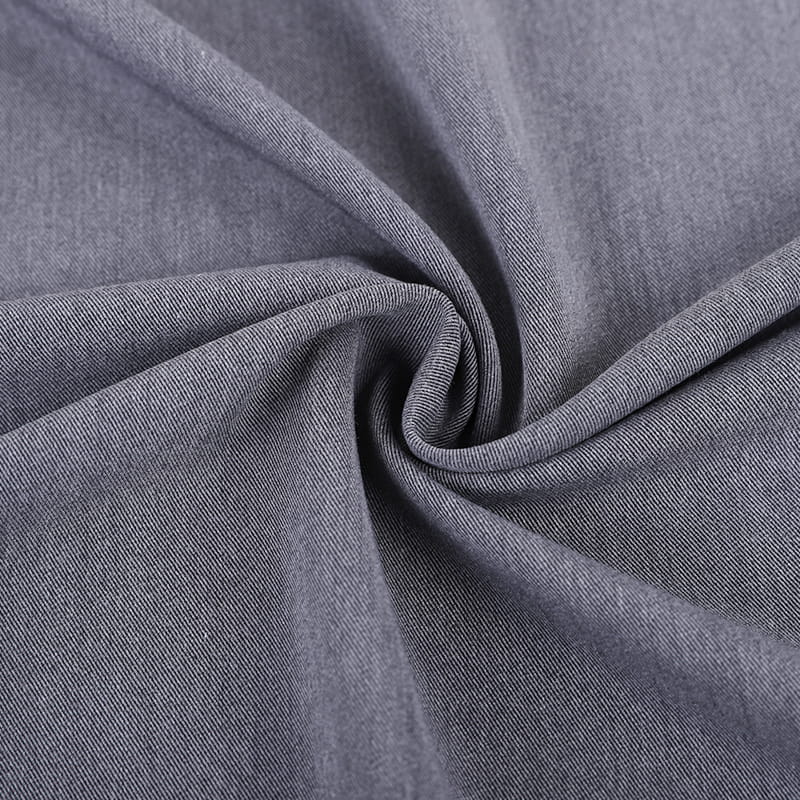
The fabric of a suit contributes not only to its visual appeal but also to its durability and comfort. Whether you’re dressing for a business meeting, a wedding, or a casual day out, the fabric you choose will impact the overall look and feel of your suit. Let’s explore the most popular suit fabrics in modern tailoring.
Wool: The Classic Choice
Wool has been the go-to fabric for suits for centuries, and its popularity endures due to its versatility and timeless appeal. Wool is known for its natural elasticity, which allows it to retain shape and resist wrinkles. It’s also breathable, making it comfortable to wear in both warm and cold climates.
- Merino Wool – A finer and softer wool, merino is ideal for a smoother, more refined finish.
- Worsted Wool – Known for its smooth, firm texture, worsted wool is often used for business suits and more formal occasions.
Flannel: Warmth and Softness
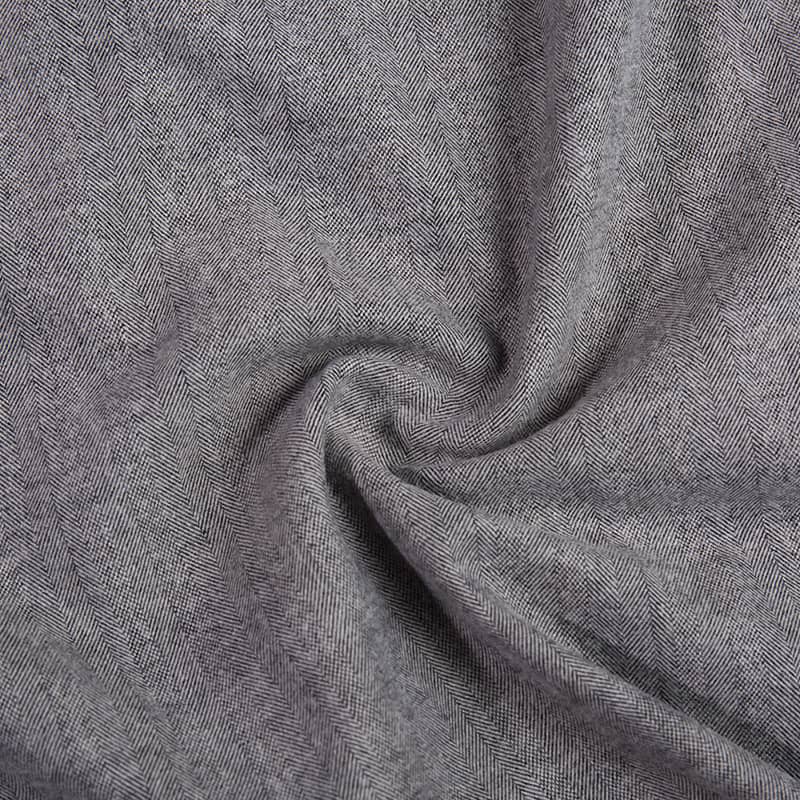
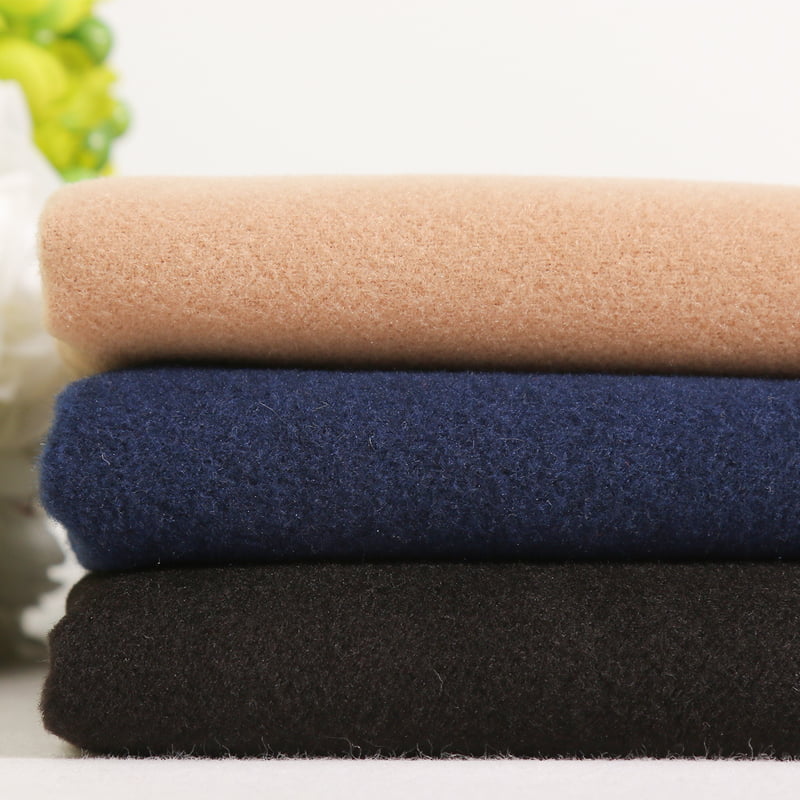
Flannel is a type of wool fabric that’s brushed to create a soft, fuzzy texture. It’s particularly popular for fall and winter suits because of its warmth and cozy feel. While it’s more casual than traditional wool, it provides a refined, stylish option for cooler weather.
Cotton: Light and Breathable
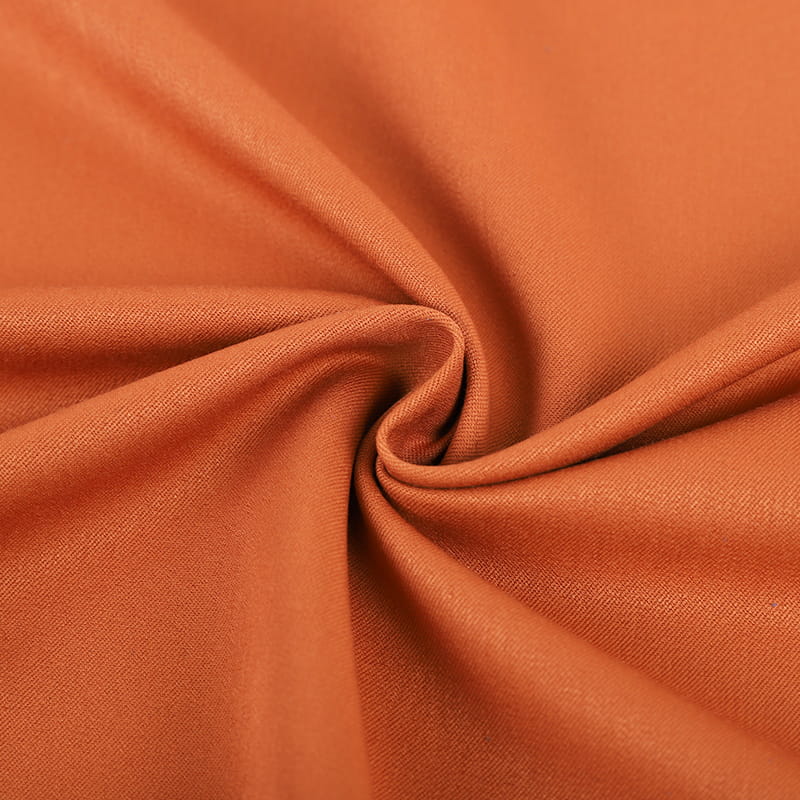
Cotton is a lightweight fabric that’s perfect for warm climates. Suits made from cotton are highly breathable, making them ideal for summer wear. While cotton suits can wrinkle more easily than wool, they offer a crisp, clean look that’s both comfortable and stylish.
- Khaki Cotton – A popular choice for casual suits, khaki cotton has a slightly more textured look and feel.
- Oxford Cotton – A finer weave that offers a smooth finish, ideal for both business and casual wear.
Linen: Perfect for Hot Weather
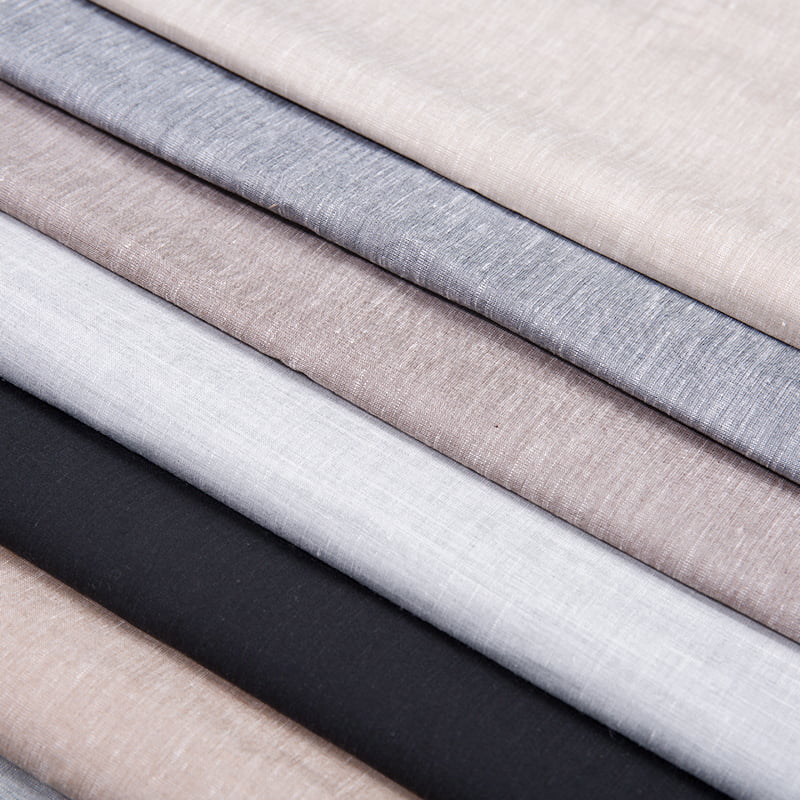
Linen is the quintessential summer fabric. Known for its lightness and breathability, linen suits are an excellent choice for high temperatures. However, linen tends to wrinkle easily, which is often embraced as part of its natural charm. Linen suits are particularly popular in tropical and Mediterranean climates.
Silk: Luxurious and Elegant
Silk suits are synonymous with luxury and sophistication. This fabric has a natural sheen and is incredibly soft to the touch. While it’s not as commonly used for everyday suits, silk is often incorporated into more formal, high-end garments such as tuxedos or evening wear.
Blends: The Best of Both Worlds
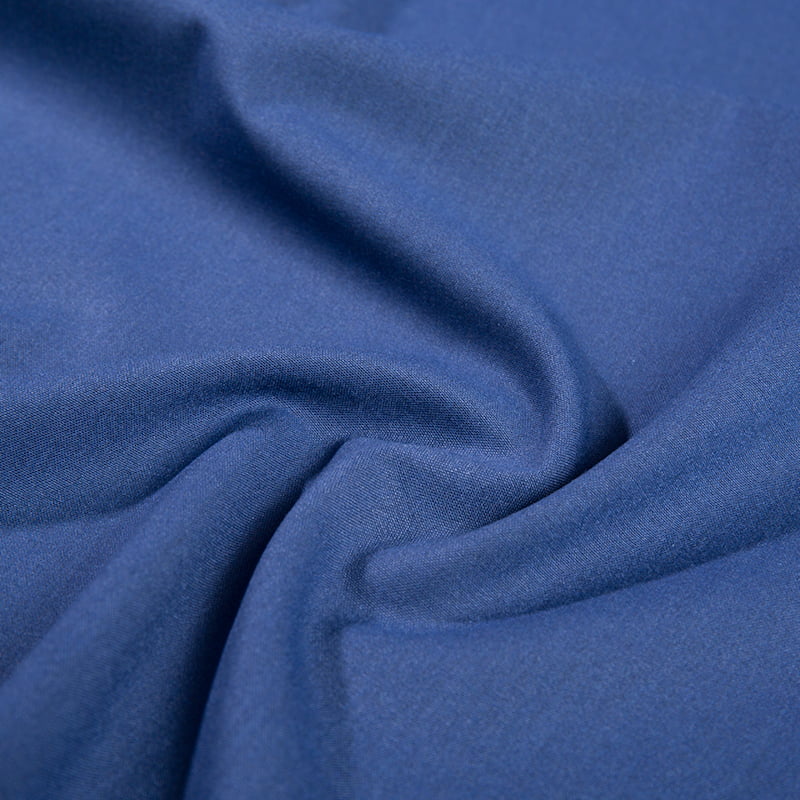
Many modern suits are made from fabric blends, which combine the strengths of multiple materials. Blended fabrics often provide greater durability, wrinkle resistance, and comfort. Some of the most popular blends include:
- Wool-Polyester Blends – Combining the natural qualities of wool with the durability of polyester, these fabrics are popular for both business and casual suits.
- Wool-Cashmere Blends – A luxurious combination that offers the softness of cashmere with the structure of wool, creating a high-end yet comfortable suit fabric.
Choosing the Right Fabric for Your Suit
When selecting a fabric for your suit, consider factors such as:
- Climate – For warmer climates, lighter fabrics like cotton and linen are ideal. In cooler climates, wool and flannel provide better warmth.
- Occasion – Formal events typically call for wool or silk suits, while more casual occasions may be suited for cotton or linen fabrics.
- Comfort – Consider the feel of the fabric against your skin. Wool is often more comfortable for all-day wear, while linen may become too wrinkled for long events.
FAQs about Suit Fabrics
What is the most common fabric used in suits?
The most common fabric used in suits is wool, due to its versatility, durability, and ability to adapt to both warm and cold weather.
Are wool suits good for summer?
Yes, lightweight wool or merino wool suits are breathable and can be worn in the summer. They regulate temperature well and remain comfortable in warmer climates.
Which fabric is best for a wedding suit?
For weddings, many people choose silk or wool-cashmere blends for their luxurious appearance and feel. However, lighter fabrics like linen or cotton may also work for more casual or destination weddings.
What is the difference between flannel and wool?
Flannel is a type of wool that has been brushed to create a soft, fuzzy texture. While both fabrics are made from wool, flannel is warmer and more casual, making it ideal for colder weather.
Conclusion
Choosing the right suit fabric depends on various factors, including the climate, occasion, and personal preferences. Whether you opt for classic wool, breathable cotton, luxurious silk, or a combination of materials, understanding the properties of each fabric can help you select the best option for your wardrobe. Modern suit fabrics offer a range of options, ensuring that there is something for every occasion and season.