
 English
 中文简体
中文简体 日本語
日本語 한국어
한국어 Español
 русский
Content
- 1 Common Types of Suit Fabric
- 2 How Fabric Properties Affect Comfort
- 3 Breathability Comparison
- 4 Suit Fabric Weave and Comfort
- 5 Blended Fabrics: Pros and Cons
- 6 Environmental and Seasonal Considerations
- 7 Maintaining Suit Fabric for Comfort
- 8 Comparing Fabrics Side by Side
- 9 Frequently Asked Questions (FAQ)
- 10 Conclusion
Choosing the right suit fabric is crucial for ensuring both comfort and breathability, especially for those who spend long hours in formal settings. Not all fabrics are created equal, and understanding their properties can significantly improve the wearing experience. From natural fibers to synthetics, each fabric type offers unique advantages and limitations.
Common Types of Suit Fabric
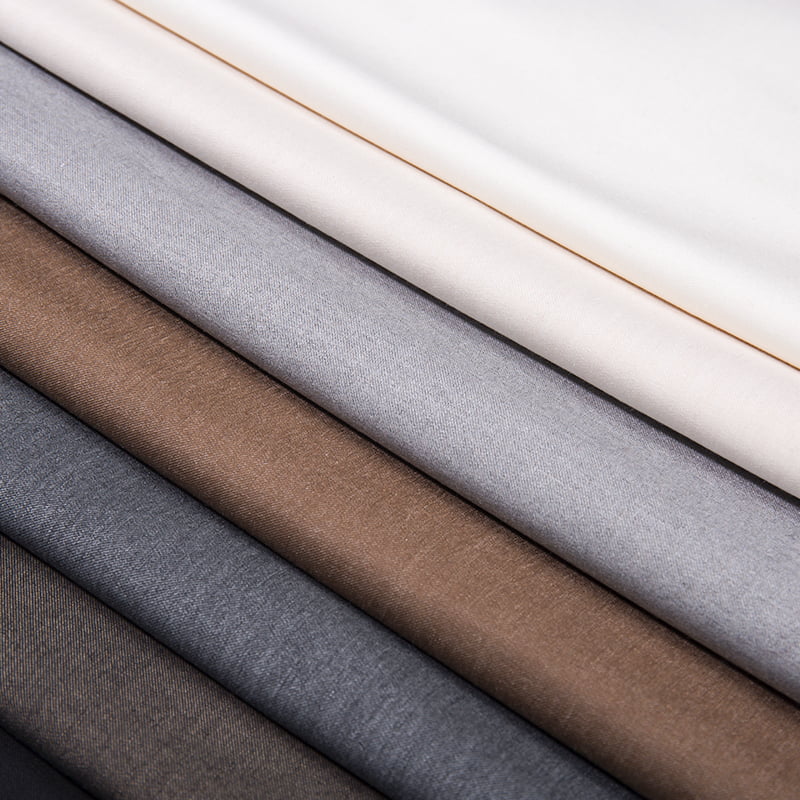
The choice of suit fabric plays a major role in comfort, breathability, and overall appearance. Here’s a breakdown of popular materials:
1. Wool
- Comfort: Wool is soft and molds to the body over time, offering exceptional comfort.
- Breathability: Wool fibers allow air circulation, helping to regulate body temperature.
- Durability: High-quality wool resists wrinkles and lasts for many years.
- Use Case: Ideal for year-round suits, including business and formal occasions.
2. Cotton
- Comfort: Cotton suits are lightweight and soft, providing natural comfort.
- Breathability: Excellent breathability, suitable for warmer climates.
- Durability: Less wrinkle-resistant than wool; requires careful maintenance.
- Use Case: Casual and summer suits.
3. Linen
- Comfort: Linen is light and airy but can feel rough initially.
- Breathability: Extremely breathable, perfect for hot weather.
- Durability: Prone to creasing; frequent ironing may be necessary.
- Use Case: Summer suits, beach weddings, or tropical climates.
4. Synthetic Fabrics (Polyester, Rayon, Blends)
- Comfort: Can feel less natural and sometimes sticky in hot conditions.
- Breathability: Typically low breathability, though blends improve airflow.
- Durability: Resistant to wrinkles and shrinking; easier maintenance.
- Use Case: Budget suits, travel suits, or heavy-duty work suits.
How Fabric Properties Affect Comfort
Comfort in a suit is influenced by several key factors, all related to fabric characteristics:
1. Fiber Softness
The softer the fiber, the less irritation it causes on the skin. Natural fibers like wool and cotton provide high comfort, while some synthetics can feel rough or sticky, particularly in humid conditions.
2. Weight and Flexibility
Lighter fabrics like linen or summer-weight wool improve mobility and reduce fatigue. Heavy fabrics, while warm, can restrict movement and may feel uncomfortable during long wear.
3. Moisture Absorption
Fabrics with high moisture absorption, such as cotton and wool, can wick away sweat, keeping the wearer dry and comfortable. Synthetic fabrics tend to trap heat and moisture, reducing overall comfort.
Breathability Comparison
Breathability is essential for preventing overheating and ensuring a fresh feel. Below is a comparison of common suit fabrics:
| Fabric | Breathability | Best Use |
| Wool | High (air circulates through fibers) | Year-round business suits |
| Cotton | High (lightweight and absorbent) | Casual summer suits |
| Linen | Very High (loosely woven fibers) | Hot-weather and tropical suits |
| Polyester/Blends | Low to Moderate | Travel suits, budget options |
Suit Fabric Weave and Comfort
The weave of a fabric affects both comfort and breathability:
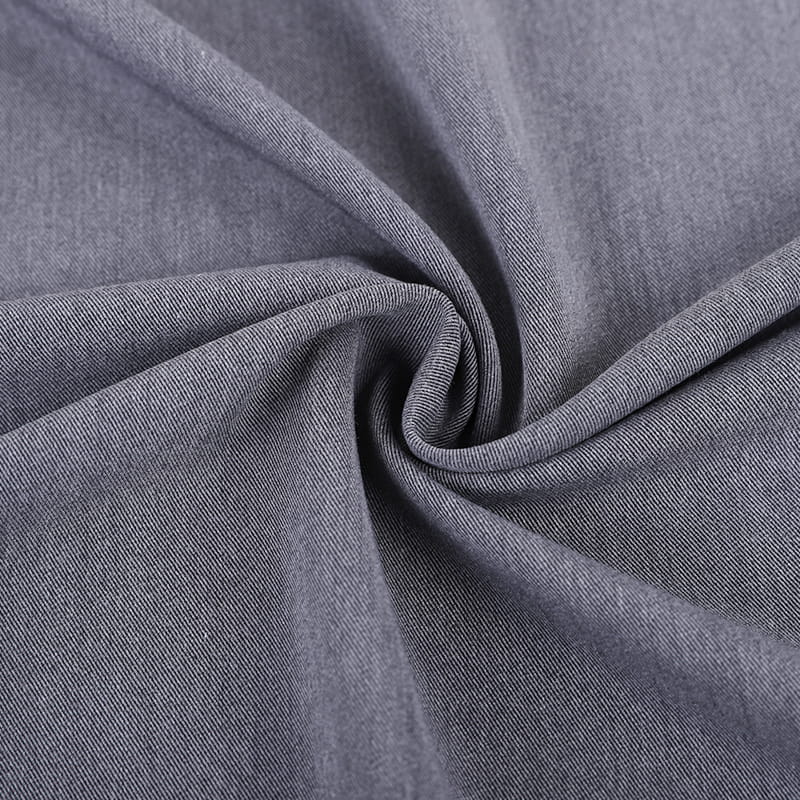
- Twill Weave: Dense but soft; drapes well and offers moderate breathability.
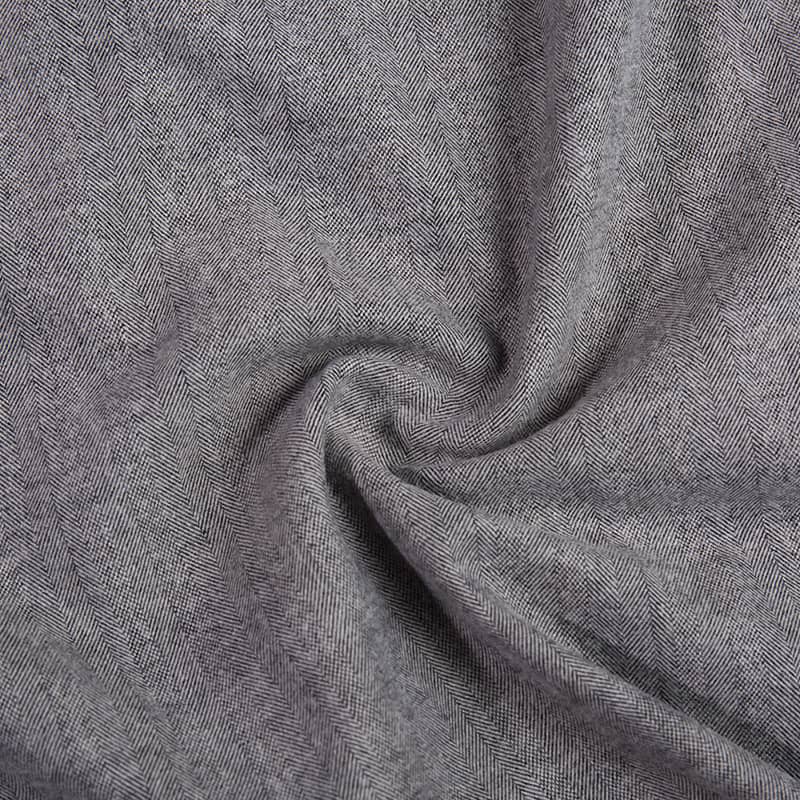
- Herringbone: Slightly textured; comfortable for cooler seasons.
- Plain Weave: Lightweight and highly breathable, suitable for summer suits.
- Hopsack: Loose weave; highly breathable but less formal in appearance.
Blended Fabrics: Pros and Cons
Many modern suits use blended fabrics, combining natural and synthetic fibers to balance comfort, durability, and affordability. Typical blends include wool-polyester or cotton-linen blends.
Advantages of Blends
- Improved wrinkle resistance compared to pure natural fibers.
- Lower cost while maintaining some comfort and breathability.
- Enhanced durability for frequent use.
Disadvantages of Blends
- Reduced natural breathability compared to pure fibers.
- Potentially less luxurious feel against the skin.
- Some blends may trap heat in summer conditions.
Environmental and Seasonal Considerations
Suit fabric choice should consider climate and season:
- Hot Weather: Linen, lightweight cotton, and tropical wool are ideal for breathability.
- Cold Weather: Heavier wool, flannel, and wool blends provide warmth and comfort.
- Humid Conditions: Fabrics with high moisture-wicking properties, such as wool or cotton, prevent discomfort from sweating.
Maintaining Suit Fabric for Comfort
Proper care prolongs comfort and breathability:
- Dry cleaning for wool and blended fabrics to maintain softness.
- Avoid over-washing cotton and linen; air out between uses.
- Store suits on broad, padded hangers to maintain shape.
- Iron or steam carefully to prevent damage to delicate fibers.
Comparing Fabrics Side by Side
| Fabric | Comfort Level | Breathability | Best Climate |
| Wool | High | High | All Seasons |
| Cotton | Moderate to High | High | Spring/Summer |
| Linen | Moderate | Very High | Hot Weather |
| Polyester Blend | Low to Moderate | Low | All Seasons |
Frequently Asked Questions (FAQ)
1. Does fabric type affect suit durability?
Yes. Wool and wool blends tend to be more durable than cotton or linen, while synthetic blends provide additional wrinkle and wear resistance.
2. Can I wear a linen suit in winter?
Linen is best suited for warm weather. Wearing it in cold climates may not provide adequate warmth, and layering would be necessary.
3. Are blended fabrics less breathable than natural fibers?
Generally, yes. Blended fabrics combine synthetic fibers with natural ones, which can reduce breathability compared to pure cotton, wool, or linen.
4. How should I choose fabric for long office hours?
Choose fabrics that combine comfort and breathability, such as lightweight wool or cotton blends, which regulate temperature and minimize sweat buildup.
5. Do heavier fabrics always mean less comfort?
Not necessarily. Heavier fabrics like wool offer warmth and structure, which can be comfortable in cooler environments. Comfort depends on fiber quality and garment fit as well.
Conclusion
The choice of suit fabric profoundly impacts both comfort and breathability. Understanding the properties of wool, cotton, linen, and synthetic blends helps in selecting the right suit for specific climates, seasons, and personal comfort preferences. Balancing fiber type, weave, weight, and care ensures an optimal combination of durability, breathability, and comfort, making every suit a practical and stylish investment.