
 English
 中文简体
中文简体 日本語
日本語 한국어
한국어 Español
 русский
Content
- 1 What Is Suit Fabric?
- 2 Why Suit Fabric Matters for Suit Quality
- 3 Common Types of Suit Fabric
- 4 Suit Fabric Weaves and Their Impact
- 5 Suit Fabric Weight and Seasonal Suitability
- 6 Comparing High-End and Low-End Suit Fabrics
- 7 How Suit Fabric Influences Fit and Tailoring
- 8 Sustainability and Modern Suit Fabrics
- 9 How to Choose the Right Suit Fabric
- 10 Frequently Asked Questions About Suit Fabric
- 11 The Long-Term Value of Choosing the Right Suit Fabric
In the world of tailoring and menswear, suit fabric is far more than a surface detail. It determines how a suit looks, feels, performs, and lasts over time. From formal business meetings to weddings and everyday professional wear, the fabric chosen for a suit directly influences comfort, durability, drape, and overall perception of quality.
While cut and craftsmanship are essential, even the best tailoring cannot compensate for poor material. For buyers, designers, and retailers alike, understanding suit fabric is a key step toward making informed decisions and delivering lasting value.
What Is Suit Fabric?
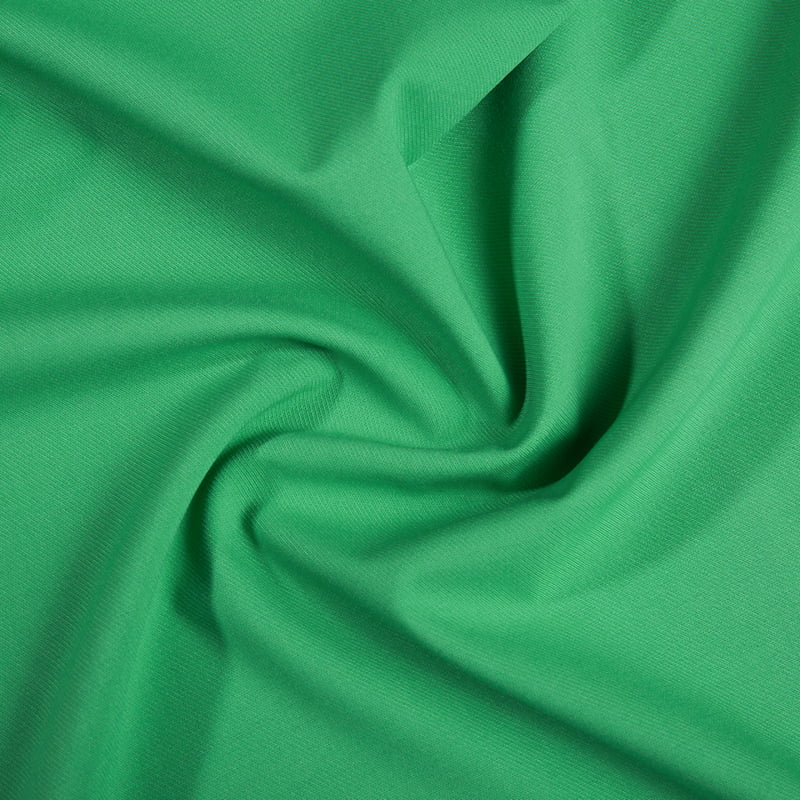
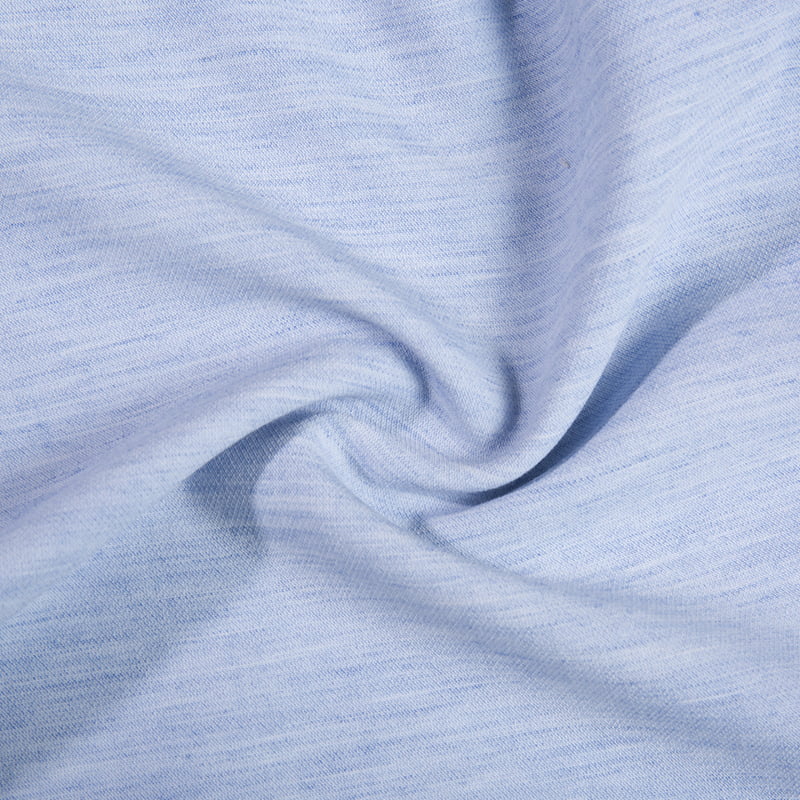
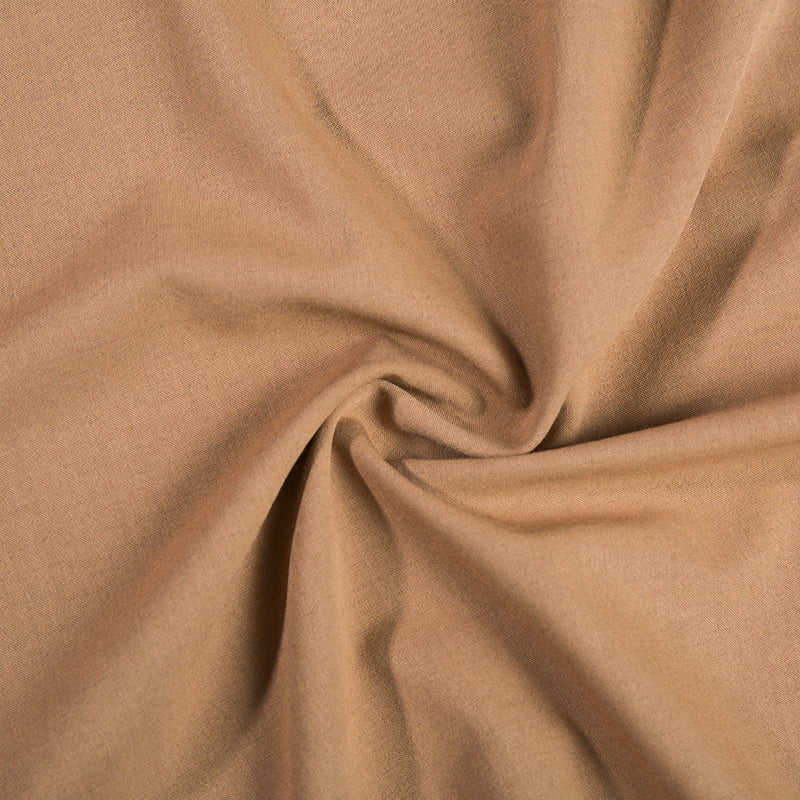
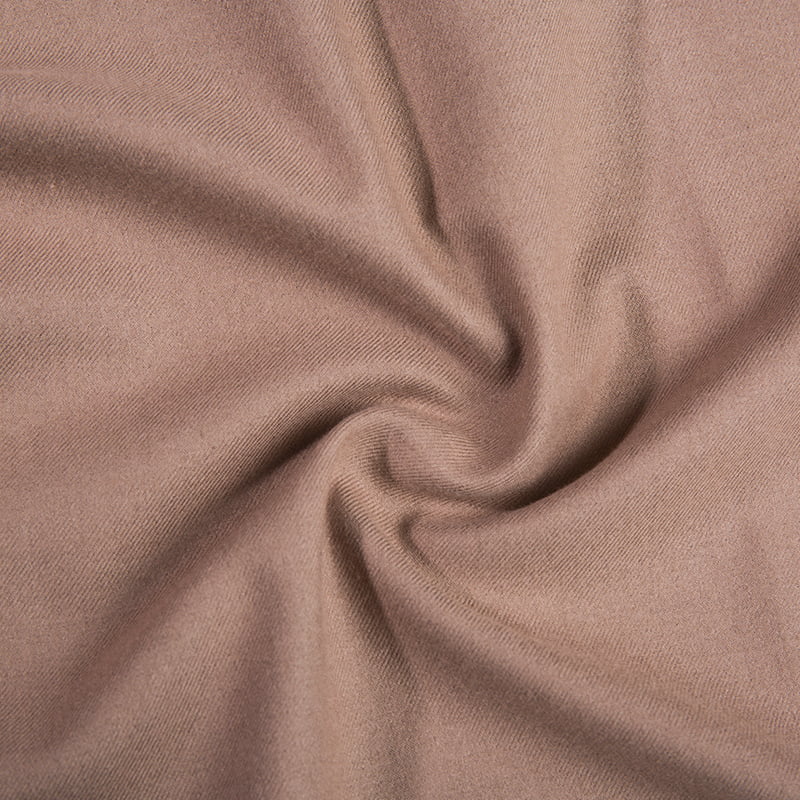
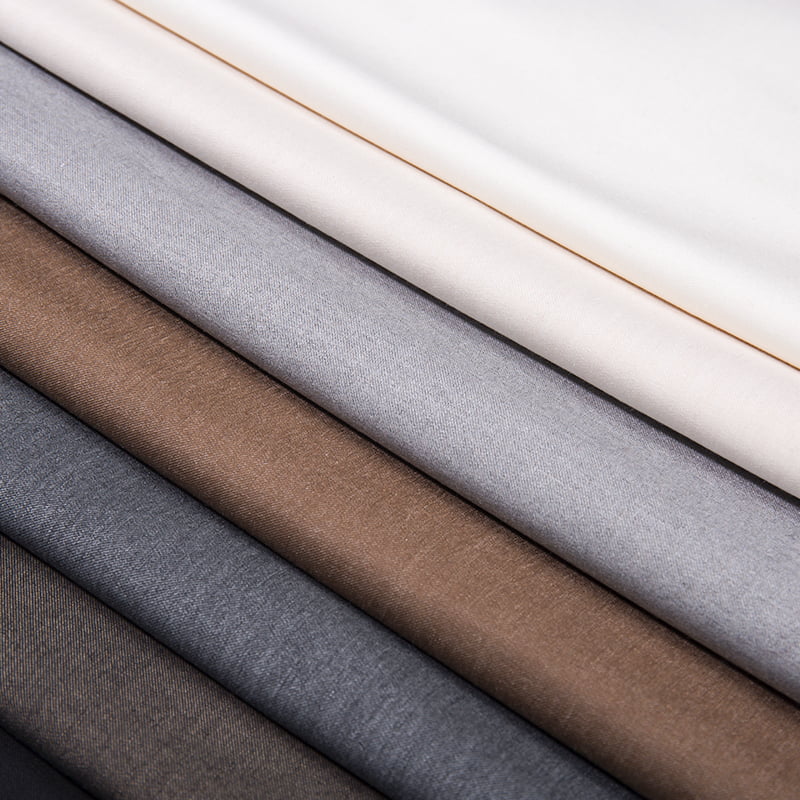
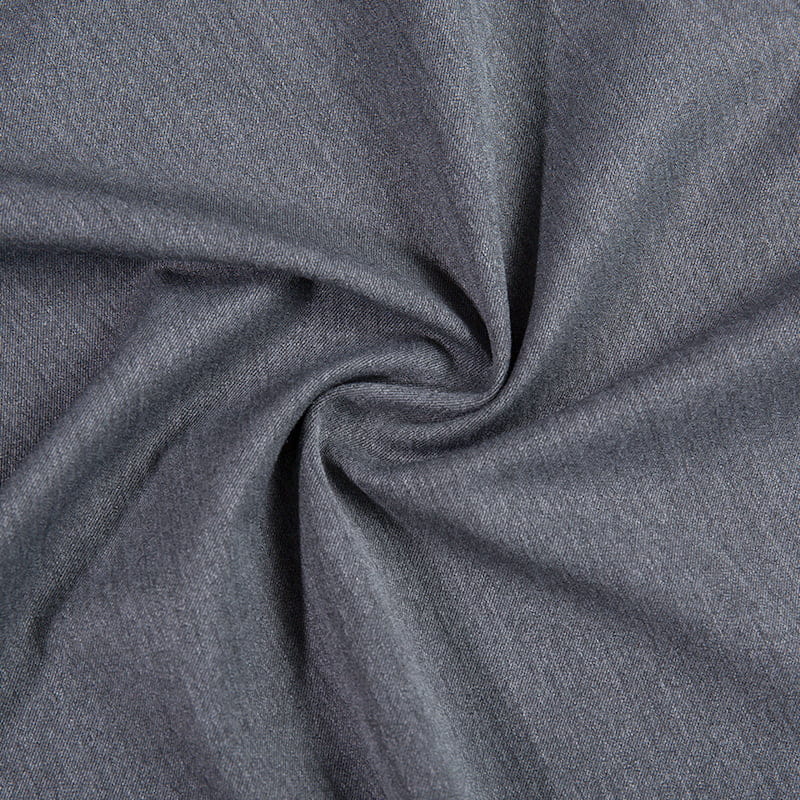
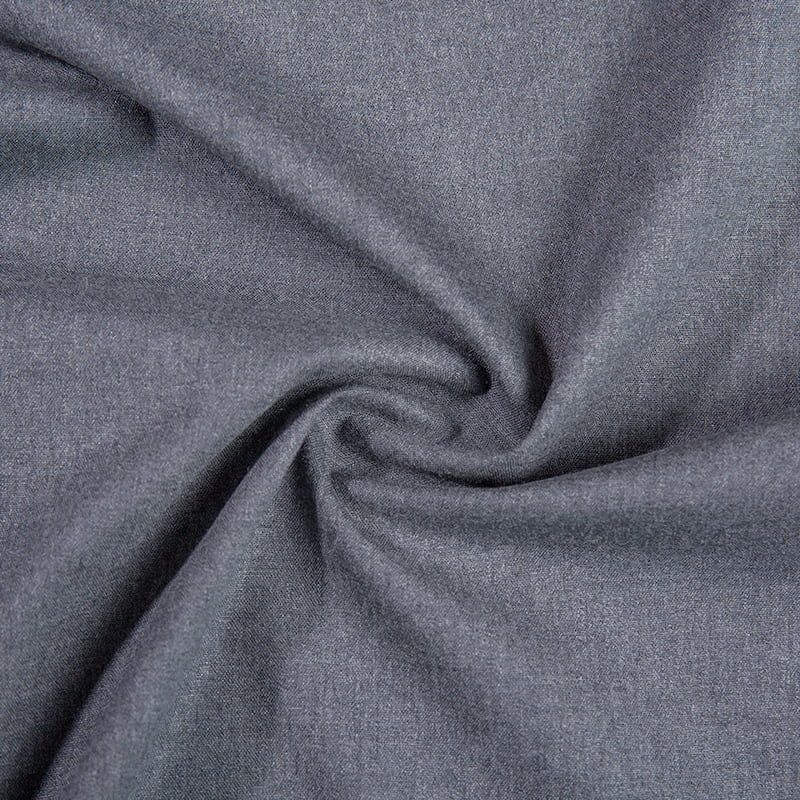
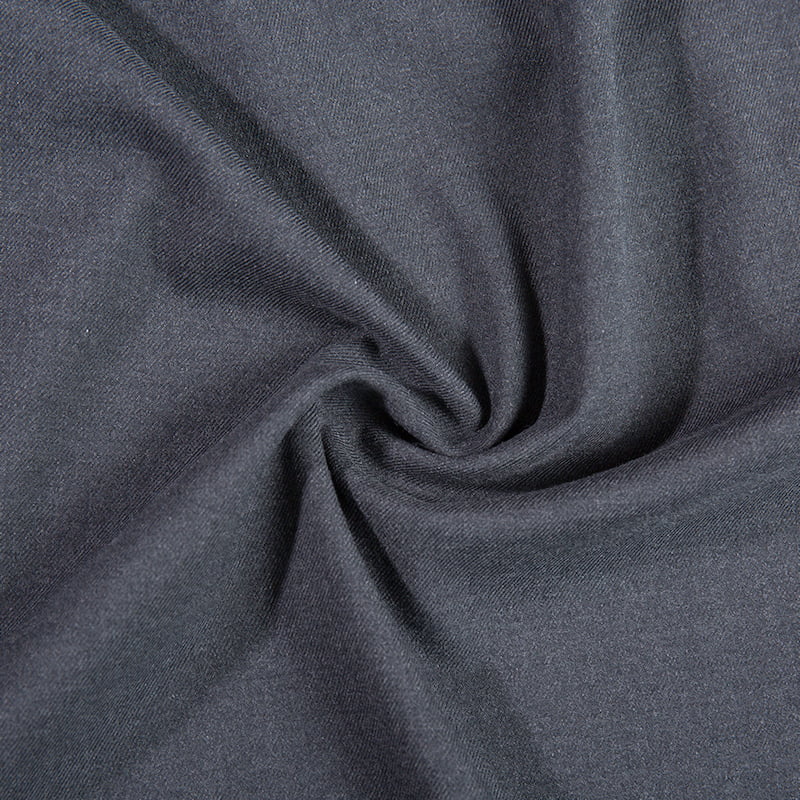
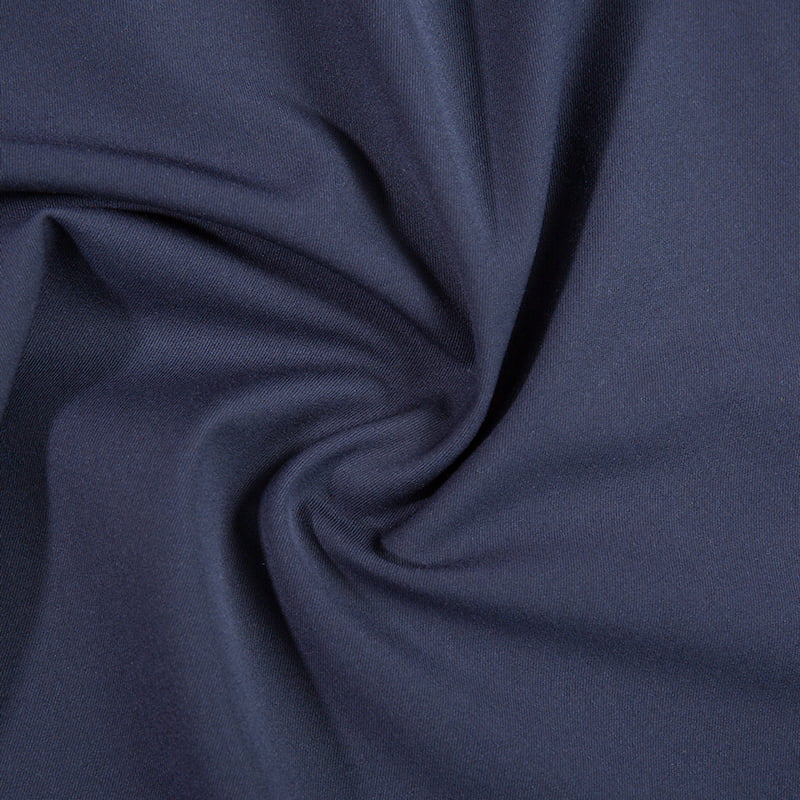
Suit fabric refers to the textile material used to construct a suit, typically consisting of a jacket and trousers, and sometimes a vest. These fabrics are engineered to balance structure, softness, breathability, and resilience, ensuring the garment maintains its shape while remaining comfortable.
Suit fabrics are usually woven, not knitted, and are produced from natural fibers, synthetic fibers, or blends of both. The fiber content, weave, and finishing process all contribute to the fabric’s final performance.
Key Components of Suit Fabric
- Fiber type – wool, cotton, linen, silk, polyester, or blends
- Weave structure – how the threads are interlaced
- Weight – measured in grams or ounces per meter
- Finish – treatments affecting texture and durability
Why Suit Fabric Matters for Suit Quality
The quality of a suit is often judged within seconds of wearing or seeing it. Much of that first impression comes from the fabric. High-quality suit fabric enhances appearance and performance in several critical ways.
Appearance and Drape
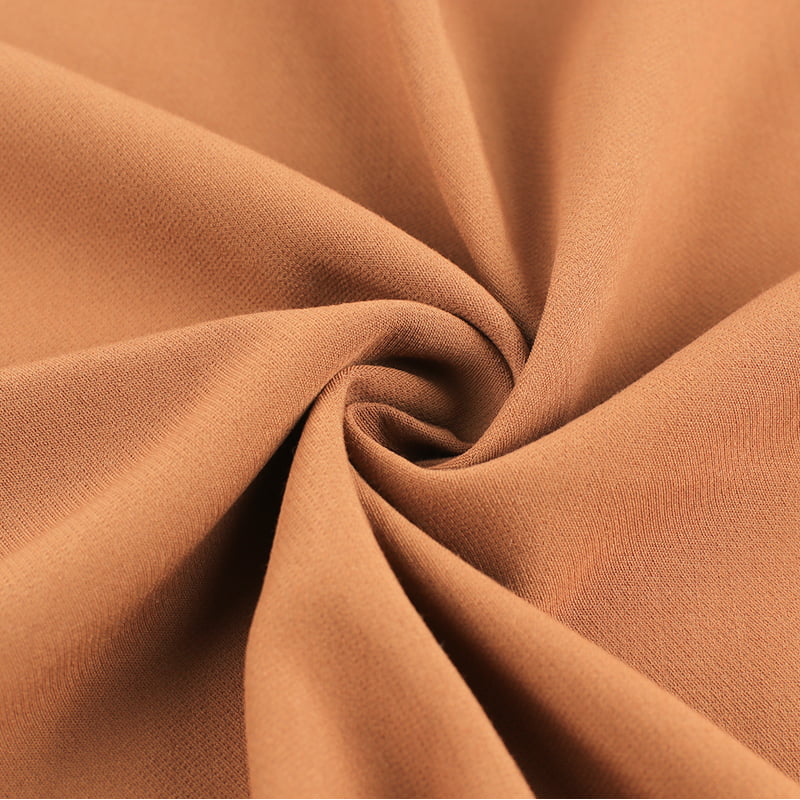
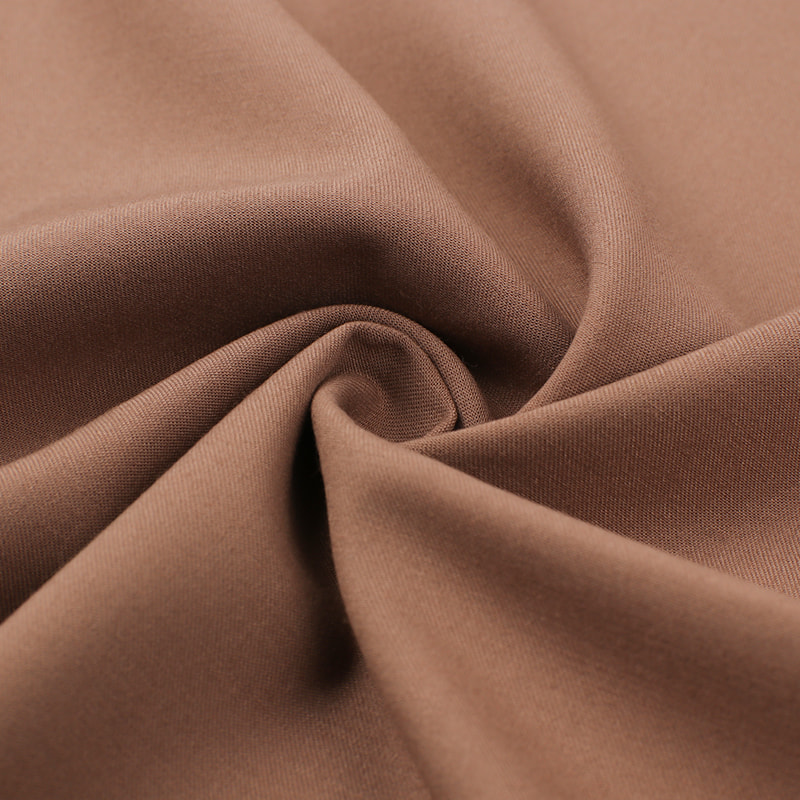
Premium fabrics drape naturally along the body, creating clean lines and a refined silhouette. Inferior materials may appear stiff, shiny, or uneven, reducing the suit’s visual appeal.
Comfort and Breathability
Fabric choice affects how a suit feels throughout the day. Breathable materials regulate body temperature and reduce discomfort, especially during long working hours or warm climates.
Durability and Longevity
High-quality suit fabric resists pilling, fading, and deformation. A well-made wool suit can last many years with proper care, while low-grade synthetic fabrics may show wear after a single season.
Wrinkle Resistance and Recovery
Some fabrics naturally recover from creases, maintaining a polished appearance even after extended wear or travel.
Common Types of Suit Fabric
Wool Suit Fabric
Wool is widely regarded as the gold standard in suit fabric. It offers an ideal balance of breathability, elasticity, and durability.
- Merino wool: Fine fibers, soft texture, excellent temperature regulation
- Worsteds: Smooth finish, suitable for business and formal suits
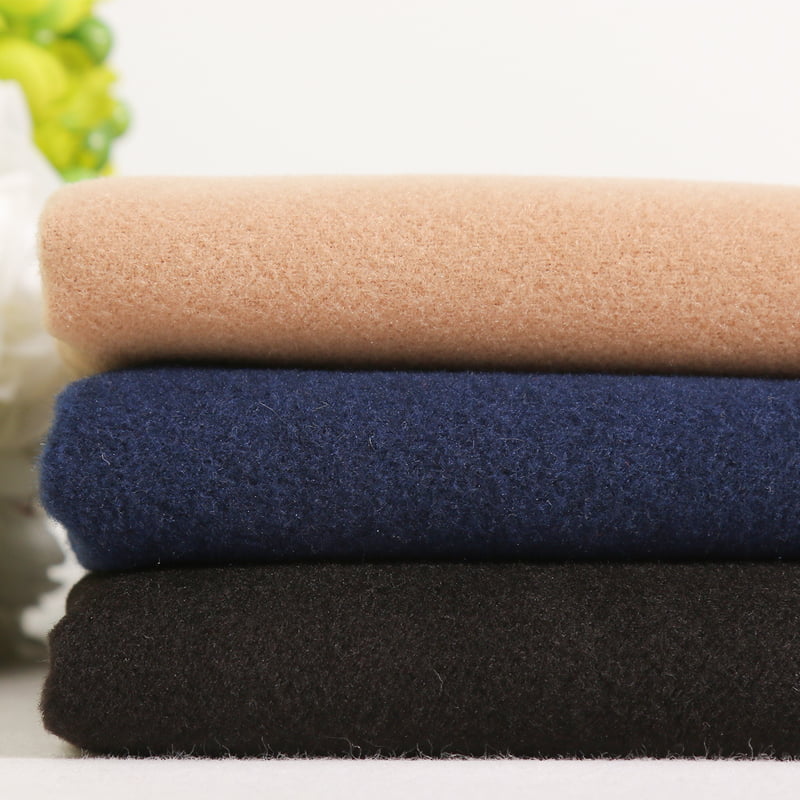
- Flannel: Brushed surface, warmer and softer for cooler climates
Wool suits adapt well to different seasons and maintain shape over time, making them a preferred choice for high-end tailoring.
Cotton Suit Fabric
Cotton offers a more casual look while remaining structured enough for suits. It is breathable and lightweight, often chosen for spring and summer wear.
- Comfortable and soft
- Less formal appearance
- More prone to wrinkling than wool
Linen Suit Fabric
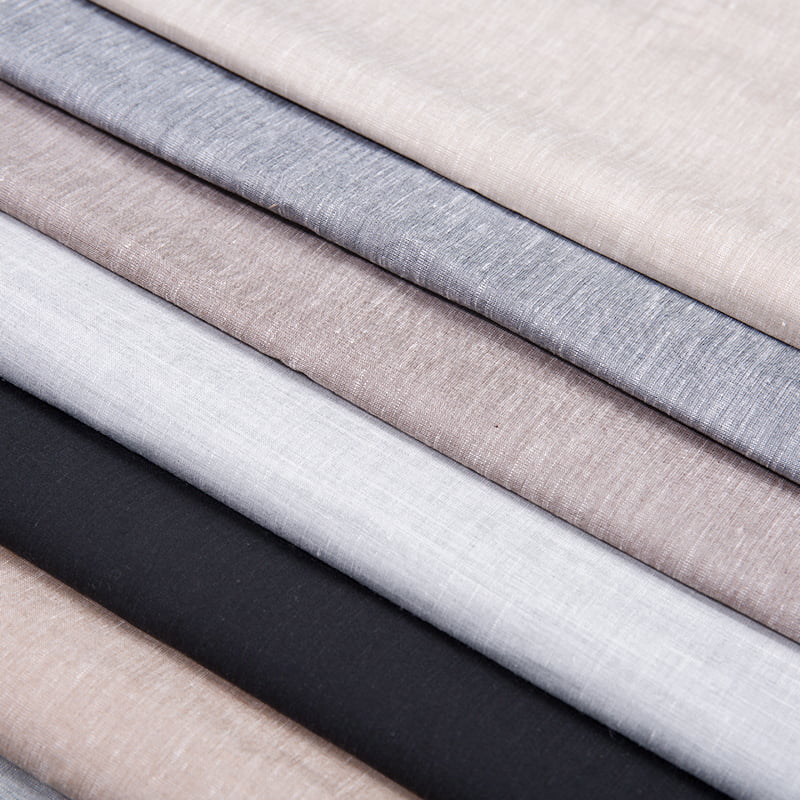
Linen is known for its exceptional breathability and lightweight feel. It is ideal for hot climates but comes with a relaxed aesthetic.
- Excellent airflow
- Distinctive texture
- Wrinkles easily, part of its natural character
Synthetic Suit Fabric
Synthetic fibers such as polyester, rayon, and viscose are often used to reduce costs or improve wrinkle resistance.
- Lower price point
- Easy maintenance
- Reduced breathability compared to natural fibers
Blended Suit Fabric
Blends combine natural and synthetic fibers to balance performance and affordability.
- Wool-polyester blends for durability
- Wool-silk blends for added sheen
- Cotton-elastane blends for flexibility
Suit Fabric Weaves and Their Impact
The weave of a suit fabric influences texture, strength, and formality.
Plain Weave
Simple and durable, offering a clean, understated appearance.
Twill Weave
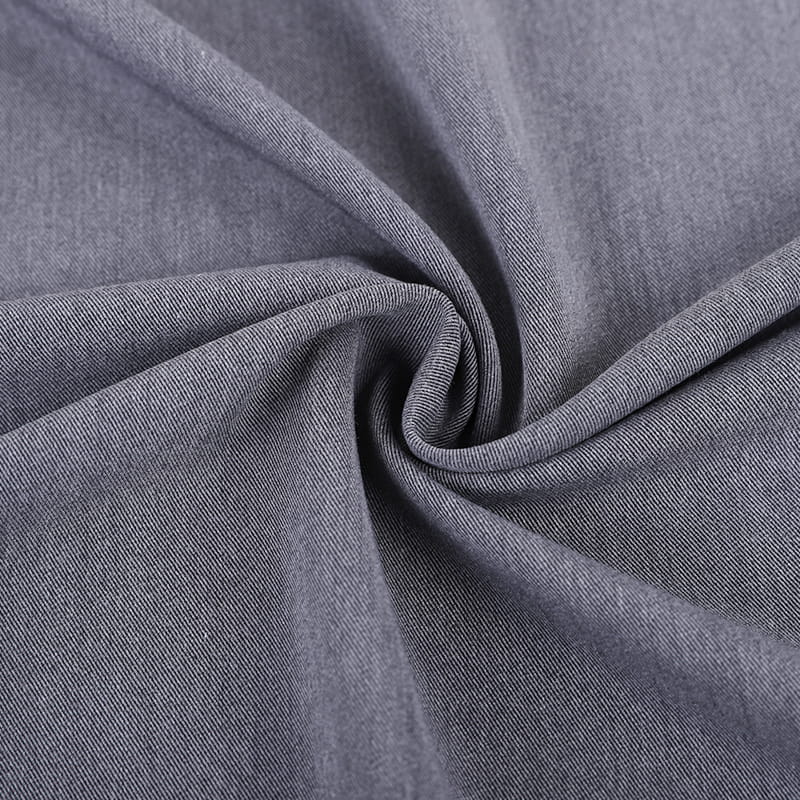
Characterized by diagonal lines, twill provides flexibility and wrinkle resistance, commonly used in business suits.
Herringbone Weave
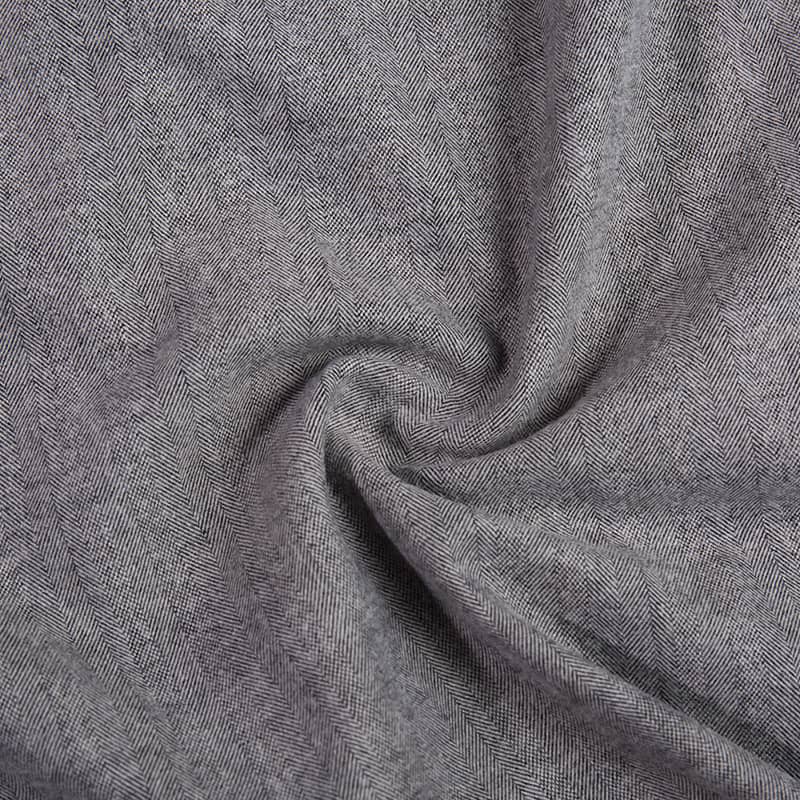
A variation of twill with a V-shaped pattern, adding subtle visual interest.
Birdseye and Sharkskin
Fine textured weaves that create depth and elegance without bold patterns.
Suit Fabric Weight and Seasonal Suitability
Fabric weight plays a crucial role in determining when and where a suit can be worn.
- Lightweight (200–240g): Summer suits, warm climates
- Medium weight (240–280g): All-season versatility
- Heavyweight (280g+): Winter suits, structured tailoring
Selecting the correct weight ensures comfort and proper drape throughout the year.
Comparing High-End and Low-End Suit Fabrics
High-End Suit Fabric
- Finer fibers and tighter weaving
- Natural elasticity and breathability
- Elegant drape and long lifespan
Low-End Suit Fabric
- Coarser fibers
- Limited airflow
- Higher shine and faster wear
The difference becomes more noticeable over time, especially in frequent use.
How Suit Fabric Influences Fit and Tailoring
Even with precise measurements, the behavior of suit fabric affects the final fit. Fabrics with natural stretch adapt better to movement, while rigid materials restrict comfort.
Tailors often prefer wool and wool blends because they respond well to pressing and shaping, allowing adjustments without compromising structure.
Sustainability and Modern Suit Fabrics
Sustainability has become increasingly important in the suit industry. Many manufacturers now focus on eco-conscious suit fabric options.
- Responsibly sourced wool
- Recycled polyester blends
- Low-impact dyeing processes
These innovations improve environmental impact while maintaining quality standards.
How to Choose the Right Suit Fabric
Consider the Occasion
Formal business settings typically require wool or wool blends, while casual or summer events allow cotton or linen.
Climate and Season
Breathable fabrics perform better in warm regions, while heavier materials provide insulation in cooler environments.
Budget and Value
Investing in higher-quality suit fabric often results in better long-term value due to increased durability and comfort.
Maintenance Requirements
Some fabrics require dry cleaning and careful storage, while others are easier to maintain.
Frequently Asked Questions About Suit Fabric
Is wool always the best suit fabric?
Wool is highly versatile and suitable for most occasions, but climate, style, and personal preference may make other fabrics more appropriate.
Do synthetic suit fabrics last longer?
While synthetics can resist wrinkles, they often lack breathability and may not age as gracefully as natural fibers.
How can suit fabric quality be identified?
Key indicators include fiber fineness, smoothness to the touch, even weaving, and natural elasticity.
Are blended suit fabrics a compromise?
Blends are not necessarily inferior. Well-designed blends can enhance durability and comfort while controlling cost.
Does heavier fabric mean better quality?
Not always. Quality depends on fiber and construction, not just weight. Lightweight high-quality wool can outperform heavier low-grade materials.
The Long-Term Value of Choosing the Right Suit Fabric
Suit fabric defines more than the surface of a garment. It influences confidence, comfort, and credibility in professional and social settings. A carefully chosen fabric enhances tailoring, improves wearability, and ensures that a suit remains a reliable part of a wardrobe for years.
By understanding fabric types, weaves, weights, and performance characteristics, buyers can move beyond appearance alone and focus on true quality. In an industry where details matter, suit fabric remains one of the most decisive factors in distinguishing an ordinary suit from an exceptional one.