
 English
 中文简体
中文简体 日本語
日本語 한국어
한국어 Español
 русский
Content
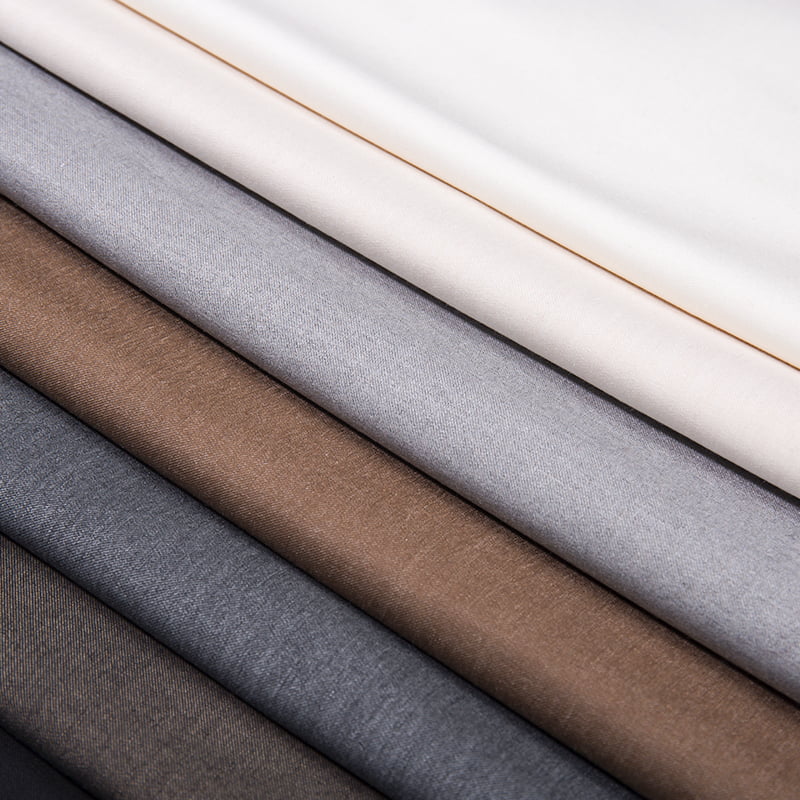
Choosing the right suit fabric is essential for both style and comfort. Wool and synthetic fabrics are the two most common materials used in suits, but they differ significantly in texture, durability, breathability, and care requirements. Understanding these differences can help in selecting the best fabric for various occasions and climates.
Overview of Wool Suit Fabric
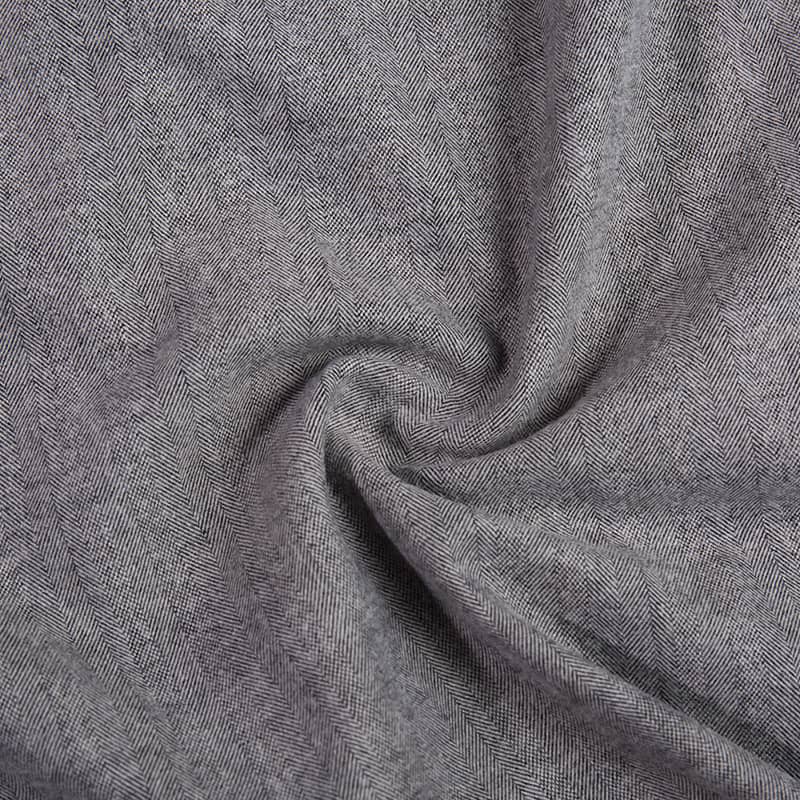
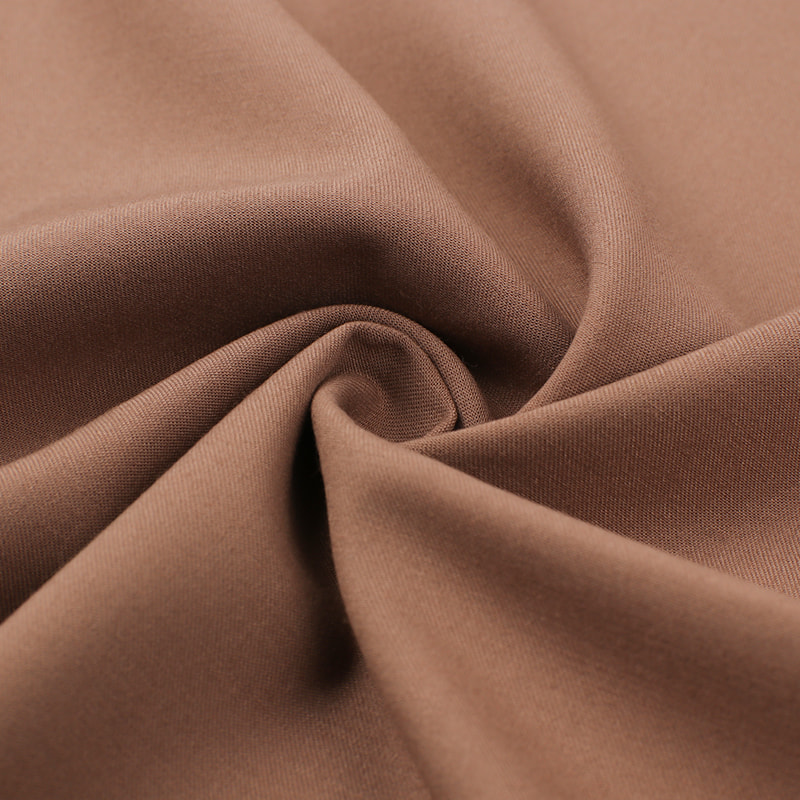
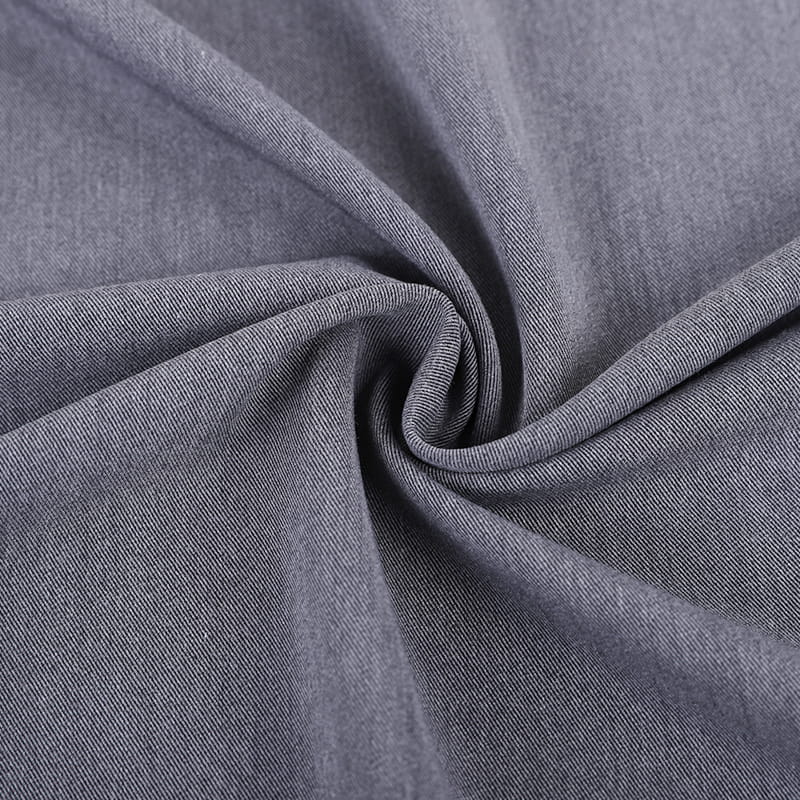
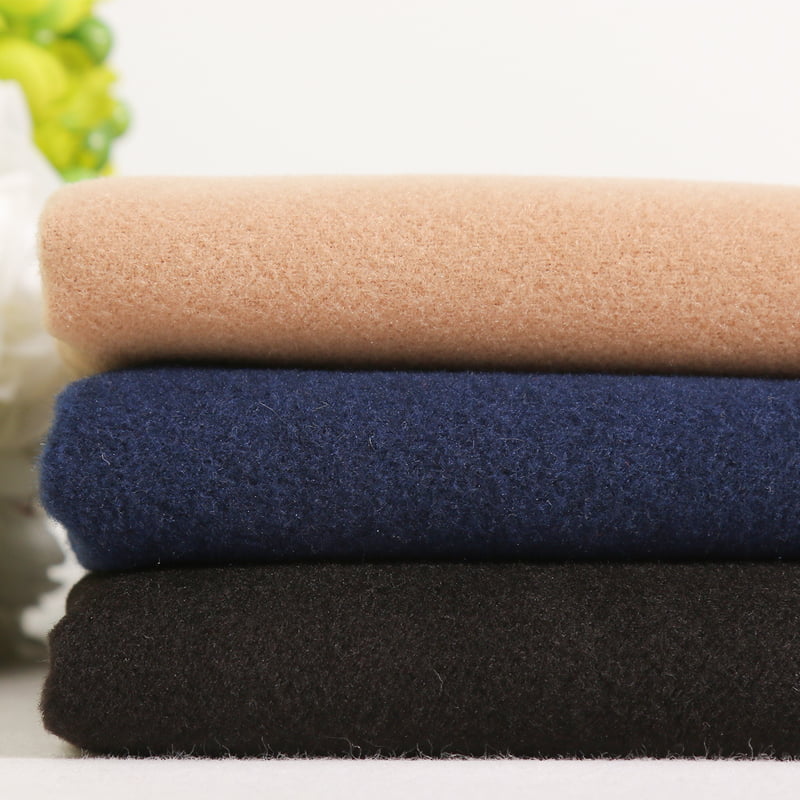
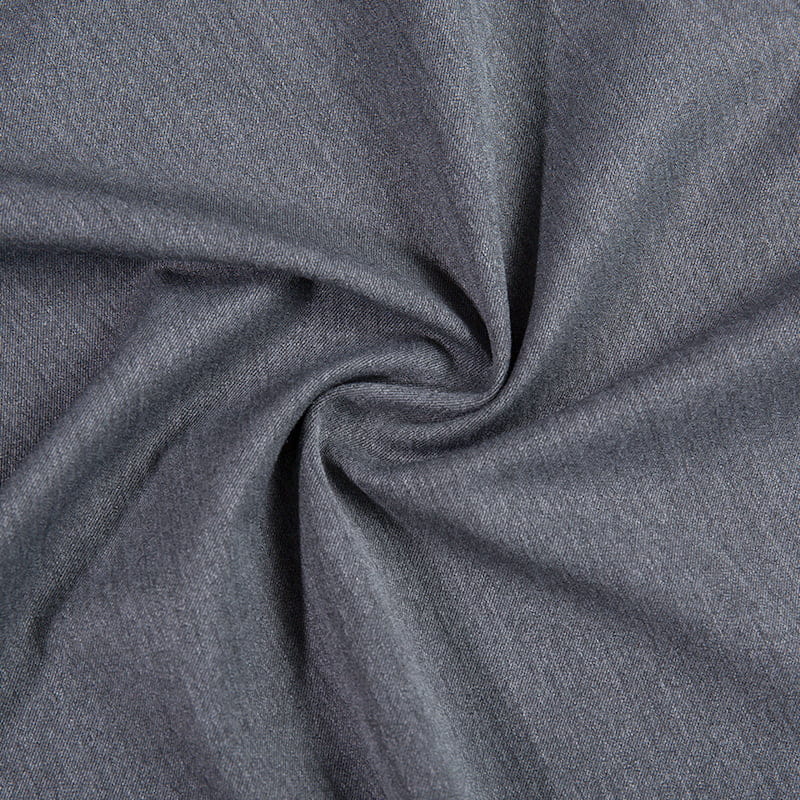
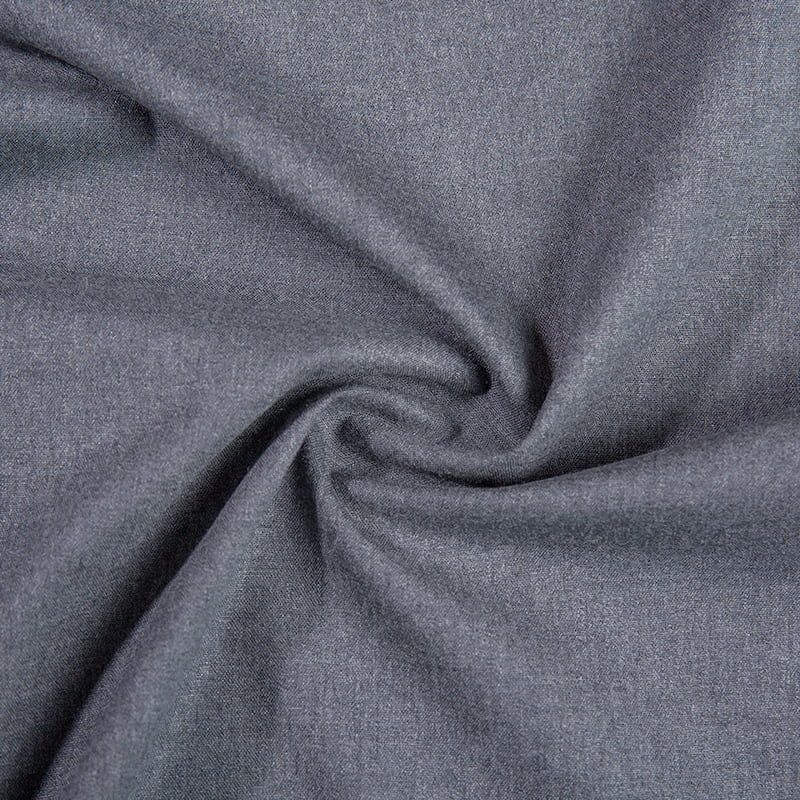
Wool suit fabric is made from natural fibers obtained from sheep. It is considered a premium material due to its softness, breathability, and natural drape. Wool is versatile, available in multiple grades and weaves, such as worsted, tweed, and flannel, making it suitable for a wide range of formal and business attire.
Advantages of Wool Suit Fabric
- Comfort: Wool is naturally soft and flexible, providing a comfortable fit without restricting movement.
- Breathability: The natural fibers allow air circulation, reducing sweat and keeping the wearer cool in warm climates.
- Temperature Regulation: Wool is insulating in winter yet breathable in summer, making it suitable for year-round use.
- Durability: High-quality wool is long-lasting and maintains its shape over time.
- Natural Wrinkle Resistance: Wool recovers quickly from creases, keeping suits looking crisp.
Disadvantages of Wool Suit Fabric
- Cost: Wool is generally more expensive than synthetic fabrics due to its natural origin and quality processing.
- Maintenance: Wool suits often require professional dry cleaning and careful storage.
- Allergies: Some individuals may experience irritation from natural wool fibers.
Overview of Synthetic Suit Fabric
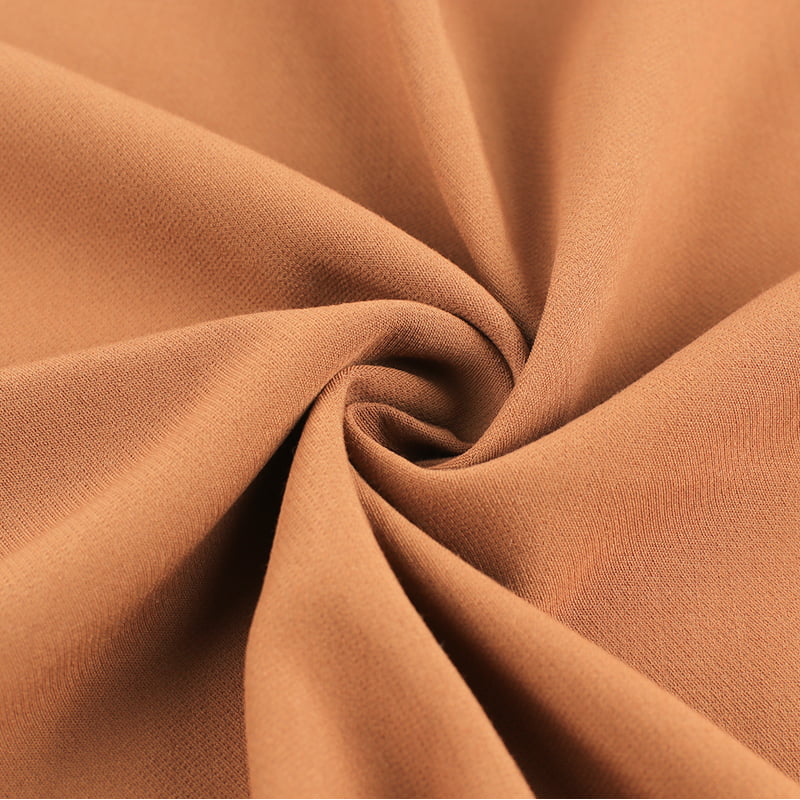
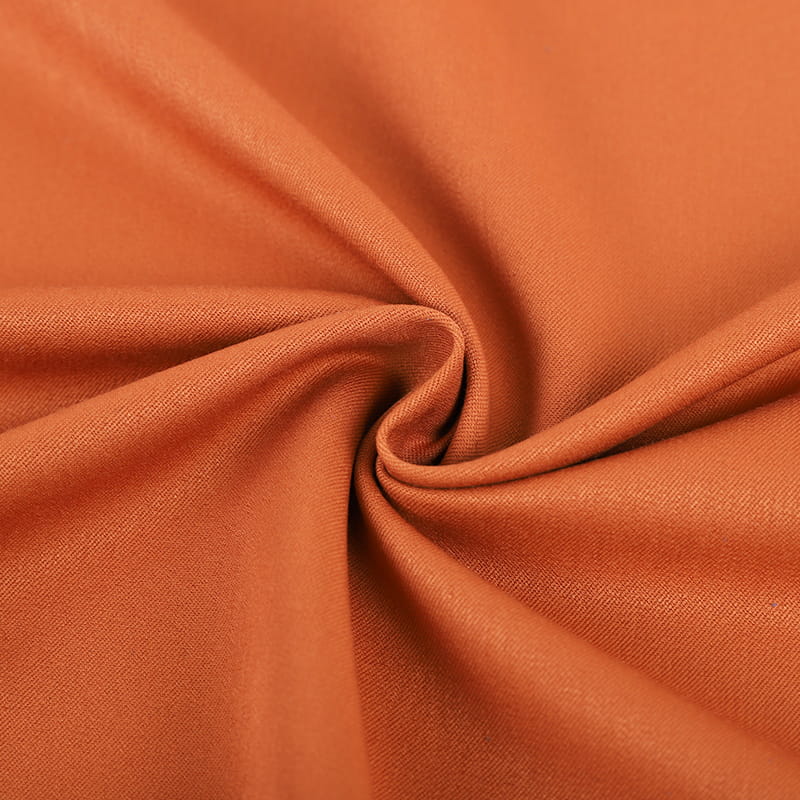
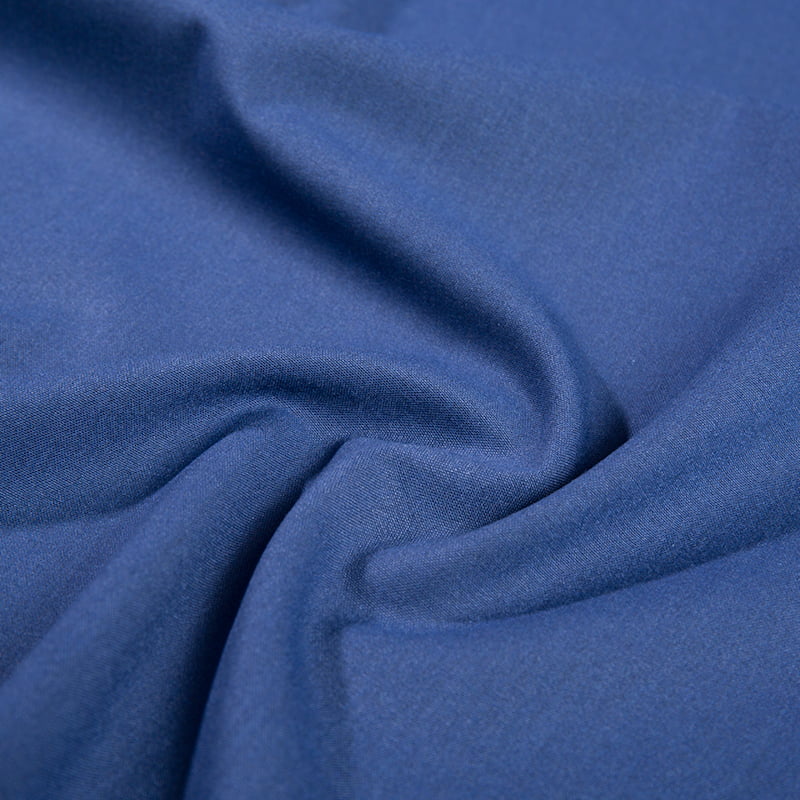
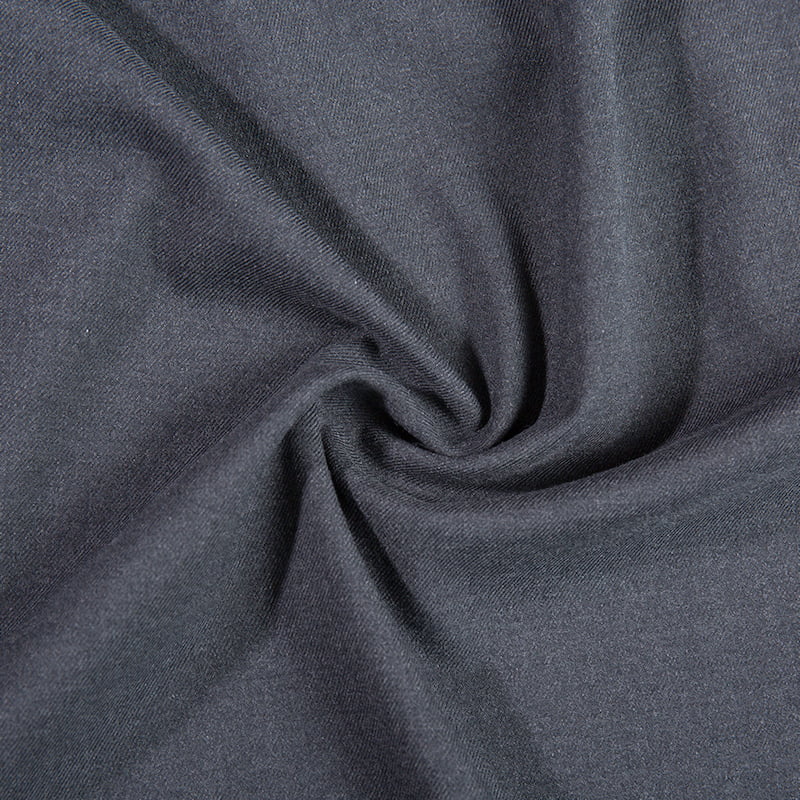
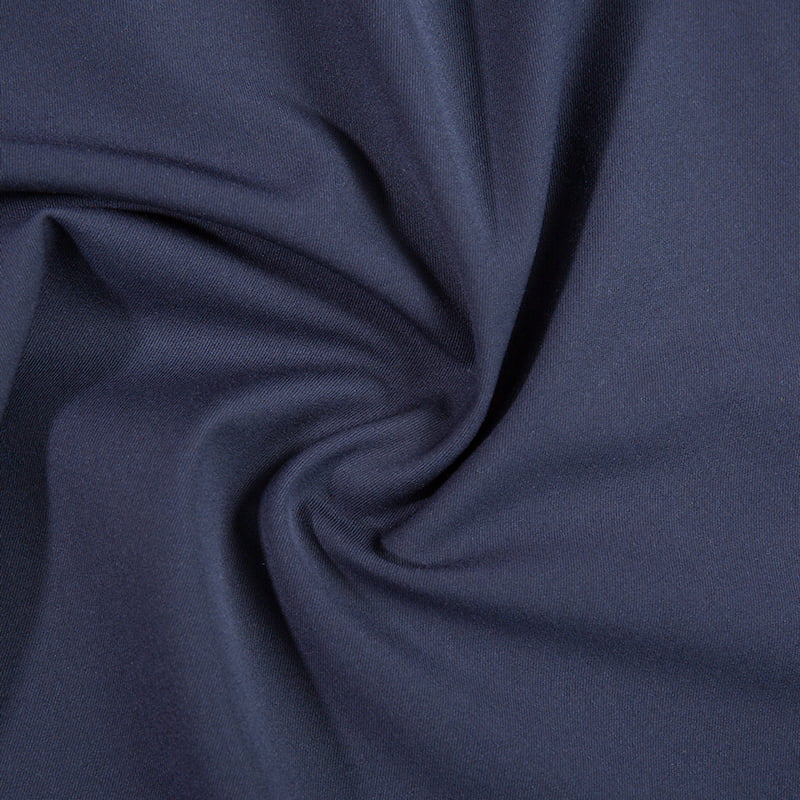
Synthetic suit fabric is made from man-made fibers such as polyester, nylon, and acrylic. These fabrics are designed to mimic the appearance of wool while offering additional durability and cost benefits. Synthetics are widely used in entry-level and mid-range suits due to their affordability and easy care.
Advantages of Synthetic Suit Fabric
- Affordability: Synthetic suits are generally less expensive than wool suits, making them accessible to a broader audience.
- Durability: Resistant to abrasions, stains, and fading, synthetics often have a longer lifespan in daily wear.
- Low Maintenance: Many synthetic fabrics can be machine washed and do not require frequent dry cleaning.
- Moisture Resistance: Synthetic fibers tend to repel water and dry quickly, useful in humid or rainy conditions.
Disadvantages of Synthetic Suit Fabric
- Comfort: Synthetic fibers can feel less soft and breathable compared to natural wool.
- Temperature Control: Synthetics often trap heat, making them less suitable for hot climates.
- Environmental Impact: Being petroleum-based, synthetic fabrics are less eco-friendly and non-biodegradable.
- Wrinkling: Some lower-quality synthetics may retain wrinkles or develop static cling.
Side-by-Side Comparison of Wool and Synthetic Suit Fabric
| Feature | Wool Suit Fabric | Synthetic Suit Fabric |
|---|---|---|
| Comfort | Soft, flexible, natural feel | Less soft, may feel stiff or plasticky |
| Breathability | Excellent, regulates temperature | Poor to moderate, can trap heat |
| Durability | Long-lasting if cared for properly | Highly durable, resistant to wear and tear |
| Wrinkle Resistance | Natural resilience, recovers quickly | Depends on quality; some may crease easily |
| Moisture Handling | Absorbs moisture, breathable | Repels moisture, quick-drying |
| Cost | Higher price range | More affordable |
| Maintenance | Dry cleaning recommended, careful storage | Easy care, often machine washable |
| Environmental Impact | Natural and biodegradable | Petroleum-based, less eco-friendly |
Choosing the Right Suit Fabric
Selection depends on lifestyle, climate, and budget. Wool suit fabric is ideal for formal events, business settings, and long-term investment due to its comfort and elegance. Synthetic suit fabric suits those seeking affordability, easy maintenance, and high durability for everyday or casual wear.
Tips for Selecting Suit Fabric
- Consider the climate: wool for versatile temperature control, synthetic for humid or wet conditions.
- Assess your activity level: synthetic fabrics handle frequent wear better without losing shape.
- Budget planning: wool suits are premium; synthetics provide a cost-effective alternative.
- Maintenance willingness: wool requires dry cleaning; synthetics are easier to care for at home.
Frequently Asked Questions (FAQ)
Can wool and synthetic fibers be blended?
Yes, many modern suits use blends like 70% wool and 30% polyester, combining the softness of wool with the durability and low maintenance of synthetic fibers. Blends aim to deliver the best of both worlds at a moderate cost.
Which suit fabric lasts longer?
High-quality wool suits can last decades with proper care. Synthetics are highly durable but may lose shape or appearance over time, especially if lower-grade fibers are used.
Are synthetic suits less formal than wool suits?
Wool suits generally appear more refined and elegant, suitable for formal occasions. Synthetic suits are acceptable for business casual and everyday wear but may not match the premium look of wool in formal settings.
How should wool suits be cleaned?
Dry cleaning is recommended for wool suits to maintain fabric integrity. Spot cleaning and proper hanging can help extend time between professional cleanings.
Are synthetic suits suitable for all seasons?
Synthetic fabrics may be less breathable and better suited for cooler climates. For hot summer wear, blends or lightweight synthetics with breathable weaves are preferable.
Conclusion
Understanding the differences between wool suit fabric and synthetic suit fabric helps in making an informed decision based on comfort, durability, climate, maintenance, and budget. Wool offers timeless elegance and natural comfort, while synthetics provide affordability, easy care, and durability. For those seeking the ultimate in versatility, blends offer an effective compromise.