
 English
 中文简体
中文简体 日本語
日本語 한국어
한국어 Español
 русский
Content
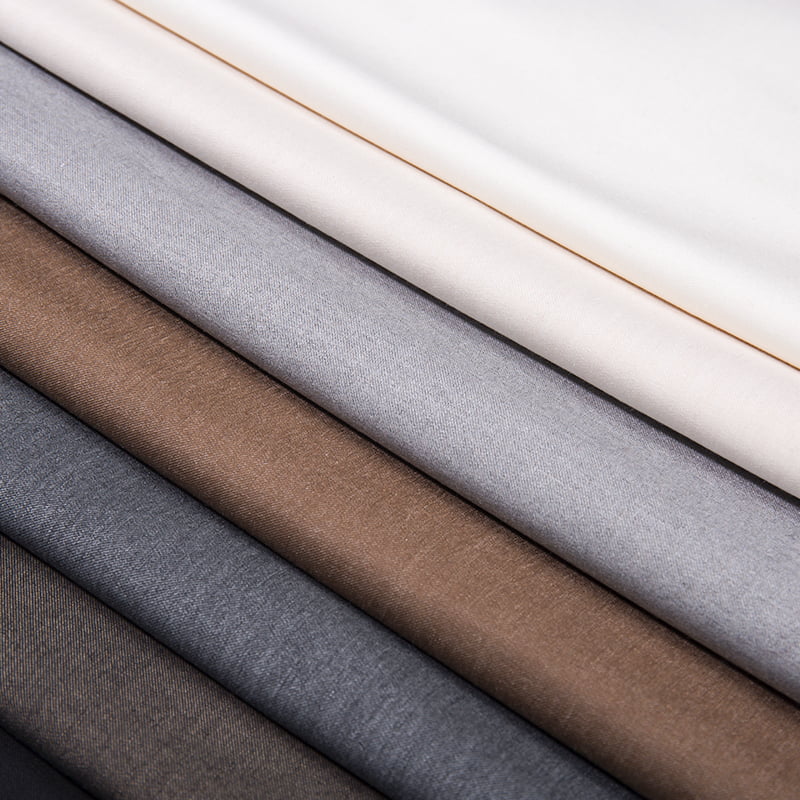
When it comes to custom-made suits, one of the most crucial elements that can affect both comfort and appearance is the choice of suit fabric. The fabric not only defines the look and feel of the suit but also influences its durability, fit, and overall quality. Selecting the right suit fabric for your needs can transform a good suit into a great one.
Understanding Suit Fabric: The Foundation of a Custom Suit
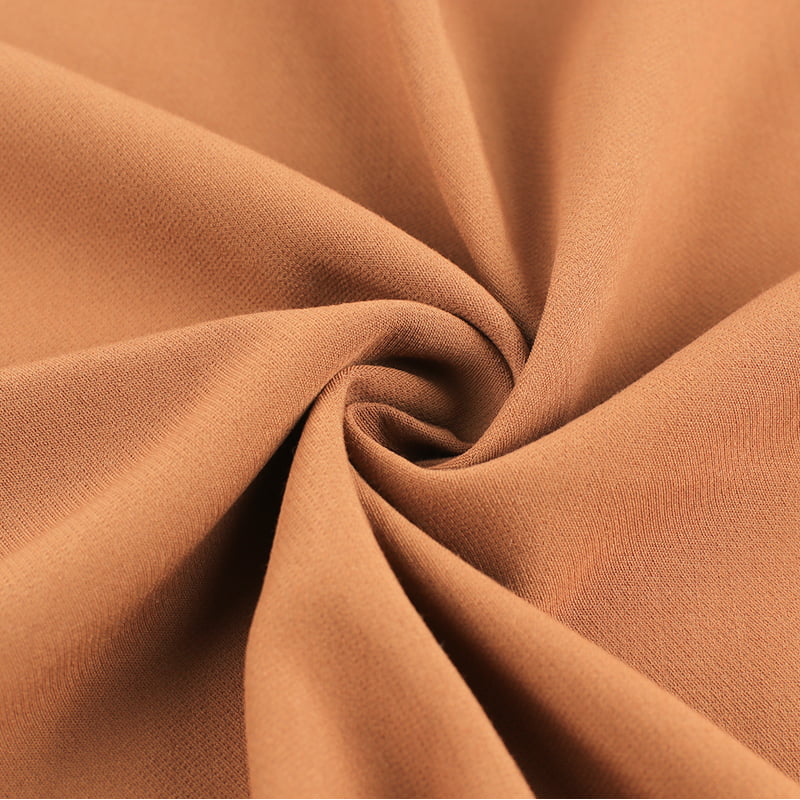
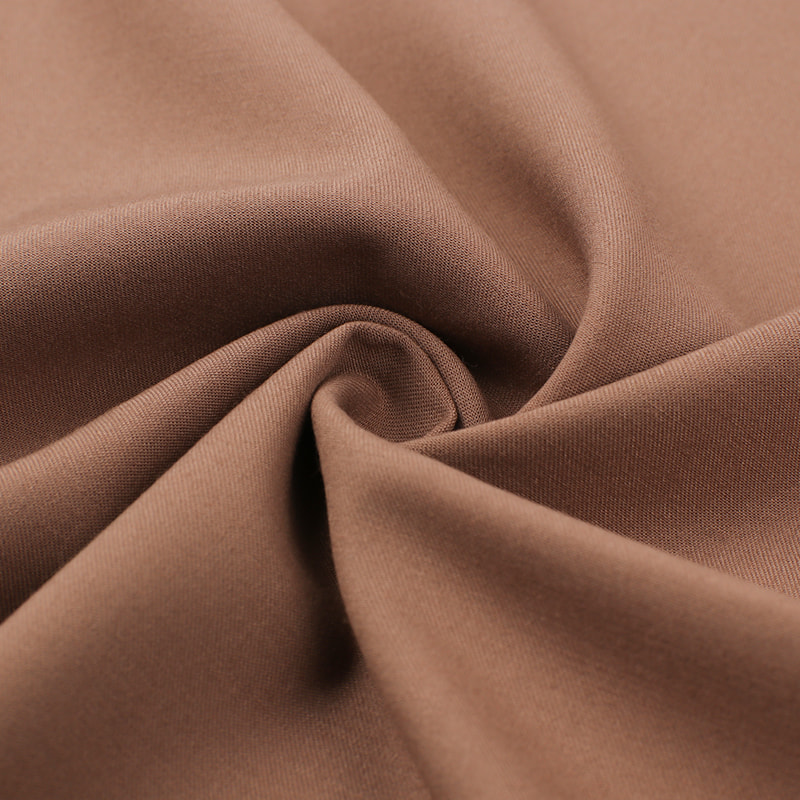
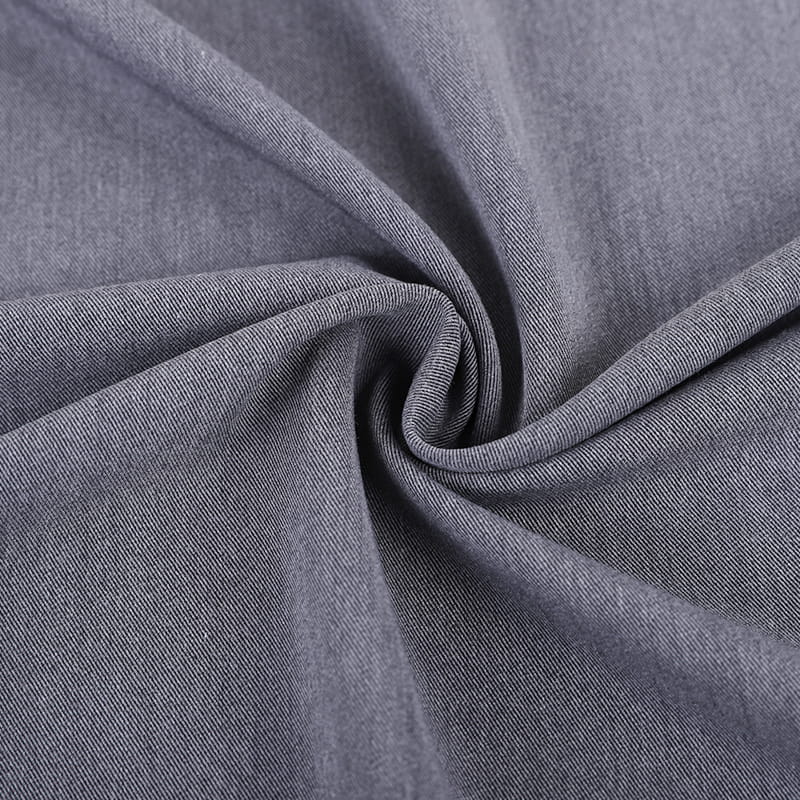
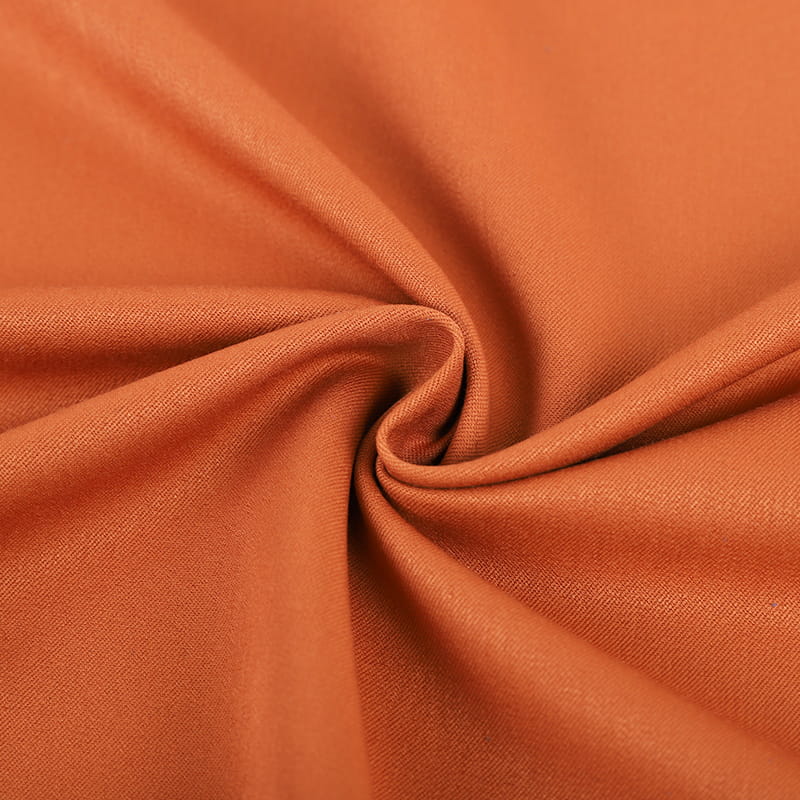
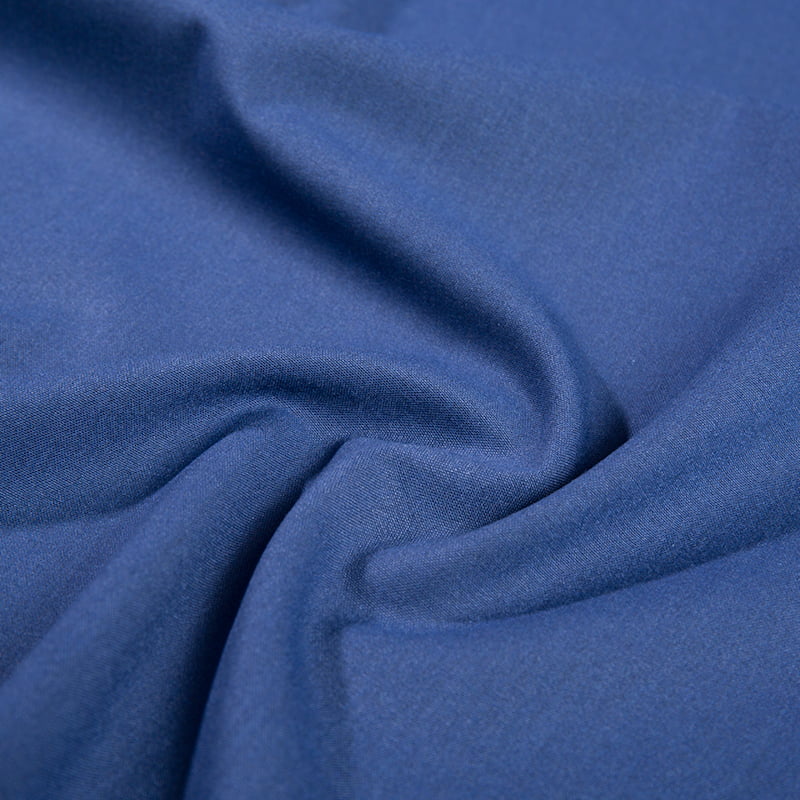
Choosing the right fabric for a custom suit is more than just picking a color or pattern. The fabric serves as the foundation of the entire garment, affecting everything from its breathability and warmth to its weight and texture. Different fabrics are suited to different occasions and seasons, and they all offer distinct advantages and disadvantages.
Types of Suit Fabrics
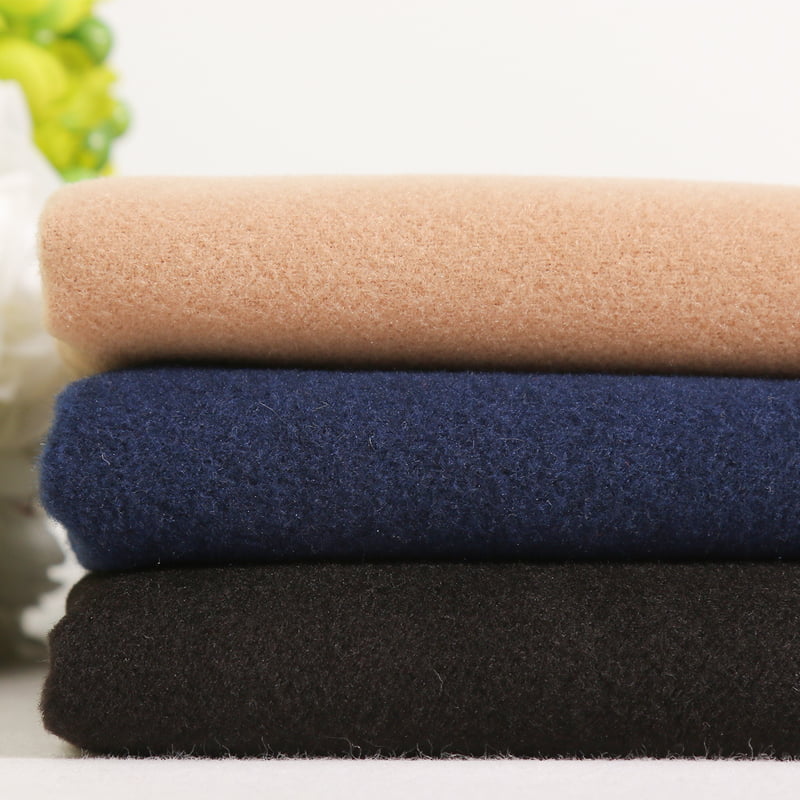
- Wool: Wool is the most common and versatile fabric used for custom-made suits. Known for its durability, breathability, and natural ability to regulate body temperature, wool is ideal for year-round wear.
- Cashmere: A luxury fabric derived from the soft undercoat of cashmere goats, this material is soft, lightweight, and perfect for colder weather. It adds an extra touch of elegance to any suit.
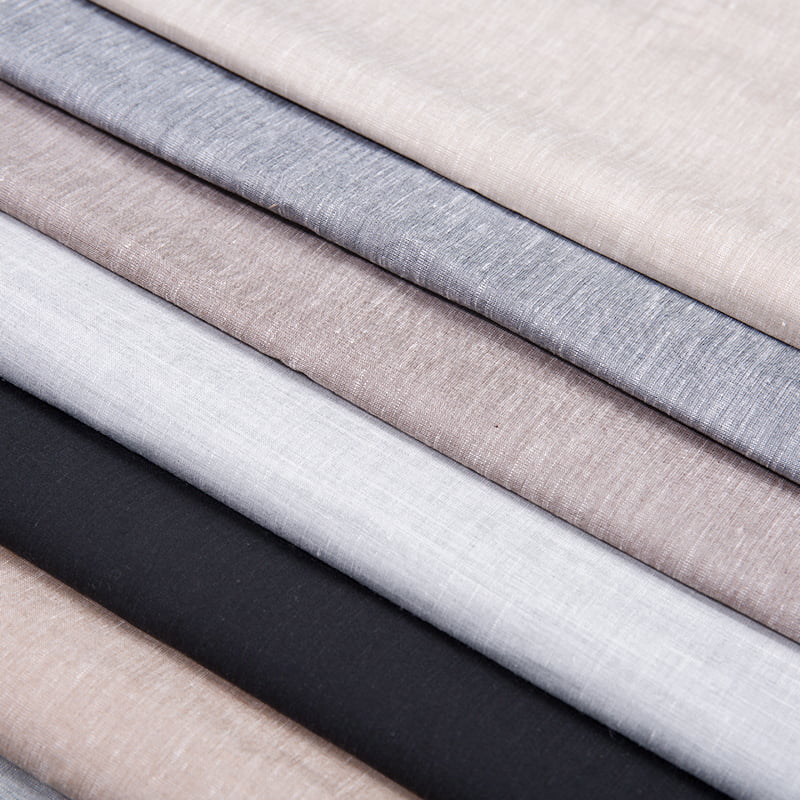
- Linen: A popular summer fabric, linen is lightweight, breathable, and highly absorbent, making it perfect for warm weather. However, it wrinkles easily and may require more care and attention.
- Silk: Silk suits are often associated with high-end fashion. This fabric is known for its lustrous appearance and smooth texture, adding a touch of refinement to any suit.
- Polyester and Blends: While not as luxurious as natural fibers, polyester blends are durable, low-maintenance, and resistant to wrinkles. These fabrics are typically more affordable but can lack the breathability and comfort of natural fibers.
Comparing Suit Fabrics: How to Choose the Best One
| Fabric | Durability | Breathability | Comfort | Best Season | Price |
|---|---|---|---|---|---|
| Wool | High | Good | Soft and comfortable | All year | Medium-High |
| Cashmere | Medium | Good | Very soft | Cold weather | High |
| Linen | Medium | Excellent | Lightweight, but wrinkles | Hot weather | Medium |
| Silk | Low | Good | Very smooth | Cold weather | Very high |
| Polyester | High | Poor | Moderate | All year | Low |
Why Suit Fabric Matters in Custom-Made Suits
When you invest in a custom-made suit, you’re not just purchasing a piece of clothing; you’re creating a garment that reflects your personality and style. The suit fabric is the first step in this process, as it influences everything from the suit’s overall aesthetic to its functionality.
Fit and Comfort
The choice of fabric directly impacts the fit of the suit. For instance, lightweight fabrics like linen and silk are better suited to looser, more relaxed fits, while heavier fabrics like wool provide structure and support, making them ideal for more formal or structured styles. The comfort of your suit is also crucial. Wool, cashmere, and silk are generally more comfortable and breathable, ensuring you stay cool in summer and warm in winter. However, synthetic fibers like polyester may trap heat, leading to discomfort.
Durability and Longevity
Durability is another key factor when selecting a fabric. Wool, for example, is known for its ability to withstand wear and tear, meaning a wool suit can last for many years if properly maintained. Cashmere, while luxurious, is more delicate and requires more careful handling. Polyester blends, on the other hand, are extremely durable and resistant to fading or shrinking, making them a good choice for those on a budget.
Style and Appearance
The fabric you choose will also have a significant impact on the look of the suit. Wool suits have a sophisticated, classic appearance, making them a great option for business or formal events. Linen suits, with their light, airy texture, are often associated with casual or tropical settings. Cashmere and silk suits are synonymous with luxury and elegance, ideal for high-end occasions or for making a bold fashion statement.
FAQs About Suit Fabrics
What is the best fabric for a summer suit?
Linen is the best fabric for a summer suit due to its lightweight, breathable qualities. It keeps you cool in the hot weather, although it wrinkles easily, which may require more frequent pressing.
Is wool a good fabric for all-year-round suits?
Yes, wool is a versatile fabric suitable for all seasons. It can keep you warm in winter while still allowing your body to breathe during the warmer months. It’s also available in various weights, making it adaptable for different weather conditions.
How do synthetic fabrics compare to natural fabrics in suits?
Synthetic fabrics like polyester tend to be more affordable and are low-maintenance, but they lack the breathability and luxury of natural fabrics like wool or cashmere. While synthetic fabrics are durable and resistant to wrinkles, they may not offer the same comfort or high-end appearance.
Conclusion
The importance of suit fabric in custom-made suits cannot be overstated. From comfort and durability to style and longevity, the fabric sets the tone for the entire garment. Whether you're opting for a classic wool suit, an elegant silk option, or a breathable linen design, choosing the right suit fabric is essential for ensuring that your suit meets your personal needs and style. Understanding the differences between various fabrics allows you to make an informed decision and invest in a suit that will not only look great but also feel great for years to come.