
 English
 中文简体
中文简体 日本語
日本語 한국어
한국어 Español
 русский
Content
Wearing a suit in summer heat doesn't have to mean discomfort. The secret lies entirely in choosing the right suit fabric. Whether you're heading to a summer wedding, a business meeting, or an outdoor event, selecting a fabric designed for warm-weather performance can make the difference between arriving composed and arriving drenched.
Below is a thorough breakdown of the best breathable suit fabric options for summer, how they compare, and how to choose the right one for your specific needs.
Why Suit Fabric Choice Matters in Summer
Most standard suits are made from medium-weight wool blends optimized for year-round or cold-weather use. These fabrics trap heat, restrict airflow, and cause excessive sweating in temperatures above 75°F (24°C). Summer-specific suit fabrics are engineered differently — they feature open weaves, natural moisture-wicking properties, and lighter weights that allow air to circulate freely around the body.
The key factors that determine a suit fabric's breathability include fiber type, weave structure, and fabric weight (measured in grams per meter, or GSM).
Top Breathable Suit Fabrics for Summer
1. Linen — The Gold Standard for Summer
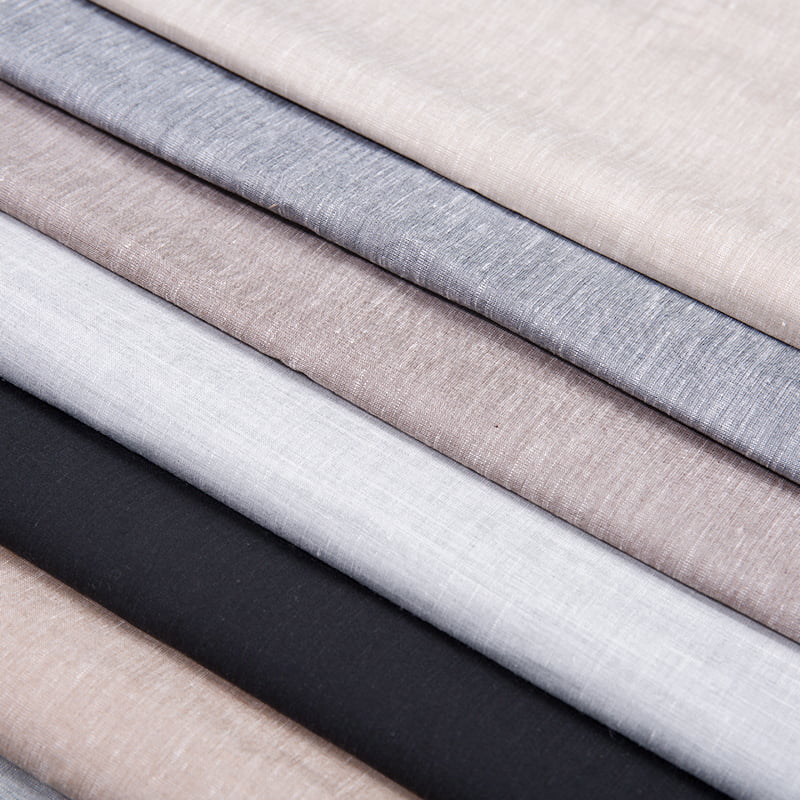
Linen is widely regarded as the most breathable suit fabric available. Made from flax plant fibers, linen has a naturally loose, open weave that maximizes airflow. It absorbs up to 20% of its weight in moisture before feeling damp, and it dries rapidly — making it ideal for humid climates.
- Weight: 180–250 GSM
- Breathability: Excellent
- Wrinkle resistance: Poor (wrinkles are considered part of its character)
- Best for: Outdoor events, beach weddings, casual summer settings
2. Tropical Wool — Breathable and Formal
Tropical wool is a lightweight, open-weave wool suit fabric specifically developed for warm climates. Despite being wool, it can feel remarkably cool because of its loose plain or twill weave that promotes ventilation. It's the go-to choice for professionals who need a formal appearance without sacrificing comfort.
- Weight: 180–220 GSM
- Breathability: Very Good
- Wrinkle resistance: Good
- Best for: Business meetings, formal summer events
3. Cotton — Comfortable and Versatile
Cotton suit fabric offers solid breathability, natural softness, and a relaxed aesthetic. While it doesn't match linen's airflow, it's softer and holds its shape better. Cotton suits work well for both casual and smart-casual occasions and are generally easier to care for than wool or linen.
- Weight: 200–280 GSM
- Breathability: Good
- Wrinkle resistance: Moderate
- Best for: Casual summer events, weekend wear
4. Seersucker — The Classic American Summer Fabric
Seersucker is a puckered cotton or cotton-blend suit fabric with a distinctive crinkled texture. The puckered weave keeps much of the fabric away from the skin, creating micro air pockets that improve ventilation. It's a beloved choice in the American South and at summer garden parties.
- Weight: 150–200 GSM
- Breathability: Very Good
- Wrinkle resistance: Excellent (the texture hides wrinkles)
- Best for: Garden parties, outdoor weddings, daytime events
5. Silk & Silk Blends — Luxurious and Temperature-Regulating
Silk is a natural temperature regulator — cool in summer, warm in cooler conditions. As a suit fabric, pure silk is rare and expensive, but silk blends (often combined with wool or linen) offer excellent breathability with added durability and a lustrous drape.
- Weight: 150–200 GSM
- Breathability: Good to Excellent
- Wrinkle resistance: Moderate
- Best for: Evening events, luxury occasions
Summer Suit Fabric Comparison at a Glance
| Fabric | Formality | Price Range |
| Linen | Casual – Smart Casual | $$ |
| Tropical Wool | Business – Formal | $$$ |
| Cotton | Casual – Smart Casual | $$ |
| Seersucker | Casual – Smart Casual | $$ |
| Silk / Silk Blend | Smart Casual – Formal | $$$$ |
What to Look for in a Summer Suit Fabric
Fabric Weight (GSM)
For summer, target suit fabrics between 150 and 250 GSM. Anything above 300 GSM will feel heavy and restrictive in warm weather. Lightweight fabrics drape more naturally and allow air to pass through the weave with less resistance.
Weave Structure
Open weaves (such as hopsack, fresco, or plain weave) allow more airflow than tight weaves (like twill). When shopping for a summer suit fabric, hold the material up to light — if you can see light passing through clearly, the weave is open enough for warm-weather wear.
Natural vs. Synthetic Fibers
Natural fibers — linen, cotton, wool, silk — outperform synthetic ones like polyester in terms of breathability and moisture management. Polyester traps heat and does not wick moisture effectively. If budget is a concern, look for suit fabric blends with at least 60–70% natural fiber content.
Color and Style Tips for Summer Suits
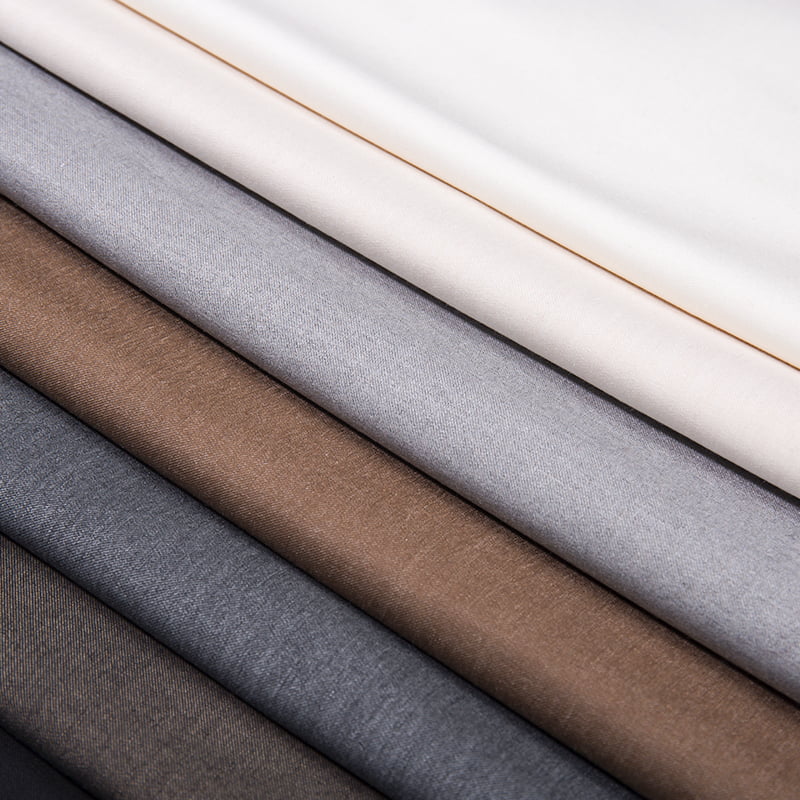
Beyond suit fabric choice, color plays a functional role in summer comfort. Light colors reflect sunlight rather than absorbing it, helping to keep you cooler. Popular summer suit colors include:
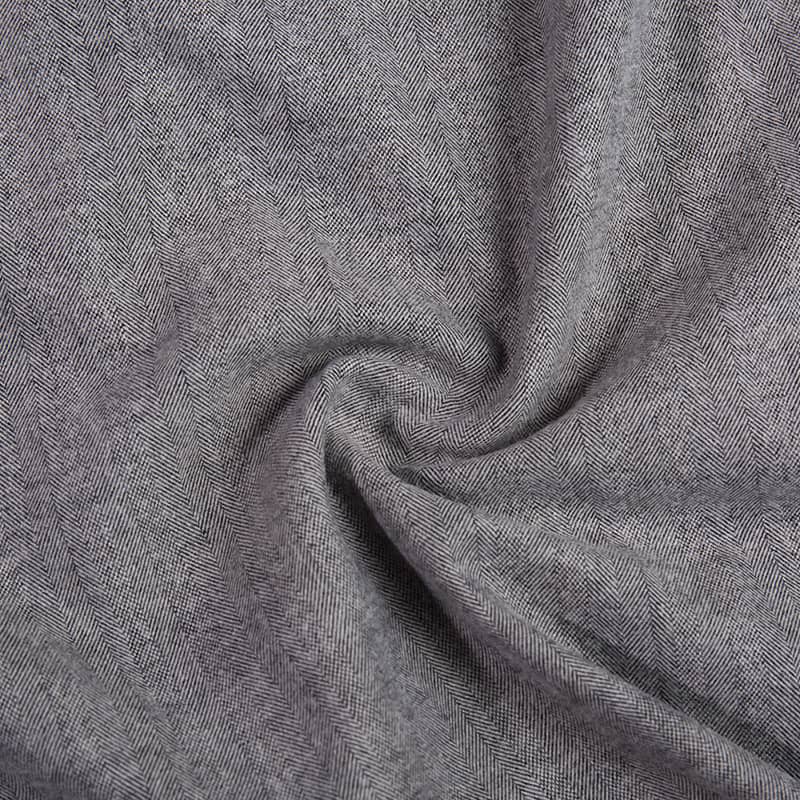
- Light grey — versatile, professional, reflective
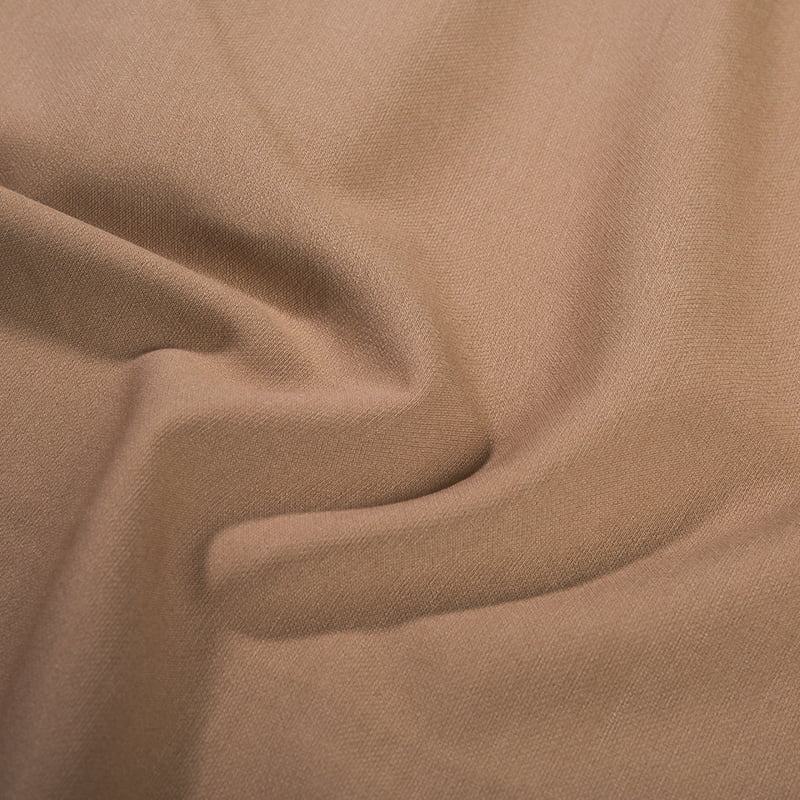
- Beige / tan — warm-weather classic, pairs well with casual shirts
- Navy — slightly warmer than lighter tones but remains a summer staple
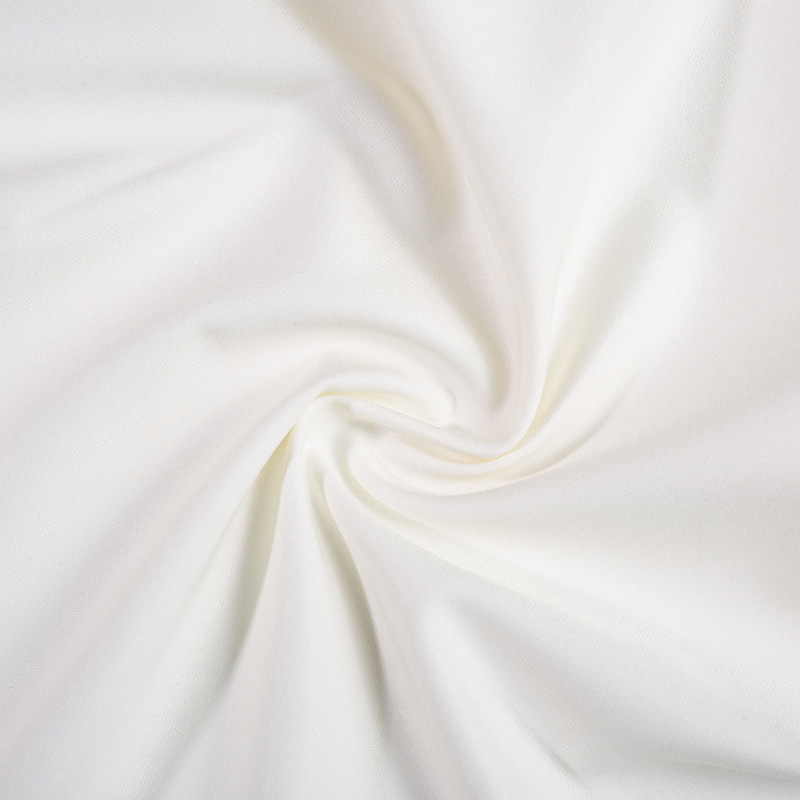
- Cream / off-white — ideal for linen suits and outdoor occasions
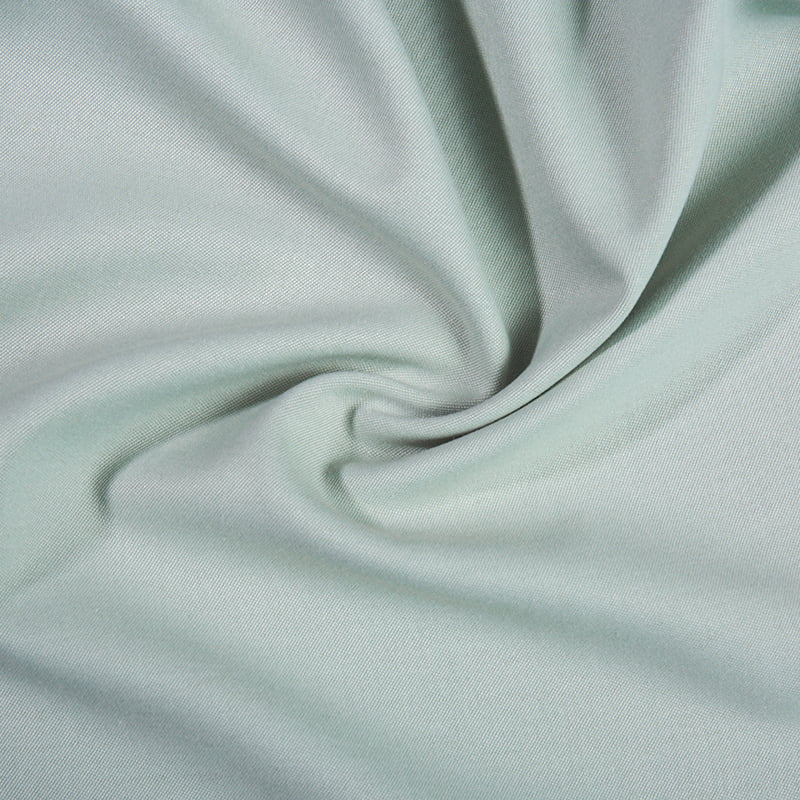
- Pale blue — fresh, modern, and increasingly popular in summer business wear
Additionally, consider unlined or half-lined suits — removing the lining significantly reduces heat retention in any suit fabric.
Frequently Asked Questions
Q: What is the coolest suit fabric for hot weather?
Linen is generally considered the coolest suit fabric for hot weather due to its open weave and exceptional moisture absorption. Seersucker is a close second, especially for those who want a fabric that resists wrinkling better.
Q: Is wool suit fabric suitable for summer?
Not all wool is created equal. Heavy flannel wool is inappropriate for summer, but tropical wool suit fabric — specifically woven to be lightweight and airy — is an excellent summer option, especially for formal occasions where appearance matters.
Q: Does suit fabric weight affect breathability?
Yes, significantly. Lighter suit fabrics (under 250 GSM) allow more airflow and feel less restrictive in warm weather. However, weave structure also matters — a tightly woven light fabric can be less breathable than a loosely woven heavier one.
Q: Can I wear a polyester suit in summer?
It's not recommended. Polyester suit fabric traps heat and doesn't breathe well. If cost is a concern, look for poly-blend fabrics with a high percentage of natural fibers, or shop for affordable 100% cotton suits instead.
Q: What suit fabric is best for a summer wedding?
For an outdoor summer wedding, linen or seersucker suit fabric works beautifully. For an indoor or semi-formal wedding, tropical wool offers the breathability of summer fabrics with the polished appearance that formal occasions demand.
Q: How do I care for a linen suit?
Most linen suit fabric items should be dry-cleaned or hand-washed in cold water. Avoid wringing the fabric. Linen wrinkles naturally and is best stored on a wide hanger. Light steaming between wears can refresh the look without frequent washing.
The Bottom Line
Choosing the right suit fabric is the single most impactful decision you can make when dressing for summer heat. Linen leads the pack for pure breathability, tropical wool is the formal professional's best friend, seersucker delivers effortless cool with minimal maintenance, and cotton offers dependable everyday comfort.
Whichever suit fabric you choose, pair it with moisture-wicking undergarments, an unlined or half-lined jacket, and light-colored dress shirts to maximize comfort throughout the day.
Summer dressing can be both sharp and comfortable — it all starts with the right suit fabric.