
 English
 中文简体
中文简体 日本語
日本語 한국어
한국어 Español
 русский
Content
Ask ten tailors what sharkskin fabric is and you will hear ten variations of the same answer, yet the name still confuses first-time buyers. It sounds like something pulled from the ocean, but sharkskin has nothing to do with sharks. It is a twill weave that plays with light, and once you understand that construction, evaluating mill swatches becomes a much simpler task. Brands that reorder by name alone sometimes receive a pick-and-pick or nailhead instead, so knowing the difference is worth a few minutes of your time.
What Exactly Is Sharkskin Suit Fabric?
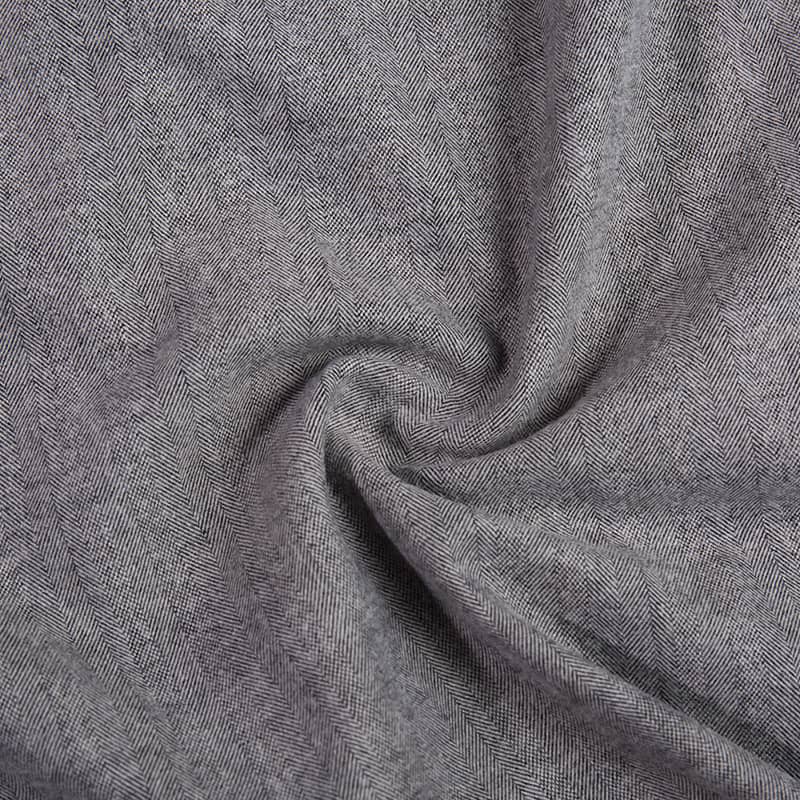
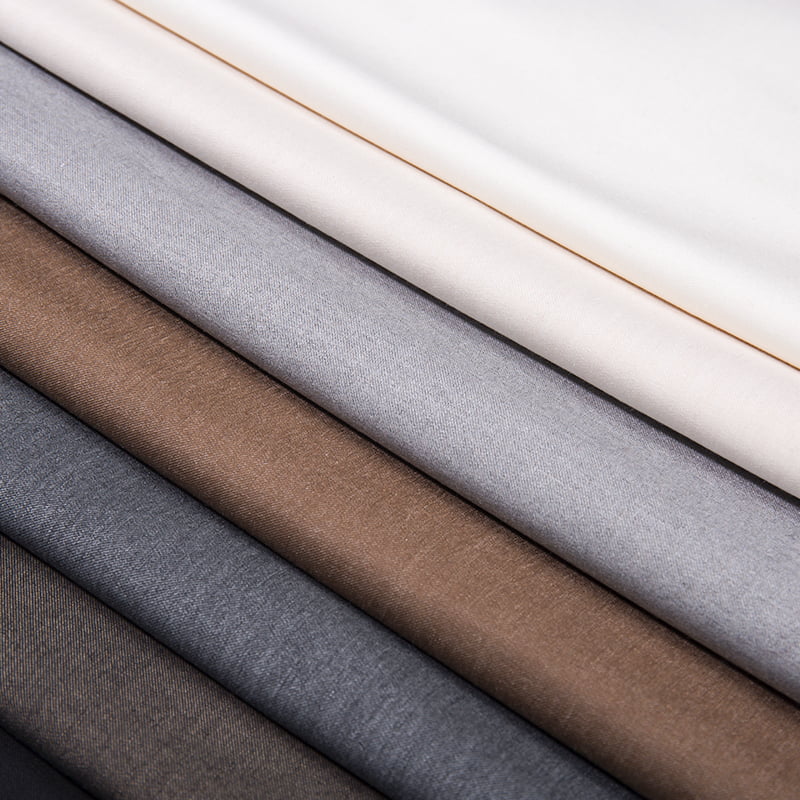
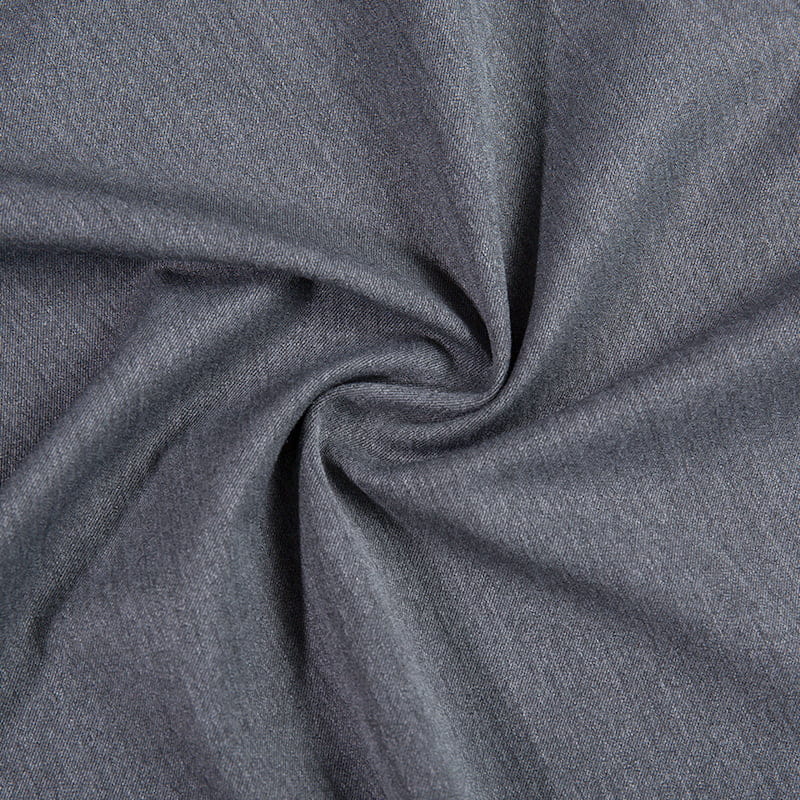
Sharkskin is defined by its twill weave, not its fiber content. The construction alternates bright and dull yarns in both warp and weft, creating short diagonal steps across the surface. As light moves over the cloth, those steps reflect at different angles, producing a soft shimmer that is unmistakable once you know what to look for.
Up close, the texture is fine and granular. From a normal conversation distance, it reads as a solid color with a gentle lustre. This is why sharkskin suits photograph well, hold visual interest in meeting rooms, and never look flat the way some plain weaves do.
The name comes from the fabric's resemblance to shark skin, which is rough yet smooth at the same time. No shark products are involved. The effect is entirely a property of the weave, which means it can be reproduced in wool, polyester-viscose, or stretch blends depending on your garment program.
How Sharkskin Compares to Similar Suit Weaves
Sharkskin belongs to a family of decorative suiting weaves that look alike to an untrained eye. Buyers who can tell them apart avoid costly specification errors, especially when reordering from a mill.
| Fabric | Weave structure | Visual character |
|---|---|---|
| Sharkskin | Twill with alternating bright and dull yarns | Subtle sheen, textured solid |
| Pick-and-pick | Plain weave with alternating colored and white yarns | Fine speckle, crisp surface |
| Nailhead | Small broken twill pattern | Dense micro-check effect |
| Birdseye | Novelty weave with small diamond shapes | Dimpled, textured pattern |
The most common mix-up is between sharkskin and pick-and-pick. Pick-and-pick uses a plain weave to create a fine salt-and-pepper speckle; sharkskin uses a twill to create short diagonal lines. Both look solid from across the room, but they behave differently under light and in tailoring.
Fiber Composition: From Worsted Wool to Stretch Blends
Traditional sharkskin was woven from worsted wool, and pure wool remains the benchmark for formal tailoring. However, most commercial suiting today is produced in blends that improve wrinkle resistance, reduce cost, or add stretch.
| Composition | Best suited for | Trade-offs |
|---|---|---|
| 100% worsted wool | Formal suits, cool-season wear | Higher price, dry-clean only |
| Wool-polyester blend | Frequent business wear | Good balance of hand feel and cost |
| Polyester-viscose (T/R) | Uniforms, high-frequency use | Easy care, steady crease, less breathable |
| T/R with spandex | Trousers, travel suits | 4-way stretch, shape retention, comfort |
For buyers sourcing at scale, T/R with spandex solves the most practical problems. A twill construction in polyester-viscose-spandex produces the sharkskin effect, delivers the stretch that wearers expect from modern suit trousers, and resists wrinkles through long workdays. If you are new to T/R suiting fabrics, this composition offers a middle path between the cost of wool and the limitations of pure synthetics.
Top-dyed versions, where yarns are dyed before weaving, give the fabric a deeper color payoff and better lightfastness in dark shades. This matters for corporate uniforms and ready-to-wear programs, where panel-to-panel color consistency across production batches is a real concern.
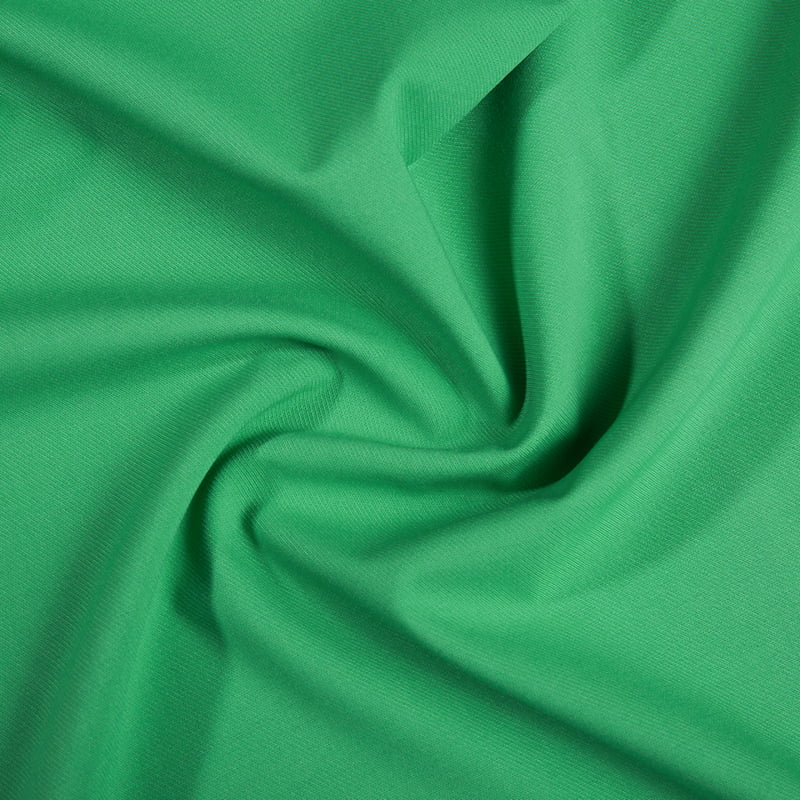
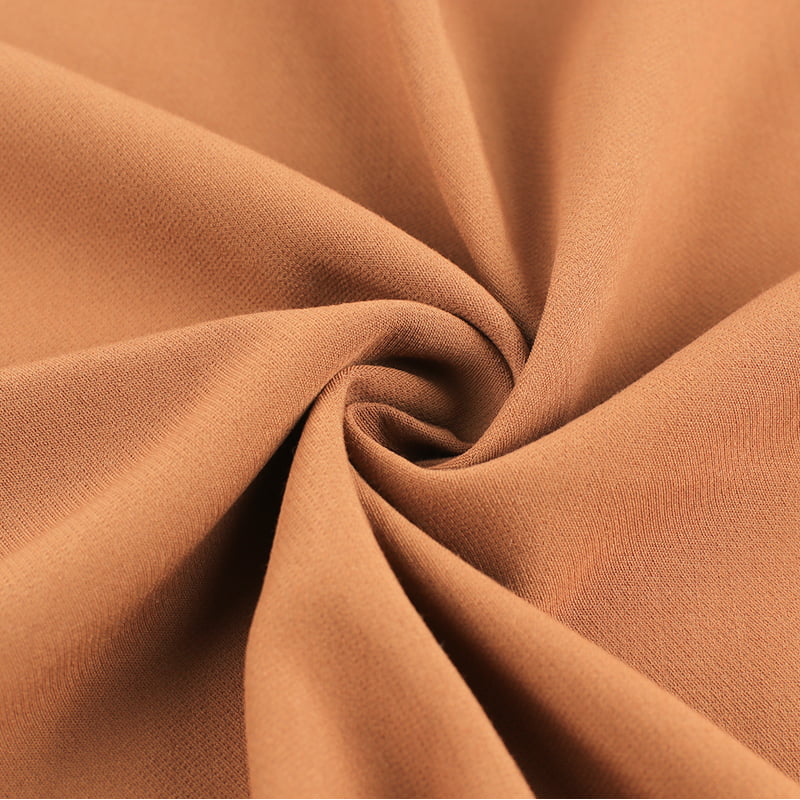
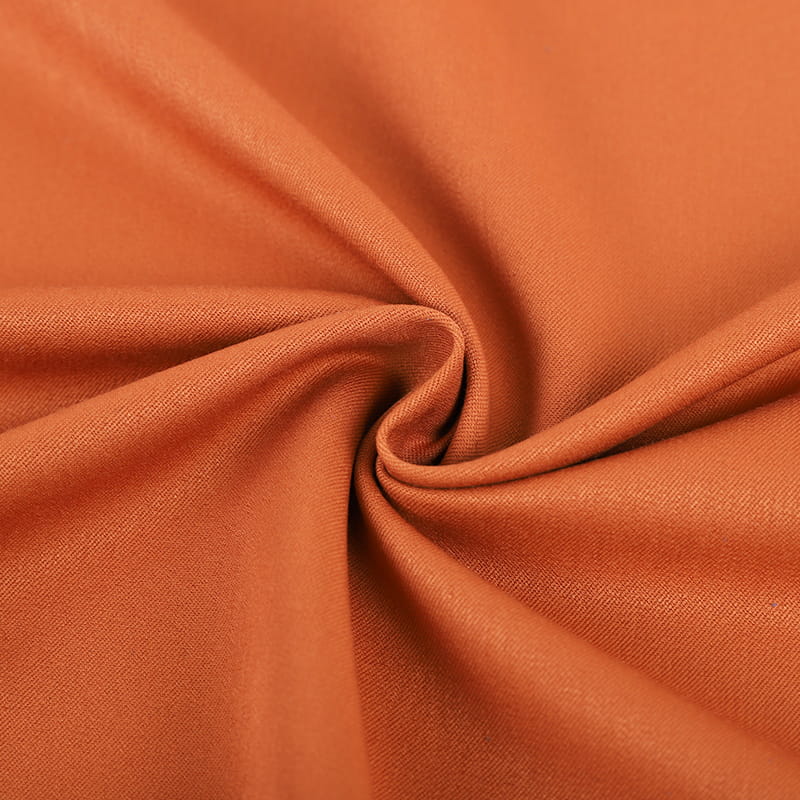
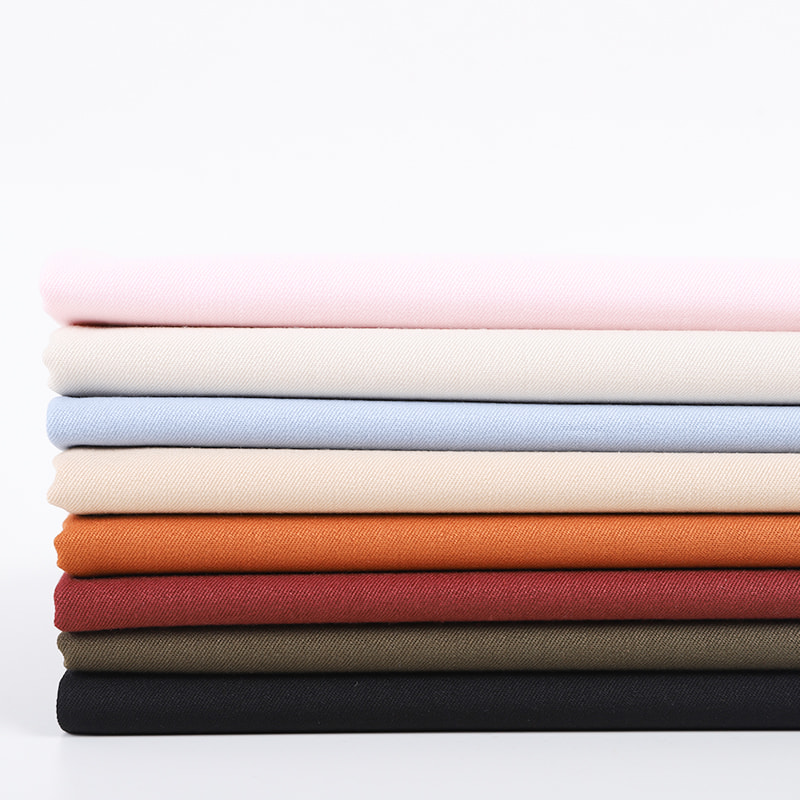 Soft-Hand T/R Spandex Twill for Pants and BlazersThis stretch twill blend offers a soft, elastic feel with wrinkle resistance, making it a practical choice for lighter-weight suits and blazers that need easy care and consistent color.View Product →
Weight, Season, and Formality
Most sharkskin suiting falls between 250 and 300 grams per meter. At the lighter end, it suits spring days and air-conditioned offices; at the heavier end, it behaves like a proper three-season cloth. The weave itself does not trap heat - what matters is the fiber blend, the finishing, and whether the garment is lined.
On the formality scale, sharkskin sits one step below a plain worsted suit. It is appropriate for business, ceremonies, and evening events, though a plain charcoal or navy reads more serious in conservative boardrooms. If you need a single suit for varied occasions, a dark sharkskin is a reliable middle choice.
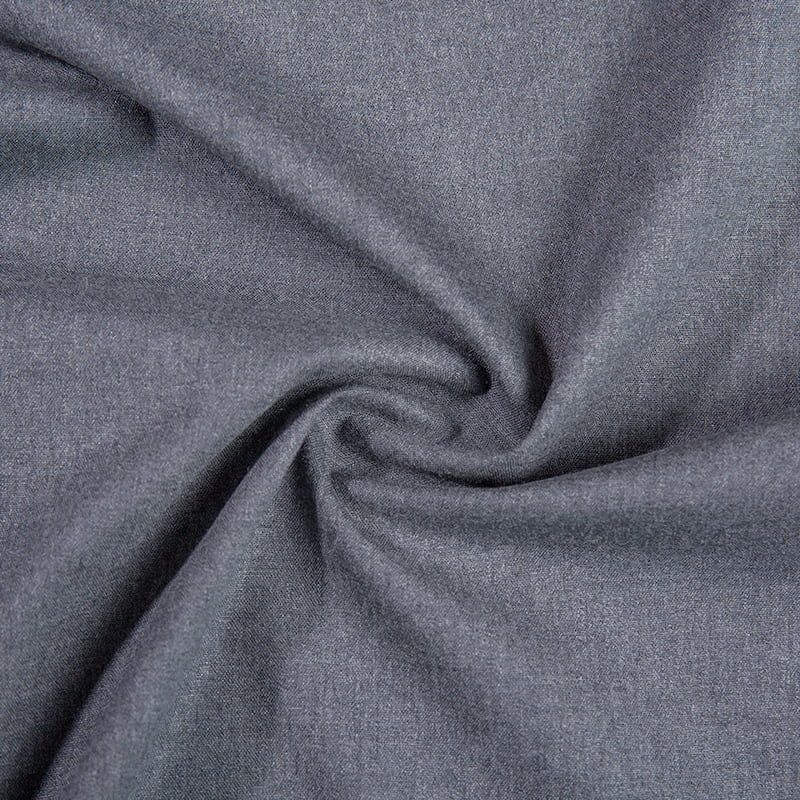
If the application is lighter trousers or blazers rather than full suits, a moderate-weight twill with a soft hand delivers the sharkskin look without extra bulk.
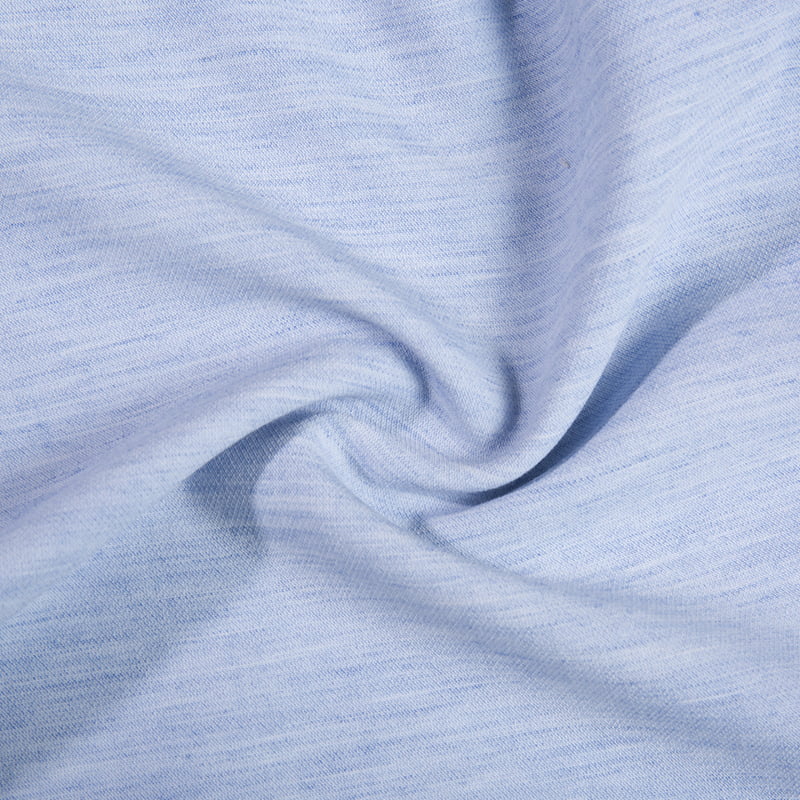
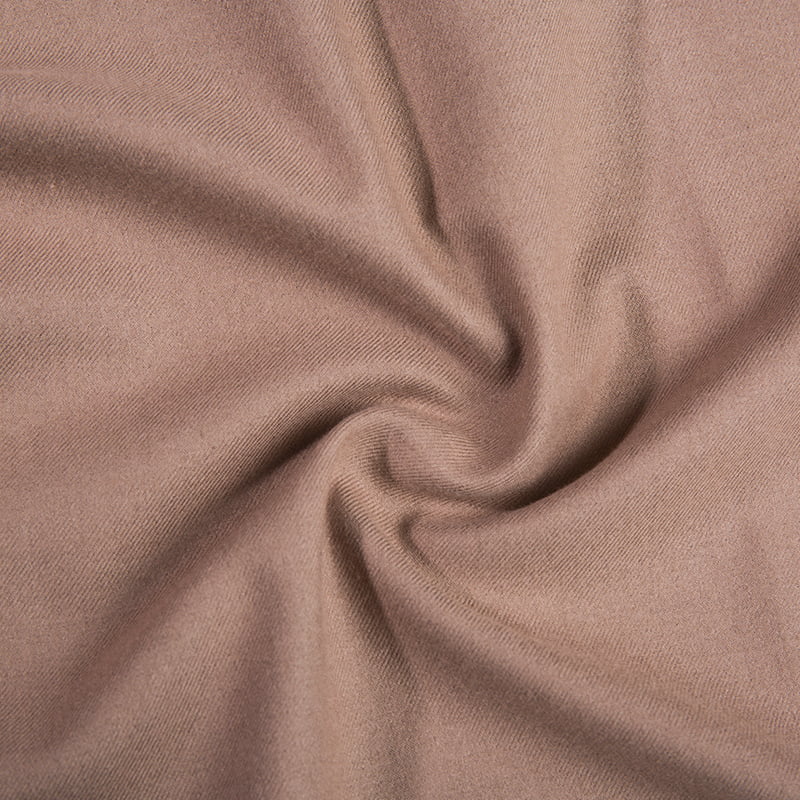
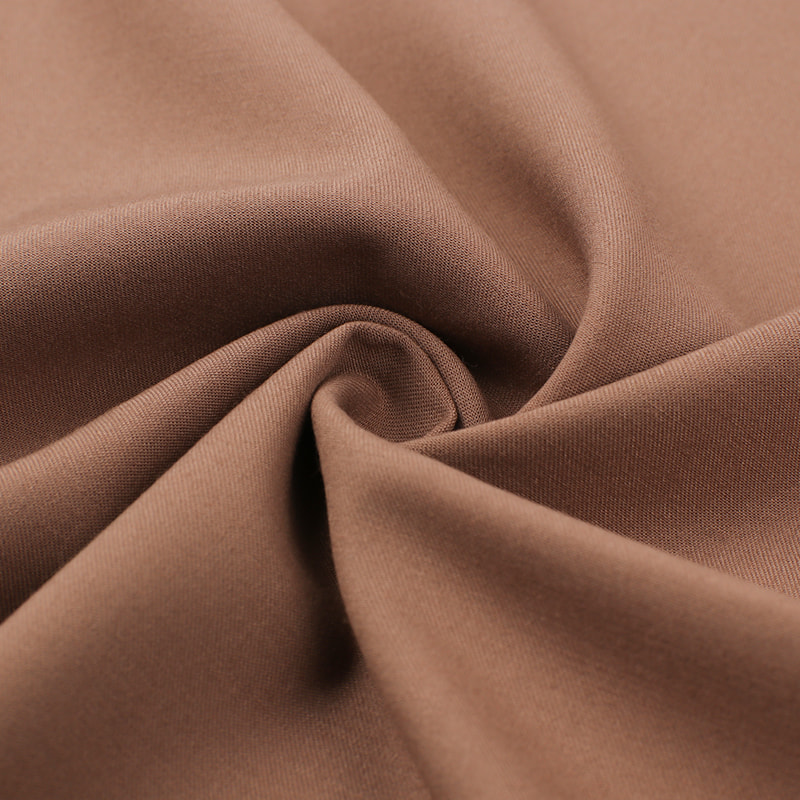
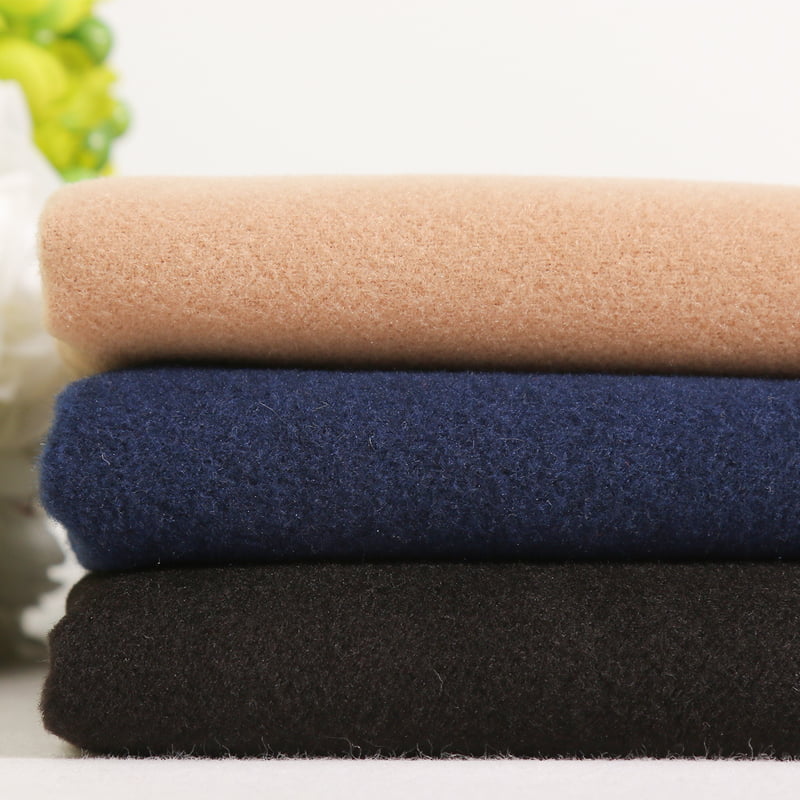
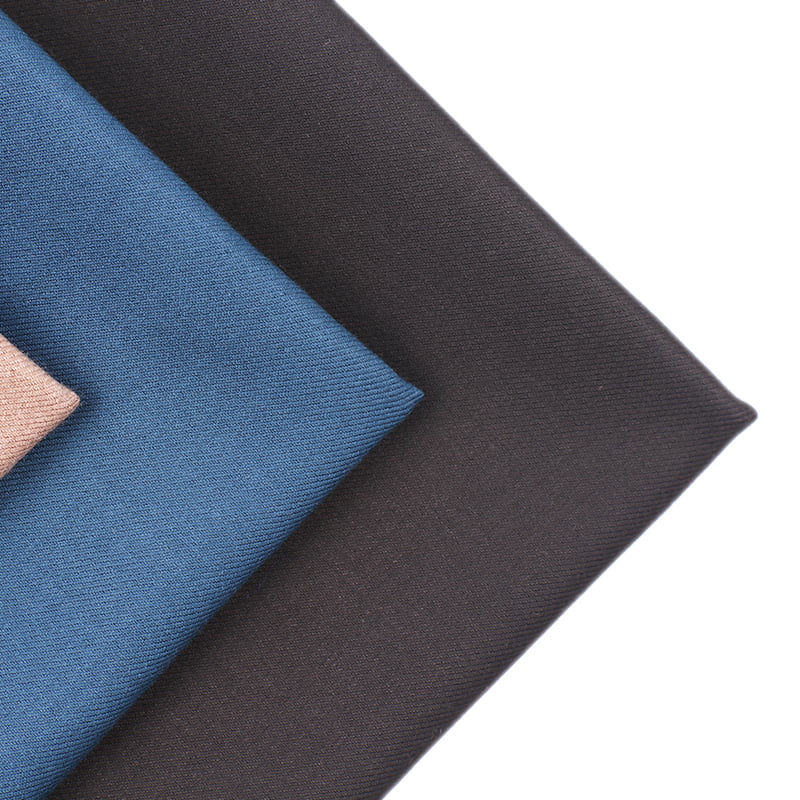 Wrinkle-Resistant Stretch Twill for Trousers and BlazersA moderate-weight poly-viscose twill with stretch that provides the sharkskin look without extra bulk, suited for lighter trousers and blazers while maintaining shape and comfort.View Product →
What to Check When Buying Sharkskin Fabric
When a mill shows you sharkskin-effect fabric, the name on the color card means less than the performance in your hand. Run through these checks before committing to an order:
- Stretch recovery: Pull the fabric and release it. If it contains spandex, it should snap back immediately; slow recovery means baggy knees by noon.
- Color fastness: Rub the surface with a white cloth, dry and slightly damp. Transfer of dye indicates finishing problems that will show up in the first wash.
- Wrinkle recovery: Crumple a corner in your fist for ten seconds, then let it rest. Quality suiting sheds most creases within a minute.
- Weave consistency: Hold the fabric up to the light and check that bright and dull yarns alternate evenly. An irregular pattern becomes obvious once the fabric is cut into panels.
- Anti-pilling finish: Rub the surface briskly. Trouser seats and jacket elbows face constant friction, and a poor finish turns the fabric fuzzy after a few wears.
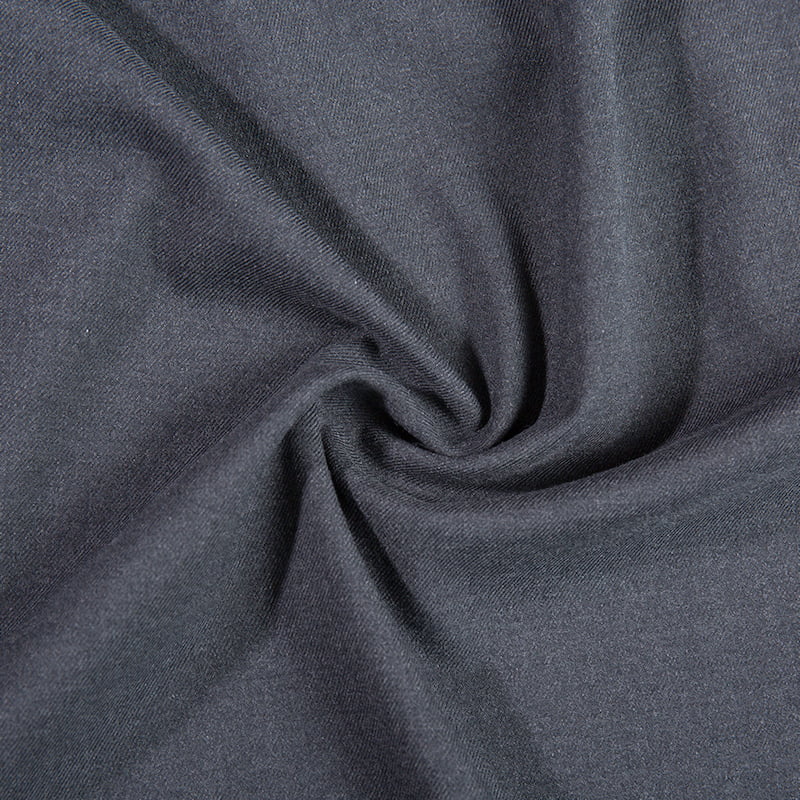
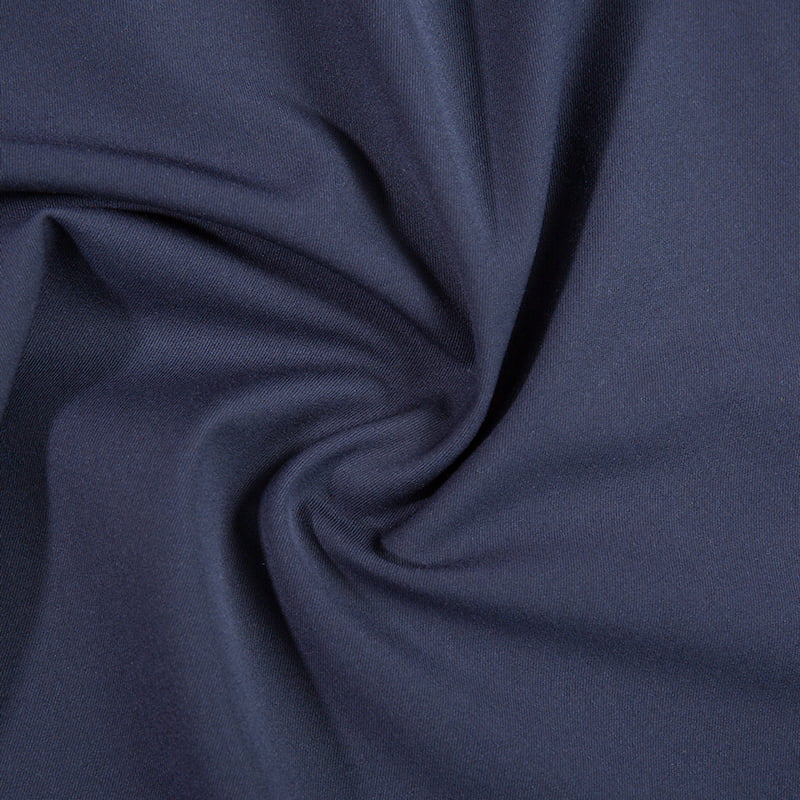
For men's suiting programs, a top-dyed T/R four-way stretch fabric with high color fastness covers most of these points by construction. For women's blazers and trousers, a soft-handling twill with stretch balances tailoring structure with comfort.
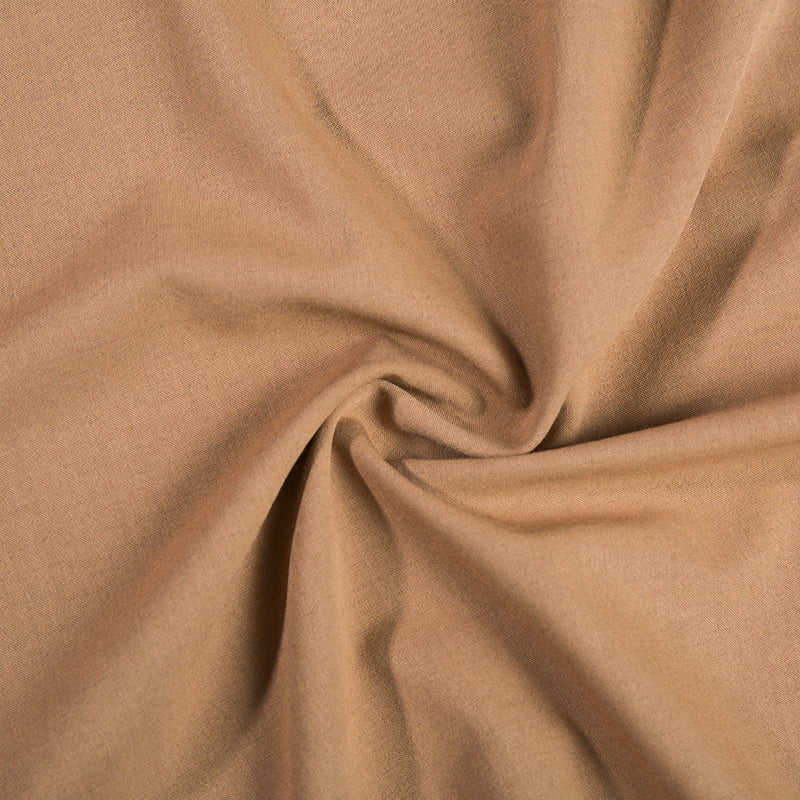
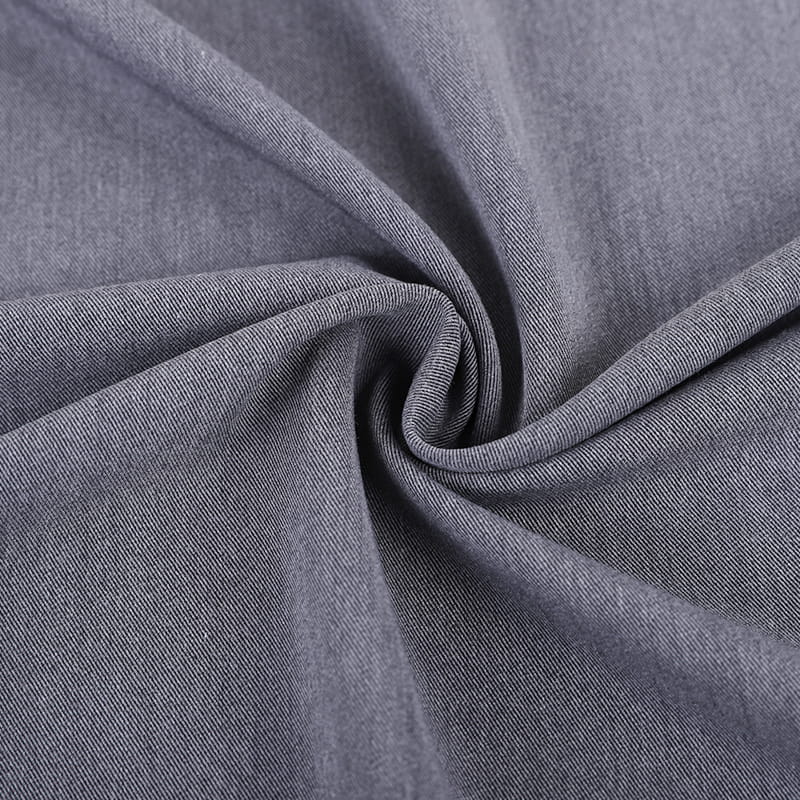
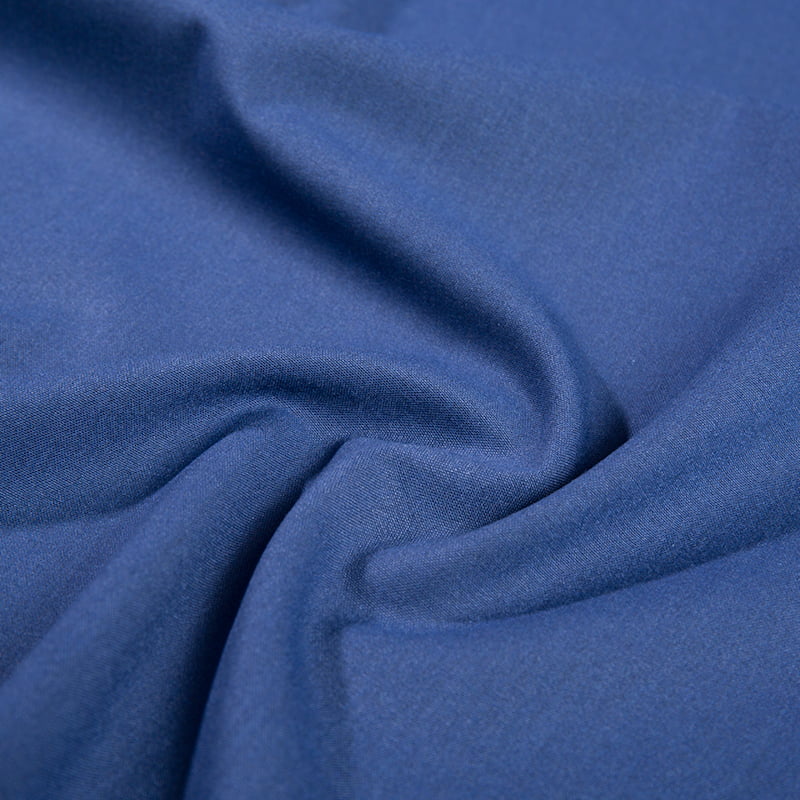
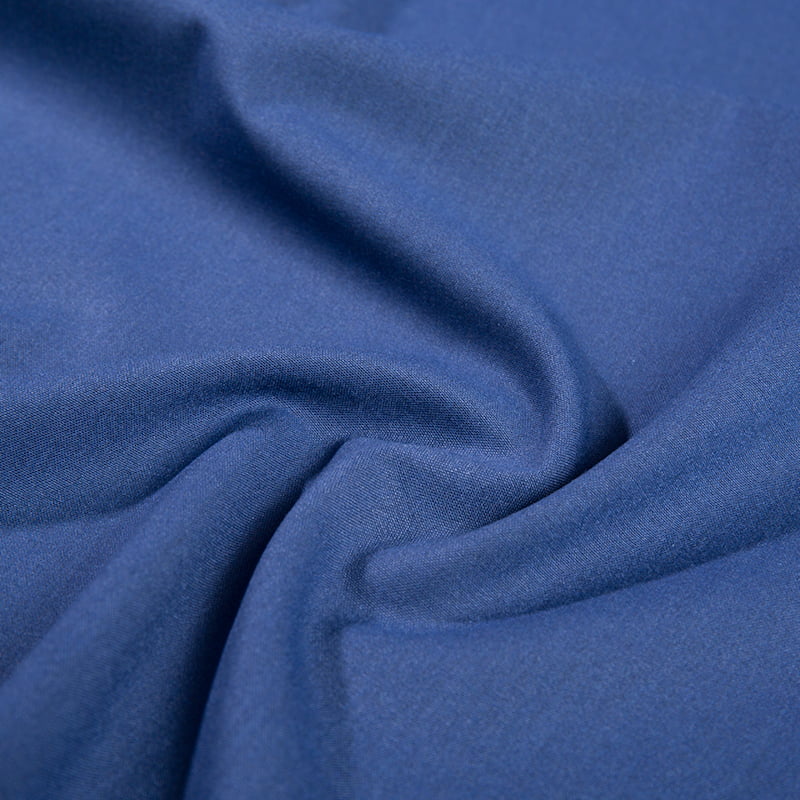 Top-Dyed Four-Way Stretch T/R Fabric for Men's SuitsThis top-dyed four-way stretch fabric offers firm elasticity and high color fastness, addressing durability and consistency needs for men's suiting and tailored trousers.View Product →
How to Care for Sharkskin Suits
The surface contrast between bright and dull yarns is the whole point of sharkskin, and it degrades faster from over-cleaning than from wear. Air the suit after each wearing, brush it lightly with a soft garment brush, and dry clean only when the lining or collar shows visible soiling.
If your sharkskin fabric is a T/R blend, keep the iron temperature low. Viscose weakens under high heat, so use a synthetic setting and a pressing cloth. Steam works well, but keep the iron moving to avoid flattening the weave structure.
Sharkskin Suit Fabric FAQs
Is sharkskin the same as pick-and-pick?
No. Sharkskin is a twill weave with alternating bright and dull yarns; pick-and-pick is a plain weave with alternating colored and white yarns. They look related from a distance, but the weave structure and light behavior differ.
Can you wear a sharkskin suit to a wedding?
Yes. Charcoal or navy sharkskin works for daytime and evening weddings. The subtle sheen adds interest without competing with the occasion's formality.
Is sharkskin fabric hot to wear?
It depends on composition and weight. Pure wool sharkskin at 250 to 300 grams is a three-season cloth. T/R blends are less breathable than wool but cooler and more breathable than most fully synthetic suiting fabrics.
Does sharkskin fabric wrinkle easily?
Pure wool sharkskin wrinkles at the same moderate rate as other worsted cloths. T/R blends with stretch recover quickly from creases, which is why they dominate the uniform and daily-wear segment.