
 English
 中文简体
中文简体 日本語
日本語 한국어
한국어 Español
 русский
Content
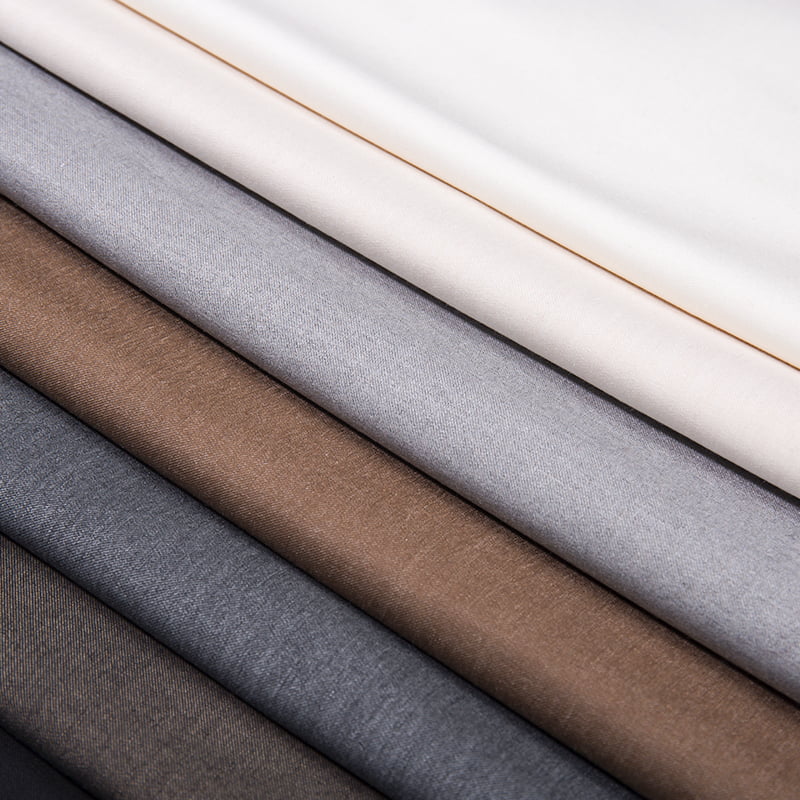
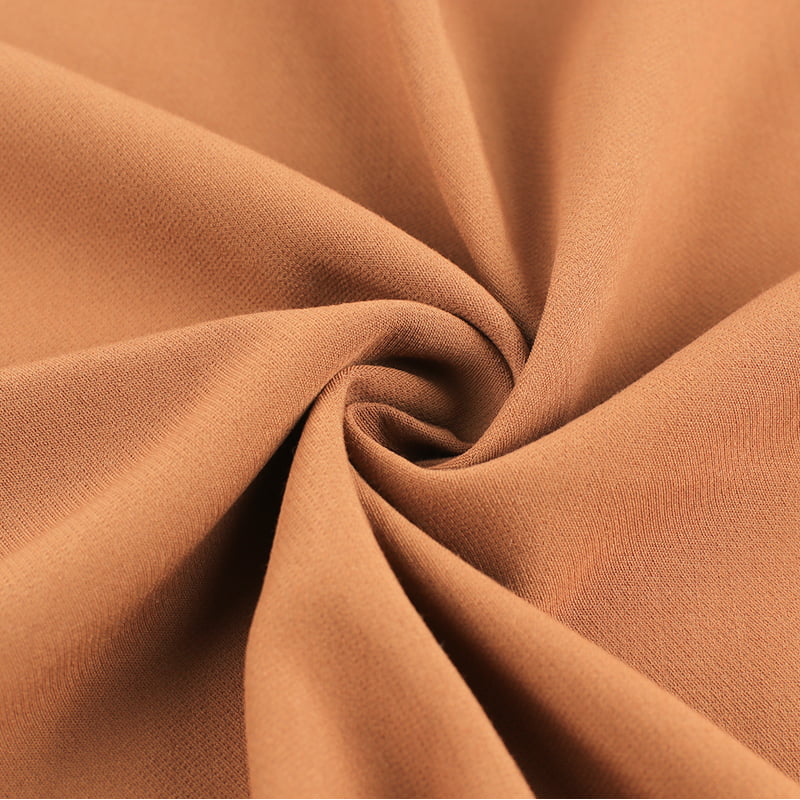
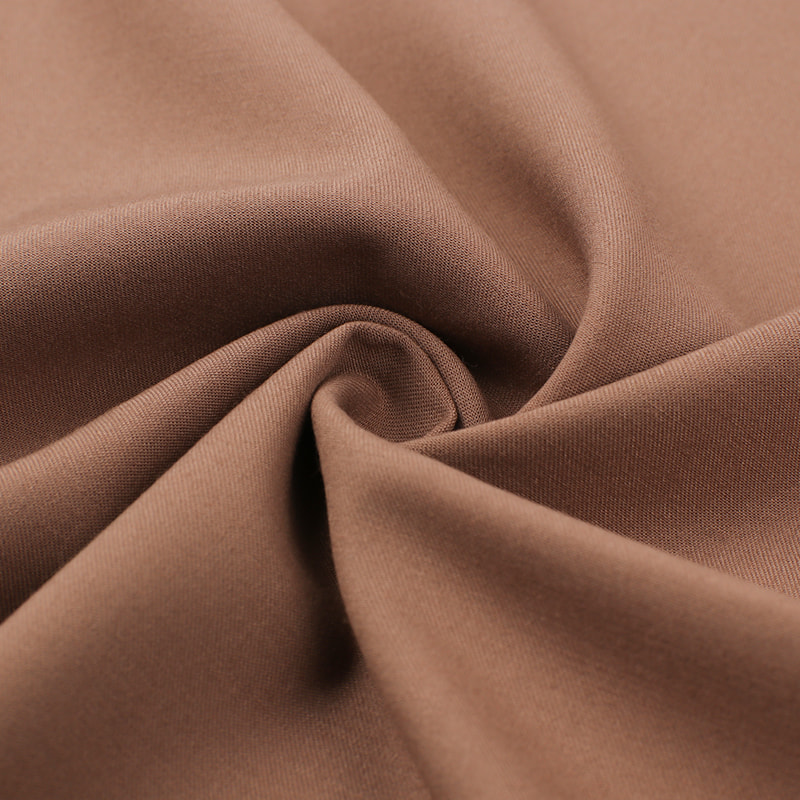
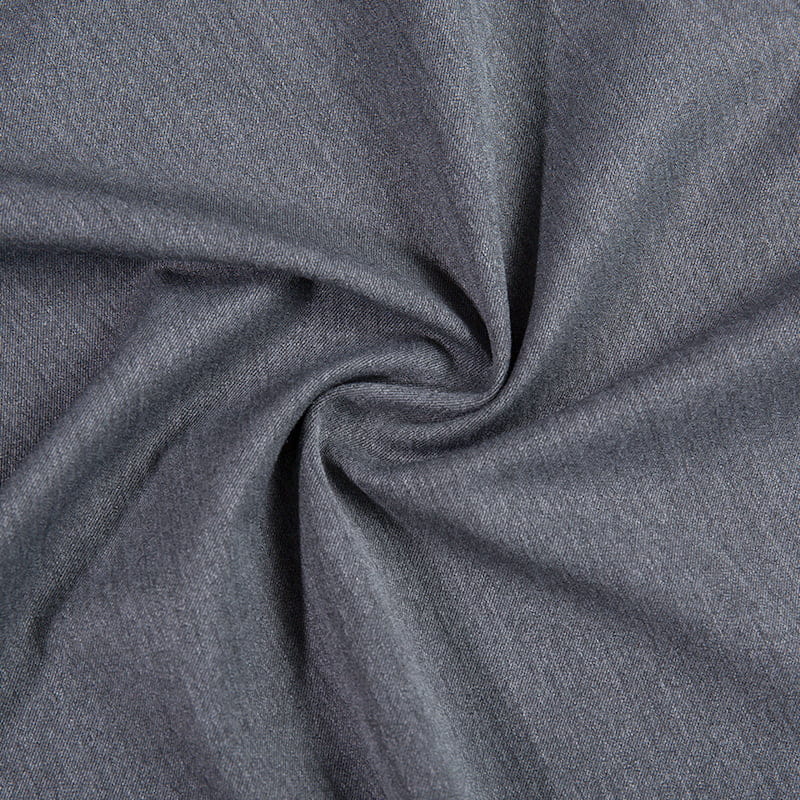
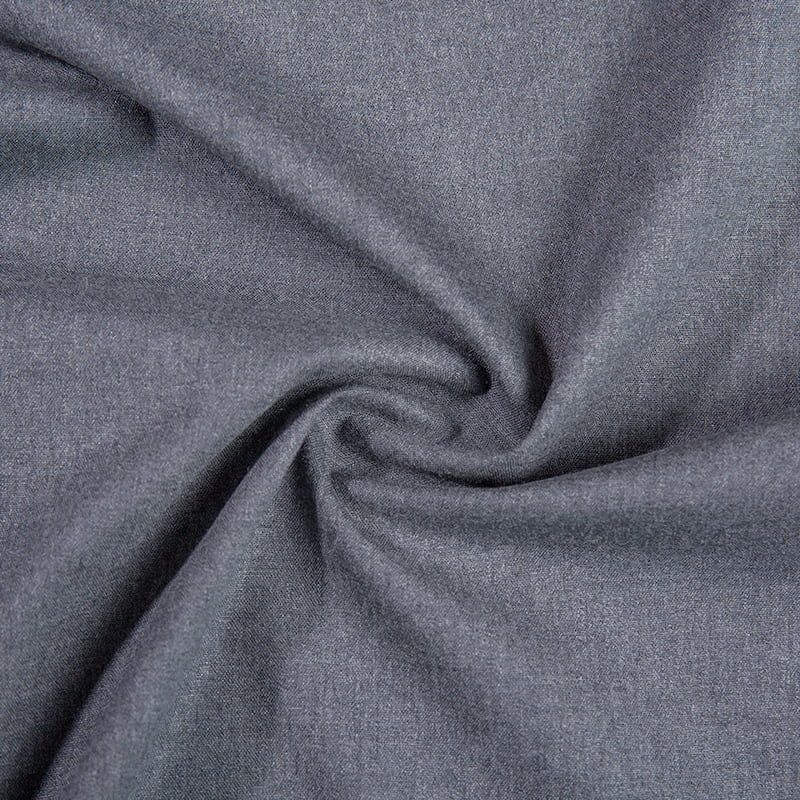
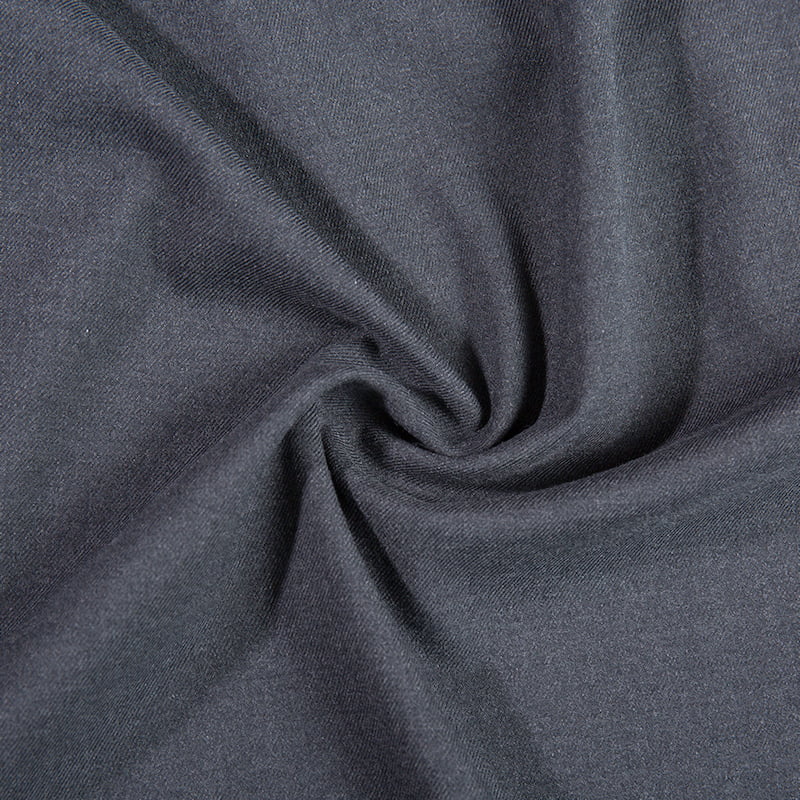
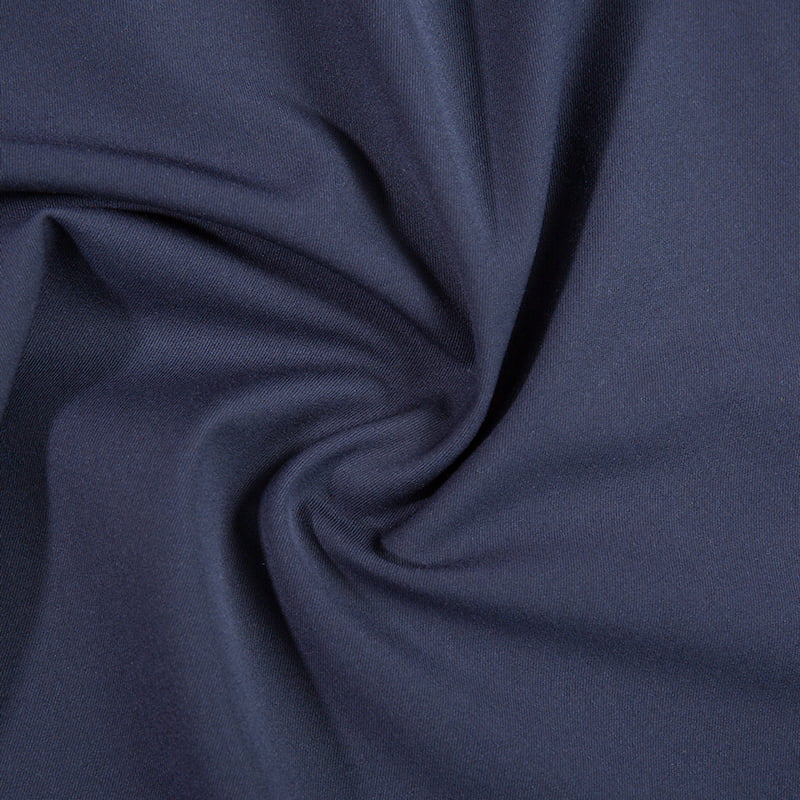
TR fabric (Terylene-Rayon fabric, a polyester-viscose blended textile) is the dominant material in the mid-range business suiting market, accounting for approximately 45% of global mid-price professional suiting fabric. Its core formula — a blend of polyester (Terylene) and viscose (Rayon) — combines the crease-resistance and durability of polyester with the drape and softness of viscose, delivering near-wool aesthetics and wearability at a fraction of the cost. For most consumers who wear suits for daily commuting or occasional formal occasions, TR fabric represents the best value proposition in the suiting world.
What Is TR Fabric? Starting with the Composition
TR stands for "Terylene-Rayon." These two fibers are not a random pairing — decades of textile engineering have refined this combination into a well-balanced partnership:
- Polyester (Terylene): Provides structural backbone, delivering excellent wrinkle recovery, durability, and shape retention. It is cost-effective and highly scalable for mass production.
- Viscose (Rayon): Derived from natural cellulose, it contributes softness, moisture absorption, silk-like sheen, and natural drape — compensating for polyester's tendency to feel stiff, plasticky, and overly shiny.
The two most common blend ratios on the market are:
| Blend Type | Polyester | Viscose | Key Characteristics | Typical Applications |
|---|---|---|---|---|
| Standard TR (65/35) | 65% | 35% | Best balance of crease-resistance and soft hand-feel | Business suits, professional uniforms |
| High-Poly TR (80/20) | 80% | 20% | Firmer structure, lower cost, slightly stiffer feel | Workwear, budget trousers, mass uniforms |
Figure 1: Composition breakdown of the two mainstream TR fabric blend ratios
For most consumers, the 65/35 ratio is the recommended starting point. In blind tactile tests, high-quality 65/35 TR fabric is frequently mistaken for entry-level pure wool — a testament to how effectively viscose lifts the hand-feel of the blend.
Core Performance Advantages of TR Fabric
The bar chart below compares TR fabric, pure wool, and pure cotton across five key performance dimensions, rated on a 10-point scale. Here is what each dimension means in practical terms:
Figure 2: Performance comparison of TR fabric, pure wool, and pure cotton across five key dimensions (score out of 10)
Wrinkle Resistance: 9/10 — Near Crease-Free Performance
Polyester's molecular chains provide outstanding elastic recovery. After an 8-hour working day, TR suit trousers recover from knee and seat creases significantly faster than both pure cotton and pure wool alternatives. High-count TR fabrics (such as 150S or 160S blends) can shed 24-hour fold marks within 30 minutes of hanging — no ironing required before heading out.
Drape: 8/10 — Visual Silhouette Close to Wool
Viscose fibers, with a density of approximately 1.5 g/cm³, impart a fluid, natural fall to the fabric. Trouser legs hang in a clean line from waist to hem; the silhouette remains sharp standing and avoids the "ballooning" effect when seated. This characteristic puts TR fabric far ahead of all-polyester alternatives in terms of visual elegance.
Durability: 9/10 — Outstanding Everyday Wear Resistance
Polyester fibers have a tenacity of approximately 4.5–5.5 cN/dtex, significantly higher than wool (around 1–1.7 cN/dtex). In standard Martindale abrasion testing, quality TR fabric withstands over 20,000 rub cycles without significant surface breakdown — roughly double the threshold of comparable pure wool fabric (typically 10,000–15,000 cycles).
Care Ease: 10/10 — Machine-Washable Is the Key Advantage
This is TR fabric's most tangible practical edge. Most TR suits can be machine-washed at 30°C on a gentle cycle, while a single dry-cleaning session for a wool suit typically costs $15–40 in most markets. For frequent wearers, the annual care cost savings alone can offset the price gap between a TR and a wool suit.
Breathability: 6/10 — The Relative Weakness
Polyester is a synthetic fiber with a moisture regain of only around 0.4%, far below wool (approximately 16%) and cotton (around 8%). In hot, humid summer conditions, TR fabric can feel stuffy and warm — this is an objective limitation. Practical remedies include choosing breathable linings, selecting loosely structured twill or gabardine TR weaves, or opting for TR-linen blended variants.
Market Position and Price Range
The chart below illustrates TR fabric's approximately 45% share of the mid-range business suiting market — a position underpinned by its precise balance of cost and performance.
Figure 3: Estimated fabric market share in mid-range business suiting (Source: industry research, 2023)
| Fabric Type | Typical Retail Price (suit) | Est. Annual Care Cost | Expected Lifespan |
|---|---|---|---|
| TR Fabric Suit | $80–$400 | ~$15–30 (machine wash) | 3–5 years (frequent wear) |
| Pure Wool Suit | $400–$2,000+ | $200–500 (dry cleaning) | 5–10 years (careful care) |
| All-Polyester Suit | $30–$150 | ~$10 (machine wash) | 1–3 years |
For buyers with a budget under $300 who need a high-frequency everyday suit, TR fabric delivers the lowest total cost of ownership (TCO) of any mainstream suiting material.
How to Identify TR Fabric Quality
The TR suiting market ranges from excellent to poor. The following dimensions help consumers make fast, informed judgments:
Thread Count and Fabric Density
TR fabrics are often labeled with their thread count, such as "T/R 65/35 120S" or "150S." The higher the count, the finer the yarn, the softer and more even the fabric's surface sheen. As a general guide: below 80S is entry-level; 120S–150S is quality mid-range; 160S and above approaches the hand-feel of fine wool. On the density front, quality TR fabrics typically have a warp-weft density of no less than 30 × 25 threads per centimeter.
Weave Structure
The four most common TR weave types for suiting are:
- Plain weave: Flat surface, suitable for lightweight trousers and formal shirting, but moderate drape.
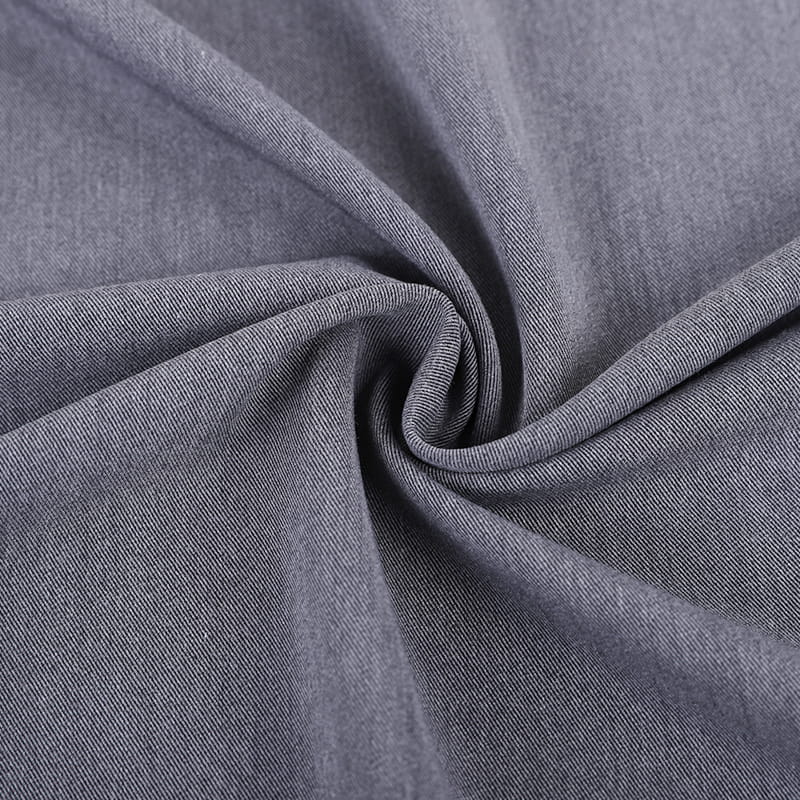
- Twill: The most common suiting TR weave. The diagonal rib enhances texture, durability, and drape simultaneously.
- Satin: Maximum sheen and smoothness; used in formalwear and high-end ensembles, though less abrasion-resistant.
- Gabardine: Tight, fine twill with excellent wrinkle resistance and wind resistance — the classic choice for business suiting.
Sensory Assessment: Hand-Feel and Sheen
Quality TR fabric should spring back noticeably when pinched (no lingering crease), display a soft, matte-to-moderate sheen rather than a plastic gloss, and show even, consistent weave structure when held to the light. Surface pilling, sparse weaving, or excessive brightness are reliable indicators of low-grade fiber blends or coarse yarn counts.
Recommended TR Fabric by Use Case
| Use Case | Recommended TR Spec | Notes |
|---|---|---|
| Daily office commuting (year-round) | 65/35, 120S, twill weave | Hardwearing and low-maintenance; navy or charcoal recommended |
| Important business meetings | 65/35, 150S, gabardine | Pair with a pure wool tie to elevate overall perceived quality |
| Hot and humid summer conditions | TR-linen blend, breathable lining | Trades some crispness for improved airflow |
| Corporate uniforms / bulk orders | 80/20, 80–100S, plain weave | Prioritize cost efficiency and high abrasion resistance |
Care and Longevity Tips
Though TR fabric is celebrated for easy care, correct practice meaningfully extends its lifespan:
- Wash inside out: Reduces surface abrasion and minimizes pilling risk. Use a mesh laundry bag.
- Keep water temperature at or below 30°C: High heat accelerates viscose fiber shrinkage, causing the suit to lose shape permanently.
- Hang dry, never tumble dry: Dryer heat creates permanent creases in TR blends; air-dry on a hanger and reshape while damp.
- Iron with a steam iron set below 150°C: Polyester's melting point is around 260°C, but sheen changes can occur above 180°C — use steam and a pressing cloth.
- Air the suit for 24 hours before storing: Allow moisture and fiber tension from wear to dissipate before returning the suit to the wardrobe.
With proper care at a wear frequency of 2–3 times per week, a quality TR suit will typically maintain a presentable appearance for 3–5 years.
Conclusion: Who Is TR Fabric Best Suited For?
TR fabric is the optimal choice for high-frequency professional wearers — not merely a "cheap substitute for wool." It delivers the highest combined value for three distinct groups:
- Professionals who wear a suit more than four days a week and have no interest in elaborate garment care routines;
- Consumers building a wardrobe of multiple rotation suits, where per-suit cost efficiency matters;
- Frequent travelers who dress formally across varied climates and need a fabric that recovers reliably.
For high-stakes social occasions — executive negotiations, formal ceremonies, weddings — pure wool or fine-blend fabrics remain the more distinguished choice. But for everyday professional life, a well-chosen TR suit, at roughly one-third the cost of an equivalent wool garment, consistently delivers over 80% of the visual and tactile experience of wool — and that, fundamentally, is why TR fabric continues to dominate the world's professional suiting floors.