
 English
 中文简体
中文简体 日本語
日本語 한국어
한국어 Español
 русский
What Is Twill Suit Fabric?
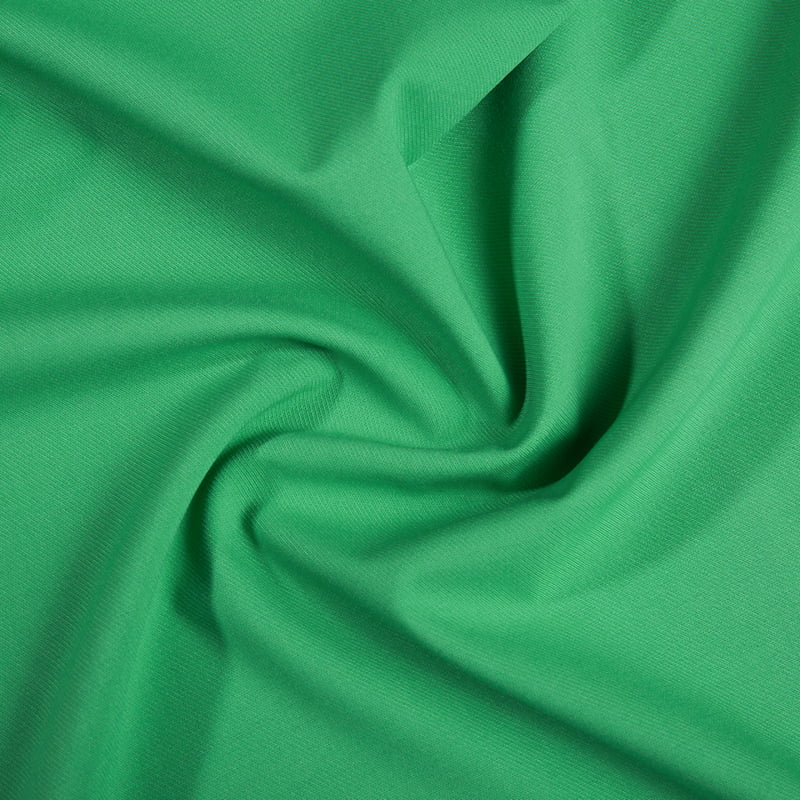
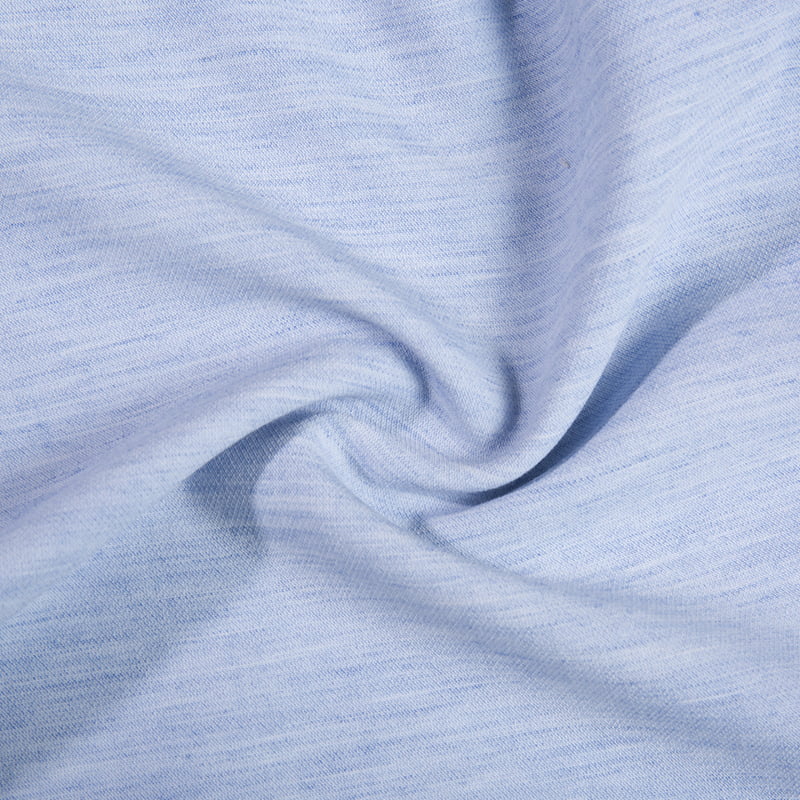
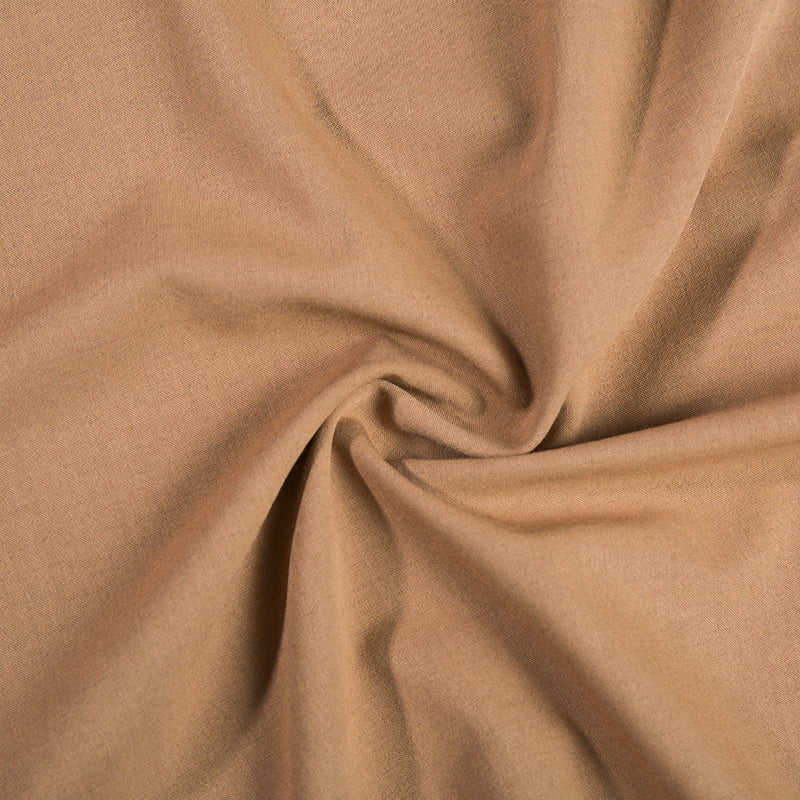
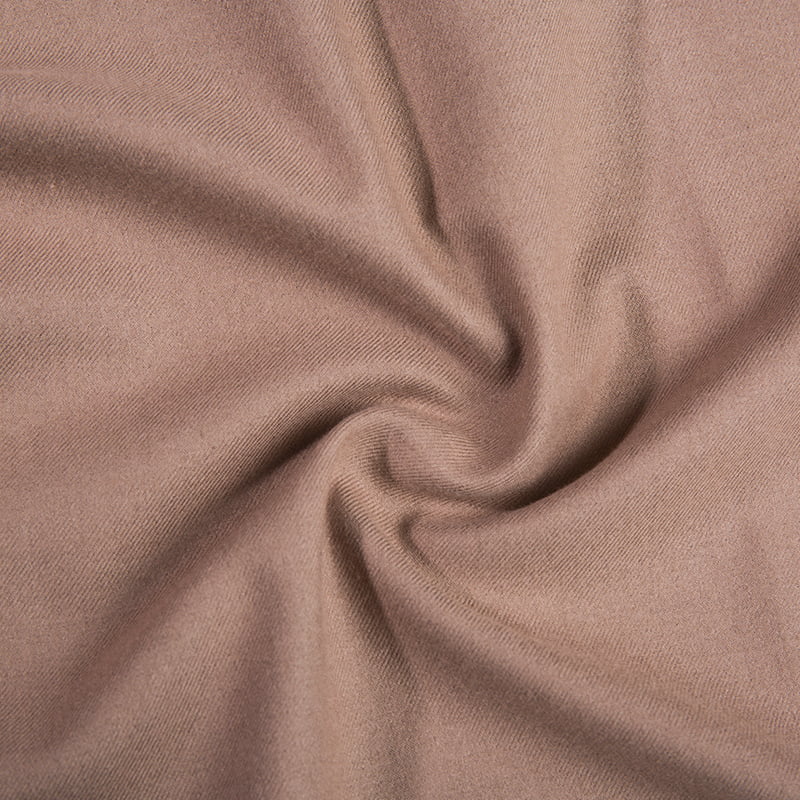
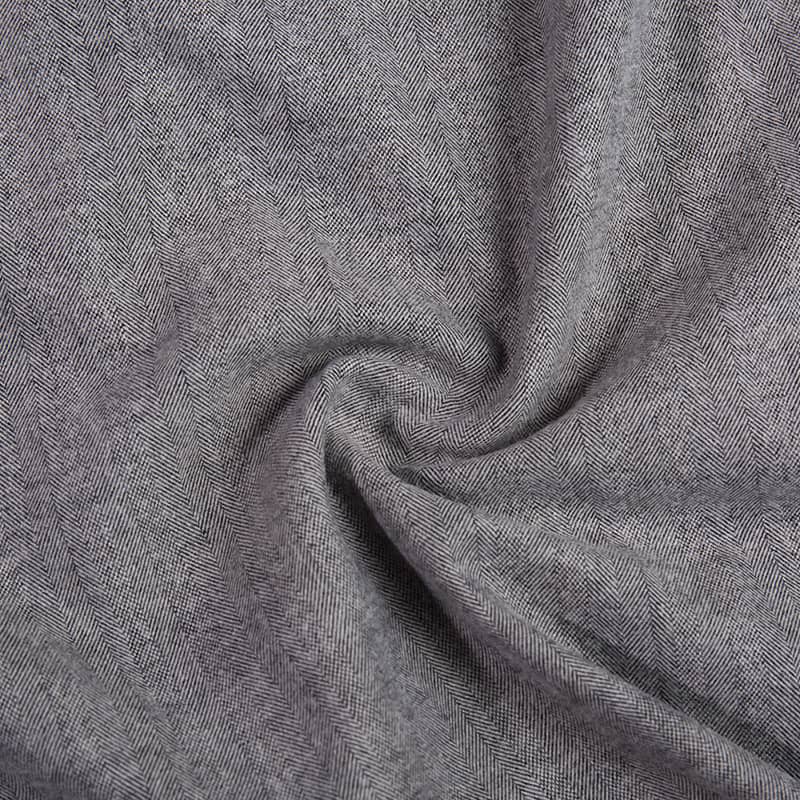
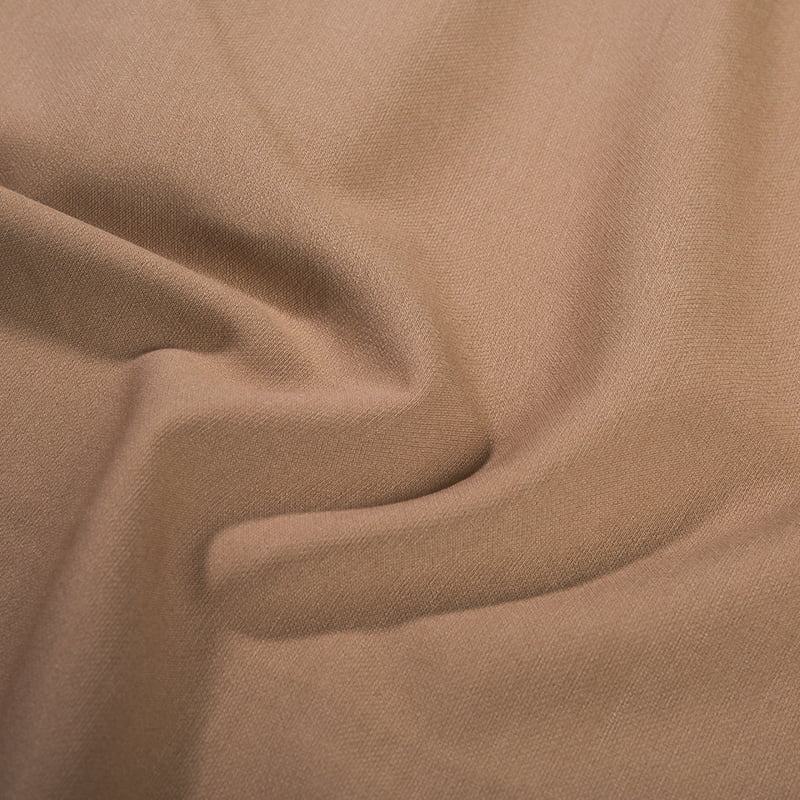
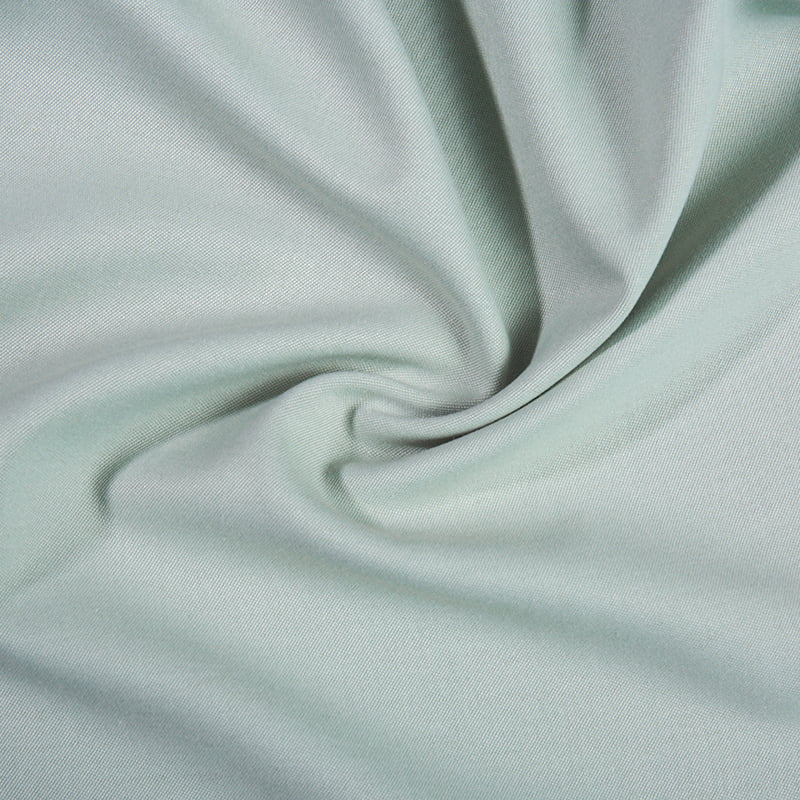
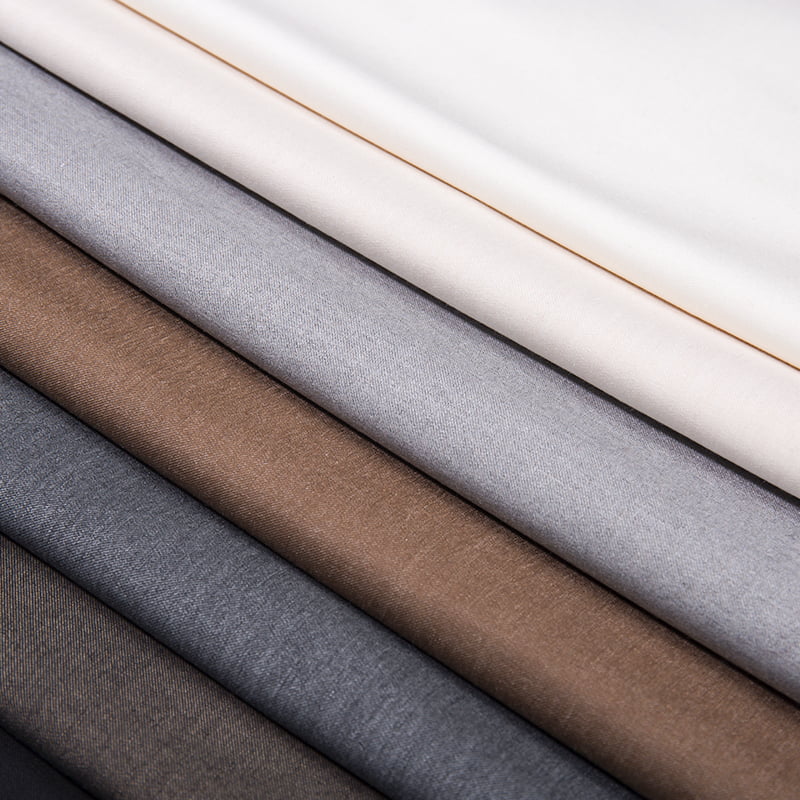
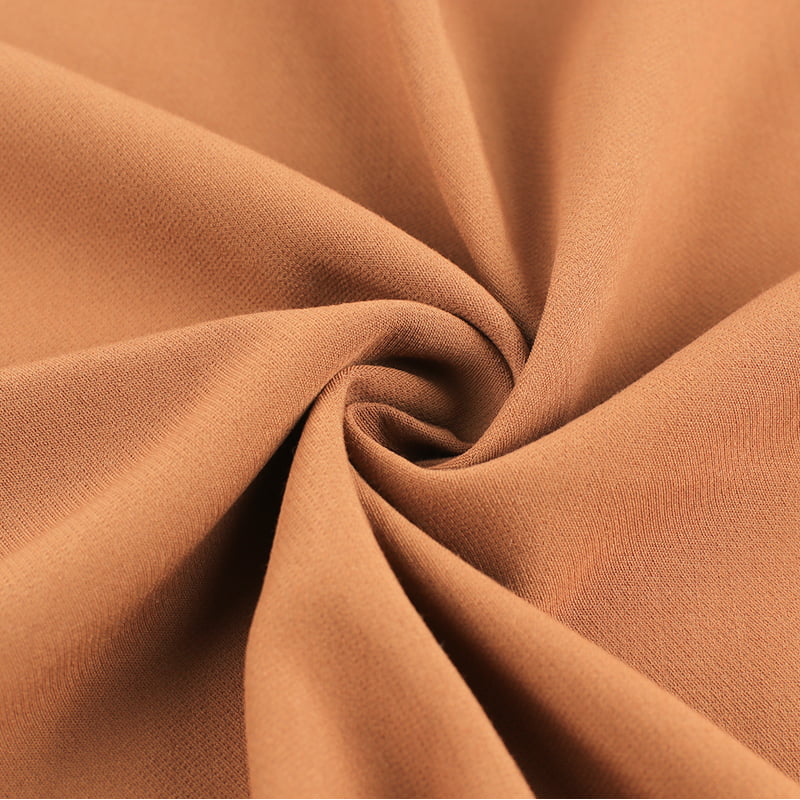
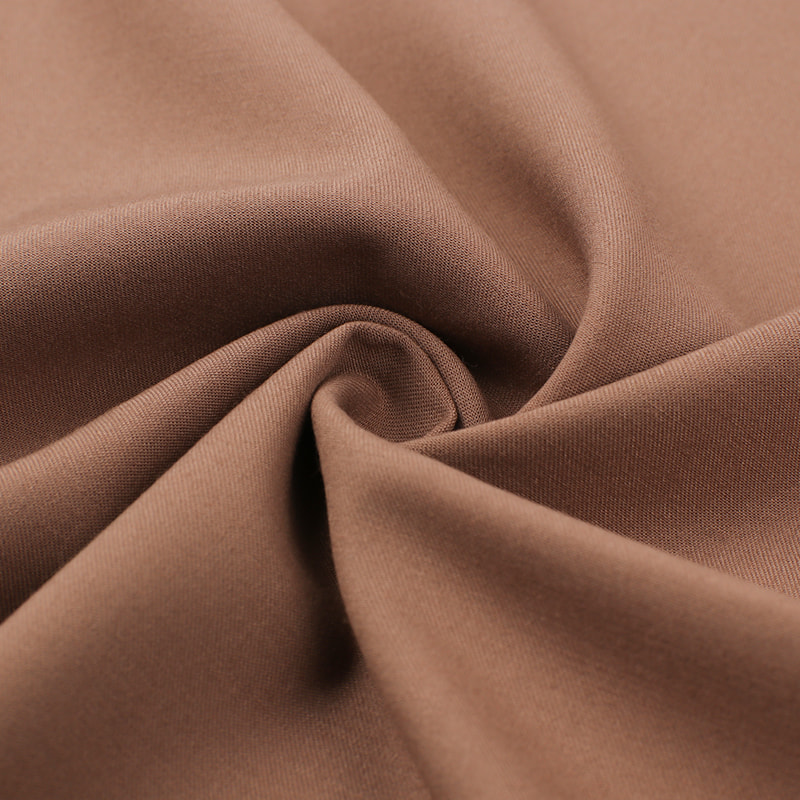
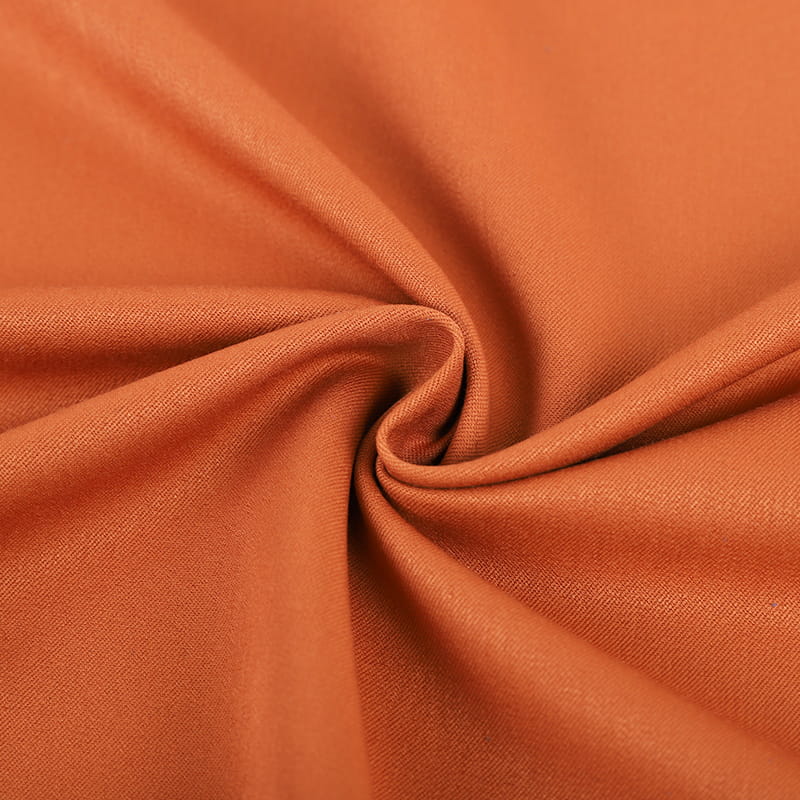
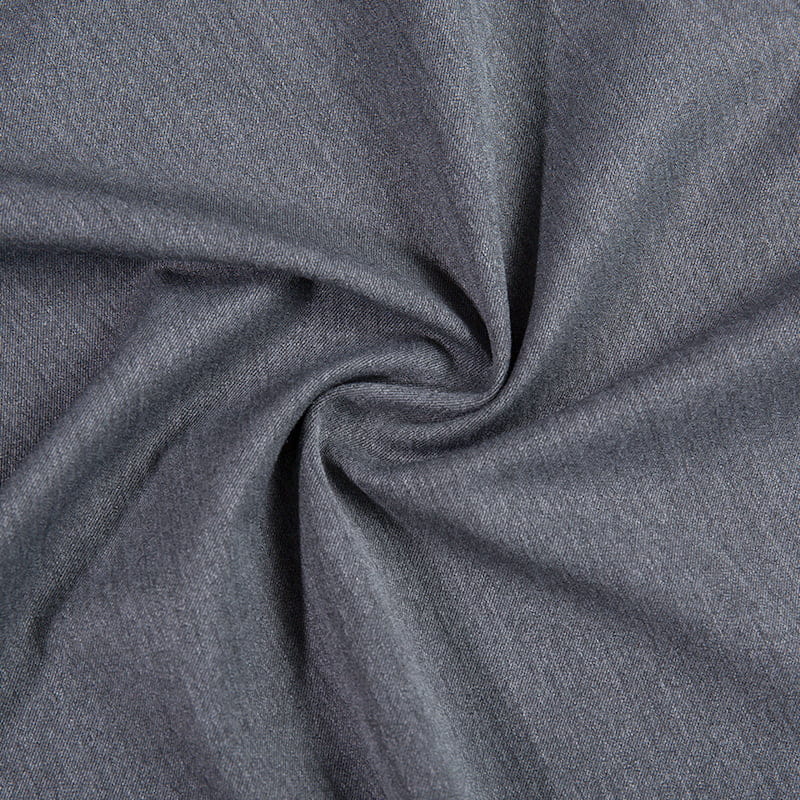
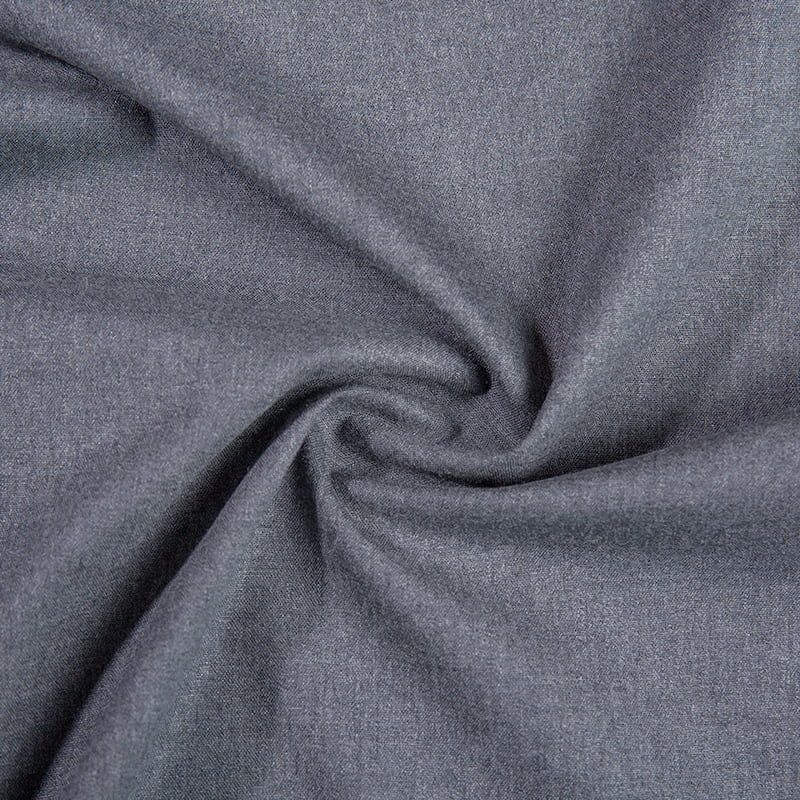
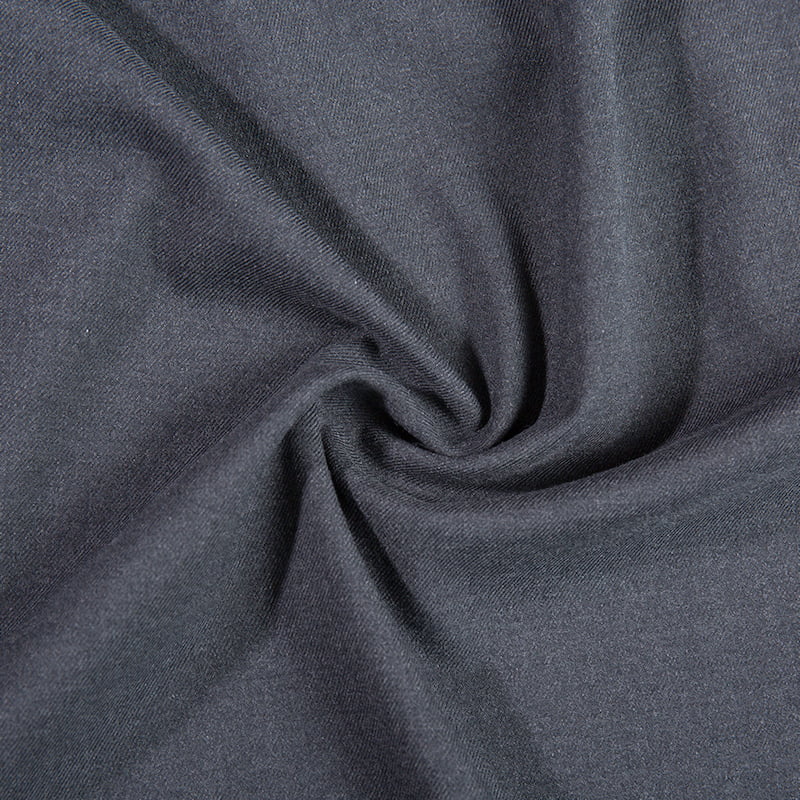
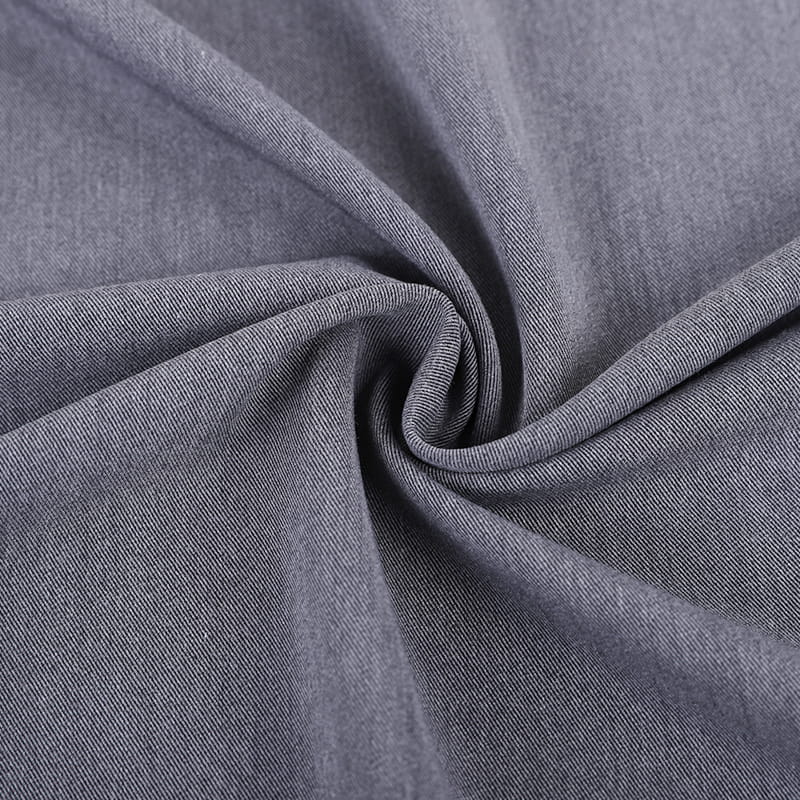
Twill suit fabric is a textile woven with a distinctive diagonal rib pattern that runs from one selvedge to the other. For suits, this weave creates a cloth that is exceptionally durable, resists wrinkles, and drapes smoothly on the body. It is the go-to structure for a vast majority of business and formal suits because it offers a polished look while withstanding daily wear and pressing cycles.
The Twill Weave Structure Explained
The twill weave is one of the three fundamental textile weaves, alongside plain and satin. It is formed by passing the weft yarn over one or more warp yarns and then under two or more warp yarns, with each row shifting that intersection by one thread. This staggered progression creates a distinct diagonal line, typically at a 45-degree angle. The minimum repeat requires three warp and three weft threads, often noted as a 2/1 or 3/1 twill, where the first number indicates the warp threads the weft floats over.
In a typical 2/1 twill for suit fabric, each weft yarn goes over two warp yarns and under one. This structure allows a higher number of yarns per inch compared to a plain weave, increasing the density of the cloth without making it stiff. The result is a fabric that is heavy enough to hang well but flexible enough to move with the wearer.
Direction of the Diagonal
The diagonal can run from the lower left to upper right (a right-hand twill, or "Z" twill) or the opposite direction (left-hand twill, or "S" twill). Worsted suit fabrics most often use a right-hand twill, which is standard for a classic suiting finish. The direction influences the way light reflects off the surface, subtly altering the perceived shade of the cloth when viewed from different angles.
Key Properties That Make Twill Ideal for Suits
The specific properties of a twill weave address the practical demands of a tailored jacket and trousers. The weave geometry provides multiple functional advantages over other structures.
- Superior wrinkle resistance: The longer floats in the weave allow yarns to shift and recover from compression. A suit worn in a seated position for several hours will show fewer creases upon standing compared to a plain weave suit of similar weight.
- High durability and abrasion resistance: The surface is predominantly warp yarns in a 2/1 twill. Wool warp yarns are typically stronger and more tightly twisted, protecting the softer weft from friction at the elbows, knees, and seat.
- Excellent drape: The density of the interlacings gives the fabric body. A jacket made from a 280-gram twill will fall cleanly from the shoulders without clinging or buckling, creating a sharp silhouette.
- Good shape retention: Twill fabrics resist bagging. Trousers keep their crease and jackets hold their intended shape over years of wear, provided proper tailoring and pressing.
- Soil and stain masking: The textured diagonal rib is less effective at revealing dust and light soiling than a flat, plain weave surface. A medium gray twill suit will stay visibly cleaner between dry cleanings.
Common Types of Twill Suit Fabrics
Within the broad category of twill suit fabrics, several specific constructions are tailored to different seasons and formality levels. The choice of fiber, yarn twist, and finishing process creates distinct surface appearances.
Worsted Twill
This is the most common twill for business suits. Made from long-staple wool fibers that are combed to remove short hairs before spinning, worsted twill has a smooth, clean surface with a sharply defined diagonal. It is crisp to the touch and holds a crease exceptionally well. A typical super 110s or super 120s twill weighs between 250 and 300 grams per linear meter, making it a true four-season fabric.
Gabardine
Gabardine is a tightly woven steep twill, often a 2/1 or 2/2 construction, with a very pronounced diagonal ridge and a high thread count. It is firmer and slicker than standard worsted twill. Gabardine is renowned for its resistance to wind and moisture, making it a preferred choice for trench coats and some structured suit jackets. In suiting, a worsted gabardine offers a very sleek, slightly glossy surface that pairs well with minimalist tailoring.
Cavalry Twill
Cavalry twill is a heavy fabric featuring a steep, pronounced double-ridge diagonal. Traditionally woven from sturdy wool, it was originally developed for military riding breeches. Modern cavalry twill is used for hard-wearing sports jackets, winter trousers, and country suits. It can weigh upwards of 400 grams per meter and provides exceptional thermal insulation and structure.
Serge
Serge is a worsted wool twill where the diagonal ribs are visible on both the face and back of the cloth. It is softer and has a more matte finish than gabardine. Historically used for military uniforms, today it appears in textured, semi-formal suits that prioritize comfort and a relaxed elegance.
Twill Weave Versus Plain Weave for Suits
The plain weave is the other main alternative for suit cloth. The table below directly contrasts their performance characteristics to help clarify why twill is so prevalent in suiting.
| Characteristic | Twill Weave | Plain Weave |
| Surface Appearance | Defined diagonal ribs | Flat, even, no pattern |
| Wrinkle Recovery | Very good | Moderate; creases set more easily |
| Drape | Supple, conforms to the body | Tends to be crisper, can feel stiff |
| Abrasion Resistance | High; surface yarns protect structure | Moderate; yarns are more exposed |
| Tactile Hand Feel | Smooth, often with a dry touch | Can be papery or crisper |
| Typical Suit Weight | 250-400 grams per meter | 180-280 grams per meter |
| Formality Range | Business to formal, highly versatile | Summer casual, some formal frescos |
The table confirms that while a high-twist plain weave like fresco excels in hot weather breathability, the twill structure is the superior all-rounder for maintaining a refined, professional appearance over long working days.
How to Identify a Quality Twill Suit Fabric
Evaluating a twill suit fabric requires attention to the weave definition, fiber quality, and hand feel. The following indicators separate a well-made fabric from an inferior one.
Examine the Diagonal Line
Hold the fabric under a light and look along the surface. In a high-quality worsted twill, the diagonal line is consistent, continuous, and clean, without floating breaks or fuzzy edges. A wavy, broken, or irregular diagonal often signals a loose weave or poorly spun yarn.
Check the Resilience
Scrunch a corner of the fabric in your fist for 10 seconds and then release it. A quality wool twill will recover its shape rapidly, with only faint creases remaining. Fabrics with a high synthetic blend or poor finishing will hold sharp, stubborn wrinkles.
Observe the Back Side
Turn the cloth over. In a classic 2/1 twill, the reverse will show a predominantly weft-facing surface with a less defined diagonal, sometimes appearing as a faint horizontal rib. Both sides should feel smooth, with no protruding knots or thick places.
Care Practices for Long-Lasting Twill Suits
Proper care leverages the inherent resilience of the twill weave to extend the life of the garment significantly.
- Rest between wears: Allow the suit at least 24 hours on a shaped wooden hanger before wearing it again. The diagonal structure needs time to relax and shed moisture, which naturally reduces wrinkling.
- Use a fabric brush: After each use, gently brush the fabric following the direction of the twill line. This removes dust and realigns surface fibers, keeping the diagonal crisp and preventing a dull sheen from buildup.
- Steam, do not over-iron: Hang the suit in a steamy bathroom to release light creases. If ironing is required, use a press cloth and a wool setting, pressing parallel to the twill line. Never press perpendicular to the diagonal, as this can set a sheen that distorts the weave appearance.
- Minimize dry cleaning: One dry cleaning per season is sufficient for a regularly rotated twill suit. The weave hides minor soiling well, and frequent chemical cleaning dulls the natural lanolin of wool and abrades the surface.