
 English
 中文简体
中文简体 日本語
日本語 한국어
한국어 Español
 русский
Content
For a summer wedding, the best suit fabrics are tropical-weight wool, linen, and wool-rich stretch blends — in that order as formality rises. Linen breathes better than anything else in tailoring but creases fast; tropical wool holds a sharp line at 7–8 oz; poly-rayon-wool blends with four-way stretch add the wrinkle recovery that travel, photography, and long receptions demand. Whichever direction you take, stay inside the 7–9 oz (roughly 240–300 g/m²) tailoring window, favor open weaves, and keep daytime colors light.
What a Summer Wedding Fabric Has to Get Right
A wedding is harder on a suit than an ordinary hot day. The schedule stacks an outdoor ceremony, group photos in direct sun, an air-conditioned hall, and hours of dancing onto one garment — and the fabric has to handle all of it without losing its shape or its press.
Four properties decide whether it copes:
- Airflow — open weaves let body heat escape; dense synthetic weaves trap it against the skin.
- Weight — the 7–9 oz summer window is a working limit, not a marketing line; heavier cloth turns vows into a sauna.
- Crease recovery — you will sit, embrace, and ride in a warm car; creases that set before the first dance appear in every photo after it.
- Moisture behavior — humidity, not temperature alone, is what makes a wearer feel clammy; fibers that absorb and release moisture keep things stable.
The Main Options, Compared
Here is how the leading candidates measure against those four requirements:
| Fabric | Typical weight | Breathability | Crease behavior | Best for |
|---|---|---|---|---|
| Linen | 7–9 oz (240–300 g/m²) | Highest; open weave and hollow fiber | Creases fast, sets deep | Beach and garden ceremonies, relaxed dress codes |
| Cotton, incl. seersucker | 7–9 oz | High | Plain cotton creases; seersucker hides it in its puckered texture | Daytime weddings in dry heat |
| Tropical (fresco) wool | 7–8 oz | High for wool; porous plain weave | Holds a press, resists creasing | Formal daytime and evening events |
| Poly-rayon-wool stretch blends | 7–9 oz | Moderate to high | Wrinkle-resistant; recovers from crushing | Groom party, travel, fitted silhouettes |
| Dense 100% polyester suiting | Varies | Low; traps heat | Holds heat, can shine under camera flash | Avoid for outdoor summer weddings |
The Four Fabrics Worth Shortlisting
Four fabric families cover nearly every summer wedding brief. Where each one wins — and where it needs help — decides which belongs on your invitation list.
Linen
The breathability benchmark. Its open weave and hollow fiber move air like nothing else in tailoring, which is why beach and garden ceremonies default to it. The trade is creasing: accept the lived-in texture, or soften it with a cotton or wool blend.
Cotton and Seersucker
The middle ground. Cotton breathes well and tailors crisply; seersucker's puckered weave lifts the cloth off the skin and hides creasing inside its texture. Both lean casual, so they suit daytime events and relaxed dress codes best.
Tropical (Fresco) Wool
The formal pick. A porous plain-weave wool spun for warm weather: it breathes far better than its reputation suggests, holds a press through the longest ceremony, and reads unmistakably as a suit. It costs more — and it photographs best.
Stretch Wool Blends
The pragmatic pick. Poly-rayon-wool with a touch of spandex brings four-way give for fitted cuts, wrinkle recovery for travel days, and a softer hand against the skin. This is where mills innovate fastest, and where wedding budgets stretch furthest.
Why Stretch Wool Blends Suit Weddings So Well
Weddings punish fabric in ways an office never will. You raise an arm for toasts and photos, sit through a ceremony, ride in a warm car, and dance for hours — and every minute is on camera. Four-way stretch solves the movement problem by letting the cloth flex with the body instead of pulling against it, while wrinkle-resistant finishes keep the suit that greets guests at noon looking pressed at the send-off. There is a humidity argument too: viscose absorbs moisture, polyester helps the cloth dry and recover, and a wool share keeps the hand and drape tailor-grade. We examined how cotton, linen, and wool blends each handle humid conditions in a separate guide.
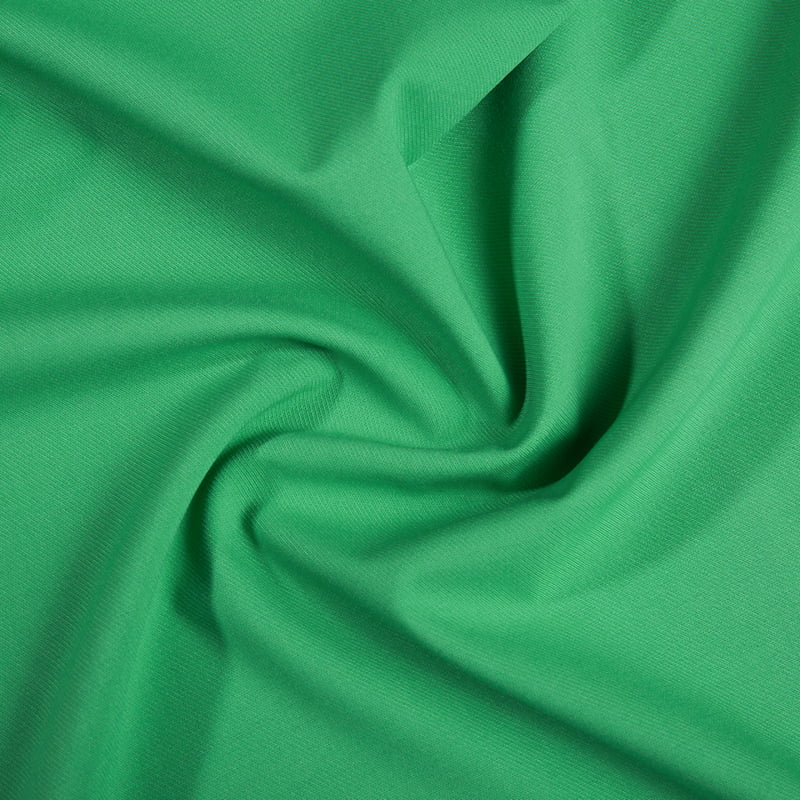
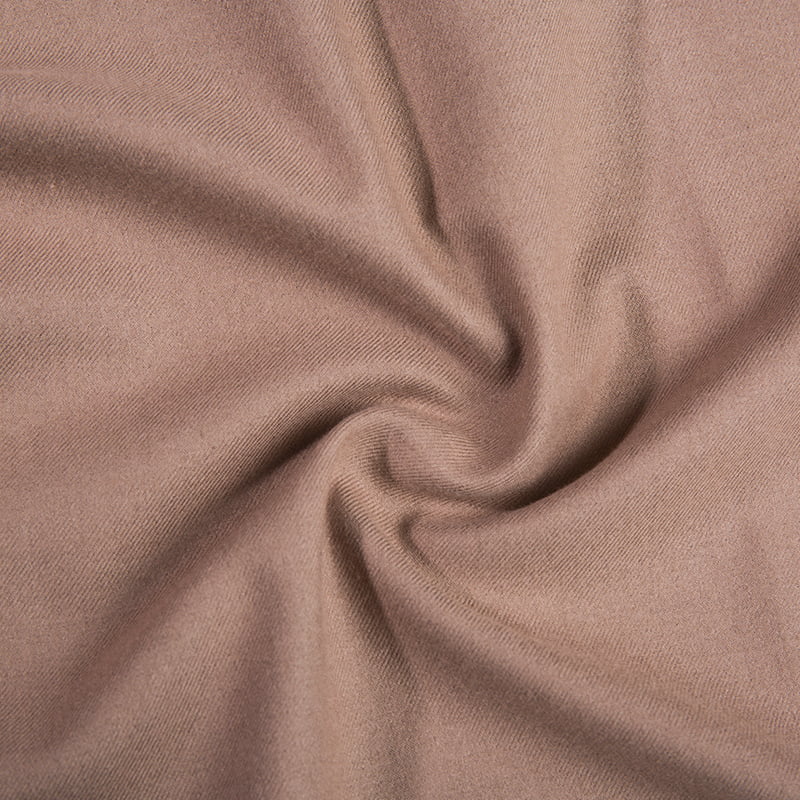
From our own mill lines, three fabrics fit this brief closely:
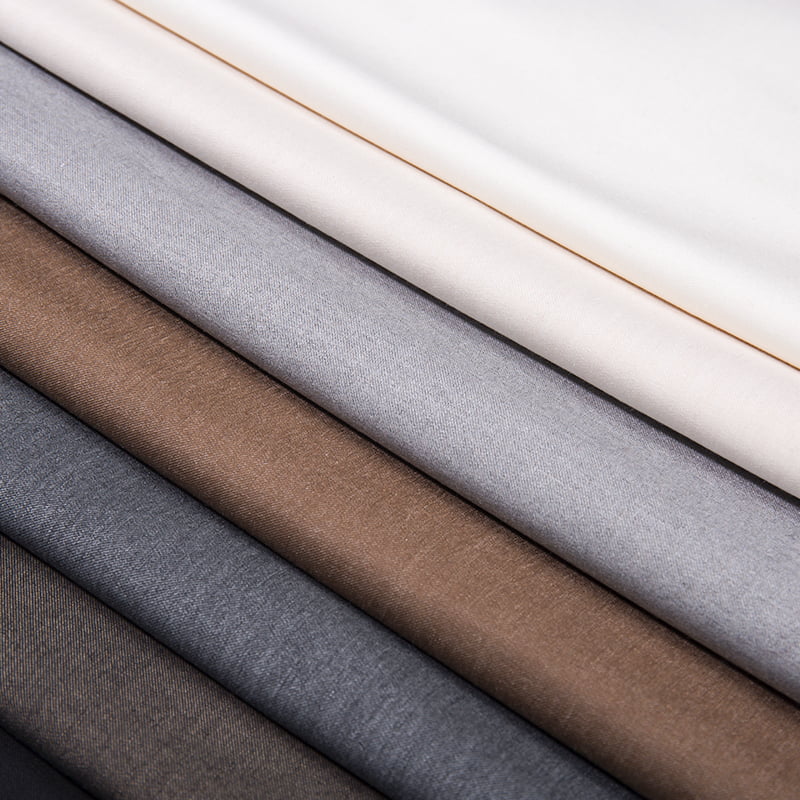
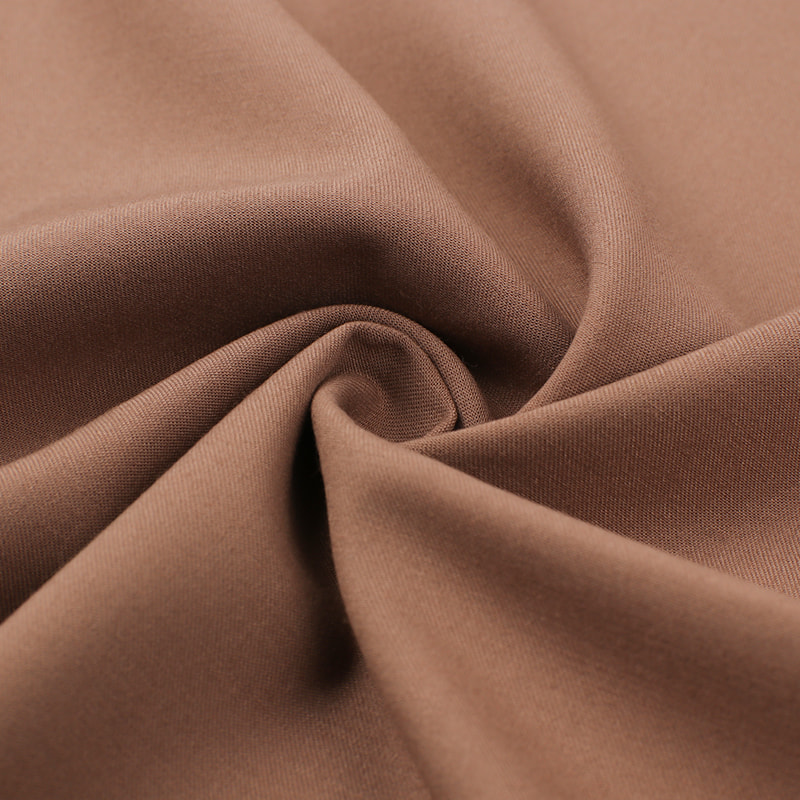
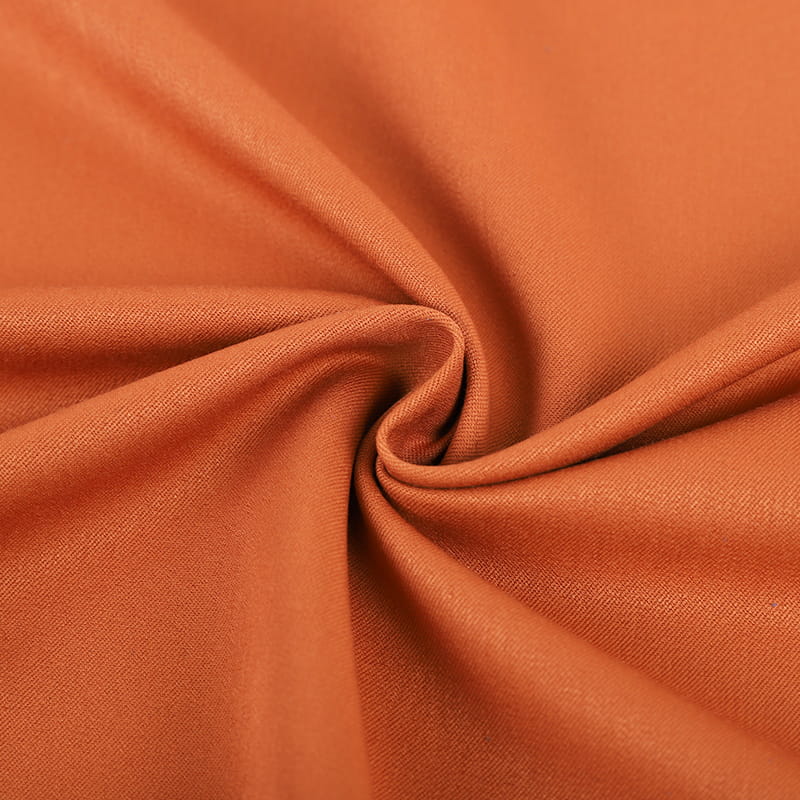
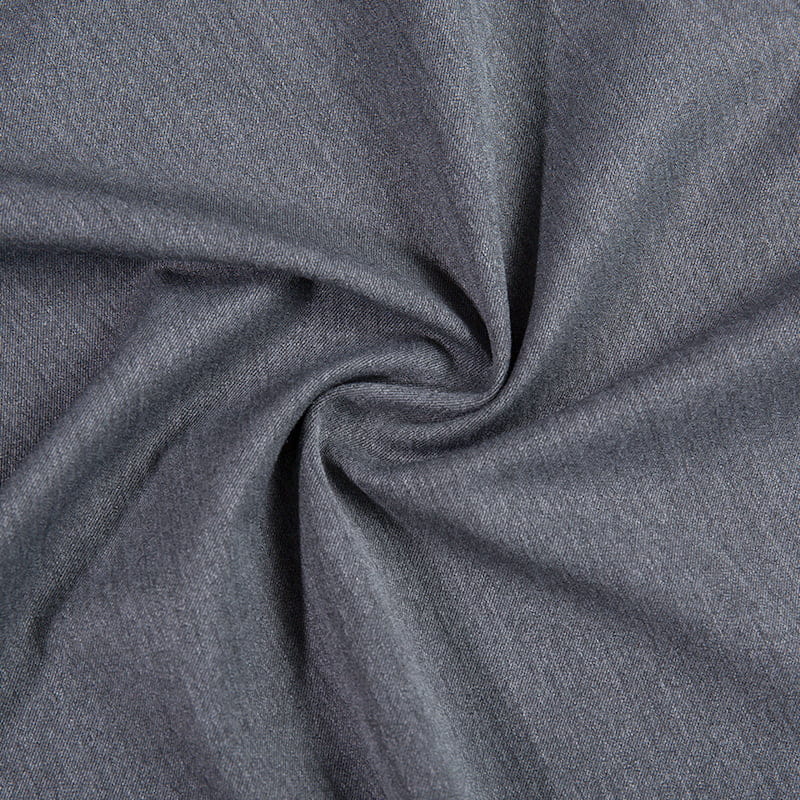
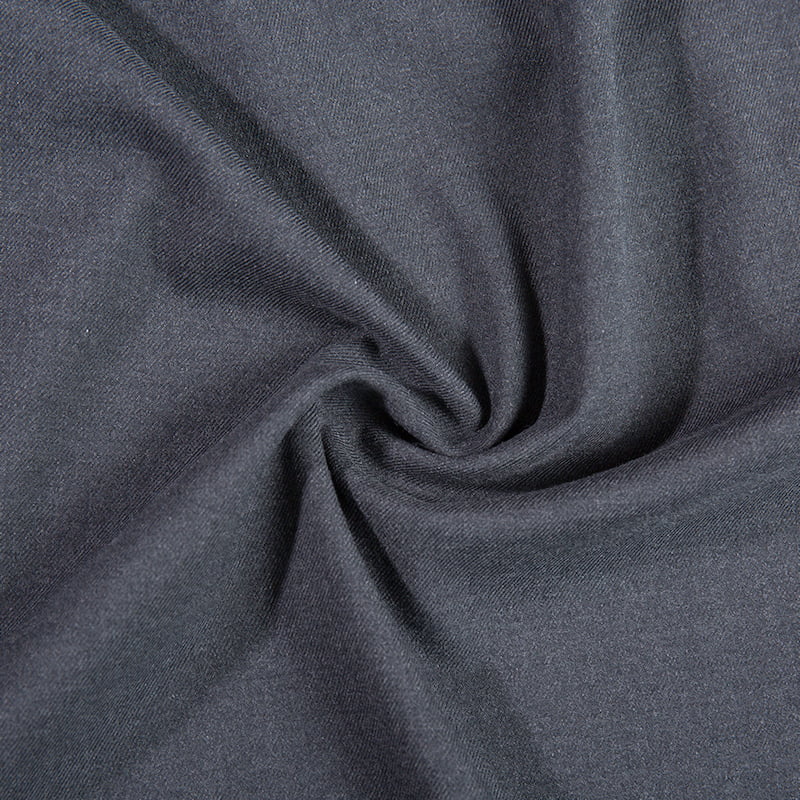
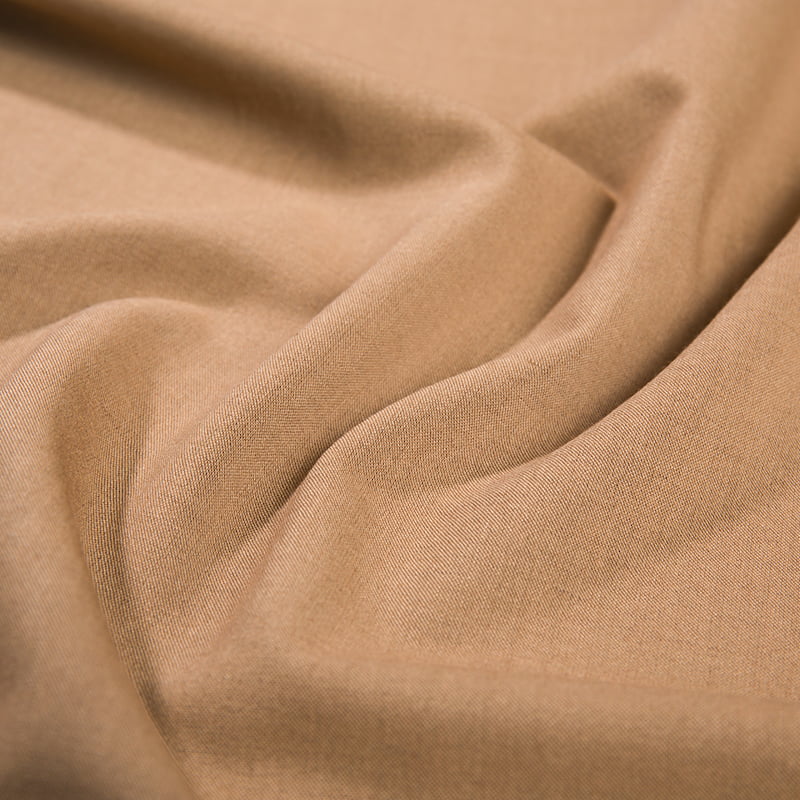 Poly Rayon Wool 4-Way Stretch Suiting FabricA wide, drapey stretch suiting with 6% wool for a refined hand, plus wrinkle resistance and easy care. Suits tailors seeking dependable recovery and comfort for suits, trousers, and shirts in solid colors.View Product →
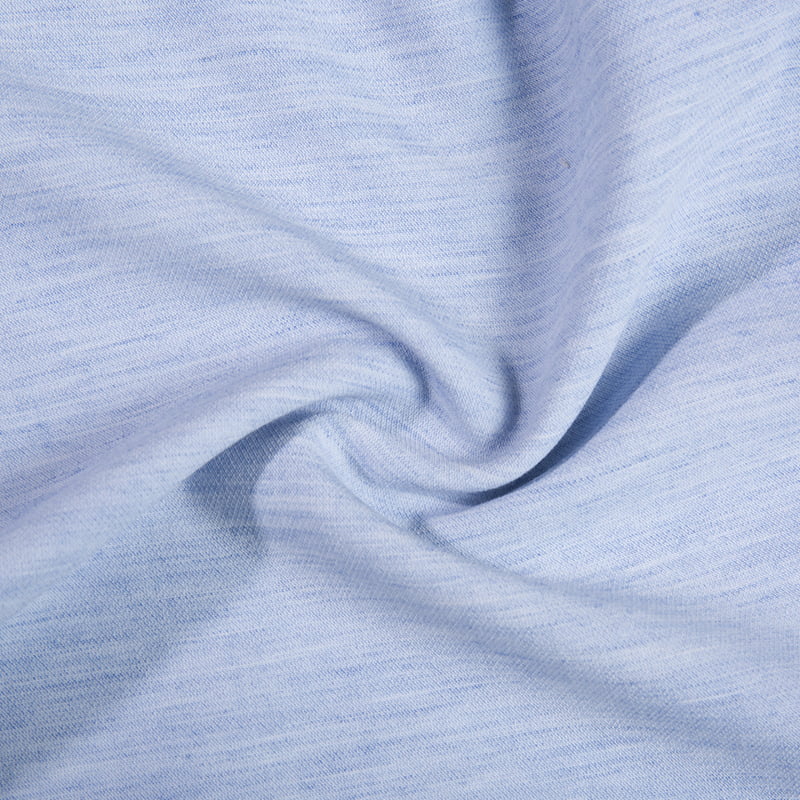
For a linen look without linen's creasing, a top-dyed linen-blend suiting is the compromise most tailors quietly prefer: real linen fiber for airflow and texture, a poly-rayon backbone for recovery, and top dyeing for colors that survive sun and sweat.
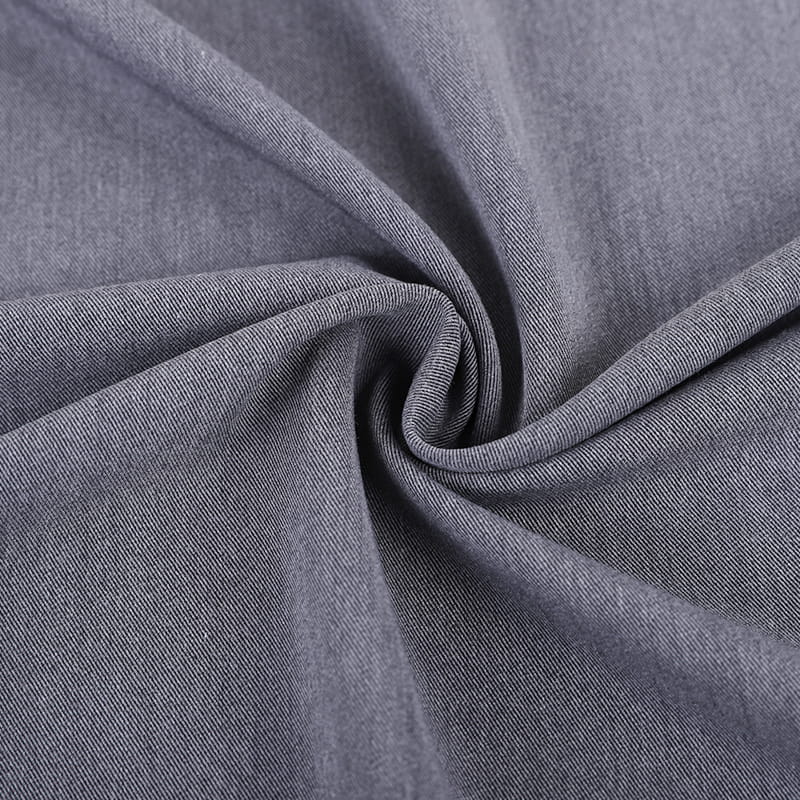
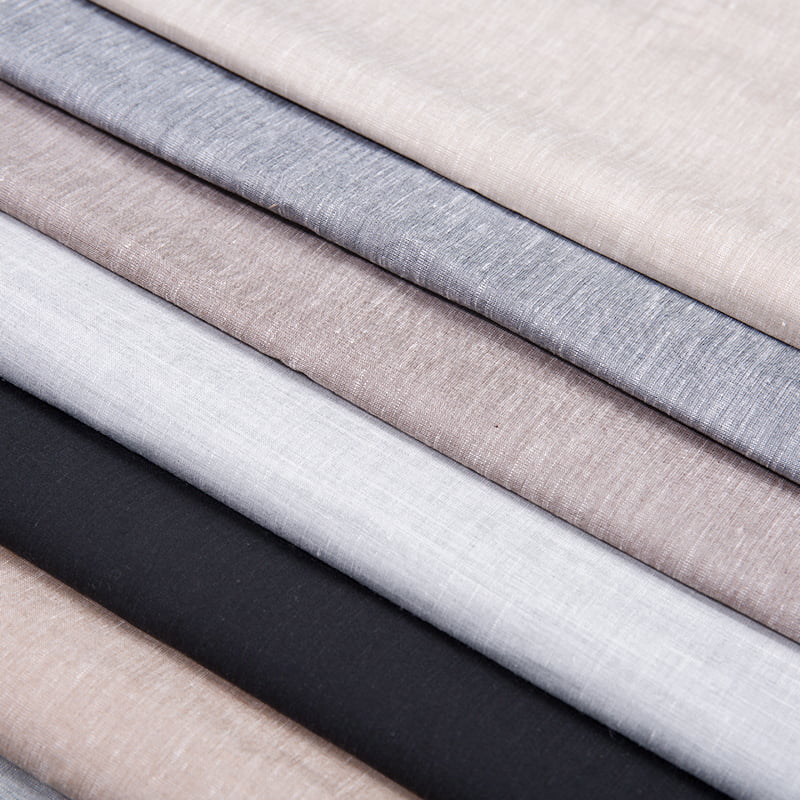
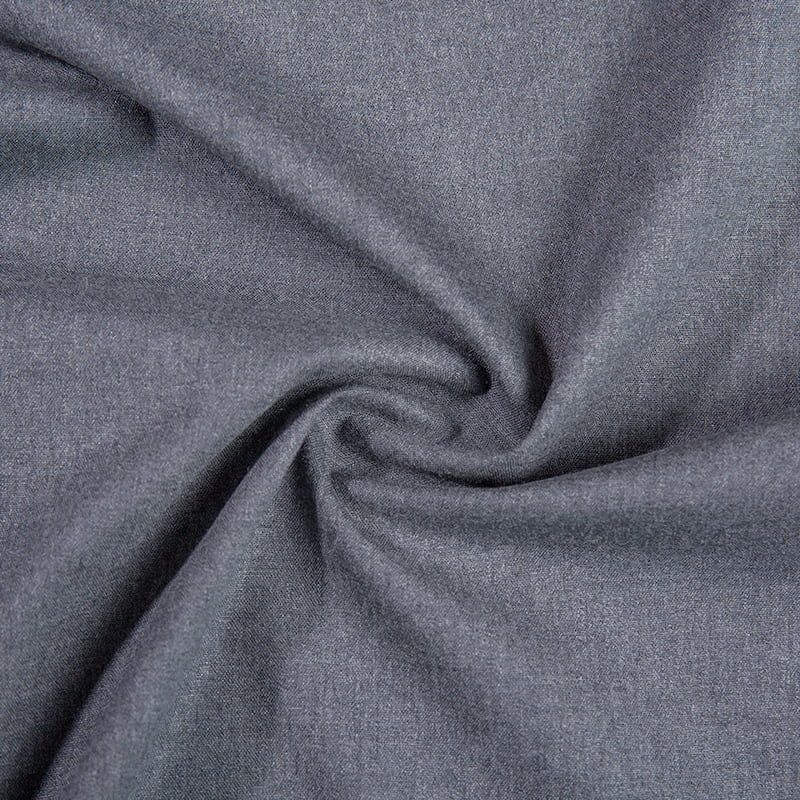
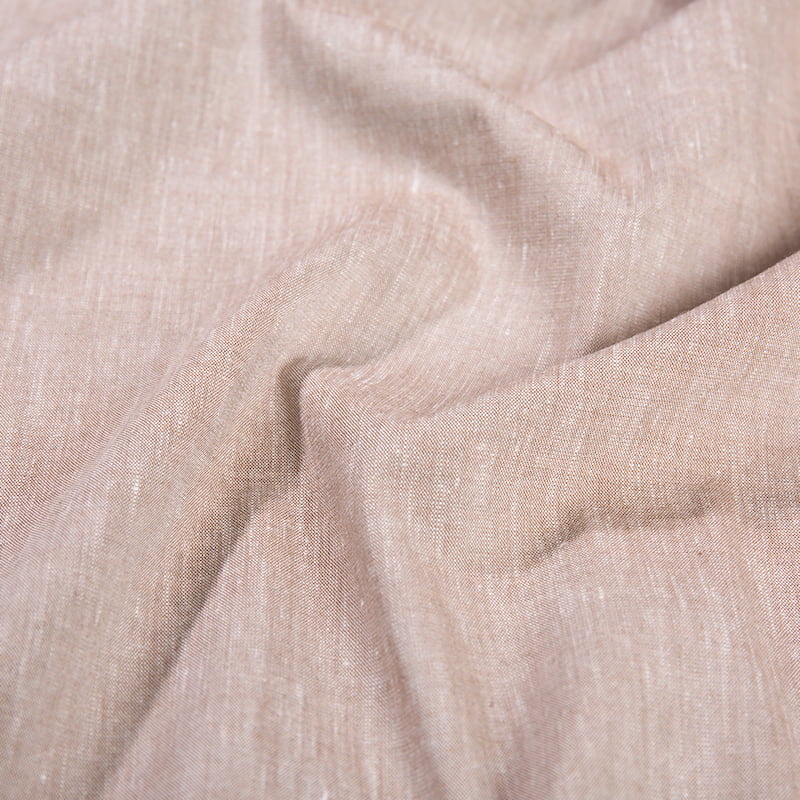 Top-Dyed Poly Rayon Linen-Blend Suiting FabricBlending 18% linen for airflow and texture with a poly-rayon backbone for recovery, this top-dyed suiting keeps color through sun and sweat. A practical compromise for warm-weather suits, trousers, and uniforms.View Product →
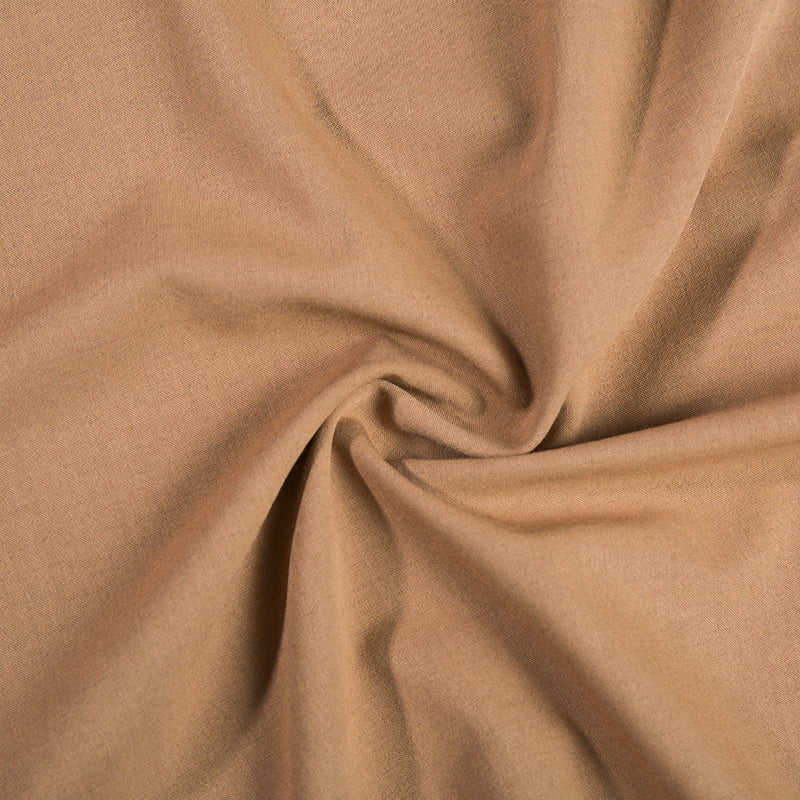
Crepe deserves mention for destination weddings: its textured weave resists creasing naturally and photographs with a soft, matte finish that flatters every skin tone under harsh midday light.
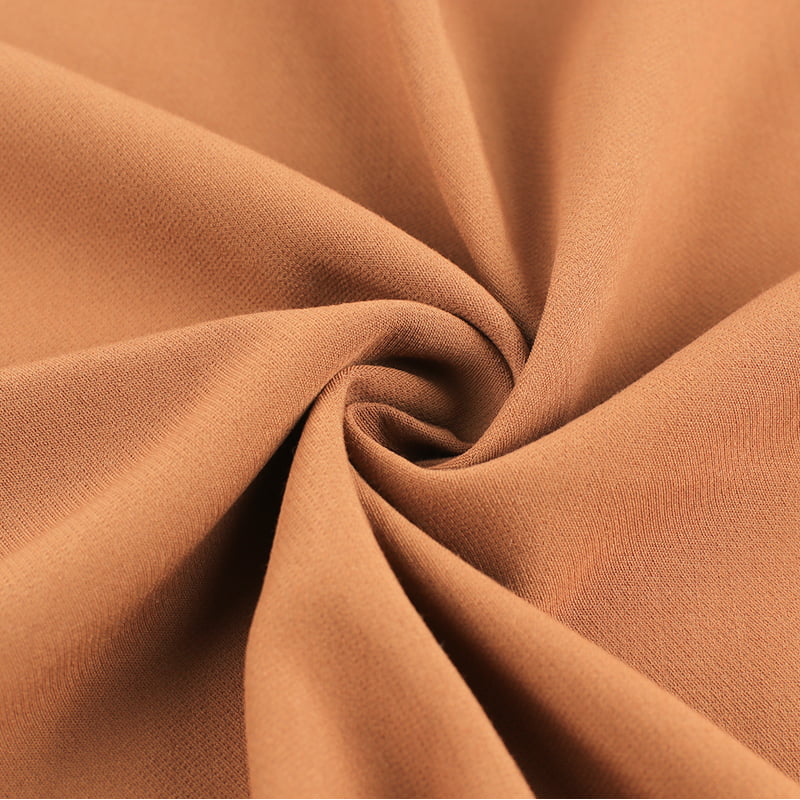
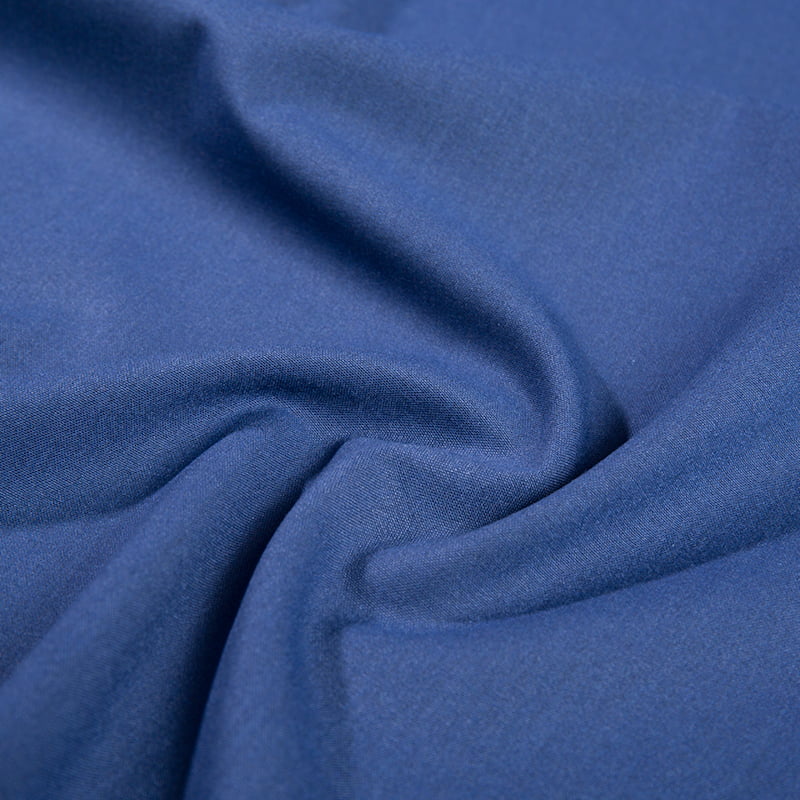
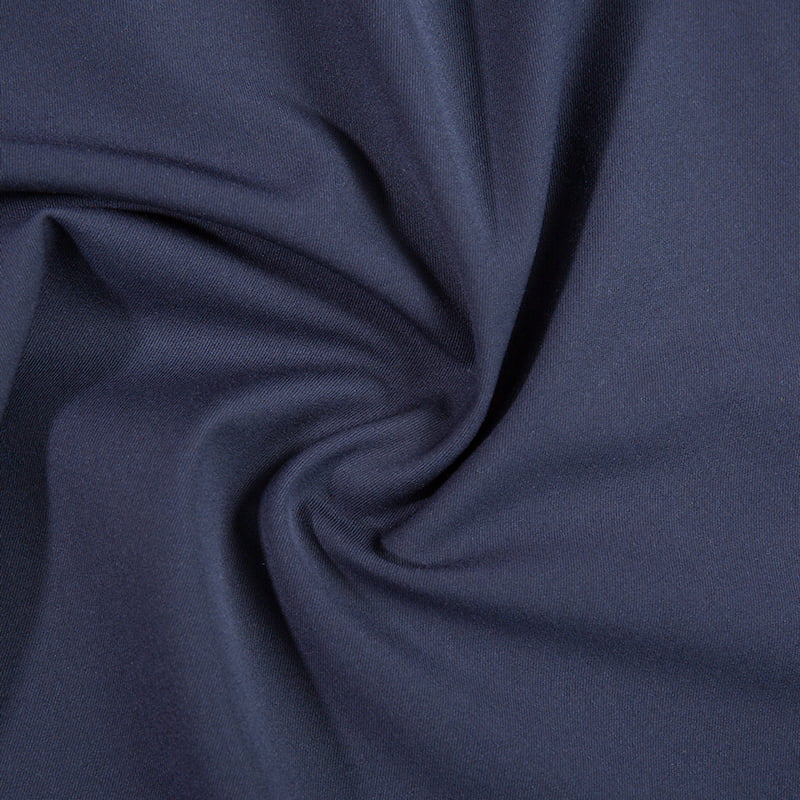
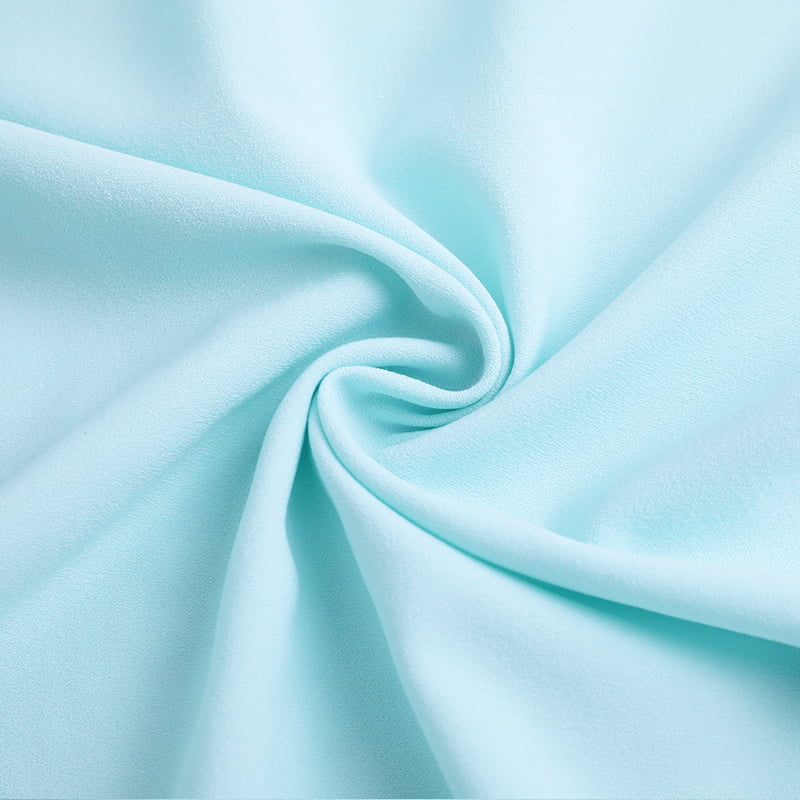 Reactive Dyed Wrinkle-Resistant Stretch Crepe FabricIts textured crepe weave resists creasing naturally and photographs with a soft matte finish, suiting destination weddings. The 4-way stretch poly-rayon blend drapes well in suits and pants, with customizable colors.View Product →
Match the Fabric to the Venue
Venue and dress code narrow the shortlist faster than any specification sheet. Match the setting to the cloth:
Four Checks Before You Commit to a Fabric
Run these on a swatch before ordering meters of cloth:
Read the weight, not the name
Ask for the figure in ounces or grams per square meter. The working sweet spot for a summer wedding suit is 7–9 oz (about 240–300 g/m²); cloth sold as "summer" but woven above 10 oz will not deliver outdoors.
Hold the swatch up to the light
A visible glow means an open weave and real airflow. If no light passes through, the suit will run warm regardless of what the fiber blend promises.
Crush it in your fist
Squeeze for thirty seconds and let go. Linen creases instantly — fine if you want that look; wool and quality stretch blends spring back. This one test predicts most of the day-of experience.
Confirm the dye and finish
Ask specifically about color fastness to sweat and sunlight, and whether the cloth is piece-dyed, top-dyed, or yarn-dyed — the route affects color depth and how the suit ages.
None of this needs lab equipment — a swatch, daylight, and a minute of your time. For a second opinion, or a custom color developed from your own reference swatch, reach out to our team and we will answer from the mill side.
Frequently Asked Questions
Is linen appropriate for a formal summer wedding?
For daytime, beach, and garden ceremonies, yes — slight creasing reads as intentional texture in those settings. For evening receptions or strict formal dress codes, tropical wool or a wool-rich stretch blend keeps a cleaner line at a similar weight.
What fabric weight should a summer wedding suit be?
Aim for 7–9 oz, which converts to roughly 240–300 g/m². Below about 7 oz, cloth can look thin or slightly transparent in photographs; above 10 oz, heat builds quickly outdoors.
Are stretch blends breathable enough for real heat?
They can be, provided the weave is open and the wool or viscose share is meaningful. The elastic fibers are a small percentage of the cloth; breathability comes from weave structure and the natural fibers in the blend. Dense 100% polyester is the combination to avoid.
Should the groom's fabric differ from the guests'?
The groom can go slightly lighter in color and richer in finish — a subtle sheen or fine texture photographs well — while staying in the same weight class as the wedding party. Cutting every suit from one dye lot prevents color mismatch in group photos.
References
- Published garment-industry weight specifications for suiting fabrics
- Standard textile unit conversion conventions (oz/yd² to g/m²)