
 English
 中文简体
中文简体 日本語
日本語 한국어
한국어 Español
 русский
Content
- 1 Why Fabric Choice Matters More Than Fit
- 2 Understanding Fabric Basics: Weight, Weave, and Fiber
- 3 The Classic Fabrics: Wool, Cotton, and Linen
- 4 Modern Blends: The Rise of Performance Suiting
- 5 How to Choose the Right Fabric for Every Occasion
- 6 Fabric Care: Extending the Life of Your Suit
- 7 Conclusion: Building Your Fabric Knowledge
Why Fabric Choice Matters More Than Fit
A perfectly tailored suit loses its value if the fabric fails after a single season. You might have the sharpest cut, but if the material pills, fades, or restricts your movement, the entire garment is compromised. Fabric dictates five core dimensions of a suit: comfort on your skin, visual drape, structural durability, seasonal appropriateness, and formal elegance. Fit makes a suit look good; fabric makes it live well.
When you choose men's suit fabrics, you are selecting the very DNA of the garment. A lightweight linen suit will never look right at a winter board meeting, just as a heavy tweed blazer will cause discomfort at a summer wedding. The fabric influences how the suit breathes, how it holds a crease, and how it ages over years of wear. For anyone building a wardrobe, understanding the material is the first real step toward a smart investment.
Understanding Fabric Basics: Weight, Weave, and Fiber
Before diving into specific men's suit fabrics, you need to grasp three fundamental pillars: weight, weave, and fiber composition. These technical markers translate directly into how a suit feels and performs. Ignoring them is like buying a car without knowing the engine type. The right combination ensures you are neither sweating through a summer ceremony nor freezing during a morning commute.
How Fabric Weight Affects Seasonality
Fabric weight, measured in grams per square meter (GSM), is the most reliable indicator of temperature suitability. A general industry consensus suggests that fabrics below 270g are ideal for high temperatures, offering breathability and lightness. Lightweight suiting between 230-260g works perfectly for spring and summer, allowing air to circulate so you stay cool under pressure.
Mid-weight fabrics, ranging from 270-290g, serve as the versatile workhorses of a wardrobe. They transition well across seasons without being flimsy in autumn or overwhelming in mildly warm offices. For cold weather, you want a substantial feel. Heavyweight suiting reaching 330g and beyond provides the necessary insulation and a robust drape that holds its shape against biting winds. Choosing the correct weight prevents the rookie mistake of pairing a winter flannel with a beachfront venue.
Weave Structure and Its Impact on Performance
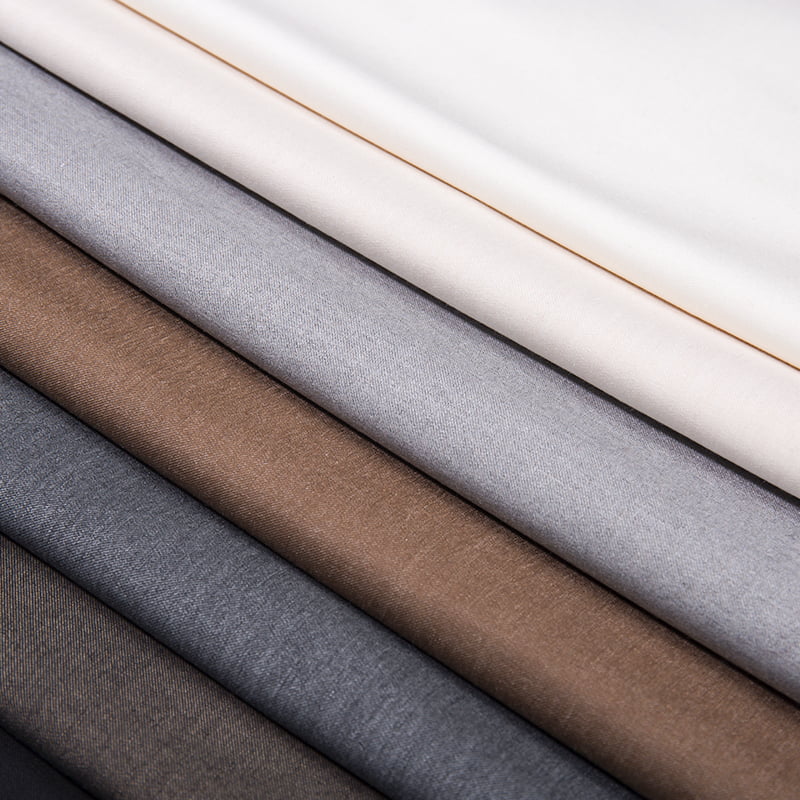
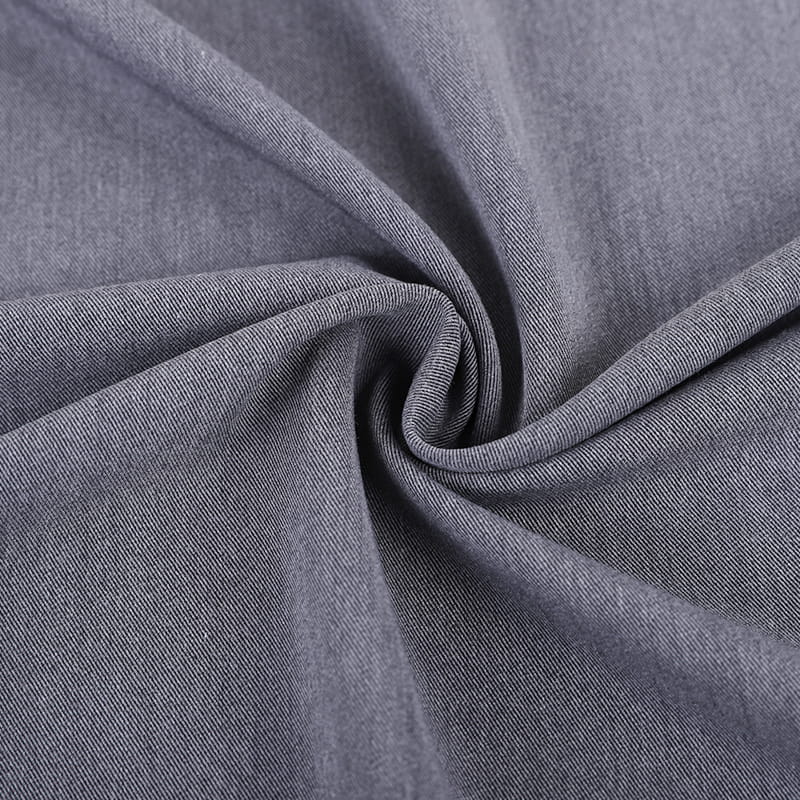
How threads are interlaced directly determines a fabric's surface personality. A plain weave features a simple, tight over-under pattern. It resists snagging and offers a crisp, matte finish, ideal for a no-nonsense business look, though it can crease more visibly. Twill weave, recognizable by its diagonal rib, creates a softer, more supple drape. Twill suits naturally resist wrinkles better and hold up under stress, making them perfect for travel or long workdays.
More complex structures like herringbone or double-weave fabrics add visual depth and increase durability. A double weave creates two integrated layers, often used to produce a heavier drape without bulk. Understanding these structures helps you predict behavior. A twill suit will move with you, while a high-quality plain weave projects a sharp, tailored rigidity. For a deeper look at how these constructions are formed, understanding the difference between weaving and knitting is essential, as woven textiles form the structural backbone of all tailored suits.
The Classic Fabrics: Wool, Cotton, and Linen
Pure natural fibers represent the heritage of men's suiting. Each carries distinct personality traits that suit specific rituals and climates. While modern technology has expanded our options, these classic men's suit fabrics remain the benchmark against which all others are measured. You don't choose gray; you choose the material that makes the gray come alive.
Wool: The Gold Standard
Wool is the undisputed heavyweight champion of tailoring. It is naturally breathable, wrinkle-resistant, and possesses a remarkable memory that allows it to snap back into shape after being worn. Within the wool family, construction matters immensely. Worsted wool uses long fibers combed to create a smooth, fine, and cool-to-the-touch surface that rejects creasing—this is your power-boardroom suit.
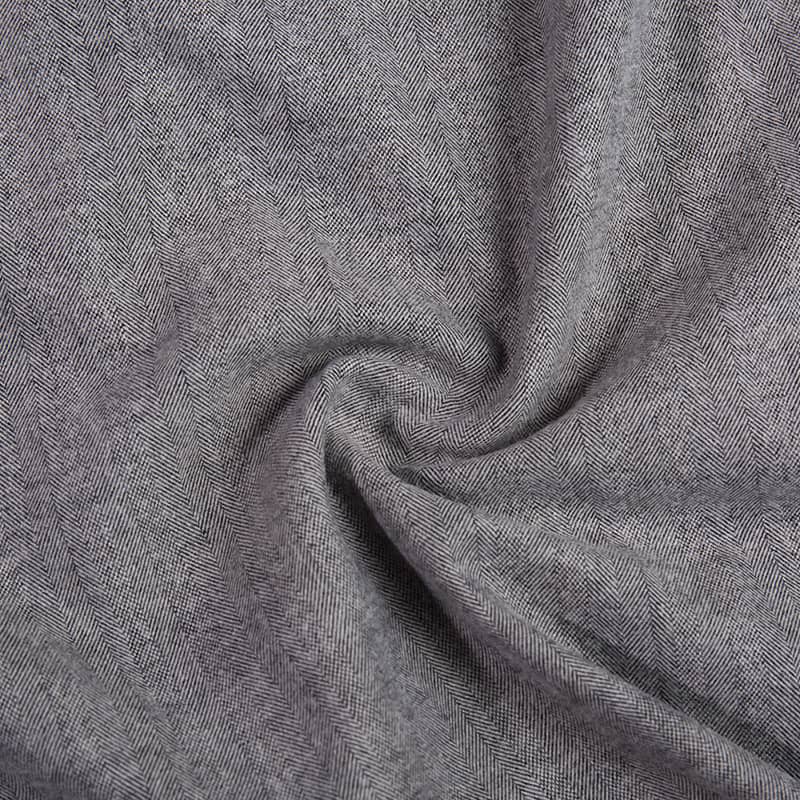
For colder months, flannel offers a brushed, fuzzy surface that traps heat and provides a soft, approachable texture. If you require armor against the outdoors, tweed is a rugged, durable wool that resists moisture and wear. Wool’s versatility makes it the logical choice for weddings, interviews, and any scenario where a first impression is vital. It insulates without overheating and breathes during moderate stress, which synthetic fibers simply cannot replicate.
Cotton: Casual Sophistication
Cotton suits fill the gap between rigid formality and off-duty relaxation. They breathe exceptionally well in warm weather but come with a trade-off: they wrinkle easily. A pure cotton suit will develop patina and crease marks within hours, which can look intentional in a casual setting but sloppy in a strict dress code. It is best suited for smart-casual office environments, day weddings, or garden parties where structure is less critical.
Cotton offers a matte texture that wool cannot match. It absorbs dye deeply, resulting in rich, vibrant colors that make a summer blazer pop. If you accept the natural creasing as part of the charm, cotton becomes a stylish, low-luster alternative to the sheen of silk or polished wool.
Linen: Breathable Elegance
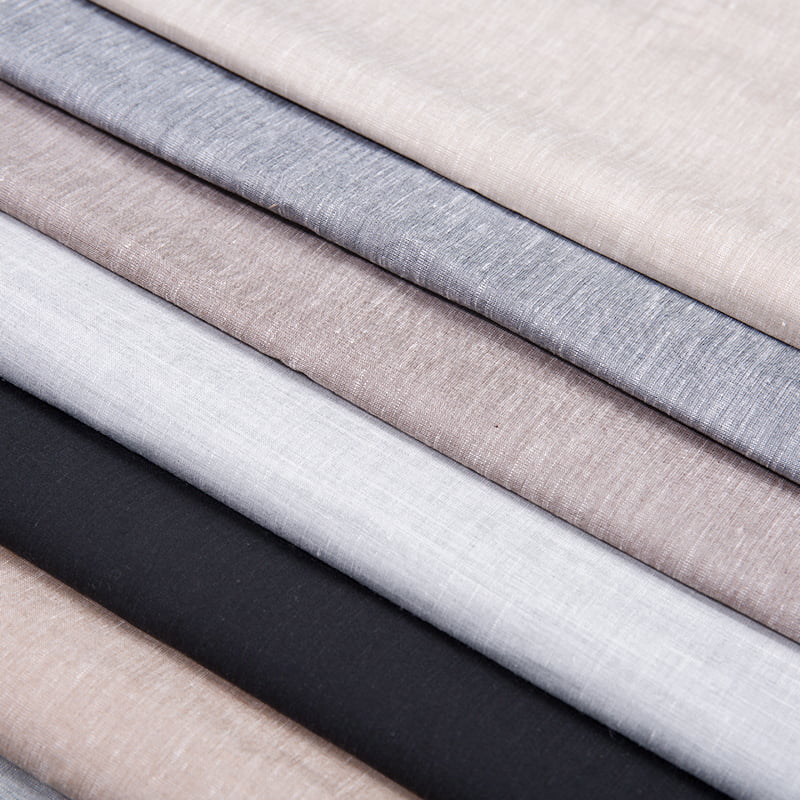
Linen is the definitive fabric for keeping your composure when the heat index rises. Made from the flax plant, it is hollow-core, meaning air and moisture pass freely through the weave. This creates a built-in cooling effect that makes linen suits the uniform of choice for tropical formal events. The fabric’s natural slub texture and inevitable creasing produce an iconic, lived-in elegance that feels nonchalant and sophisticated.
However, linen lacks elasticity and memory. By the end of a beachfront wedding, a pure linen suit will be deeply creased at the elbows and seat. This is not a flaw; it is the fabric’s intended aesthetic. You wear linen not in spite of the wrinkles, but because they project an air of relaxed luxury that stiff, over-processed materials cannot imitate.
Modern Blends: The Rise of Performance Suiting
The closet of the modern man is no longer limited by pure natural fibers. Today’s men's suit fabrics increasingly rely on engineered blends that combine the aesthetics of nature with the resilience of science. While traditional retailers focus heavily on pure wool or cotton, manufacturers solve real-world problems by developing blends that resist wrinkles, stretch without sagging, and survive repeated wear. This is not about cheap alternatives; it is about functional superiority. If you fight wrinkles all day or need to bend down constantly, a smart blend outperforms a pure luxury fiber. To understand the foundation of this performance, you should first know what is elastic fabric and how it revolutionized modern manufacturing.
Polyester-Rayon Blends (T/R): The Workhorse of Modern Suiting
Polyester and rayon blended fabrics, commonly known as T/R, have become the structural backbone for uniforms, daily business wear, and high-rotation suits. Polyester provides strength, shape memory, and abrasion resistance. Rayon (viscose) lends breathability, moisture absorption, and a soft, wool-like hand feel. A well-engineered T/R blend can replicate the drape of wool while offering far superior wrinkle resistance and easier care.
Unlike pure cotton or linen, which can look crushed by midday, a T/R suit maintains its sharp crease from morning to evening. These men's suit fabrics also hold dye exceptionally well through reactive or top-dyeing processes, retaining color vibrancy even after chemical cleaning. For buyers sourcing consistent uniforms or designers needing reliable performance, T/R blends provide a predictable, low-maintenance canvas that eliminates the fragility of natural disasters like unremovable stains or climate-induced shrinkage.
The Stretch Factor: 2-Way vs. 4-Way Stretch
Adding spandex to a woven fabric transforms a restrictive shell into a second skin. The difference between 2-way and 4-way stretch directly dictates your range of motion. A 2-way stretch (typically weft-ways) allows the fabric to expand horizontally, giving some relief when sitting down or bending your knees. It works adequately for jackets and casual pants where the primary tension is sideways.
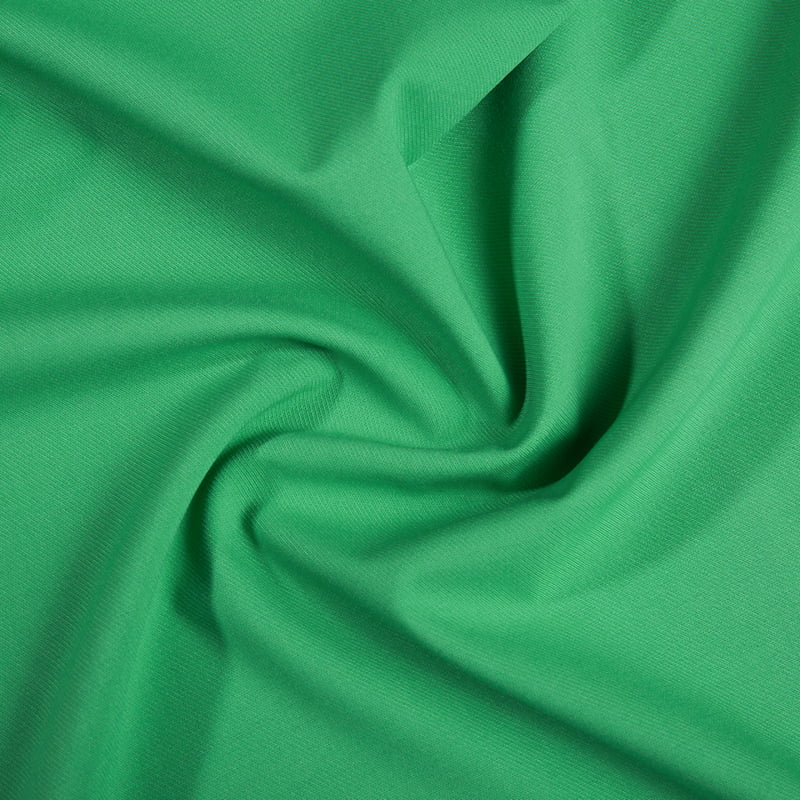
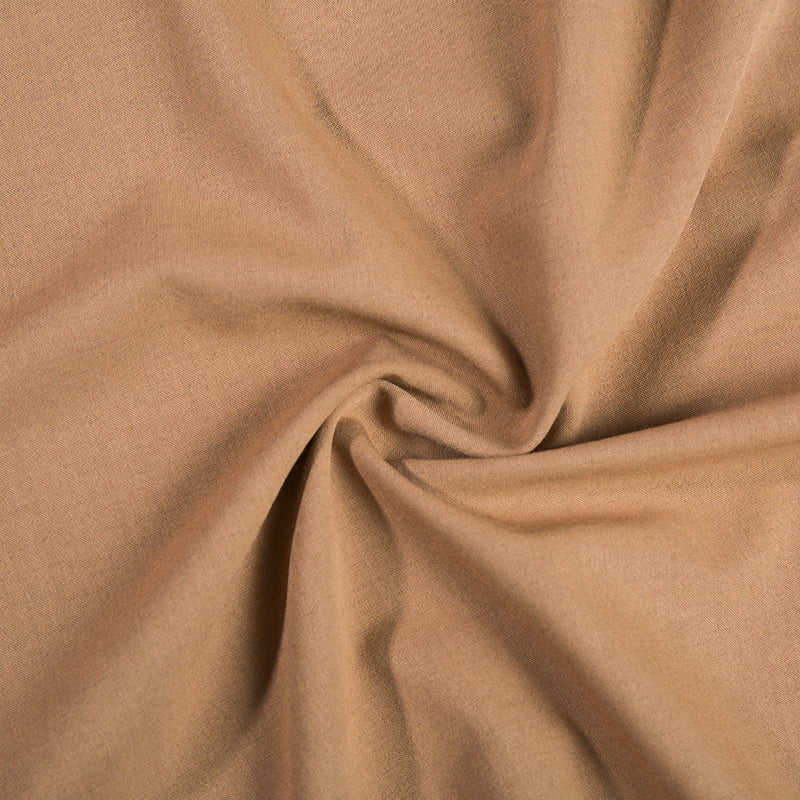
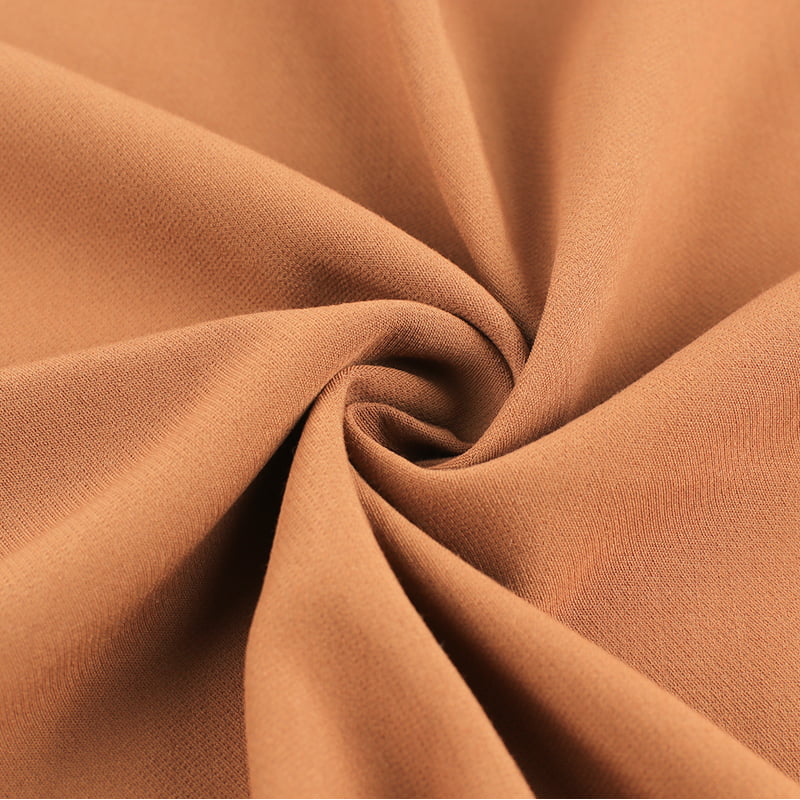
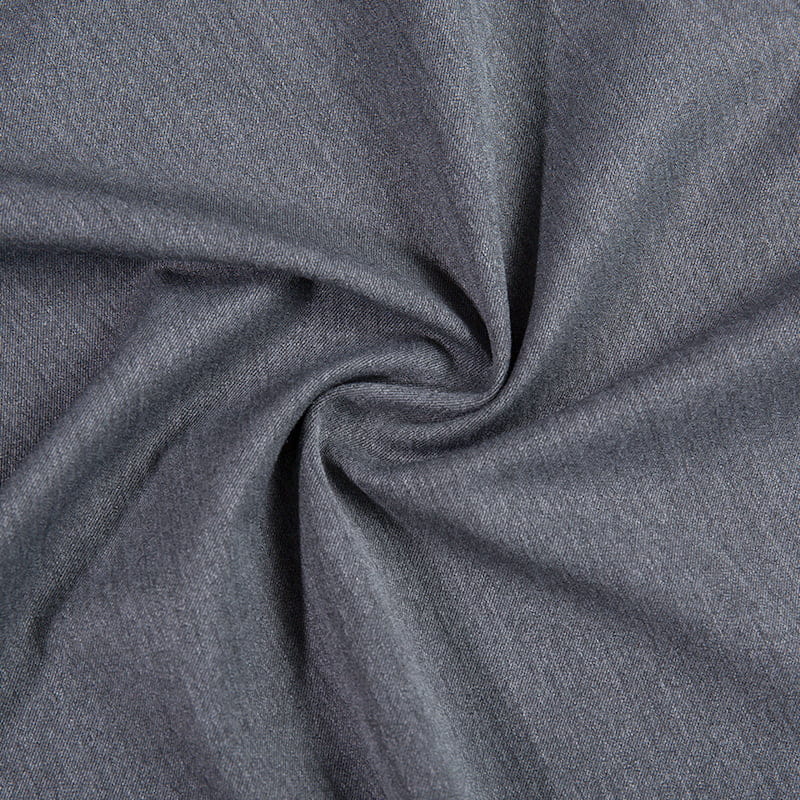
4-way stretch fabric extends both horizontally and vertically. This is critical for high-performance menswear trousers and slim-fit jackets. When you reach forward to shake a hand, kick up to dance, or squat to pick up a document, the fabric moves in sync with your body rather than fighting against it. This construction prevents the "frozen shoulder" feeling common in older rigid blends. For a practical application of this technology, a 4-way stretch top-dyed suiting fabric for men's suit trousers demonstrates how modern construction ensures comfort without sacrificing the crisp look of formal trousers.
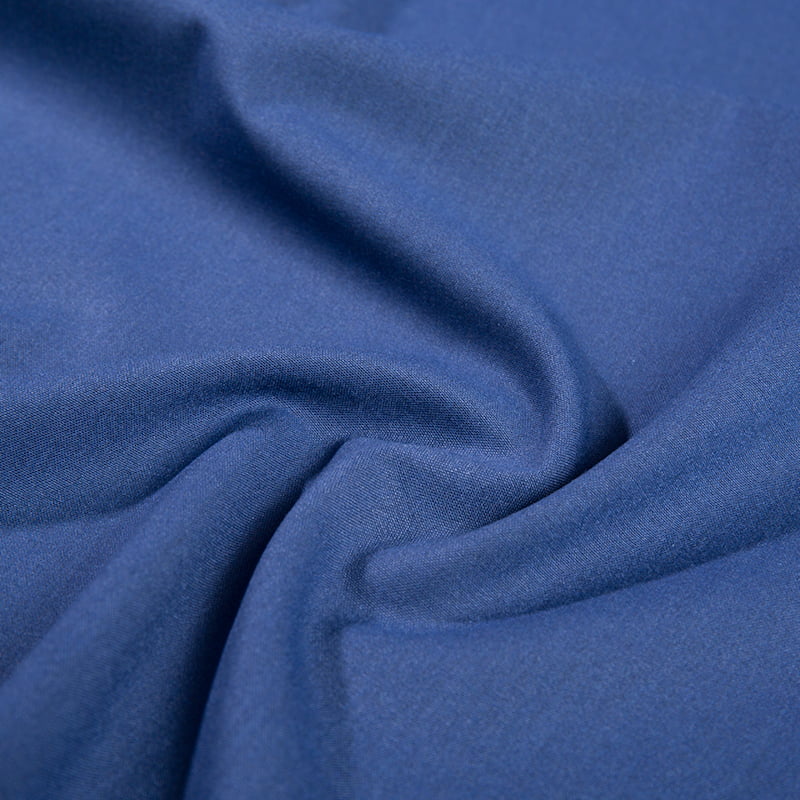 FX55425 Manufacture Tr 4 Way Stretch Top Dyed Fabric For Men'S Suit Trousers SupShaoxing Fuxing Textile Technology Co., Ltd is a China OEM FX55425 Manufacture Tr 4 Way Stretch Top Dyed Fabric For Men'S Suit Trousers s...View Product →
Wool Blends: Getting the Best of Both Worlds
Blending natural wool with polyester and rayon bridges the gap between luxury and practicality. Pure superfine wool can feel delicate and often requires delicate handling, but introducing synthetic fibers stabilizes the yarn. You gain the natural insulation and deep texture of wool while discarding its tendency to bag at the knees or develop a shine. These blends often include cashmere for enhanced softness or modal for a silky drape.
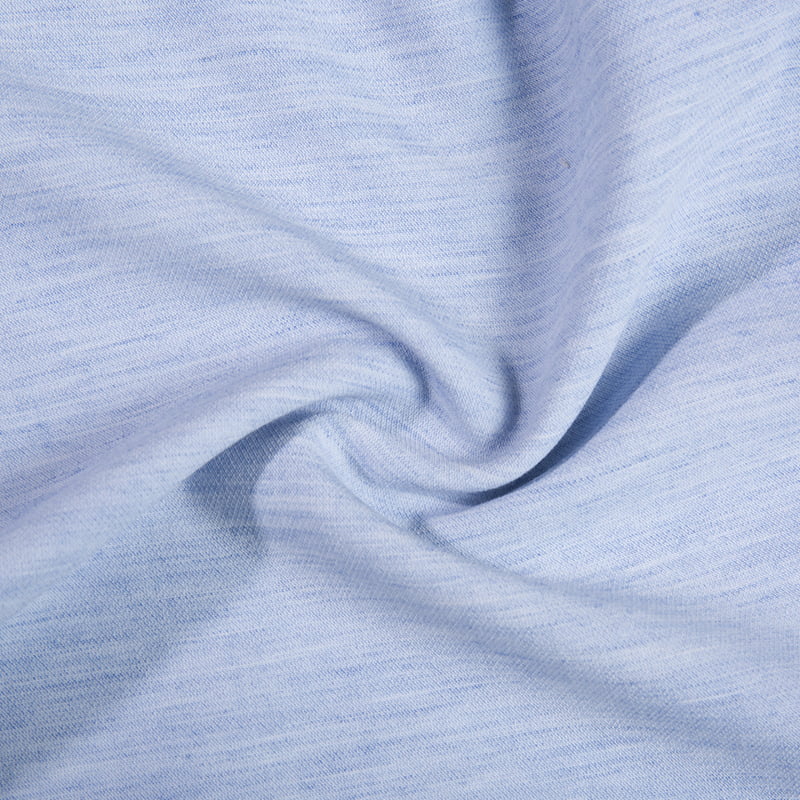
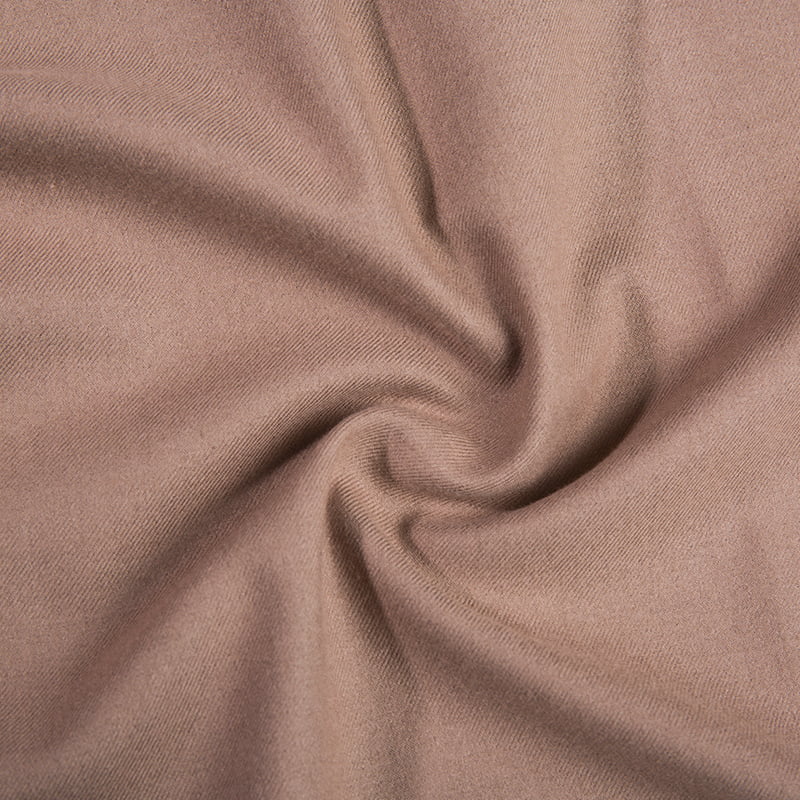
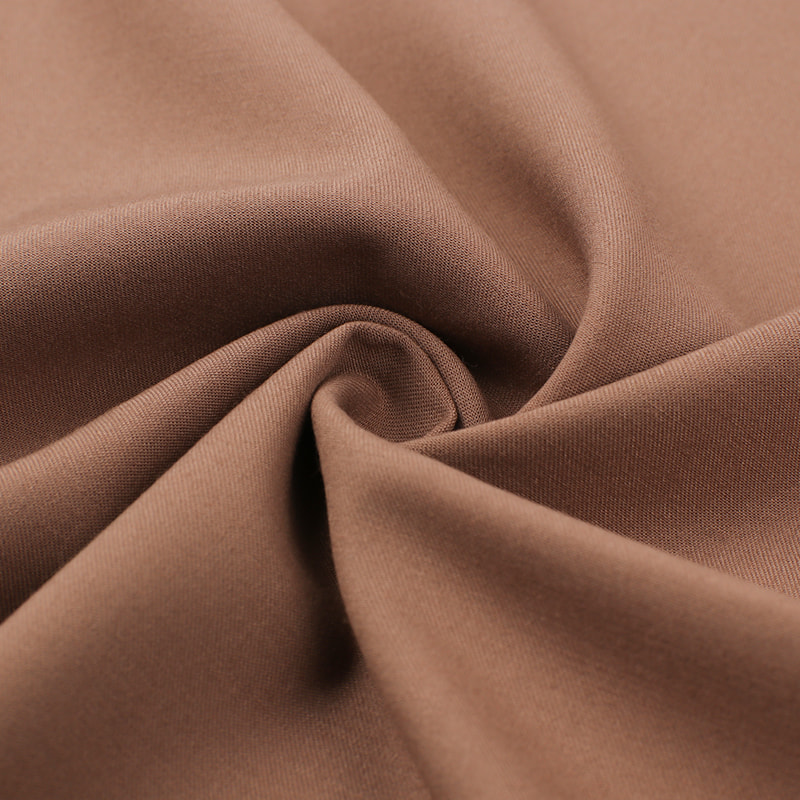
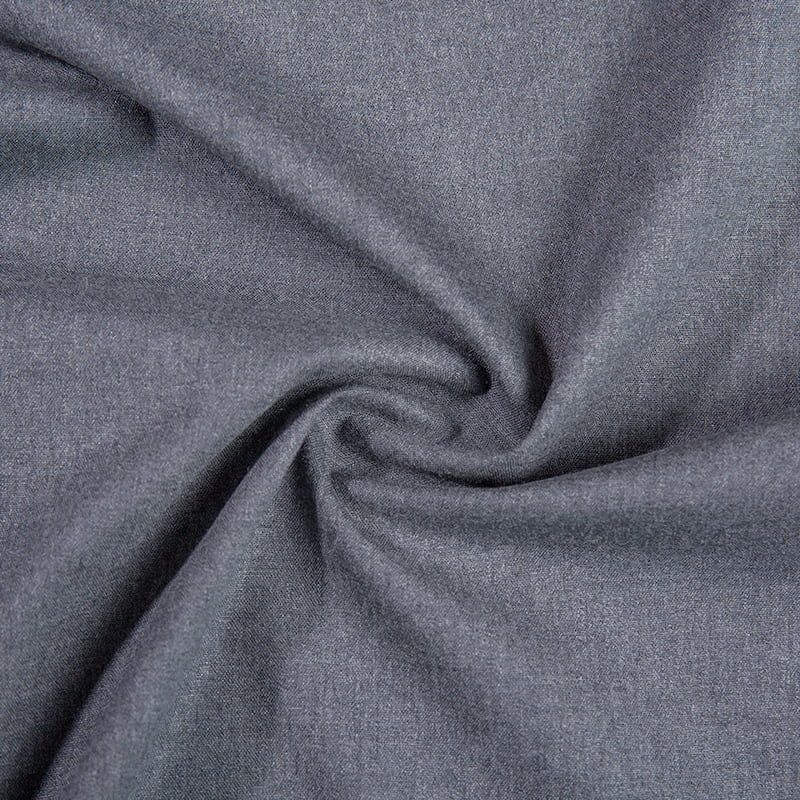
For corporate capsules and entry-level luxury lines, wool blends offer a strong value proposition. They deliver the prestige of wool without the maintenance anxiety. Crease recovery is enhanced, and the fabric resists the moisture absorption that makes 100% wool feel heavy in damp conditions. If your day involves sudden temperature shifts—cold mornings and hot afternoons—a technical wool blend adjusts more gracefully. A targeted option like a wrinkle-resistant poly-rayon-wool blend suiting fabric illustrates how modern finishing eliminates the fussy side of wool while preserving its sophisticated surface appeal.
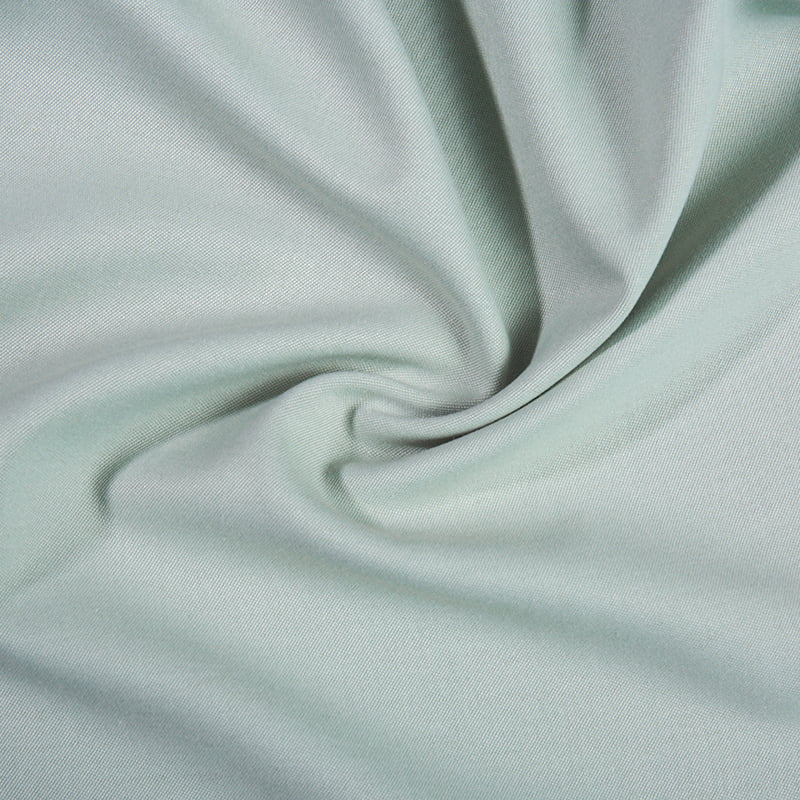 FX55642 Reactive Dyed Wrinkle Resistant Poly Rayon Wool Blend Fabric For Suit AnShaoxing Fuxing Textile Technology Co., Ltd is a China OEM FX55642 Reactive Dyed Wrinkle Resistant Poly Rayon Wool Blend Fabric For Suit ...View Product →
How to Choose the Right Fabric for Every Occasion
Context is everything. The perfect men's suit fabrics are not defined by invisible thread count alone but by how well the material serves the agenda of the day. Misjudging the textile context is as damaging as wearing brown shoes with a black belt. You must align the fiber's personality with the setting’s demands.
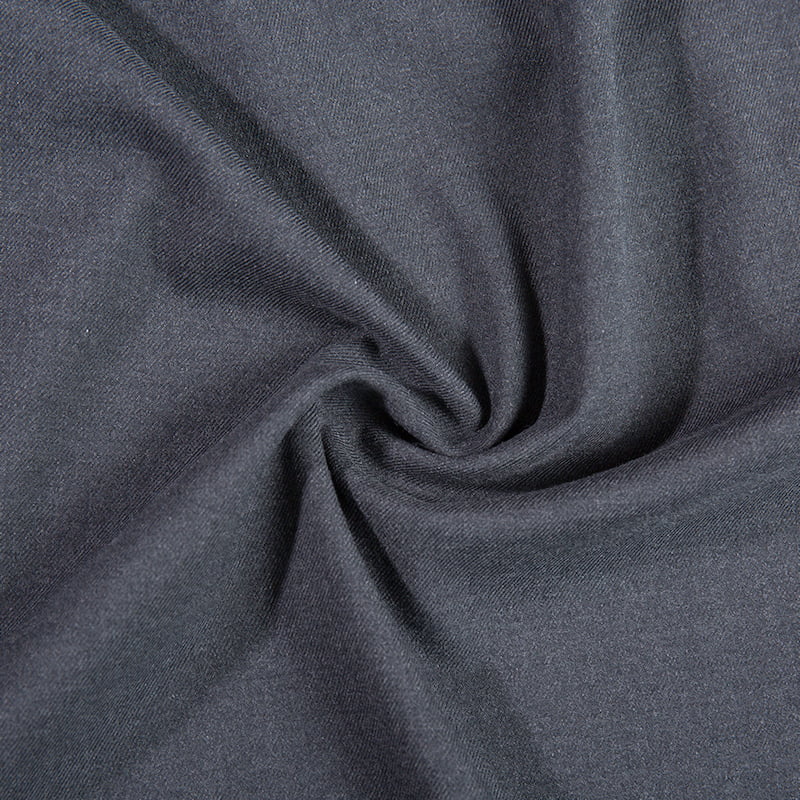
For a formal business interview or a conservative boardroom, lean into structured worsted wool. It commands respect, holds a razor-sharp crease, and communicates professionalism without a hint of flashiness. For a summer wedding, prioritize breathability—lightweight wool-linen blends or high-twist tropical wools keep you cool while the photos are taken. If travel resilience matters most, high-specification T/R stretch blends can be packed tightly, shaken out, and worn without an iron. For those seeking visual depth in festive or branded events, surface pattern matters. A custom houndstooth stretch suiting fabric adds a layer of sartorial interest that separates a statement suit from a generic one, balancing texture with subtle personality.
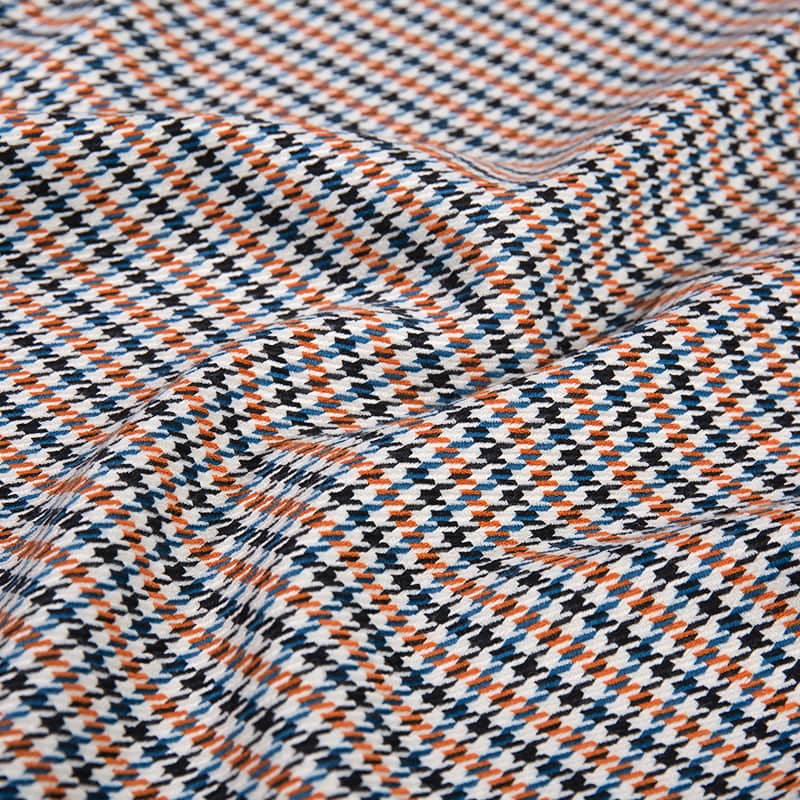 FX54372 Yarn Dyed Customize Houndstooth Design Poly Rayon Spandex Woven Fabric FShaoxing Fuxing Textile Technology Co., Ltd is a China OEM FX54372 Yarn Dyed Customize Houndstooth Design Poly Rayon Spandex Woven Fabric...View Product →
Fabric Care: Extending the Life of Your Suit
Your investment in quality men's suit fabrics demands a disciplined aftercare routine. The enemy of longevity is not wear, but ignorance. Start with physics: never wear the same suit two days running. Fibers need at least 24 hours to expel moisture and revert to their original shape. A solid, wide-shouldered wooden hanger supports the jacket’s architecture and prevents collar stretch, while a thin wire hanger inevitably warps the shoulders.
Dry cleaning is a chemical bath that strips natural oils and can oxidize elastic fibers. Unless visibly soiled, clean a suit only once or twice per season. Spot-clean small marks and use steam to kill bacteria and release light wrinkles. This preserves the fabric’s finish and prevents the "glazed" look of over-cleaned wool. When dealing with synthetic stretch blends, care becomes even more targeted. High heat is a thermal weapon against spandex; consistent exposure to hot irons or blistering dry cycles causes the elastic filaments to snap, leading to permanent baggy areas. To keep performance suits functional for years, follow a specific protocol for how to care for stretch suit fabrics and always default to cool settings and air drying.
Conclusion: Building Your Fabric Knowledge
Moving from theory to transaction requires a practical plan. As you source men's suit fabrics, start by filtering for the season’s weight requirement, then narrow by the stretch and maintenance levels your lifestyle demands. The most expensive fiber is not the best; the most appropriate one is. A tweed blazer is useless in Miami, just as a sheer linen jacket fails in an Oslo winter.
Always request a physical fabric sample. A laboratory spec sheet cannot convey the tactile hand-feel or the way a twill responds to twisting. Rub the fabric between your fingers, stretch it to test recovery, and hold it under daylight to judge true color depth. Fabric selection is a strategic decision. The right modern men's suit fabrics provide comfort, performance, and confidence—quietly powering you through high-stakes moments without requiring constant babying.
| Fabric Category | Seasonal Suitability | Wrinkle Resistance | Maintenance Level |
|---|---|---|---|
| Wool (Worsted) | All-Season / Cooler Weather | High | Moderate |
| Cotton | Spring & Summer | Low | Moderate to High |
| Linen | Summer | Very Low | Moderate |
| T/R Stretch Blends | All-Season (Weight Dependent) | Very High | Low |
| Wool Blends | Fall & Winter | High | Low to Moderate |