
 English
 中文简体
中文简体 日本語
日本語 한국어
한국어 Español
 русский
Content
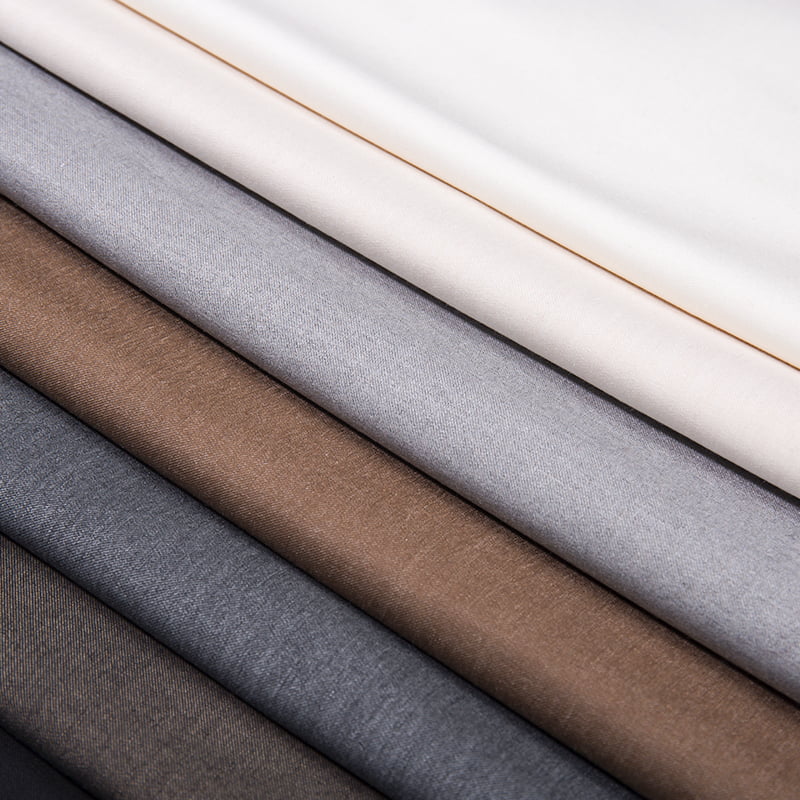
For most uniform coats, a mid weight poly cotton or poly wool blend uniform fabric in the 220 to 300 gsm range offers the best balance of durability, shape retention, and comfort. Lighter cotton twill suits indoor or hospitality settings, while heavier wool blend or TR uniform fabric works better for outdoor, security, or industrial coats that face daily wear and frequent washing.
Why Fabric Choice Matters for Uniform Coats
A uniform coat is worn for long shifts, washed repeatedly, and expected to hold its shape after months of use. The fabric decides how the coat feels against the skin, how it drapes on different body types, and how long it lasts before fading or thinning. Choosing the wrong uniform fabric often leads to coats that wrinkle after one wash, lose color quickly, or feel stiff during long work hours.
Three factors decide whether a fabric works well for a uniform coat: fiber content, weave structure, and fabric weight. These three elements together determine breathability, stretch recovery, and resistance to daily friction from bags, tools, or seating.
Cotton adds softness and breathability. Polyester adds shape retention and wrinkle resistance. Wool blends add warmth and a structured drape.
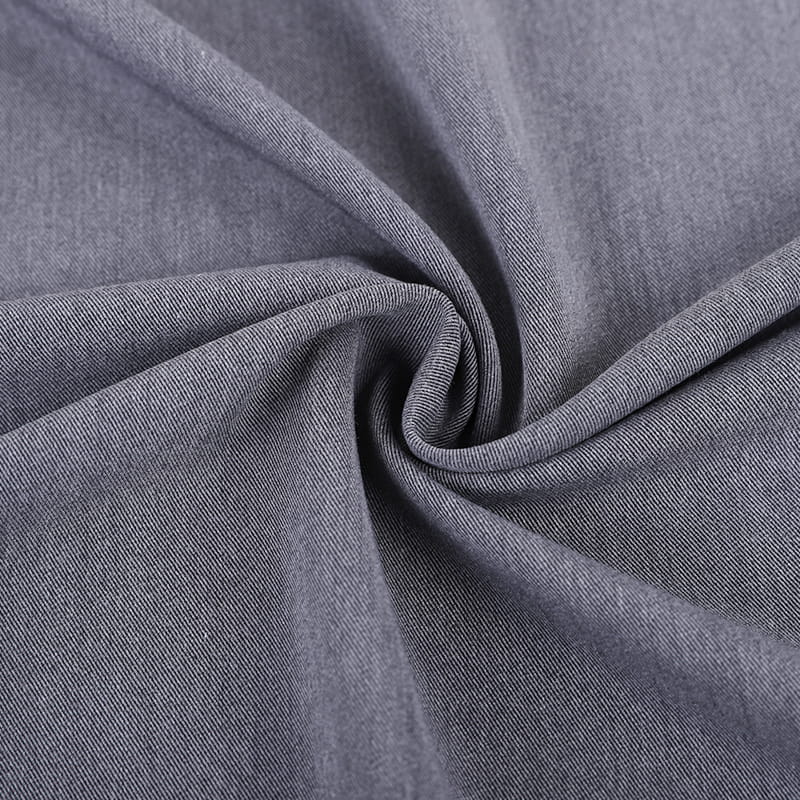
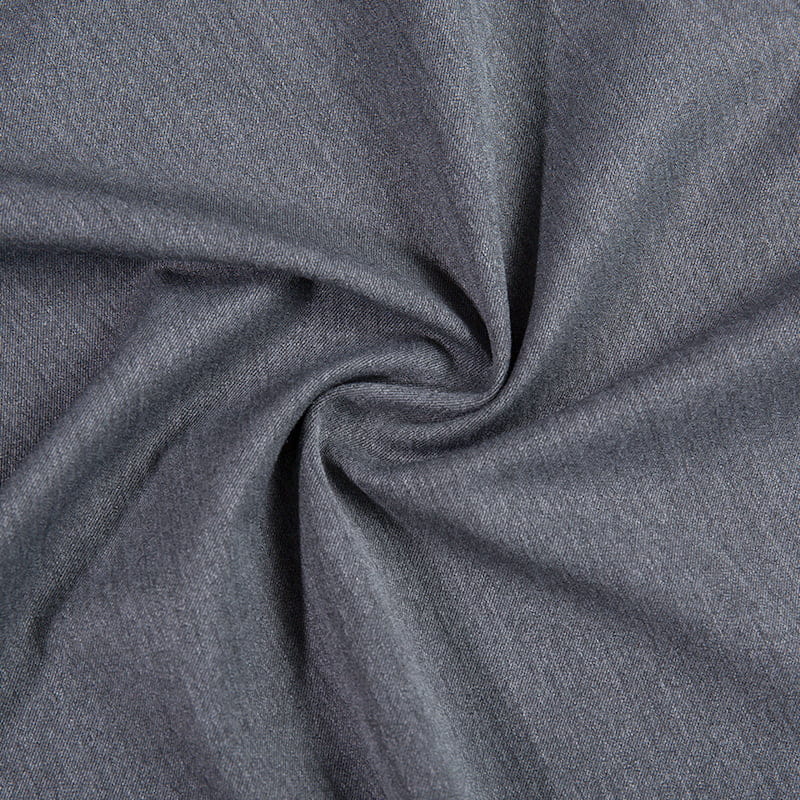
Twill weaves resist abrasion and hide stains better than plain weaves, which is useful for coats worn near desks, counters, or machinery.
Lighter fabric suits warm indoor environments, while heavier fabric holds structure for coats worn in cooler or outdoor settings.
Common Fabric Types Used for Uniform Coats
Manufacturers rely on a small group of proven fabric types when producing uniform coats, since each type answers a different combination of comfort, cost, and durability needs.
Poly Cotton Blend
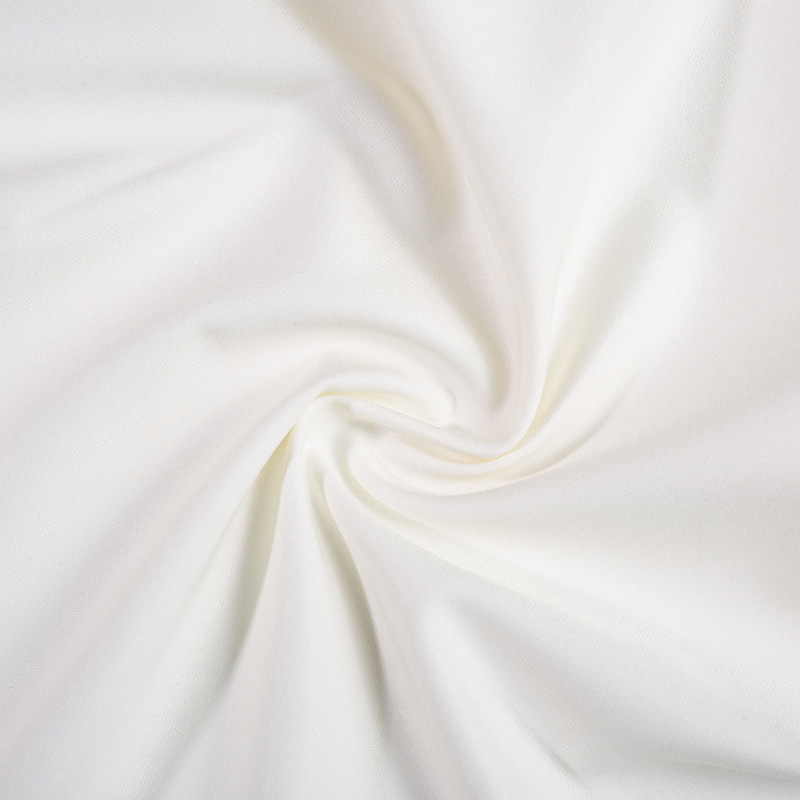
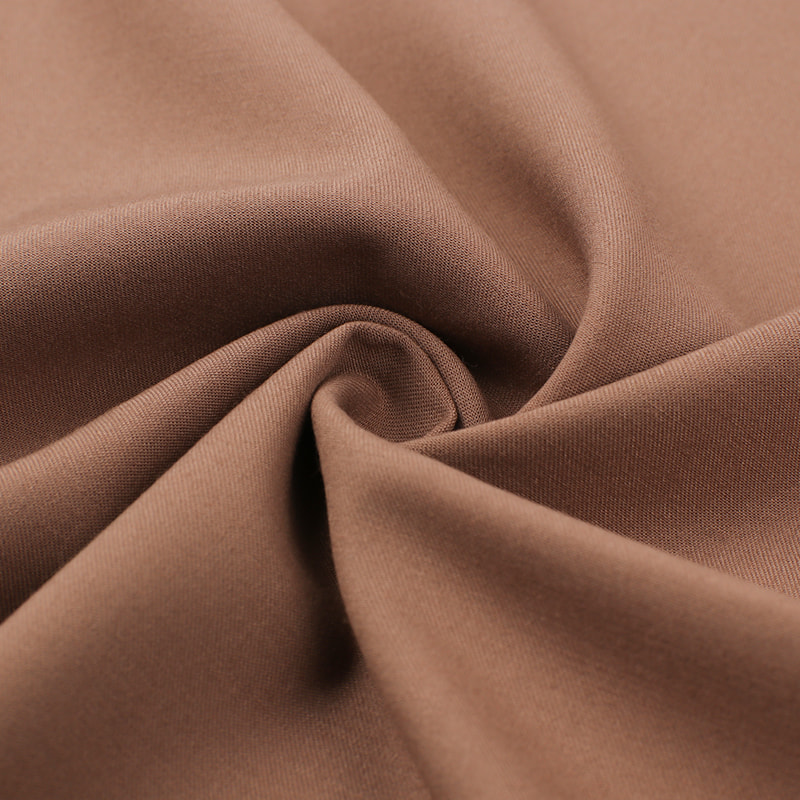
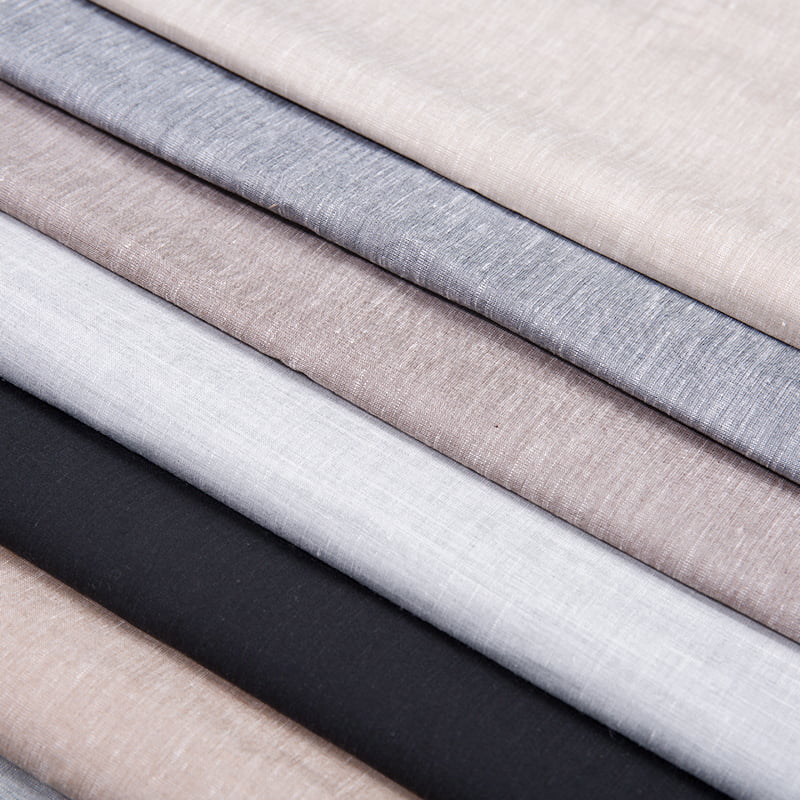
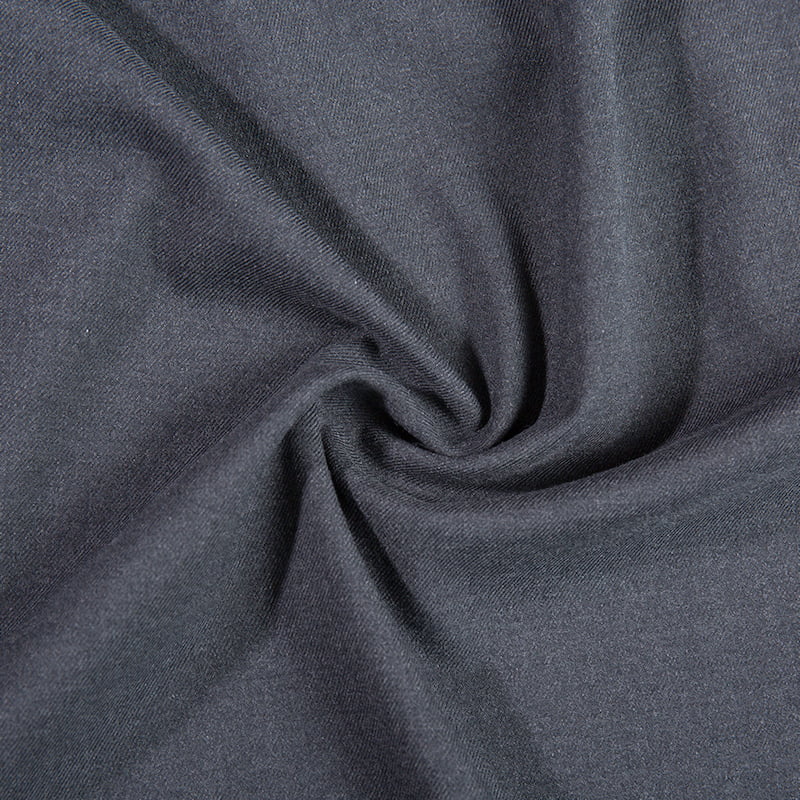
Poly cotton uniform fabric combines the softness of cotton with the wrinkle resistance of polyester. A common ratio is 65 percent polyester to 35 percent cotton, which holds a pressed look through a full shift while still allowing some airflow.
TR Fabric (Polyester Rayon)
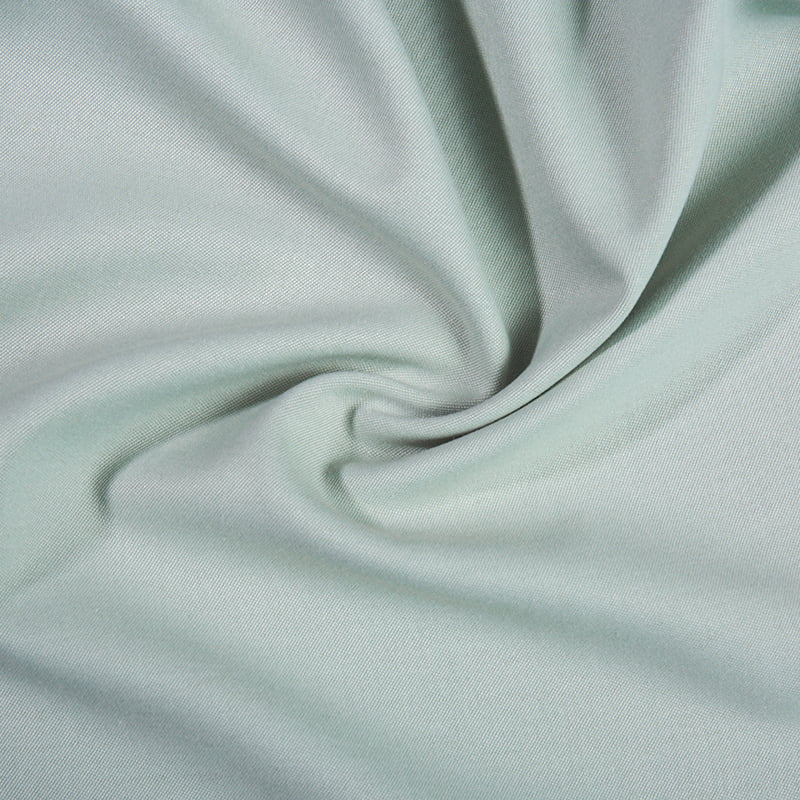
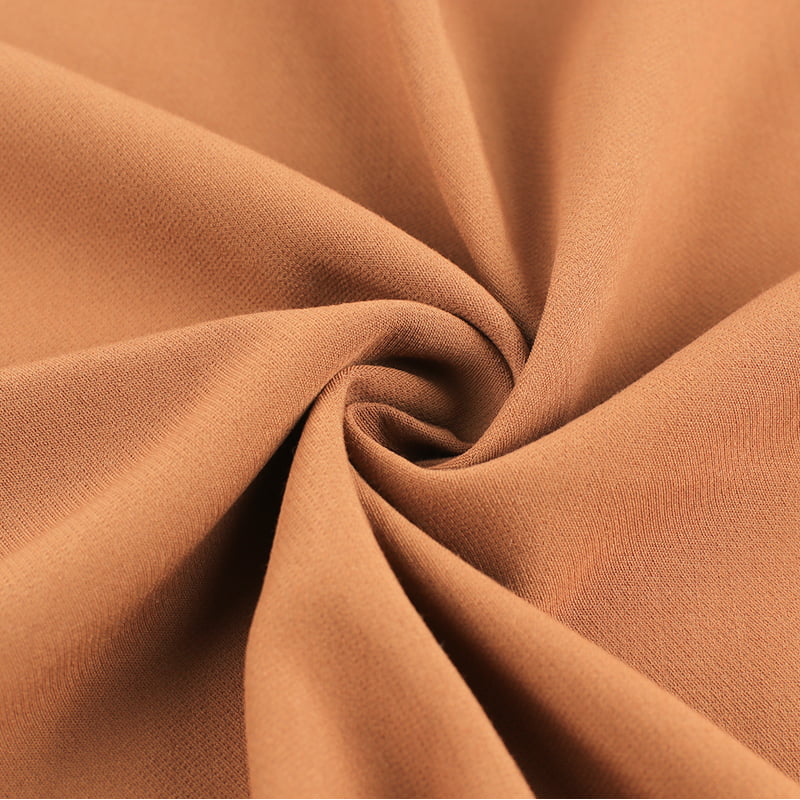
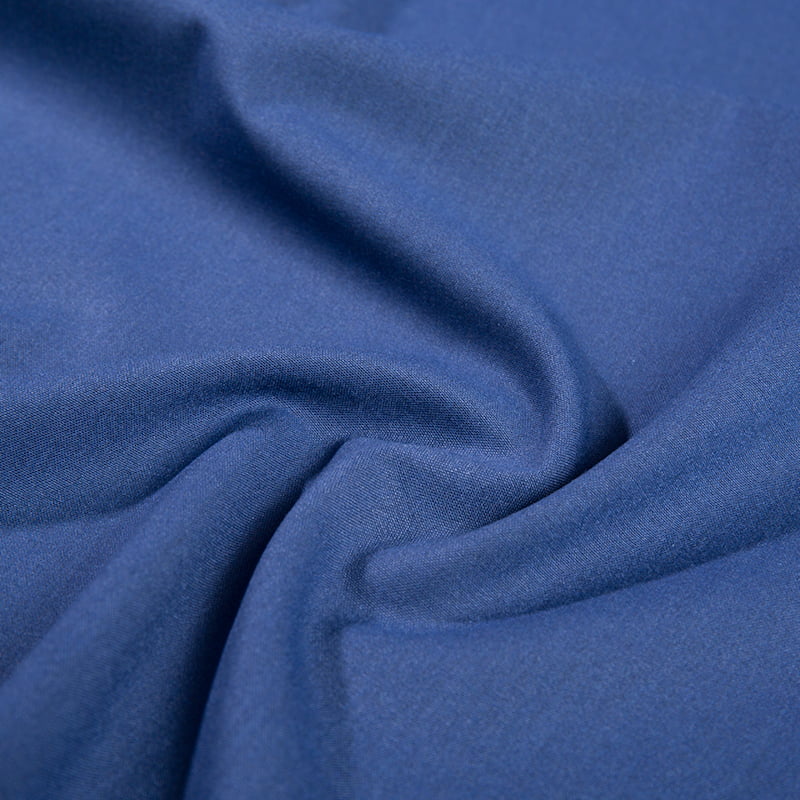
TR fabric blends polyester with rayon or viscose to create a smooth, slightly lustrous surface with good drape. This fabric is widely used for tailored uniform coats such as suit style coats worn in offices, hotels, or front of house roles.
Wool Blend Fabric
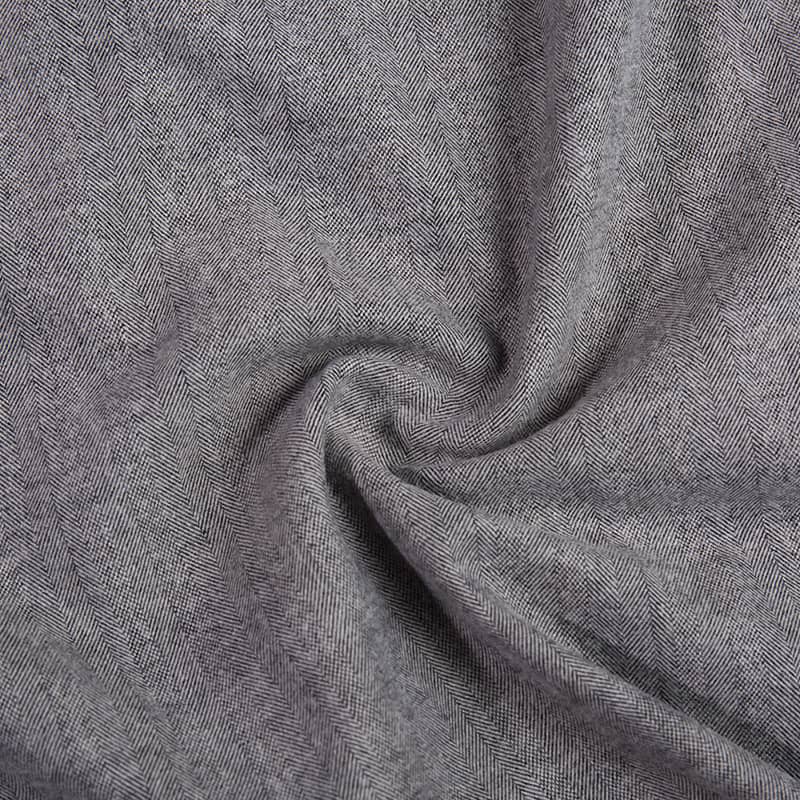
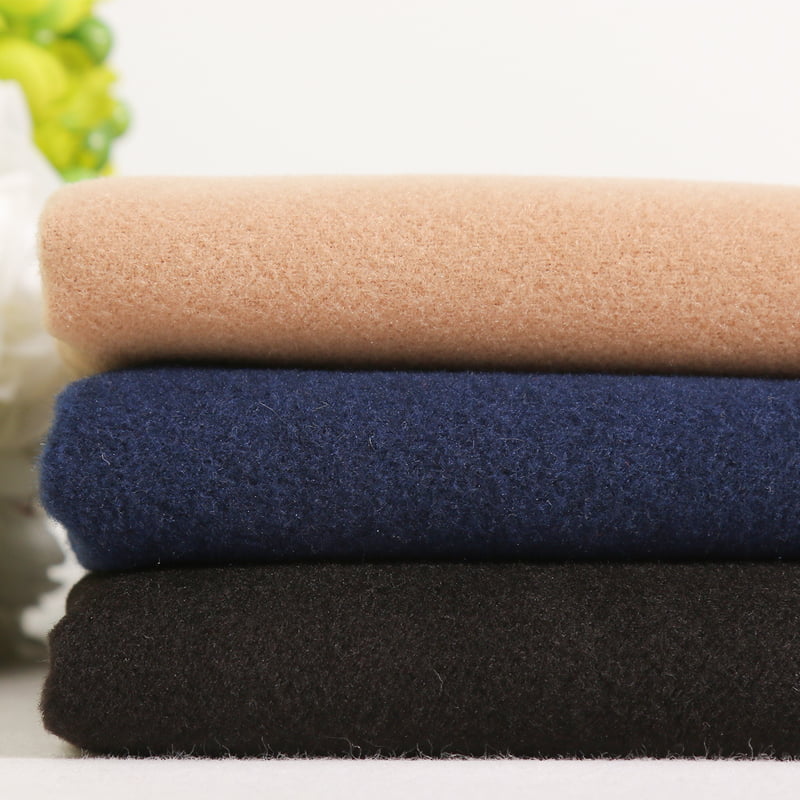
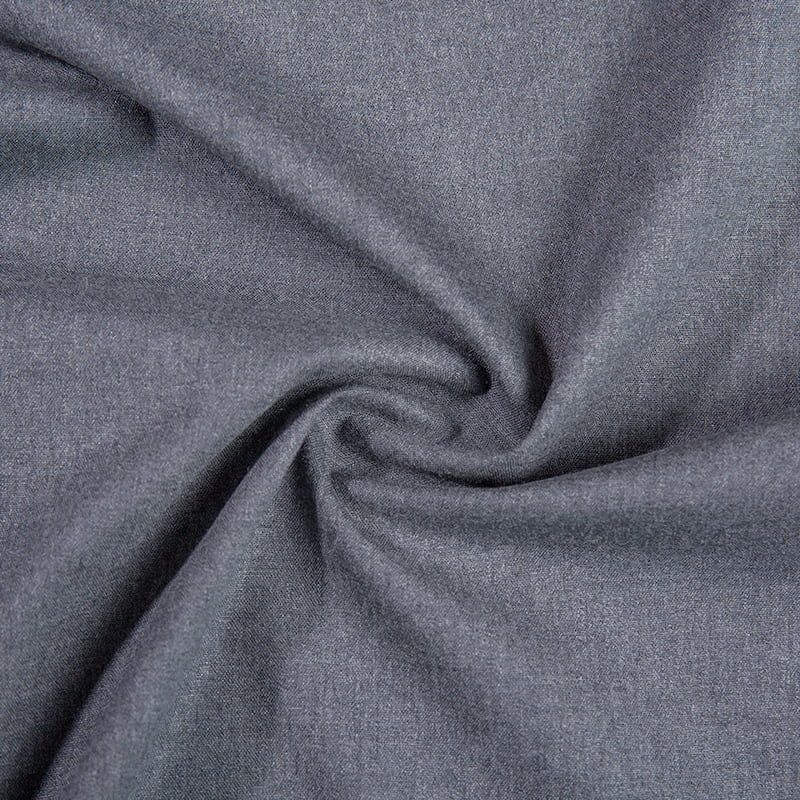
Wool blend uniform fabric mixes wool with polyester or viscose to bring warmth and a formal appearance while reducing the shrinkage and care demands of pure wool. This is a strong choice for coats worn in cooler climates or security and transport roles.
Cotton Twill
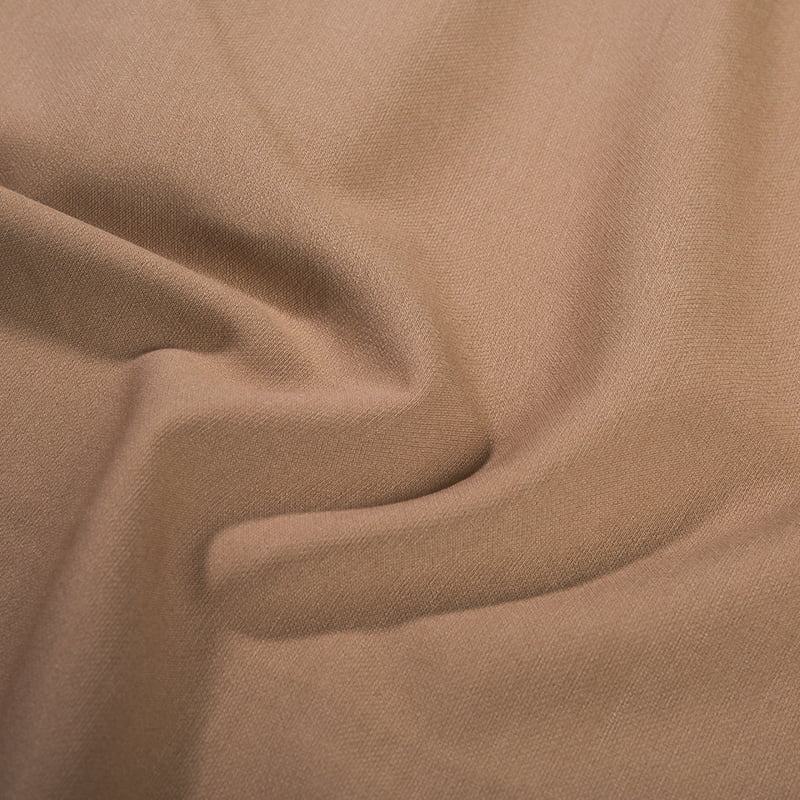
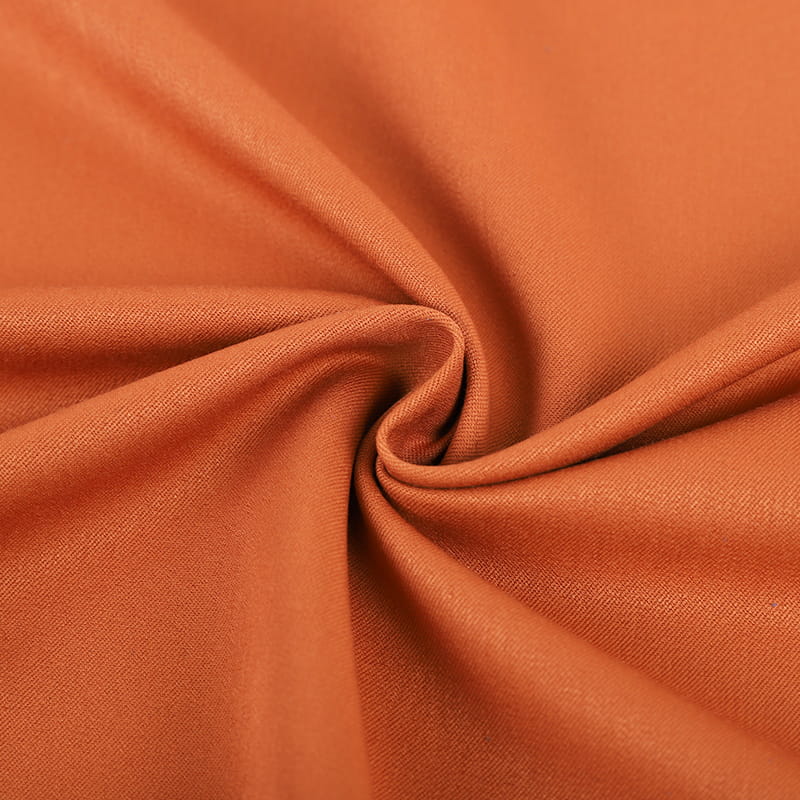
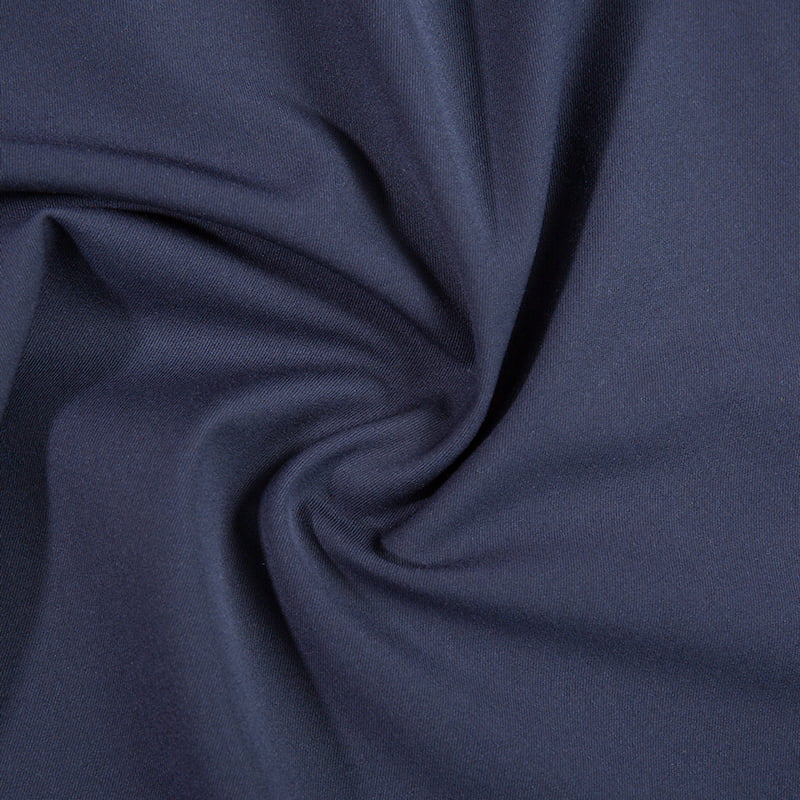
Cotton twill is a heavier, tightly woven cotton fabric known for holding up under repeated washing. It suits workwear coats in kitchens, warehouses, and light industrial settings where breathability matters more than a formal drape.
| Fabric Type | Typical Weight | Feel | Best Suited For |
| Poly Cotton Blend | 180 to 220 gsm | Soft, breathable | Retail, hospitality, office coats |
| TR Fabric | 200 to 260 gsm | Smooth, structured drape | Tailored suit style uniform coats |
| Wool Blend | 260 to 320 gsm | Warm, formal | Cold climate or security coats |
| Cotton Twill | 220 to 280 gsm | Firm, durable | Kitchen, warehouse, industrial coats |
Matching Fabric to the Work Environment
The right uniform fabric depends heavily on where the coat will be worn and how physically demanding the role is. A coat designed for a warm kitchen needs different properties than one designed for outdoor security work.
- Indoor office or reception roles benefit from lighter poly cotton or TR fabric that keeps a pressed, neat look through long meetings and desk work.
- Hospitality and food service roles need breathable, easy care fabric such as poly cotton twill that tolerates frequent washing and occasional spills.
- Outdoor or transport roles call for heavier wool blend or TR fabric that holds warmth and resists wind while still allowing movement.
- Industrial or warehouse roles favor sturdy cotton twill or heavier poly blends that resist snagging on equipment and shelving.
- Healthcare adjacent administrative roles often prefer lightweight poly cotton for easy movement and quick laundering.
Fabric Weight and Layering Considerations
Fabric weight, measured in grams per square meter, directly affects how a uniform coat performs across seasons. Lighter fabric under 200 gsm feels comfortable in warm environments but may show wrinkles faster and offer less structure. Fabric above 260 gsm holds a sharper shape and layers well over shirts or sweaters, making it a better fit for coats worn in air conditioned offices or cooler outdoor conditions.
Coats meant to be worn year round often use a mid weight uniform fabric between 220 and 260 gsm, since this range balances warmth, drape, and breathability without becoming too heavy for daily wear.
A simple rule for buyers: choose lighter fabric for warm indoor roles, mid weight fabric for year round coats, and heavier fabric for outdoor or cold storage environments.
Color, Stretch, and Finish Considerations
Beyond fiber content and weight, the finish and construction of the fabric shape how a uniform coat looks and behaves day to day.
Color Retention
Yarn dyed uniform fabric tends to hold color better through repeated washing compared to fabric that is piece dyed after weaving, since the color runs through the fiber rather than sitting on the surface.
Stretch and Movement
Adding a small amount of spandex to a poly cotton or TR uniform fabric improves range of motion for roles that involve bending, reaching, or standing for long periods, without sacrificing the fabric's ability to hold shape.
Surface Finish
A tighter, smoother weave resists pilling and looks neater after months of use, while a looser weave may feel softer initially but wears out faster under daily friction.
Frequently Asked Questions
What is the best fabric weight for a uniform coat worn all year
A mid weight uniform fabric between 220 and 260 gsm generally works best year round, since it holds structure in cooler months while remaining light enough for warmer days.
Is polyester or cotton better for uniform coats
Neither fiber is universally better. Cotton offers softness and breathability, while polyester offers wrinkle resistance and shape retention. Most uniform coats use a blend of the two to balance both qualities.
Does TR fabric work well for formal uniform coats
Yes. TR fabric has a smooth surface and a structured drape that suits tailored, suit style uniform coats used in office, hotel, and front of house settings.
How can I make a uniform coat more comfortable for active roles
Choosing a uniform fabric with a small percentage of spandex added to a poly cotton or TR blend improves stretch and movement without reducing the coat's ability to hold its shape.
Why do some uniform coats fade faster than others
Fading often comes down to how the fabric was dyed. Yarn dyed uniform fabric generally keeps its color longer through repeated washing compared to fabric dyed only on the surface after weaving.