
 English
 中文简体
中文简体 日本語
日本語 한국어
한국어 Español
 русский
Content
- 1 What Makes Woven Scrub Fabric Different
- 2 What Makes Knit Scrub Fabric Different
- 3 Structural Difference at a Glance
- 4 Performance Comparison at a Glance
- 5 Woven vs Knit Scrub Fabric: Side by Side Comparison
- 6 Performance in Clinical Environments
- 7 Which Fabric Type Fits Different Hospital Departments
- 8 How to Choose Between Woven and Knit Scrub Fabric
- 9 A Stretch-Woven Fabric Built for Scrubs
There is no single fabric structure that works for every hospital department. Woven scrub fabric is better suited to environments that need structure, durability and fluid resistance, while knit scrub fabric is better suited to roles that require constant movement and stretch. The right answer depends on how the garment is actually used on shift, not just how it feels on the shelf, and most hospitals end up using both structures across different departments rather than standardizing on just one.
What Makes Woven Scrub Fabric Different
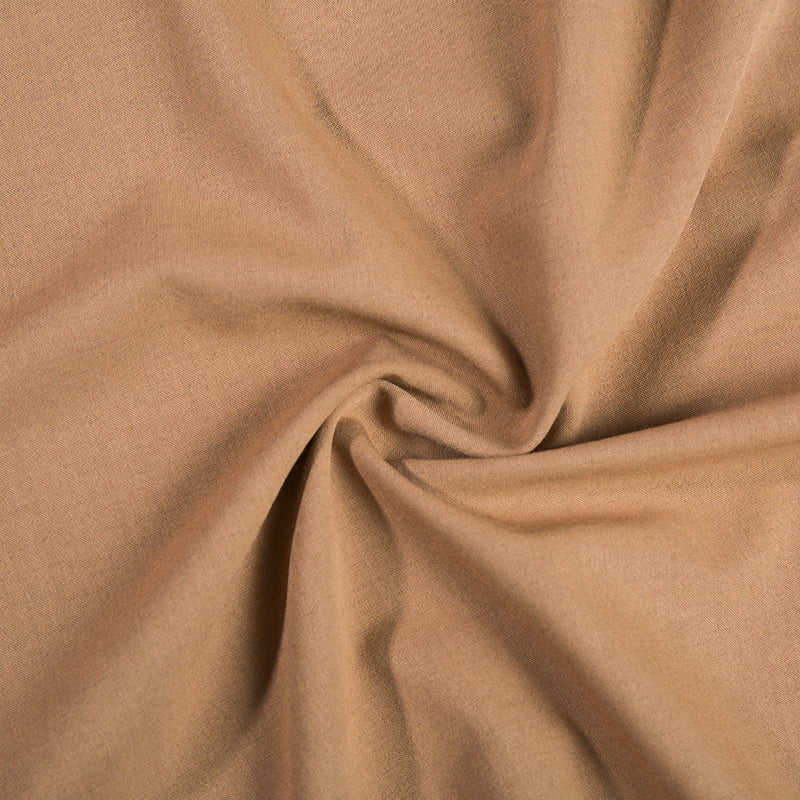
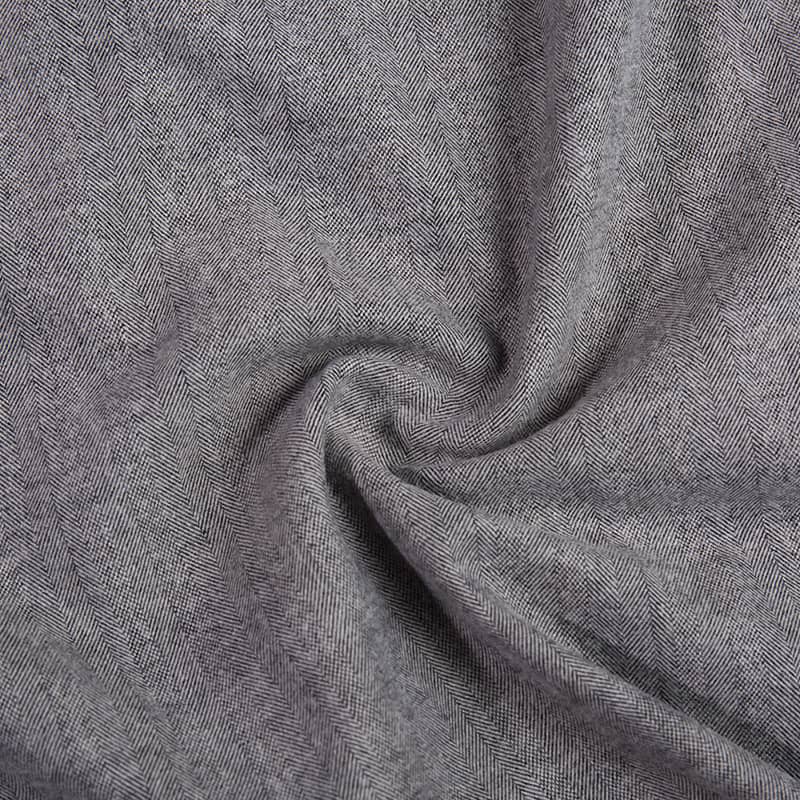
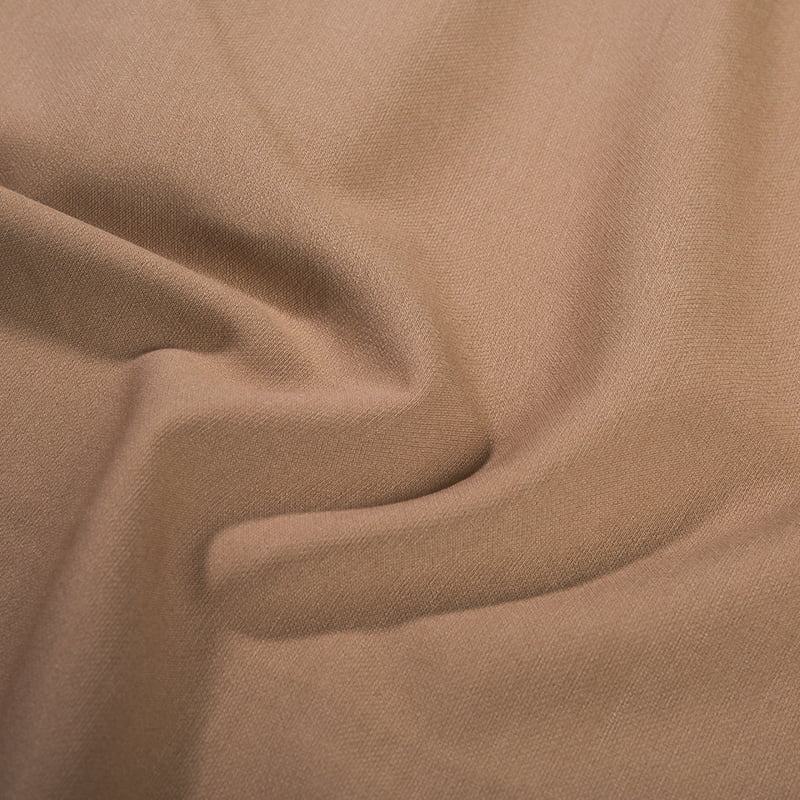
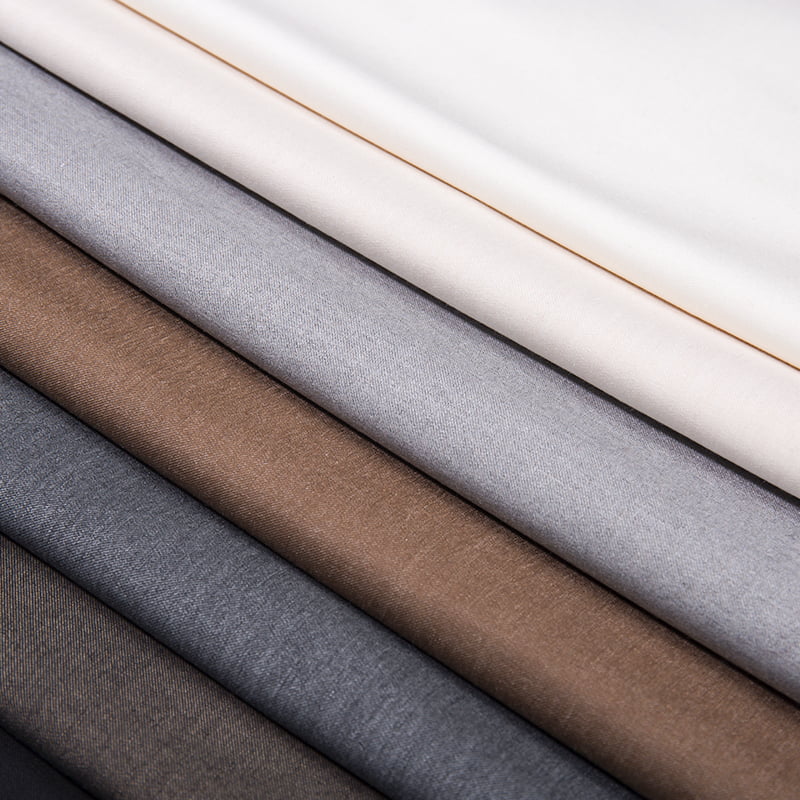
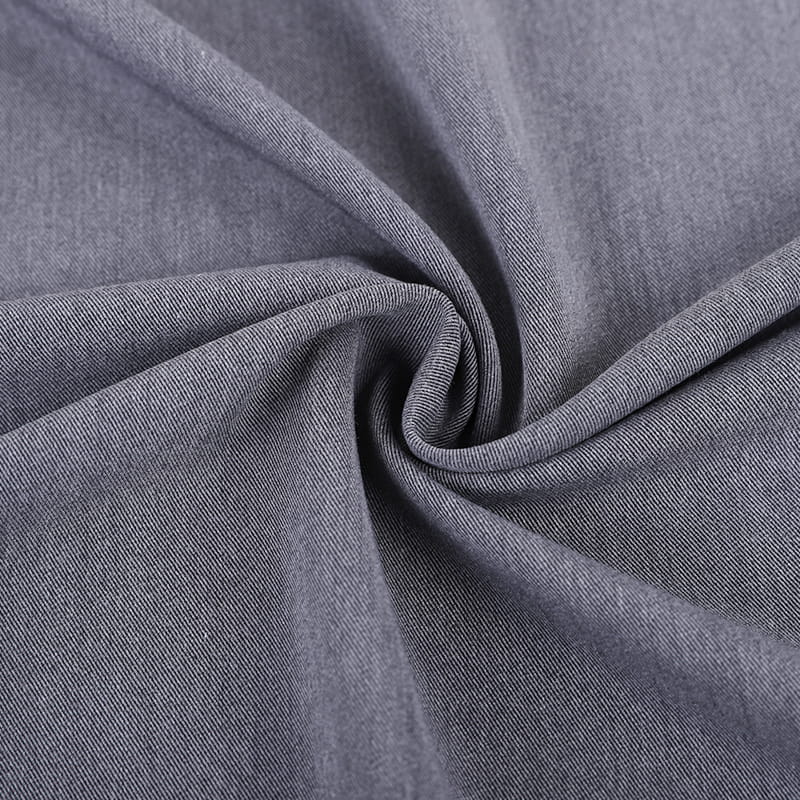
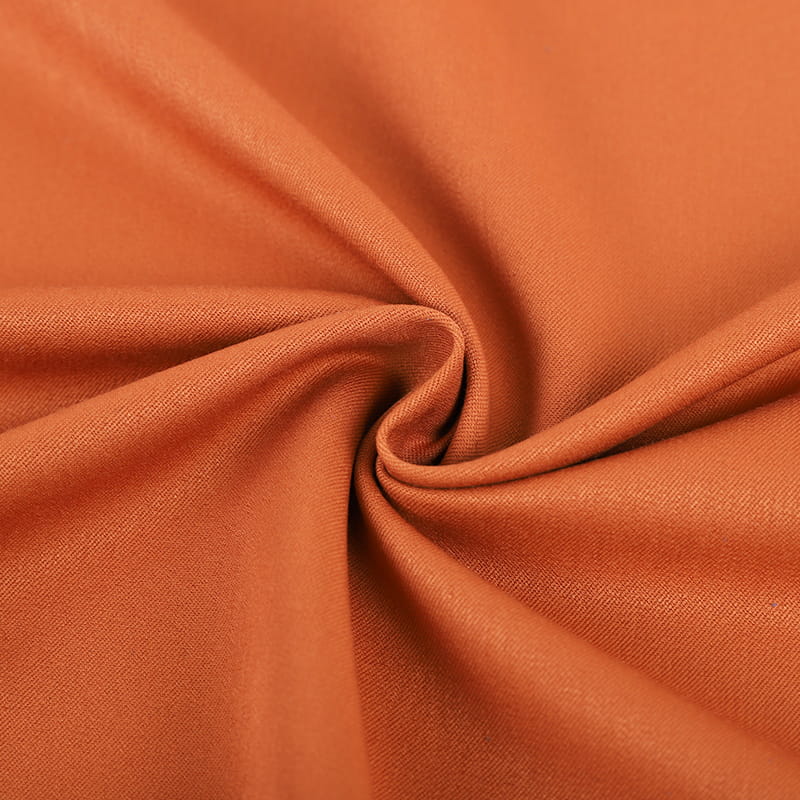
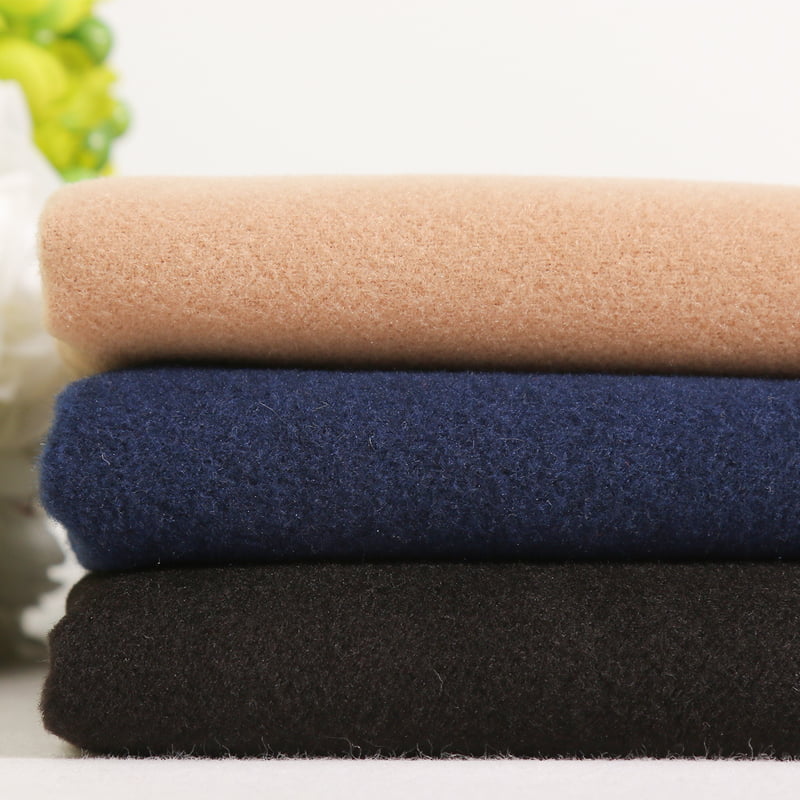
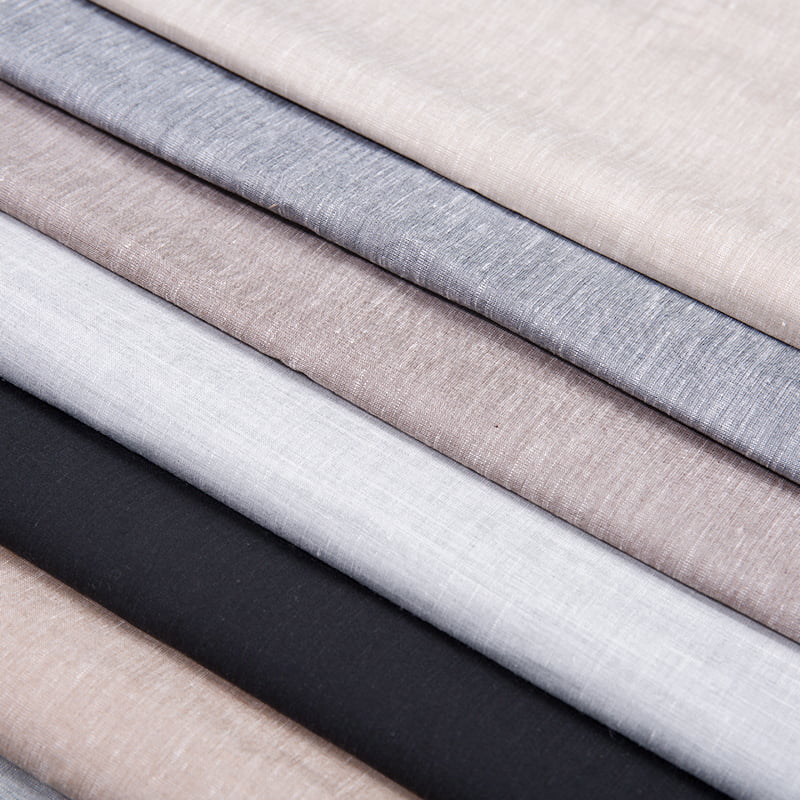
Woven fabric is created by interlacing two sets of yarns, the warp and the weft, at right angles to each other on a loom. This crosshatch construction gives the fabric a stable, flat structure that does not stretch easily in any direction unless spandex yarn is added into the weave. Common constructions used for scrubs include twill and poplin, both of which produce a smooth, tightly packed surface that holds its shape through repeated industrial washing and high-temperature sterilization cycles. Because the yarns are locked at fixed intersections rather than looped, woven fabric also resists snagging and pulling, which matters in busy clinical settings where scrubs brush against equipment, bed rails and trolleys throughout the day.
What Makes Knit Scrub Fabric Different
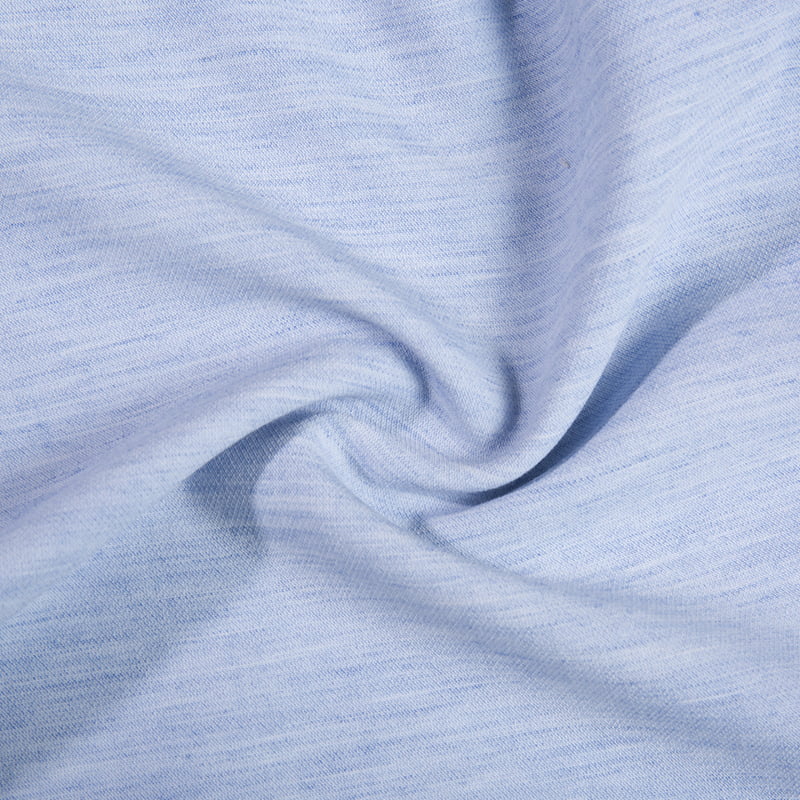
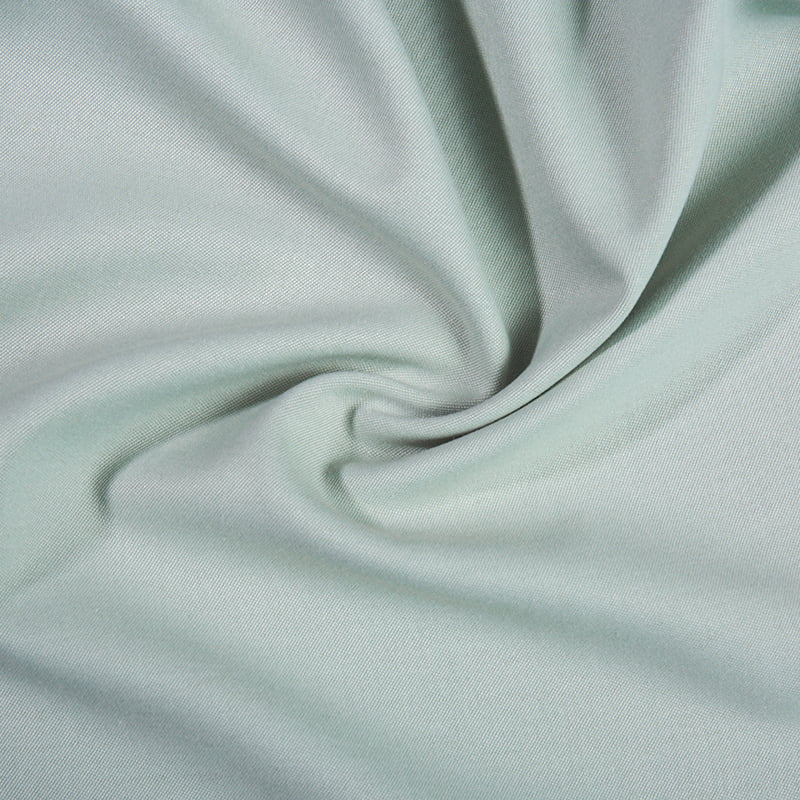
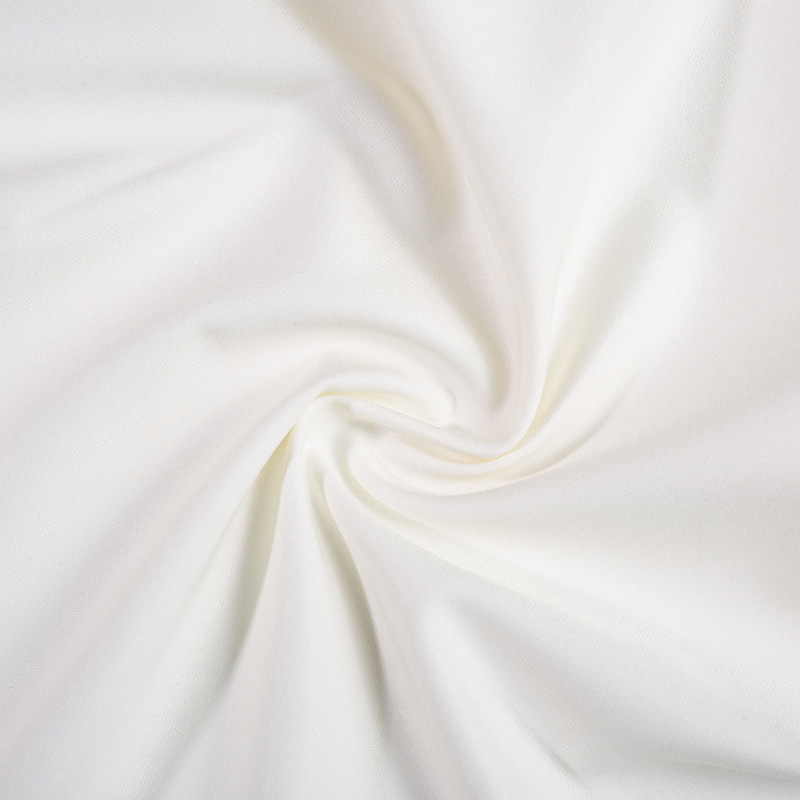
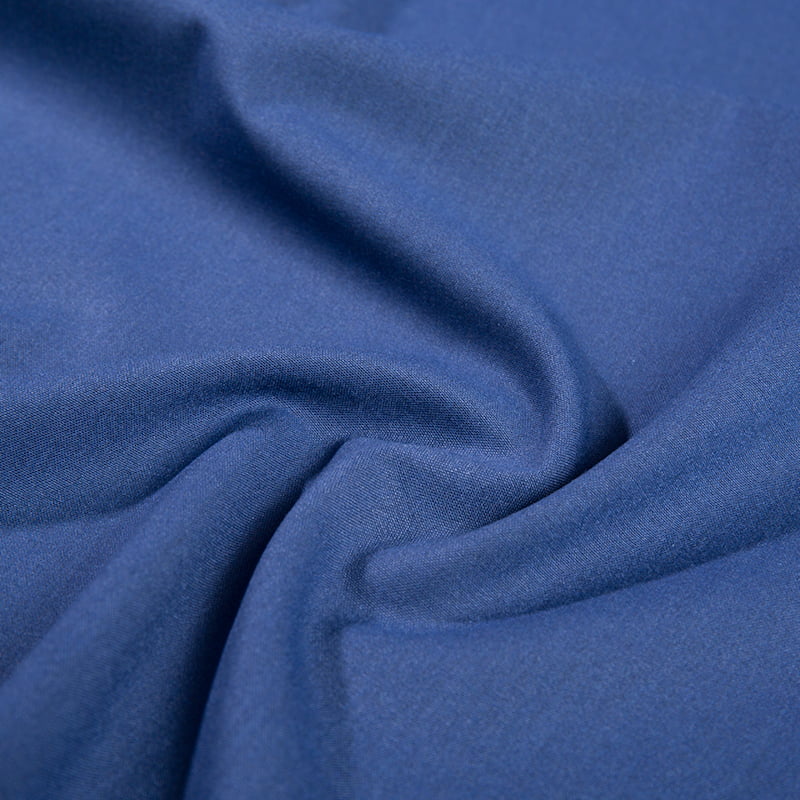
Knit fabric is formed by looping a single continuous yarn through itself in interlocking rows, similar in principle to hand knitting but produced on industrial circular knitting machines. This looped structure is naturally elastic, which is why knit scrubs move with the body without needing added spandex, although many knit scrub fabrics still include a small percentage of elastane for extra recovery. Jersey and pique are the two knit constructions most commonly used in medical apparel, and both allow air to pass more freely between the loops compared with a tightly packed weave. This makes knit fabric a common choice for staff who spend long shifts bending, reaching and moving quickly between tasks.
Structural Difference at a Glance
Performance Comparison at a Glance
Woven vs Knit Scrub Fabric: Side by Side Comparison
| Property | Woven Fabric | Knit Fabric |
| Stretch | Low unless spandex is blended in | Naturally elastic |
| Shape retention | Holds structure well over time | Can relax after repeated stretching |
| Breathability | Depends on weave density | Generally more airflow through loops |
| Wrinkle resistance | Better, stays crisp through a shift | More prone to creasing |
| Weight per layer | Typically heavier | Typically lighter |
| Typical use | Surgical gowns, structured scrub sets | Everyday scrub tops, athletic-style scrubs |
Performance in Clinical Environments
Fluid resistance and hygiene are central concerns in any clinical setting. A tightly woven fabric, especially when finished with a fluid-repellent treatment, tends to resist splashes and light contamination more effectively because the interlaced yarns leave fewer open gaps on the surface. Knit fabric, with its looser loop structure, allows more airflow but can also allow more moisture to pass through, which is one reason it is often reserved for roles where breathability and freedom of movement matter more than fluid barrier performance.
Durability under industrial laundering is another factor hospitals need to weigh carefully. Woven scrubs generally maintain their shape and surface finish through more wash cycles, which lowers replacement frequency and total uniform cost over a full budget year. Knit scrubs can lose some recovery over time if the yarn quality or knit density is low, so sourcing knit fabric from a supplier with consistent yarn count and finishing control matters more for knit garments than it does for woven ones. A stretch-woven fabric, which combines a woven base with a small percentage of spandex, is often the middle ground hospitals reach for when they want the barrier performance of a weave along with some of the mobility of a knit.
Which Fabric Type Fits Different Hospital Departments
- Operating rooms and surgical teams: woven fabric with a tight weave and fluid-repellent finish is often preferred for its barrier performance and structured coverage during long procedures.
- Emergency and ICU staff: knit or stretch-woven hybrid fabric supports the fast, repeated movement that high-intensity shifts demand.
- General ward nurses: a mid-weight woven fabric with a small percentage of spandex balances comfort and a professional appearance across a full shift.
- Administrative and lab staff: lighter knit fabric prioritizes comfort over structural rigidity, since fluid exposure risk in these roles is lower.
How to Choose Between Woven and Knit Scrub Fabric
Hospitals and uniform buyers sourcing scrub fabric in bulk should weigh the following factors before deciding on a structure:
- How much physical movement the role requires during a typical shift.
- Whether fluid exposure risk calls for a tighter, more resistant surface.
- How many wash and sterilization cycles the fabric needs to withstand per year.
- Facility climate and temperature, since knit fabric tends to feel cooler and lighter.
- Whether the department needs a tailored, professional silhouette or a looser, athletic fit.
In practice, the most workable solution for most hospitals is not choosing one structure exclusively but assigning woven or stretch-woven fabric to surgical and high-fluid-risk roles while reserving knit fabric for departments where mobility and comfort take priority over barrier performance.
A Stretch-Woven Fabric Built for Scrubs
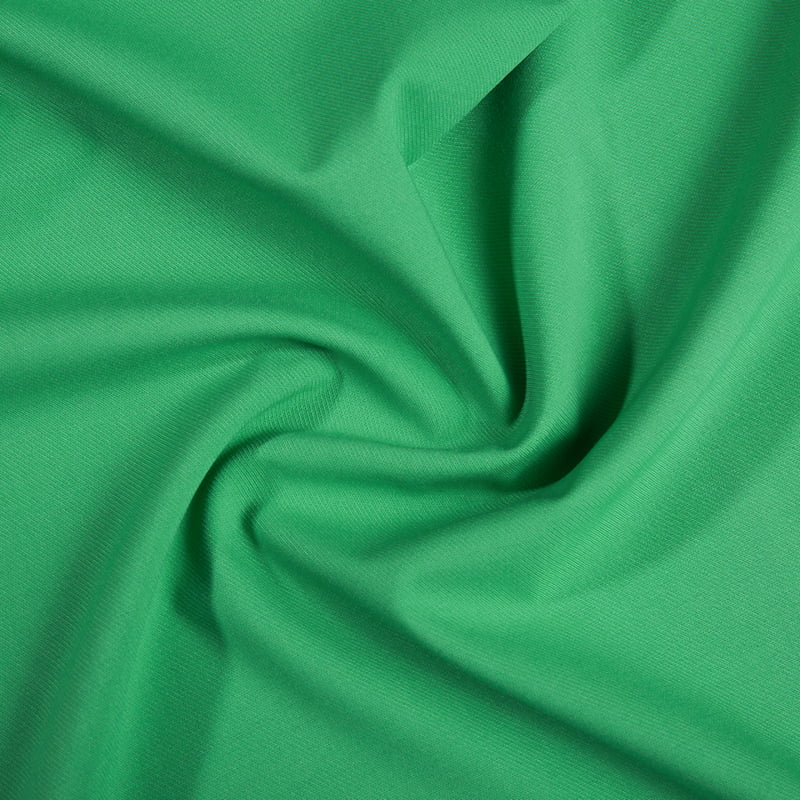
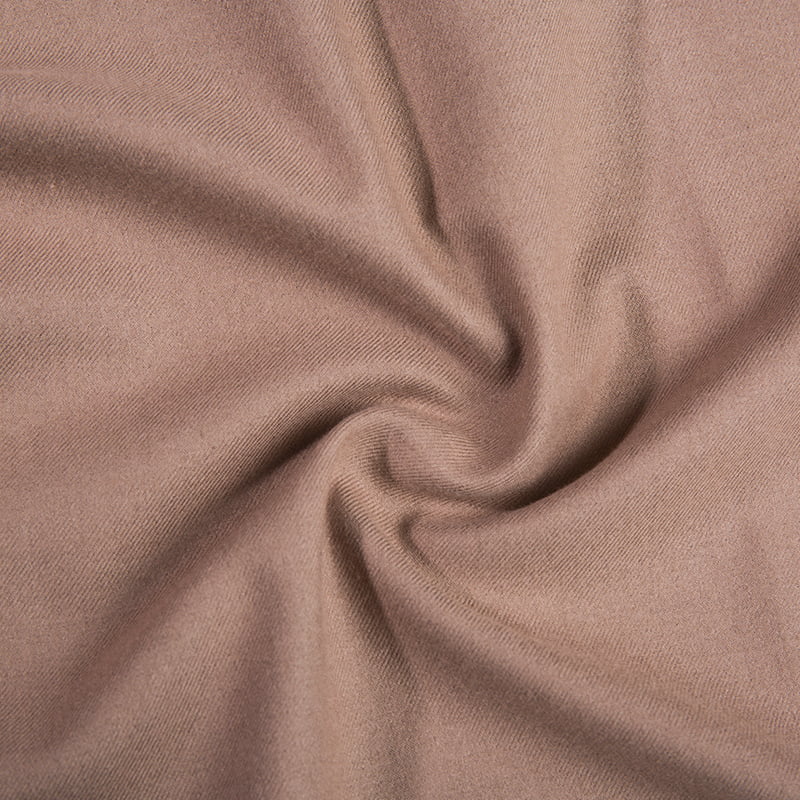
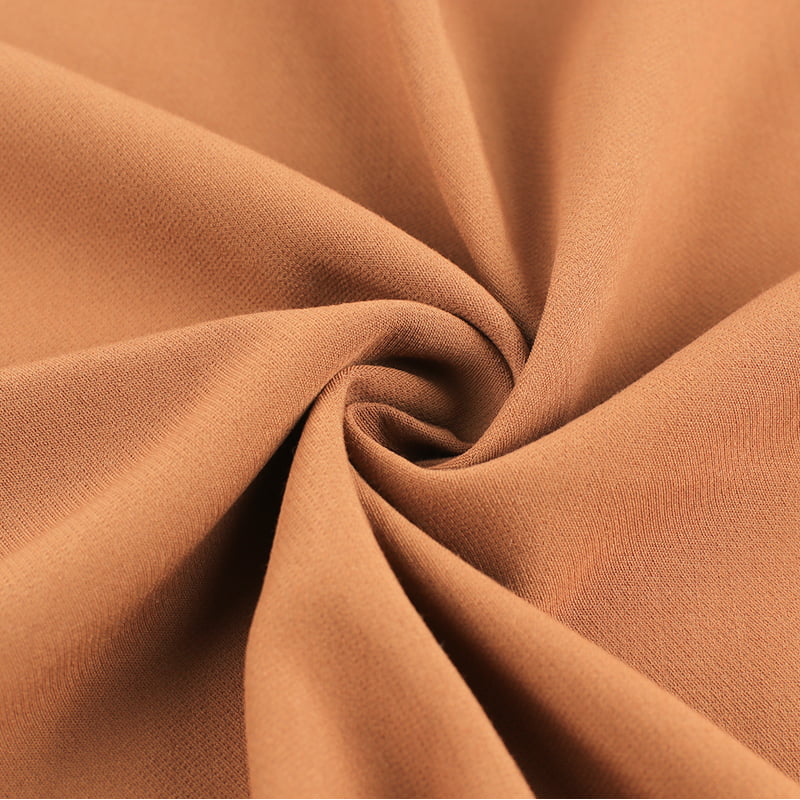
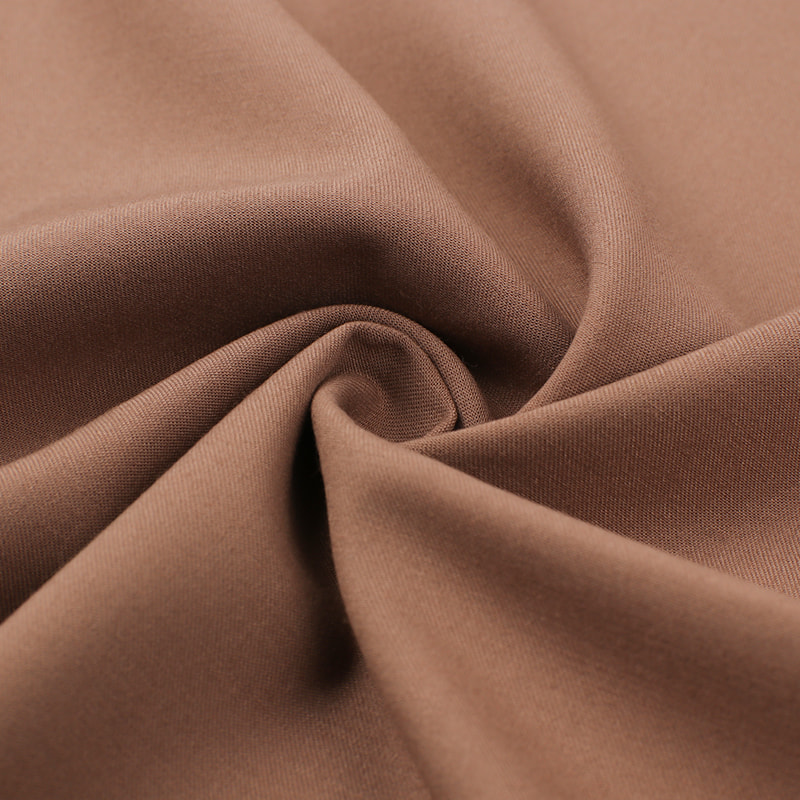
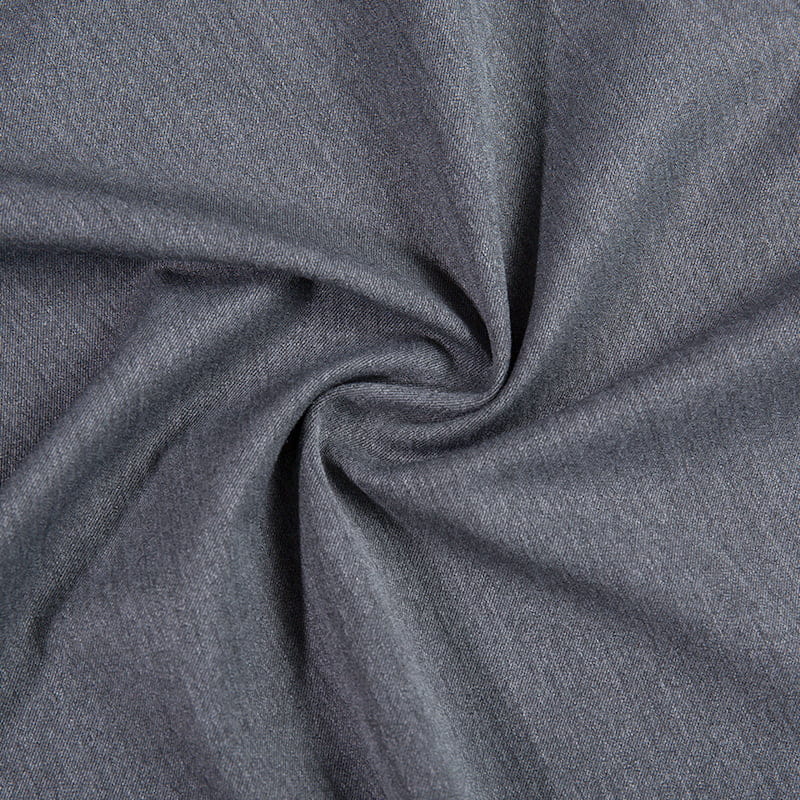
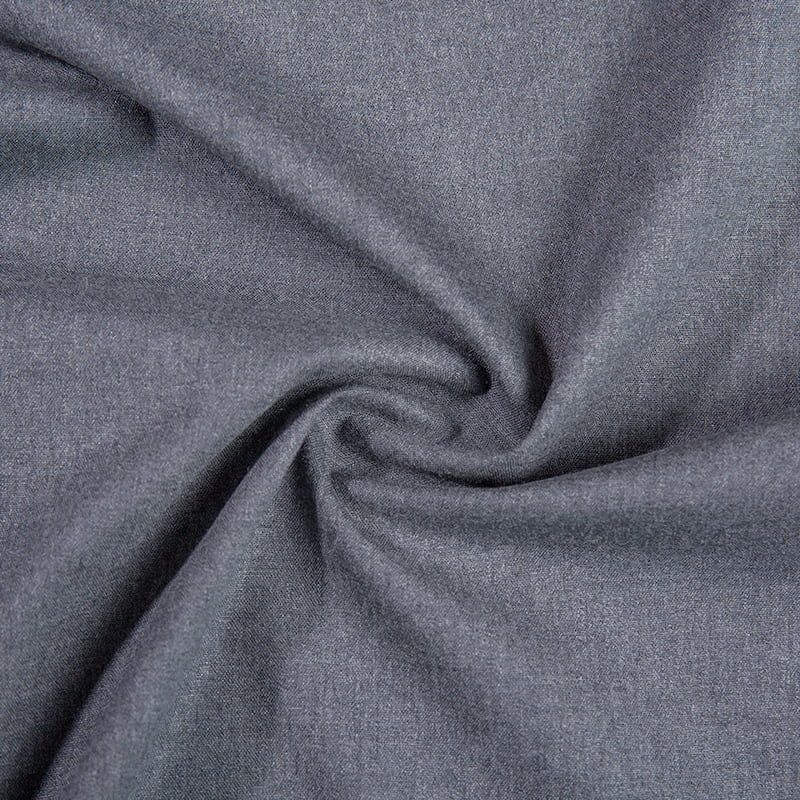
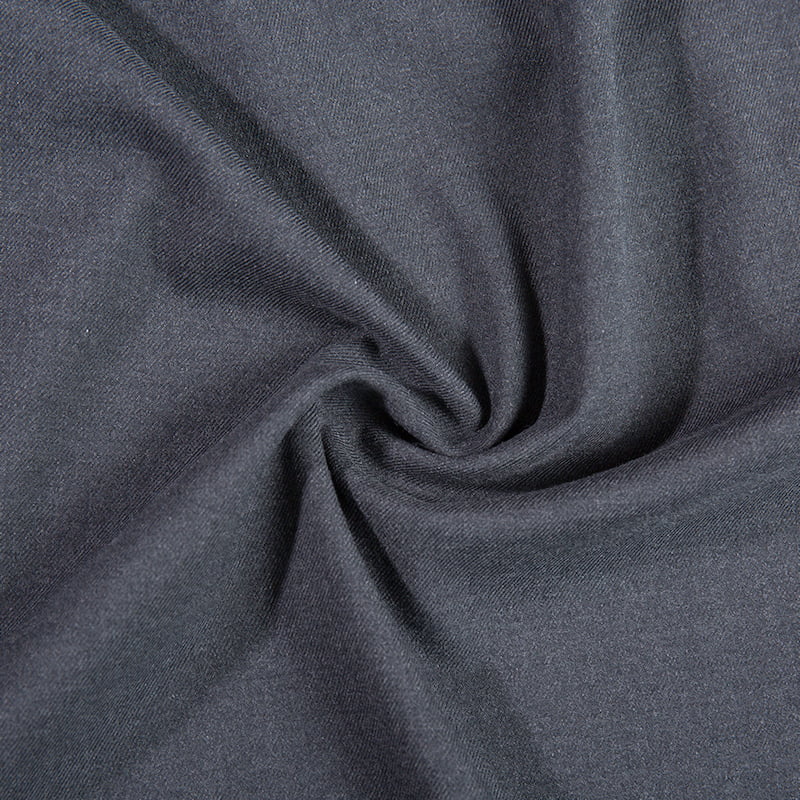
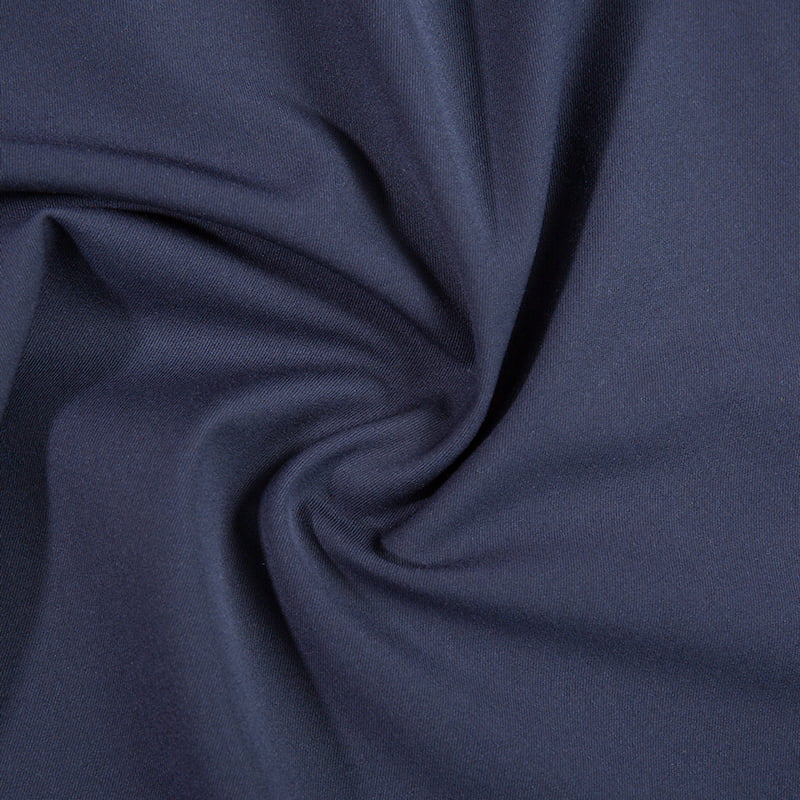
For buyers who want the shape retention of a weave without giving up stretch, a 4 way stretch twill construction is worth considering. It keeps the tight, interlaced surface of a woven fabric while still allowing movement in every direction, which is useful for scrub sets that need to hold their tailored look through hundreds of wash cycles.
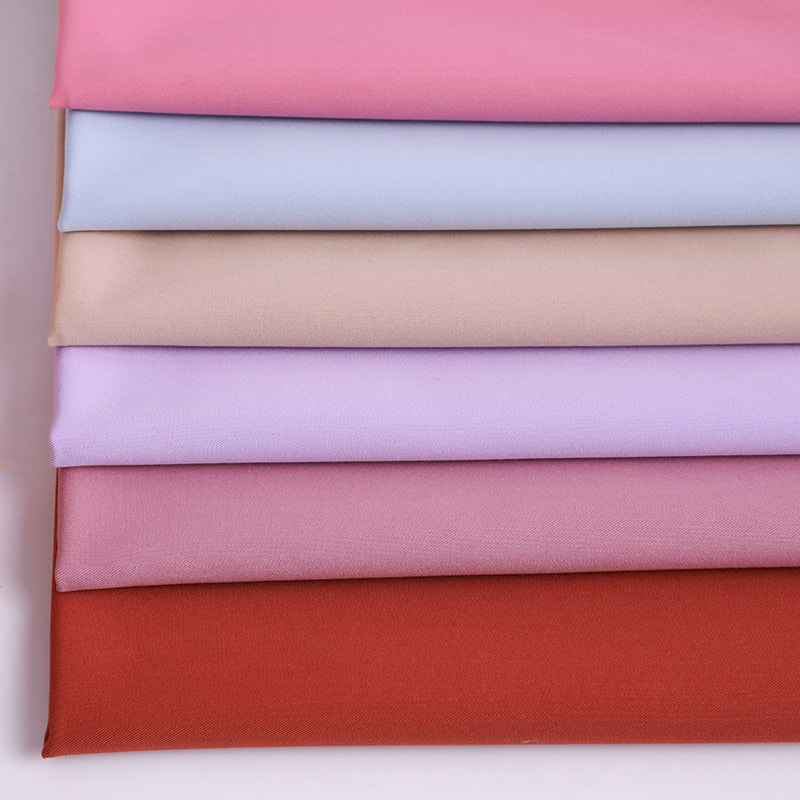
FX50316 Soft Handfeeling Plain Dyed Polyester Rayon 4 Way Stretch Twill Fabric For Scrubs And Medical Uniforms
A soft-handfeeling, plain dyed polyester rayon twill with 4 way stretch, engineered specifically for scrubs and medical uniforms that need both a structured woven surface and everyday flexibility.
View Product Details