 English
 中文简体
 日本語
 한국어
 русский
 Español


How to Identify Premium Suit Fabric by Touch and Appearance
Quick Answer: Premium suit fabric is identified by high thread count (100s-200s), luxurious fiber composition (pure wool, silk, linen), smooth texture without pilling, consistent weave, minimal weight variation, and lustrous finish. Quality suit fabrics feel soft yet structured and show superior drape characteristics.
Understanding Suit Fabric Basics
Before diving into identification techniques, it's essential to understand what comprises premium suit fabric. The quality of suit fabrics depends on multiple factors working in harmony, including fiber type, yarn construction, weaving method, and finishing processes. When evaluating any garment, these foundational elements determine whether you're investing in genuine quality or settling for mediocre alternatives.
The textile industry has established rigorous standards for premium suit fabric, yet many consumers remain unaware of these benchmarks. Understanding these standards empowers you to make informed decisions and recognize true value in your clothing investments. Premium suit fabrics represent the pinnacle of textile engineering, combining traditional craftsmanship with quality control.
Thread Count: The Foundation of Premium Suit Fabric Quality
Thread count represents the number of threads woven into one square inch of suit fabric. This measurement is arguably the most important indicator of suit fabric quality. Premium suit fabrics typically feature thread counts classified as follows:
| Thread Count Classification | Typical Range | Quality Level | Best For |
| Single-Ply (Single count) | 60s - 80s | Entry-level | Casual suits |
| Double-Ply (Two-ply) | 100s - 120s | Premium | Business suits |
| Triple-Ply (Super 150s) | 150s - 180s | Luxury | Formal occasions |
| Super Premium | 200s and above | Haute couture | High-end designer |
What Higher Thread Count Means for Suit Fabric Quality
When examining premium suit fabric, higher thread counts directly correlate with superior durability, enhanced comfort, and refined appearance. Suit fabrics with thread counts above 100s feature:
- Enhanced softness – Tighter weaves create smoother surfaces on premium suit fabric
- Superior drape – Better-constructed suit fabrics hang more elegantly on the body
- Increased longevity – Dense weaves resist wrinkles and pilling in quality suit fabrics
- Improved breathability – Paradoxically, tightly woven premium suit fabrics allow better air circulation
- Better color retention – Premium suit fabric maintains dye saturation longer
Fiber Composition: The Heart of Premium Suit Fabric
The fibers used in suit fabric construction fundamentally determine its quality characteristics. Premium suit fabrics utilize natural fibers or sophisticated blends, each bringing distinct advantages. Understanding fiber types is essential when learning to identify quality suit fabrics.
Pure Wool: The Gold Standard of Suit Fabric
Wool remains the most celebrated fiber for premium suit fabrics. Virgin wool – never recycled – creates the finest suit fabrics available. When examining premium suit fabric, look for labels indicating "100% Virgin Wool" or "Pure New Wool," which guarantees the highest quality standards.
Premium wool suit fabrics offer natural advantages:
- Natural elasticity ensures premium suit fabric maintains its shape throughout the day
- Temperature-regulating properties make wool suit fabrics comfortable year-round
- Superior wrinkle recovery distinguishes quality suit fabrics from synthetic alternatives
- Natural fiber breathability keeps wearers comfortable in fine suit fabrics
Luxury Blends in Premium Suit Fabric
While 100% wool represents the traditional standard, premium suit fabrics often incorporate luxury fibers that enhance performance characteristics. These premium suit fabric combinations include:
| Fiber Blend | Characteristics | Quality Level |
| Wool + Silk (5-10%) | Enhanced sheen, superior drape, refined appearance | Premium |
| Wool + Linen (5-10%) | Improved breathability, lighter weight, natural texture | Premium Summer |
| Wool + Cashmere (5-15%) | Luxurious softness, exceptional warmth, prestigious feel | Luxury |
| Wool + Elastane (2-5%) | Enhanced flexibility, improved comfort, better recovery | Premium Modern |
How to Identify Premium Suit Fabric by Touch
Your hands are among your most reliable tools for assessing premium suit fabric quality. Tactile evaluation reveals critical information that visual inspection alone cannot. Professional tailors and fabric experts rely heavily on touch to distinguish exceptional suit fabrics from mediocre alternatives.
The Softness Test for Suit Fabric Quality
When handling premium suit fabric, genuine quality should feel immediately apparent. Softness in fine suit fabrics differs fundamentally from lower-grade materials. Premium suit fabric exhibits soft yet structured feel – not limp or overly stiff.
Key tactile indicators of quality suit fabric:
- Luxurious surface – Premium suit fabrics feel smooth and refined without harshness
- Proper weight distribution – Quality suit fabrics feel substantial yet not heavy
- Consistent texture – Superior suit fabrics maintain uniform feel throughout
- No pilling tendency – Premium suit fabrics resist fuzz formation from gentle rubbing
- Responsive recovery – Fine suit fabrics quickly regain shape after compression
The Weight and Drape Assessment of Premium Suit Fabric
Premium suit fabric weight significantly influences its perceived and actual quality. When you pick up material to assess suit fabric quality, appropriate weight is critical. Holding the fabric at one edge allows you to evaluate how superior suit fabrics drape – this test reveals essential information about fiber quality and weave construction.
Premium suit fabrics demonstrate graceful draping characteristics. The fabric should flow naturally, creating elegant folds without collapsing entirely. This balance between structure and fluidity defines quality suit fabrics.
Visual Inspection of Premium Suit Fabric
The visual appearance of suit fabric reveals much about its quality and construction methods. Learning to recognize visual hallmarks of premium suit fabrics significantly enhances your ability to make informed purchasing decisions. Superior suit fabrics display distinctive visual characteristics that distinguish them from ordinary alternatives.
Weave Patterns in Quality Suit Fabric
The weave pattern directly impacts both the aesthetic appeal and functional performance of premium suit fabric. Different weave structures create distinct visual effects and performance characteristics. Understanding these patterns helps you identify genuine quality suit fabrics.
Common premium suit fabric weaves:
| Weave Type | Visual Characteristics | Quality Premium Suit Fabric |
| Plain Weave | Crisp, uniform appearance with subtle texture | Looks refined and professional |
| Twill Weave | Diagonal lines create sophisticated pattern | Shows clear, regular diagonal pattern |
| Herringbone | Distinctive V-shaped weaving pattern | Pattern is precise and symmetrical |
| Houndstooth | Classic checkered pattern of broken checks | Clear, well-defined pattern consistency |
| Windowpane | Large, bold checkered pattern | Sharp lines with no pattern distortion |
Sheen and Surface Finish of Premium Suit Fabric
The surface finish significantly influences both the appearance and durability of suit fabric. Premium suit fabrics display a subtle, refined sheen rather than a dull or overly glossy appearance. This lustrous finish indicates high-quality fiber and superior finishing processes applied to fine suit fabrics.
When examining suit fabric under natural light, observe how the material interacts with illumination. Premium suit fabrics should exhibit:
- Subtle luminosity – Quality suit fabrics catch light elegantly without appearing cheap or plastic
- Even color distribution – Premium suit fabrics show consistent dye absorption throughout
- Natural texture visibility – Fine suit fabrics reveal weave structure without seeming rough
- No color variations – Superior suit fabrics maintain uniform coloration
- Depth perception – Premium suit fabric colors appear to have dimension
Checking for Pilling and Surface Defects in Suit Fabric
Pilling represents one of the most obvious indicators of low-quality suit fabric. Premium suit fabrics resist pilling because they utilize high-quality fibers woven with precision. When assessing suit fabric quality, examine the surface carefully for any fuzzy accumulation.
Professional assessment of premium suit fabric involves the gentle rub test. Using your palm to lightly rub the surface of suit fabric, quality materials should resist immediate pilling. If you perform this gentle test on inferior suit fabric, you'll immediately notice fiber bunching. This single test distinguishes superior suit fabrics from poor alternatives remarkably well.
Reading Suit Fabric Labels for Quality Verification
The information provided on suit fabric labels reveals critical quality indicators. Learning to interpret these labels accurately allows you to make informed decisions about premium suit fabrics. Premium suit fabric manufacturers display detailed information clearly.
What Premium Suit Fabric Labels Should Indicate
Quality suit fabric labels will include:
- Fiber content percentage – Premium suit fabrics disclose exact fiber composition
- Origin information – Superior suit fabrics often specify mill location
- Weight specifications – Quality suit fabrics provide gram/meter measurements
- Care instructions – Premium suit fabrics include detailed maintenance guidelines
- Certification marks – Fine suit fabrics may display environmental certifications
Understanding Fiber Content in Premium Suit Fabric
Premium suit fabrics list fibers in descending order by percentage. When evaluating suit fabric quality through labels, ensure wool comprises at least 80-100% of content for genuine quality suit fabrics.
Comparing Premium vs. Standard Suit Fabric Quality
| Quality Aspect | Premium Suit Fabric | Standard Suit Fabric |
| Thread Count | 100s-200s or higher | 50s-80s |
| Fiber Content | 100% virgin wool or luxury blends | 50-80% wool with synthetics |
| Surface Softness | Luxuriously smooth, no roughness | May feel scratchy or uneven |
| Pilling Resistance | Exceptional resistance to pilling | Prone to pilling with wear |
| Drape Quality | Elegant, flowing movement | Stiff or limp appearance |
| Weight Consistency | Uniform throughout fabric | Inconsistent density |
| Wrinkle Recovery | Rapid shape recovery | Slower recovery time |
| Color Vibrancy | Deep, rich, consistent coloring | Dull or faded appearance |
| Durability | Lasts 10+ years with proper care | Deteriorates within 2-3 years |
| Price Point | Premium investment value | Budget-friendly |
FAQ: Identifying Premium Suit Fabric
Q: What is the best fiber for premium suit fabric?
A: 100% virgin wool represents the gold standard for premium suit fabric. Virgin wool has never been recycled, ensuring superior quality. Luxury blends incorporating silk, cashmere, or linen also create exceptional suit fabrics, but wool should comprise at least 80% for genuine premium suit fabric quality.
Q: How do I know if suit fabric is really premium quality?
A: Look for multiple indicators together: thread count above 100s, 100% virgin wool composition, smooth lustrous surface, excellent drape, pilling resistance when gently rubbed, consistent weight, and detailed fabric labels. Premium suit fabrics combine all these characteristics, not just one or two.
Q: Can I identify premium suit fabric just by touching it?
A: Experienced professionals can assess suit fabric quality primarily through touch, but comprehensive evaluation requires combining tactile assessment with visual inspection and label verification. Use the softness test, weight evaluation, drape assessment, and pilling resistance test together for accurate premium suit fabric identification.
Q: What thread count should premium suit fabric have?
A: Premium suit fabrics typically feature thread counts of 100s (Super 100s) minimum. The best suit fabrics reach Super 150s to Super 200s or higher. Higher thread counts indicate superior quality suit fabrics, though diminishing returns occur beyond 200s for typical wearers.
Q: Does elastane or spandex in suit fabric reduce quality?
A: Small percentages of elastane (2-5%) in premium suit fabrics actually enhance comfort and movement without compromising quality. Modern suit fabrics often include minimal elastane for improved wearability. However, excessive elastane suggests compromised fiber quality in otherwise premium suit fabric.
Q: How long do premium suit fabrics typically last?
A: Quality premium suit fabrics can last 10-20 years or longer with proper care. Standard suit fabrics typically last 2-5 years. The investment in premium suit fabric suits pays dividends through longevity and consistent appearance maintenance throughout years of wear.
Q: What should I look for in the weave pattern of premium suit fabric?
A: Examine whether the weave pattern appears consistent and
News
Products
Recent Articles
- How does the 45% POLY (polyester fiber) in Fashion Tr Poly Rayon Spandex With Linen Top Dyed Suiting Fabric contribute to the overall performance?
- How Does Dyed Poly Rayon Woven Fabric With Stretch Measure Up Against Cotton and Silk?
- How Can Dyed Poly Rayon Woven Fabric With Stretch Be Used to Enhance the Fit and Flexibility of Garments?
- How to properly care and maintain Dyed Poly Rayon Woven Fabric With Stretch?
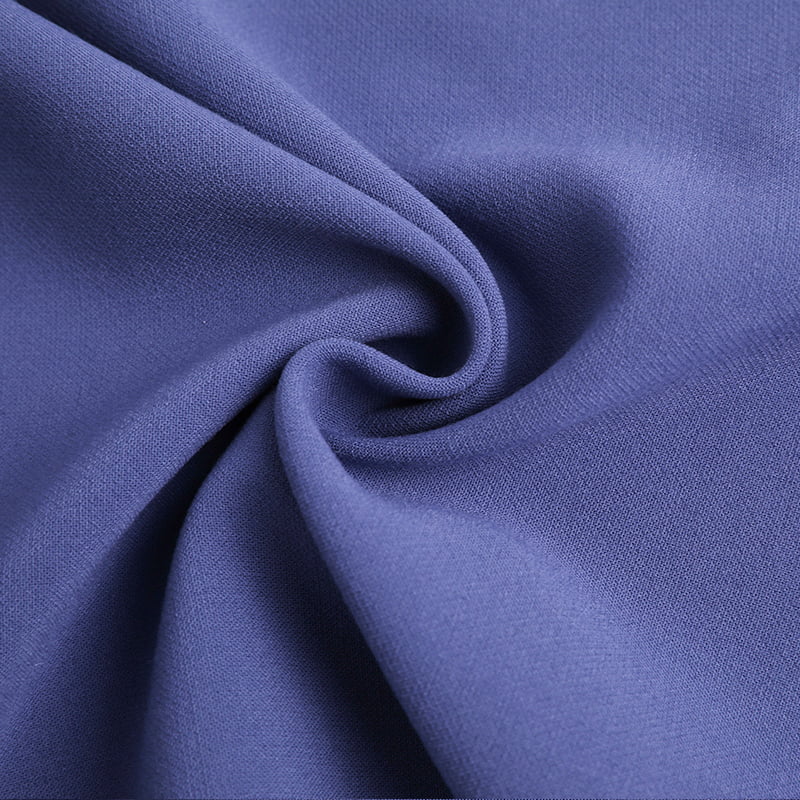
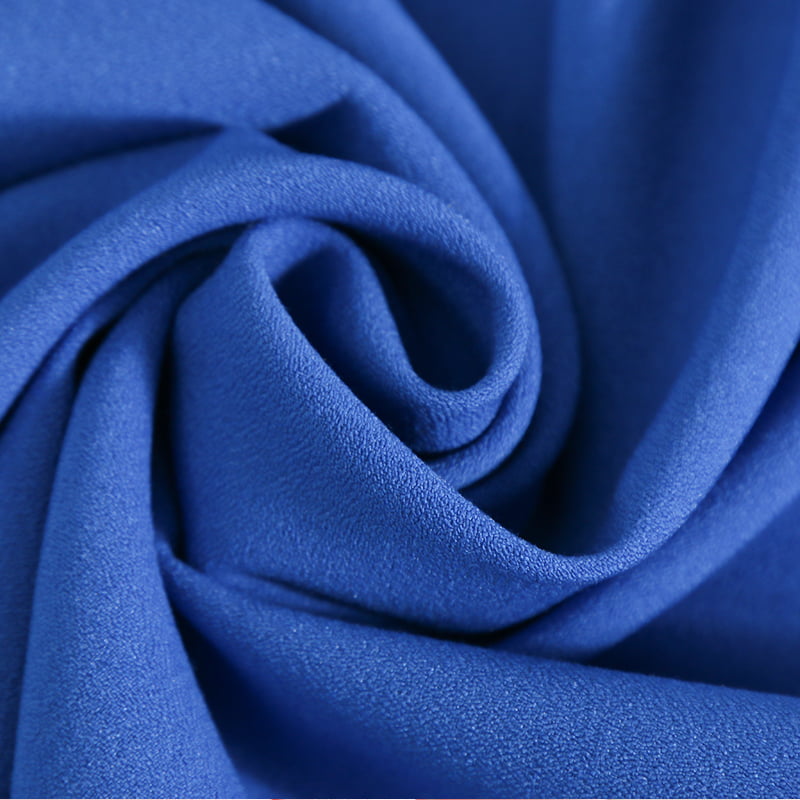
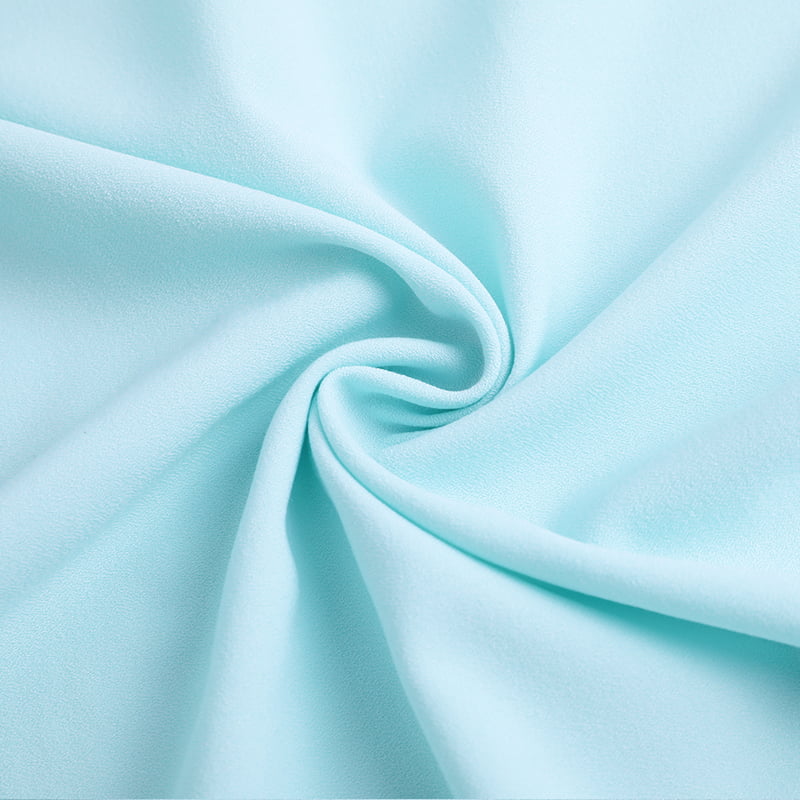
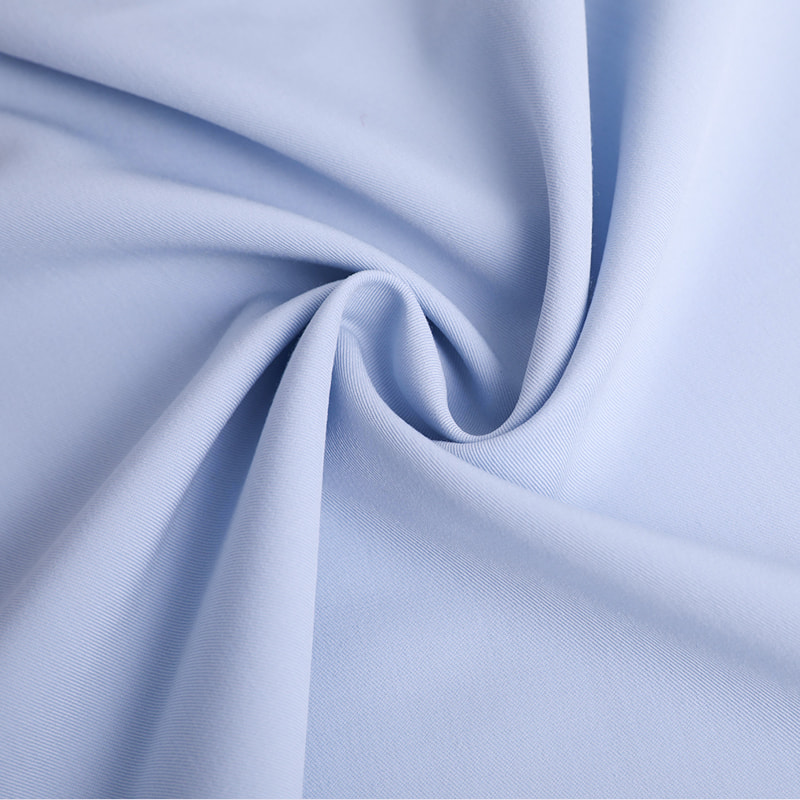
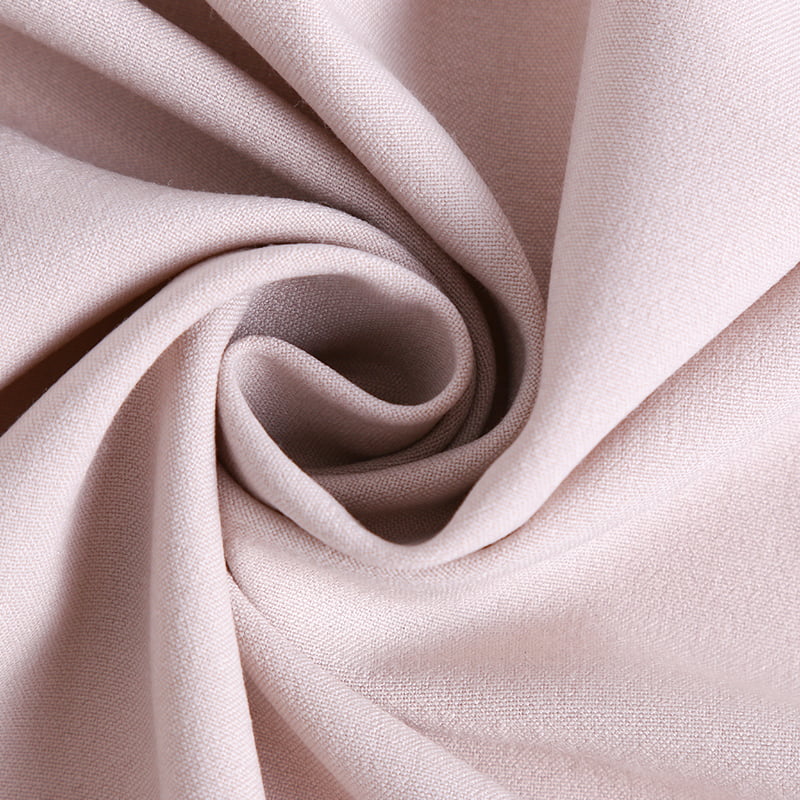
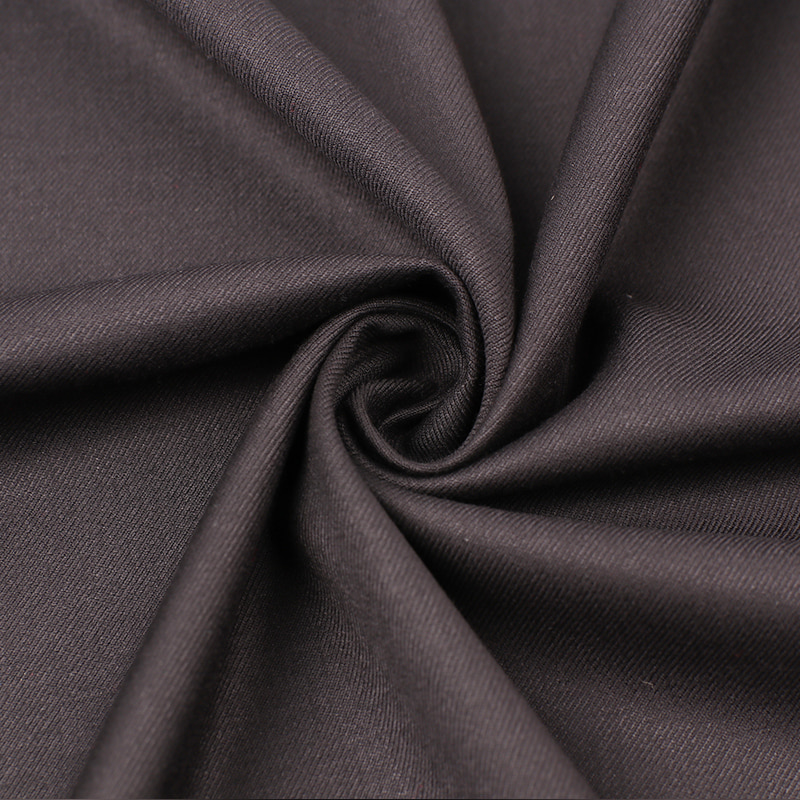
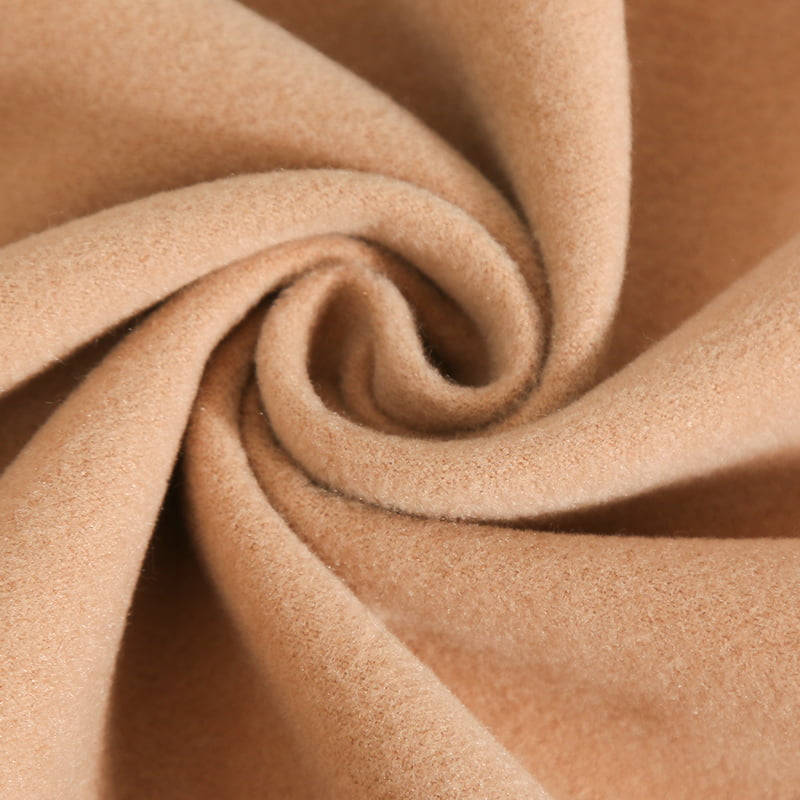
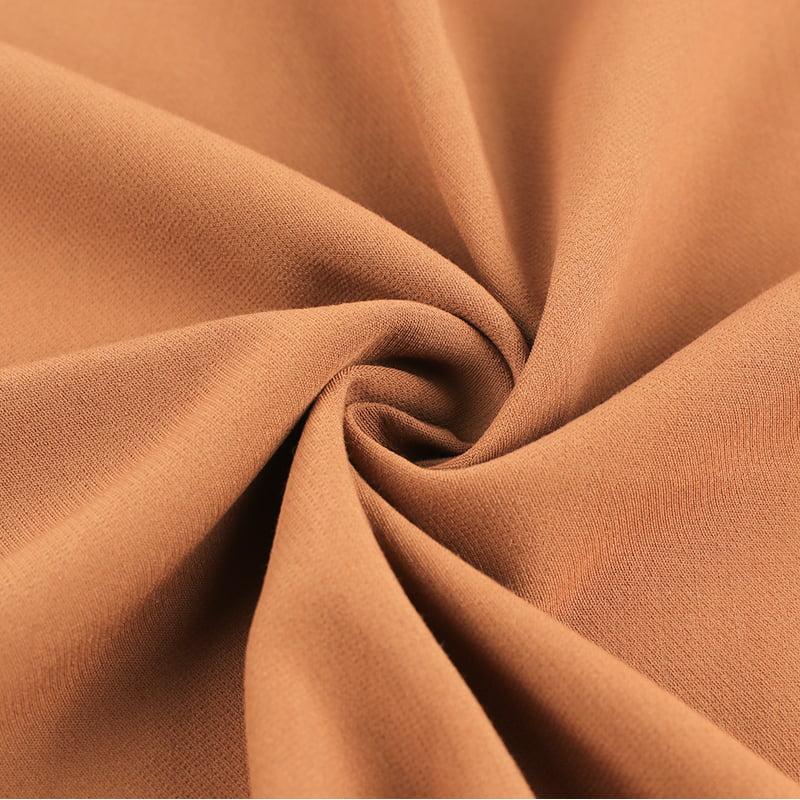

Can Supply Mature And Stable Products.
Choose Us, Contact Us
Choose Us, Contact Us
Contact Us
-

Tel: +86-575-81176657
+86-18857538666 -
 E-mail: martin@fuxing-tex.com
-
 Xindian Village, Qianqing Street, Keqiao District, Shaoxing City, Zhejiang Province, China.
Quick Links
Products
Get In Touch
Copyright © Shaoxing Fuxing Textile Technology Co., Ltd. All rights reserved. China Woven Fabric Manufacturer OEM & ODM Suiting & Medical Fabrics Factory
