
 English
 中文简体
中文简体 日本語
日本語 한국어
한국어 Español
 русский
Content
- 1 Why Weave Structure Matters in Suit Fabric
- 2 The Three Fundamental Weave Structures
- 3 Comparison of Core Weave Structures in Suit Fabric
- 4 Specialty Weave Patterns Found in Premium Suit Fabric
- 5 Yarn Preparation: Worsted vs. Woollen Spinning
- 6 Super Numbers: Thread Fineness in Suit Fabric
- 7 Finishing Techniques That Enhance Woven Suit Fabric
- 8 How to Choose the Right Suit Fabric Weave for Your Needs
- 9 Frequently Asked Questions About Suit Fabric Weaving
- 9.1 What is the most durable weave for suit fabric?
- 9.2 Is twill suit fabric better than plain weave for business suits?
- 9.3 What does Super 120s mean on a suit fabric label?
- 9.4 What makes herringbone suit fabric special?
- 9.5 Can suit fabric be woven from fibres other than wool?
- 9.6 How does thread count affect suit fabric quality?
- 10 Conclusion
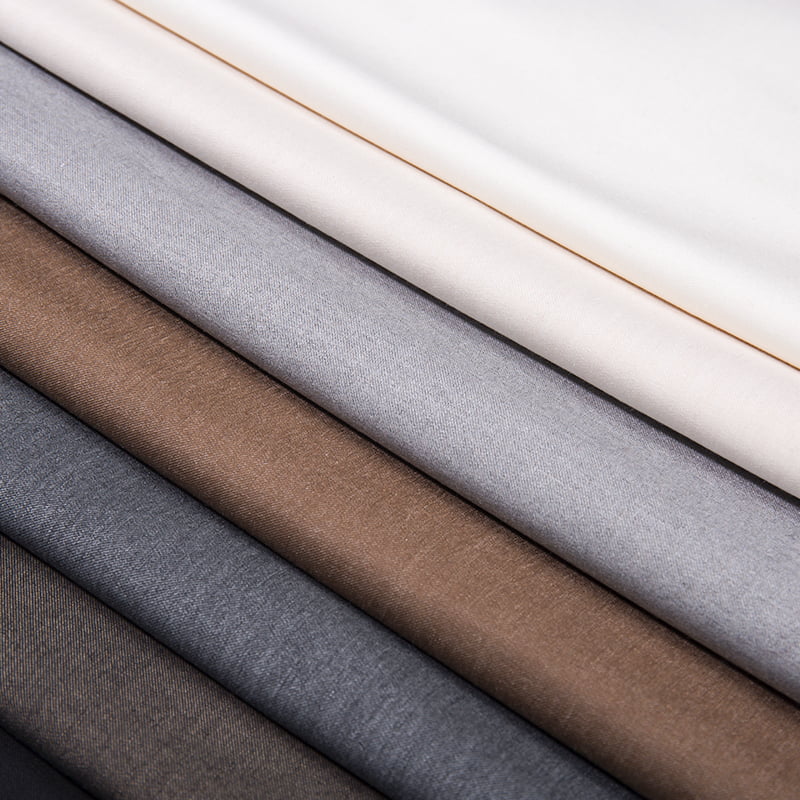
High-quality suit fabric is primarily woven using three core methods: plain weave, twill weave, and satin weave — with twill being the most prevalent in premium suiting. Within these structures, techniques such as worsted spinning, Super number yarns, and specialty weaves like herringbone, hopsack, and birdseye further distinguish fine suiting materials. Understanding these methods helps you choose the right suit fabric for durability, drape, breathability, and occasion.
Why Weave Structure Matters in Suit Fabric
The weave structure of a suit fabric directly determines how the cloth behaves on the body. It influences everything from how the fabric drapes over the shoulders to how well it resists wrinkling after a long day. A loosely woven cloth may feel lightweight and breathable but may pill or lose shape. A tightly woven fabric offers resilience and structure but can feel heavy in warm climates.
Professional tailors and fabric specialists understand that the quality of a finished suit begins not in the cutting room, but on the loom. The interplay between yarn quality, thread count, and weaving technique creates the tactile signature of truly exceptional suit fabric.
The Three Fundamental Weave Structures
1. Plain Weave
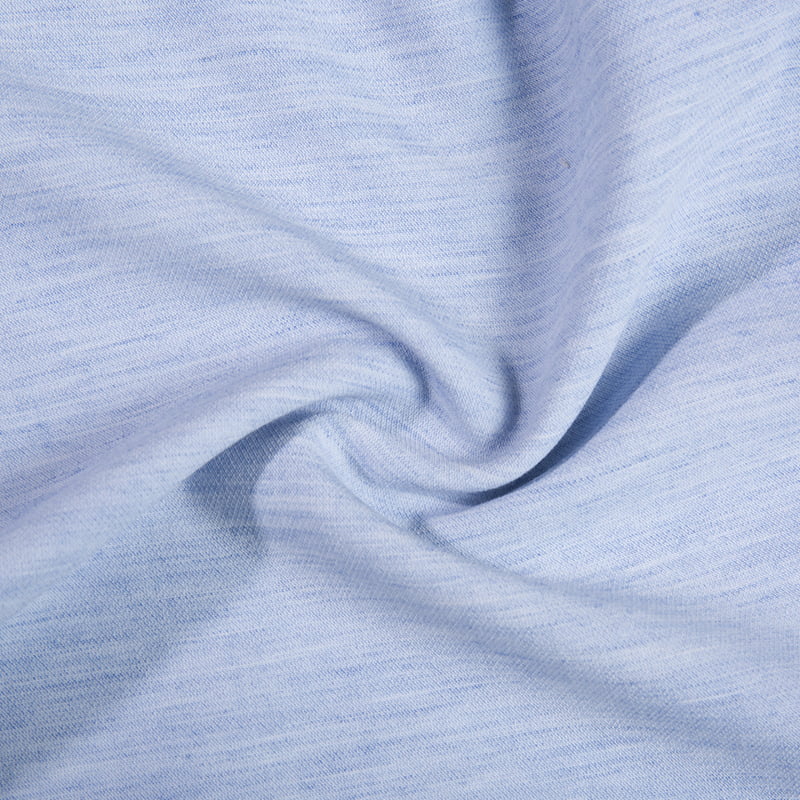
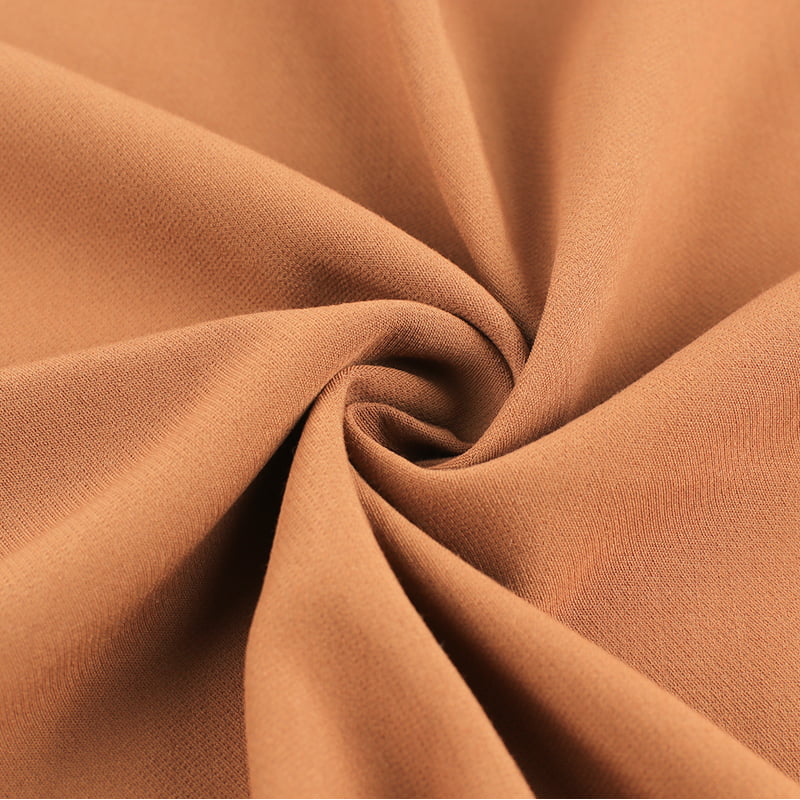
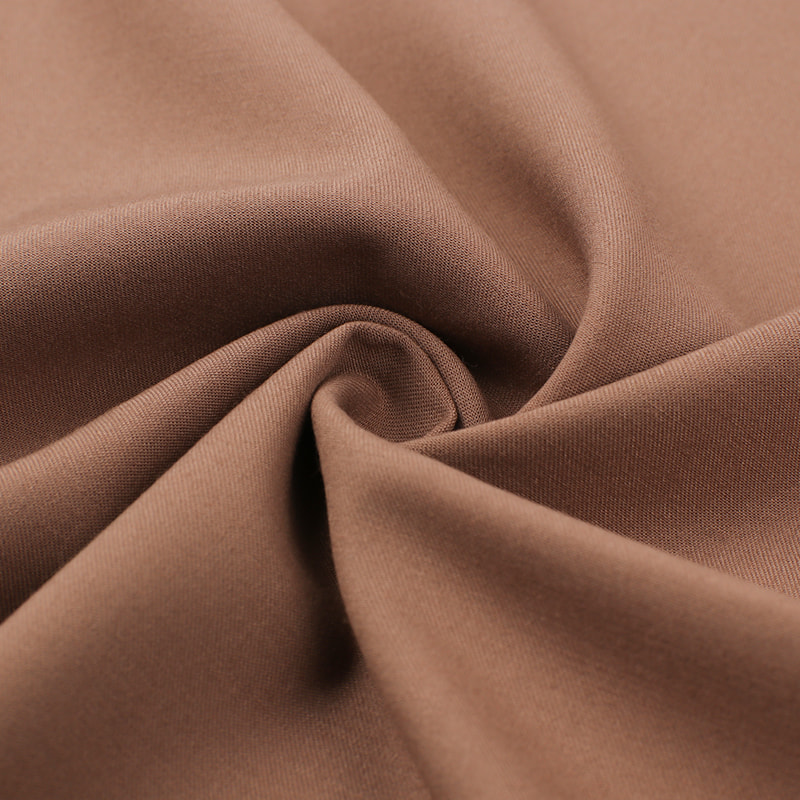
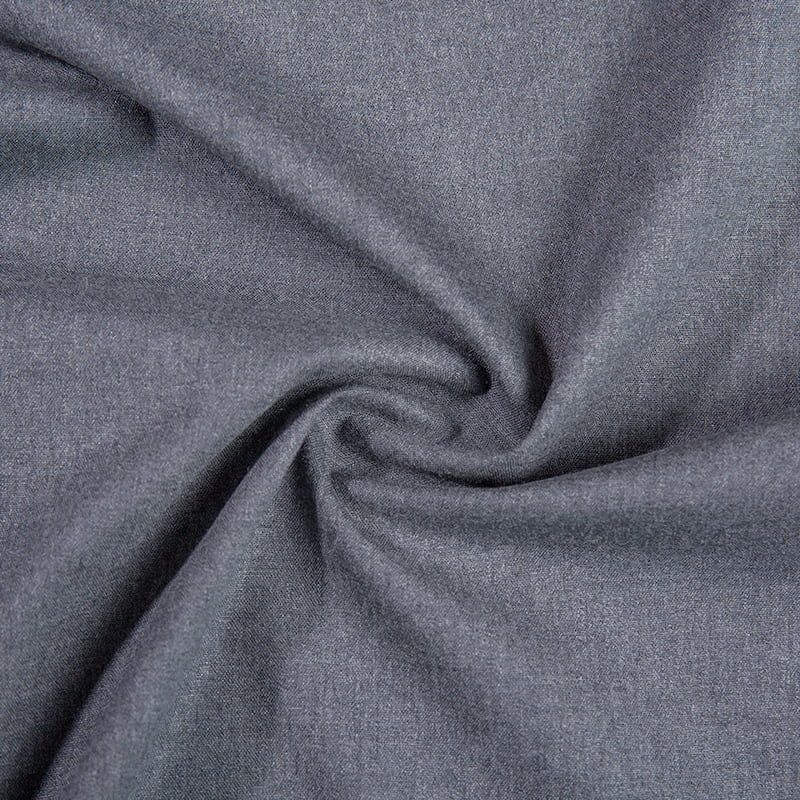
Plain weave — sometimes called tabby weave — is the simplest and most ancient textile construction. Warp and weft threads pass over and under each other in an alternating one-over-one-under pattern. For suit fabric, plain weave produces a firm, flat, and even surface.
- Characteristics: Smooth surface, even texture, relatively lightweight
- Common uses: Tropical suits, summer jackets, lightweight trouser fabrics
- Limitations: Less drapable than twill; can look flat in heavier weights
In fine suiting, plain weave appears frequently in high-count wool fabrics destined for warm-weather garments, where breathability outweighs the need for structured drape.
2. Twill Weave
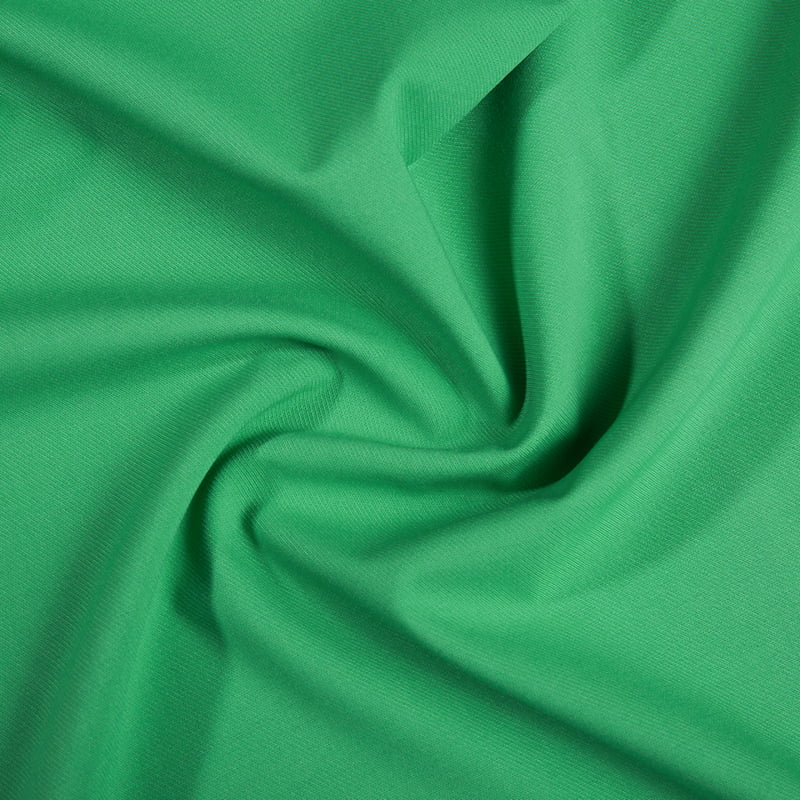
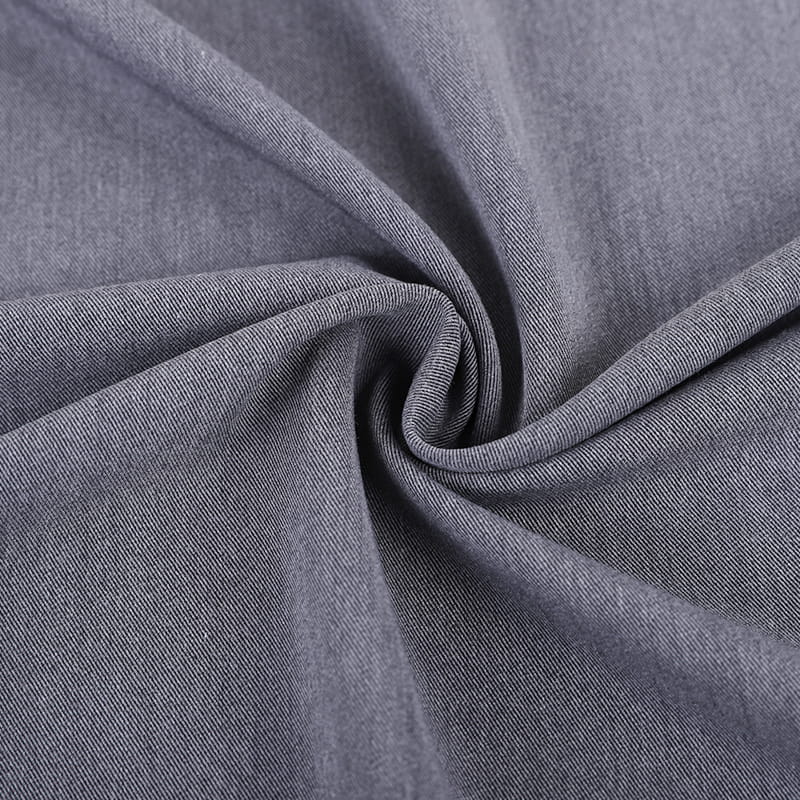
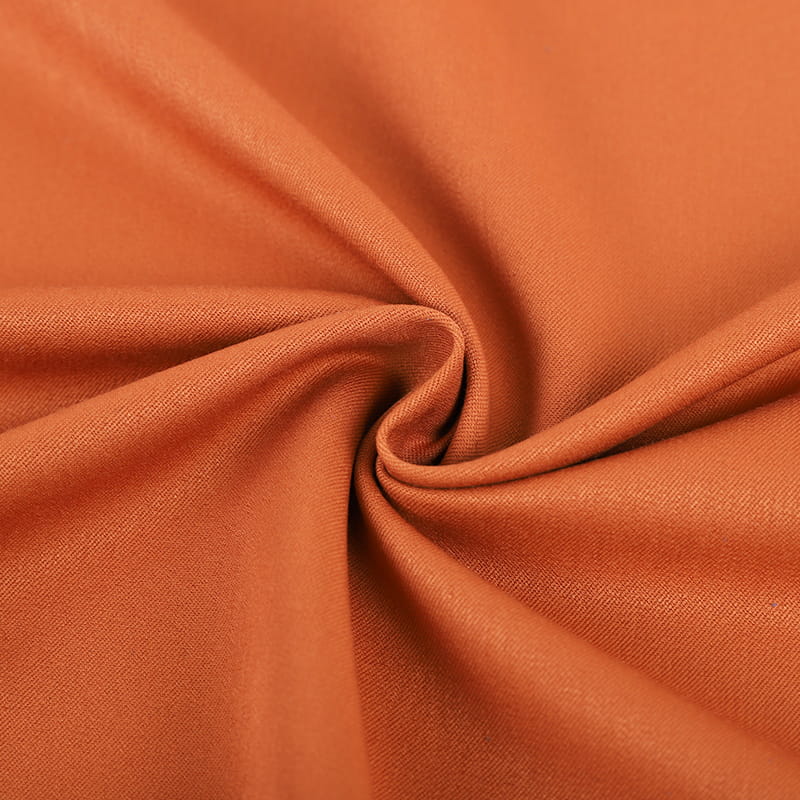
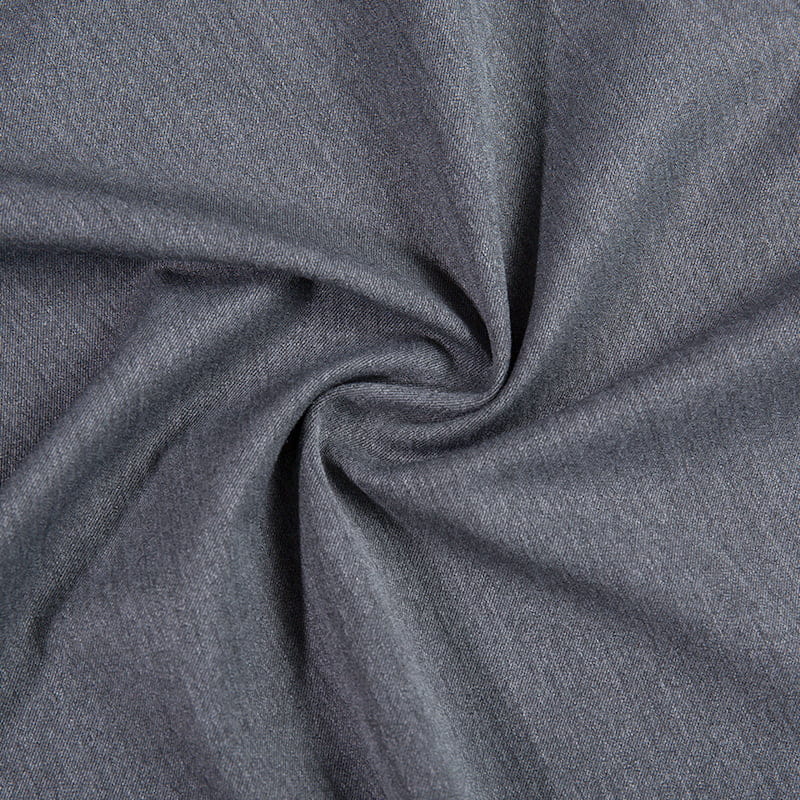
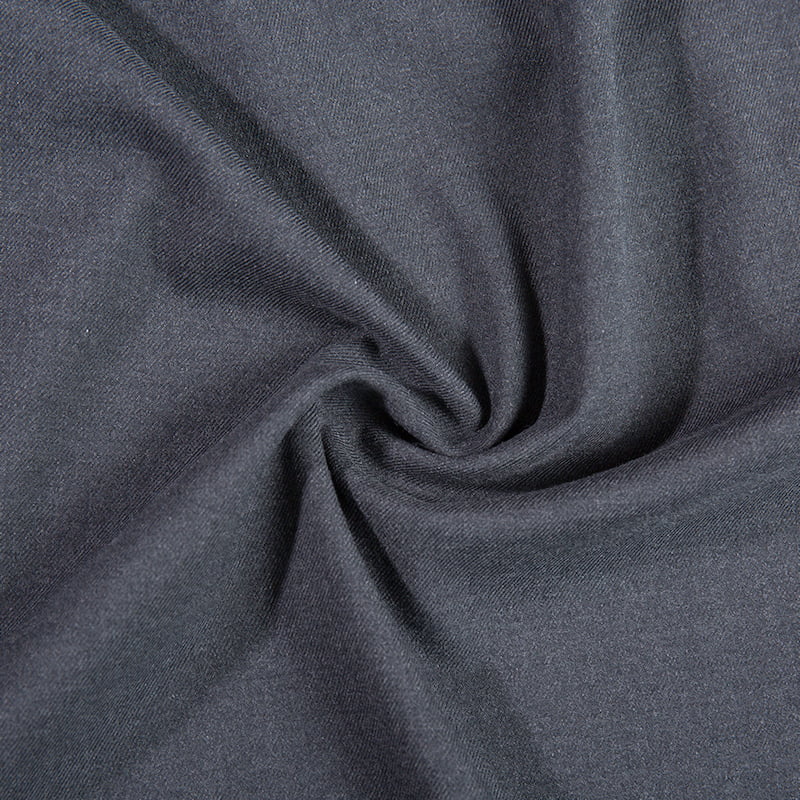
Twill weave is the dominant construction in premium suit fabric. In a twill, the weft thread passes over one or more warp threads and then under two or more, creating a diagonal rib on the fabric face. This structure gives suiting cloths their characteristic drape, resilience, and subtle texture.
- Characteristics: Diagonal surface pattern, excellent drape, wrinkle resistance
- Common uses: Business suits, formal wear, year-round suiting cloths
- Subtypes: 2/2 twill, broken twill, herringbone, cavalry twill, barleycorn
The diagonal line in a twill can run left (S-twist) or right (Z-twist), and varying the angle of the diagonal creates different fabric personalities — from the subtle sheen of a fine 2/2 twill to the bold chevron of a herringbone suit fabric.
3. Satin Weave
Satin weave uses longer "floats" — threads that skip over multiple threads before interlacing — to create a lustrous, smooth surface. While more common in linings than outer suit fabric, satin weave principles appear in certain high-sheen formal and eveningwear cloths.
- Characteristics: High sheen, very smooth hand feel, fluid drape
- Common uses: Formal dinner jackets, pocket square fabrics, linings
- Limitations: Less durable; prone to snagging; not ideal for everyday suiting
Comparison of Core Weave Structures in Suit Fabric
Specialty Weave Patterns Found in Premium Suit Fabric
Beyond the three base constructions, premium suit fabric is distinguished by a rich vocabulary of specialty weave patterns. These are not entirely separate weaving systems but rather creative variations within the base structures — particularly twill — that produce visually distinctive cloths with specific functional properties.
Herringbone
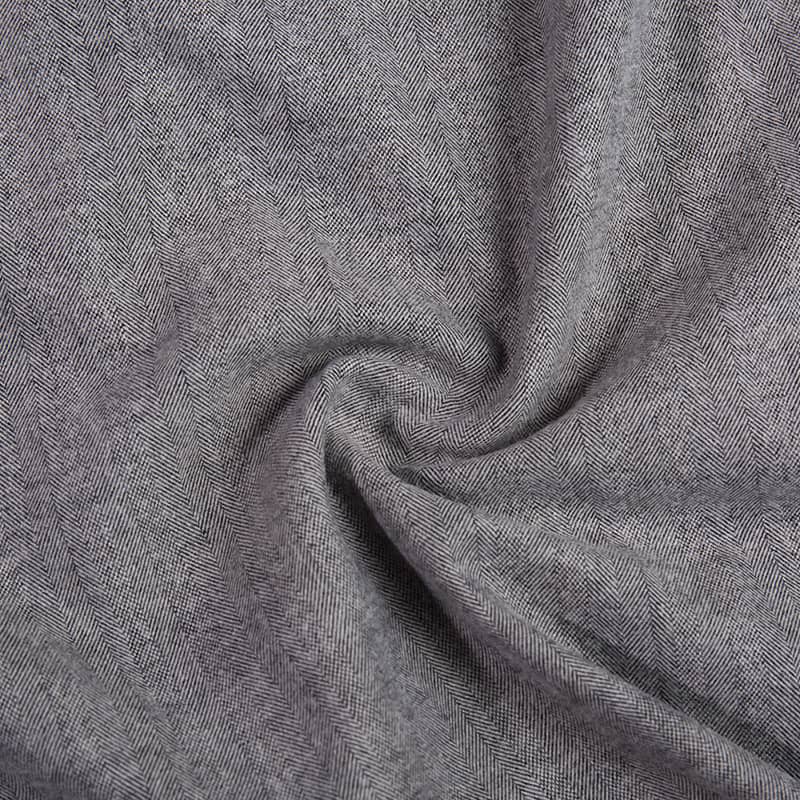
Herringbone is a broken twill in which the diagonal direction reverses at regular intervals, creating a distinctive V-shaped zigzag pattern resembling the skeleton of a herring fish. One of the most iconic suit fabric patterns, herringbone strikes a balance between visual interest and formal appropriateness. It is frequently seen in flannel and worsted wool suits for business and country wear.
Hopsack Weave
Hopsack — also called basket weave — uses a 2x2 or 2x1 structure where pairs of threads interlock rather than single threads. The result is a textured, slightly open-weave fabric with a casual, rustic character. Hopsack suit fabric is especially popular for warm-weather blazers and unlined summer jackets, where its airy construction aids ventilation.
Birdseye
Birdseye weave creates a tiny, repeated dot pattern that resembles the eye of a bird. Typically woven in contrasting colors — dark background with lighter specks — birdseye suit fabric offers subtle pattern interest without sacrificing formality. It is a classic choice for business suits in City or Wall Street environments.
Cavalry Twill
Cavalry twill features a steep, double diagonal rib on the face of the cloth, produced by a 2/2 right-hand twill. Originally designed for military riding uniforms, this weave type produces exceptionally durable and resilient suit fabric with a characteristic ribbed surface. It is popular in heavyweight trouser fabrics and country suits.
Barleycorn and Houndstooth
Barleycorn weave produces a small, grain-like texture, while houndstooth creates its famous jagged broken check. Both rely on careful alternation of differently colored yarns within a twill base structure. In fine suit fabric, these patterns add dimension and personality — particularly in country sport coats and casual jackets.
Yarn Preparation: Worsted vs. Woollen Spinning
The weaving method alone does not determine quality — the preparation of the yarn profoundly shapes the finished suit fabric. The two principal systems are worsted spinning and woollen spinning.
Worsted suit fabric is the foundation of most business and formal suiting. Fibres are combed to align them parallel before spinning, producing a denser, smoother yarn with high tensile strength. The resulting cloth has a clean, sharp surface that takes a crisp press and holds a trouser crease with authority.
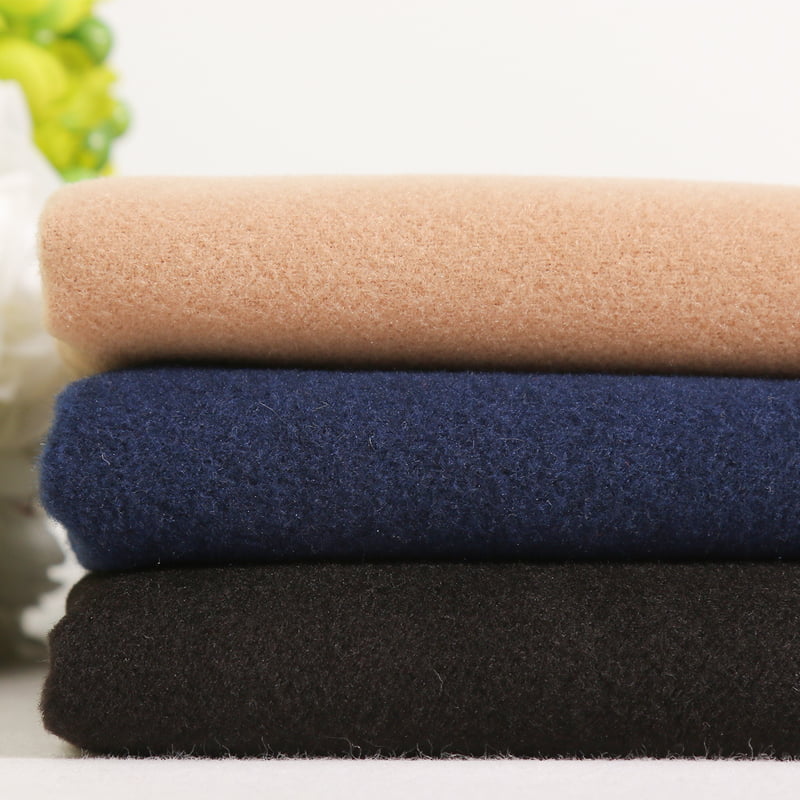
Woollen suit fabric, by contrast, uses carded fibres that retain their natural randomness. The surface is softer, more diffuse, and warmer in character. Flannels and tweeds belong to this family — ideal for country wear, relaxed tailoring, and cold-weather suits.
Super Numbers: Thread Fineness in Suit Fabric
The "Super" designation seen on premium suit fabric — Super 100s, Super 120s, Super 150s, and beyond — refers to the fineness of the wool fibre measured in microns. The higher the Super number, the finer the fibre diameter, producing a softer, lighter, and more lustrous cloth.
- Super 100s–110s: Excellent balance of durability, drape, and softness. Ideal for everyday business suits.
- Super 120s–130s: Noticeably softer hand; beautiful drape and sheen. Suitable for formal and boardroom wear.
- Super 150s+: Extraordinarily fine and soft, with a luxurious feel. More delicate — requires careful handling and less frequent wear.
It is important to note that Super number alone does not guarantee quality. A well-woven Super 100s cloth from a skilled mill can outperform a poorly finished Super 150s in terms of longevity and appearance retention. Weaving technique, finishing processes, and fibre origin all contribute to the ultimate character of fine suit fabric.
Finishing Techniques That Enhance Woven Suit Fabric
After weaving, suit fabric undergoes a series of finishing processes that refine its final properties. These post-weaving steps are often as important as the weave structure itself.
- Milling and fulling: Controlled shrinkage that tightens the weave and adds density to woollen fabrics like flannel.
- Raising and cropping: Brushing the fabric surface to raise short fibres, then shearing them to a uniform height — creates the soft nap on flannel suit fabric.
- Decatising (decating): Steam pressing the fabric under tension to set the weave, stabilise dimensions, and develop the cloth's final drape and hand feel.
- Pressing and calendering: Hot-roller treatments that compact the surface, adding sheen to worsted suit fabric.
- Scouring: Washing to remove natural oils and processing residues, allowing the fabric to bloom to its natural texture.
How to Choose the Right Suit Fabric Weave for Your Needs
Selecting the correct suit fabric weave depends on your climate, lifestyle, and intended use. The following guide summarises key scenarios:
Frequently Asked Questions About Suit Fabric Weaving
What is the most durable weave for suit fabric?
Twill weave — particularly cavalry twill and tight 2/2 worsted twill — offers the highest durability among common suit fabric constructions. The diagonal interlacing creates a denser structure with more thread-to-thread contact, distributing stress more evenly and resisting wear at friction points like trouser seats and jacket elbows.
Is twill suit fabric better than plain weave for business suits?
For most business suiting contexts, yes. Twill suit fabric offers superior drape, better wrinkle recovery, and more visual depth than plain weave. However, for lightweight tropical or summer suits, a fine plain-weave cloth may actually perform better by maximising breathability and minimising weight.
What does Super 120s mean on a suit fabric label?
Super 120s indicates that the wool fibres used in the suit fabric have a fineness of approximately 17.5–18.5 microns. The higher the Super number, the finer and softer the fibre. Super 120s represents a high-quality mid-luxury tier — fine enough to feel luxurious against the skin, yet durable enough for regular wear.
What makes herringbone suit fabric special?
Herringbone suit fabric is prized for its distinctive visual pattern — a broken zigzag twill — that adds textural interest while remaining well within the bounds of formal and business dress. The weave structure itself offers excellent drape, and the pattern has cross-cultural associations with quality craftsmanship and traditional tailoring heritage.
Can suit fabric be woven from fibres other than wool?
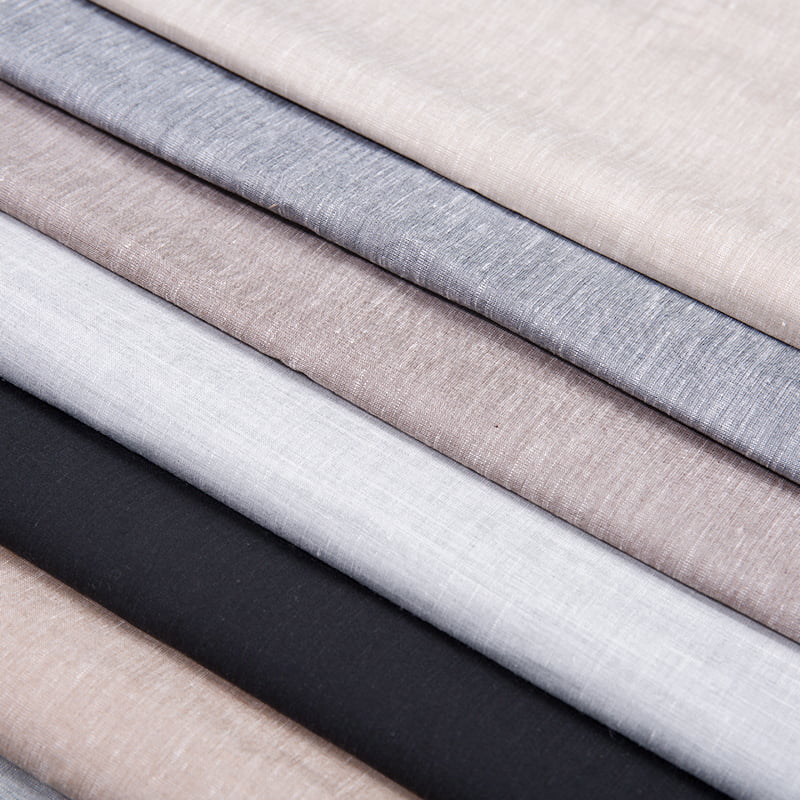
Absolutely. While wool dominates fine suit fabric production, twill and plain weaves are also applied to cotton (seersucker, twill cotton), linen, silk, and blended fibres. Wool-silk blends combine the drape of silk with the structure of wool; wool-linen blends offer breathability with body. Each fibre responds differently to weaving tension and finishing, producing unique cloth personalities suited to specific climates and styles.
How does thread count affect suit fabric quality?
Thread count — the number of warp and weft threads per unit area — directly impacts the density, weight, and surface smoothness of suit fabric. Higher thread counts typically produce finer, smoother fabrics with better drape. However, an excessively high thread count with very fine yarns may reduce durability. The ideal thread count depends on the intended use, fibre type, and weave structure.
Conclusion
The weaving methods used in high-quality suit fabric — from the structural foundations of plain, twill, and satin weave, to the expressive vocabulary of herringbone, hopsack, birdseye, and cavalry twill — collectively define what we recognise as fine tailoring cloth. These are not merely technical choices; they represent centuries of accumulated craft knowledge, translated into the texture, drape, and personality of every suit.
Understanding weave structure empowers you to make better choices when commissioning bespoke work, purchasing ready-to-wear, or simply appreciating the craftsmanship in the clothes you wear. A well-chosen suit fabric — woven with intention and skill — is not merely a material. It is the foundation of everything a well-dressed person projects to the world.