
 English
 中文简体
中文简体 日本語
日本語 한국어
한국어 Español
 русский
Content
- 1 Why Suit Fabric Matters More Than You Think
- 2 Business Suit Fabrics: Structure, Durability, and Professionalism
- 3 Casual Suit Fabrics: Comfort, Texture, and Personal Expression
- 4 Business vs Casual Suit Fabric: Side-by-Side Comparison
- 5 Key Factors to Consider When Choosing Suit Fabric
- 6 Understanding Weave Patterns in Suit Fabric
- 7 Seasonal Suit Fabric Guide
- 8 5 Common Suit Fabric Mistakes to Avoid
- 9 Frequently Asked Questions About Suit Fabric
- 10 Conclusion: Match Your Suit Fabric to Your Purpose
Quick Answer: For business suits, choose structured, durable fabrics like worsted wool or wool blends that hold their shape under long wear. For casual suits, opt for relaxed, breathable materials such as linen, cotton, or tweed that prioritize comfort and laid-back style. The occasion, climate, and desired formality level should all guide your suit fabric selection.
Choosing the right suit fabric is one of the most consequential decisions a well-dressed person can make. While cut and color often steal the spotlight, it is the fabric beneath your fingertips that ultimately determines how a suit performs, how long it lasts, and how appropriate it looks in any given setting.
Whether you are building a professional wardrobe for high-stakes meetings or selecting a relaxed ensemble for a garden party, understanding the properties of different suit fabrics will help you dress with both confidence and precision.
Why Suit Fabric Matters More Than You Think
Most people begin their suit search by evaluating silhouette or color. Experienced dressers, however, start with fabric. The material of a suit governs its drape, breathability, wrinkle resistance, seasonality, and perceived formality — all of which shift dramatically between a business context and a casual one.
A fabric that looks impeccable under fluorescent office lighting might appear stiff and overdressed at a summer brunch. Conversely, a breezy linen suit that feels perfect at a coastal wedding can look sloppy and unprofessional in a corporate boardroom. The key lies in understanding what each fabric is built to do.
Business Suit Fabrics: Structure, Durability, and Professionalism
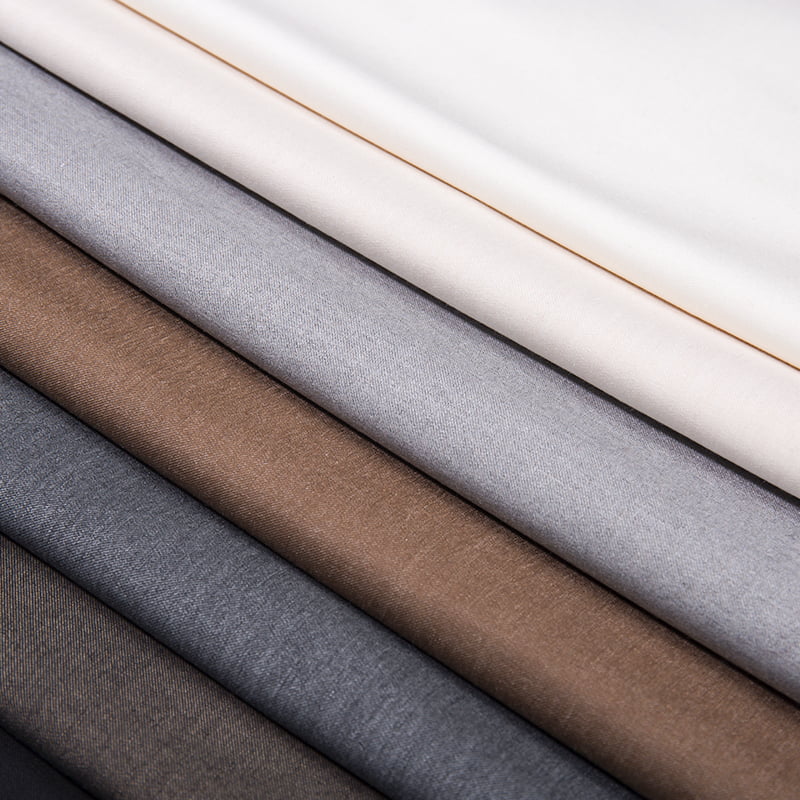
Business suits operate in demanding environments. They need to withstand full working days, hold a sharp crease, and project authority. The best suit fabrics for professional settings share several core traits: they are tightly woven, resilient, and visually refined.
1. Worsted Wool — The Gold Standard
Worsted wool is the most respected business suit fabric in the world, and for good reason. Created from long, combed wool fibers that are twisted tightly together, worsted wool produces a smooth, hard-wearing surface with excellent drape. It resists wrinkles, holds its shape through long meetings, and looks sharp under any lighting.
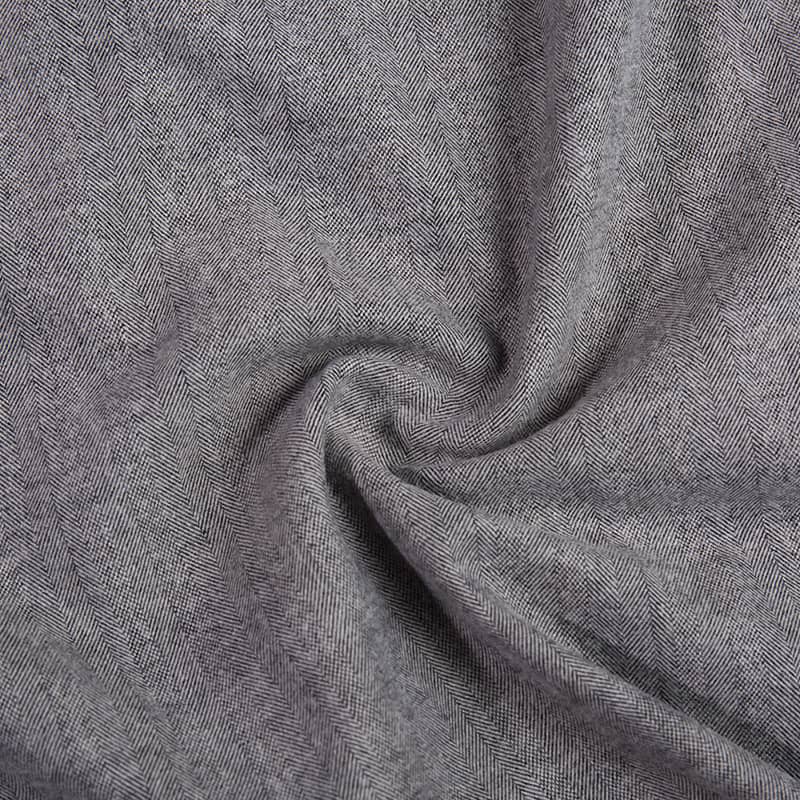
Common worsted weaves include plain weave (versatile and formal), twill weave (diagonal rib for added depth), and herringbone (a subtle V-pattern that adds texture without sacrificing professionalism). Super numbers — Super 100s, 120s, 150s — refer to the fineness of the wool fiber. Higher super numbers mean softer, finer fabric, though they may sacrifice durability.
2. Tropical Wool
For warmer climates or summer business wear, tropical wool is a strong choice. It uses an open, loosely woven structure that allows airflow while retaining the crisp look of worsted. Despite being lightweight, it still presents as formal and polished — exactly what a professional suit demands.
3. Wool-Synthetic Blends
Wool-polyester or wool-nylon blends offer enhanced durability and wrinkle resistance compared to pure wool. While purists may prefer 100% wool, blended fabrics are an excellent practical choice for frequent travelers or those who need low-maintenance suits that still look professional.
4. Flannel Wool
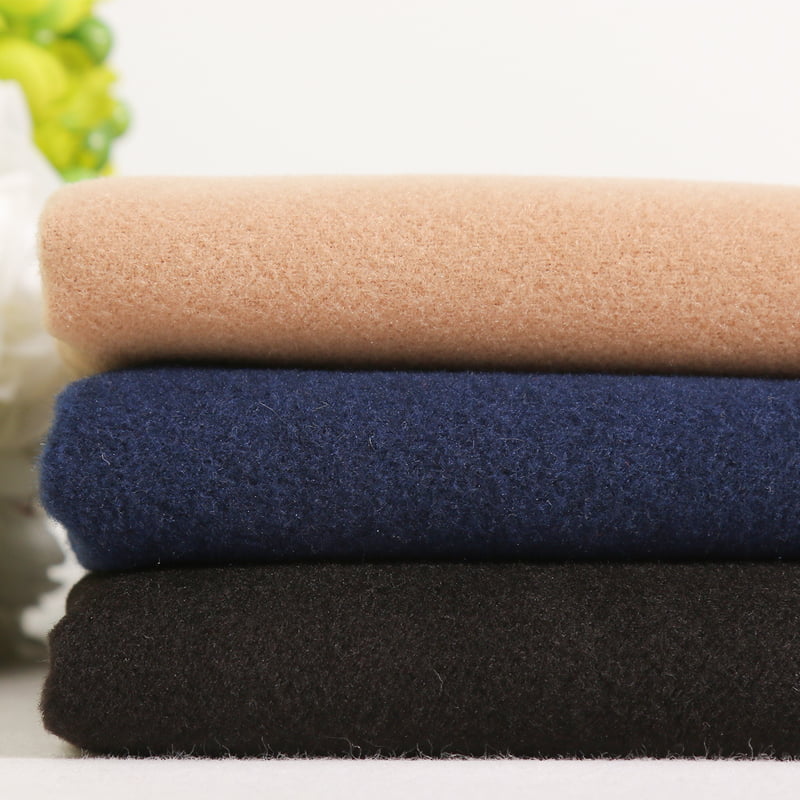
Flannel is a brushed, heavier wool fabric with a soft, matte finish. It is a classic cold-weather business fabric — warm, structured, and deeply formal when tailored correctly. Charcoal flannel suits are among the most powerful pieces in professional dressing.
Casual Suit Fabrics: Comfort, Texture, and Personal Expression
Casual suits serve a different master. They are worn at social events, informal weddings, creative workplaces, and leisure settings. Rather than projecting authority, they express personality. The best casual suit fabrics are relaxed in texture, breathable, and visually interesting.
1. Linen — Effortlessly Relaxed
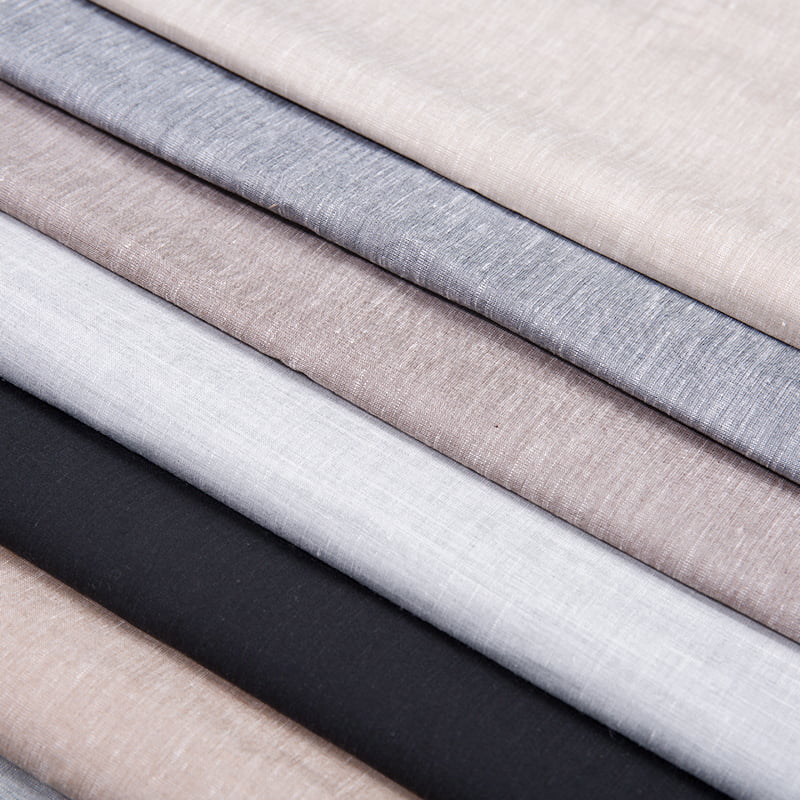
Linen is the quintessential warm-weather casual suit fabric. Made from flax plant fibers, it is extraordinarily breathable and develops a characteristic relaxed drape as the day progresses. The natural texture and intentional wrinkling of linen are considered part of its charm — but these same qualities make it wholly inappropriate for formal business settings.
Linen suits are best suited to outdoor events, beach weddings, vacation settings, and creative industries where a relaxed dress code is the norm.
2. Cotton — Versatile and Accessible
Cotton suits occupy a comfortable middle ground. More structured than linen but far less formal than wool, cotton is a practical casual suit fabric suitable for smart-casual occasions, daytime events, and transitional seasons. Cotton canvas suits, in particular, have a structured drape that can edge toward semi-formal territory.
3. Tweed — Heritage and Texture
Tweed is a coarse, woven wool fabric with deep roots in British and Irish country dressing. Its rich texture, earthy color palette, and warm weight make it a natural choice for autumn and winter casual wear. Country events, outdoor gatherings, and heritage-inspired aesthetics are where tweed truly shines.
4. Velvet — Luxurious Eveningwear
For evening casual occasions — dinner parties, celebrations, or creative black-tie events — velvet suits offer a striking, luxurious option. The deep pile of velvet catches light dramatically and signals deliberate personal style. Velvet is firmly in the casual luxury category and should never be worn in conventional business environments.
5. Corduroy — Tactile and Approachable
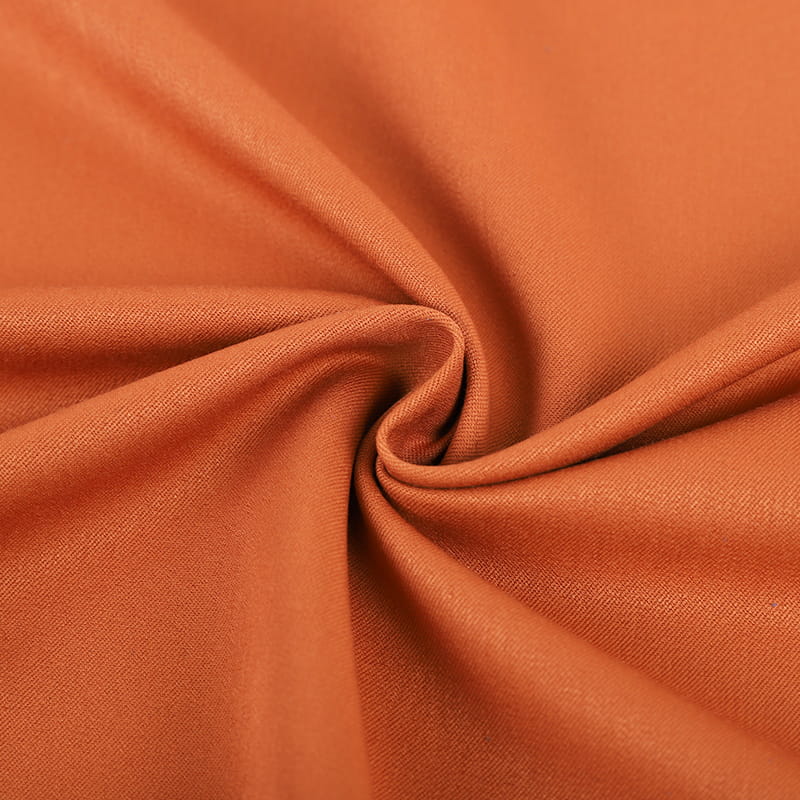
Corduroy features a distinctive ridged texture (known as the wale) and has a long association with academic and artistic settings. A corduroy suit in tan, forest green, or burnt orange immediately communicates casual warmth and intellectual confidence. It works best in relaxed autumn and winter contexts.
Business vs Casual Suit Fabric: Side-by-Side Comparison
Key Factors to Consider When Choosing Suit Fabric
1. Occasion and Dress Code
The most fundamental question to ask is: where will this suit be worn? A corporate boardroom demands worsted wool. A destination wedding calls for linen or cotton. A winter dinner party may welcome tweed or velvet. Always match your suit fabric to the formality expectations of the event.
2. Climate and Season
Fabric weight is measured in grams per square meter (GSM). Lightweight fabrics (200–280 GSM) such as tropical wool and linen are suited to warm months, while mid-weight fabrics (280–340 GSM) work year-round, and heavyweight fabrics (340+ GSM) like flannel and tweed are ideal for cold climates. Wearing the wrong fabric for the wrong season is a common and easily avoidable mistake.
3. Durability and Maintenance
For suits that are worn frequently — particularly business suits — durability matters enormously. Worsted wool and wool-blend fabrics hold up best over time. Pure linen and cotton may require more frequent pressing and gentle care. Always check whether the fabric requires dry cleaning or can be safely spot-cleaned.
4. Drape and Silhouette
Different fabrics fall differently on the body. Worsted wool drapes cleanly and holds structured lines, which is why tailored suits in this fabric look so precise. Linen relaxes and softens over the day, giving a more lived-in appearance. If maintaining a sharp silhouette throughout a long day is important — as it typically is in business settings — prioritize fabrics with strong structural memory.
5. Budget
Fine suit fabrics vary enormously in price. Pure wool wovens from heritage mills command premium prices but deliver lasting value. Blended fabrics can deliver significant performance at a more accessible price point. For casual suits worn occasionally, mid-range cotton or linen fabrics offer strong value without demanding a large investment.
Understanding Weave Patterns in Suit Fabric
Beyond fiber content, the weave pattern of a suit fabric affects its texture, durability, and formality. Here are the most important weave types:
- Plain Weave: The simplest and most formal. A flat, smooth surface ideal for business and formal suits.
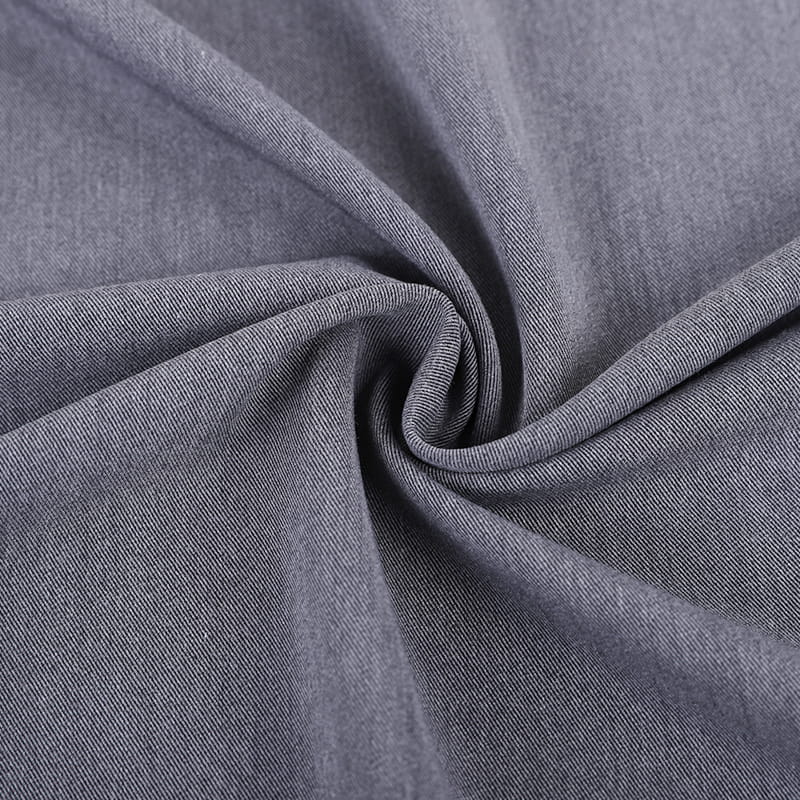
- Twill Weave: A diagonal rib pattern that adds visual depth while remaining formal enough for business wear.
- Herringbone: A V-shaped twill that reads as refined and textured — excellent for business and smart-casual contexts.
- Hopsack: An open, basket-style weave often used in casual suit fabrics; breathable and relaxed.
- Birdseye: A small dotted texture in the fabric surface, adding subtle detail while maintaining formality.
- Windowpane and Glen Plaid: Check patterns that range from bold (casual) to subtle (business-appropriate depending on scale).
Seasonal Suit Fabric Guide
5 Common Suit Fabric Mistakes to Avoid
- Wearing linen to business meetings. No matter how well-tailored, linen's relaxed nature undermines professional authority.
- Choosing suit fabric solely on appearance. A stunning fabric that wrinkles badly or feels uncomfortable after an hour is a poor choice regardless of how it looks in the shop.
- Ignoring fabric weight relative to climate. A heavyweight flannel suit in a tropical country will be unbearable; a lightweight tropical wool in a cold climate will look and feel inadequate.
- Buying very high super-number wool without a lifestyle to match. Super 180s and above are extraordinarily fine — and extraordinarily delicate. Unless you can care for them impeccably, a Super 110s or 120s offers better value and resilience.
- Over-textured fabric for business environments. Thick, tactile weaves like heavy tweed or bouclé have no place in formal corporate settings, however stylish they may be elsewhere.
Frequently Asked Questions About Suit Fabric
Q: What is the best all-around suit fabric for most men?
Mid-weight worsted wool (around 280–320 GSM, Super 100s to 120s) is universally considered the most versatile suit fabric. It looks polished enough for business, is comfortable year-round in temperate climates, holds its shape reliably, and wears well with repeated use. If you could own only one suit fabric, this would be it.
Q: Can a linen suit be worn to work?
Only in creative, casual, or fashion-forward workplaces with relaxed dress codes. In traditional corporate or legal environments, linen's tendency to wrinkle and its casual aesthetic make it an inappropriate business suit fabric. For most professional contexts, stick to wool.
Q: Is polyester a good suit fabric?
Pure polyester suits are generally considered low quality. Polyester traps heat, does not breathe well, and lacks the natural drape of wool or linen. However, wool-polyester blends (with a high wool content) can be excellent for travel and everyday wear, offering wrinkle resistance without sacrificing too much in comfort or appearance.
Q: What does "Super 120s" mean on a suit label?
The Super number refers to the fineness of the wool fiber used in the fabric. Super 120s indicates that the fiber measures approximately 18.5 microns in diameter — finer than Super 100s but coarser than Super 150s. Higher super numbers generally mean softer, more luxurious fabric, though they can be more fragile with heavy daily use.
Q: How do I care for different suit fabrics?
Wool suits should be dry cleaned sparingly (once or twice per season) and hung on proper shaped hangers between uses to allow the fibers to recover. Linen and cotton can sometimes be machine-washed on a gentle cycle depending on the lining, but always check care labels. Tweed should be brushed regularly and dry cleaned when needed. All suits benefit from being rotated regularly and stored in breathable garment bags.
Q: What suit fabric is best for hot and humid climates?
For hot, humid conditions, tropical wool is the best business choice — it breathes well while maintaining formality. For casual wear in heat, linen is unbeatable. Avoid heavy woolens, flannel, velvet, and tweed entirely in high-heat environments.
Conclusion: Match Your Suit Fabric to Your Purpose
Choosing the right suit fabric is not about following rigid rules — it is about understanding what each material does best and applying that knowledge to your specific context. Business suits demand fabrics that project authority, endure long days, and hold their structure: worsted wool and its variants reign supreme here.
Casual suits, by contrast, invite experimentation. Linen for warmth, tweed for heritage, velvet for drama, cotton for everyday ease — each fabric opens a different dimension of personal expression.
The most sophisticated approach is to build a wardrobe that includes both: at least one worsted wool suit for professional demands, and one or two casual suit fabrics that reflect your personality and lifestyle. With this foundation, you will always be dressed precisely right — regardless of where the day takes you.