 English
 中文简体
 日本語
 한국어
 русский
 Español


Scrubs Fabric Weight (GSM) Guide: Lightweight, Midweight or Heavy for Different Clinical Roles
For most clinical roles, a midweight woven stretch fabric of around 200 GSM is the safest scrubs choice. It is light enough for long shifts on a ward or in a theatre, and firm enough to survive repeated hospital laundering without turning thin or limp. Go lighter for hot operating rooms and warm climates, and go heavier only for cold wards, warm-up jackets or work that grinds the fabric against floors and equipment. GSM is a first filter, not a quality grade. Weave, fiber blend and finish decide how a given weight actually wears.
What GSM Means for Scrubs Fabric and How to Read It
GSM stands for grams per square meter. A lab cuts a sample of known area, weighs it, and converts the result, and ASTM D3776 is the standard method for doing this on woven fabric. The figure describes mass, not thickness and not strength, but it is the quickest way to compare two fabrics before anyone has touched a swatch.
Two details trip up first-time buyers. First, GSM should be quoted on the finished fabric, after dyeing and finishing, because the greige cloth weighs differently. Second, US buyers often think in ounces per square yard. One ounce per square yard is about 33.9 GSM, so the numbers convert easily once you know that.
200 GSMis about 5.9 oz per square yard
58 inis about 1.47 m of usable width
295 gper linear meter at 200 GSM and 58 in
The per-meter figure matters for budgeting. A fabric sold by the meter costs more to ship and often more to buy as GSM rises, and a heavier cloth gives fewer garments per kilogram of freight. Work it out once for each candidate fabric before comparing quotes.
Lightweight Scrubs Fabric: Cooler and Faster Drying, Less Forgiving
Sourcing teams draw the weight lines differently, so this guide uses working bands rather than a formal standard. Lightweight here means below about 160 GSM, midweight means about 160 to 220 GSM, and heavy means above about 220 GSM. Any supplier's own labels should be read against their actual GSM figure.
Lightweight scrubs fabric feels cooler against the skin, dries quickly after washing and packs small. It is a good match for short-sleeve tops, warm operating theatres, and hospitals in hot climates where staff already work in layers under a gown. It also costs less per meter and weighs less in a freight container.
The weaknesses are practical rather than dramatic. A thin cloth in white, pale blue or light green can show through at seams and pocket edges, so pale colors usually need more weight than dark ones. Trousers cut from very light fabric can feel flimsy and cling when the wearer sits. And a lighter structure tends to snag and wear faster at the pocket, the knee and the hem, which matters when a garment has to go through hundreds of wash cycles.
Warm theatres Hot climates Short-sleeve tops Dark colors preferred
Midweight Scrubs Fabric: The Default for Hospital Procurement
Midweight is where most hospital and uniform-brand orders land, because it balances comfort, opacity and wash life better than either end of the scale. A midweight woven stretch fabric holds its shape through a full shift, hides underwear and skin tone in pale colors, and still breathes well enough for active nursing work.
Fuxing's three scrubs fabrics all sit at 200 GSM, so the choice between them is a choice of function rather than weight. FX50316 is a 75% polyester, 20% rayon, 5% spandex blend with water-resistant and antibacterial finishes, designed for surgical and nursing wear. FX56470 uses 6% spandex for a little more stretch and suits uniforms, trousers and other garments where freedom of movement matters. FX55527 swaps part of the polyester for an engineered moisture-wicking fiber, which helps move sweat away from the skin during long wear.
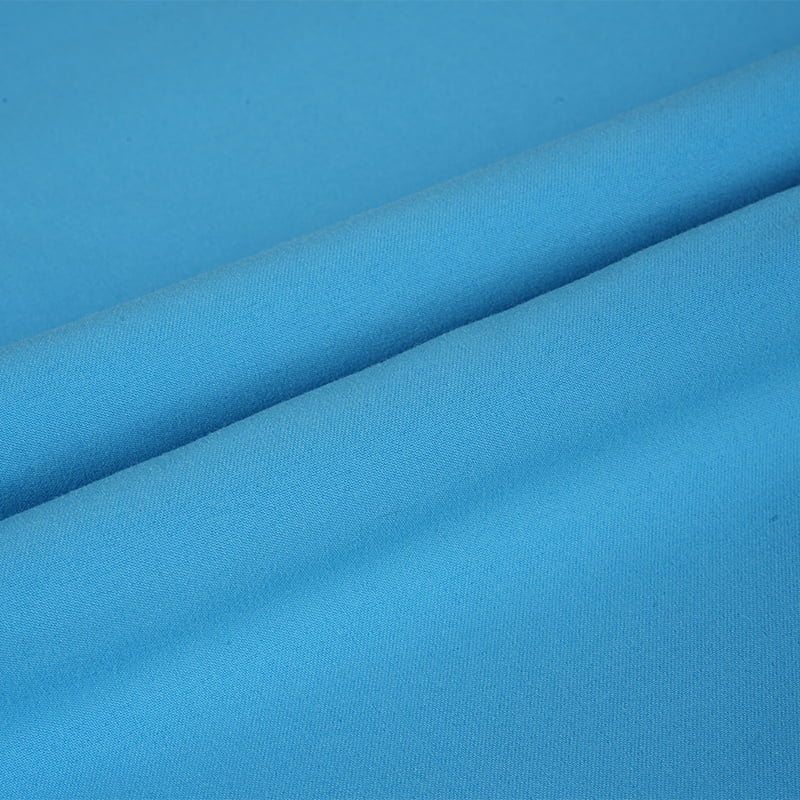
FX50316 Medical Scrubs Fabric
200 GSM, 75/20/5 polyester rayon spandex. Water-resistant and antibacterial finishes for surgical and nursing wear.
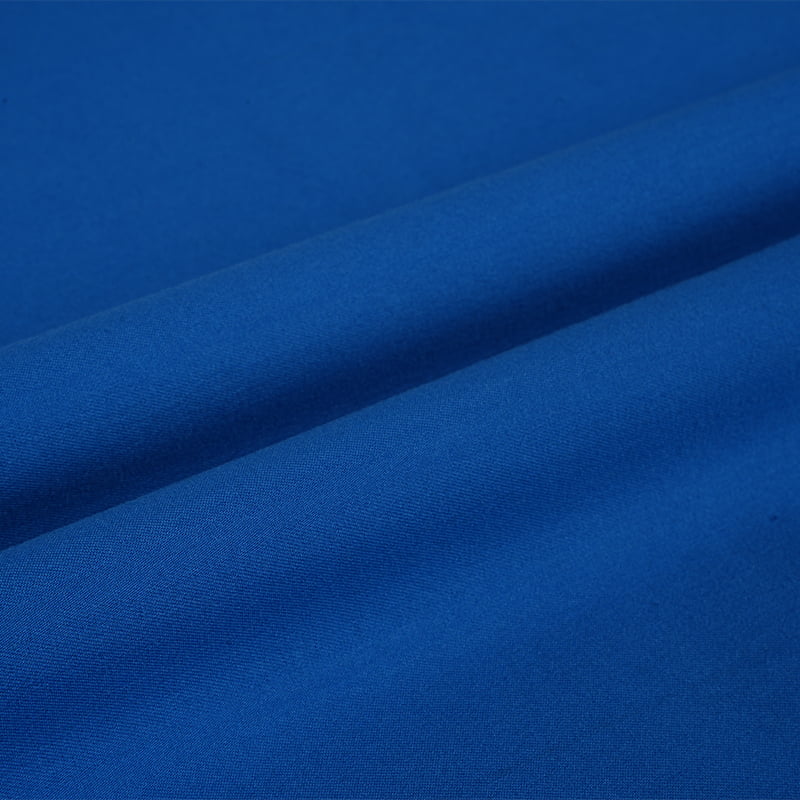
FX56470 Hospital Uniform Fabric
200 GSM, 75/19/6 polyester rayon spandex. Soft hand and extra stretch for uniforms and trousers.
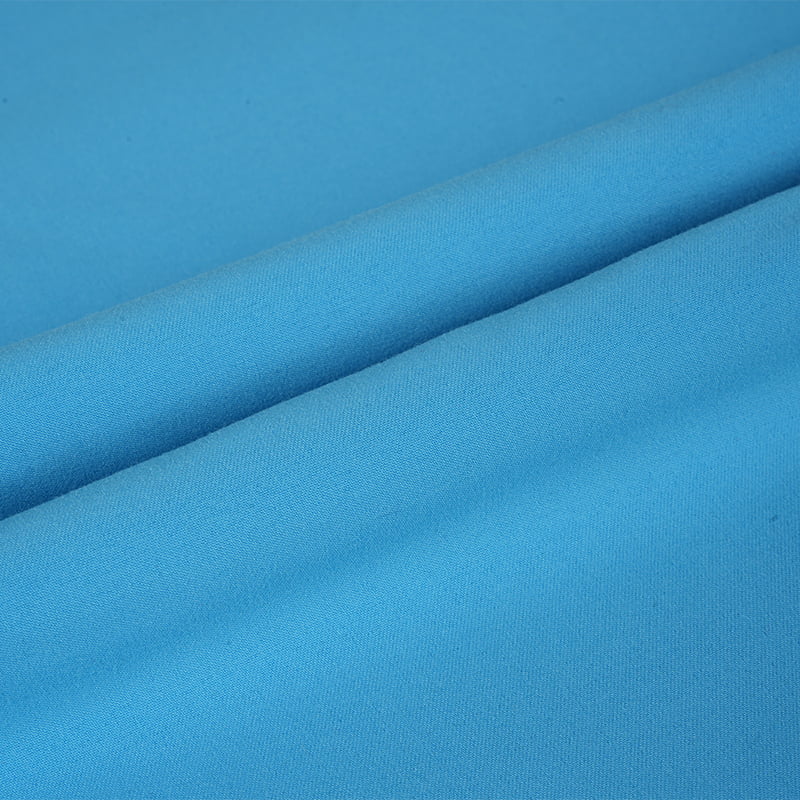
FX55527 Moisture-Wicking Scrubs Fabric
200 GSM, moisture-wicking blend with 6% spandex. Keeps the wearer drier through long shifts.
| Item | FX50316 | FX56470 | FX55527 |
| Composition | 75% polyester, 20% rayon, 5% spandex | 75% polyester, 19% rayon, 6% spandex | 38% polyester, 37% moisture-wicking fiber, 19% rayon, 6% spandex |
| Weight and width | 200 GSM, 57/58 in | 200 GSM, 57/58 in | 200 GSM, 57/58 in |
| Main function | Water-resistant and antibacterial finishes | Soft hand, extra stretch, easy care | Moisture wicking for long wear |
| Minimum order | 1,500 m per color, 5,000 m per order | 1,500 m per color, 5,000 m per order | 1,500 m per color, 5,000 m per order |
All three are piece dyed, wrinkle resistant and stretch woven, with a lead time of 25 to 30 days. Colors can be matched to a hospital's standard colors, which is useful when several departments are ordered in separate batches.
Heavy Scrubs Fabric: When the Extra Weight Pays Off
Heavy scrubs fabric earns its place in a narrower set of situations. Cold wards and air-conditioned labs, where staff feel the chill within an hour, are one. Warm-up jackets and outer layers are another, because they need body and some insulation. Roles that involve kneeling, lifting or constant contact with equipment, such as veterinary work, dental assisting and ambulance crews, are a third, since the extra mass resists abrasion at the knees and pockets.
The costs are easy to list. A heavier fabric runs warmer, dries more slowly in the laundry, costs more per meter and weighs more in freight. At 250 GSM and 58 inches wide, one linear meter weighs about 368 g, roughly 25 percent more than the same width at 200 GSM. For a large uniform program, that difference shows up in both the fabric invoice and the shipping line.
Weight also does not rescue a poor construction. A heavy fabric with low recovery still bags at the knee, and a heavy fabric with no stretch restricts movement more than a midweight stretch weave does. If durability is the goal, raise the weight only after checking the weave and the fiber blend.
Cold wards Warm-up jackets Kneeling and lifting roles Longer garment life
Matching GSM to Clinical Role
The table below gives a starting band for common roles. It is a place to begin sampling, not a rule, because climate, laundering method and color all push the answer one way or the other.
Operating room staff
Warm room, long cases, often a gown over the scrubs. Start light to mid, with a moisture-managing blend.
Ward nurses
Constant walking, lifting and reaching across a 12-hour shift. Midweight stretch is the dependable choice.
Emergency and ambulance
Hard use, kneeling and spills. Mid to heavy, with a firm weave that resists abrasion.
Dental and veterinary
Frequent kneeling and contact with equipment. Midweight, with attention to knee and pocket wear.
| Role or garment | Environment | Starting band |
| Operating room tops and trousers | Warm, long cases, gown worn over | Lightweight to midweight |
| Ward nurse sets | Mixed temperature, high movement | Midweight |
| Emergency and ambulance trousers | Rough use, kneeling | Midweight to heavy |
| Dental and veterinary sets | Kneeling, equipment contact | Midweight |
| Warm-up jackets and outer layers | Cold corridors, air-conditioned labs | Heavy |
| Hot-climate hospital uniforms | High heat and humidity | Lightweight to midweight |
What GSM Does Not Tell You: Specifications to Request Alongside It
Two fabrics at exactly 200 GSM can behave very differently. A twill with a high yarn density feels dense and drapes firmly, while a plain weave of the same weight can feel crisp and light. A brushed finish changes the hand without changing the weight by much. Spandex content changes stretch and comfort more than it changes the GSM figure.
Before approving a supplier on weight alone, ask for the following on the finished fabric:
- GSM with an agreed tolerance, measured by a stated method such as ASTM D3776
- Full composition, including the spandex percentage, and the finished width
- Weave and surface finish, such as twill, plain or brushed
- Stretch percentage and recovery, using a method such as ASTM D3107 for woven stretch fabrics
- Dimensional change after laundering, since scrubs go through far more washes than ordinary clothing
Finally, test on a real sample in the target color. Regular samples take 5 to 12 days, and wearing a cut trouser through a shift or two reveals things a swatch cannot, such as how the fabric feels at the end of the day and whether the color holds in the wash. With a 1,500 meter per color minimum on the three scrubs fabrics above, a sample check before the bulk order is worth the few days it takes.
Frequently Asked Questions
What GSM is best for medical scrubs?
A midweight fabric of about 160 to 220 GSM suits most roles, and 200 GSM is a common target for woven stretch scrubs. Lighter weights suit hot environments, and heavier weights suit cold wards and outer layers.
Is a higher GSM scrubs fabric more durable?
Not automatically. Durability depends on the weave, the yarn quality and the fiber blend as much as on weight. A well-made 200 GSM twill can outlast a loosely woven 240 GSM fabric.
Is 200 GSM too hot for a long shift?
Usually not. Blends that include rayon or a moisture-wicking fiber manage sweat well, and a stretch weave lets air move around the body. In very hot theatres or climates, a lighter option in a dark color is worth sampling.
How do I convert GSM to ounces per square yard?
Divide the GSM figure by 33.9. A 200 GSM fabric is about 5.9 oz per square yard, and a 280 GSM fabric is about 8.3 oz per square yard.
Does spandex change the weight of scrubs fabric?
Only slightly, because spandex makes up a small share of the blend. Its main effect is on stretch, recovery and comfort, so two fabrics with different spandex contents can share the same GSM and still feel different.
Can scrubs fabric weight and color be customized?
Yes. Colors can be matched to hospital standard colors, and weight, composition and finish can be developed from a customer reference. Ask for a sample first so the hand, stretch and color can be approved before bulk production.
Sources: ASTM International test standards D3776 (mass per unit area of fabric) and D3107 (stretch properties of fabrics woven from stretch yarns); Shaoxing Fuxing Textile product specification sheets.
News
Products
Recent Articles
- How does Heavy Weight Double Side Brushed Poly Rayon Spandex Fabric integrate various materials and processes to create unique charm and good performance?
- Is Dyed Poly Rayon Woven Fabric With Stretch Ideal for Sportswear and Activewear?
- How Does Dyed Poly Rayon Woven Fabric With Stretch Improve Comfort and Durability in Apparel?
- What types of clothing are suitable for FX55425 Manufacture Tr 4 Way Stretch Top Dyed Fabric For Men'S Suit Trousers?
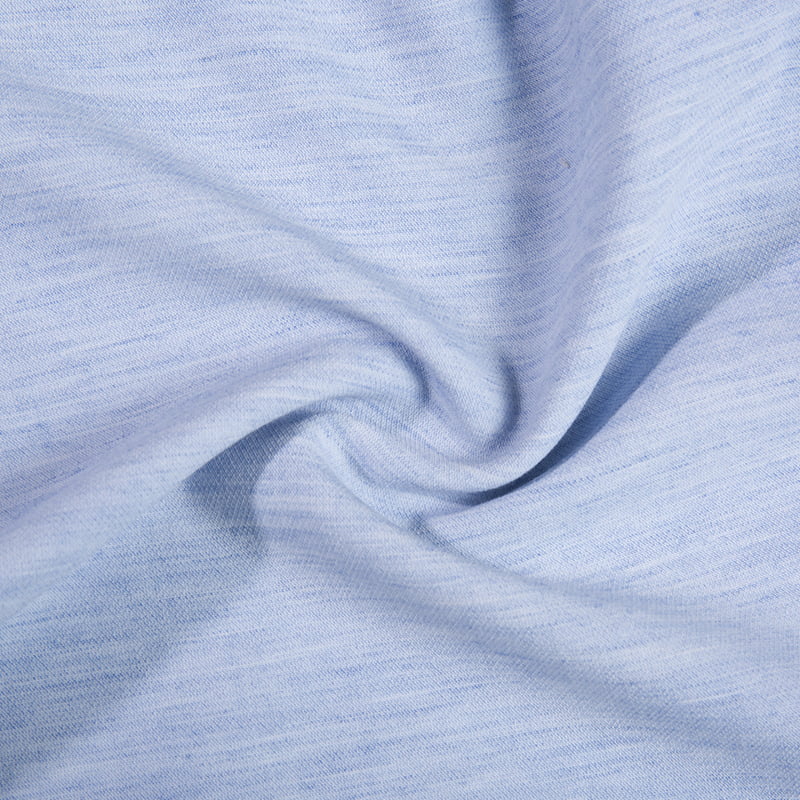

Can Supply Mature And Stable Products.
Choose Us, Contact Us
Contact Us
-

Tel: +86-575-81176657
+86-18857538666 -
 E-mail: martin@fuxing-tex.com
-
 Xindian Village, Qianqing Street, Keqiao District, Shaoxing City, Zhejiang Province, China.
Quick Links
Products
Get In Touch
Copyright © Shaoxing Fuxing Textile Technology Co., Ltd. All rights reserved. China Woven Fabric Manufacturer OEM & ODM Suiting & Medical Fabrics Factory
