
 English
 中文简体
中文简体 日本語
日本語 한국어
한국어 Español
 русский
Content
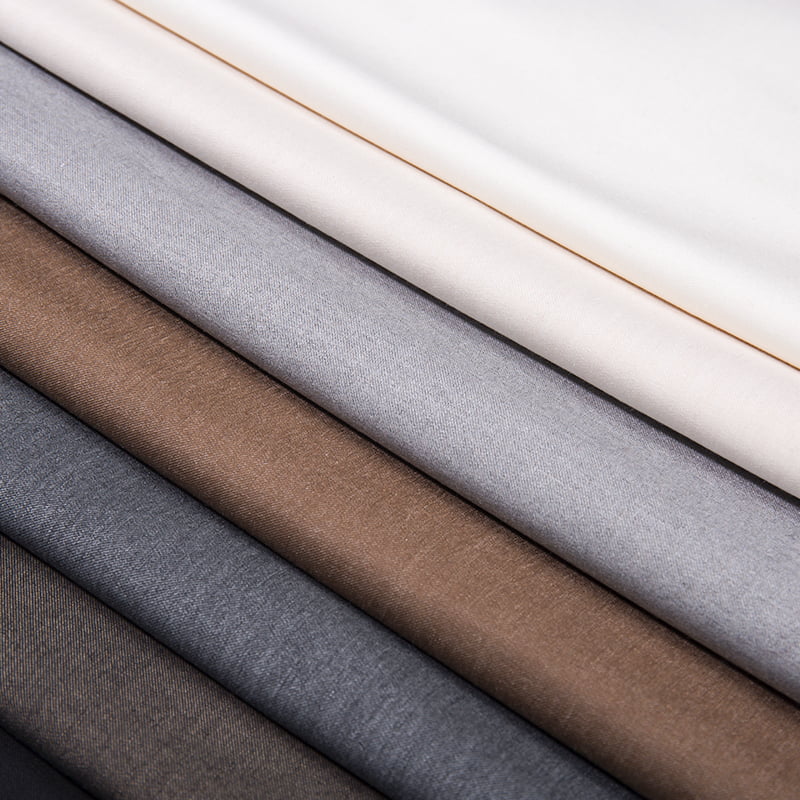
The fabric used in a suit plays a pivotal role in determining its overall formality. While the cut, fit, and style of the suit are important, it is the fabric that largely dictates whether a suit is suitable for a casual event, business meeting, or formal gathering. Understanding how different suit fabrics affect the formality of a suit can help you make informed choices when purchasing or designing a suit.
The Role of Suit Fabric in Formality
Suit fabrics come in a variety of materials, weights, and textures, each influencing the appearance, feel, and suitability of the suit for different occasions. Broadly speaking, the formality of a suit is influenced by:
- Material: The type of fabric used in a suit can suggest whether it's suited for a casual event or a formal occasion.
- Weight: Heavier fabrics tend to be more formal, while lighter ones suggest a more casual look.
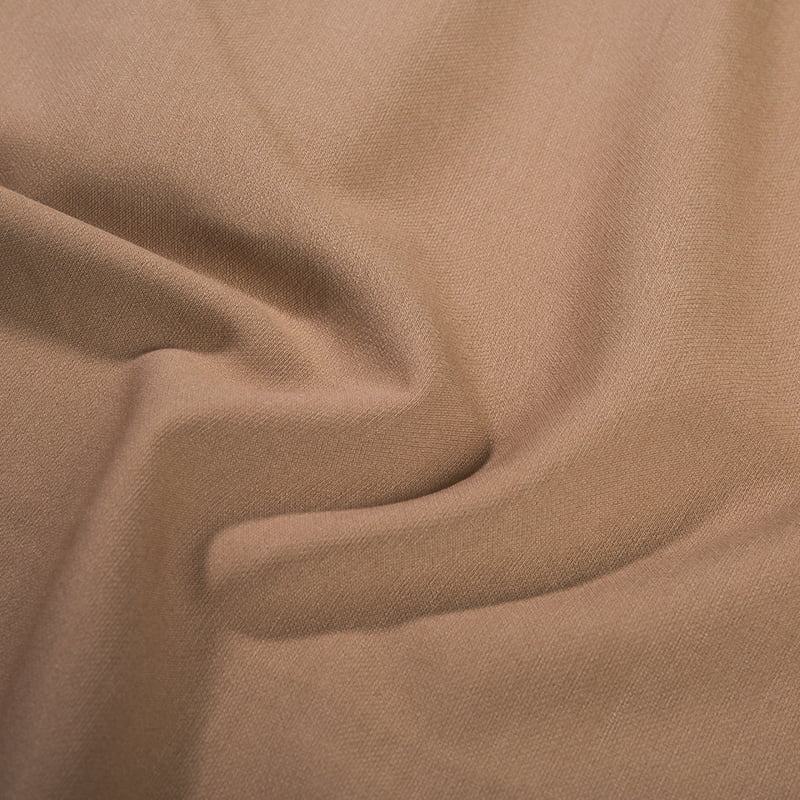
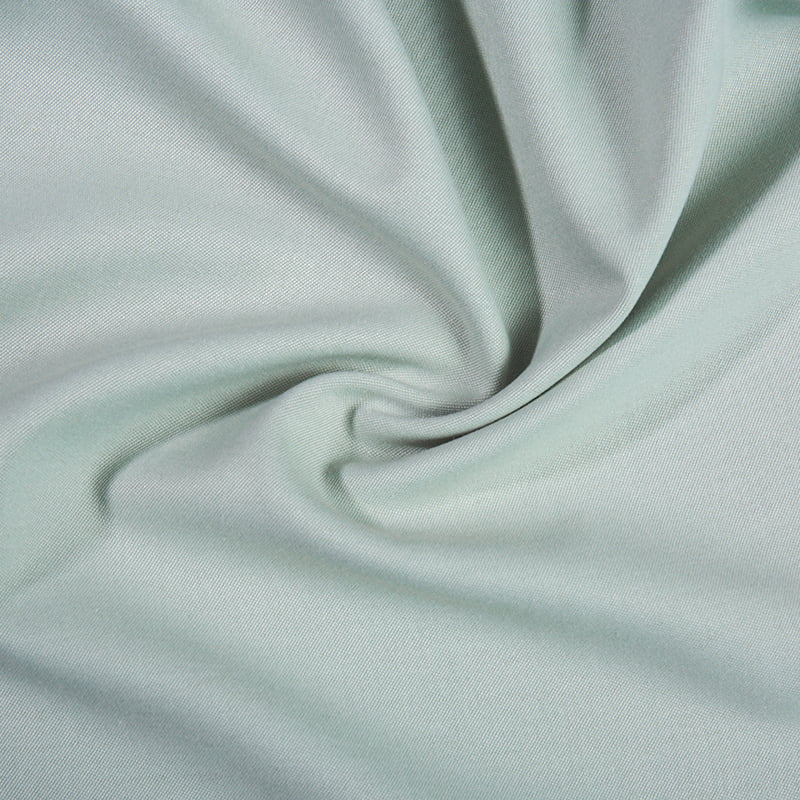
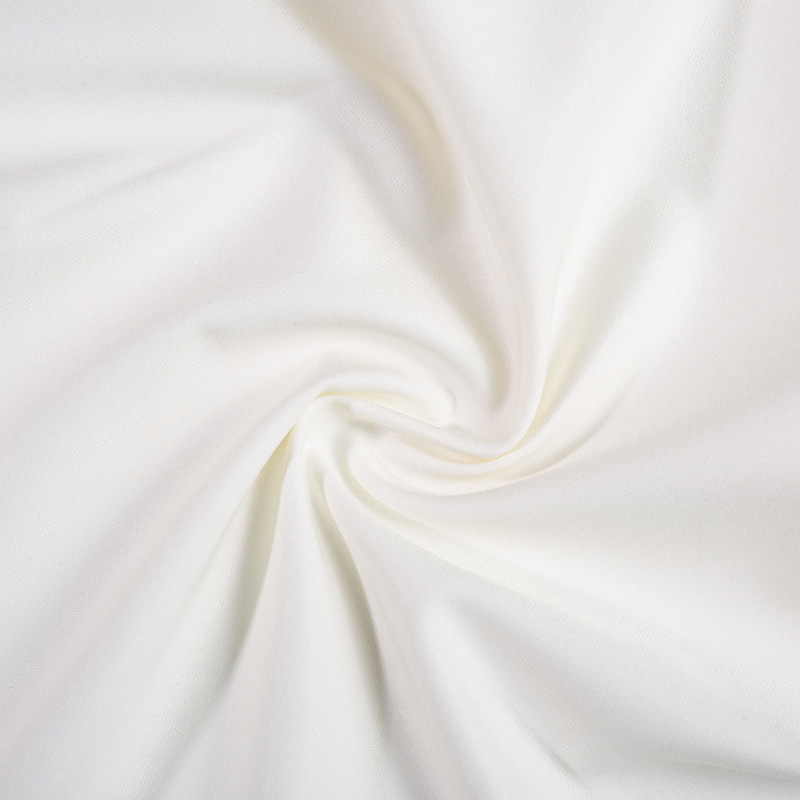
- Texture: Smooth fabrics often appear more formal than rougher or textured materials.
Common Suit Fabrics and Their Formality
Below is a comparison of common suit fabrics and their relative formality:
| Fabric | Formality Level | Key Features |
|---|---|---|
| Wool | High | Suits made from wool are considered highly formal. Wool is versatile and can be used for year-round suits. It holds its shape well and provides a crisp, clean appearance. |
| Cashmere | Very High | Cashmere offers a luxurious feel and is often used in high-end suits. Its softness and delicate texture make it suitable for the most formal occasions, such as black-tie events. |
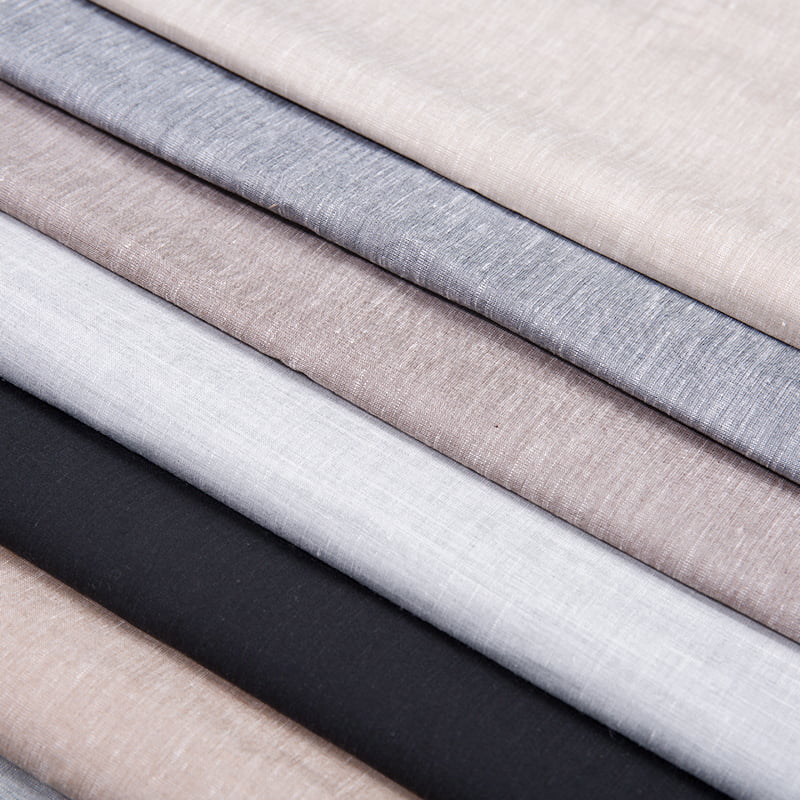
| Linen | Low | Linen suits are perfect for warmer weather, offering a lightweight and breathable option. However, their wrinkled texture and lighter weight make them more appropriate for casual or semi-formal events. |
| Silk | High | Silk is often blended with wool for evening suits or for highly formal settings. The fabric has a smooth, shiny finish, which is ideal for special occasions. |
| Polyester | Low | Polyester is a synthetic fabric that is commonly used in budget-friendly suits. While it can mimic the appearance of wool, it is generally considered less formal due to its lower quality and less breathable nature. |
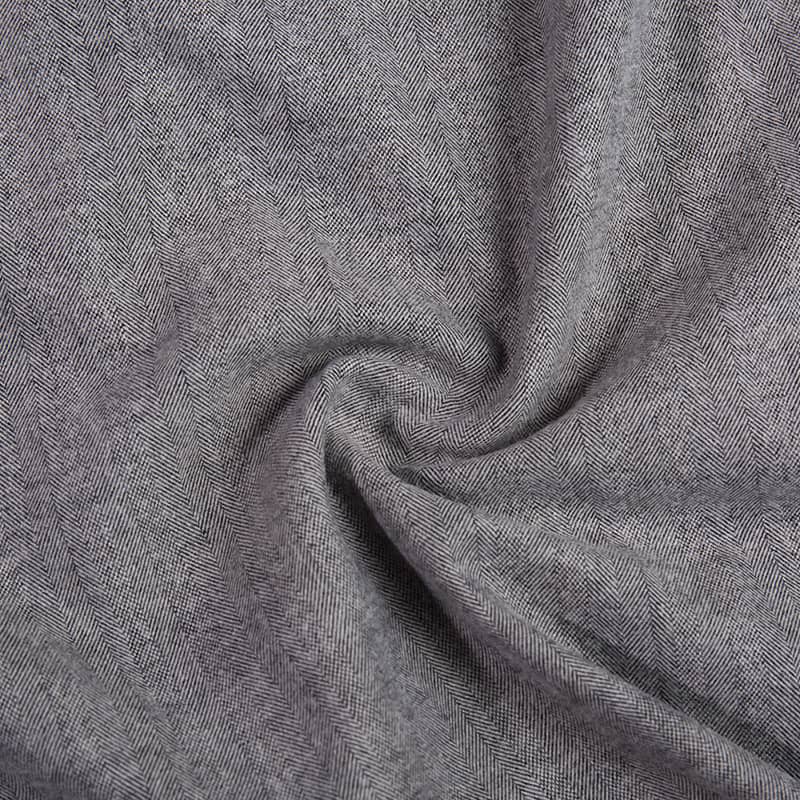
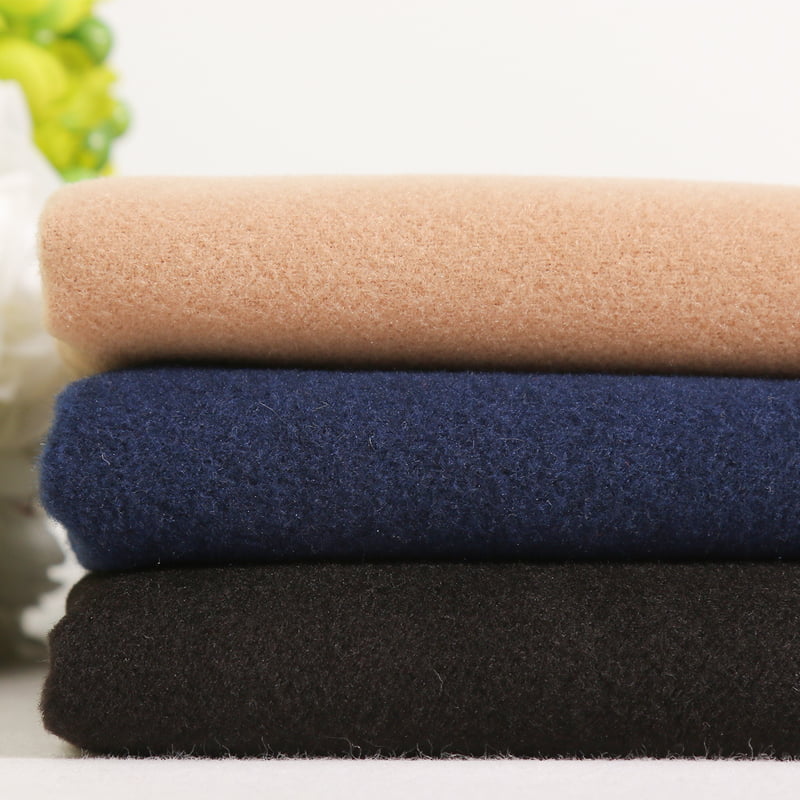
| Flannel | Moderate | Flannel suits are made from wool or cotton and feature a soft, fuzzy texture. While still formal, flannel is typically associated with colder seasons, offering a slightly more relaxed look than pure wool. |
How Fabric Weight Affects Suit Formality
The weight of the fabric is another crucial element that influences the formality of a suit. Generally, heavier fabrics are seen as more formal, while lighter fabrics lean toward a more casual style.
- Lightweight Fabrics: Fabrics like linen and tropical wool are designed for warm climates. These fabrics are breathable, cool, and lightweight, making them better suited for casual or semi-formal occasions. They’re often chosen for summer events or laid-back settings.
- Medium-Weight Fabrics: Fabrics like standard wool and worsted wool fall into this category. They are perfect for business suits and professional settings, striking a balance between comfort and formality.
- Heavyweight Fabrics: Fabrics such as tweed, flannel, and heavyweight wool are designed for colder weather and formal events. These fabrics have a thicker, more substantial feel and are often used for winter suits, providing an elegant and refined appearance.
Suit Fabrics and Their Textures
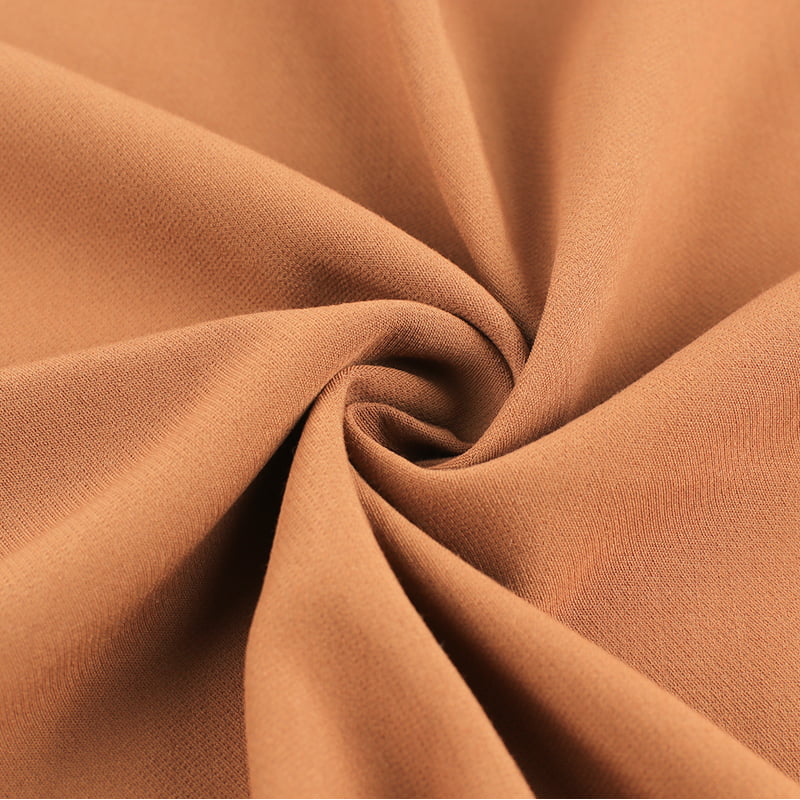
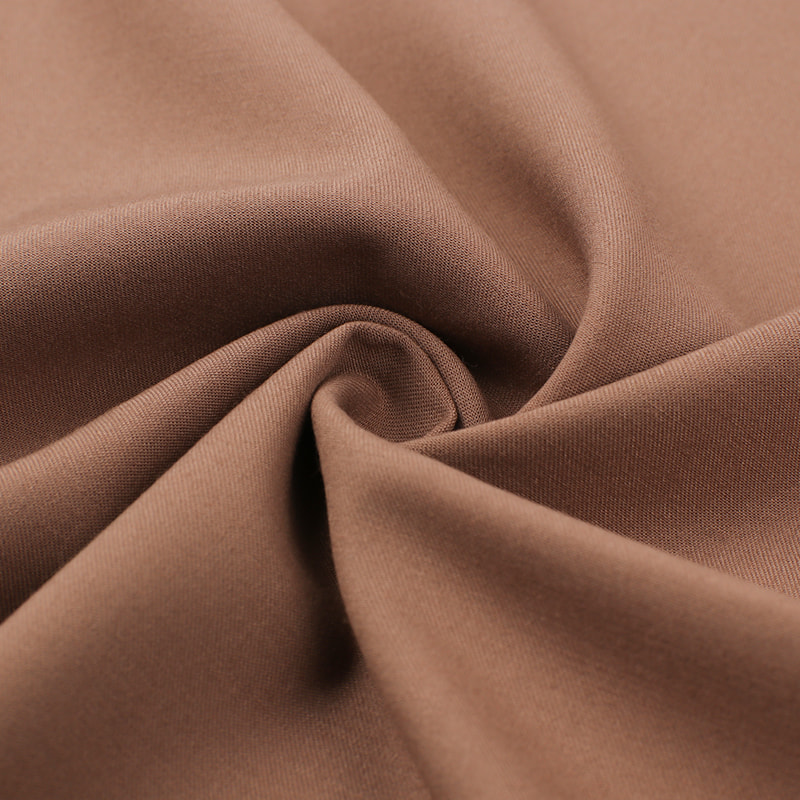
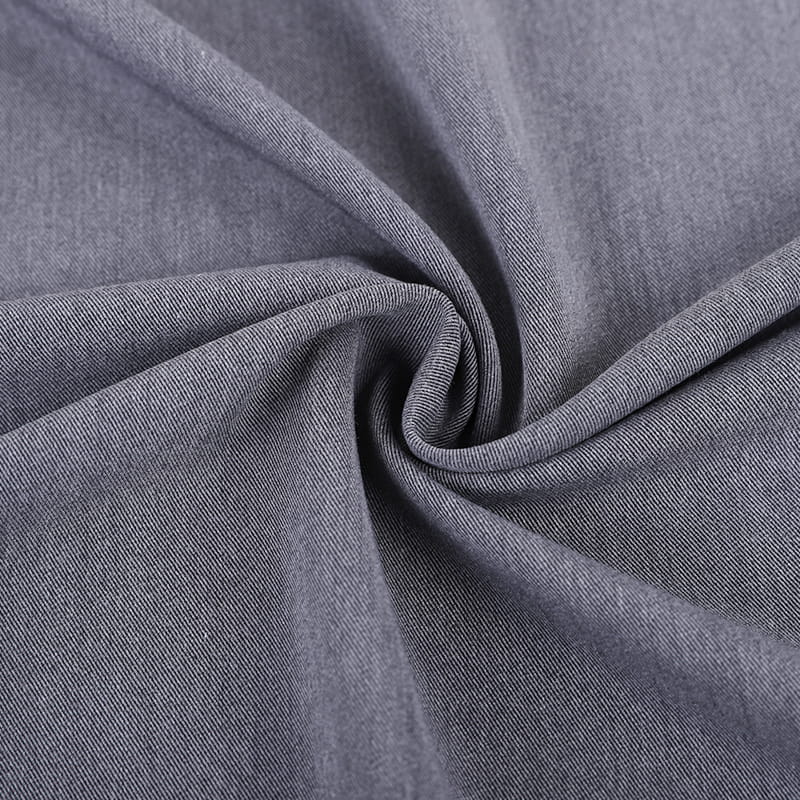
The texture of a suit fabric plays a key role in determining how formal the suit appears. Smooth fabrics tend to have a more sophisticated look, while textured fabrics, such as tweed or herringbone, create a more relaxed or vintage-inspired style.
- Plain Wool: A smooth wool suit exudes formality. It’s perfect for business meetings and other professional settings.
- Tweed: Tweed offers a textured, rustic appearance. While still formal, it tends to feel more relaxed and is often associated with winter or country-style fashion.
- Houndstooth: This fabric features a bold pattern and is a popular choice for stylish, fashion-forward suits. It can work for both business and semi-formal events.
- Sharkskin: Sharkskin fabric is smooth and shiny, often used in high-end suits. Its appearance is sleek and polished, ideal for formal business settings.
Fabric Blends and Their Impact on Suit Formality
Many modern suits use a blend of fabrics to combine the benefits of multiple materials. These fabric blends can alter the formality of the suit, depending on the types of materials used.
- Wool-Polyester Blends: These suits are more affordable and durable. While they offer a decent balance of formality, they are generally considered less formal than pure wool suits.
- Wool-Cashmere Blends: A wool-cashmere blend enhances the softness and warmth of a wool suit, elevating its formality. This blend is ideal for formal and business events.
- Silk-Wool Blends: Combining silk with wool creates a suit that’s both luxurious and formal, perfect for high-end occasions or evening events.
Frequently Asked Questions (FAQ)
1. What is the most formal suit fabric?
The most formal suit fabric is typically wool, especially when used in its purest form. For luxury occasions, cashmere can also be considered the most formal option due to its softness and exclusive nature.
2. Can linen suits be worn at a formal event?
While linen suits are more casual due to their lightweight and textured nature, they can be worn at semi-formal events, especially during warmer months. However, for more formal occasions, wool or cashmere suits are preferred.
3. Does fabric weight affect the appearance of the suit?
Yes, fabric weight significantly impacts the appearance and drape of the suit. Heavier fabrics tend to have a more structured, formal look, while lighter fabrics create a more relaxed silhouette.
4. Are polyester suits less formal than wool suits?
Yes, polyester suits are generally considered less formal than wool suits. Polyester lacks the sophistication and durability of wool, making it a less formal choice for high-end occasions.
5. What are the best fabrics for winter suits?
For winter suits, heavier fabrics such as flannel, tweed, and heavyweight wool are ideal. These fabrics provide warmth and structure, making them perfect for colder months and formal events.
Conclusion
The fabric of a suit plays an essential role in determining its formality. From luxurious cashmere for high-end events to lightweight linen for casual summer occasions, the right fabric ensures that your suit fits the formality of the event you're attending. Understanding the interplay between material, weight, texture, and blend will allow you to select the most appropriate suit for any occasion, ensuring both comfort and style.