
 English
 中文简体
中文简体 日本語
日本語 한국어
한국어 Español
 русский
Content
- 1 What Makes a Business Suit Fabric Dependable?
- 2 Fiber Content: The Practical Balance of Natural and Synthetic
- 3 Fabric Weight and Weave: Match the Suit to the Season and Setting
- 4 Stretch and Recovery in Business Suit Fabric
- 5 How to Sample and Test Before Buying in Bulk
- 6 Care, Cost, and Long-Term Performance
- 7 Frequently Asked Questions
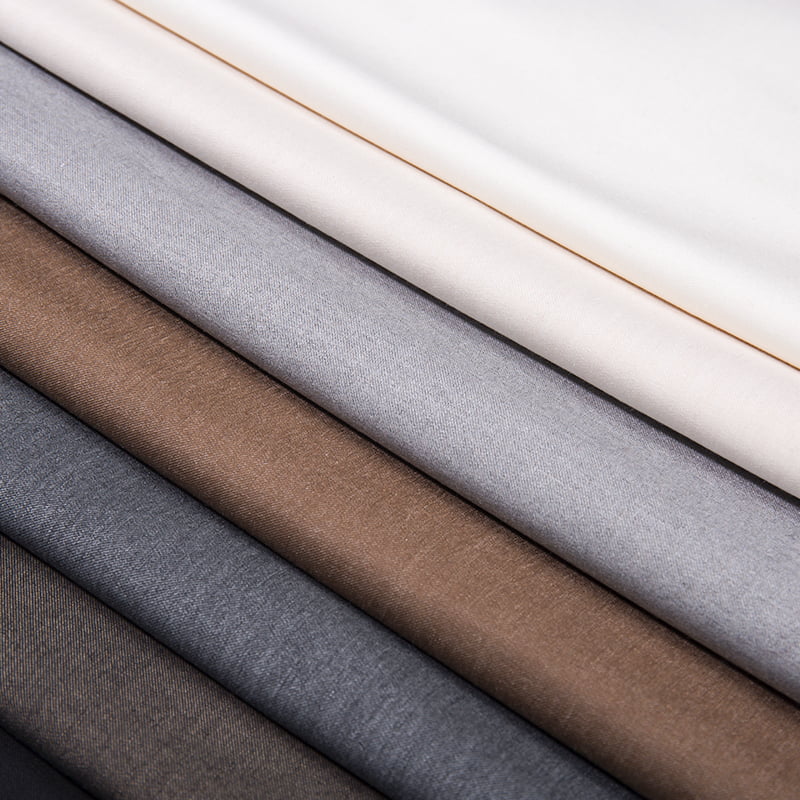
When a production manager fans out a stack of swatches, the first question is not "which color looks best." It is "which of these will still look like a suit after a full day of sitting, commuting, and a working lunch, then survive the next dry-clean cycle?" For a business suit fabric, the answer depends less on a brand label and more on fiber, weave, weight, stretch, and finish.
Choose the wrong fabric and a smartly cut suit sags at the knees, pills on the seat, or catches too much heat in a summer office. Choose well, and the same pattern can look sharp for years. This guide explains how to evaluate suiting fabric for business wear, with particular attention to the polyester-rayon stretch suitings that have become a practical workhorse in many markets.
What Makes a Business Suit Fabric Dependable?
Dependability starts with four performance factors: drape, wrinkle resistance, dimensional stability, and color fastness. A fabric can feel beautiful in the hand yet fail as a business suit because it creases after ten minutes of wear or loses its shape around the elbows.
| Performance factor | What to check | Why it matters |
|---|---|---|
| Drape | Let a sample fold over your hand; it should form rounded folds, not bend in rigid lines. | A fluid drape keeps lapels and trouser fronts clean. |
| Wrinkle recovery | Clench the cloth in one hand for 10 seconds, then release. | Fabric that springs back reduces the need for midday pressing. |
| Shape retention | Pull a swatch lengthwise and widthwise, hold, then release. | Excess distortion becomes bagging at knees and elbows. |
| Color fastness | Rub with a dry and a damp white cloth. | Poor fastness leads to dye transfer onto shirts and skin. |
| Pilling resistance | Lightly abrade a seam allowance or inner edge. | Pilling appears first on collars, cuffs, and seat areas. |
These checks are useful for pure wool, wool blends, and polyester-rayon stretch woven fabrics. They do not replace a lab test, but they do reveal obvious risks before you commit to a bulk order.
Fiber Content: The Practical Balance of Natural and Synthetic
Wool has earned its place as the benchmark for tailored clothing because it is breathable, resilient, and takes a sharp crease. Yet a 100% wool suiting is not always the best choice for a garment that will be worn weekly, packed into carry-on luggage, or cleaned at a commercial laundromat. That is where blends come in.
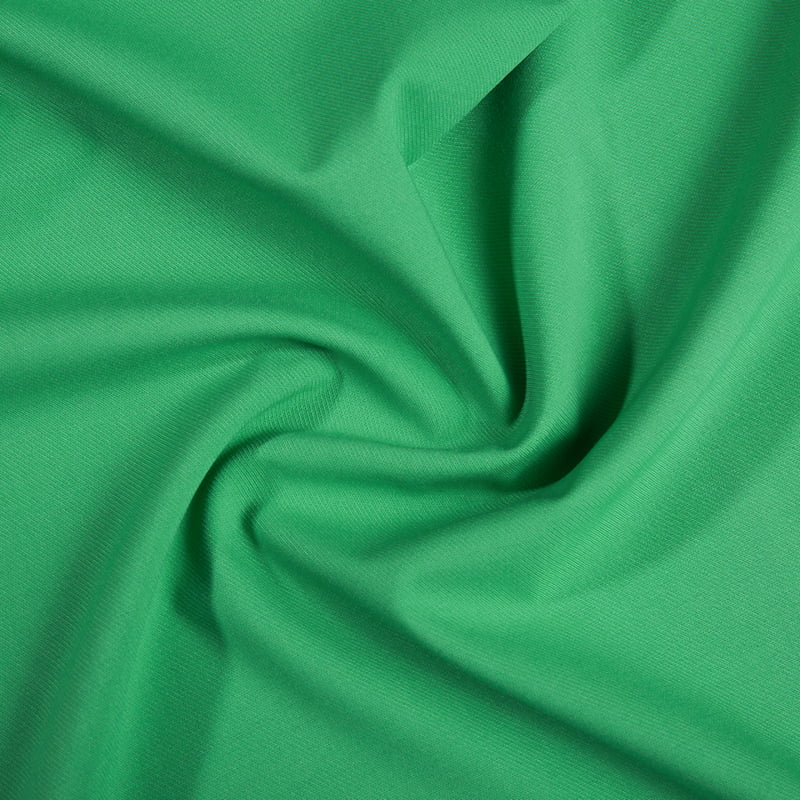
Polyester-rayon, often labelled T/R, mixes the durability and shape memory of polyester with the softness and matte surface of rayon, also called viscose. Adding spandex creates a light two-way or four-way stretch that improves comfort and fit tolerance. These fabrics are now common in business suits, trousers, and uniforms because they hold color well, resist pilling, and are easier to care for than a delicate pure-wool cloth.
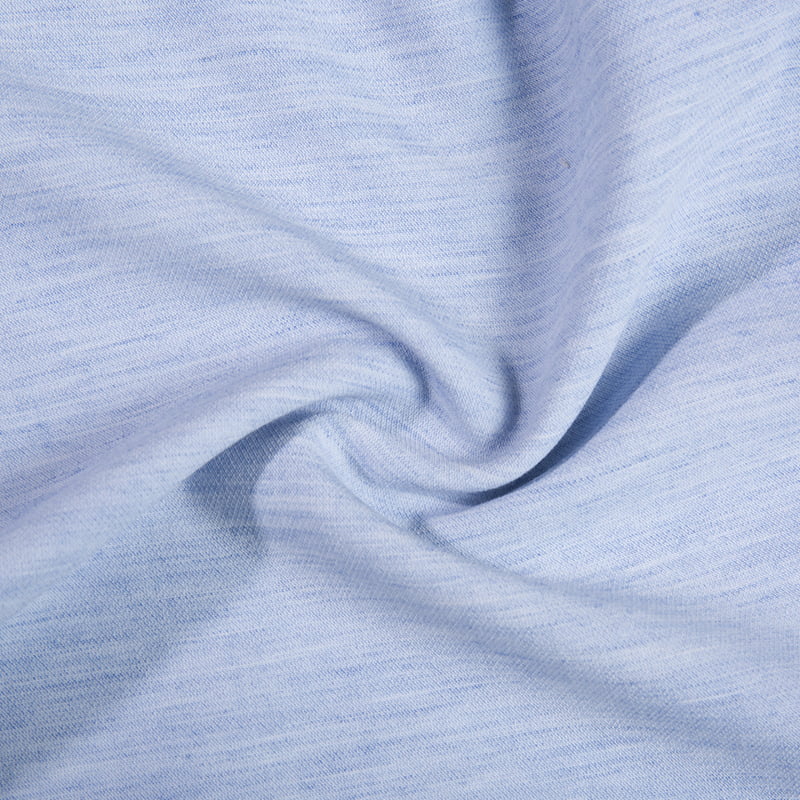
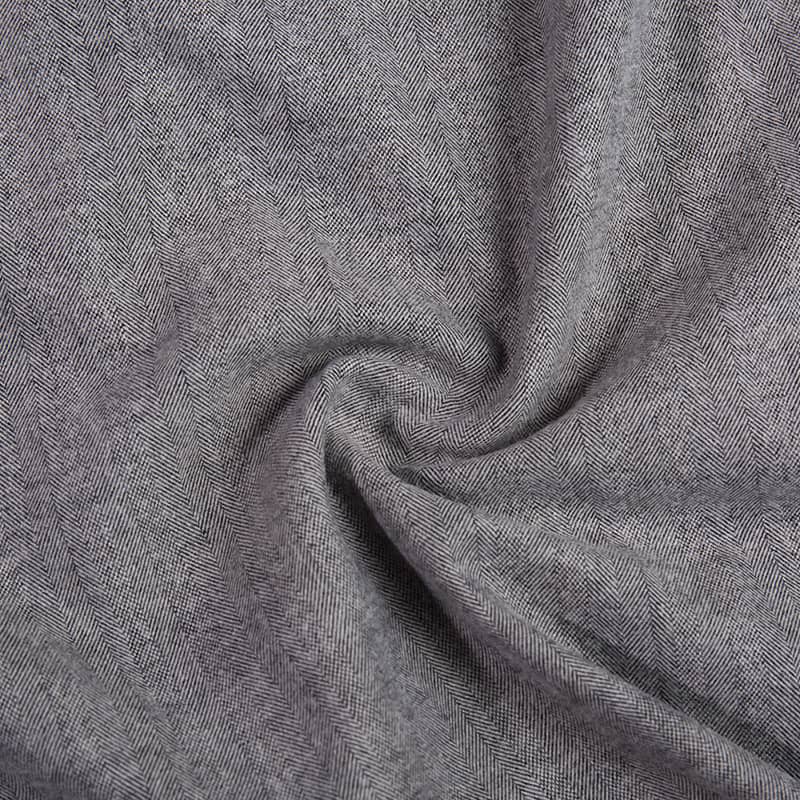
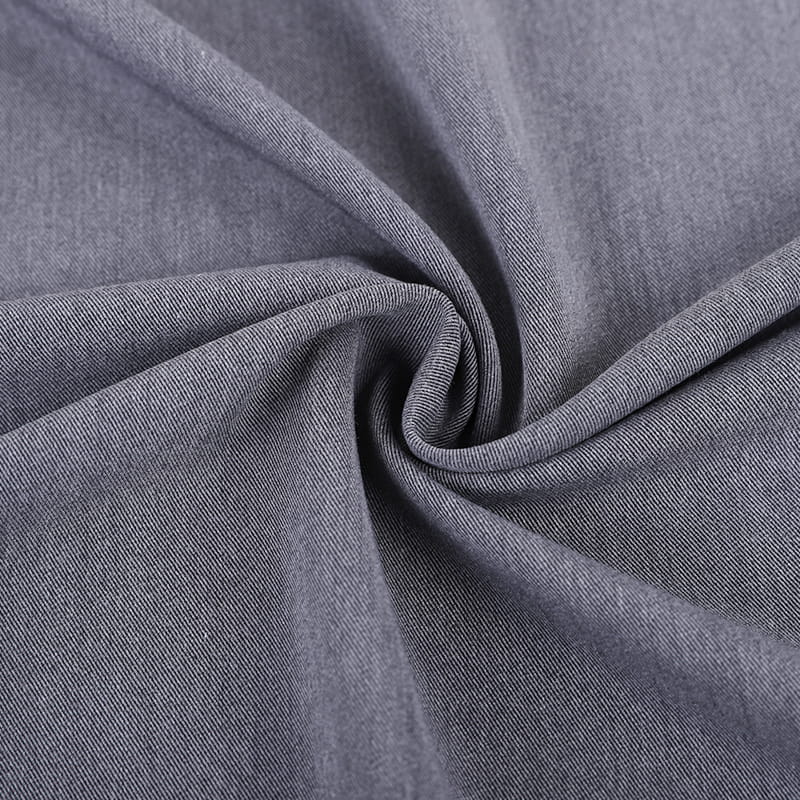
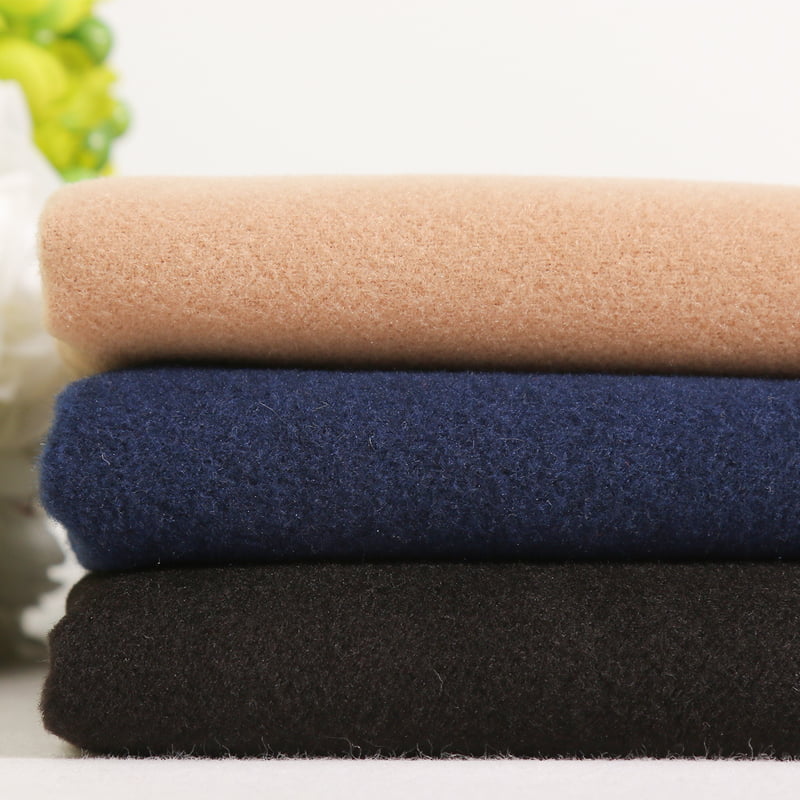
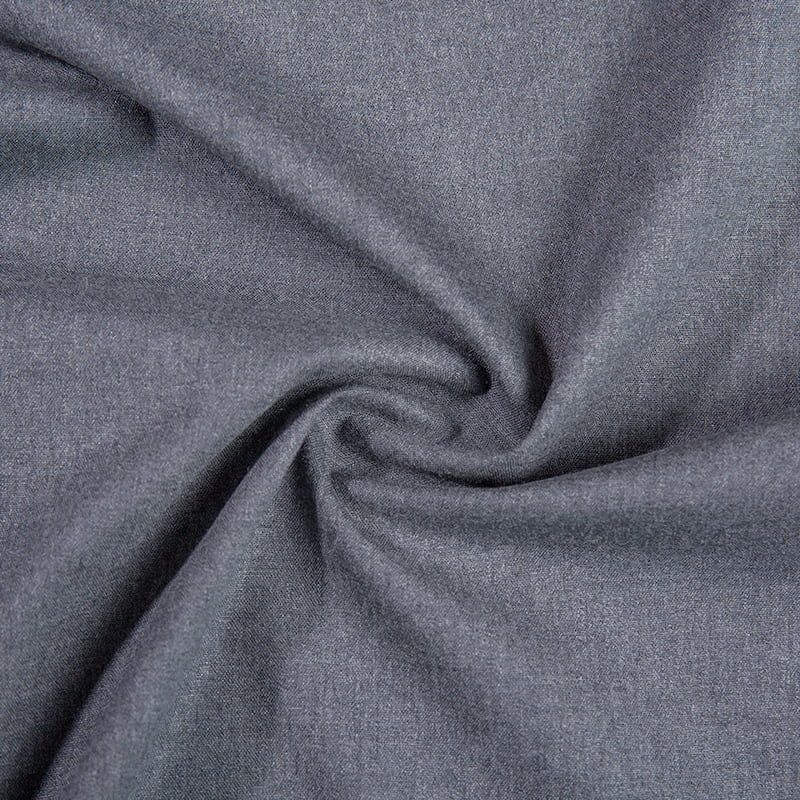
For a more tailored hand, a wool-polyester-rayon blend sits between the two. It keeps some of wool's natural character while lowering cost and maintenance. A practical example is soft-handfeeling polyester-viscose-wool 4-way stretch suiting, designed for spring and summer office suits.
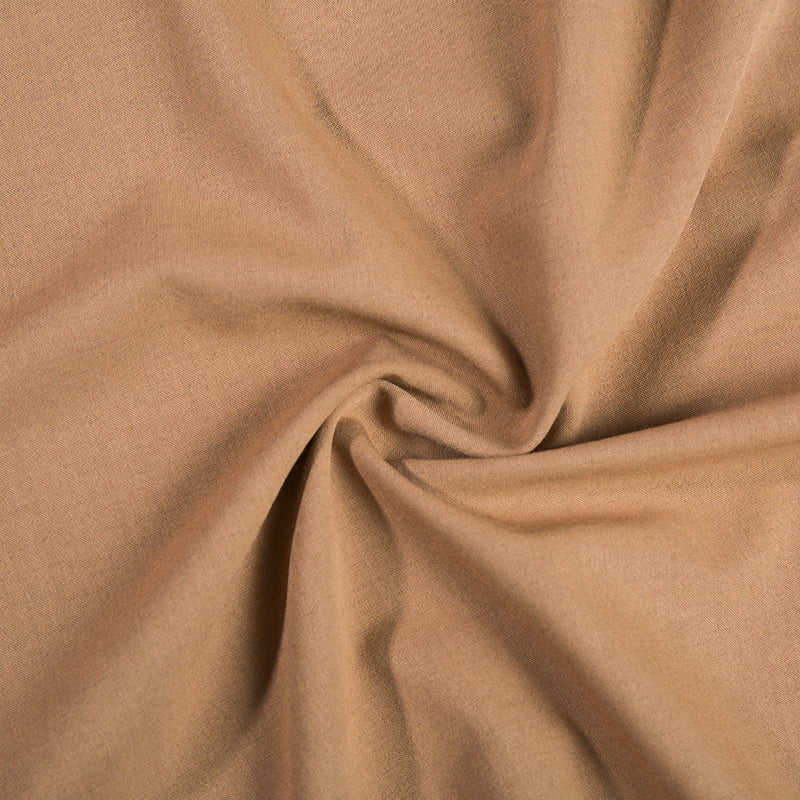 FX54706 Spring/Summer Soft Handfeeling Polyester Viscose Wool Blend 4 Way StretcShaoxing Fuxing Textile Technology Co., Ltd is a China OEM FX54706 Spring/Summer Soft Handfeeling Polyester Viscose Wool Blend 4 Way Stre...View Product →
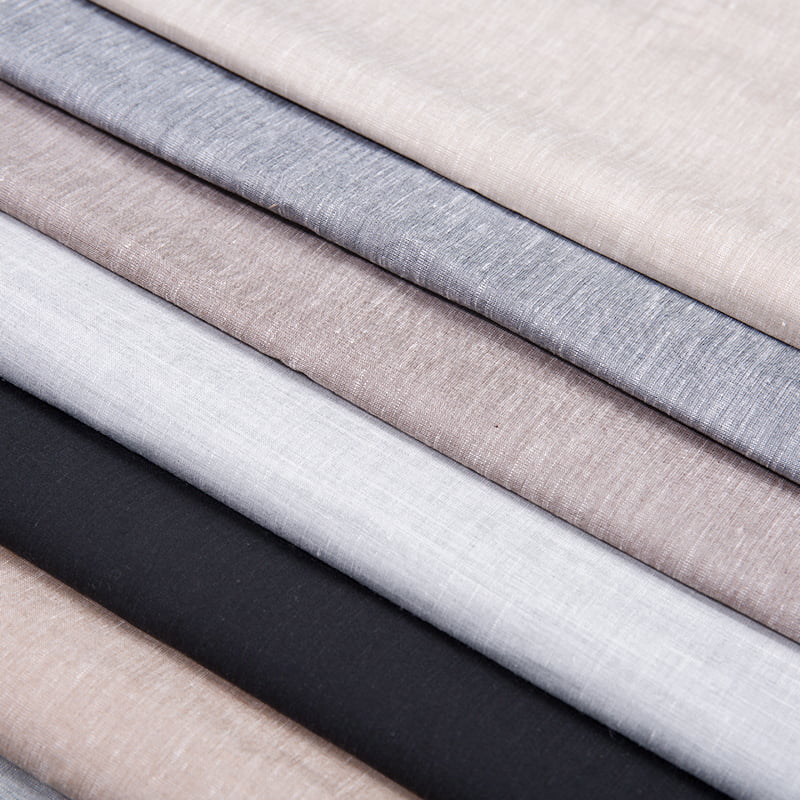
Cotton and linen have their place for warmer weather, but they wrinkle noticeably in a full workday. If your priority is a jacket that still looks presentable at 6 p.m., a wool blend or a T/R stretch weave will usually outperform a pure natural fiber.
Fabric Weight and Weave: Match the Suit to the Season and Setting
Fabric weight is expressed in grams per square meter (gsm) and is one of the fastest filters when choosing business suit fabric. In most cases, 220 to 260 gsm is a comfortable all-season range. Lighter weights from 180 to 220 gsm suit spring and summer; heavier fabrics above 280 gsm add structure for autumn and winter suits or coats.
Weave structure also changes the way a fabric behaves. Twill weaves create a flat diagonal line, resist creasing, and hide street dust, which is why they dominate business suiting. Plain weaves feel crisp and lighter but show every wrinkle. Herringbone and birdseye patterns add depth in conservative colors without adding weight. Double-weave constructions, made from two layers, create a heavier, stable cloth for colder months.
When comparing options, ask for the gsm and the weave structure on the supplier's spec sheet. A 240 gsm twill in a wool-T/R blend is a safer, more versatile choice for a daily office jacket than a 180 gsm plain weave that will collapse in the front after repeated wear.
Stretch and Recovery in Business Suit Fabric
Two-Way vs Four-Way Stretch
Stretch fabrics should be chosen by direction and recovery, not by stretch amount alone. A two-way stretch fabric gives in one direction, usually across the back or waist. A four-way stretch fabric extends in both length and width, giving the garment more freedom when a wearer bends, reaches, or sits for long periods.
How to Test Recovery
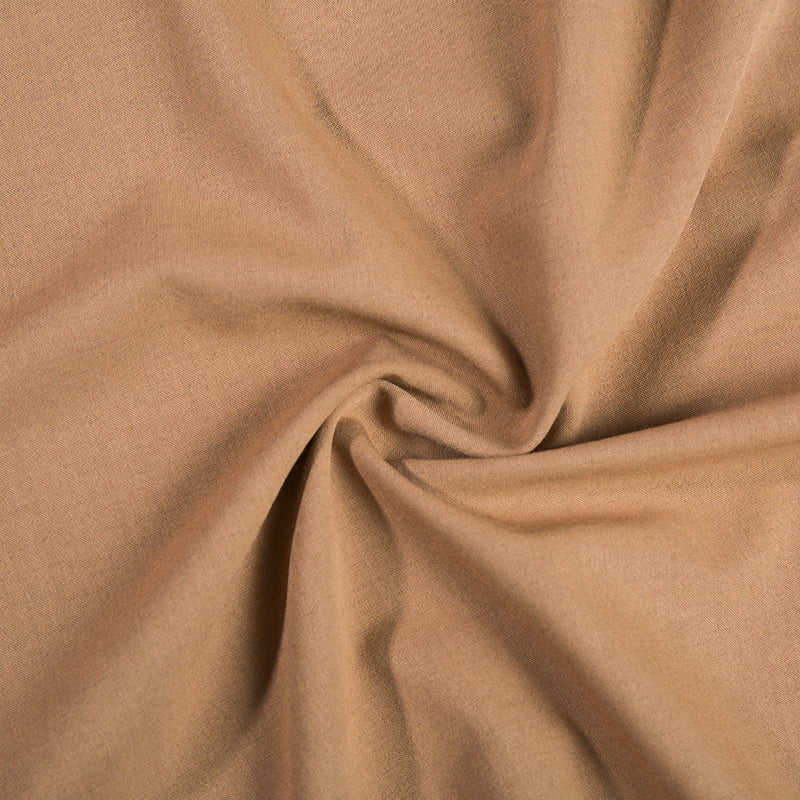
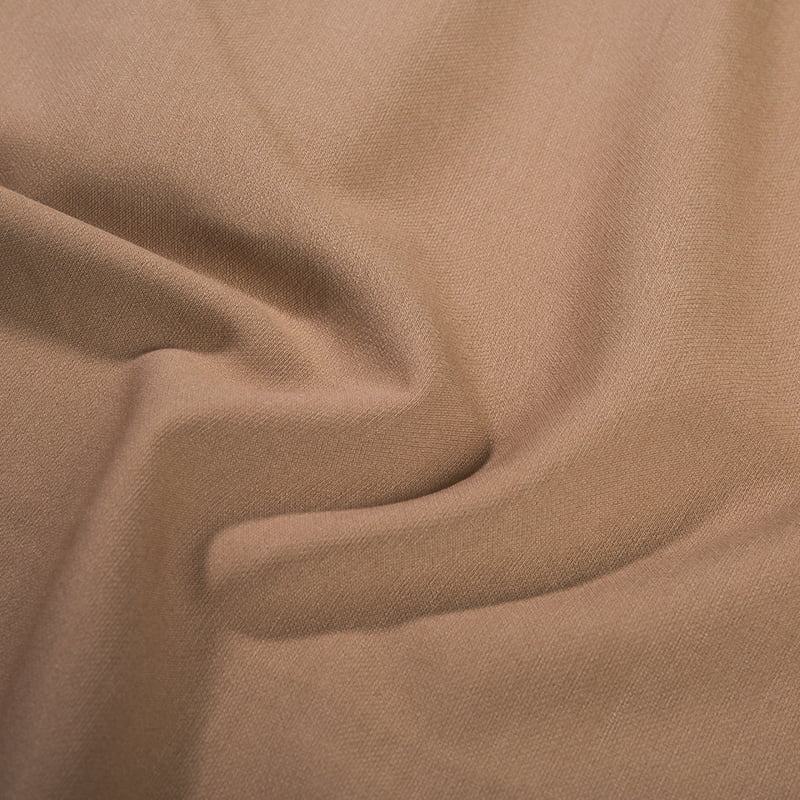
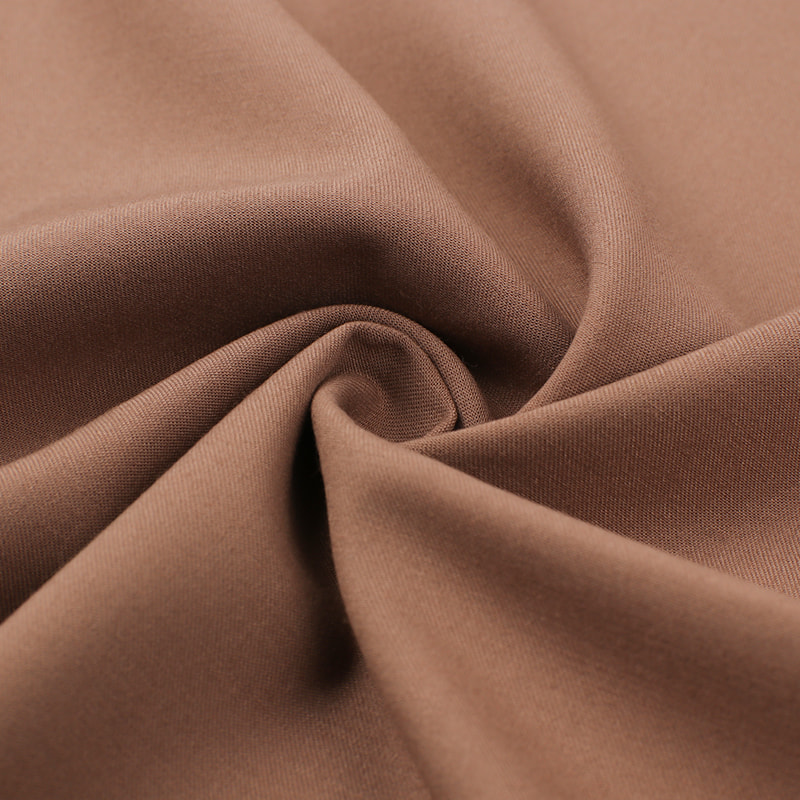
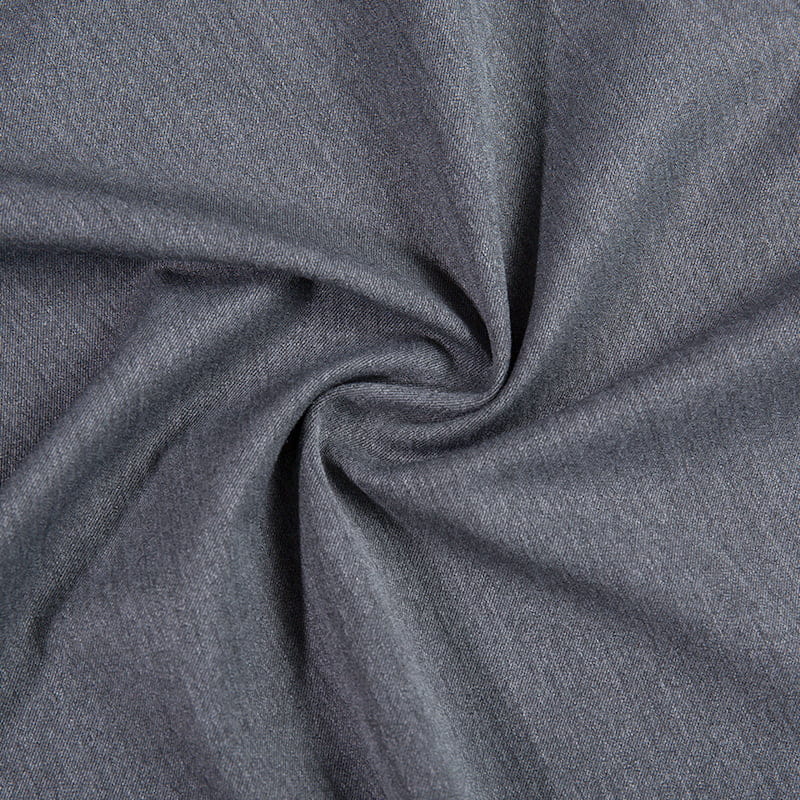
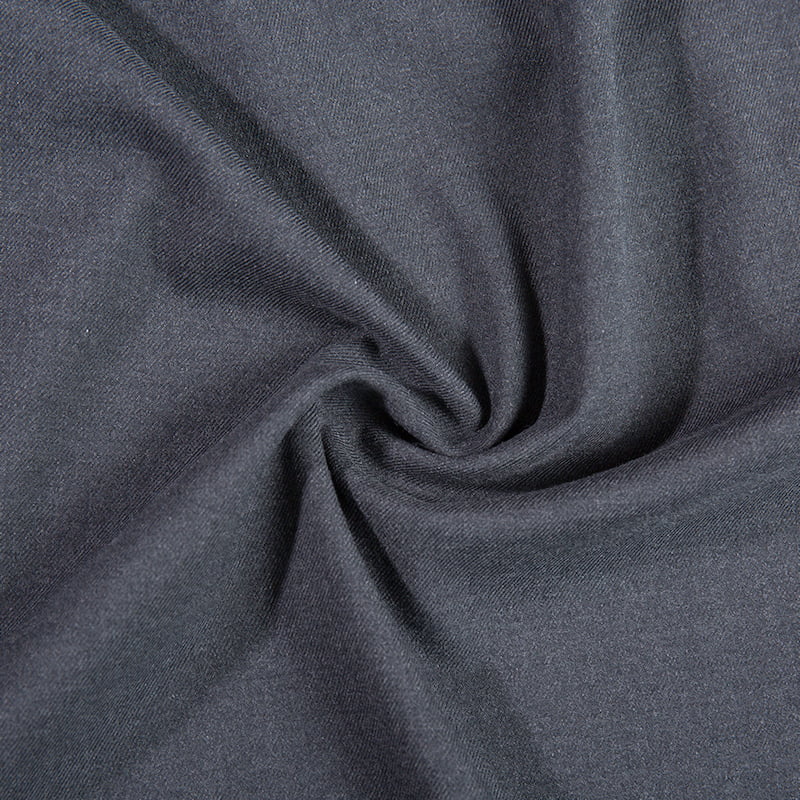
Stretch a 10 cm section of fabric until it reaches about 11 cm, hold for five seconds, then release. After one minute, measure again. If the fabric has grown by more than 2-3 mm, it will likely loosen over the life of the suit. Stretch recovery is particularly important for men's suit trousers, where knees can bag after a single day of wear. A top-dyed four-way stretch fabric for men's suit trousers is a reliable option when the garment needs to keep a crease while the fabric moves with the body.
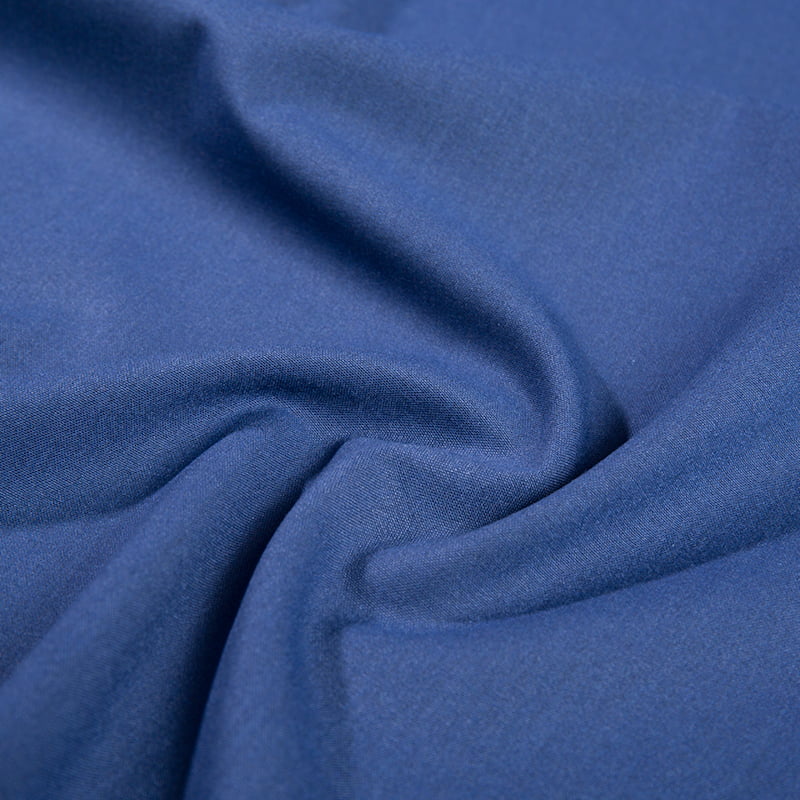 FX55425 Manufacture Tr 4 Way Stretch Top Dyed Fabric For Men'S Suit Trousers SupShaoxing Fuxing Textile Technology Co., Ltd is a China OEM FX55425 Manufacture Tr 4 Way Stretch Top Dyed Fabric For Men'S Suit Trousers s...View Product →
If a supplier cannot tell you whether the fabric has two-way or four-way stretch, ask for a movement swatch and test it before cutting production.
How to Sample and Test Before Buying in Bulk
Never order a full run from a specification sheet alone. A supplier that sells custom suiting should be willing to send a sample length of at least half a metre. Use it to simulate cutting, sewing, and wearing conditions.
- 1
Try the stretch-and-recovery test. Mark a 10 cm line, stretch to 11 cm, hold five seconds, release, and measure after one minute. Any growth beyond 2-3 mm is a red flag.
- 2
Check color fastness with moisture. Rub a damp white cotton cloth over the surface, then test with an ironed seam. Dye transfer onto the cloth or the pressing cushion means trouble for shirt collars and light linings.
- 3
Sew a full seam and press it. Needle holes should close after pressing, and a crease should stay sharp without glazing the surface of synthetic fibers.
- 4
Wear-test the prototype for a full day. Sit, walk, bend, carry a bag, and check knees, elbows, and the seat in natural light. No fabric is truly business-ready until it survives a normal working day.
For bulk orders, ask the supplier to keep the approved sample as the sealing standard before cutting goes ahead.
Care, Cost, and Long-Term Performance
Business suit fabric is usually judged by what happens after 20, 50, or 100 wears. A cheap fabric that pills quickly ends up costing more per wear than a slightly more expensive one that survives two seasons of weekly use. Fabric with a wrinkle-resistant finish reduces pressing time, which matters for hotels, airlines, and any company with an in-house laundry.
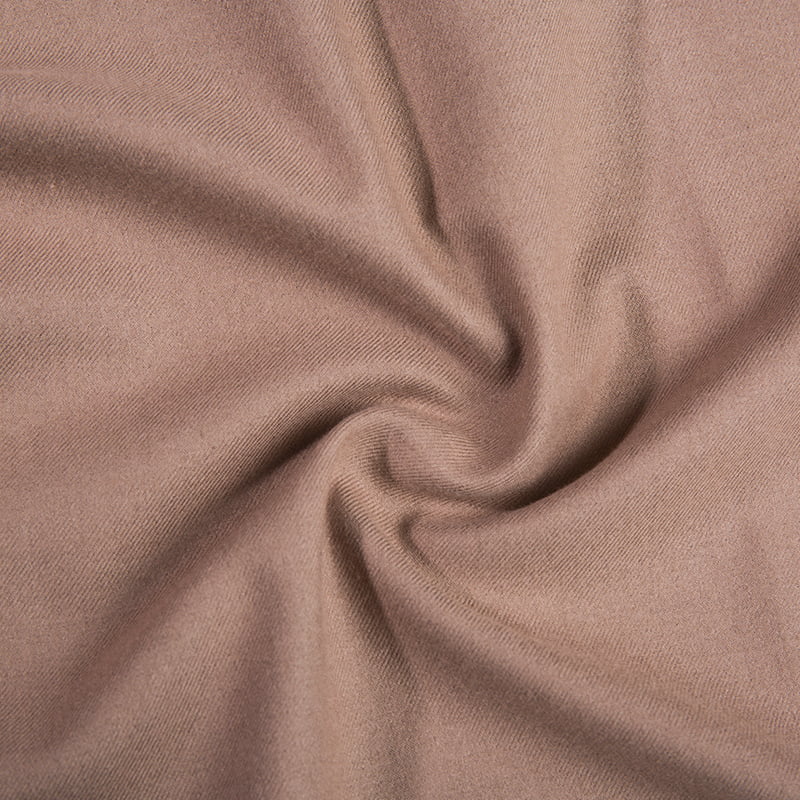
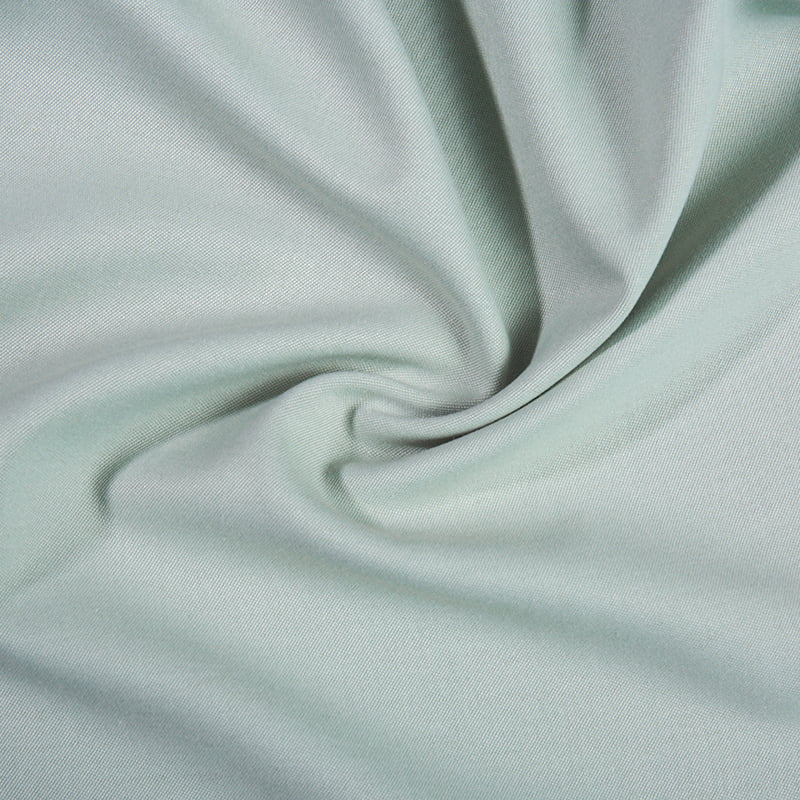
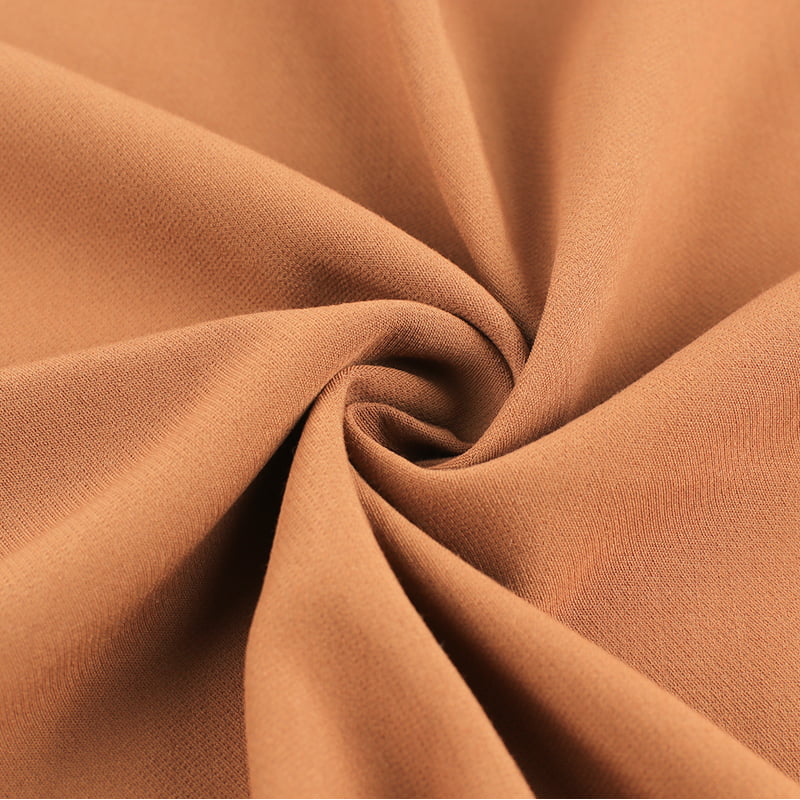
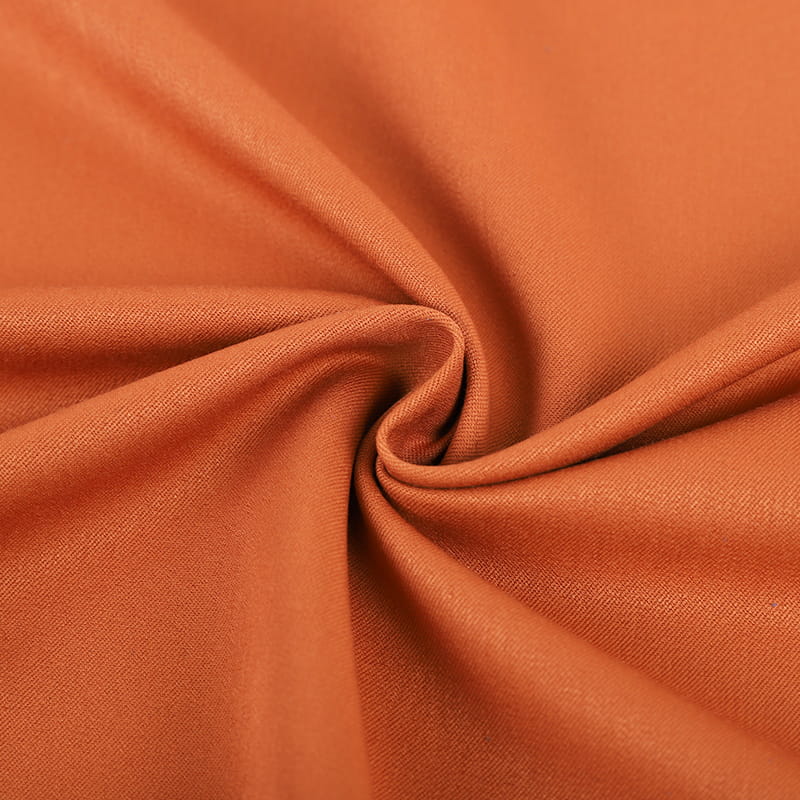
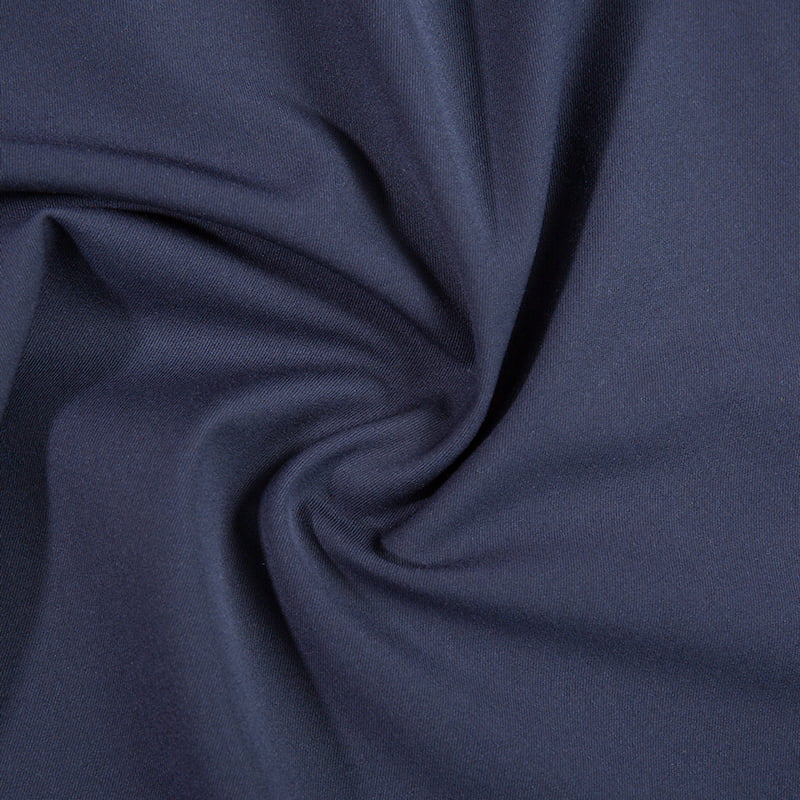
If you choose a stretch woven suiting, a few maintenance habits protect its elasticity. Wash or dry-clean as recommended by the supplier, avoid high heat in the dryer and iron, and use a padded hanger. The same principle applies to reactive-dyed wrinkle-resistant polyester-rayon 4-way stretch crepe meant for suits and trousers: its low-maintenance behavior is only guaranteed if the finishing and sewing process respect the fiber blend.
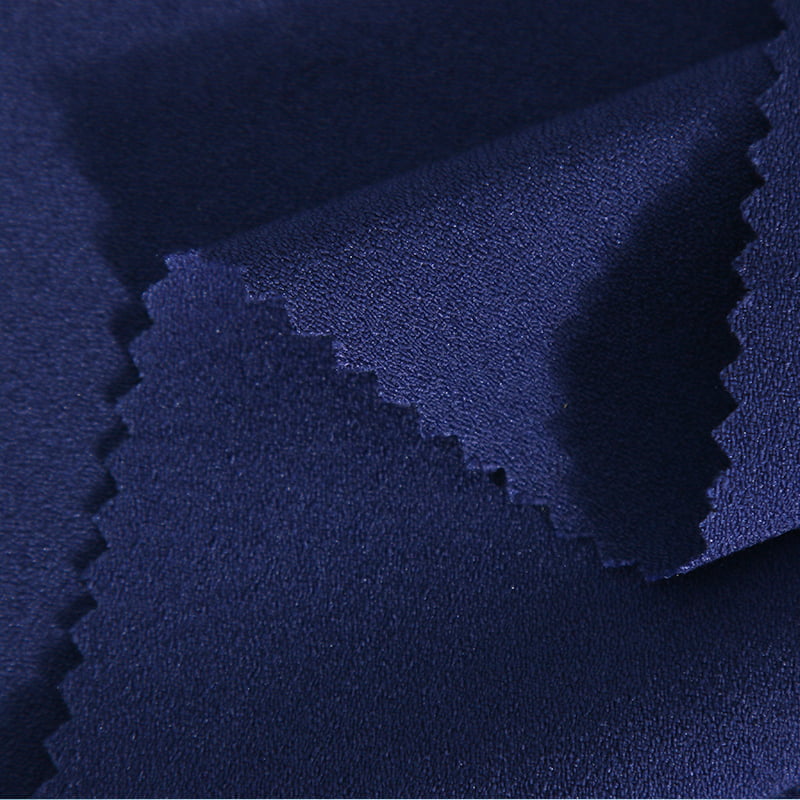 FX50226 Reactive Dyed Wrinkle Resistant Poly Rayon 4 Way Stretch Crepe Fabric FoShaoxing Fuxing Textile Technology Co., Ltd is a China OEM FX50226 Reactive Dyed Wrinkle Resistant Poly Rayon 4 Way Stretch Crepe Fabric ...View Product →
For detailed guidance, see how to care for dyed poly rayon stretch fabric. Resisting high heat and over-washing is the fastest way to keep the spandex from weakening.
Frequently Asked Questions
Can a business suit be made from polyester-rayon stretch fabric instead of wool?
Yes, when the suit is designed for daily office wear, frequent travel, or uniforms. Polyester-rayon stretch fabric is easier to care for, holds color well, and recovers from movement. A pure wool suiting is still a better choice for formal ceremonies or when the client expects a traditional tailor's finish.
What is the best fabric weight for a year-round business suit?
For most wearers, 220 to 260 gsm is the safest all-season range. It has enough body for a clean lapel and trouser line without feeling heavy in an air-conditioned or mildly warm office. Change to 180-220 gsm for summer and 280 gsm or more for winter.
How can I tell whether a stretch fabric will bag at the knees?
Do the 10% stretch-and-recovery test on both warp and weft directions. A fabric with good recovery should return close to its original length within a minute. A four-way stretch weave with spandex recovers more reliably than a tightly woven bottom-weight wool without elastane.
How many metres should I order as a sample before bulk production?
At least 0.5 metres for simple lab checks, and ideally 1-2 metres to make a test garment. Bulk fabric can also be shade-banded for a production run, so keep the approved sample for comparison when the order arrives.