
 English
 中文简体
中文简体 日本語
日本語 한국어
한국어 Español
 русский
Content
If you are looking for a fabric that keeps a professional look without paying for pure wool, wool and polyester blend fabric is a practical answer. The blend retains the drape and tone of wool while improving durability, wrinkle resistance, and ease of care. For designers, brands, and purchasing teams, the real question is not whether to use it at all, but how to match the wool-to-polyester ratio and weave structure to the intended garment.
What Is Wool and Polyester Blend Fabric?
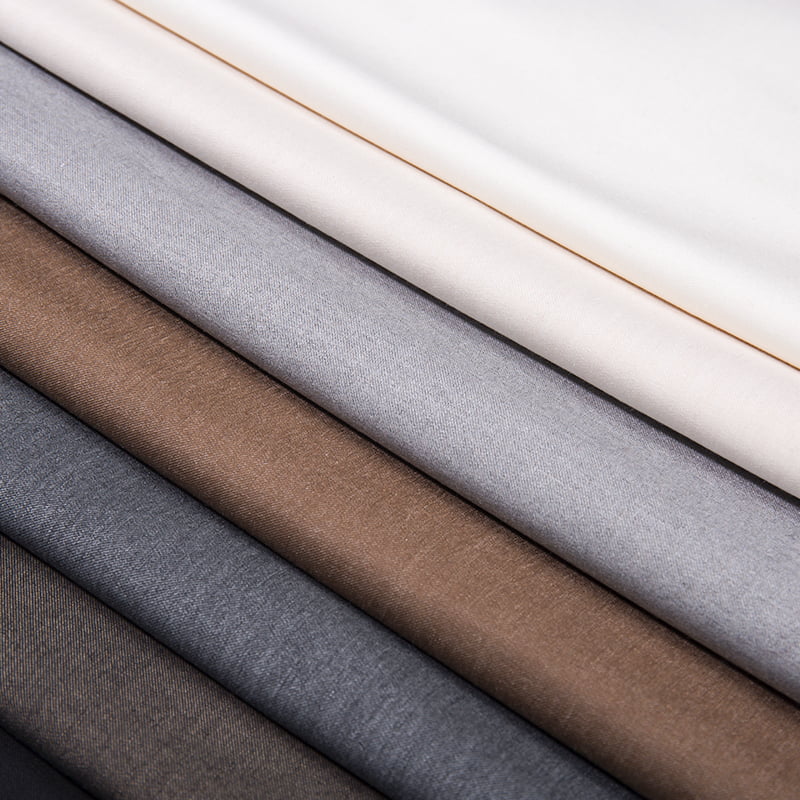
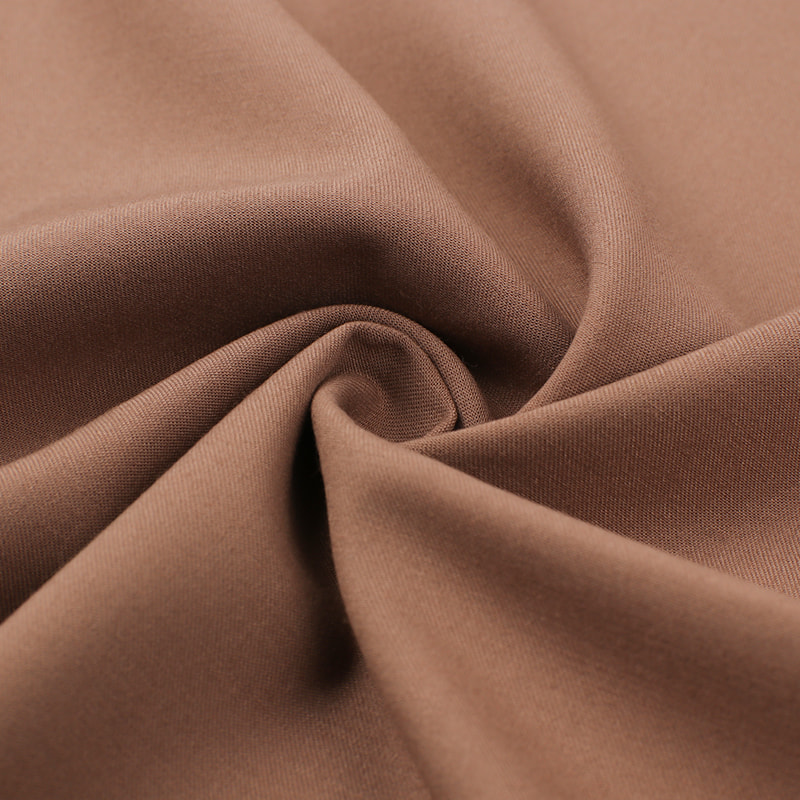
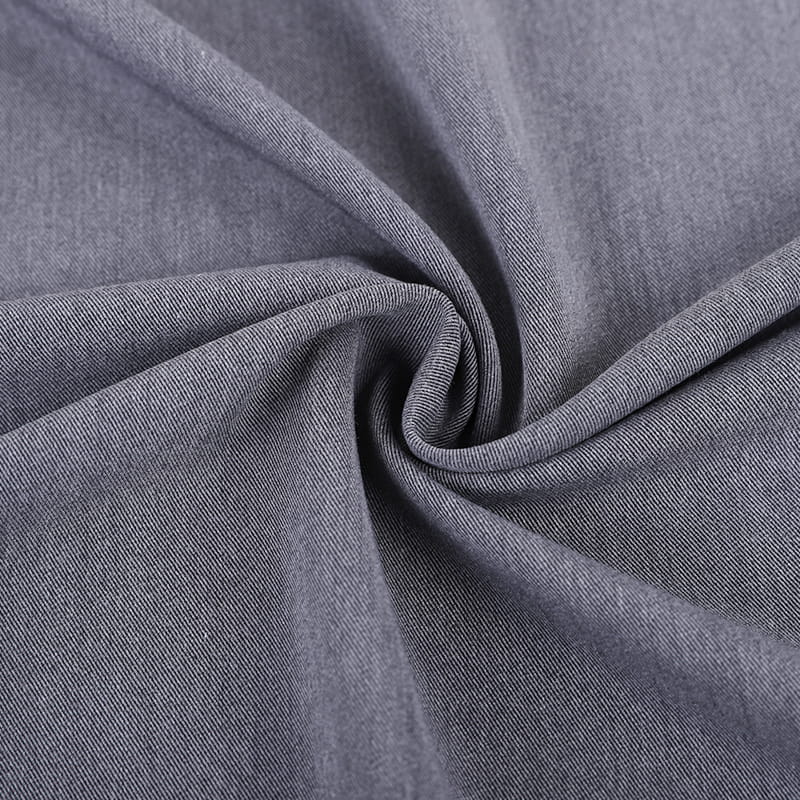
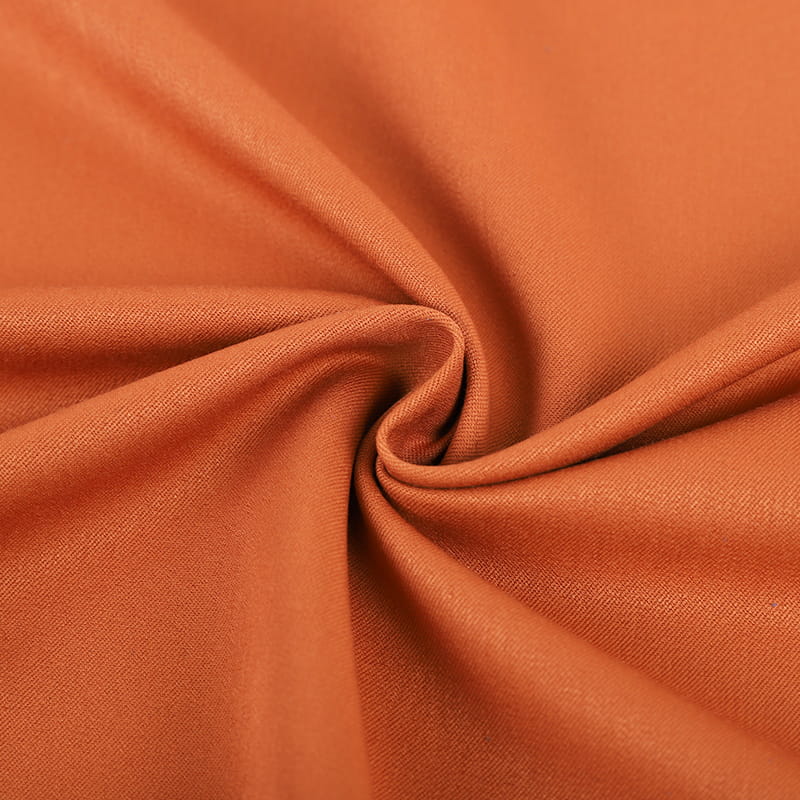
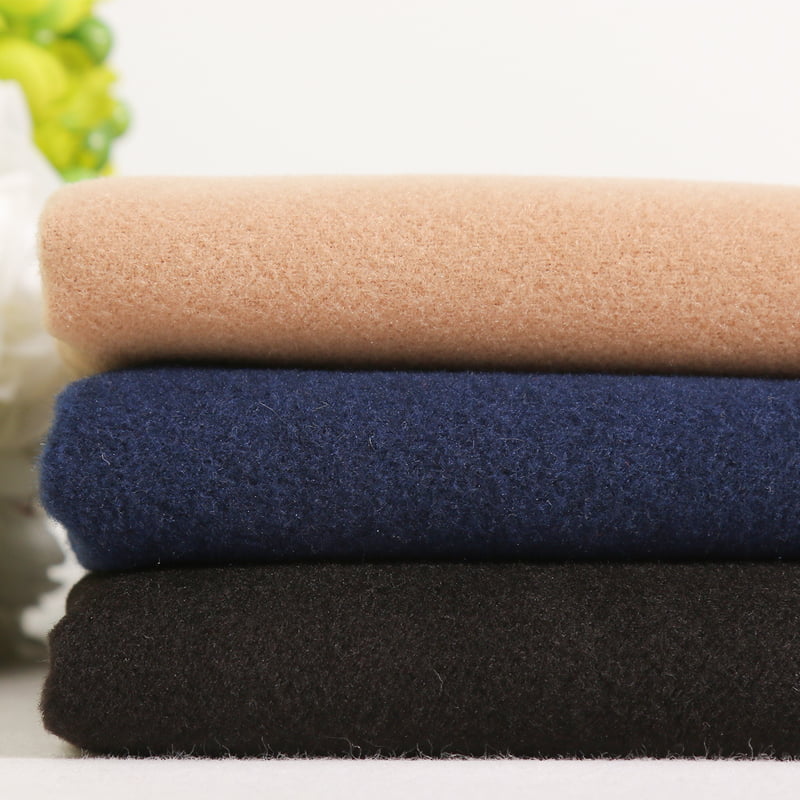
Wool and polyester blend fabric is a woven textile made by mixing wool fibers with polyester (PET) fibers in a defined proportion. Typical wool content ranges from about 30% to 70%, with polyester filling the rest. Some versions also include elastane (spandex) to add stretch, or viscose and rayon to adjust softness and drape.
The blend works on a practical level because each fiber compensates for the other's weakness. Polyester is strong, abrasion-resistant, and quick to recover its shape after creasing. Wool is naturally breathable, has a rich hand feel, and regulates moisture. Together they produce a fabric that looks refined in a suit but shrugs off the everyday wear that would quickly damage a pure wool garment.
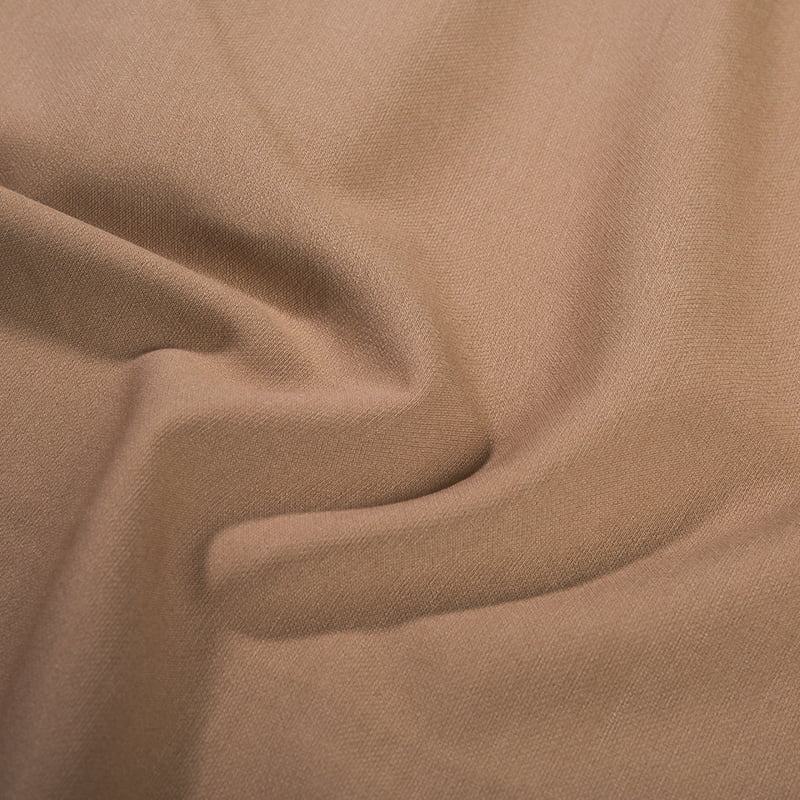
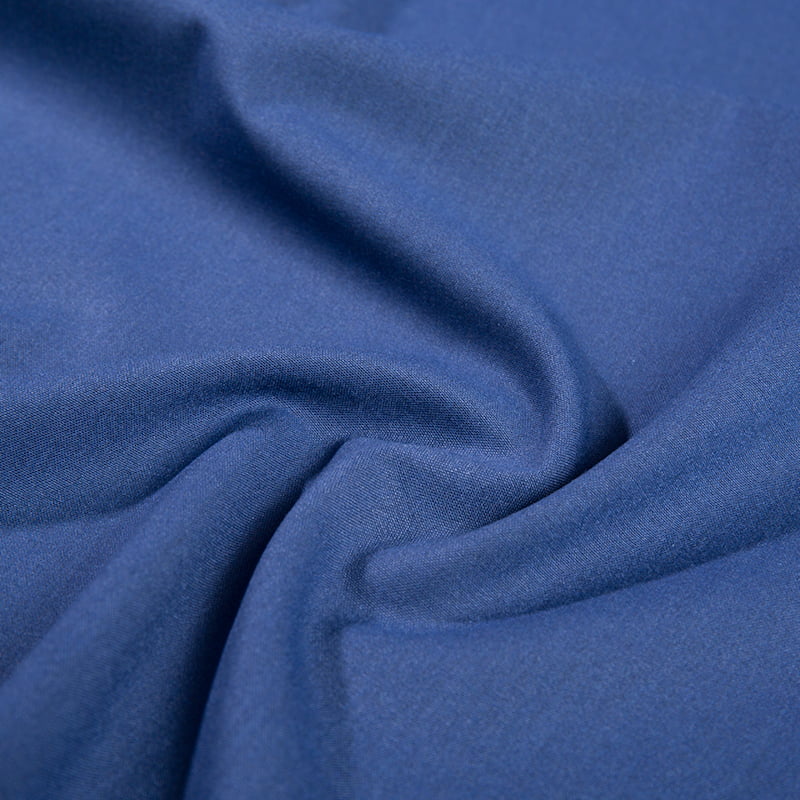
If you want a deeper look at the composition and key properties of the poly rayon wool blend family, you can reference this fabric composition guide for the technical background behind typical blends. For a commercial example of a balanced wool and polyester blend, see the FX54706 spring-summer polyester viscose wool blend 4-way stretch suiting fabric, which combines a soft hand feel with practical stretch for warm-weather tailoring.
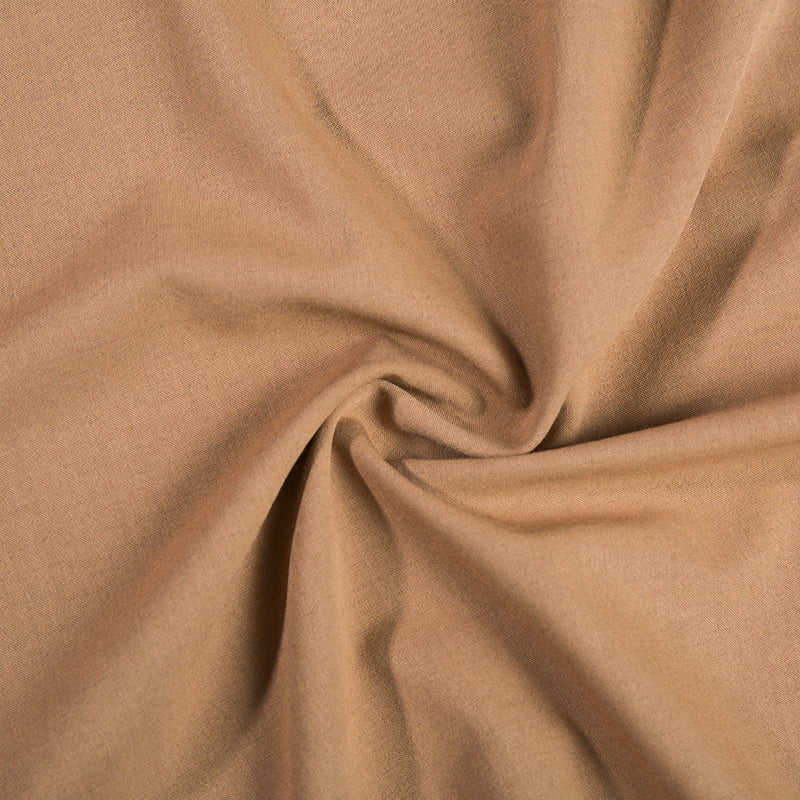 Polyester Viscose Wool Blend 4-Way Stretch Suiting Fabric for Spring/SummerThis blend offers a soft hand feel and drape, with wrinkle resistance for easy care. Its stretch and composition make it suitable for suits, trousers, and shirts in warm weather.View Product →
Why Choose Wool and Polyester Blend Fabric?
The decision to use this blend usually comes down to several repeatable advantages. The quick reference grid below summarizes the main benefits and the practical reasoning behind each.
Durability and Anti-Pilling
Polyester strengthens high-friction areas such as knees, elbows, and seat seams, so the fabric resists pilling much longer than pure wool.
Wrinkle Resistance
Polyester's elastic recovery lets the fabric regain its shape after long sitting or travel, which means fewer pressing cycles in a workweek.
Stretch and Fit
Adding spandex or using a four-way stretch weave creates an easy-moving cloth for trousers and skirts without sacrificing the tailored silhouette.
Cost Control
A typical wool and polyester blend costs less per meter than pure wool, which directly improves cost per unit when you are planning a large uniform or retail program.
Hand and Appearance
The wool portion keeps a natural drape, subtle sheen, and fingertip warmth, while polyester gives the fabric enough structure to hold a crease.
Dimensional Stability
Polyester has low moisture absorption, so the fabric shrinks less after industrial washing or damp storage, lowering the risk of wardrobe defects.
Wool and Polyester Blend vs. Pure Wool
Neither fabric is universally superior. The choice comes down to budget, climate, garment type, and expected product lifespan. The table below gives a side-by-side view of the dimensions that matter most in a sourcing decision.
| Performance Dimension | Wool and Polyester Blend | Pure Wool |
|---|---|---|
| Cost | Lower cost per meter, favorable for repeat orders and large uniform programs | Higher material cost, better suited to premium or luxury lines |
| Abrasion Resistance | High; resists pilling on high-contact areas | Moderate; prone to surface wear and pilling at knees, elbows, and seat |
| Wrinkle Recovery | Fast recovery, minimal pressing needed | Slower recovery, requires regular ironing or steaming |
| Breathability | Moderate; affected by blend ratio and weave density | High; natural fiber transports moisture vapor effectively |
| Drape | Good; depends on weave structure and finishing | Excellent; soft, fluid drape with natural weight |
| Care Difficulty | Lower; some blends tolerate gentle machine washing | Higher; usually dry cleaning is recommended |
| Appearance | Clean, consistent look with controlled luster | Richer surface, more visible natural texture |
How to Source Wool and Polyester Blend Fabric
Sourcing a wool and polyester blend is not simply picking a sample from a book. The following workflow helps prevent costly mistakes and keeps the development cycle on schedule.
- 1
Confirm the End Use
A blazer, a school uniform, and a winter coat require different balances. Define whether the garment is for high-single-piece retail or a recurring uniform contract before deciding weight and construction.
- 2
Define the Fiber Ratio
Set a target wool percentage and tolerances. For suiting, 50% to 70% wool gives a balanced look. For duty uniforms, a lower wool level may still perform well if the weave is dense and the finishing adds quality.
- 3
Check the Stretch Direction
Distinguish between two-way and four-way stretch. Test the elastic recovery after repeated stretching, because low-quality spandex can lose recovery within a few wash cycles.
- 4
Request Samples and Test Data
Ask for colorfastness, pill rating, crease recovery, and shrinkage data. Compare the tests to your garment tolerance, not just to a competitor sample.
- 5
Confirm Lead Time and MOQ
Different weave structures have different weaving speeds. Confirm minimum order quantity and delivery plan before committing to a style that depends on a seasonal launch.
If your project needs specific parameters confirmed against a production line, you can discuss your fabric specifications with our team to get a sourcing recommendation.
For practical guidance on matching the composition to your garment, you can also review our in-house guide on what makes a poly rayon wool blend fabric suitable for a given end use.
Common Applications
Wool and polyester blends belong in several apparel categories, but the target use should drive the specification. For business suits, a higher wool ratio with a twill or herringbone weave delivers a premium drape and an orderly surface. For trousers and skirts, four-way stretch matters more than a high wool content, especially where sitting and walking create repetitive stress. For uniforms and schoolwear, colorfastness and abrasion resistance are the first considerations, since these garments are washed frequently and worn over long days. For coats and outerwear, a heavier weave such as double cloth or a dense herringbone with a higher wool ratio provides warmth while retaining silhouette support.
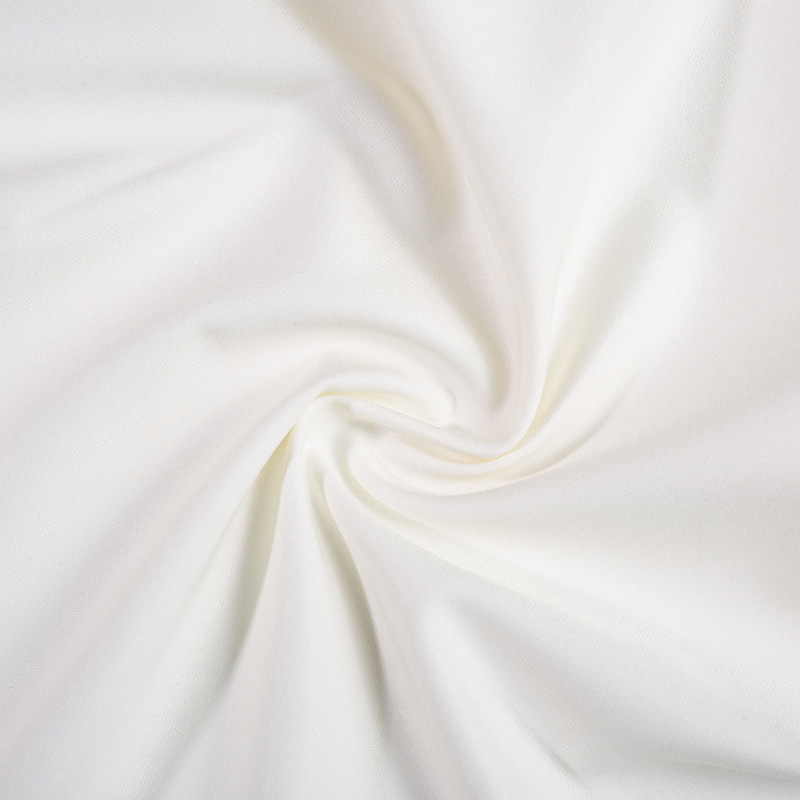
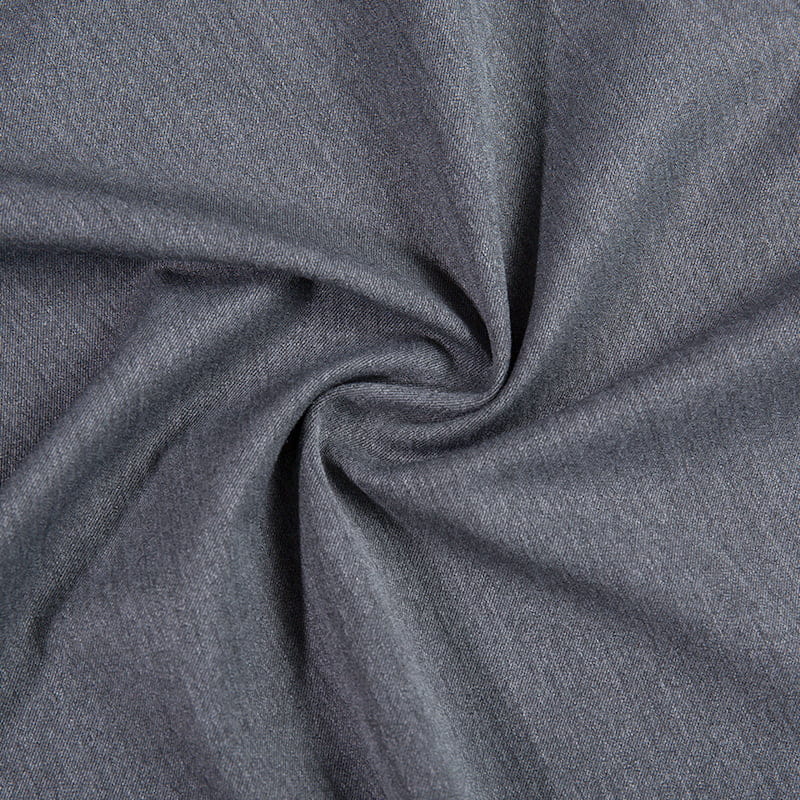
Manufacturers working in woven elastic fabrics often build wool and polyester blends around stretch and recovery. The development approach requires close control over yarn count, weave tension, and finishing parameters so that the elastic recovery remains consistent after dyeing. An example of a commercial fabric designed for suits and pants is the FX55642 reactive-dyed wrinkle-resistant poly rayon wool blend fabric, which balances colorfastness with practical easy-care performance.
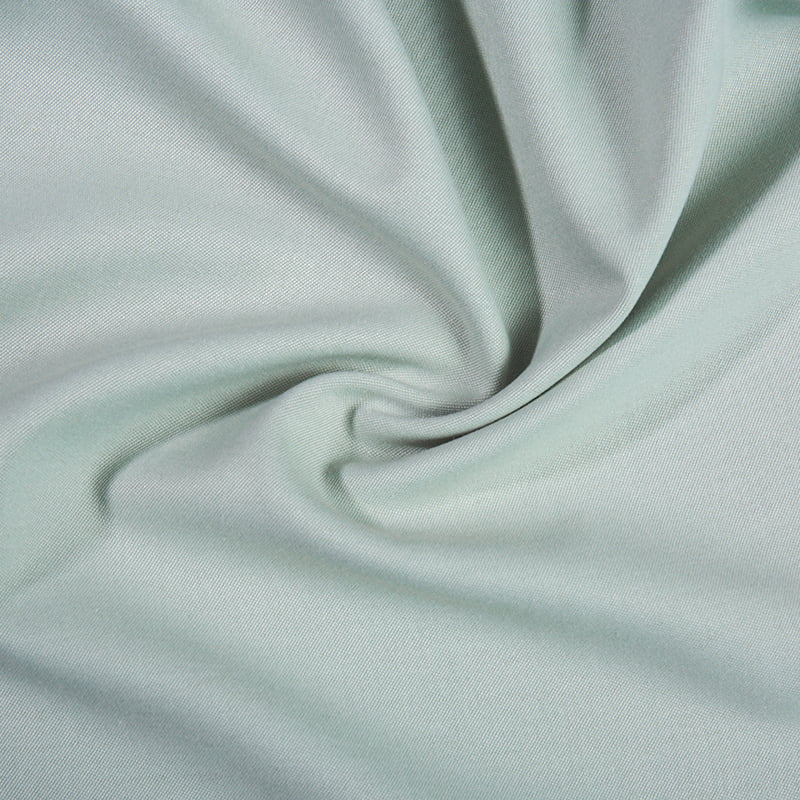 Reactive Dyed Poly Rayon Wool Blend Fabric for Suits and PantsThis fabric combines colorfastness with wrinkle resistance and stretch, making it practical for uniforms, suits, and trousers. Its wide width and drape enhance tailoring ease.View Product →
Care and Maintenance
Blend fabric is easier to care for than pure wool, but the care label still matters more than general assumptions. Dry cleaning remains the safest option for lined suits and tailored coats. Some woven blends can be gently machine washed when the garment maker specifies it, but high heat and aggressive agitation should always be avoided. Use a low-heat iron with a pressing cloth to prevent shine marks. Hang blazers on wide-shoulder hangers so the shoulder line does not droop. Do not leave stretch-containing fabrics in direct sunlight for long periods, because UV light accelerates elastane ageing and reduces recovery.
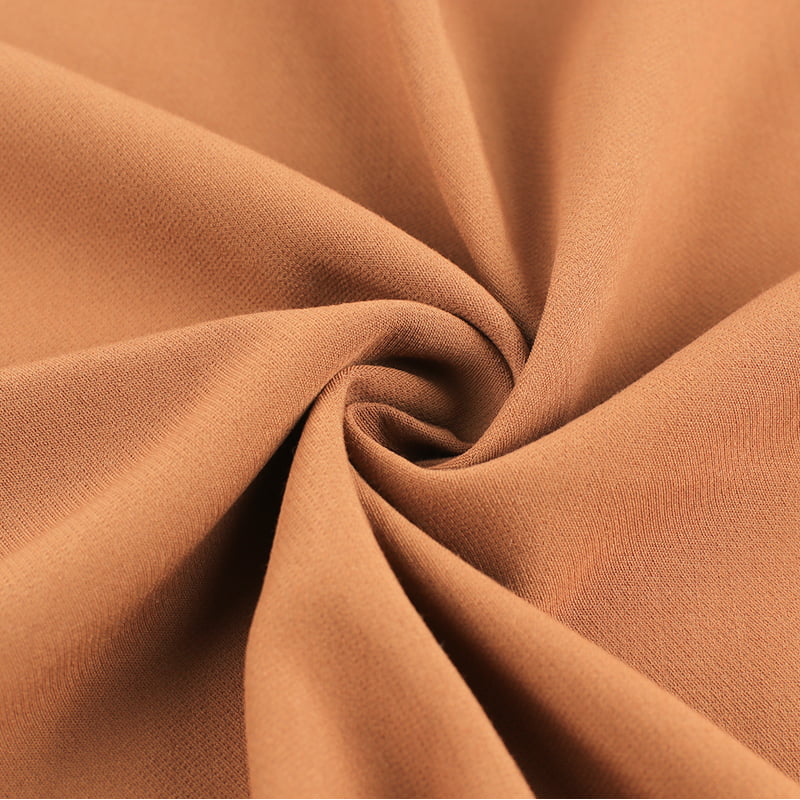
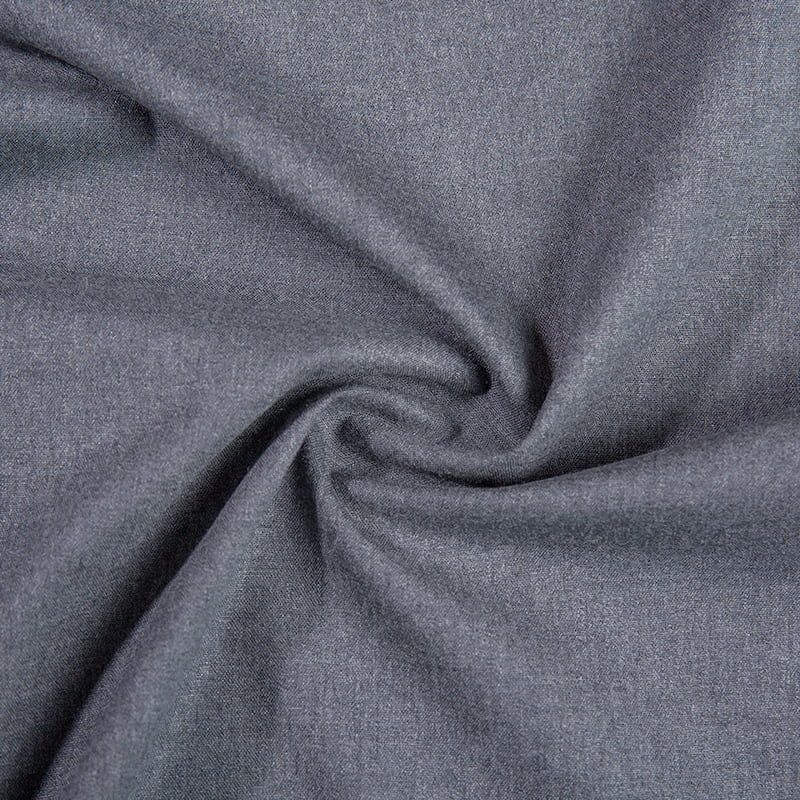
If your team is working with a cloth that combines a soft hand feel with easy movement, the FX55869 soft handfeeling TR 4-way stretch wool polyester fabric for suits and trousers is engineered to support regular wear while preserving a tailored look.
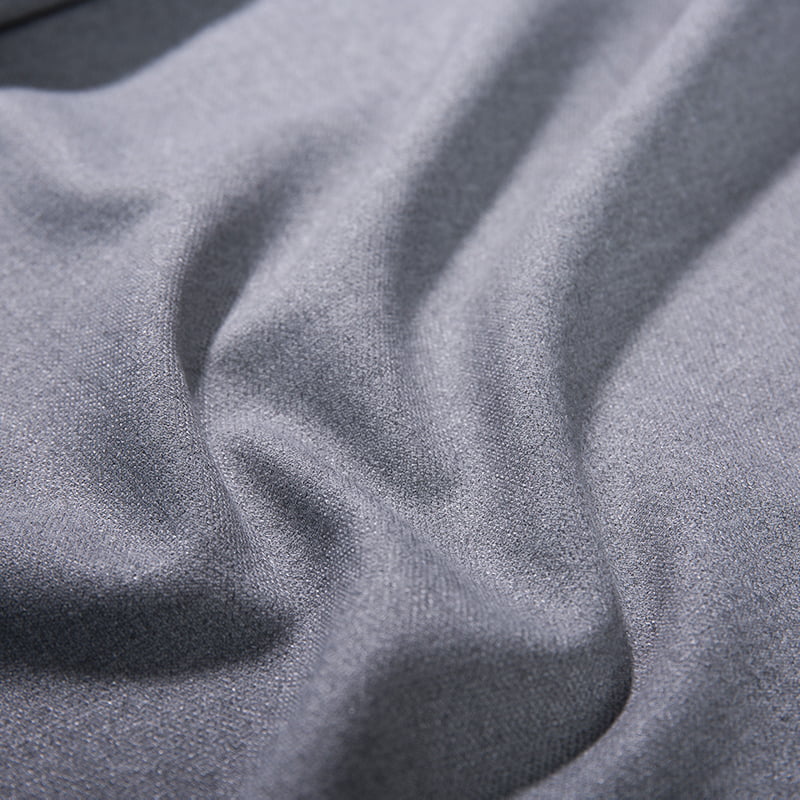 Soft Handfeeling TR 4-Way Stretch Wool Polyester Fabric for Suits and TrousersWith a modal-polyester-rayon-wool blend and four-way stretch, this fabric balances a soft touch with durability. Its weave and finish help resist pilling, supporting regular use in tailored garments.View Product →
Frequently Asked Questions
Does wool and polyester blend fabric pill?
Pilling risk decreases as polyester content rises. A tight weave and an anti-pilling finish make pills substantially less likely in normal wear than on a loosely knit pure wool surface.
What wool content is appropriate for a suit?
Suiting fabrics commonly contain 50% to 70% wool when the goal is to preserve a wool-like appearance and drape. Uniforms may use lower wool levels when abrasion resistance and cost control are prioritized. The weave density and finishing determine whether the lower wool content still meets the visual standard.
Can wool and polyester blend fabric be worn in summer?
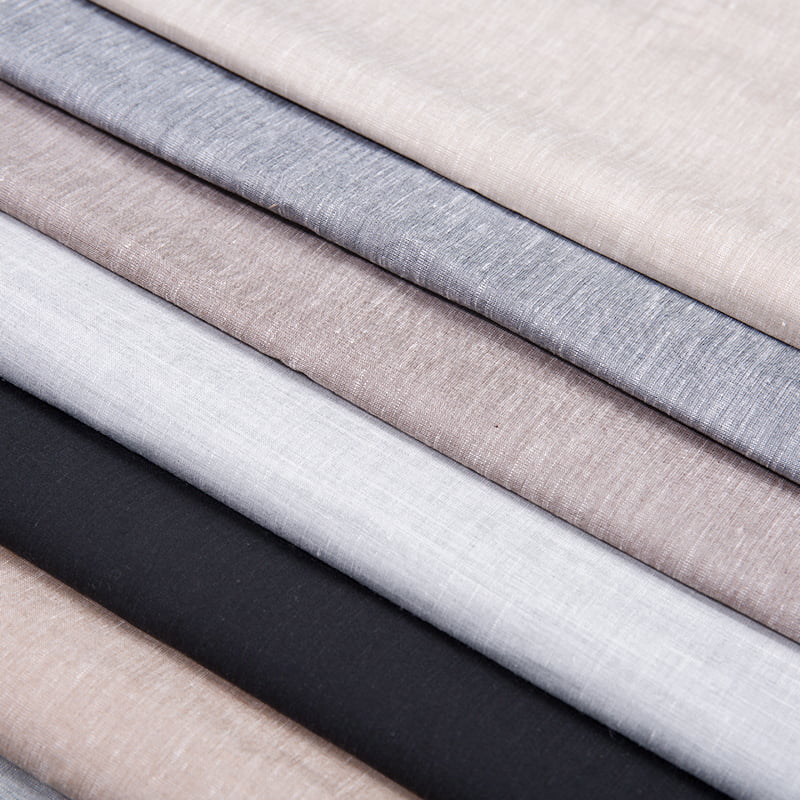
Yes. Warmth is controlled by weight and construction. A twill or plain weave with an open structure can work for warm months. Blending wool with viscose or linen is another proven way to lower heat retention and improve comfort.
How do you judge quality in a wool and polyester blend?
Check colorfastness, crease recovery, and shrinkage. Crumple a sample in your hand for a few seconds and release it; a well-made blend should recover quickly. Request the test report for pilling grade and stretch recovery rate rather than relying on wool percentage alone.