 English
 中文简体
 日本語
 한국어
 русский
 Español


Top-Dyed 2-Way Stretch TR Suiting Fabric for Men: Performance, Comfort, and Reliable Manufacturing
Introduction
Modern menswear requires more than an attractive appearance. A successful suiting fabric must create a clean silhouette, remain comfortable throughout long working hours, resist wrinkles during travel and daily commuting, and maintain its color through repeated care. At the same time, fabric buyers need dependable production, consistent quality, flexible customization, and commercially practical minimum order quantities. FX55427 is designed to address these requirements as a lightweight top-dyed polyester/rayon/spandex fabric for men's suits, trousers, business uniforms, and other formal apparel.
With a composition of 69% polyester, 29% rayon, and 2% spandex, FX55427 combines the structural reliability of polyester, the soft and refined hand of rayon, and the movement allowance of stretch fiber. Its 210 GSM construction provides a balance between lightweight comfort and formalwear structure. The result is a 2-way stretch TR suiting fabric that can support professional silhouettes without creating an excessively heavy or rigid wearing experience.
The fabric also benefits from a fiber-stage top-dyeing process. Instead of relying only on conventional piece dyeing after fabric formation, top dyeing introduces color at the fiber stage. This supports more uniform color penetration, a naturally full visual appearance, and dependable color performance. For buyers supplying corporate apparel, uniforms, or high-frequency businesswear programs, these qualities can help reduce concerns about fading, inconsistent shades, and excessive maintenance.
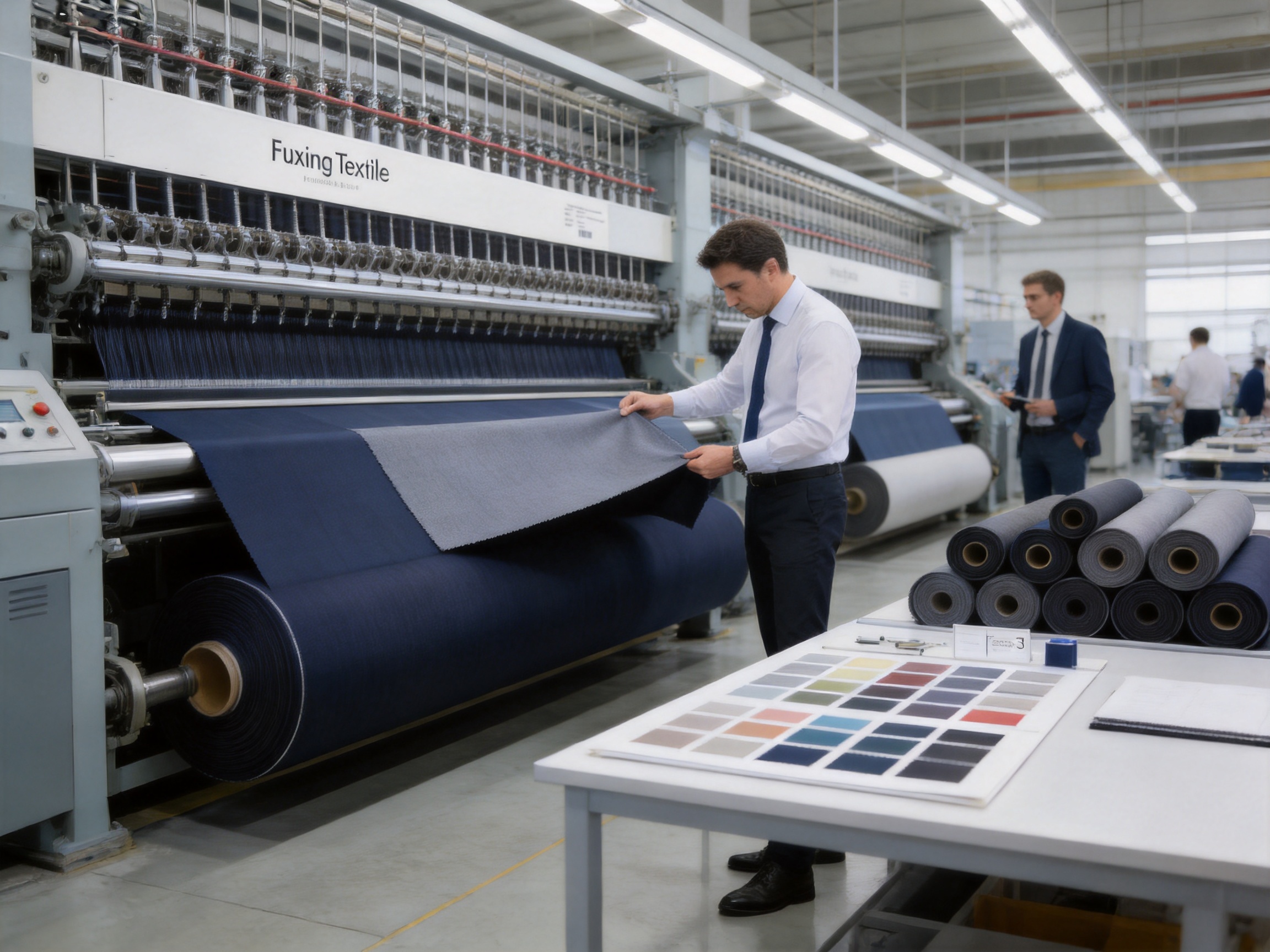
Manufactured by Shaoxing Fuxing Textile Technology Co., Ltd., a woven fabric specialist based in Keqiao, Shaoxing, FX55427 reflects the company’s broader strengths in woven fabric development, quality control, production management, and international service. The company operates a modern 50,000-square-meter facility, uses 128 imported Italian rapier looms, and employs more than 150 professionals, including textile engineers, quality control specialists, and customer service personnel. With annual production exceeding 10 million meters and customers in more than 20 countries and regions, the manufacturer is positioned to support both standard supply and customized B2B fabric programs.
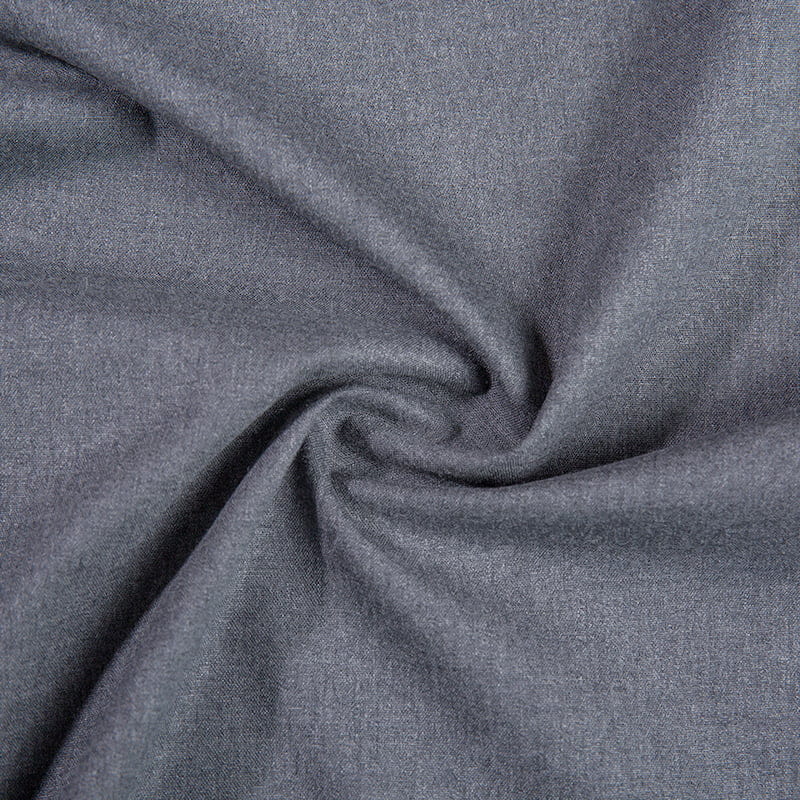
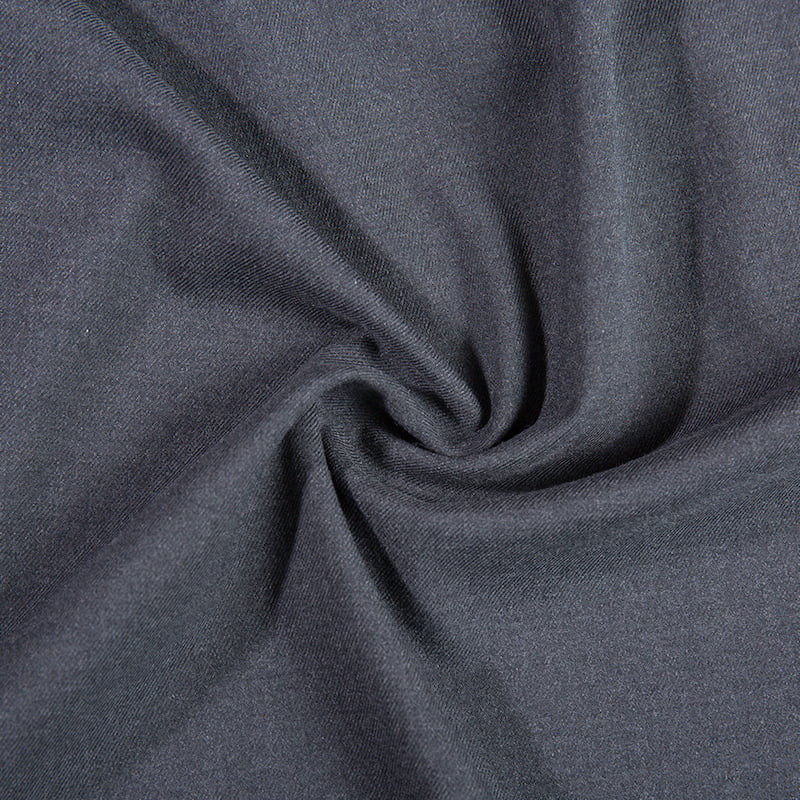
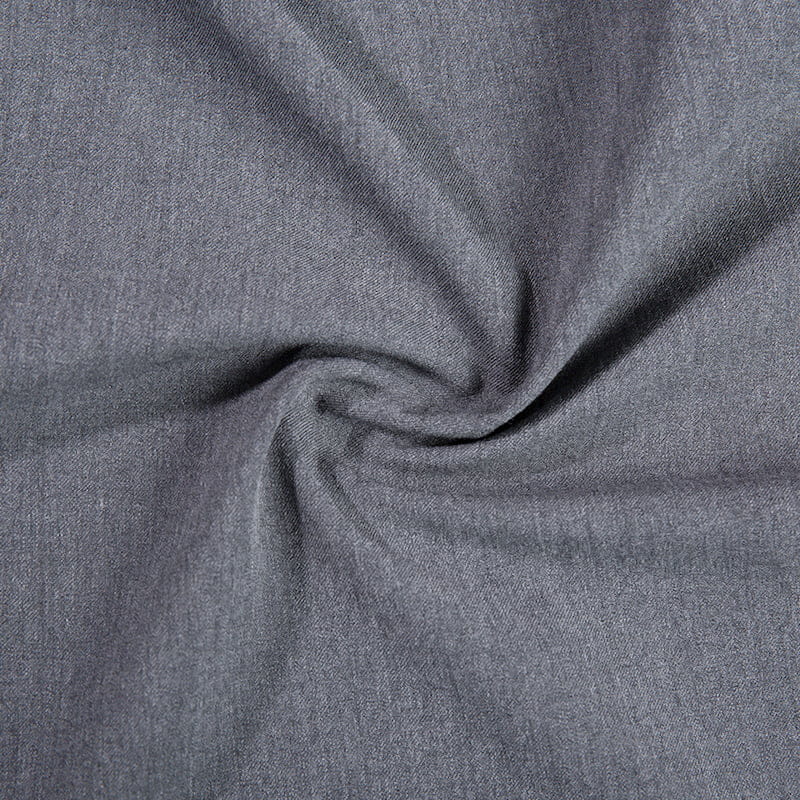
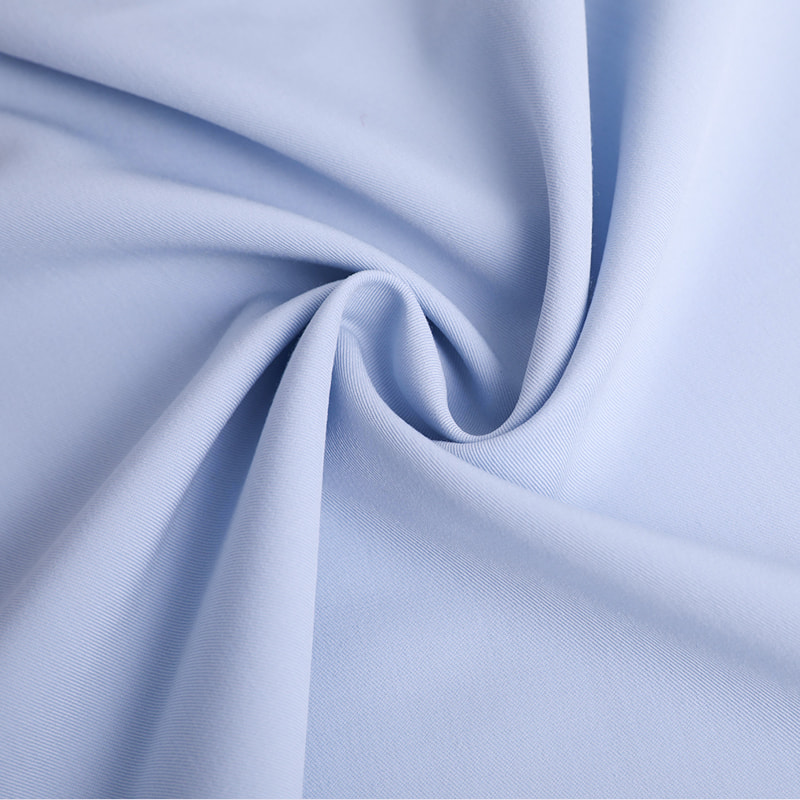
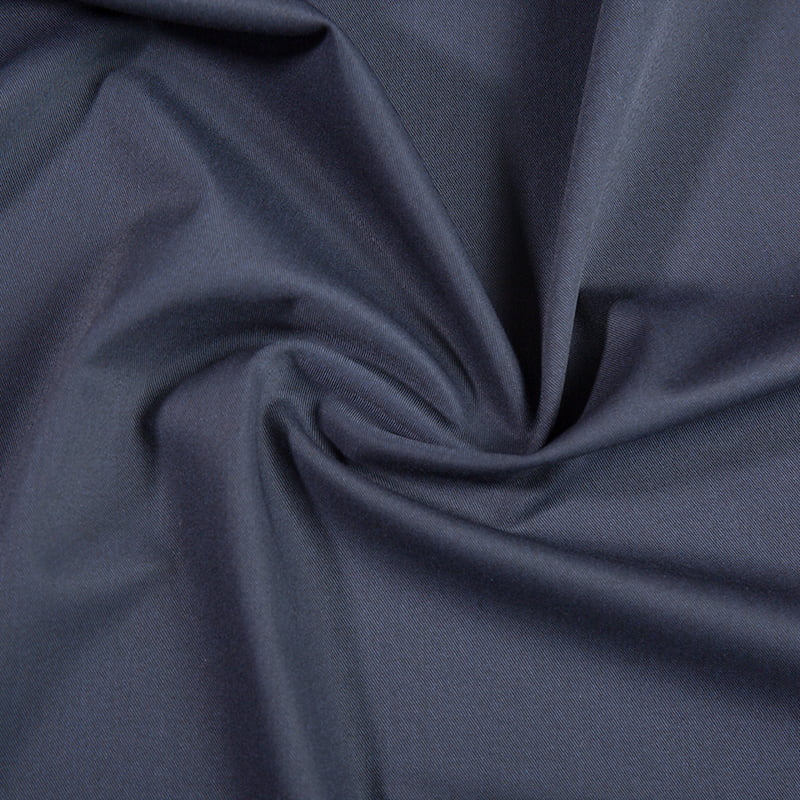
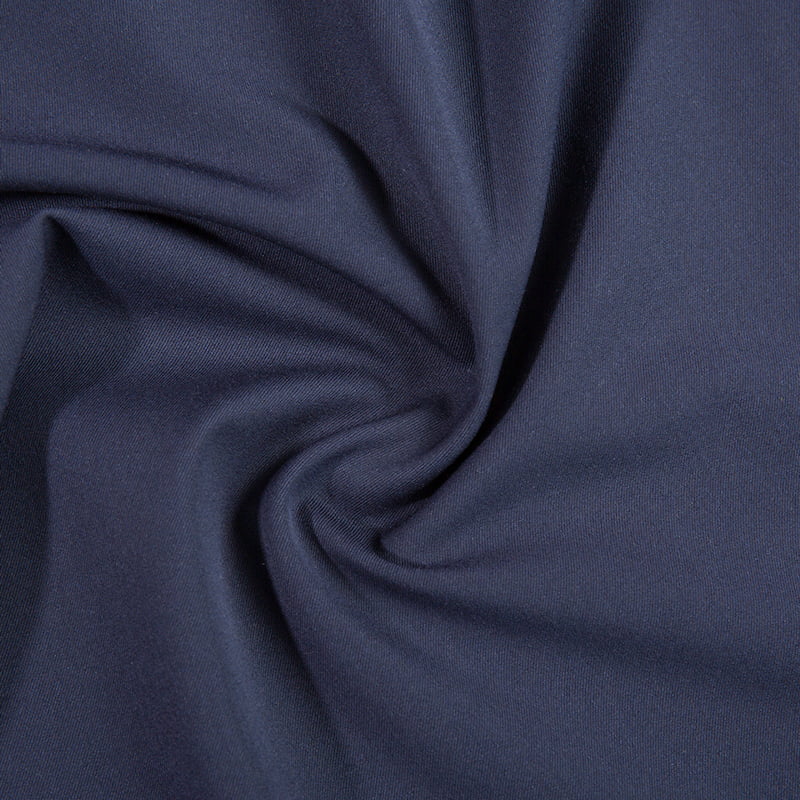
Top Dyed Good Color Fastness 2 Way Stretch Tr Suiting Fabric For Men
Product Overview
FX55427 is a top-dyed, lightweight, 2-way stretch TR suiting fabric developed primarily for men's formalwear. “TR” refers to the polyester/rayon blend at the core of the fabric. Polyester contributes strength, shape retention, durability, and easier care. Rayon adds a smoother hand feel, improved drape, and a more refined appearance. A small percentage of spandex provides controlled elasticity, helping garments accommodate movement while preserving a professional look.
The 210 GSM weight is particularly relevant for customers seeking a fabric that can be worn comfortably in offices, conference rooms, transportation environments, and indoor or transitional climates. Heavy suit fabrics can offer excellent structure but may feel warm or restrictive during extended wear. Very light fabrics may be comfortable but lack the body required for a sharp formal silhouette. FX55427 is positioned between these extremes, offering a relatively light construction with enough substance for suits, trousers, uniforms, and business separates.
Product Name | FX55427 |
Fabric Category | Top Dyed Fabric |
Composition | 69% Polyester, 29% Rayon, 2% Spandex |
Weight | 210 GSM |
Width | 57/58 inches |
Stretch Direction | 2-way stretch |
Main Features | Stretch and wrinkle resistance |
Dyeing Method | Top dyed at the fiber stage |
Recommended Uses | Men's suits, trousers, uniforms, and business ensembles |
Minimum Order Quantity | 1,500 meters per color |
Standard Bulk Lead Time | Approximately 25 days |
Standard Sampling Lead Time | Approximately 7–12 days |
The 57/58-inch usable width is suitable for efficient garment planning across common men's apparel patterns. It can support jacket panels, trouser pieces, waistbands, uniform components, and coordinated separates while helping buyers plan marker efficiency and fabric consumption. Actual consumption will depend on garment size, construction, pattern layout, style details, and production requirements.
The fabric is available for color customization through Pantone matching. Dark shades such as navy, charcoal, dark gray, and black are especially appropriate for formalwear and corporate uniforms. Swatch confirmation is recommended before bulk production so that color, hand feel, appearance, and performance expectations can be reviewed together.
Why the Polyester/Rayon/Spandex Blend Matters
Polyester for Strength and Stability
Polyester is an important component in FX55427 because it supports the fabric’s durability and dimensional stability. Men's suits and professional trousers are often worn repeatedly, exposed to friction from seating, commuting, office furniture, bags, and daily movement. A polyester-rich blend can help the fabric maintain its shape during regular use and reduce the likelihood of premature wear when compared with less durable constructions.
Polyester also contributes to easier maintenance. It generally dries efficiently and can help garments recover their appearance after routine washing or care. In a commercial uniform program, easier care can be particularly valuable because garments may need to be cleaned frequently and returned to service quickly.
Rayon for Hand Feel and Drape
Rayon balances the technical character of polyester with a softer, more comfortable, and more refined touch. It can contribute to fluid drape and a smoother surface appearance, qualities that are important in formal garments. A fabric made entirely from highly technical fibers may feel too crisp or synthetic to some wearers. The rayon component helps create a more comfortable textile experience while preserving the practical advantages of the overall blend.
For men's suit jackets and trousers, drape influences how the fabric falls from the shoulder, follows the leg, and responds to movement. FX55427 is designed to provide a structured appearance without becoming unnecessarily stiff. This balance is useful for brands producing contemporary businesswear, slim-fit suits, corporate separates, and uniforms that must look polished throughout the day.
Spandex for Controlled Movement
The 2% spandex content provides 2-way stretch. This does not turn the fabric into an athletic textile; rather, it adds measured movement allowance to a formal construction. The wearer can sit, stand, walk, bend, enter a vehicle, or work at a desk with less feeling of restriction.
In trousers, stretch can improve comfort around the waist, seat, and upper leg. In suit garments and coordinated businesswear, it can reduce tension during movement while allowing the fabric to retain a clean visual line. The effect is especially relevant for professionals who wear formal clothing for long periods rather than only for short events.
Top-Dyed Color Performance
One of the defining characteristics of FX55427 is its top-dyed construction. In this process, the fibers are dyed before spinning and fabric formation. Color is therefore introduced at an early stage of textile production, allowing the dye to penetrate the fiber material before it becomes yarn and fabric.
This approach can create several advantages for suiting fabric. First, it supports a more even color distribution throughout the fiber population. A uniform base contributes to a consistent fabric appearance and can reduce the risk of visibly uneven coloration. Second, top dyeing can create a full, naturally rich color effect that is appropriate for formal clothing. Third, the process contributes to reliable color fastness and wash resistance when supported by appropriate production controls and testing.
FX55427 is specified with color fastness that can reach Grade 3. Buyers should confirm the applicable test method, testing conditions, and final performance requirements for their market and end use. Nevertheless, the stated performance makes the fabric suitable for applications where maintaining a stable professional appearance after repeated care is important.
Color stability is especially valuable in corporate uniforms. A company may order hundreds or thousands of garments that must look consistent across employees, locations, and replacement cycles. If fabric shades fade quickly or vary between production lots, the overall uniform program can lose visual consistency. A top-dyed solution can help support a more reliable color foundation, subject to proper lot control, testing, and storage.
For fashion brands, color quality also affects the perceived value of a garment. Navy, black, charcoal, and dark gray suits depend on depth and evenness of shade. A dull or uneven color may make an otherwise well-constructed garment appear inexpensive. The full color appearance associated with FX55427 helps support a more premium visual impression without requiring an unusually heavy fabric.
Lightweight Structure for Modern Formalwear
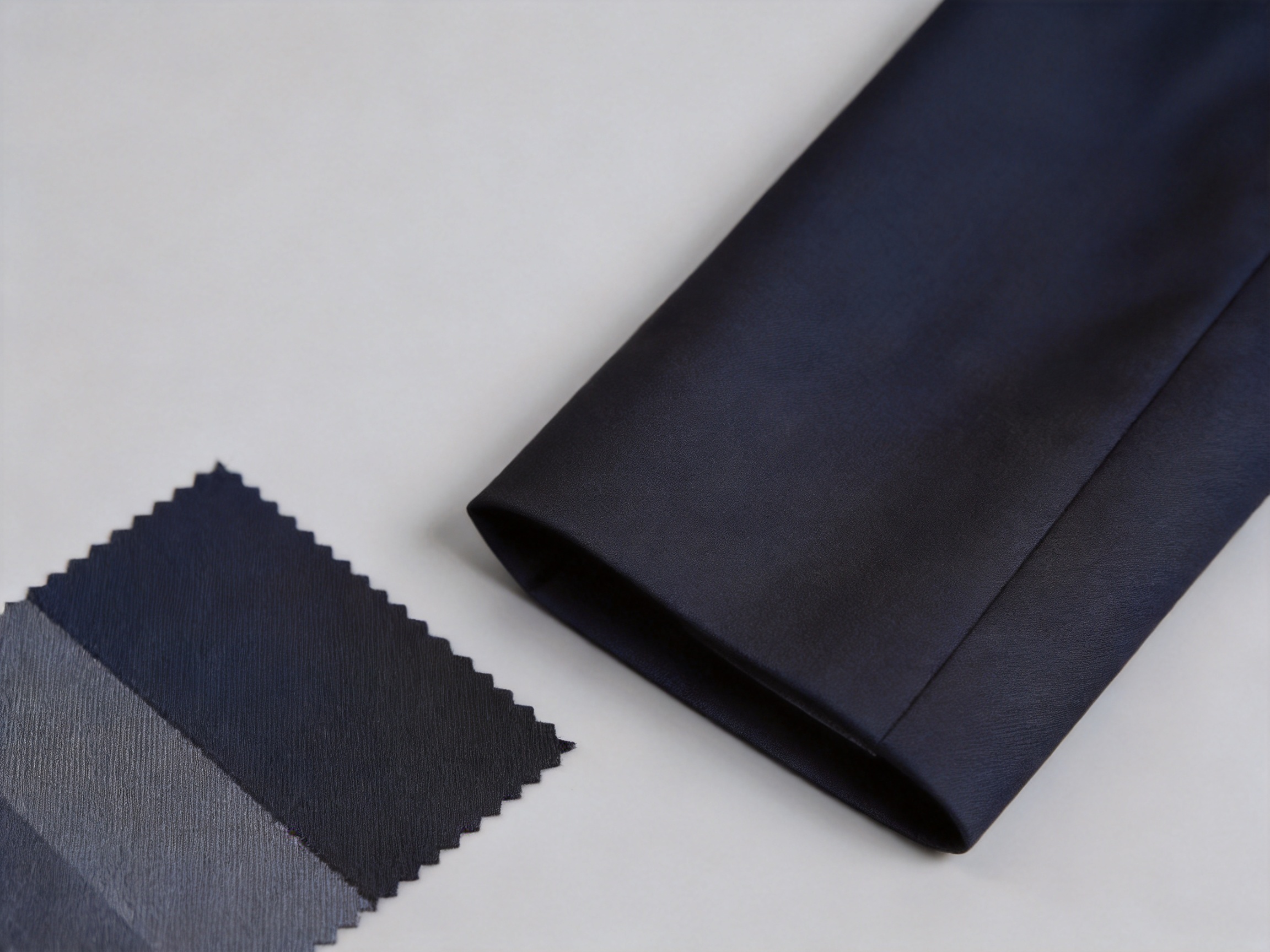
At 210 GSM, FX55427 is designed as a lightweight suiting fabric. This weight can be advantageous for contemporary men's apparel, particularly when the target customer values comfort, breathability, ease of movement, and all-day wearability. It is suitable for indoor professional environments, transitional seasons, travel wardrobes, and uniform programs where garments must be worn frequently.
Lightweight does not necessarily mean insubstantial. The high polyester content helps maintain body and structure, allowing the fabric to support standard and slim-fit silhouettes. The construction is intended to avoid the limp appearance that can occur when a lightweight fabric lacks sufficient stability. This is important in jackets, trousers, and uniforms that need to maintain a clear outline.
Compared with heavier conventional suiting fabrics, a 210 GSM option may reduce the sense of bulk. This can make it more comfortable for workers who commute, travel, move between indoor and outdoor environments, or wear a jacket for extended hours. It can also simplify seasonal product planning by providing a versatile weight that works across a broad range of commercial applications.
Compared with extremely lightweight fashion fabrics, FX55427 offers more practical structure and durability through its fiber blend and construction. The fabric therefore occupies a useful middle position: light enough for comfort, yet structured enough for professional presentation.
2-Way Stretch and Garment Comfort
Formal clothing often has to combine visual discipline with physical flexibility. A suit may need to look sharp while the wearer is walking between meetings, driving, boarding a flight, working at a desk, or standing for a presentation. A rigid fabric can create pressure and discomfort, particularly around the elbow, shoulder, hip, waist, and knee. FX55427 addresses this challenge with 2-way stretch.
The stretch is suited to standard and slim-fit men's suit and trouser silhouettes. It provides movement allowance while helping the garment retain a clean, tailored appearance. This is an important distinction from fabrics designed primarily for casual sportswear. FX55427 is not intended to create a visibly relaxed or jersey-like look. Its purpose is to make formal clothing more wearable without sacrificing structure.
In trousers, 2-way stretch can support a better experience during sitting and standing. In jackets, the added flexibility can improve comfort when reaching forward, using a computer, carrying documents, or moving through a workplace. In uniforms, it can help accommodate the repeated movements associated with service, administration, transportation, hospitality, and office work.
Stretch performance can vary according to garment pattern, finishing, sewing construction, and care conditions. For this reason, buyers should evaluate fabric swatches in the intended garment format whenever possible. A fabric that performs well in flat testing may feel different after fusing, lining, pressing, and garment assembly. Professional sampling helps confirm the desired balance between stretch, recovery, appearance, and comfort.
Wrinkle Resistance and Easy Maintenance
Wrinkle resistance is a practical advantage for modern suiting. Business garments are often worn for long periods, stored in crowded wardrobes, packed into luggage, or exposed to repeated sitting. Creases can quickly make a professional outfit appear neglected, even when the garment is clean and well tailored.
FX55427 is designed to recover from wrinkles efficiently and maintain a neat appearance during frequent wear. The polyester component supports shape retention, while the fabric structure helps reduce the depth and persistence of everyday creasing. This can lower the need for constant pressing and make the fabric more convenient for both individual consumers and uniform managers.
For business travelers, wrinkle resistance can be especially helpful. A suit packed for a short journey may need to be worn shortly after arrival. A fabric that recovers quickly can reduce preparation time and help the wearer present a more polished appearance without professional pressing at every destination.
For corporate apparel programs, easy maintenance can reduce the practical burden placed on employees. Garments that remain presentable after routine care can support a consistent professional image while avoiding unnecessarily complex maintenance instructions. Buyers should still follow the final garment’s approved care label, as lining, interlining, accessories, and garment finishing also influence care requirements.
Advantages for Men's Suits and Trousers
Suit Jackets
FX55427 can be used for standard business suit jackets, slim-fit jackets, coordinated blazers, and lightweight formal separates. Its structure supports a defined shoulder and body shape, while the rayon content helps the fabric drape in a more refined manner. The stretch component can make the jacket more comfortable during arm movement and extended wear.
For jacket production, buyers should evaluate how the fabric interacts with fusible interlinings, shoulder pads, sleeve heads, pocket construction, and lining materials. Since these components influence final garment structure, sampling should include the intended construction method. FX55427's lightweight character may be particularly suitable for less bulky tailoring approaches and modern unstructured or semi-structured designs.
Business Trousers
Trousers are one of the strongest applications for a 2-way stretch suiting fabric. The wearer experiences frequent movement around the waist, hips, knees, and seat. FX55427 provides a more accommodating wearing experience while retaining the formal surface and structure expected from business trousers.
The fabric can support flat-front trousers, tailored trousers, slim-fit styles, uniform pants, and coordinated suit bottoms. It is also suitable for brands seeking to develop separates that can be paired with multiple jackets. The 210 GSM weight helps prevent an overly heavy feeling, which can be advantageous for trousers worn throughout the day.
Corporate Uniforms
Uniforms must often satisfy a demanding combination of appearance, durability, comfort, and repeatability. Employees may wear the same garment several times per week, and organizations may require replacement orders over an extended period. FX55427 offers a practical profile for professional uniforms because it combines formal structure, easy care, stretch, and color performance.
The top-dyed color process is especially relevant when a uniform identity depends on stable shades. Dark navy, black, charcoal, and other formal colors can create a consistent corporate appearance. Before bulk production, buyers should establish an approved color standard and retain physical references for future replenishment orders.
Competitive Advantages in B2B Fabric Sourcing
Product selection in the suiting market is not based on a single performance characteristic. Buyers compare fabrics according to price, appearance, hand feel, stretch, weight, color consistency, care requirements, availability, and production support. FX55427 has several characteristics that can create a strong commercial position.
First, it combines top-dyed color performance with a lightweight formal construction. Many lightweight fabrics focus primarily on comfort, while some color-intensive fabrics may be heavier or less flexible. FX55427 is developed to provide a more balanced solution for buyers seeking depth of color, practical wearability, and formal structure in one product.
Second, the polyester/rayon/spandex blend supports a broad balance of performance. Polyester provides durability and stability, rayon contributes comfort and drape, and spandex adds movement allowance. This reduces the need to choose between a rigid but durable fabric and a soft but less stable alternative.
Third, wrinkle resistance and easy care add value beyond the initial garment purchase. A fabric that remains presentable with less maintenance can improve the user experience and support repeat wear. This is important for uniform buyers and workwear brands that consider total ownership convenience rather than fabric price alone.
Fourth, the 57/58-inch width and 210 GSM weight are suitable for practical production planning. They can support a variety of men's apparel patterns while offering a comfortable, relatively light construction. Buyers can review the exact marker efficiency and expected consumption during product development.
Fifth, color customization and multi-colorway consolidation support make the product adaptable to different commercial programs. Pantone matching allows brands and uniform buyers to work toward defined color targets, while consolidation discussions may help customers plan multiple colorways within their procurement strategy. Specific arrangements should be confirmed with the manufacturer before ordering.
These advantages do not eliminate the importance of testing. Every brand has its own standards for color fastness, dimensional stability, pilling, abrasion, seam performance, and care. FX55427 should be assessed against the buyer's technical specification and intended market. The product's value lies in its balanced design and the manufacturer's ability to support development and production with controlled processes.

Advanced Manufacturing Capabilities
Modern Production Facility
Shaoxing Fuxing Textile Technology Co., Ltd. operates a 50,000-square-meter modern facility in Keqiao, Shaoxing, Zhejiang Province. Keqiao is one of China's major textile centers, providing access to textile supply chains, technical resources, skilled personnel, and export infrastructure. The location supports efficient coordination across yarns, weaving, dyeing, finishing, inspection, packaging, and international shipment.
A large production base can provide operational advantages when supported by effective management. It allows the company to organize specialized production areas, quality control functions, warehousing, development activities, and customer service operations. For B2B buyers, this type of integrated environment can improve communication and make it easier to coordinate sample development, color confirmation, bulk production, and shipment planning.
Imported Italian Rapier Looms
The company operates 128 imported Italian rapier looms. Rapier weaving technology is widely used for producing woven fabrics that require controlled insertion, stable construction, and flexibility across different yarn and design requirements. Equipment quality alone does not guarantee final fabric performance, but advanced looms provide an important foundation for consistent weaving.
For a suiting fabric such as FX55427, controlled weaving can contribute to fabric uniformity, surface appearance, width stability, and construction accuracy. These factors influence how the fabric performs during cutting, sewing, pressing, and finishing. Consistent construction is particularly important for formalwear because irregularities can become visible in clean, tailored silhouettes.
The use of imported equipment also reflects the company's investment in production capability. Combined with experienced operators, engineering oversight, process monitoring, and inspection systems, the weaving platform helps support stable output for both standard products and customer-specific developments.
Experienced Textile Personnel
More than 150 professionals support the company's operations, including textile engineers, quality control specialists, and customer service staff. This combination of technical and commercial personnel is important for international B2B supply. Fabric development involves more than machine operation; it requires understanding fiber behavior, weave construction, dyeing, finishing, testing, garment use, and customer specifications.
Textile engineers can help translate a buyer's requirements into practical fabric parameters. Quality control personnel can monitor production and identify deviations. Customer service teams can coordinate approvals, documentation, sampling, production schedules, and shipment communication. Together, these functions help create a more complete supply experience than simple product availability.
Production Capacity and International Supply
The company's annual production capacity exceeds 10 million meters, and its fabrics are supplied to customers in more than 20 countries and regions. This scale can be valuable for buyers planning regular programs, seasonal collections, uniform contracts, or replenishment orders. Capacity must always be matched with current production schedules, but a substantial manufacturing base can provide greater flexibility than a very small workshop.
International experience also supports the practical requirements of export-oriented textile business. Buyers may need clear specifications, sample records, color approvals, packing instructions, production updates, and shipping coordination. A supplier accustomed to serving global customers is better positioned to understand the importance of these processes.
Quality Control and Product Development
Consistent quality begins with a clear product specification. For FX55427, the specification includes the composition, weight, width, stretch feature, dyeing method, intended uses, and color requirements. These parameters provide a foundation for sample approval and bulk production control.
Quality control should extend across multiple stages. Fiber and yarn inputs must be checked for suitability. Weaving should be monitored for construction consistency, width, defects, and tension. Dyeing and finishing require attention to shade, penetration, surface appearance, handle, and performance. Final inspection should evaluate the finished fabric against the approved standard before packing.
For color-sensitive products, the approval process is particularly important. A buyer should review a physical lab dip, swatch, or sample roll under appropriate lighting. Color perception can vary between screens, lighting environments, and material surfaces. An approved physical standard helps both parties compare bulk production with the agreed target.
Testing can be arranged according to the buyer's market requirements. Potential evaluations may include color fastness to washing, rubbing, perspiration, and light; fabric weight; width; dimensional stability; stretch and recovery; pilling; abrasion; tensile strength; tear strength; and seam performance. The final test package should be agreed upon before production, especially for uniform, workwear, and institutional programs.
Product development also benefits from garment-level testing. A swatch can confirm basic hand feel and color, but a prototype garment reveals how the material behaves in cutting, sewing, pressing, fusing, and wear. For FX55427, a sample suit jacket or trouser can demonstrate the relationship between lightweight structure and stretch. This helps buyers make decisions based on the final application rather than fabric appearance alone.
Customization and Procurement Support
FX55427 supports Pantone color matching, enabling buyers to develop shades for private-label collections, corporate identities, uniforms, and seasonal programs. The most reliable approach is to begin with a defined color reference, review a laboratory or development sample, and approve a physical standard before bulk production.
Dark colors such as navy, dark gray, charcoal, and black are natural choices for men's formalwear. They are also widely used in corporate and institutional clothing because they create a professional appearance and can coordinate with shirts, ties, shoes, and accessories. The top-dyed process supports a full color effect that can help these shades appear rich and consistent.
The standard MOQ is 1,500 meters per color. This quantity is appropriate for many B2B programs, especially when a buyer is preparing a commercial collection, uniform order, or repeat production plan. Buyers with multi-color requirements may discuss consolidation options with the manufacturer. The precise plan will depend on production scheduling, color quantity, technical requirements, and available capacity.
Standard sampling generally requires 7–12 days, while the listed bulk lead time is approximately 25 days. These timeframes should be treated as planning references rather than unconditional guarantees. Actual timing may vary according to color development, sample approval, order quantity, production loading, testing, finishing, packaging, and shipping arrangements.
Early communication can help reduce delays. Buyers should provide target composition, color references, end use, required performance standards, estimated quantity, delivery destination, and preferred testing requirements. When these details are available at the development stage, the manufacturer can provide more accurate technical and commercial guidance.
Recommended Applications
Business and Formal Suits
FX55427 is well suited to men's business suits designed for frequent use. Its lightweight weight, stretch, wrinkle resistance, and color performance address the needs of professionals who require a consistently neat appearance without excessive garment weight.
Tailored Trousers
The fabric's 2-way stretch makes it especially practical for tailored trousers. It can support slim-fit and standard-fit designs while helping the wearer move more comfortably. The fabric may also be used for coordinated trouser programs in which several styles share the same base material.
Corporate and Institutional Uniforms
Organizations seeking formal uniforms can use FX55427 for trousers, jackets, and coordinated business ensembles. The fabric's color customization capability allows a program to align with corporate branding, while the easy-care profile can simplify employee maintenance.
Business Separates and Travel Wear
Modern wardrobes increasingly include separates that can be mixed and matched. FX55427 can support blazers, trousers, and travel-oriented formalwear where lightweight comfort and wrinkle recovery are important. Its appearance remains sufficiently structured for professional environments while its stretch makes it more accommodating during movement.
How to Evaluate FX55427 Before Bulk Production
A professional evaluation should begin with a physical fabric sample. Review the color under daylight and relevant indoor lighting, then assess the surface, hand feel, drape, width, and apparent uniformity. If the fabric will be used in a suit, evaluate it in the proposed garment construction rather than relying only on a loose swatch.
Next, test the intended stretch direction and recovery. Place the fabric under controlled extension, observe the amount of movement, and check how quickly it returns toward its original dimensions. The result should be considered together with pattern ease, seam construction, waistband design, and garment fit.
Wrinkle resistance should be reviewed through practical handling. Fold or compress the fabric, leave it under pressure for a defined period, and observe its recovery. Buyers can also assess the fabric after prototype wear or simulated use. These tests should not replace recognized laboratory methods, but they can help identify whether the fabric meets the intended user experience.
Color fastness and other technical tests should be agreed upon according to the buyer's requirements. The stated Grade 3 color fastness performance provides a reference, but different markets and customers may specify different methods or minimum grades. A written technical specification avoids misunderstandings and creates a shared basis for quality decisions.
Finally, evaluate production practicality. Confirm the usable width, roll length, packing method, shade lot control, labeling, inspection procedure, lead time, MOQ, and documentation. A fabric is commercially successful only when it can move reliably from development to bulk production and replenishment.
Q&A
What is FX55427 made of?
FX55427 is composed of 69% polyester, 29% rayon, and 2% spandex. The blend is designed to combine durability and structure with a softer hand, refined drape, and controlled stretch.
What does top dyed mean?
Top dyed means that the fibers are dyed at the fiber stage before they are spun into yarn and woven into fabric. This process supports more uniform color penetration, a full color appearance, and reliable color performance when properly produced and tested.
Is 210 GSM enough structure for men's suits?
The high polyester content helps FX55427 maintain structure despite its lightweight 210 GSM construction. The fabric is intended for standard and slim-fit men's suits, trousers, business ensembles, and formal uniforms. The final structure will also depend on pattern design, interlining, lining, and garment construction.
What type of stretch does the fabric have?
FX55427 has 2-way stretch. This provides movement allowance while helping preserve the clean appearance expected from formal suiting. It is suitable for business trousers, standard suit silhouettes, slim-fit garments, and professional uniforms.
Is the fabric suitable for frequent wear?
Yes. The polyester-rich blend, wrinkle-resistant performance, easy-care characteristics, and color stability make it suitable for garments worn regularly. It can be used for businesswear, corporate uniforms, work trousers, and other high-frequency formal applications.
What color fastness can the fabric achieve?
The available product information states that color fastness can reach Grade 3. Buyers should confirm the specific test method, washing conditions, and required standard for their target market or customer program.
Can custom colors be developed?
Yes. Pantone color matching is supported. Buyers should submit an approved color reference and review a physical swatch or laboratory sample before bulk production. Dark shades including navy, dark gray, and black are suitable options for formalwear and uniforms.
What is the minimum order quantity?
The standard MOQ is 1,500 meters per color. Buyers requiring multiple colorways can contact the manufacturer to discuss whether a consolidation plan is available for their order.
How long does sampling take?
Standard sampling lead time is approximately 7–12 days. The final schedule may depend on color development, sample requirements, and confirmation procedures. Any applicable sample charges should be confirmed before development begins.
What is the bulk production lead time?
The listed bulk lead time is approximately 25 days. The actual schedule may vary according to order quantity, color approval, production capacity, testing, finishing, packaging, and shipping arrangements.
Can the fabric be used for uniforms?
Yes. FX55427 is suitable for corporate uniforms, professional trousers, business jackets, and coordinated formal ensembles. Its lightweight structure, stretch, wrinkle resistance, color customization, and easy-care profile are relevant to uniform programs.
How should buyers confirm suitability?
Buyers should request a physical sample, confirm the intended color, evaluate stretch and recovery, develop a prototype garment, and arrange technical testing according to their end-use requirements. The final care instructions should be established after considering the complete garment construction.
Conclusion
FX55427 is a balanced solution for buyers seeking a lightweight men's suiting fabric with formal structure, practical comfort, and dependable appearance. Its 69% polyester, 29% rayon, and 2% spandex composition creates a useful combination of stability, softness, drape, and controlled stretch. At 210 GSM, the fabric is light enough for extended wear while retaining sufficient body for suits, trousers, business separates, and uniforms.
The top-dyed fiber-stage coloring process is a central advantage. It supports uniform color penetration, a naturally full appearance, and color fastness that can reach Grade 3. Together with wrinkle resistance and easy maintenance, this makes the fabric appropriate for professional garments that must remain presentable through frequent use and repeated care.
The product is supported by a manufacturer with substantial woven textile capabilities. A 50,000-square-meter facility, 128 imported Italian rapier looms, more than 150 employees, annual production exceeding 10 million meters, and international service experience provide a strong manufacturing foundation. The company's focus on woven fabric development, quality control, research and development, customization, and customer support is relevant to buyers who need more than a standard stock fabric.
For brands, uniform contractors, apparel manufacturers, and international fabric distributors, FX55427 offers a practical route to developing modern formalwear that looks professional without feeling unnecessarily heavy or restrictive. As with any textile purchase, final approval should be based on physical sampling, agreed technical standards, garment testing, and documented color confirmation. When these steps are followed, FX55427 can provide a reliable foundation for high-frequency men's businesswear and tailored uniform programs.
References
1. Product specification and technical information for FX55427, including composition, weight, width, features, applications, MOQ, sampling time, and bulk lead time.
2. Manufacturer-provided information on top-dyed fiber-stage coloration, color appearance, wash resistance, and stated Grade 3 color fastness performance.
3. Manufacturer-provided company profile describing woven fabric specialization, facility size, loom equipment, personnel, production capacity, export markets, and customization services.
4. General textile industry principles concerning polyester/rayon/spandex blends, woven suiting construction, stretch performance, wrinkle resistance, and garment evaluation.
5. General quality-control practice for dyed woven fabrics, including physical sample approval, shade-lot management, color fastness testing, dimensional assessment, and prototype garment review.
Product: Top Dyed Good Color Fastness 2 Way Stretch Tr Suiting Fabric For Men
PREV:No previous article
NEXT:No next article
News
Products
Recent Articles
- What types of clothing are suitable for FX55425 Manufacture Tr 4 Way Stretch Top Dyed Fabric For Men'S Suit Trousers?
- How does the 45% POLY (polyester fiber) in Fashion Tr Poly Rayon Spandex With Linen Top Dyed Suiting Fabric contribute to the overall performance?
- How Does Dyed Poly Rayon Woven Fabric With Stretch Enhance Comfort and Flexibility?
- How Does Dyed Poly Rayon Woven Fabric With Stretch Improve Comfort and Durability in Apparel?

Can Supply Mature And Stable Products.
Choose Us, Contact Us
Choose Us, Contact Us
Contact Us
-

Tel: +86-575-81176657
+86-18857538666 -
 E-mail: martin@fuxing-tex.com
-
 Xindian Village, Qianqing Street, Keqiao District, Shaoxing City, Zhejiang Province, China.
Quick Links
Products
Get In Touch
Copyright © Shaoxing Fuxing Textile Technology Co., Ltd. All rights reserved. China Woven Fabric Manufacturer OEM & ODM Suiting & Medical Fabrics Factory
