 English
 中文简体
 日本語
 한국어
 русский
 Español


Soft Stretch Top-Dyed Suiting Fabric for Premium Suits, Uniforms, and Trousers
In professional clothing, fabric selection determines far more than the visual appearance of a finished garment. It influences how the garment moves, how it feels against the skin, how well it retains its shape, how often it needs pressing, and how consistently it performs after repeated wear. For buyers of suits, trousers, corporate uniforms, and other structured apparel, the ideal fabric must combine a polished appearance with comfort, resilience, and reliable production performance.
FX55885 is a multi-fiber blended stretch suiting fabric developed for these demanding requirements. Its composition of polyester, Modal, rayon, wool, and spandex creates a balanced textile with softness, structure, elasticity, drape, and practical durability. At 275 GSM and a width of 57/58 inches, it offers a substantial yet wearable construction that is suitable for tailored garments and professional uniforms.
The fabric is especially distinguished by its soft handfeeling and top-dyed construction. Modal and wool contribute a more refined touch and comfortable contact with the body, while polyester and rayon support stability, appearance retention, and a smooth surface. Spandex introduces stretch for easier movement and a more adaptable fit. Together, these fibers provide an alternative to conventional suiting fabrics that may feel rigid, rough, or less comfortable during extended wear.
Produced by Shaoxing Fuxing Textile Technology Co., Ltd., the fabric reflects the capabilities of a specialized woven fabric manufacturer based in Keqiao, Shaoxing, one of China’s important textile production centers. The company combines experienced textile personnel, imported rapier looms, structured quality control, product development, and international customer service to support buyers requiring stable supply and customized production.
This article examines the fabric’s composition, construction, performance advantages, applications, manufacturing strengths, purchasing specifications, and care requirements. It also explains why the combination of Modal, wool, stretch, and top-dyed color can offer a meaningful advantage for professional apparel programs.
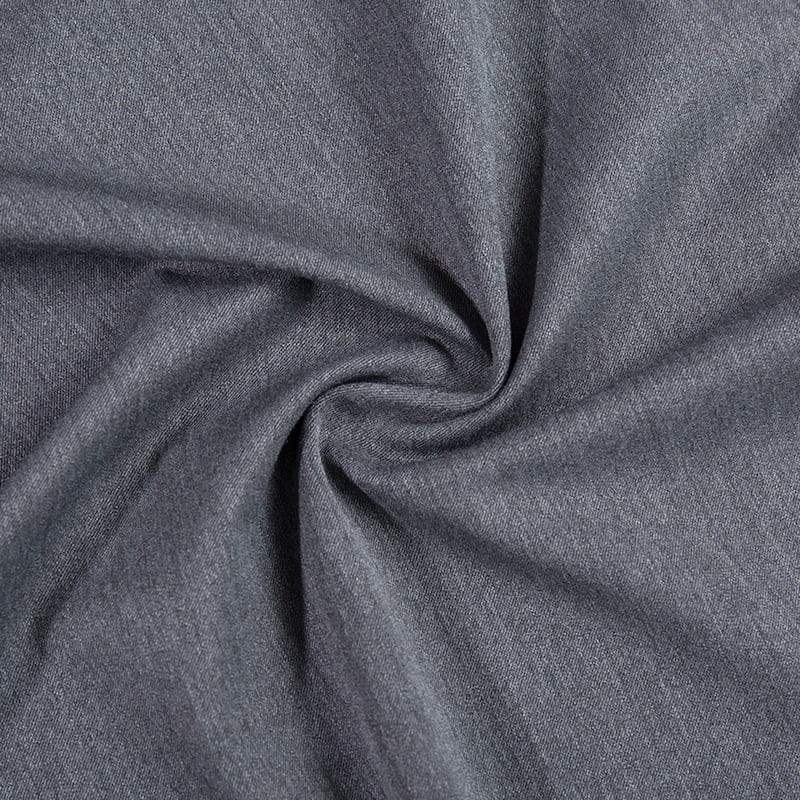
Soft Handfeeling Polyester Rayon Spandex With Modal Top Dyed Suiting Fabric
Product Overview
FX55885 is a top-dyed woven suiting fabric designed for garments that require a firm handle, controlled drape, comfortable stretch, and a refined appearance. The product is classified as a top-dyed fabric and is intended for suits, professional uniforms, trousers, and related business apparel.
The fabric weighs 275 grams per square meter. This weight provides enough substance for structured garments while remaining suitable for practical daily use. It can support a stable silhouette in jackets, waistcoats, trousers, uniforms, and coordinated business separates. The fabric’s weight also contributes to its ability to hang naturally after cutting and sewing.
Its nominal width is 57/58 inches, giving manufacturers a useful cutting width for commercial garment production. A broad usable width can help improve marker planning and support efficient cutting for jackets, trousers, skirts, and uniform components, although actual cutting efficiency will depend on garment design, pattern layout, fabric inspection, and production allowances.
The composition is as follows:
| Specification | Details |
|---|---|
| Product name | FX55885 |
| Composition | 39% polyester, 34% Modal, 13% rayon, 10% wool, 4% spandex |
| Weight | 275 GSM |
| Width | 57/58 inches |
| Fabric category | Top-dyed woven suiting fabric |
| Main features | Stretch and wrinkle resistance |
| Recommended uses | Uniforms, suits, trousers, business ensembles |
| Minimum order quantity | 2,000 meters per color |
| Standard production lead time | 25 days |
| Standard sampling lead time | 7–12 days |
| Stated color fastness | Grade 3 |
The fabric is intended for buyers who need more than a basic polyester-rayon suiting article. Its fiber blend and finishing direction are designed to create a more comfortable and premium-feeling product while maintaining the practical benefits expected from commercial uniform and suiting materials.
Balanced Fiber Composition for Professional Apparel
Polyester for Stability and Practical Performance
Polyester accounts for 39% of the composition and provides an important foundation for the fabric. In a blended suiting construction, polyester can contribute to dimensional stability, wear resistance, shape retention, and easier maintenance. These properties are valuable in uniforms and business garments that may be worn frequently and expected to maintain a consistent appearance throughout the working week.
Polyester also supports production consistency. It can help the fabric maintain a stable construction during cutting, sewing, pressing, and routine use. For procurement teams, this is important because a fabric must perform not only as a sample but also across a larger production program. A stable fiber component can support repeatability when garments are produced in volume.
Modal for Softness and Skin Comfort
Modal represents 34% of the blend and is central to the fabric’s soft handfeeling. Compared with conventional viscose, Modal is commonly valued for its smooth, soft, and skin-friendly touch. In a tailored garment, this quality can improve comfort at areas where fabric remains close to the body, including the shoulders, sleeves, waist, and upper legs.
The inclusion of Modal gives FX55885 a softer character than many standard suiting constructions. This is particularly useful for uniforms worn for long shifts, formal clothing used throughout the day, and trousers that require a comfortable interior feel. The fabric is designed to maintain a structured appearance without creating an excessively harsh or rigid sensation.
Rayon for a Smooth Surface and Fluidity
Rayon accounts for 13% of the composition. It contributes to the fabric’s smooth appearance, softness, and drape. In combination with Modal, rayon helps create a more fluid and pleasant surface than a fabric made primarily from synthetic fibers. This can support a cleaner visual effect in jackets, trousers, and matching uniform garments.
Rayon can also help balance the firmness of the construction. A suit fabric needs enough body to support tailoring, but excessive stiffness may restrict movement and reduce comfort. The rayon component works with the other fibers to create a fabric that can remain structured while falling naturally on the wearer.
Wool for a Refined Handle and Tailored Character
Wool forms 10% of the blend and contributes to the premium character of the fabric. Even at a moderate percentage, wool can support a more natural handle, improved drape, and a distinctive suiting feel. The material’s presence complements Modal and rayon, creating a surface and touch that are more refined than those of a basic synthetic suiting fabric.
The combination of Modal and wool is one of the key selling points of FX55885. Modal brings softness and skin comfort, while wool contributes a tailored and sophisticated quality. Their combined effect helps the fabric bridge the gap between everyday commercial suiting and a more premium business apparel textile.
Spandex for Four-Way Stretch
Spandex represents 4% of the composition and supplies the fabric’s elastic performance. The product is described as having four-way stretch, allowing flexibility across more than one direction. This feature helps garments follow body movement and reduces the restrictive feeling often associated with structured woven clothing.
Four-way stretch is especially valuable in trousers, fitted uniforms, slim jackets, and garments worn while standing, walking, bending, or sitting for extended periods. It can improve ease of movement without requiring an oversized silhouette. For professional clothing brands, this makes it possible to design garments that retain a polished appearance while offering a more contemporary level of comfort.
Top-Dyed Construction and Color Performance
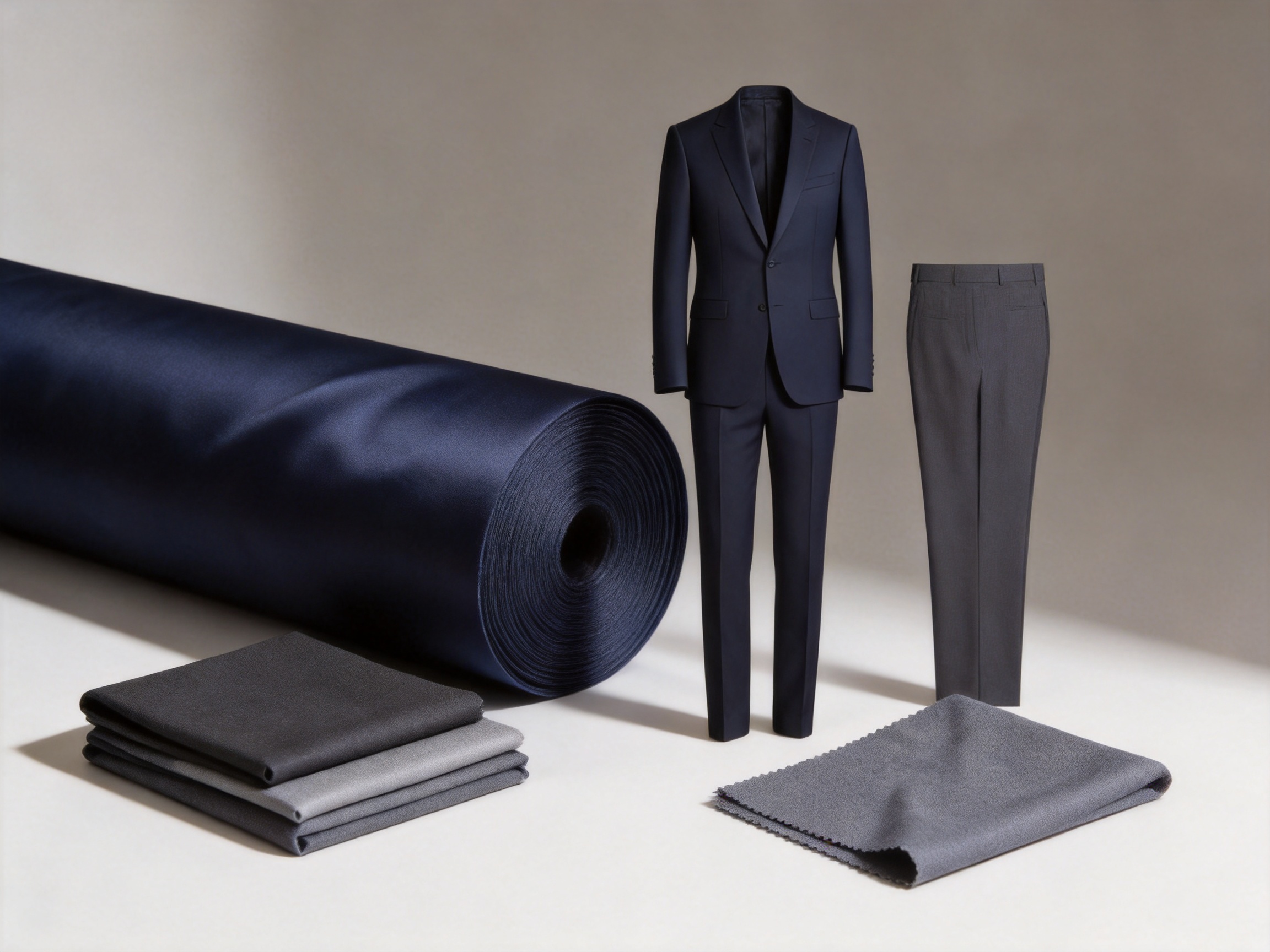
FX55885 uses a top-dyed fiber-stage dyeing process. In this method, the fibers are dyed before they are spun and woven into fabric. This production direction is different from piece dyeing, in which the completed fabric is dyed after weaving. Fiber-stage dyeing can help achieve deep and even color penetration throughout the blended textile system.
For suiting and uniform buyers, color consistency is a major commercial consideration. Professional apparel is often produced in coordinated batches, and the visual relationship between jackets, trousers, skirts, and accessories must remain consistent. A stable color process can support a more uniform appearance across a production order.
The supplied product information describes the fabric as having deep, rich color penetration, a refined luster, and good color fastness. The stated color fastness can reach Grade 3. Buyers should confirm the precise test method, testing conditions, and performance requirement before placing a production order, particularly when a project has specific institutional or market standards.
Top-dyed construction can also create a distinctive depth of color. When fibers are thoroughly colored before weaving, the final textile may present a more integrated visual effect rather than a surface-only appearance. This is useful for dark, formal, and business-oriented colorways where richness and uniformity are important to the finished garment.
Color customization is supported. Buyers can provide a Pantone reference or physical color swatch for development. Because top-dyed production requires color confirmation before the fiber-stage dyeing process, buyers should allow adequate time for laboratory development, approval, and production scheduling. Early submission of color information can reduce delays in sampling and bulk manufacturing.
Soft Handfeeling with a Firm Tailored Structure
One of the primary challenges in suiting fabric development is achieving softness without losing structure. A very soft fabric may lack the body required for a jacket or trouser, while a very firm fabric may feel uncomfortable during extended wear. FX55885 is engineered around a balance between these two qualities.
The fabric has a firm and elastic character. Its construction helps provide support to tailored garments, while its Modal, rayon, wool, and spandex content improves the touch and flexibility. This balance allows the material to maintain a professional silhouette while remaining more comfortable than a rigid woven fabric.
The 275 GSM weight contributes to the fabric’s substantial drape. After cutting and sewing, the material is designed to fall naturally and support a stable silhouette. A controlled drape is important in suit jackets because it helps reduce an untidy or collapsing appearance. It is equally important in trousers, where excessive cling or poor recovery can affect the garment’s visual quality.
The soft handfeeling is also relevant to garment lining and construction decisions. Although the final comfort level depends on the complete garment, including lining, seams, interlinings, and finishing, a softer outer fabric can improve the overall tactile impression of a uniform or suit. This can be particularly valuable for brands positioning their products as premium workwear or high-comfort formal apparel.
Stretch Performance for Everyday Movement
Traditional woven suiting fabrics may look formal but can limit movement, especially when used in close-fitting designs. FX55885 addresses this issue through its spandex content and four-way stretch. The stretch gives the wearer greater freedom during routine actions such as sitting at a desk, walking between meetings, climbing stairs, entering a vehicle, or working through a long shift.
Stretch can also improve the fit tolerance of finished garments. A garment with controlled elasticity may accommodate small differences in body movement and posture more comfortably than a completely rigid textile. This does not eliminate the need for accurate pattern development, but it can contribute to a more forgiving and wearable result.
For uniform programs, movement comfort can influence employee satisfaction and garment acceptance. Uniforms are often worn repeatedly, and a material that feels restrictive may discourage consistent use. A stretch suiting fabric can help combine the authority of formal clothing with the practical flexibility expected in contemporary workwear.
For trousers, four-way stretch is particularly useful around the seat, hips, knees, and waistband area. For jackets, it can support movement through the shoulders, arms, and back. For fitted women’s suiting, stretch can enable more body-conscious silhouettes while preserving comfort. Buyers should still conduct garment-level trials because pattern balance, seam construction, and recovery after wear also influence the final result.
Wrinkle Resistance and Easier Maintenance
Professional garments are often exposed to commuting, sitting, packing, travel, repeated use, and limited storage space. Wrinkling can reduce the visual quality of a suit or uniform and increase the time required for pressing. FX55885 is described as wrinkle resistant and easy to maintain, which makes it suitable for high-frequency formal wear.
Wrinkle resistance is valuable in business apparel because the garment must remain presentable between cleaning or pressing cycles. A fabric that recovers more effectively from everyday creasing can help the wearer maintain a neat appearance throughout the day. This is especially beneficial for uniforms used by office staff, hospitality teams, healthcare-related personnel, sales representatives, and other customer-facing employees.
Easy maintenance can also reduce the practical burden placed on end users. While care instructions must be followed, the fabric’s wrinkle-resistant performance supports a more convenient ownership experience than a delicate or highly crease-prone textile. For corporate apparel buyers, this can improve the perceived value of the uniform program.
Modal-containing fabric should be treated with care. Gentle washing is recommended, and high-temperature machine washing should be avoided. Hand washing or low-temperature machine washing is acceptable when appropriate for the finished garment. Buyers should also consider the care requirements of linings, fusible interlinings, labels, trims, and other garment components before defining final care instructions.
Advantages Compared with Standard TR Suiting
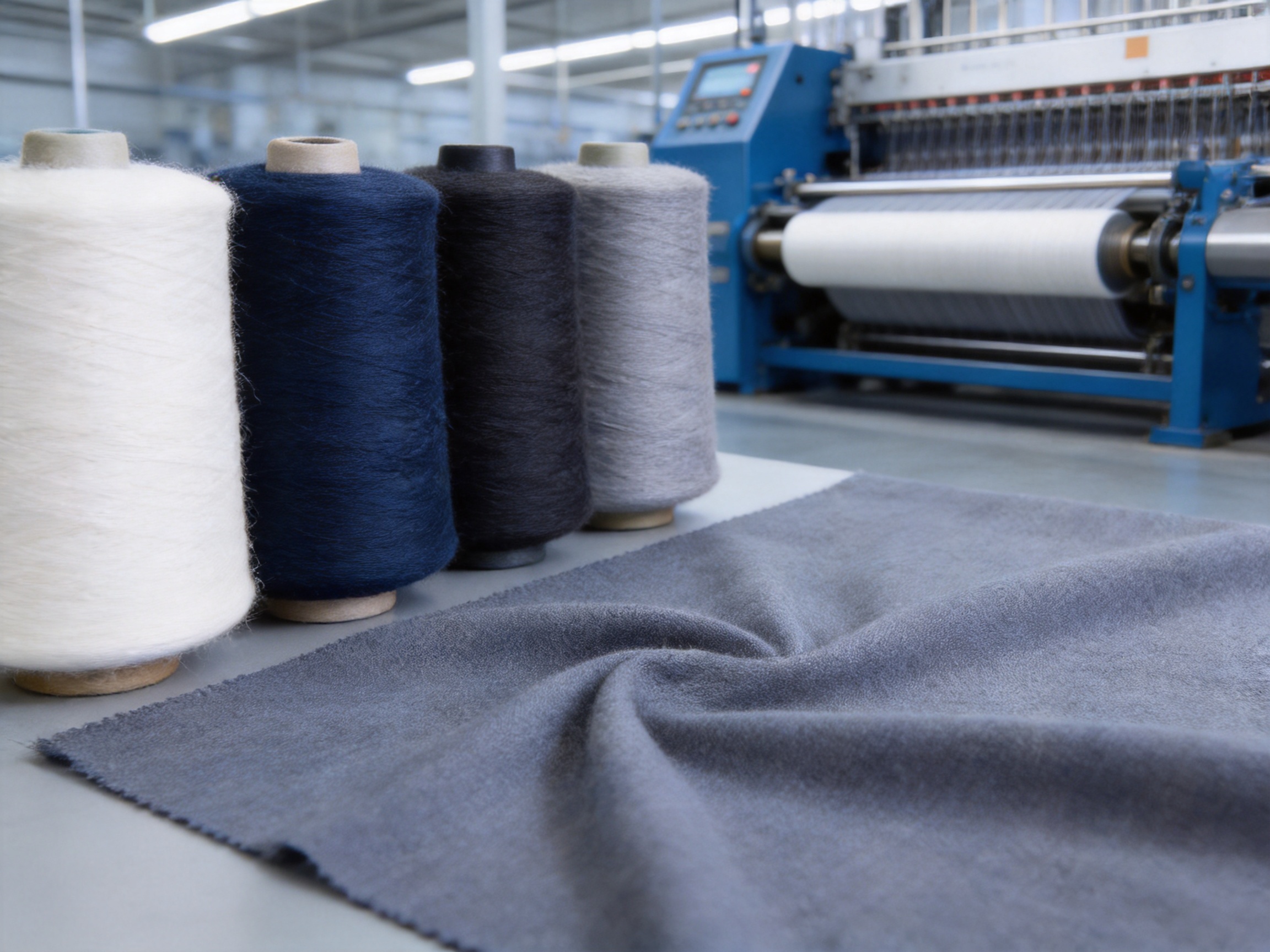
Standard TR fabric, generally based on a polyester and rayon blend, remains widely used because it offers a practical balance of price, appearance, and production convenience. However, a conventional TR construction may not provide the same softness, fiber diversity, stretch performance, or premium tactile quality as FX55885.
The most noticeable difference is the inclusion of 34% Modal and 10% wool. Modal is softer than conventional viscose, while wool can contribute a more sophisticated handle and improved suiting character. When combined, these fibers give FX55885 a more skin-friendly feel and a more premium quality impression.
A second advantage is the inclusion of 4% spandex and the resulting four-way stretch. Many standard woven TR fabrics are comparatively firm and may provide limited flexibility. FX55885 is designed to support unrestricted movement while maintaining a tailored appearance. This is a meaningful advantage for contemporary uniforms and fitted professional garments.
A third distinction is the top-dyed process. Standard piece-dyed fabrics can offer excellent color performance when properly manufactured, but fiber-stage dyeing gives FX55885 a specific construction approach intended to promote deep and uniform color penetration. This supports rich color expression and a refined appearance in formal colorways.
The fabric also offers a combination of substantial weight and soft touch. Some lightweight fabrics may feel comfortable but lack the body required for structured garments, while some heavy fabrics may provide structure at the expense of flexibility. FX55885 is positioned between these extremes, offering a 275 GSM construction with a stable silhouette, natural fall, and elastic comfort.
| Performance area | FX55885 characteristic | Potential buyer benefit |
|---|---|---|
| Handfeeling | Modal and wool enhance softness and refinement | More comfortable and premium tactile experience |
| Stretch | Four-way stretch supported by 4% spandex | Greater freedom of movement and improved fit comfort |
| Structure | Firm 275 GSM woven construction | Stable silhouette for suits, trousers, and uniforms |
| Drape | Modal, rayon, wool, and fabric weight support natural fall | Cleaner garment presentation after sewing |
| Color process | Top-dyed fiber-stage dyeing | Deep color penetration and coordinated appearance |
| Maintenance | Wrinkle-resistant performance | Less frequent pressing and easier daily care |
| Commercial positioning | Multi-fiber premium suiting blend | Opportunity to differentiate from basic TR products |
These advantages do not mean that every application requires a premium multi-fiber fabric. The correct selection depends on the target price, end use, care system, required performance, and buyer specification. However, for brands and uniform programs that want a softer, more comfortable, and more distinctive alternative to standard TR, FX55885 offers a strong product proposition.
Applications in Suits and Business Ensembles
FX55885 is suitable for men’s and women’s suit programs where appearance, movement comfort, and fabric feel are equally important. It can be developed for suit jackets, trousers, skirts, waistcoats, and coordinated separates. The fabric’s firm yet elastic body supports clean tailoring, while its soft touch improves comfort during extended wear.
For women’s suiting, stretch is especially useful in fitted jackets, pencil skirts, tailored trousers, and close-fitting dresses. The fabric can support modern silhouettes without producing the rigid sensation associated with some traditional suiting materials. Its drape can also help create a smoother and more natural appearance around the body.
For business ensembles, color consistency is important because multiple garments may be worn together. A top-dyed fabric with deep color penetration can support coordinated jackets and trousers when produced and inspected under controlled conditions. Buyers should confirm shade approval procedures before bulk production and maintain an approved standard for future repeat orders.
The fabric can also be used for travel-oriented business clothing. Wrinkle resistance, stretch, and moderate-to-substantial weight are useful properties for garments that must be packed, transported, and worn in changing environments. The material’s maintenance advantages can help professionals present a polished appearance without relying on constant pressing.
Applications in Professional Uniforms
Uniforms must represent an organization while also supporting the daily work of the wearer. They need to look consistent across employees, remain comfortable during long periods of use, and withstand routine care. FX55885 is designed for uniform applications that require a more polished and premium fabric character.
Potential applications include office uniforms, reception and front-desk apparel, corporate trousers, hospitality ensembles, service uniforms, administrative clothing, and formal institutional workwear. The product information also places the manufacturer within the medical apparel fabric sector. However, buyers should evaluate the complete garment and any applicable sector-specific requirements before using this material in medical environments.
For customer-facing teams, the fabric’s color depth and refined luster can support a professional visual identity. For employees who move frequently, four-way stretch can improve comfort. For organizations that issue uniforms for repeated use, wrinkle resistance and manageable care can help reduce maintenance concerns.
Uniform procurement also requires reliable repeatability. A supplier must be able to communicate clearly about color development, minimum quantities, sampling, lead times, inspection, and delivery. A production-ready fabric is therefore evaluated not only by its laboratory characteristics but also by the manufacturer’s ability to support the full procurement process.
Applications in Trousers
Trousers place specific demands on fabric because they experience frequent sitting, bending, walking, friction, and pressure around the knees and seat. FX55885’s stretch and wrinkle-resistant qualities make it suitable for tailored trousers intended for business and uniform use.
The 275 GSM weight provides enough body to support a clean trouser line, while the blend of Modal, rayon, wool, and spandex contributes to comfort. Four-way stretch can reduce tension during movement, particularly in slim or tapered designs. A stable and elastic construction can also help the garment retain a more orderly appearance during daily wear.
Designers should consider waistband construction, pocket placement, seam allowance, lining, and pressing temperatures during development. The fabric’s performance should be evaluated through sample garments rather than fabric inspection alone. Wear trials can help determine how the material behaves after sitting, bending, washing, and repeated pressing.
Manufacturing Capabilities and Production Strengths
FX55885 is manufactured by Shaoxing Fuxing Textile Technology Co., Ltd., a woven fabric supplier established in 2002 in Keqiao, Shaoxing, Zhejiang Province, China. The company focuses on woven fabrics and serves two principal product categories: women’s suiting fabrics and medical apparel fabrics.
The company operates a modern facility of approximately 50,000 square meters. Its production system includes 128 imported Italian rapier looms and is supported by more than 150 professionals. These personnel include textile engineers, quality control specialists, and customer service staff. This combination of equipment and human expertise provides a foundation for fabric development, weaving management, inspection, and customer support.
Rapier looms are appropriate for a broad range of woven fabric constructions and can support controlled production across different fibers, weights, and designs. For a stretch suiting fabric, loom management is important because the fabric must maintain a stable construction while incorporating elastic fibers and multiple fiber types. Weaving parameters, tension control, density, and finishing coordination all influence the final hand and dimensional behavior.
The company reports an annual production capacity exceeding 10 million meters and serves customers in more than 20 countries and regions. This international experience is relevant to B2B buyers that require export coordination, product communication, color approval, quality control, and delivery planning.
Fuxing Textile emphasizes quality control, research and development, customer service, and customization. These areas are particularly important for top-dyed fabrics because the production process requires early decisions about composition, color, and performance. Buyers benefit from a supplier that can support the process from product selection and sample development through bulk production.
The company’s stated philosophy is focused on woven fabric and committed to quality. Its team brings more than 20 years of combined experience in woven fabric development, production, and international trade. Such experience can support more practical communication with brands, uniform contractors, wholesalers, and procurement teams.

Production Process from Fiber to Finished Fabric
Fiber Selection and Blend Preparation
The first stage in producing FX55885 is the preparation of the specified multi-fiber blend. Polyester, Modal, rayon, wool, and spandex each contribute different properties, so the blend ratio must be controlled carefully. The stated composition is 39% polyester, 34% Modal, 13% rayon, 10% wool, and 4% spandex.
Because the fibers differ in origin, surface quality, elasticity, moisture response, and processing behavior, blend preparation requires attention to consistency. The target is not simply to combine fibers but to create a stable textile system in which softness, strength, stretch, color, and drape work together.
Top-Dyed Fiber Processing
After blend preparation, the fiber-stage dyeing process provides the fabric’s color foundation. Color development may begin with a buyer’s Pantone reference or physical swatch. Sampling is used to confirm the selected color before bulk processing. This step is especially important when multiple garments or product lines must be coordinated.
Top dyeing can support deep and uniform color penetration because the fibers receive color before spinning and weaving. The approach also requires careful management of color matching across the various fiber components. An approved standard should be retained for future production and shade evaluation.
Spinning and Yarn Preparation
The dyed fibers are processed into yarn suitable for weaving. Yarn preparation affects the fabric’s surface, strength, uniformity, and ability to form the intended structure. Multi-fiber blends require consistent handling to prevent irregularity and to ensure that the final fabric reflects the intended ratio and appearance.
Spandex must also be integrated in a way that supports the desired stretch performance. The elastic component needs to work with the woven construction without creating unwanted distortion or uneven tension. Yarn quality and preparation therefore play an important role in the fabric’s four-way stretch and recovery behavior.
Rapier Weaving
The yarns are woven on rapier looms. The company’s installed base of 128 imported Italian rapier looms provides a substantial platform for woven fabric production. During weaving, the warp and weft construction establishes the foundation of the fabric’s weight, firmness, surface appearance, and dimensional stability.
For a 275 GSM stretch suiting fabric, weaving must balance density and flexibility. Excessive tightness could reduce comfort and limit stretch, while insufficient structure could weaken the tailored appearance. Controlled loom settings help create the intended combination of firm handle, natural drape, and elastic movement.
Finishing and Inspection
After weaving, the fabric undergoes finishing processes designed to develop the desired handfeeling, appearance, width, weight, and performance. Finishing is a critical stage because it influences how the fabric feels, falls, stretches, recovers, and behaves during garment manufacturing.
Inspection should address visible defects, shade consistency, width, weight, surface appearance, stretch, and overall construction. Quality control specialists play an important role in identifying irregularities before shipment. For buyers, the specific inspection protocol should be confirmed according to the order requirements.
Quality Control for B2B Buyers
Commercial buyers should assess FX55885 through both material inspection and garment testing. Fabric inspection can confirm width, weight, shade, surface condition, and visible defects. Laboratory or internal testing can be used to evaluate stretch, recovery, color fastness, dimensional change, abrasion, and care behavior where required by the project.
Color approval should be completed before bulk production. A physical standard or approved laboratory dip can provide a reference for shade evaluation. Buyers should also clarify whether different colorways can be consolidated under the minimum order structure and how shade variation will be managed between lots.
For garments intended for frequent washing, care testing is recommended. Modal and rayon require thoughtful handling, and high-temperature washing should be avoided. Testing the finished garment can reveal whether the selected lining, interlining, thread, buttons, zippers, and labels respond appropriately to the same care conditions.
Stretch testing should include both immediate extension and recovery after tension. Garment-level testing can reveal whether the fabric maintains fit after repeated sitting, bending, and movement. These checks are particularly important for slim trousers, fitted uniforms, and tailored jackets.
For international procurement, buyers should establish a written technical specification. This may include composition tolerance, weight tolerance, width, color standard, stretch requirement, color fastness requirement, inspection method, packing format, roll length, labeling, and delivery terms. A clear specification helps align the buyer, manufacturer, garment factory, and quality control team.
Sampling, Customization, and Order Planning
The standard sampling lead time is 7–12 days, with specific fees to be confirmed. Sampling allows buyers to assess color, handfeeling, weight, stretch, drape, and suitability for garment construction before committing to bulk production.
When requesting a sample, buyers should provide as much information as possible. Useful details include the intended garment type, target color, Pantone number or physical swatch, required quantity, performance standards, end market, and desired delivery schedule. Clear information allows the supplier to evaluate the request more efficiently.
The stated minimum order quantity is 2,000 meters per color. This level is suitable for established uniform programs, apparel brands, wholesalers, and larger production orders. Multi-colorway consolidation may be supported, but the exact method should be confirmed with the supplier before placing an order.
Color consolidation can be useful for buyers developing several uniform or suiting colorways. However, the commercial and production conditions may vary according to color, lot size, dyeing arrangement, and order schedule. Buyers should obtain written confirmation of the accepted quantity structure and production timing.
The standard lead time is 25 days. Actual delivery timing may depend on color approval, raw material availability, order confirmation, production capacity, inspection, and shipping arrangements. For seasonal collections or institutional uniform launches, buyers should build sufficient time into the procurement plan.
Care and Handling Recommendations
Care instructions should be determined at the garment level, but the fabric’s Modal and rayon content makes gentle treatment advisable. High-temperature machine washing should be avoided because excessive heat can affect the handle, appearance, and dimensional stability of the fabric or the finished garment.
Hand washing or low-temperature machine washing may be used when appropriate. Mild detergent, moderate mechanical action, and careful drying can help preserve the fabric’s appearance. Buyers should avoid assuming that every garment can be washed in the same manner, because lining, interlining, trims, and tailoring construction may impose additional restrictions.
When pressing is required, a moderate temperature and a protective pressing cloth are recommended unless garment testing confirms another procedure. Excessive heat can be harmful to blended fabrics and may affect the surface or elastic performance. Professional dry cleaning may be considered depending on the garment design and care label requirements.
For storage, suits and uniforms should be hung on suitable hangers that support the shoulders. Trousers should be folded or hung in a way that minimizes sharp creasing. Adequate ventilation and protection from prolonged direct sunlight can help preserve color and garment condition.
Commercial Value for Apparel Brands and Uniform Contractors
FX55885 provides several opportunities for product differentiation. A brand can position the fabric around softness, comfort stretch, rich color, wrinkle resistance, and premium suiting character. These attributes can support a higher-value product story than a basic polyester-rayon article.
For uniform contractors, the fabric can provide a balance between corporate appearance and wearer comfort. The multi-fiber blend may be suitable for customers that want an upgraded uniform without moving to a fully wool-based material. The stretch component can also help address feedback from employees who find conventional uniform fabrics restrictive.
For wholesalers and distributors, the fabric’s use across suits, trousers, business separates, and uniforms can support multiple product lines. A single fabric platform may be developed into coordinated garments, allowing a more consistent visual identity across a collection or institutional program.
For women’s suiting brands, the soft handle and four-way stretch are especially relevant to modern fit requirements. Consumers increasingly expect formal clothing to accommodate active lifestyles, commuting, travel, and long working hours. A fabric that combines a clean tailored appearance with movement comfort can help brands respond to these expectations.
For manufacturers, the 57/58-inch width and 275 GSM construction provide a practical basis for marker planning and garment development. Actual yield depends on pattern size, garment style, nap direction, matching requirements, and cutting efficiency, but the width is appropriate for a wide range of tailored apparel formats.
Frequently Asked Questions
What type of fabric is FX55885?
FX55885 is a top-dyed woven suiting fabric made from 39% polyester, 34% Modal, 13% rayon, 10% wool, and 4% spandex. It is designed for suits, uniforms, trousers, and business ensembles.
What makes the fabric feel softer than standard TR fabric?
The fabric contains a substantial proportion of Modal together with rayon and wool. Modal is softer than conventional viscose, while wool contributes a refined suiting handle. Their combination creates a more skin-friendly and premium tactile experience than many standard polyester-rayon fabrics.
Does the fabric stretch in four directions?
Yes. The product is described as having four-way stretch, supported by its 4% spandex content. This provides improved flexibility and comfortable movement in tailored garments.
Is the fabric suitable for fitted women’s suits?
Yes. Its stretch, soft handfeeling, firm structure, and natural drape make it suitable for fitted women’s jackets, trousers, skirts, dresses, and coordinated suiting pieces. Garment sampling is recommended to confirm the best pattern and construction approach.
Is the fabric suitable for uniforms?
Yes. The fabric is suitable for professional uniforms, corporate apparel, trousers, business ensembles, and other formal workwear. Its stretch and wrinkle-resistant performance can support frequent daily use.
What does top-dyed mean?
Top-dyed means that the fibers are dyed before they are spun and woven into fabric. This process is intended to achieve deep, uniform color penetration and a rich, stable appearance.
Can custom colors be developed?
Yes. Buyers can provide a Pantone number or physical color swatch for color development. Because the fabric uses a fiber-stage dyeing process, buyers should allow sufficient time for color confirmation before bulk production.
What color fastness can the fabric achieve?
The supplied product information states that color fastness can reach Grade 3. Buyers with specific technical requirements should confirm the applicable test method, standard, and target performance before ordering.
How should garments made from this fabric be washed?
Gentle washing is recommended. High-temperature machine washing should be avoided. Hand washing or low-temperature machine washing may be acceptable depending on the complete garment. The final care label should be established after garment testing.
What is the sampling lead time?
The standard sampling lead time is 7–12 days. Specific fees and timing should be confirmed according to the color, sample quantity, and development request.
What is the minimum order quantity?
The standard minimum order quantity is 2,000 meters per color. Multi-colorway consolidation may be available, subject to confirmation of the specific arrangement.
What is the bulk production lead time?
The standard lead time is 25 days. Actual timing may vary according to color approval, raw material preparation, production scheduling, inspection, and shipping requirements.
Can the fabric be used for medical apparel?
The manufacturer specializes in both women’s suiting fabrics and medical apparel fabrics. FX55885 itself is described primarily for uniforms, suits, trousers, and business ensembles. Buyers considering it for medical apparel should confirm the required hygiene, laundering, durability, comfort, and regulatory specifications for the intended application.
What information should buyers provide when requesting a quotation?
Buyers should provide the intended use, target color, Pantone number or swatch, estimated quantity, required width, garment type, performance standards, delivery destination, and target delivery date. This information helps the supplier evaluate the request and provide more accurate production planning.
Conclusion
FX55885 is designed for buyers seeking a more comfortable and refined alternative to conventional suiting fabric. Its 39% polyester, 34% Modal, 13% rayon, 10% wool, and 4% spandex composition provides a balanced combination of structure, softness, drape, stretch, and practical maintenance.
The fabric’s key advantages include a soft, skin-friendly handle; firm yet elastic construction; four-way stretch; wrinkle-resistant performance; natural fall at 275 GSM; and top-dyed color development. These properties make it suitable for suits, trousers, women’s suiting, business ensembles, corporate uniforms, and selected professional apparel programs.
Compared with standard TR fabric, the inclusion of Modal and wool creates a more premium tactile experience, while spandex improves movement comfort. The top-dyed process supports deep color penetration and a rich appearance. Together, these features can help apparel brands and uniform contractors create garments that look formal without feeling excessively rigid or uncomfortable.
The manufacturing foundation behind the product is equally important. Shaoxing Fuxing Textile Technology Co., Ltd. operates a 50,000-square-meter facility with 128 imported Italian rapier looms and a professional team of more than 150 people. Its experience in woven fabric development, quality control, customization, and international trade supports the needs of B2B buyers managing sampling, color approval, bulk production, and delivery.
For the best results, buyers should request samples, verify color and performance requirements, conduct garment-level testing, confirm care instructions, and establish a detailed technical specification before bulk production. With appropriate development and quality control, FX55885 can provide a strong foundation for premium-feeling suits, flexible professional uniforms, and comfortable tailored trousers.
References
1. Product specification and technical information for FX55885, including fiber composition, weight, width, applications, MOQ, lead time, and performance features.
2. Manufacturer-provided information regarding top-dyed fiber-stage dyeing, color customization, color fastness, sampling, and multi-colorway order consolidation.
3. Manufacturer company profile describing woven fabric specialization, production facility, rapier loom equipment, professional staff, production capacity, and international market coverage.
4. General textile engineering references concerning polyester, Modal, rayon, wool, and spandex fiber behavior in blended woven fabrics.
5. General apparel quality-control references concerning fabric inspection, color approval, stretch testing, garment testing, care labeling, and bulk production verification.
Product: Soft Handfeeling Polyester Rayon Spandex With Modal Top Dyed Suiting Fabric

PREV:No previous article
NEXT:No next article
News
Products
Recent Articles
- How does the 45% POLY (polyester fiber) in Fashion Tr Poly Rayon Spandex With Linen Top Dyed Suiting Fabric contribute to the overall performance?
- What types of clothing are suitable for FX55425 Manufacture Tr 4 Way Stretch Top Dyed Fabric For Men'S Suit Trousers?
- Can Dyed Poly Rayon Woven Fabric With Stretch Be Used for Both Casual and Formal Wear?
- Tr Poly Rayon Spandex With Linen Top Dyed Suiting Fabric
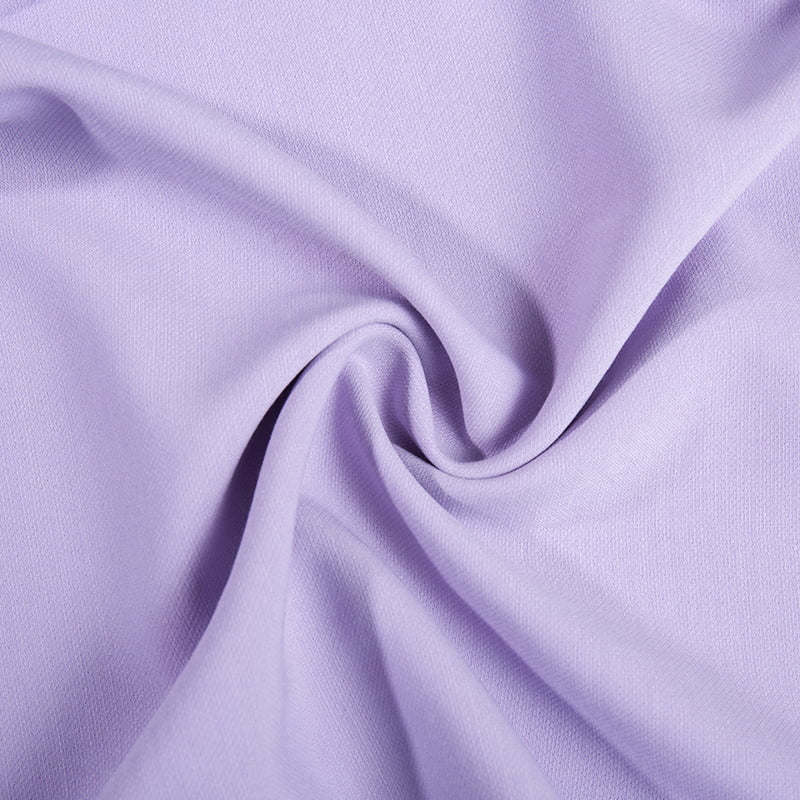
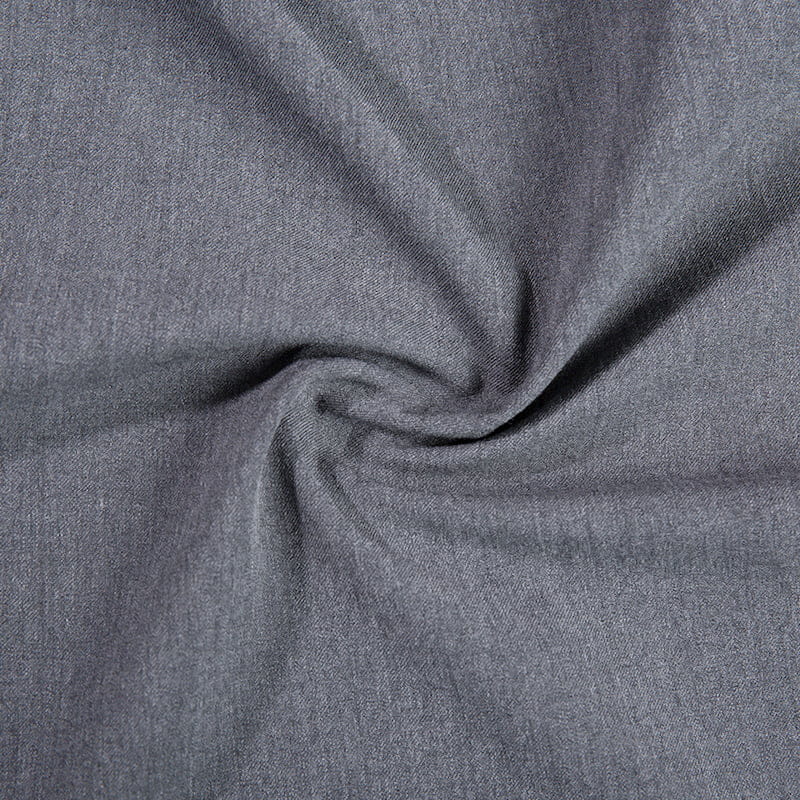
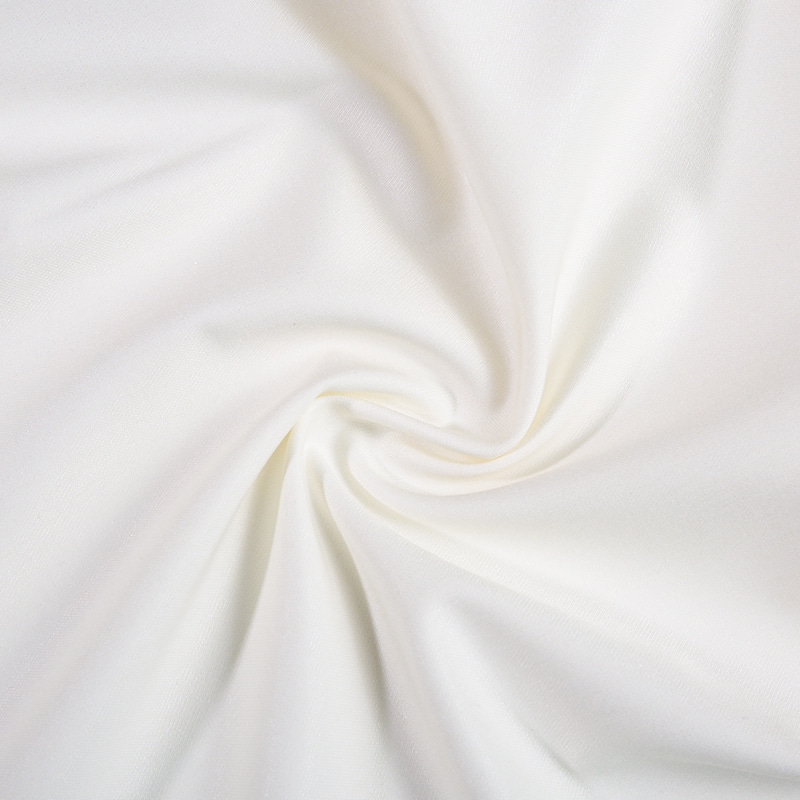
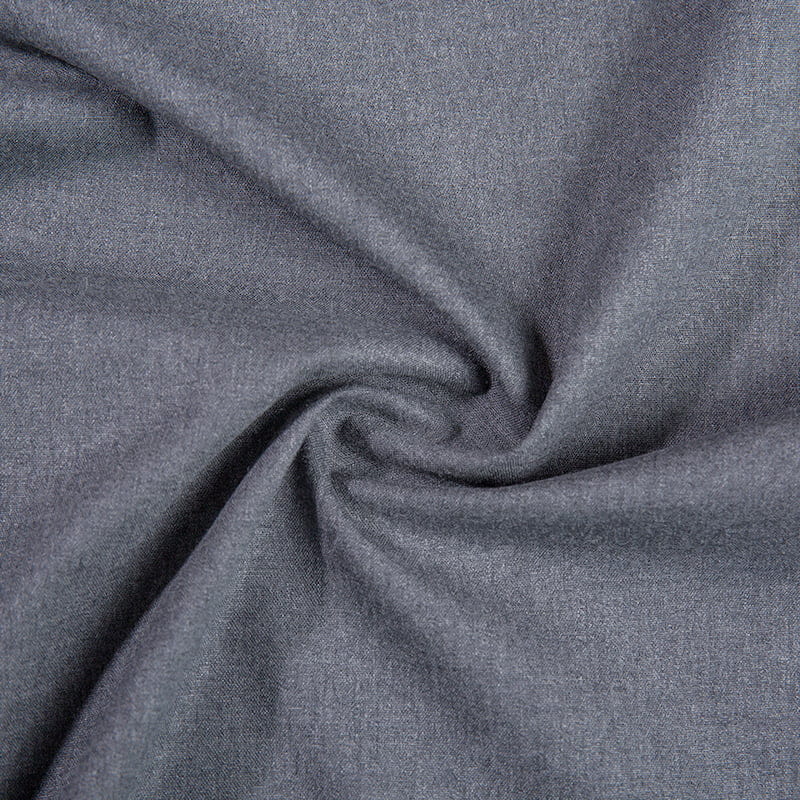

Can Supply Mature And Stable Products.
Choose Us, Contact Us
Choose Us, Contact Us
Contact Us
-

Tel: +86-575-81176657
+86-18857538666 -
 E-mail: martin@fuxing-tex.com
-
 Xindian Village, Qianqing Street, Keqiao District, Shaoxing City, Zhejiang Province, China.
Quick Links
Products
Get In Touch
Copyright © Shaoxing Fuxing Textile Technology Co., Ltd. All rights reserved. China Woven Fabric Manufacturer OEM & ODM Suiting & Medical Fabrics Factory
