
 English
 中文简体
中文简体 日本語
日本語 한국어
한국어 Español
 русский
Content
- 1 Why Fabric Choice Matters More in Summer
- 2 Linen: The Classic Summer Champion
- 3 Fresco Wool: The Best Option for Professional Settings
- 4 Cotton and Seersucker: Lightweight and Approachable
- 5 Silk and Silk Blends: Luxurious but Situational
- 6 Fabrics to Avoid in Summer
- 7 Summer Suit Fabric Comparison at a Glance
- 8 How to Choose the Right Summer Suit Fabric for Your Situation
- 9 Additional Construction Details That Affect Summer Comfort
- 10 Frequently Asked Questions About Summer Suit Fabrics
- 10.1 Is wool really suitable for summer suits?
- 10.2 What is the coolest suit fabric for extremely hot weather?
- 10.3 Can I wear a Poly/Rayon blend suit in summer?
- 10.4 How do I prevent my summer suit from wrinkling?
- 10.5 What fabric is best for a summer wedding suit?
- 10.6 Does fabric weight alone determine how hot a suit feels?
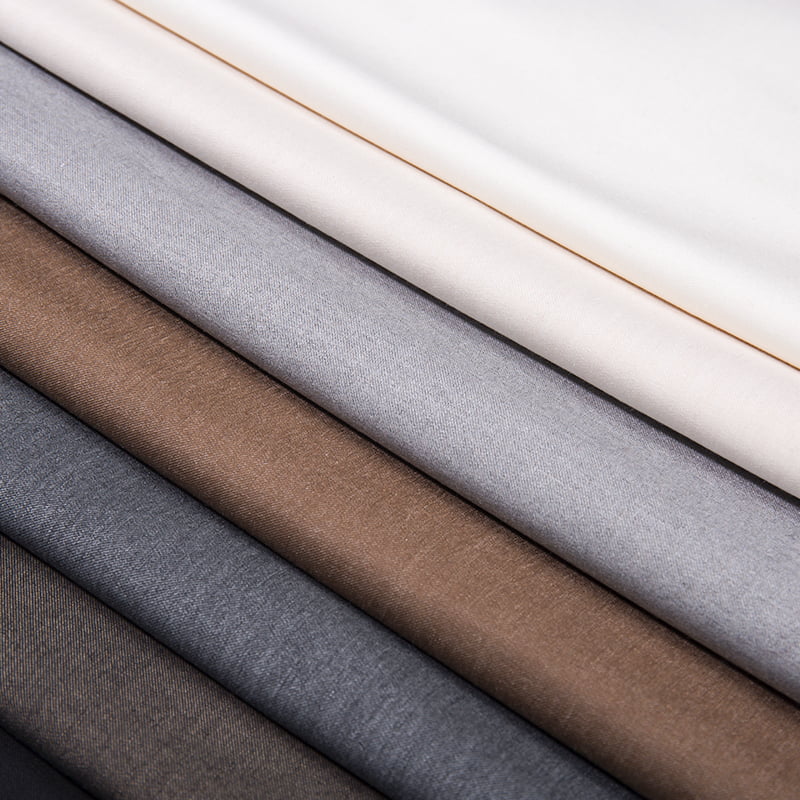
The best suit fabric for summer is linen, followed closely by fresco wool, seersucker, and cotton. These fabrics share a common trait: they allow air to circulate, wick moisture, and dry quickly, keeping you comfortable even in high heat and humidity. If you only remember one thing, choose a fabric with an open, breathable weave and a lighter weight, ideally under 200 grams per square meter (gsm).
That said, the right choice depends on your specific needs. A beach wedding calls for something different than a summer business meeting. This guide breaks down every major option so you can match the fabric to your situation.
Why Fabric Choice Matters More in Summer
In colder months, a suit's job is partly to insulate. In summer, the goal reverses entirely. You need a fabric that resists trapping body heat, manages sweat, and stays presentable despite humidity. The wrong choice, such as a dense flannel or heavy worsted wool, can make wearing a suit genuinely uncomfortable and unprofessional if you arrive visibly overheated.
Two technical factors matter most:
- Fabric weight: Measured in gsm or ounces per yard, lighter fabrics (150 to 220 gsm) drape with less mass against the skin and retain less heat.
- Weave openness: Loosely woven or textured fabrics create micro-gaps that allow air movement, acting almost like built-in ventilation.
Color also plays a supporting role. Lighter colors reflect sunlight rather than absorbing it, which is why cream, tan, light grey, and navy are summer suit staples.
Linen: The Classic Summer Champion
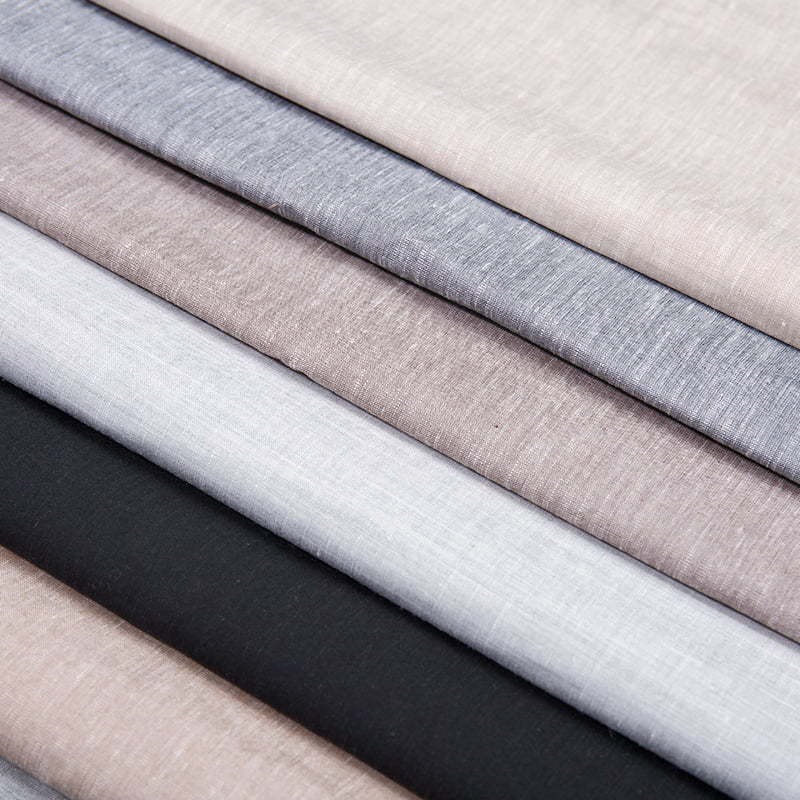
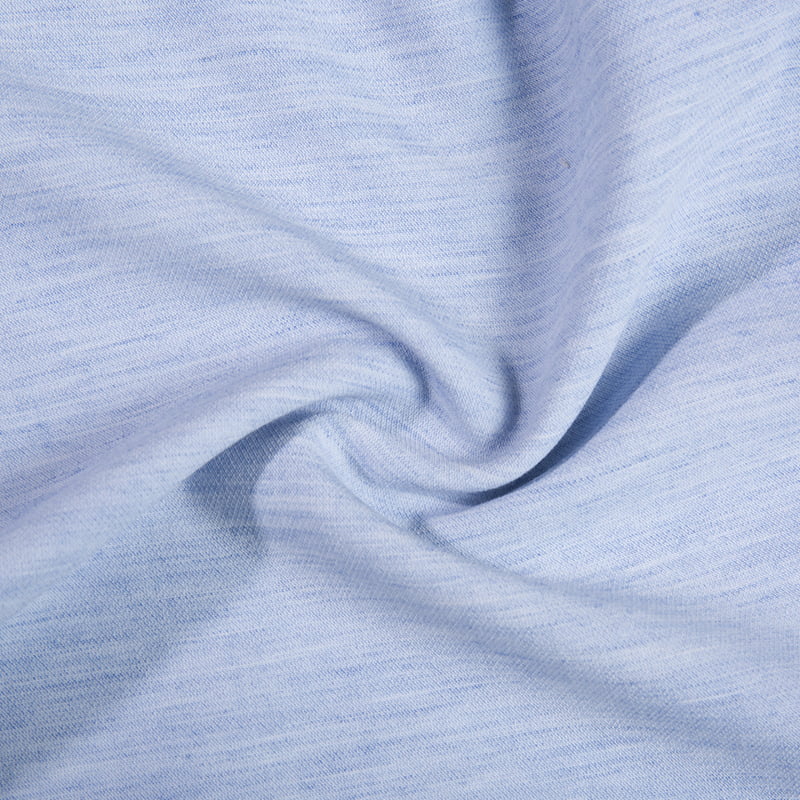
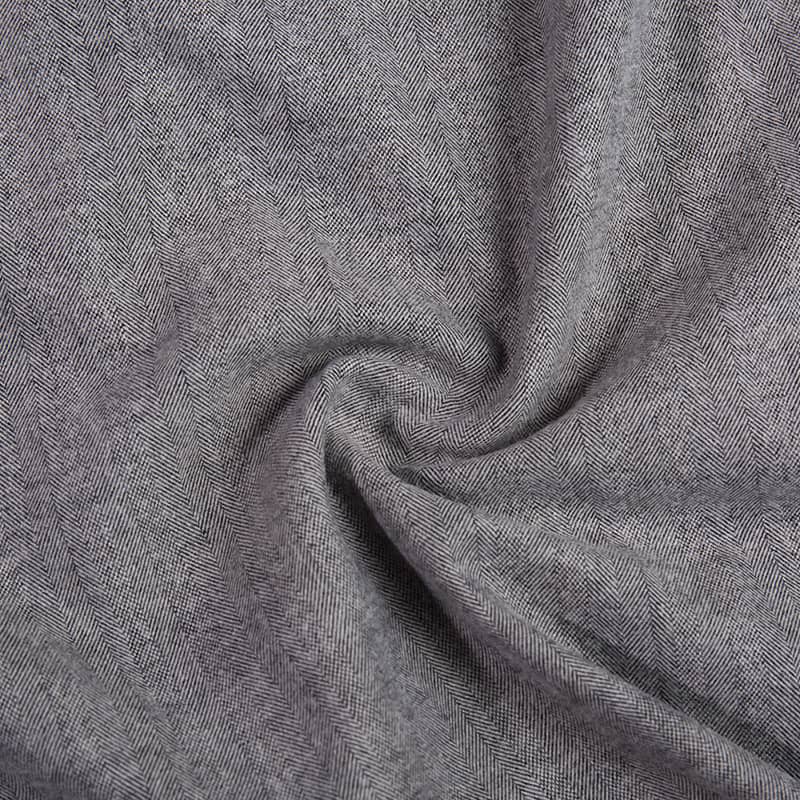
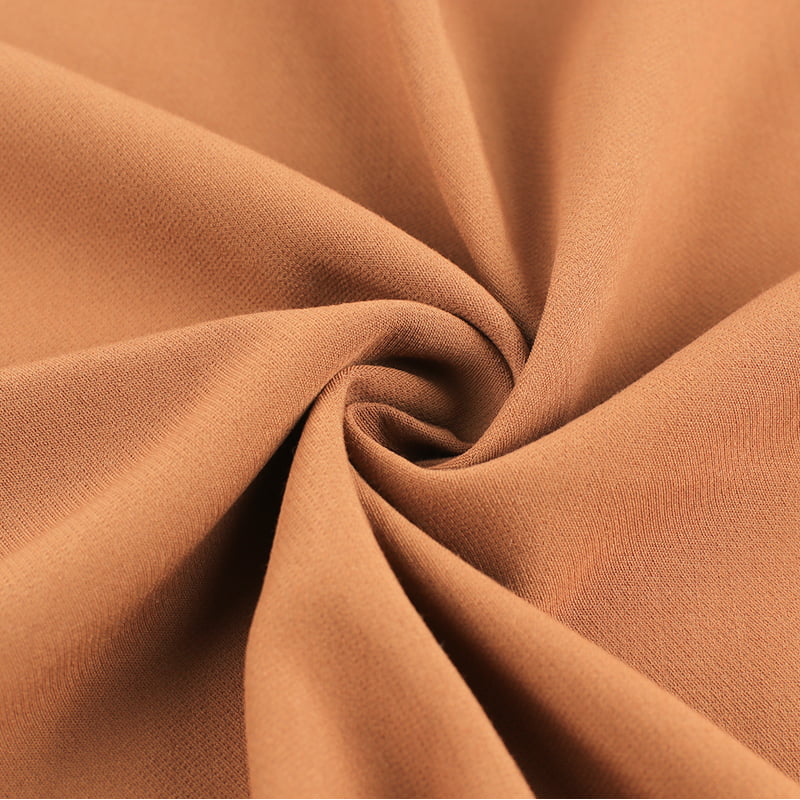
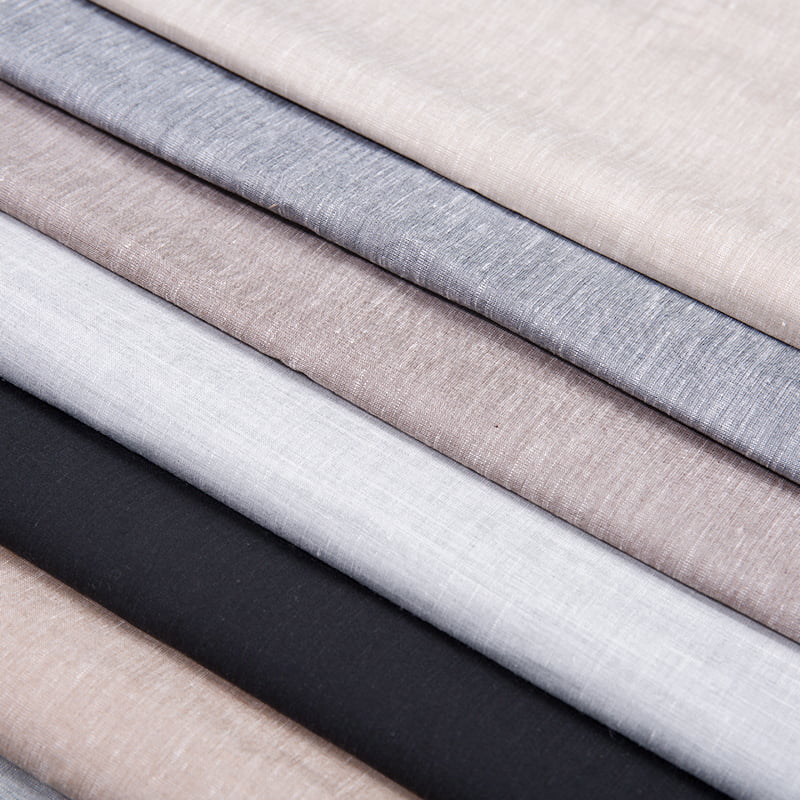
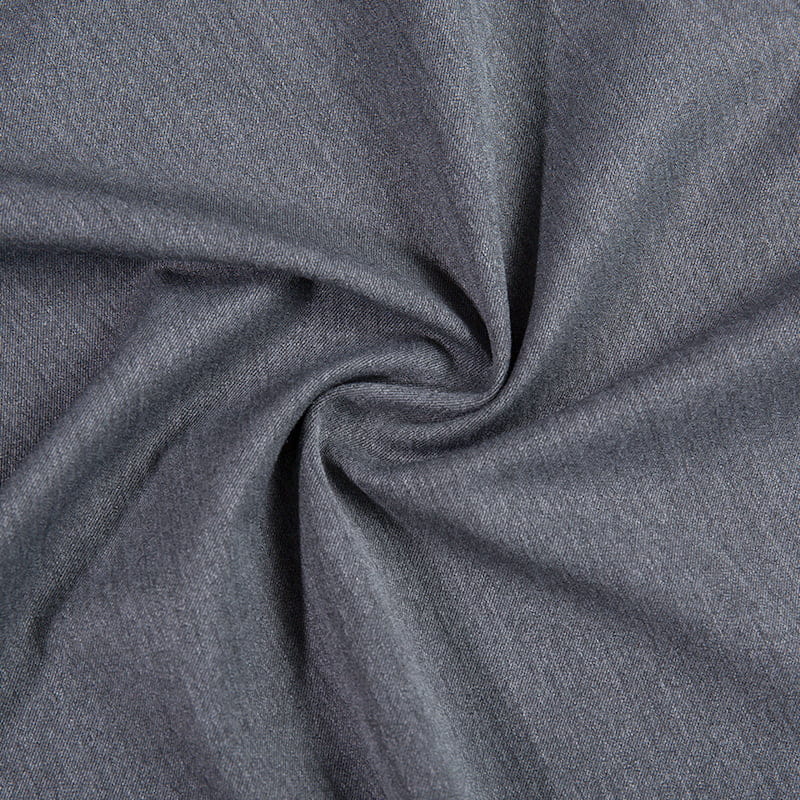
(FX55884 Fashion Tr Poly Rayon Spandex With Linen Top Dyed Suiting Fabric)
Linen is made from flax fibers and has been used in warm climates for thousands of years for a simple reason: it is exceptionally breathable. Linen fibers are hollow, which allows heat to escape from the body efficiently. Linen can absorb up to 20 percent of its weight in moisture before feeling damp, making it ideal in humid conditions.
The trade-off is wrinkling. Linen creases easily and visibly, which some people find frustrating. However, in casual or outdoor summer settings, light wrinkling is widely accepted and even expected. For formal business environments, pair a linen suit with careful pressing or choose a linen-cotton blend, which wrinkles less while retaining much of the breathability.
Best uses for linen suits
- Outdoor weddings and garden parties
- Beach or resort events
- Casual summer social occasions
- Hot-climate travel
Typical weight range for summer linen suits is 180 to 270 gsm. Stick toward the lower end for the hottest days.
Fresco Wool: The Best Option for Professional Settings
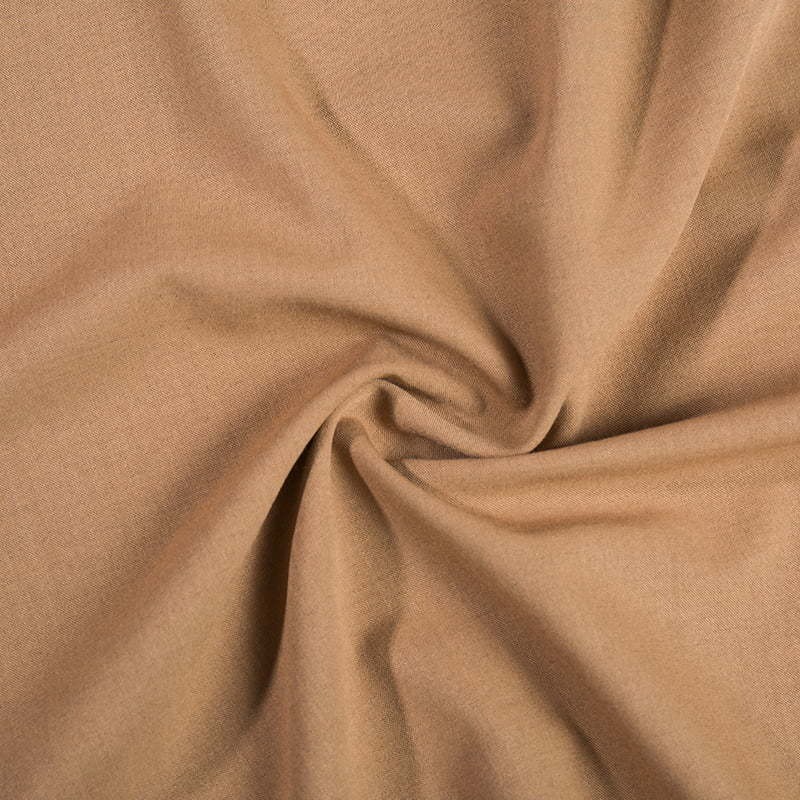
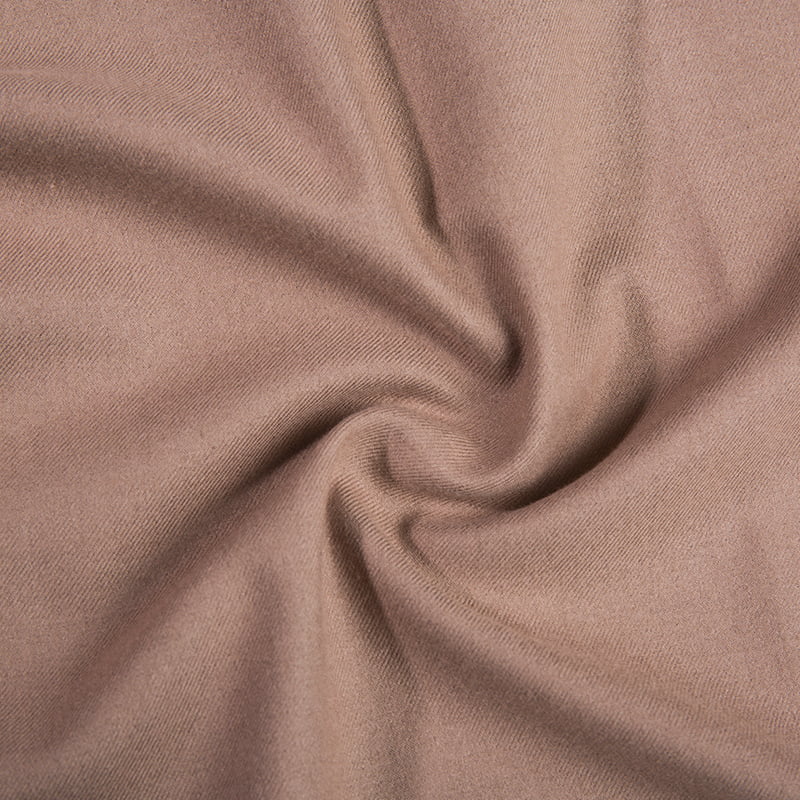
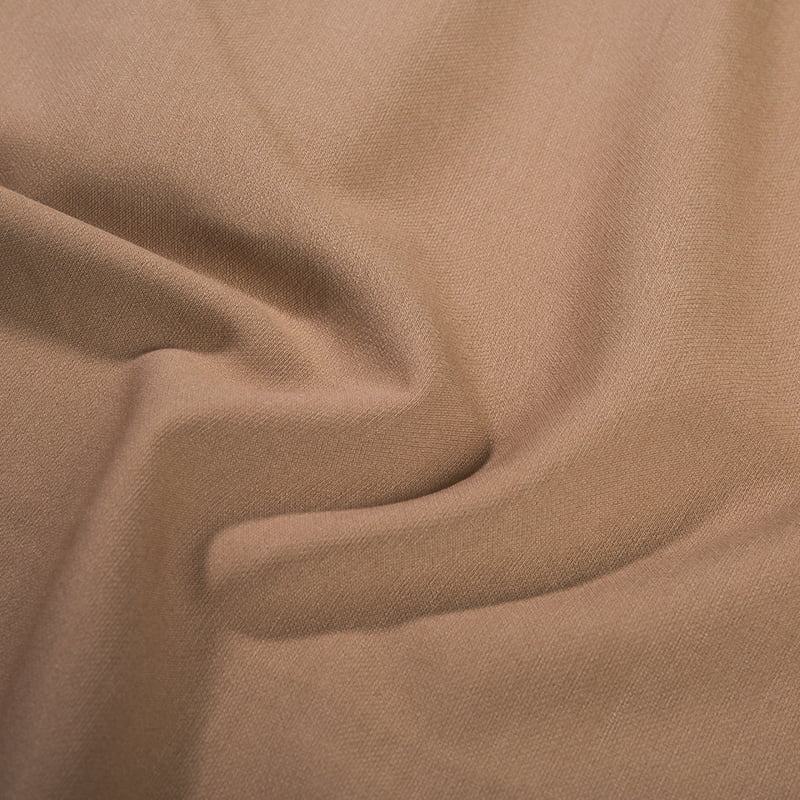
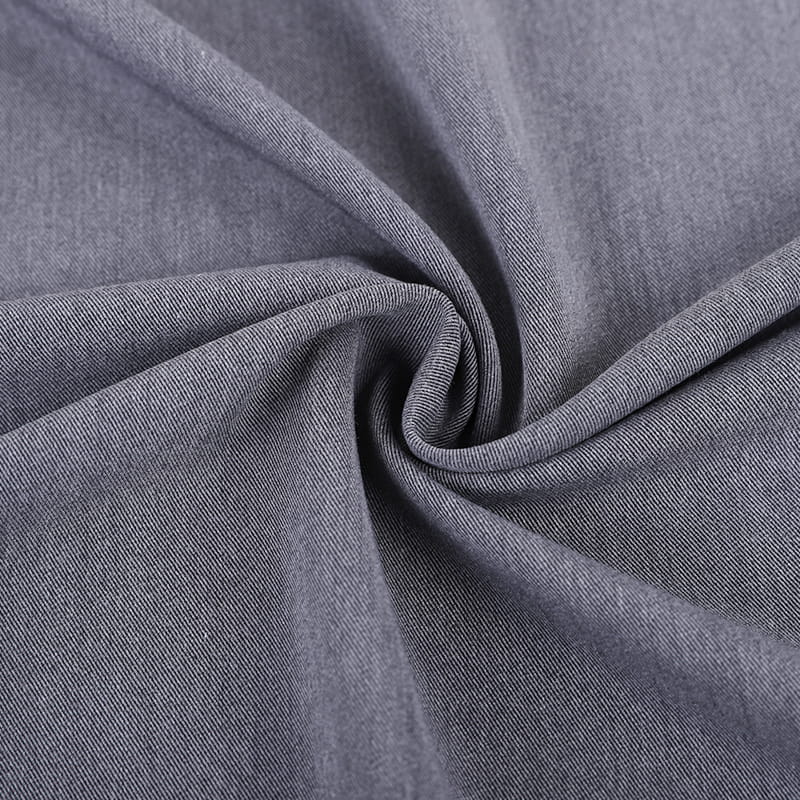
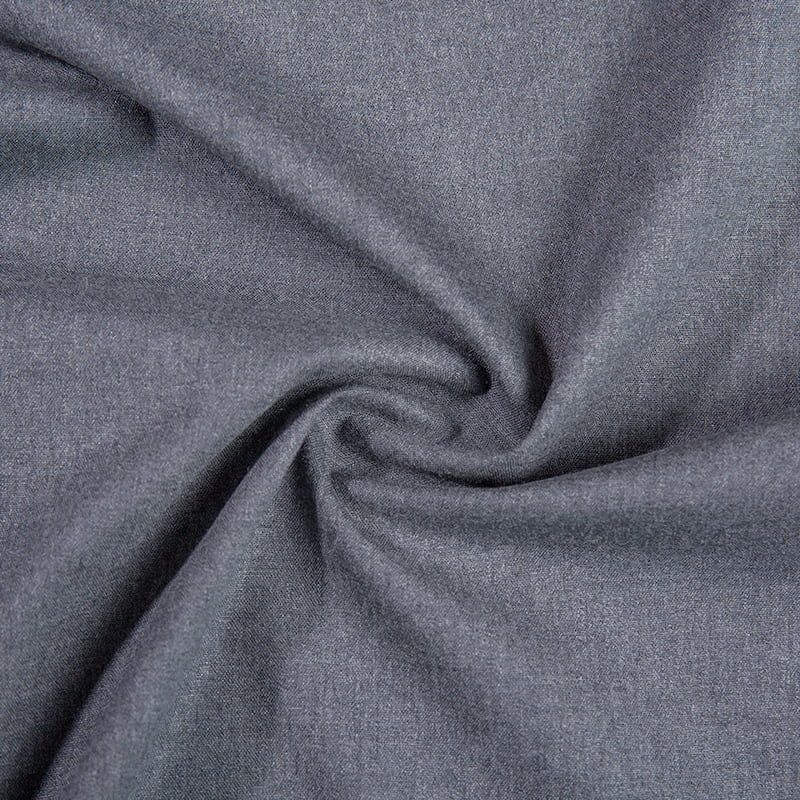
(FX54706 Spring/Summer Soft Handfeeling Polyester Viscose Wool Blend 4 Way Stretch Suiting Fabric)
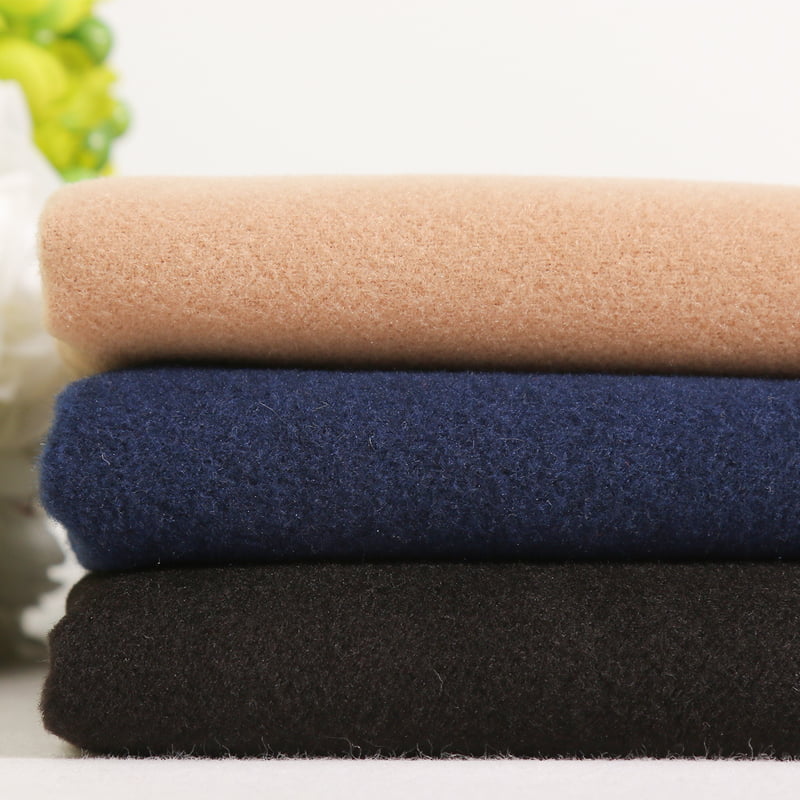
If you need a summer suit for the office or formal events, fresco wool is arguably the smartest choice available. Fresco is a type of worsted wool woven with a looser, more open structure than standard suiting wool. The open weave creates significant airflow while still delivering the drape, structure, and polish expected in professional environments.
Fresco wool also has a natural elasticity that resists wrinkles far better than linen. After a long workday or a flight, a fresco suit holds its shape much more reliably. It also accepts a sharper press and tailoring, making it the preferred choice for made-to-measure summer suits.
Leading fresco wool mills such as Loro Piana, Minnis, and Porter and Harding typically offer weights between 200 and 280 gsm. For the warmest climates, choose closer to 200 gsm.
Best uses for fresco wool suits
- Business meetings and corporate environments
- Formal summer events where linen looks too casual
- Air-conditioned offices where you need comfort indoors and outdoors
Cotton and Seersucker: Lightweight and Approachable
Cotton suits offer a relaxed, natural feel that works well in semi-formal summer settings. Plain cotton is breathable and soft, though it wrinkles moderately and can feel slightly heavier than linen or fresco at the same gsm. Look for suits in the 180 to 220 gsm range for summer wear.
Seersucker is a specific cotton weave with puckered stripes that hold the fabric away from the skin, creating a natural air gap. This makes seersucker measurably cooler to wear than flat-woven cotton of the same weight. It is a long-standing American summer suiting tradition, especially in the American South, and remains popular at outdoor weddings and summer garden parties.
The limitation of cotton and seersucker is formality. Neither fabric reads as formal as wool in professional environments, so they are better suited to smart-casual or social occasions than strict business dress codes.
Silk and Silk Blends: Luxurious but Situational
Pure silk is extremely lightweight, smooth against the skin, and naturally temperature-regulating. However, pure silk suits are expensive, delicate, and not practical for everyday summer wear. They stain easily, show sweat marks quickly, and require specialist cleaning.
Silk-wool or silk-linen blends offer a more practical middle ground. A blend of roughly 50 percent silk and 50 percent wool, for example, provides a beautiful drape and a cooler feel than pure wool, with better durability than pure silk. These blends are worth considering for special occasions such as a summer wedding or a black-tie outdoor event.
Fabrics to Avoid in Summer
Just as important as knowing what to choose is knowing what to avoid. Several common suiting fabrics are poorly suited to warm weather:
- Flannel: Typically 280 to 380 gsm, flannel is a cold-weather fabric designed to trap heat. Wearing it in summer will be uncomfortable within minutes.
- Heavy tweed: Tweed is dense, textured, and insulating. It belongs entirely to autumn and winter wardrobes.
- Standard worsted wool (over 280 gsm): Midweight worsted wool is year-round in mild climates but becomes oppressive above 80 degrees Fahrenheit (27 degrees Celsius).
- Polyester suits: Synthetic fibers trap heat and moisture against the skin. Even if marketed as summer suits, polyester performs far worse than natural fibers in real heat.
Summer Suit Fabric Comparison at a Glance
The table below summarizes how the main summer suit fabrics compare across the factors that matter most in warm weather.
| Fabric | Breathability | Wrinkle Resistance | Formality Level | Typical Weight (gsm) |
| Linen | Excellent | Poor | Casual to Smart Casual | 180 to 270 |
| Fresco Wool | Very Good | Very Good | Business to Formal | 200 to 280 |
| Seersucker | Very Good | Moderate | Casual to Smart Casual | 150 to 200 |
| Cotton | Good | Moderate | Casual to Smart Casual | 180 to 220 |
| Silk Blend | Good | Good | Smart Casual to Formal | 160 to 220 |
How to Choose the Right Summer Suit Fabric for Your Situation
Use these practical guidelines to narrow down your decision:
For outdoor or casual summer events
Choose linen or seersucker. Both handle heat and humidity well. Linen in a neutral tone such as cream, beige, or light blue is a particularly strong choice for outdoor weddings. Accept that some wrinkling will occur and plan to press the suit before wearing if possible.
For business or office wear
Choose fresco wool. It provides the professional appearance expected in most corporate environments while performing far better in heat than standard worsted wool. A medium grey or navy fresco suit in the 200 to 220 gsm range will cover most summer business situations effectively.
For destinations with extreme heat
If you are traveling to a tropical destination or facing temperatures consistently above 90 degrees Fahrenheit (32 degrees Celsius), prioritize linen at the lightest weight available, or consider a linen-cotton blend for added wrinkle resistance. Pairing any of these suits with a breathable dress shirt and skipping the waistcoat will also make a meaningful difference in comfort.
For versatility across multiple settings
A navy fresco wool suit at around 210 gsm is arguably the single most versatile summer suit investment. It reads as professional enough for business, polished enough for weddings, and performs well across a wide temperature range. If you are building a capsule wardrobe and can only own one summer suit, fresco wool in a classic color is the most flexible choice.
Additional Construction Details That Affect Summer Comfort
Fabric is the primary factor, but a few construction choices also matter:
- Unlined or half-lined jacket: A fully lined jacket traps heat at the back and sides. An unlined jacket or one with only a half lining allows far more airflow and is standard practice for summer suiting.
- Breathable lining material: If lining is present, cupro (also known as Bemberg) is a popular choice because it is smooth, lightweight, and far more breathable than standard acetate linings.
- Fewer internal layers: Off-the-rack suits often use multiple layers of canvas, horsehair, and interfacing for structure. In summer suits, a lighter internal construction reduces weight and heat retention without sacrificing the suit's shape significantly.
- Fit: A well-fitted suit with some room to breathe will always feel cooler than a tight-fitting one, regardless of fabric. Avoid suppressing the waist too aggressively in summer suits.
Frequently Asked Questions About Summer Suit Fabrics
Is wool really suitable for summer suits?
Yes, but only specific types of wool. Fresco wool and tropical wool are woven with an open structure that allows significant airflow, making them genuinely comfortable in warm weather. Avoid standard worsted wool above 280 gsm, flannel, or tweed in summer. When people say wool is too hot for summer, they are usually referring to heavier, denser weaves, not purpose-built summer wools.
What is the coolest suit fabric for extremely hot weather?
For extreme heat, linen at 180 gsm or below is the coolest natural option available. Its hollow fiber structure releases body heat faster than any other common suiting material. Seersucker is a close second due to its puckered weave that lifts the fabric off the skin. In temperatures consistently above 90 degrees Fahrenheit (32 degrees Celsius), either of these paired with an unlined jacket construction will offer the most comfort possible while still looking dressed.
Can I wear a Poly/Rayon blend suit in summer?
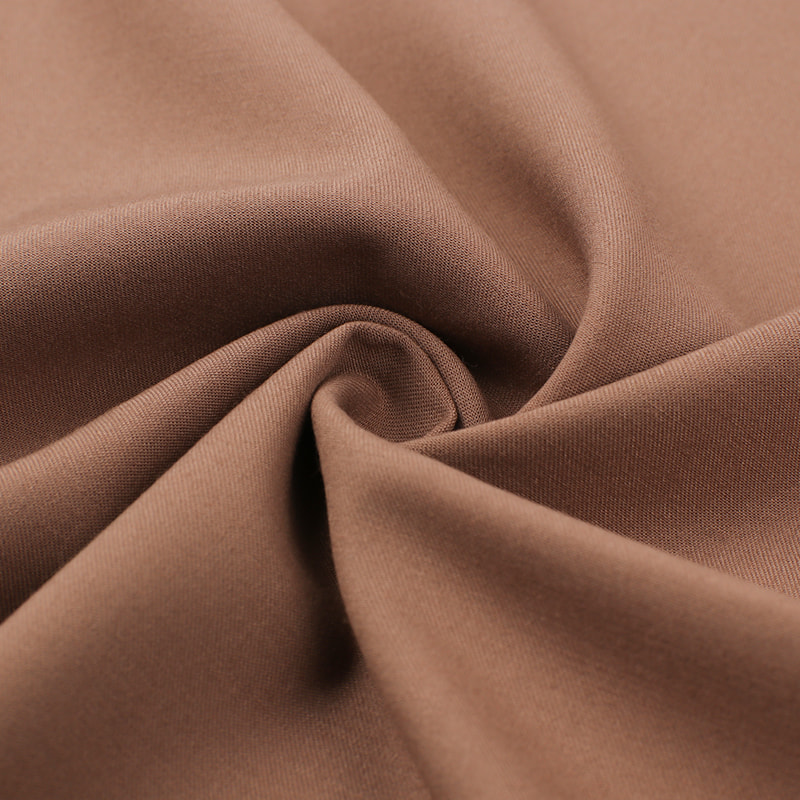
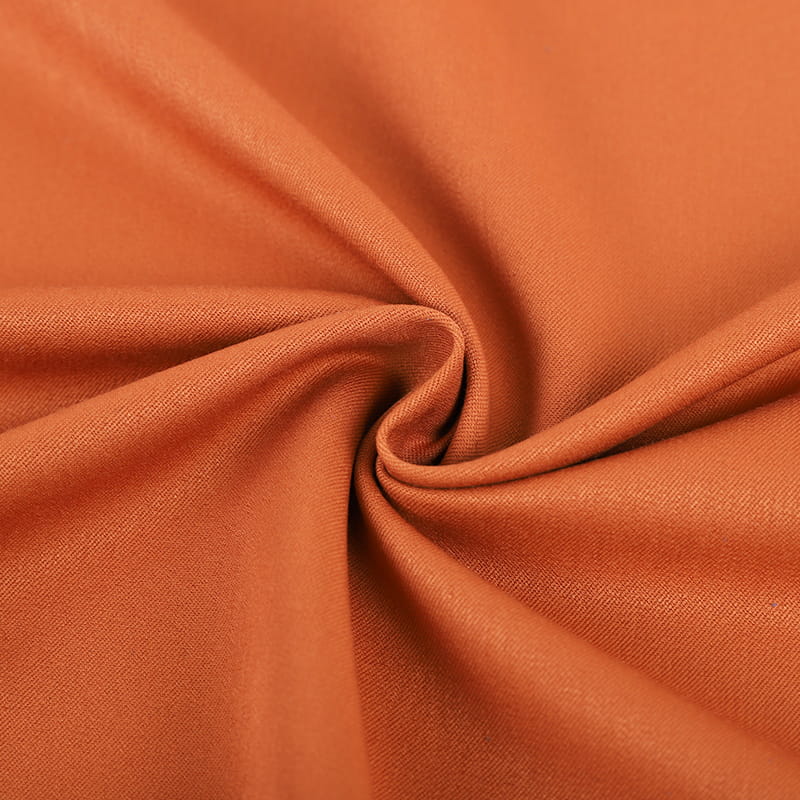
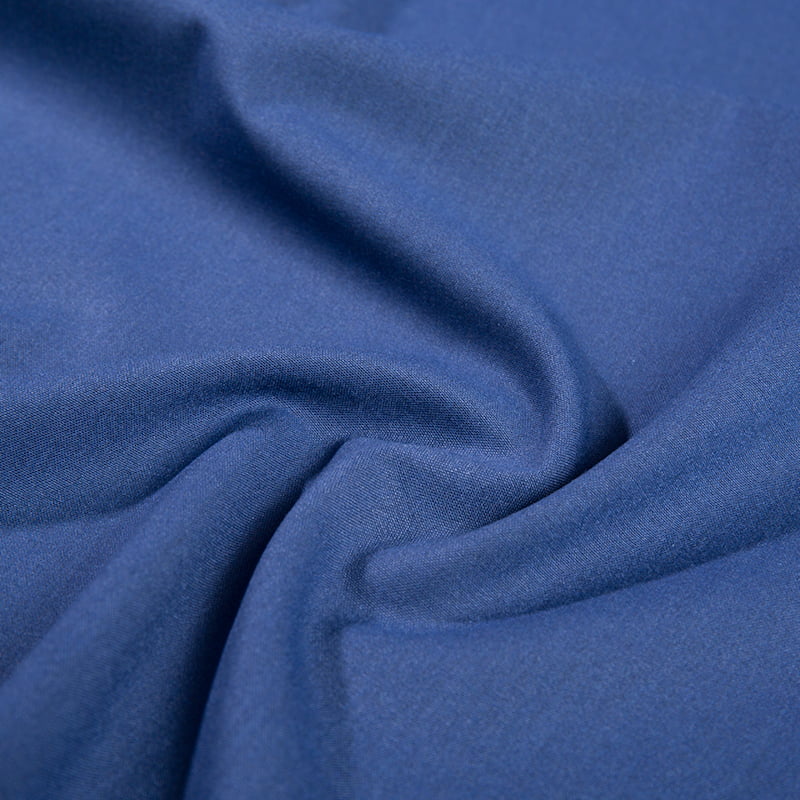
A Poly/Rayon (T/R) blend is a practical and widely used option for summer suiting, particularly in professional environments. Rayon is a semi-synthetic fiber derived from cellulose and is notably more breathable and moisture-absorbent than pure polyester. When blended with polyester and spandex, the result is a fabric that offers good drape, wrinkle resistance, and durability at an accessible price point. While it does not match the breathability of pure linen or fresco wool, a lightweight T/R spandex fabric performs respectably in moderate summer heat and holds its shape well through a full workday.
How do I prevent my summer suit from wrinkling?
Choose a fabric with inherent wrinkle resistance, such as fresco wool or a Poly/Rayon/Spandex blend. If you prefer linen or cotton, accept moderate wrinkling as part of the aesthetic and press the suit before wearing. Hanging the suit immediately after wear, using a quality wooden hanger, and steaming rather than ironing when possible will all help maintain a cleaner appearance throughout the day.
What fabric is best for a summer wedding suit?
For an outdoor summer wedding, linen or seersucker in a light color such as cream, light grey, or pale blue is the traditional and practical answer. For an indoor or air-conditioned venue with a formal dress code, a fresco wool or silk blend suit in navy or medium grey will look sharper and hold its structure better through a long event. Match the fabric to the venue and formality level rather than applying a single rule.
Does fabric weight alone determine how hot a suit feels?
Fabric weight is important but not the only factor. Weave structure, fiber type, lining construction, and fit all contribute to how a suit feels in heat. A 250 gsm fresco wool with an open weave and no lining can feel cooler than a 180 gsm tightly woven cotton with a full acetate lining. Always consider the full picture rather than weight alone when selecting a summer suit.
If you are sourcing summer suit fabrics at scale, Shaoxing Fuxing Textile and Technology Co., Ltd. is a manufacturer worth knowing. Based in Keqiao, one of China's leading textile hubs, Fuxing Textile specializes in men's and women's suiting fabrics including Poly/Rayon/Spandex solids, Poly/Rayon/Wool blends, TR spandex yarn-dyed fabrics, and top-dyed fabrics, all suited for blazers, suit pants, and uniforms. With 98 imported Italian air-jet looms and an annual output exceeding 10 million meters, Fuxing supplies designers, brands, and terminal buyers with consistent quality and competitive pricing. Whether you are developing a new summer suiting line or need a reliable long-term fabric partner, Fuxing Textile welcomes inquiries from customers both domestic and international.