
 English
 中文简体
中文简体 日本語
日本語 한국어
한국어 Español
 русский
Content
- 1 What Does "Top" Mean in Textile Terminology?
- 2 The Top Dyeing Process Step by Step
- 3 Top Dyed vs. Other Dyeing Methods: A Direct Comparison
- 4 Key Advantages of Top Dyed Fabric
- 5 Common Fabric Compositions in Top Dyed Suiting
- 6 Where Top Dyed Fabric Is Used
- 7 How to Identify Top Dyed Fabric
- 8 Purchasing Tips: How to Source Top Dyed Fabric Wisely
- 9 Featured Top Dyed Suiting Fabrics
- 10 Frequently Asked Questions
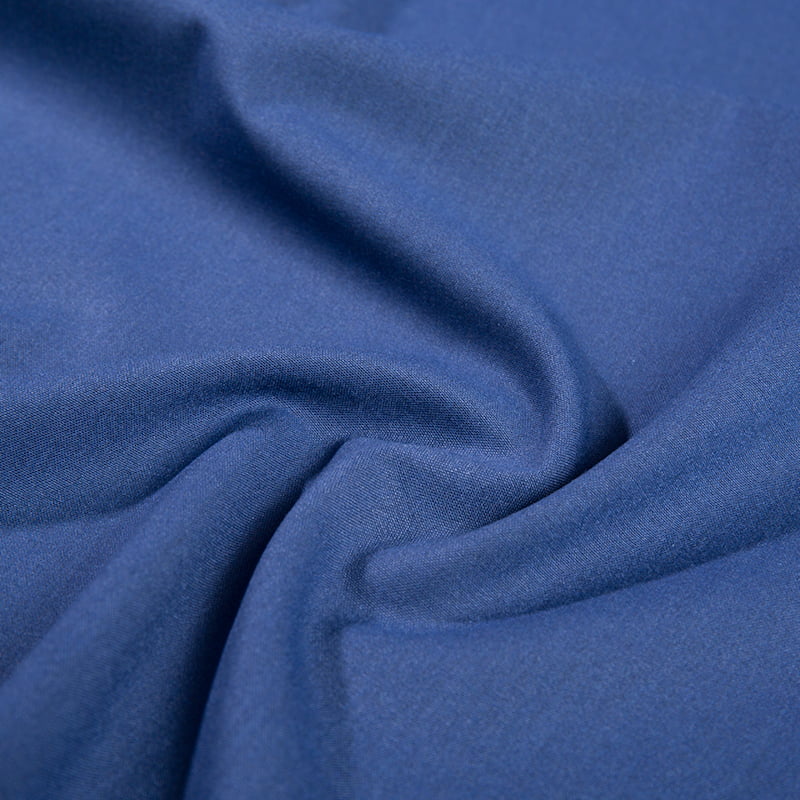
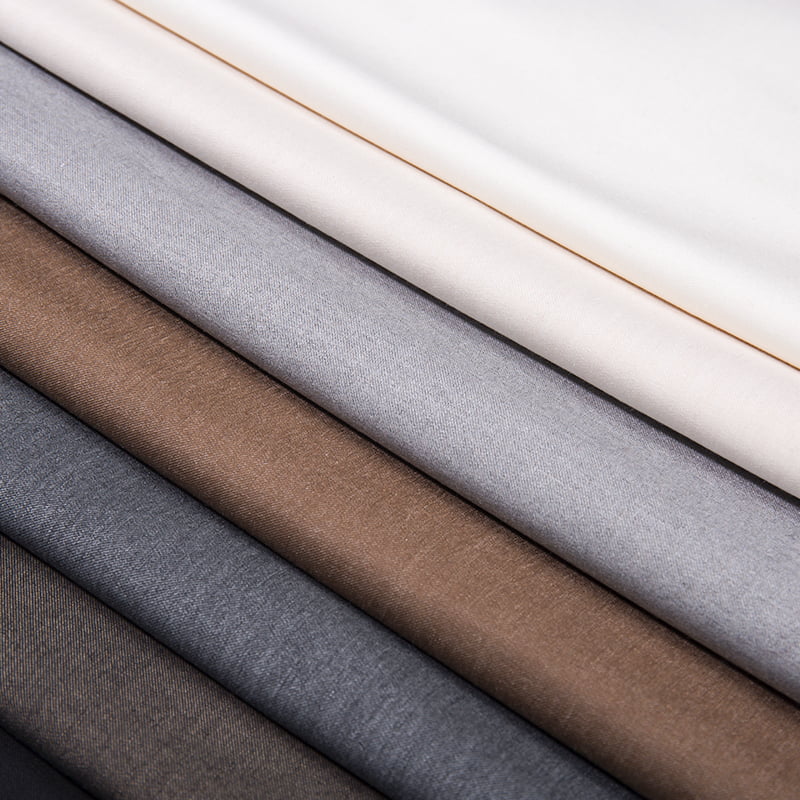
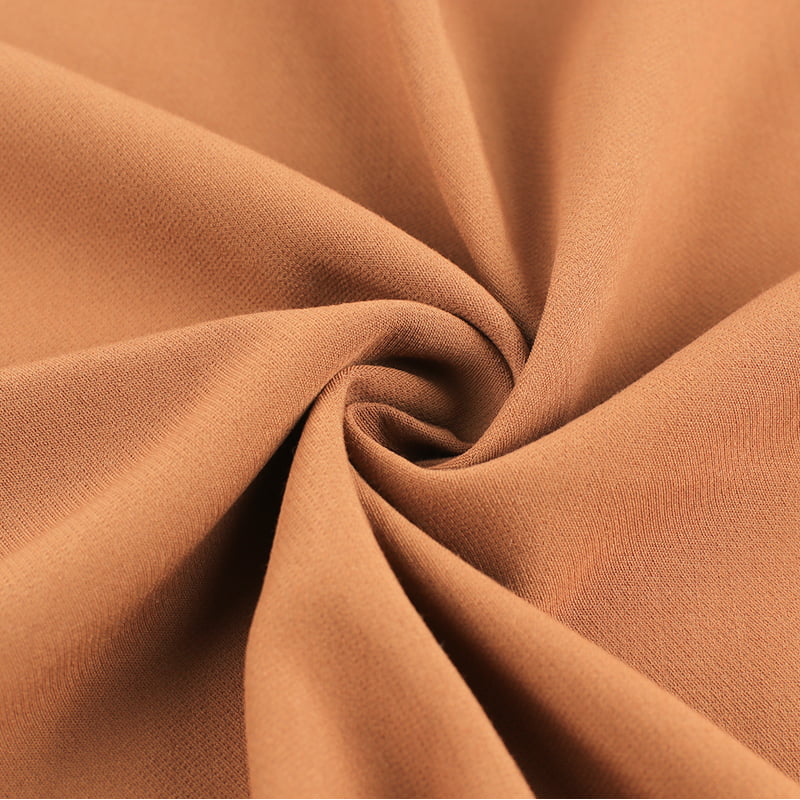
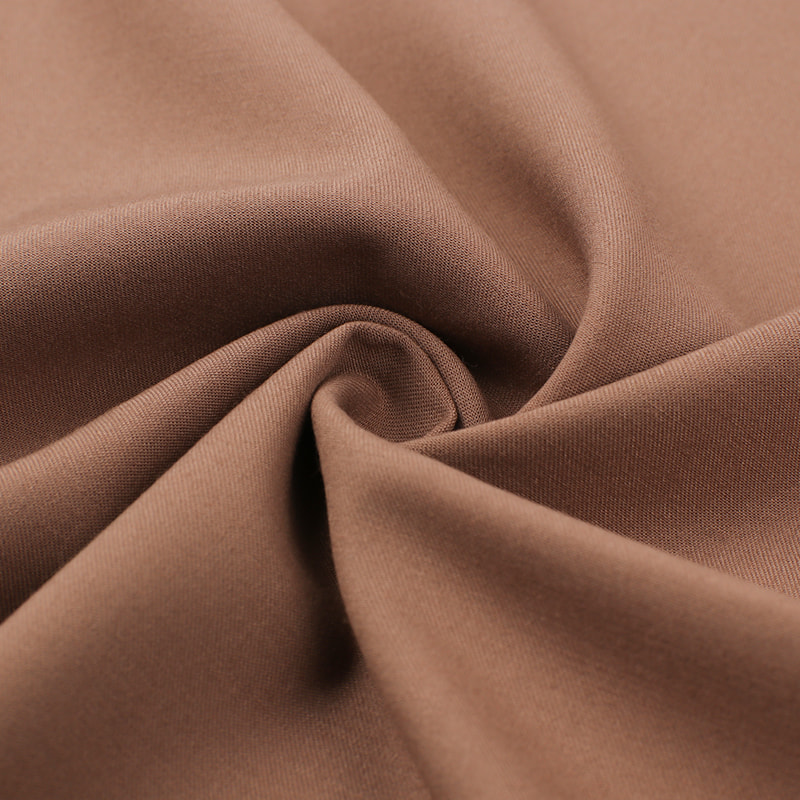
Top dyed fabric refers to textile material where dyeing occurs at the fiber or sliver stage — before spinning and weaving. Because color is applied at the very source, dye penetrates uniformly to the core of each fiber, resulting in rich, blended tones and exceptional color fastness. This process is widely used in premium suiting, business wear, and fine worsted fabrics.
What Does "Top" Mean in Textile Terminology?
In textile manufacturing, "top" specifically refers to a combed, drawn-out continuous rope of long fibers — known as a sliver or combed top. This is the stage after carding and combing, where short fibers have been removed and the remaining long fibers are aligned in parallel. Dyeing at this stage (rather than at yarn or fabric stage) is what distinguishes top dyeing from other methods.
Common fiber types used in top dyeing for suiting fabrics include:
- Polyester (P) — adds durability and wrinkle resistance
- Rayon / Viscose (R) — provides drape and a silky hand feel
- Wool (W) — natural elasticity and warmth
- Spandex / Elastane — contributes 2-way or 4-way stretch
- Modal / Linen — adds texture and breathability
The Top Dyeing Process Step by Step
The top dyeing workflow follows a precise sequence that sets it apart from yarn dyeing or piece dyeing:
- Fiber preparation: Raw materials such as polyester, rayon, or wool are carded and combed into uniform fiber slivers (tops).
- Sliver dyeing: The fiber tops are loaded into pressurized dyeing vessels and dyed at high temperatures (typically 100–130°C), ensuring complete dye penetration.
- Blending & spinning: Differently colored or differently composed dyed tops are blended in precise ratios, then drawn and spun into yarn. This step determines the final hue and melange character.
- Weaving: The spun yarns are warped and woven into greige fabric.
- Finishing: Processes such as singeing, scouring, tentering, and heat-setting give the fabric its final hand feel and dimensional stability.
Top Dyed vs. Other Dyeing Methods: A Direct Comparison
Understanding how top dyeing compares to yarn dyeing and piece dyeing helps buyers make informed sourcing decisions.
| Attribute | Top Dyeing | Yarn Dyeing | Piece Dyeing |
|---|---|---|---|
| Dyeing Stage | Fiber / sliver | Spun yarn | Finished fabric |
| Color Fastness (ISO) | Grade 4–5 | Grade 3.5–4.5 | Grade 3–4 |
| Color Depth & Blend | Rich melange, multi-tone | Solid or stripe/check | Solid color only |
| MOQ Flexibility | Medium (300–500m) | Medium–High | Low (flexible) |
| Lead Time | Longer (full process) | Medium | Shortest |
| Typical Application | Premium suiting, blazers | Shirting, checks, denim | Linings, casual wear |
Key Advantages of Top Dyed Fabric
Top dyed fabrics are favored by premium suit manufacturers for several concrete reasons:
- Superior color fastness: Dye molecules bond deeply within each fiber. Wash fastness and rub fastness consistently test at ISO Grade 4 or above, meaning colors remain stable after 20+ wash cycles.
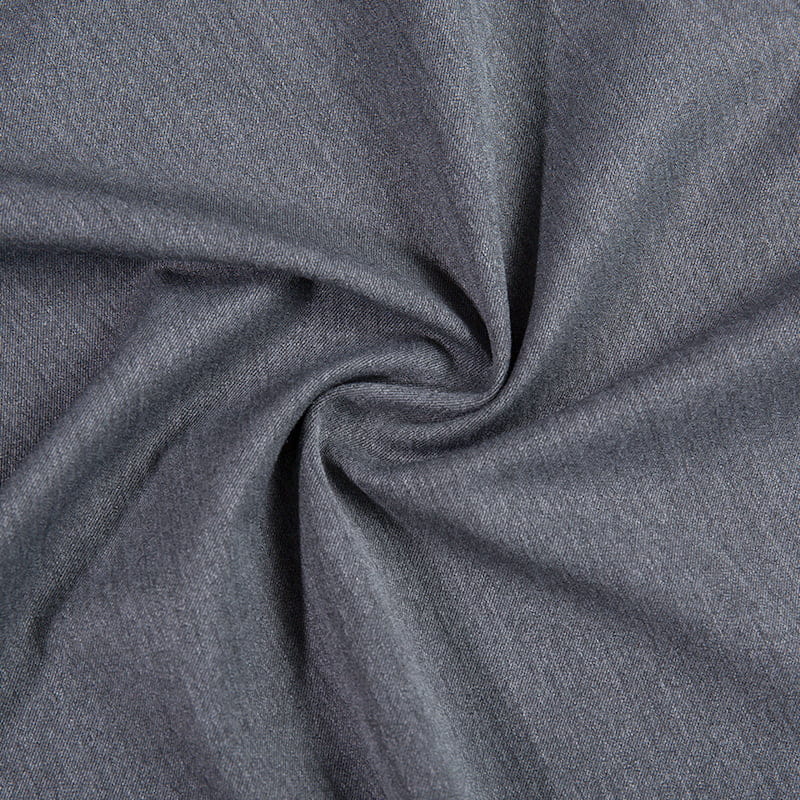
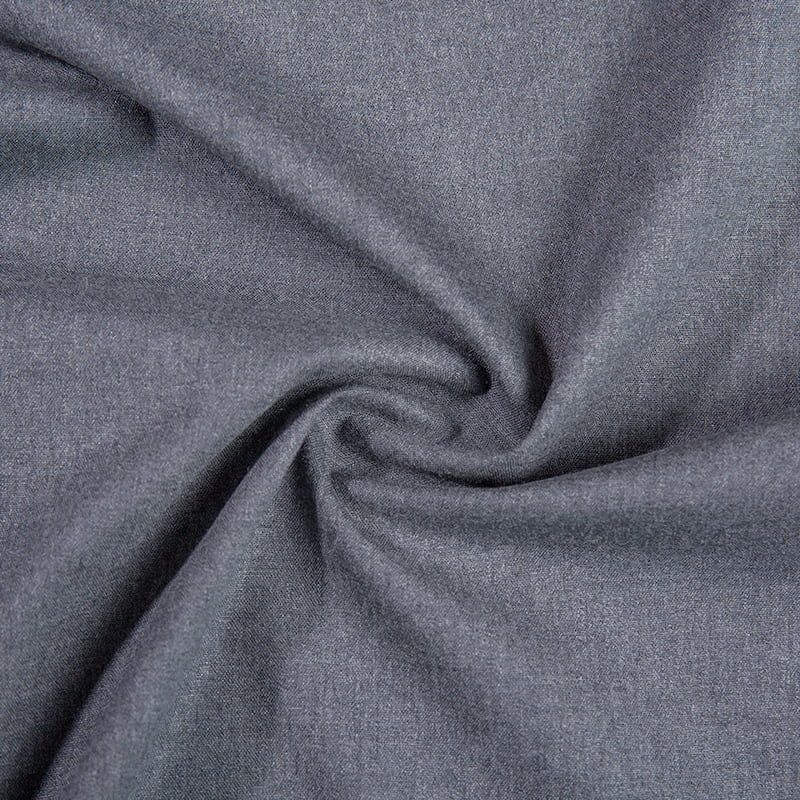
- Natural melange appearance: Blending differently dyed tops before spinning creates a heathered or multi-tone look impossible to replicate with piece dyeing. This visual depth is a hallmark of high-end suiting.
- Uniform dye penetration: Because each fiber is dyed individually before weaving, cross-sections reveal consistent color all the way through — no surface-only coating that wears off.
- Versatile fiber blending: Different dyed fibers (e.g., polyester + rayon + spandex) can be combined at the sliver stage, enabling complex performance blends with both aesthetic and functional benefits.
- Reduced environmental load per unit: Dyeing before weaving reduces re-dyeing waste and allows tighter water and chemical management at the fiber stage.
Common Fabric Compositions in Top Dyed Suiting
Most top dyed suiting fabrics on the market are blends, engineered to balance appearance, comfort, and performance. The most common compositions include:
| Blend | Typical Ratio | Stretch | Key Benefit |
|---|---|---|---|
| Polyester / Rayon (TR) | 65/35 or 70/30 | None / 2-way | Wrinkle resistance + drape |
| TR + Spandex | 64/34/2 or similar | 2-way or 4-way | Comfort stretch for tailored fit |
| TR + Spandex + Linen | Variable | 2-way | Breathability + texture |
| Polyester + Rayon + Modal | Variable | 2-way or 4-way | Soft hand feel + shape retention |
Where Top Dyed Fabric Is Used
Top dyed fabrics are predominantly chosen for applications where color depth, durability, and premium aesthetics are non-negotiable:
- Men's suit trousers — the most common end use, requiring consistent color across high-wear areas such as the seat and knees
- Suit jackets and blazers — where melange depth and color consistency are visible quality indicators
- Business casual trousers — stretch TR blends offer all-day comfort in office environments
- School and uniform wear — high color fastness ensures appearance is maintained through repeated laundering
- Workwear and formal wear — dimensional stability and structured drape meet professional dress codes
How to Identify Top Dyed Fabric
If you are unsure whether a fabric is top dyed, there are several practical indicators:
- Cross-section color: Cut a yarn from the fabric and examine the cross-section. Top dyed fiber shows consistent color all the way through; piece dyed fabric often reveals a lighter core.
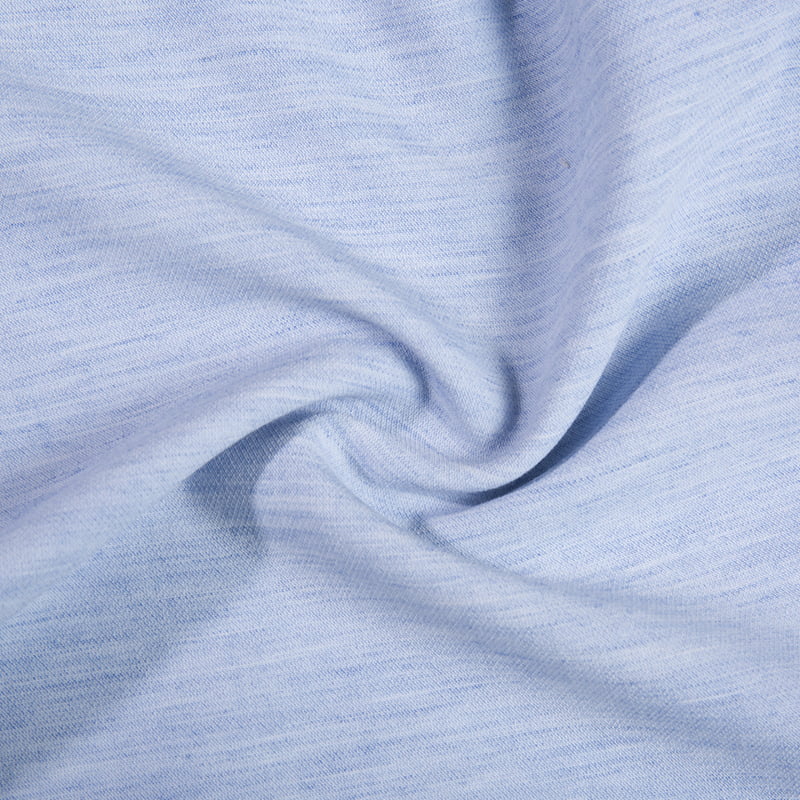
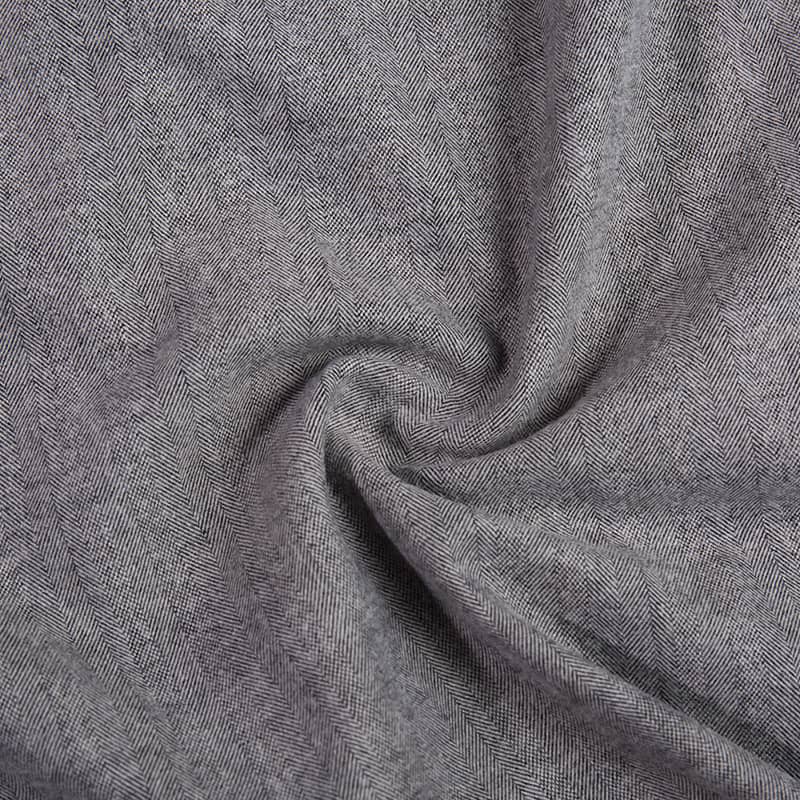
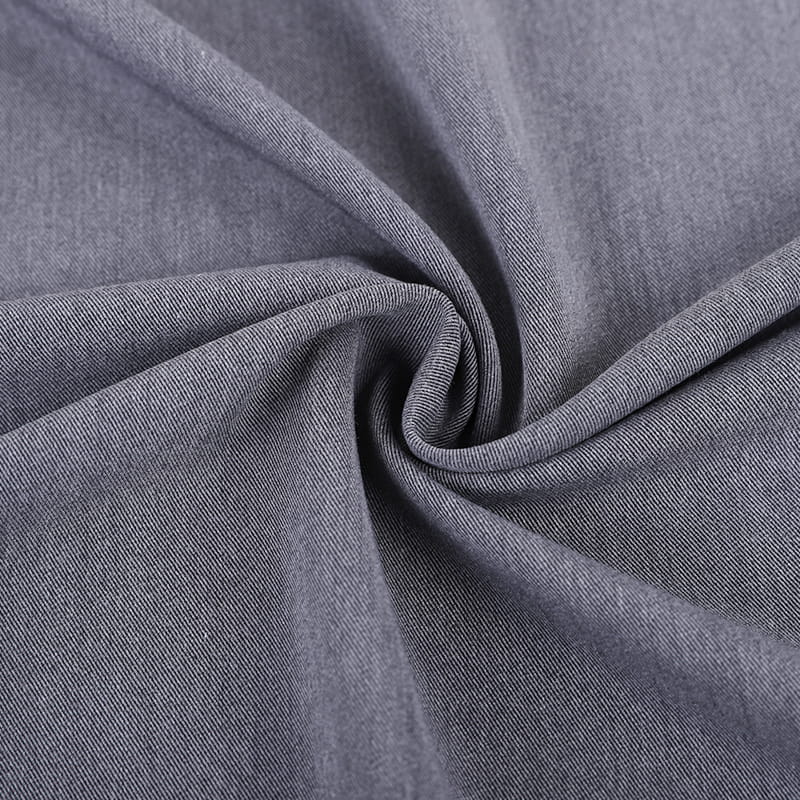
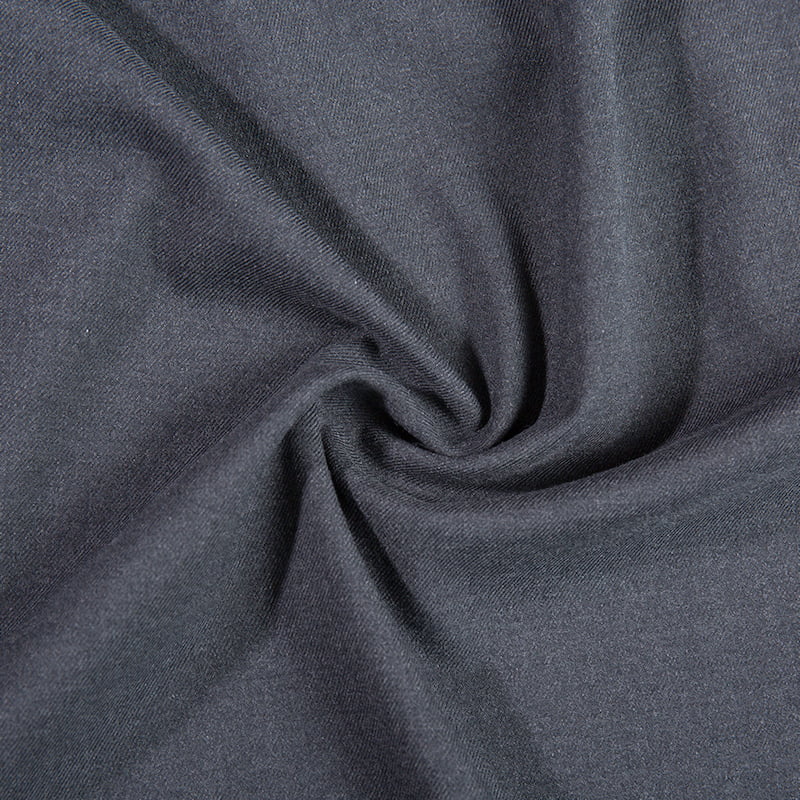
- Melange appearance: Top dyed fabrics commonly show a subtle two-tone or heathered effect — this is a visual signature of blended fiber tops.
- Fabric specification sheet: Reputable suppliers will state "top dyed" or "fiber dyed" on their product data sheets, along with color fastness test results.
- Hand feel consistency: Because dyeing does not add a surface coating, top dyed fabric typically feels natural and consistent in texture, without any stiff or waxy surface.
Purchasing Tips: How to Source Top Dyed Fabric Wisely
Whether you are a garment manufacturer, fashion brand, or procurement buyer, keep the following points in mind when sourcing top dyed suiting fabric:
- Request color fastness test reports: Ask for ISO 105-C06 (wash) and ISO 105-X12 (rub) results. Reliable top dyed fabric should achieve at least Grade 4 on both tests.
- Specify stretch requirement upfront: Clearly state whether you need non-stretch, 2-way stretch, or 4-way stretch — this determines the spandex inclusion and weave structure used.
- Check fabric weight and width: Suiting fabrics typically range from 200–320 g/m², and standard widths are 145–150 cm. Confirm these match your cutting room requirements.
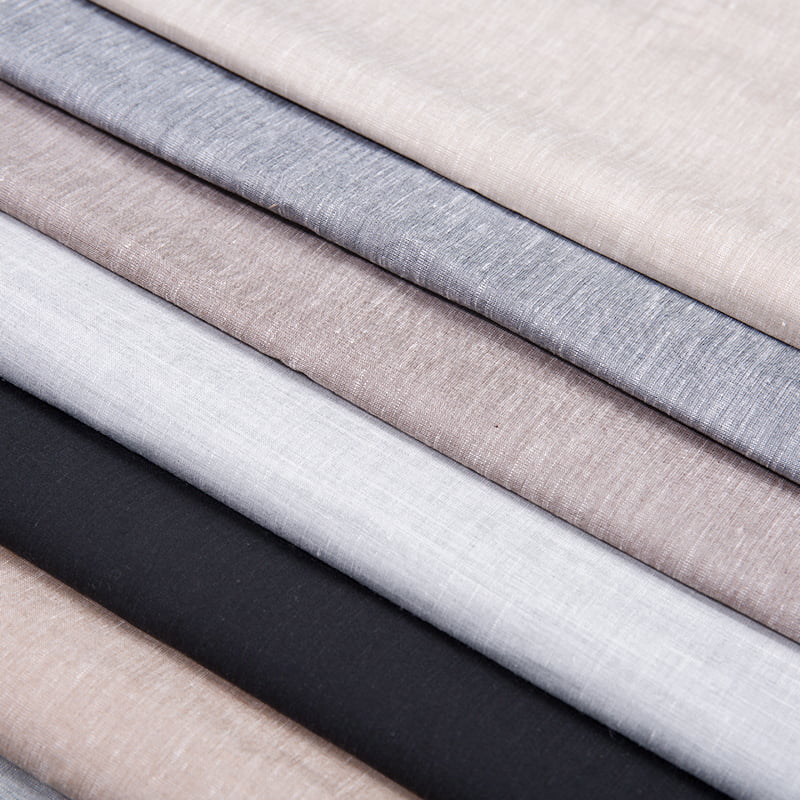
- Order swatch books before bulk: Top dyed melange tones can vary between production batches. Always confirm against a physical swatch under standard D65 lighting.
- Confirm MOQ and lead time: Top dyeing involves longer pre-production steps. Standard MOQ is typically 300–500 meters per color; lead time ranges from 30 to 60 days depending on stock availability.
- Verify fiber blend and composition certificate: Request a fiber content certificate to ensure the stated blend ratios (e.g., 65% polyester / 33% rayon / 2% spandex) match actual production.
- Consider stock fabric programs: Many mills offer ready-stock top dyed fabric in standard colors, cutting lead time to as little as 7–15 days for smaller orders.