
 English
 中文简体
中文简体 日本語
日本語 한국어
한국어 Español
 русский
Content
- 1 Why Fabric Is the Most Important Decision in Buying a Suit
- 2 Wool: The Gold Standard of Suit Fabric
- 3 Cotton Suits: Casual Comfort with Trade-offs
- 4 Linen: The Lightest Suit Material for Hot Weather
- 5 Synthetic and Blended Suit Fabrics: When They Work (and When They Don't)
- 6 Suit Fabric for Women: What's Different and What to Prioritize
- 7 Suit Textures and What They Signal
- 8 How to Read a Fabric Label: Super Numbers, Thread Count, and GSM
- 9 The Best Suit Material by Color and Style
- 10 Practical Tips: How to Choose the Right Suit Fabric for Your Situation
- 11 What Are Suits Made Of? A Quick Reference
- 12 Final Verdict: What Is the Best Suit Material?
The best material for a suit is wool — specifically a mid-weight pure wool or wool blend (around 200–280 gsm). It drapes beautifully, resists wrinkles, regulates body temperature across seasons, and holds its shape over time. That said, the "best" suit fabric depends entirely on your climate, occasion, and budget. Wool dominates formalwear, but cotton, linen, and synthetic blends each serve specific needs. Below is a comprehensive breakdown of every major suit material type, with data-backed guidance to help you choose confidently.
Why Fabric Is the Most Important Decision in Buying a Suit
Most buyers obsess over fit, color, or brand — but experienced tailors will tell you: the cloth makes the suit. The same pattern cut in a cheap polyester feels limp and shiny after one wear; cut in a fine worsted wool, it holds a sharp silhouette for years. Suit fabric determines drape, breathability, durability, and how the garment responds to the body. Understanding suit material types before you shop is the single most cost-effective upgrade you can make.
Whether you're searching for the best suit fabric for a summer wedding, the coolest suit material for a warm climate, or good suit material for daily business wear, the answer always starts with understanding what the cloth is made of and how it's woven.
Wool: The Gold Standard of Suit Fabric
Wool accounts for the vast majority of quality suiting worldwide, and for good reason. It is breathable, moisture-wicking, naturally wrinkle-resistant, and available in a range of weights and weaves suited to every season. Super 100s to Super 150s wool is the sweet spot for most buyers — fine enough to feel luxurious, durable enough for regular wear.
Key Wool Weaves and What They Mean
- Worsted wool — tightly woven, smooth surface, ideal for business suits and formal occasions. The most common suit jacket fabric in professional settings.
- Tweed — a rougher, heavier weave with visible texture; best for country and casual suits. Classic suit texture for British heritage style.
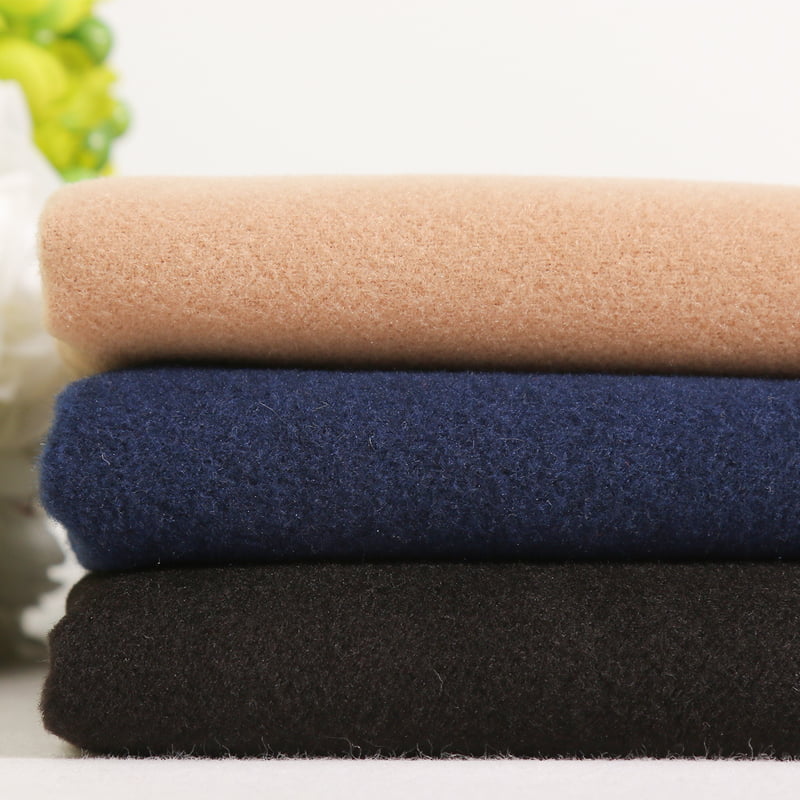
- Flannel — brushed finish, soft hand, excellent insulation. Ideal for autumn and winter suiting.
- Tropical wool — an open, lightweight weave (around 180–200 gsm) designed specifically as a summer suit fabric or warm-weather business suiting.
- Hopsack — a basket-weave wool with a slightly textured, breathable surface. One of the best suit materials for warm weather and the best suit fabric for summer weddings outdoors.
For a classic grey suit, charcoal suit, dark blue suit, or navy suit in a professional context, worsted wool remains the undisputed best cloth for suits. Mills like Loro Piana, Scabal, and Dormeuil produce benchmark wool fabrics that top tailors around the world rely on.
| Wool Type | Weight (gsm) | Best Season | Best Use |
|---|---|---|---|
| Worsted Wool | 220–280 | All seasons | Business suits, formal wear |
| Tropical Wool | 150–200 | Spring / Summer | Warm weather business, weddings |
| Flannel | 280–340 | Autumn / Winter | Cold-weather suits, lounge suits |
| Tweed | 300–400 | Autumn / Winter | Country, casual, textured suits |
| Hopsack / Fresco | 200–240 | Spring / Summer | Summer weddings, outdoor events |
Cotton Suits: Casual Comfort with Trade-offs
Cotton suits for women and men have grown significantly in popularity as workplaces become more casual. Cotton is breathable, affordable, and easy to launder — but it wrinkles far more readily than wool and lacks the natural elasticity that helps a suit retain its shape. A cotton suit vs wool suit comparison almost always favors wool for formal occasions, but cotton holds its own for relaxed business environments and weekend wear.
Chinos-style pants suit women and men frequently use stretch cotton or cotton-twill for their comfort in warmer months. A khaki suit (sometimes spelled "khacki suit") is virtually always cotton or a cotton blend — light, versatile, and a strong choice for summer events.
Cotton vs Wool Suit: At a Glance
- Wrinkle resistance: Wool wins decisively — especially worsted and hopsack weaves.
- Breathability: Both breathe well; cotton has a slight edge in direct heat but wool regulates temperature more efficiently over a full day.
- Drape and structure: Wool drapes more elegantly and holds a pressed trouser crease far longer.
- Price: Cotton suits are generally 30–50% less expensive than comparable wool suits.
- Care: Cotton can be machine-washed (check labels); wool typically requires dry cleaning or hand care.
For a dress pant suit or formal pants suit for women in a business setting, a wool-cotton blend (around 70% wool, 30% cotton) offers a practical middle ground — better wrinkle resistance than pure cotton and better comfort than heavy wool.
Linen: The Lightest Suit Material for Hot Weather
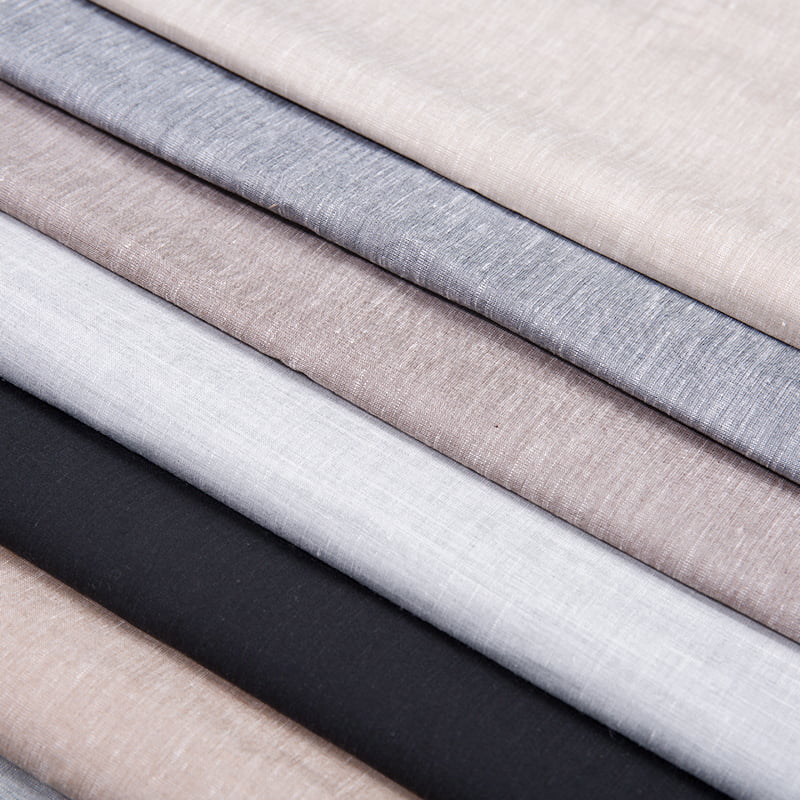
Linen is the lightest suit material and the coolest suit material for warm weather — it can be up to 30% cooler to wear than cotton in direct sun. Its open weave allows maximum airflow, making it the preferred summer suit fabric in Mediterranean and tropical climates. However, linen wrinkles extremely easily; that relaxed, rumpled look is part of its aesthetic identity.
A cream suit or white suits for men made from linen are quintessential summer wedding choices. Similarly, linen pant suits for women in ivory or dusty pink are a staple of warm-season dressing. For anyone asking about the best suit material for warm weather, linen or a linen-wool blend (sometimes called "fresco") is a top answer.
A linen-wool or linen-silk blend reduces wrinkling by 40–60% compared to pure linen while preserving most of the breathability benefit — a smart compromise for summer suits that need to look sharp throughout a long event.
Synthetic and Blended Suit Fabrics: When They Work (and When They Don't)
Polyester, viscose, and other synthetic fibers are commonly found in budget suiting. A 100% polyester suit is almost never the best material for a suit — it traps body heat, creates static, and develops a telltale shine with repeated wear. However, synthetic blends in smaller proportions serve real purposes:
- Wool + 5% lycra/elastane: Adds stretch for suit jackets and dress pant suits designed for active movement. Popular in women's suit cloth for power dressing.
- Wool + 20–30% polyester: Significantly reduces cost and dry cleaning frequency while maintaining a reasonable drape. Common in entry-level business suit fabric.
- Cotton + 2–5% elastane: Adds comfort to cotton suits for women and men, reducing the stiffness that makes pure cotton feel restrictive.
For travel suits, a performance wool or travel-weave fabric — often incorporating a small percentage of synthetic fiber — is actually the best suit fabric for frequent flyers. These are engineered to resist creasing even after hours in a carry-on.
Suit Fabric for Women: What's Different and What to Prioritize
The best suit fabric for women shares most of the principles above, but women's suiting — including pant suits, suit dresses, and lounge suit dresses — often incorporates materials less common in menswear. Crepe, ponte, and structured jersey are widely used in women's suits because they offer natural stretch, comfort, and a smooth surface without the need for heavy interfacing.
Top Suit Materials for Women by Occasion
- Business and boardroom: Worsted wool, wool crepe, or a structured wool-polyester blend. A dark blue suit or grey suit in these materials signals authority and polish.
- Weddings and events: Silk, silk-linen blends, or fine tropical wool in light colors — cream suit, blush, or soft pink suits are increasingly popular alternatives to dresses.
- Everyday and smart-casual: Cotton-linen blends, ponte knit, or stretch cotton for pant suits for women that balance comfort and structure.
- Summer outdoor events: Linen or hopsack-weave wool in lightweight gsm. These are the best suit materials for summer and the best suit fabric for summer weddings for women who want to stay cool without sacrificing tailored elegance.
Women's suit cloth has also seen a strong trend toward sustainable materials — recycled wool, TENCEL-blend suiting, and organic cotton — as eco-conscious consumers demand apparel suits that perform without environmental cost.
Suit Textures and What They Signal
Suit texture is a powerful but underused communication tool. Smooth, flat-weave fabrics (worsted wool, fine cotton) signal formality and precision; textured weaves (tweed, hopsack, seersucker) signal relaxed confidence and personality. Understanding suit textures helps you dress intentionally for every context.
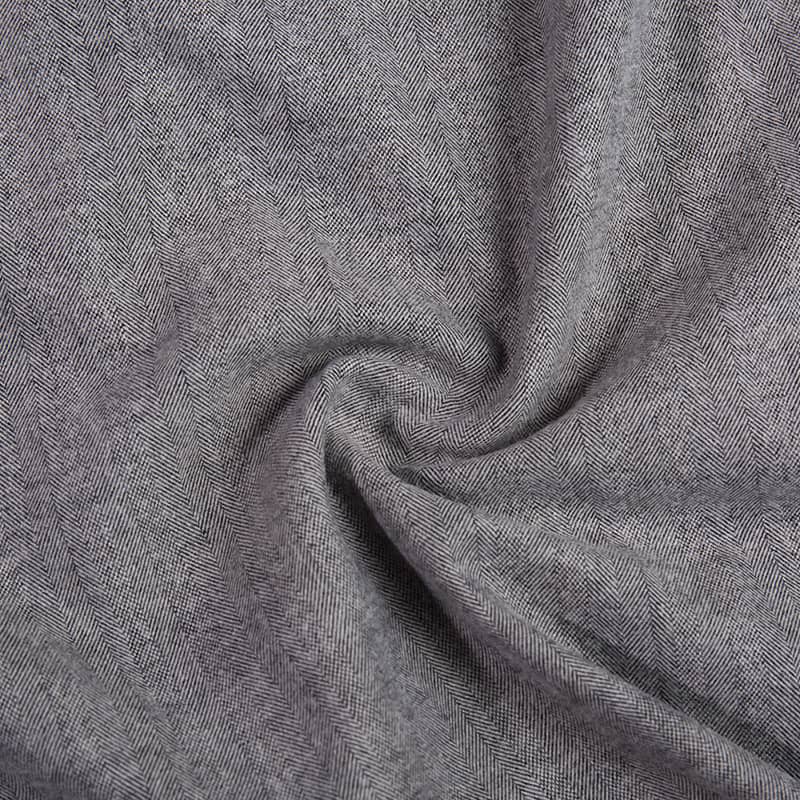
- Herringbone: A V-shaped weave common in wool; adds visual interest to grey suit material or dark navy without pattern excess. A professional classic.
- Pinstripe: Woven vertical lines on a dark ground (charcoal suit, dark blue suit, navy suit). The ultimate power suit texture in Western business culture.
- Glen plaid / windowpane: A checked pattern visible in both wool and cotton suiting; more casual than pinstripe, suits a smart lounge suit dress or weekend suit.
- Seersucker: A puckered cotton weave — the definitive lightweight suit material for American summer suiting. Blue and white seersucker is a summer institution.
- Velvet: A pile fabric occasionally used for evening suit jackets (a "suite jacket" for black-tie events); rich suit texture but impractical outside formal occasions.
How to Read a Fabric Label: Super Numbers, Thread Count, and GSM
When shopping for suits, you'll encounter labeling terminology that isn't always explained clearly. Here's what the key terms actually mean:
Super Numbers (Super 100s, 120s, 150s, etc.)
The "Super" number refers to the fineness of the wool fiber, measured in kilometers of yarn per kilogram of wool. Super 100s is considered the practical benchmark for quality suit fabric for men and women alike — fine, durable, and beautiful. Super 120s and above are increasingly delicate; Super 150s and above, while impressive, require careful handling and are not recommended for daily wear.
GSM (Grams per Square Meter)
GSM measures fabric weight. As a general guide:
- Under 200 gsm: Lightweight suit material — ideal summer suit fabric or lightest suit material for tropical climates.
- 200–280 gsm: Mid-weight — the most versatile range for year-round suiting and business suit fabric.
- 280–350 gsm: Heavyweight — autumn/winter suiting, lounge suits, or suits for cold climates.
| Fabric | Wrinkle Resistance | Breathability | Durability | Formality | Best For |
|---|---|---|---|---|---|
| Worsted Wool | ***** | **** | ***** | High | Business, weddings, all seasons |
| Linen | ** | ***** | *** | Casual–Smart | Summer, outdoor events |
| Cotton | *** | **** | ***** | Casual–Smart | Casual business, everyday |
| Silk | *** | **** | ** | High | Evening wear, luxury occasions |
| Polyester Blend | **** | ** | *** | Varies | Budget suiting, travel |
The Best Suit Material by Color and Style
The color of a suit also subtly informs which material suits it best. This is because certain fabrics have inherent finishes that interact differently with dyes and pigments.
- Charcoal suit / dark blue suit / navy suit: Worsted wool is the definitive choice. The tight weave absorbs dark dye evenly, producing depth and richness. A charcoal suit in flannel carries extra gravitas in winter.
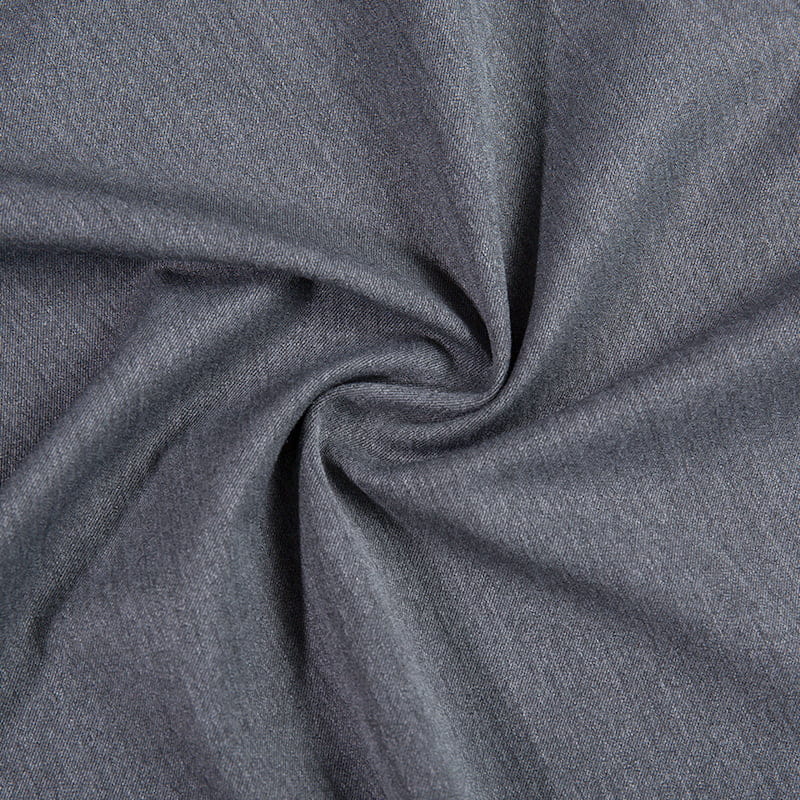
- Grey suit material: Mid-grey in worsted wool is a wardrobe staple. For a lighter grey, a fine wool-mohair blend adds a subtle sheen that photographs beautifully.
- Cream suit / white suits for men: Linen or tropical wool. These fabrics handle pale tones without the plastic, reflective quality of synthetic fibers in light colors.
- Pink suits / blue suits for men: Cotton twill or fine hopsack wool works well for these casual-leaning palette choices often seen in spring and summer events.
- Khaki suit: Cotton chino fabric or a cotton-linen blend is the natural choice — the color reads as casual, and the fabric reinforces that register appropriately.
Practical Tips: How to Choose the Right Suit Fabric for Your Situation
To summarize the decision into actionable guidance, here are the most common suit-buying scenarios and the best material for each:
- Daily office wear in a four-season climate: Mid-weight worsted wool (220–260 gsm), Super 100s to 120s. Charcoal, dark navy, or medium grey. One suit, every season.
- Summer wedding or garden party: Tropical wool, hopsack, or linen blend in a light color (cream, sky blue, or blush for women). The best suit fabric for summer wedding scenarios combines breathability with structure.
- Frequent business travel: A performance wool or travel-weave fabric with a small elastane component. These resist creasing and recover their shape overnight when hung in a bathroom with steam.
- Budget-conscious first suit: A wool-polyester blend (60/40 or 70/30) in a classic color. Not the best material for suits in absolute terms, but far better than 100% polyester and practical for infrequent use.
- Women's power dressing / boardroom: Wool crepe or worsted wool in a structured cut. A dark blue suit or charcoal pant suit for women in worsted wool commands the same authority as menswear equivalents.
- Smart-casual / lounge suit: Cotton twill, linen, or a ponte knit. A lounge suit dress or suit dress in ponte fabric offers a pulled-together look with the comfort of knitwear.
What Are Suits Made Of? A Quick Reference
For anyone wondering "what are suits made out of" or "what material are suits made of" — the short answer is: mostly wool, with linen, cotton, silk, and synthetic blends filling specific niches. The global menswear and women's suits market heavily favors wool-based fabrics for tailored garments because no other natural or synthetic fiber matches its combination of drape, breathability, wrinkle recovery, and durability. Here's a quick-reference breakdown:
- Premium suits : Pure wool (Super 100s–150s), wool-silk or wool-cashmere blends
- Mid-range suits : Wool or wool-polyester blend (70/30), tropical wool for summer lines
- Budget suits: Polyester or polyester-viscose blend; sometimes cotton or cotton-blend
- Women's suits clothing: Wool crepe, ponte, stretch cotton, linen, and silk blends alongside traditional wool
- Suit jacket fabric (lining): Almost universally bemberg (cupro), silk, or polyester — the shell fabric of the jacket is one decision; the lining is another that affects drape and breathability equally
Final Verdict: What Is the Best Suit Material?
For most people in most contexts, mid-weight worsted wool is the best suit fabric — it is the answer to "what is the best suit material" that nearly every tailor, style editor, and menswear authority would give. It is the foundation of quality suits clothing worldwide, from Savile Row bespoke to well-made high street tailoring.
But the nuanced answer — and the more useful one — is this: match your fabric to your climate, occasion, and how often you'll wear the suit. A linen suit in Amsterdam in July is a better choice than a wool flannel. A cotton pant suit for women in a creative agency is a smarter call than a pinstripe worsted. The best material for a suit is the one that serves your actual life, not an abstract ideal of formality.
Use this guide to decode fabric labels, understand suit textures, and invest with confidence — because a well-chosen suit in the right material will outlast and out-perform three poorly chosen ones.