
 English
 中文简体
中文简体 日本語
日本語 한국어
한국어 Español
 русский
Content
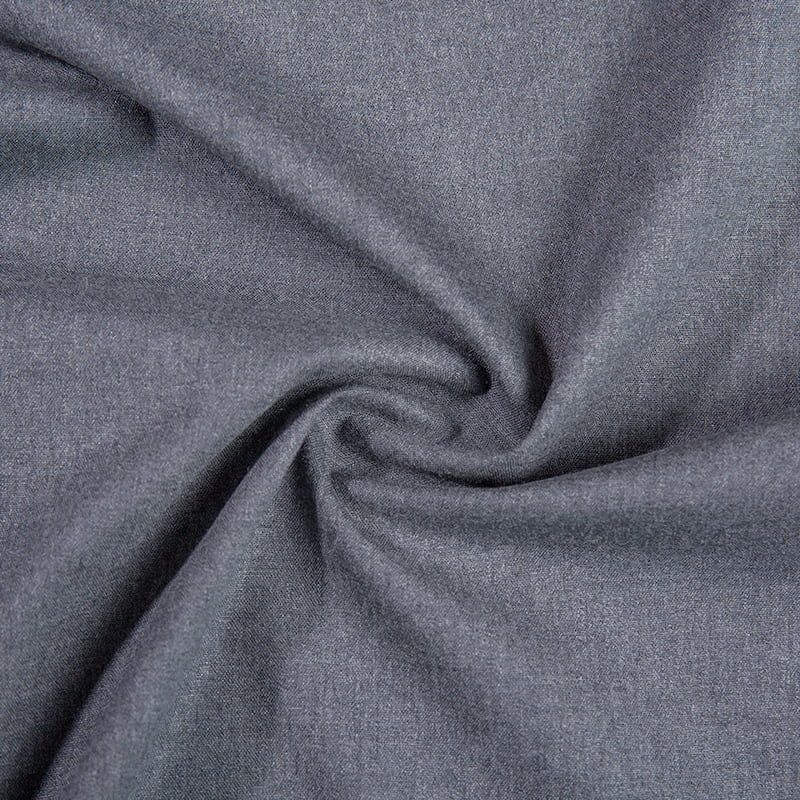
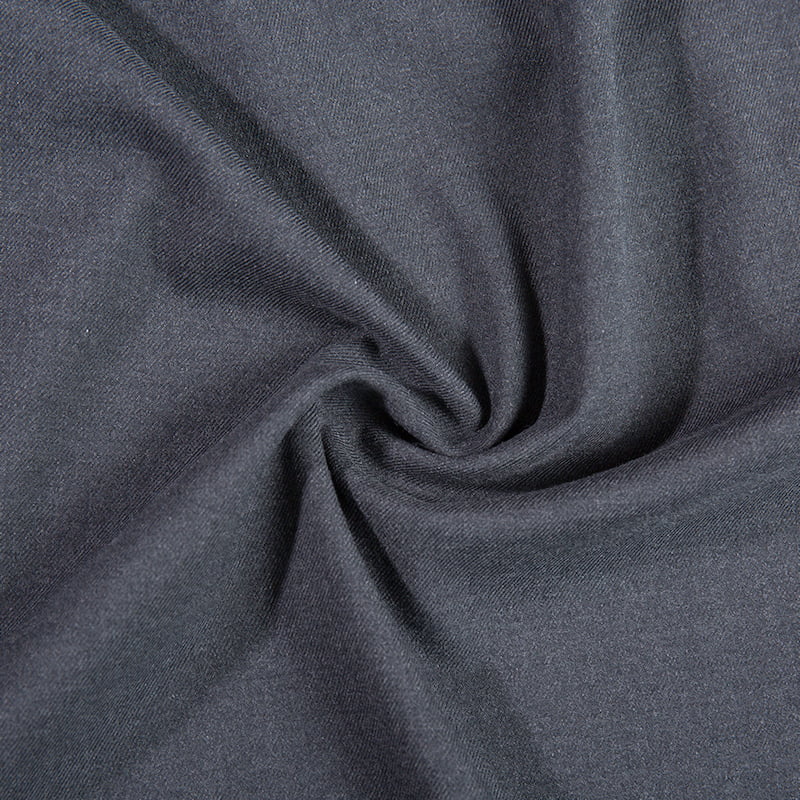
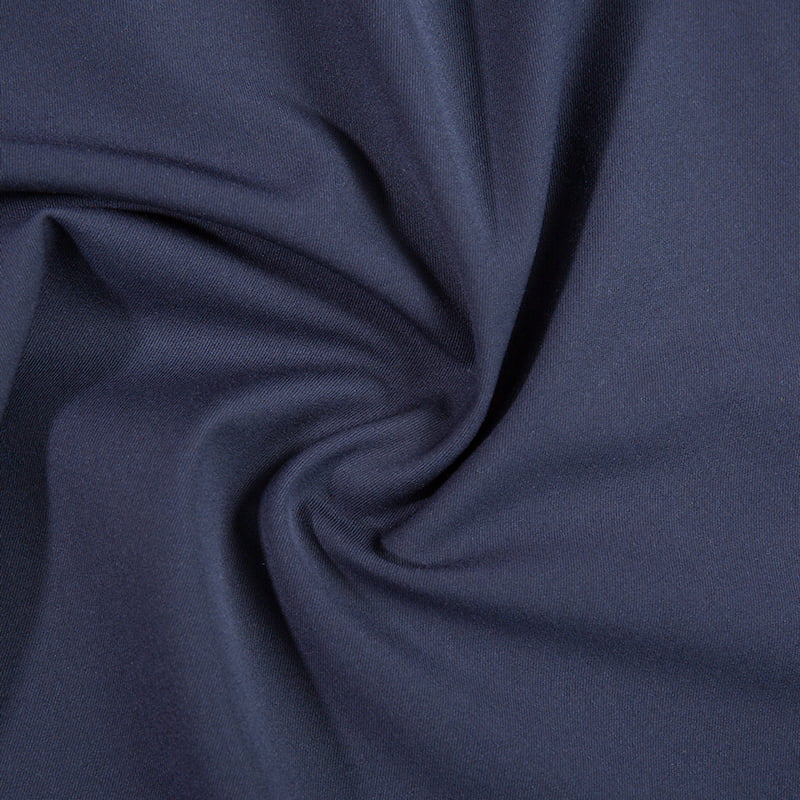
4 way stretch fabric is a textile that stretches in all four directions - horizontally, vertically, and diagonally - returning to its original shape after each stretch. Unlike 2 way stretch fabric that only moves in one direction, 4 way stretch offers complete freedom of movement, making it one of the most functional and versatile fabric types used in apparel manufacturing today.
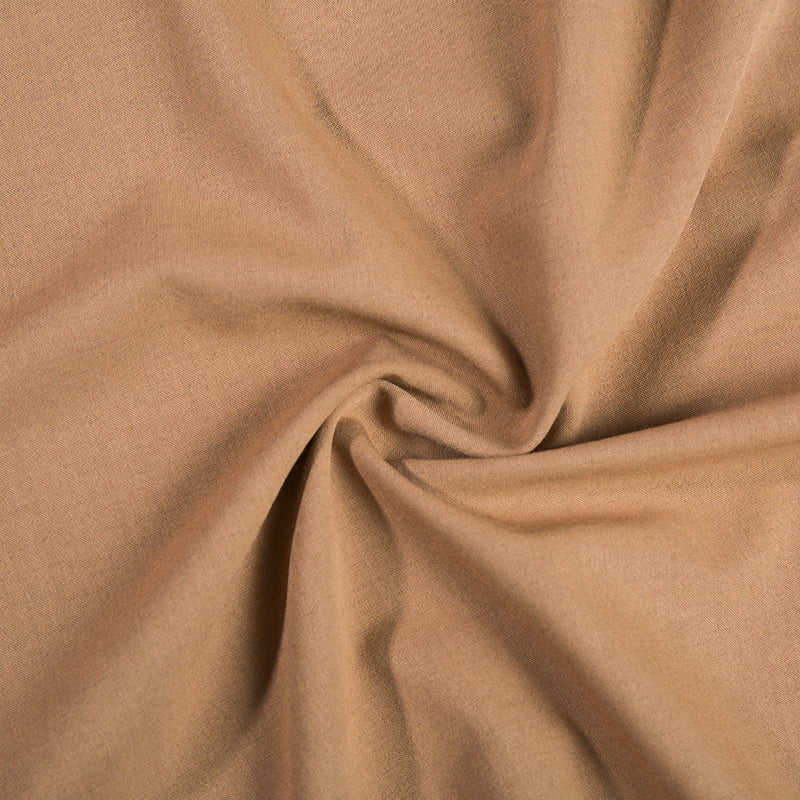
This performance textile is engineered for applications where flexibility, comfort, and recovery are non-negotiable. From activewear to medical garments, 4 way stretch fabric has become the backbone of modern functional fashion.
How Does 4 Way Stretch Fabric Work?
The stretch performance of this fabric comes from the integration of elastic fibers - most commonly spandex (also called elastane or Lycra) - blended with base fibers such as polyester, nylon, or cotton. The elastic fibers act like tiny springs woven throughout the structure of the fabric.
When tension is applied in any direction, these fibers extend and then spring back to their original length once released. The key difference between 2 way and 4 way stretch lies in the weave or knit structure. 4 way stretch fabrics use knit constructions or specially engineered weaves that allow the elastic component to act both along the length (warp) and the width (weft) of the fabric simultaneously.
Fabric stretches side to side across the width - the most common direction in standard stretch fabrics.
Fabric stretches from top to bottom along the grain - critical for garments during physical activity.
Fabric moves on the bias in both diagonal directions, enabling full range of motion in every angle.
After stretching, the fabric returns to its original shape without distortion or permanent elongation.
Common Fiber Compositions
The performance of 4 way stretch fabric is directly tied to its fiber blend. The elastic component - typically spandex - is combined with other fibers to achieve different balances of stretch, softness, breathability, and durability.
| Fiber Blend | Stretch Level | Best For | Key Benefit |
| Polyester + Spandex | High | Sportswear, leggings | Moisture-wicking, durable |
| Nylon + Spandex | High | Swimwear, activewear | Soft hand feel, chlorine resistant |
| Cotton + Spandex | Medium | Casual wear, underwear | Natural softness, breathable |
| Rayon + Spandex | Medium | Dresses, fitted tops | Drape, lightweight comfort |
| Polyester + Nylon + Spandex | Very High | Performance activewear | Maximum recovery and durability |
The spandex content in most 4 way stretch fabrics typically ranges from around 5% to 30% depending on the intended end use. Higher spandex content delivers more stretch and faster recovery, while lower percentages offer a more subtle, natural feel.
Key Properties and Performance Benefits
4 way stretch fabric is chosen by designers and manufacturers for a distinct set of functional advantages that standard woven fabrics simply cannot match.
Moves with the body in every direction, eliminating restriction during physical activity or daily wear.
Snaps back after each stretch, maintaining the garment's original fit over time without sagging.
Conforms naturally to different body shapes without feeling tight or restrictive at any point.
The fabric gives before seams do, reducing puckering and extending the overall lifespan of the garment.
Most Common Applications
The versatility of 4 way stretch fabric has led to its widespread use across multiple garment categories. Its ability to conform, move, and recover makes it equally valuable in high-performance sports contexts and everyday lifestyle apparel.
- Activewear and sportswear - leggings, yoga pants, running shorts, cycling jerseys, and training tops where unrestricted movement is essential.
- Swimwear - the fabric resists water absorption while maintaining shape and compression in chlorinated or saltwater environments.
- Underwear and intimates - soft, form-fitting fabrics that move with the body and maintain their shape through repeated washing.
- Dance and performance wear - stage costumes and dance uniforms that demand full range of motion without any drag or restriction.
- Medical and compression garments - compression socks, braces, and support sleeves where calibrated stretch is clinically important.
- Casual and athleisure - everyday clothing that blurs the line between workout and lifestyle, where comfort and aesthetics are equally valued.
- Outdoor and technical apparel - hiking pants, base layers, and shell garments designed for demanding physical conditions.
4 Way Stretch vs 2 Way Stretch: What Is the Difference?
Understanding the distinction between 2 way and 4 way stretch is important when selecting fabric for a specific application. The direction and degree of stretch directly affects the garment's performance and fit.
- Stretches in one direction only (usually crosswise)
- More structure and body in the fabric
- Suitable for skirts, fitted dresses, structured tops
- Lower spandex content typically
- Less conforming to body movement
- Stretches both crosswise and lengthwise
- Moves freely in every direction including diagonal
- Ideal for activewear, swimwear, performance garments
- Higher elastic fiber content for full recovery
- Maximum comfort and body-conforming fit
For most performance and sportswear applications, 4 way stretch is the preferred choice. For structured fashion garments where some stretch is desired but the silhouette needs to hold its shape, 2 way stretch may be more appropriate.
How to Care for 4 Way Stretch Fabric
Proper care is essential to maintain the stretch and recovery properties of spandex-blend fabrics. Incorrect washing or drying can break down the elastic fibers and permanently reduce the fabric's stretch performance.
Choosing the Right 4 Way Stretch Fabric for Your Product
Not all 4 way stretch fabrics are the same. When sourcing for a specific application, there are several technical and aesthetic factors worth evaluating to ensure the fabric meets your product requirements.
The weight of the fabric (measured in grams per square meter, or GSM) affects how the garment drapes, performs, and feels. Lightweight fabrics suit layering and warm-weather activewear, while heavier weights provide more compression and support.
The fiber composition and spandex percentage determine the degree of stretch and the speed of recovery. A higher spandex content gives a tighter, more compressive feel, while a lower percentage offers a softer, more relaxed stretch. Surface finishes such as brushed, matte, or textured treatments further influence the hand feel and aesthetic of the final garment.