
 English
 中文简体
中文简体 日本語
日本語 한국어
한국어 Español
 русский
Content
- 1 Understanding TR Fabrics: A Practical Overview
- 2 Key Features to Look for When Choosing TR Fabrics
- 2.1 1. Fiber Blend Ratio and Its Impact on Performance
- 2.2 2. Fabric Weight and Thickness
- 2.3 3. Breathability and Moisture Management
- 2.4 4. Wrinkle Resistance and Shape Retention
- 2.5 5. Color Fastness and Dye Performance
- 2.6 6. Hand Feel and Skin Comfort
- 2.7 7. Durability and Abrasion Resistance
- 2.8 8. Environmental Compliance and Sustainability
- 3 How TR Fabrics Perform Across Different Clothing Applications
- 4 Weaving and Finishing Techniques That Matter
- 5 Quality Inspection Standards for TR Fabrics
- 6 Cost Considerations and Profitability
- 7 Customization Possibilities for TR Fabrics
- 8 Future Trends in TR Fabrics Development
- 9 Common Mistakes to Avoid When Selecting TR Fabrics
- 10 Frequently Asked Questions (FAQ)
- 11 Conclusion: Building a Strong Clothing Line with the Right TR Fabrics
As the global apparel industry continues to evolve toward higher efficiency, better comfort, and sustainable production, TR Fabrics have become one of the most widely used materials in both fashion and functional clothing. Blending the advantages of polyester and rayon, TR Fabrics strike an ideal balance between performance, appearance, and cost-effectiveness. From casualwear and business apparel to uniforms and school wear, TR Fabrics play a critical role across multiple market segments.
For clothing brands and manufacturers, selecting the right TR Fabrics directly impacts garment quality, brand reputation, and customer satisfaction. Understanding the key performance indicators and selection criteria is essential for building a competitive clothing line.
Understanding TR Fabrics: A Practical Overview
What Are TR Fabrics Made Of?
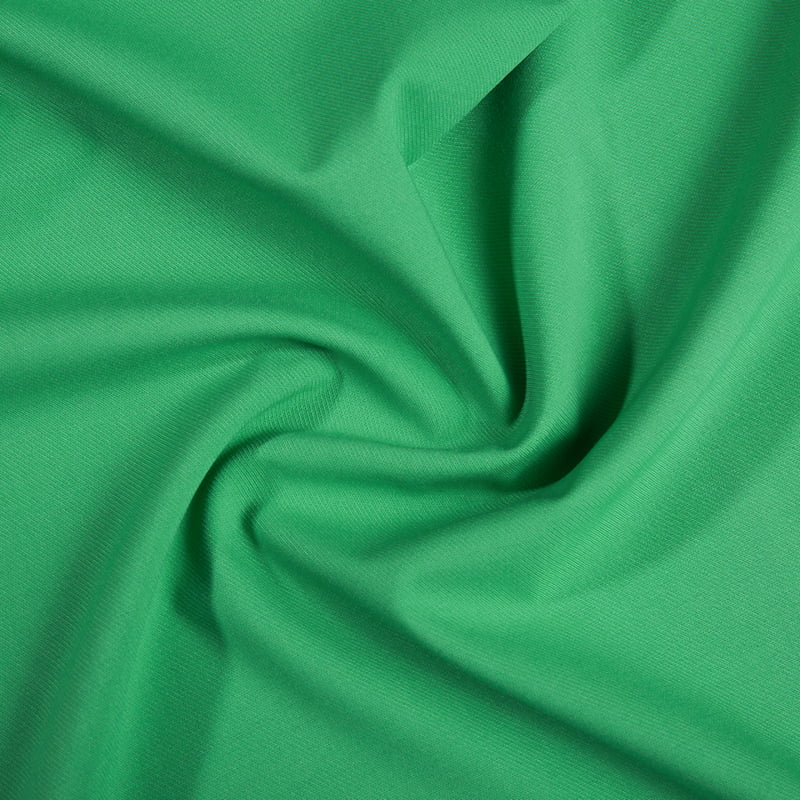
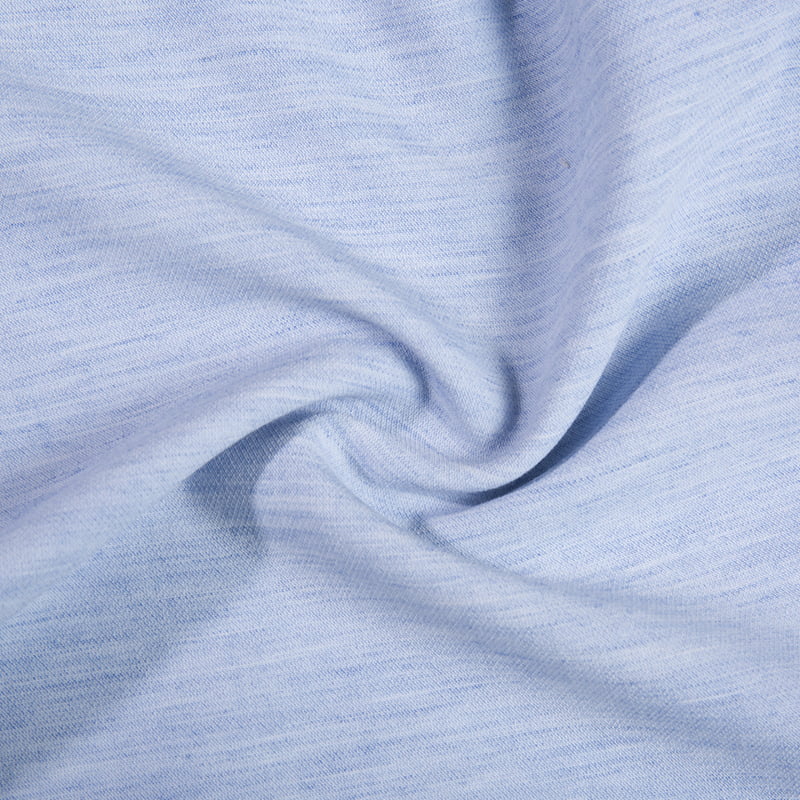
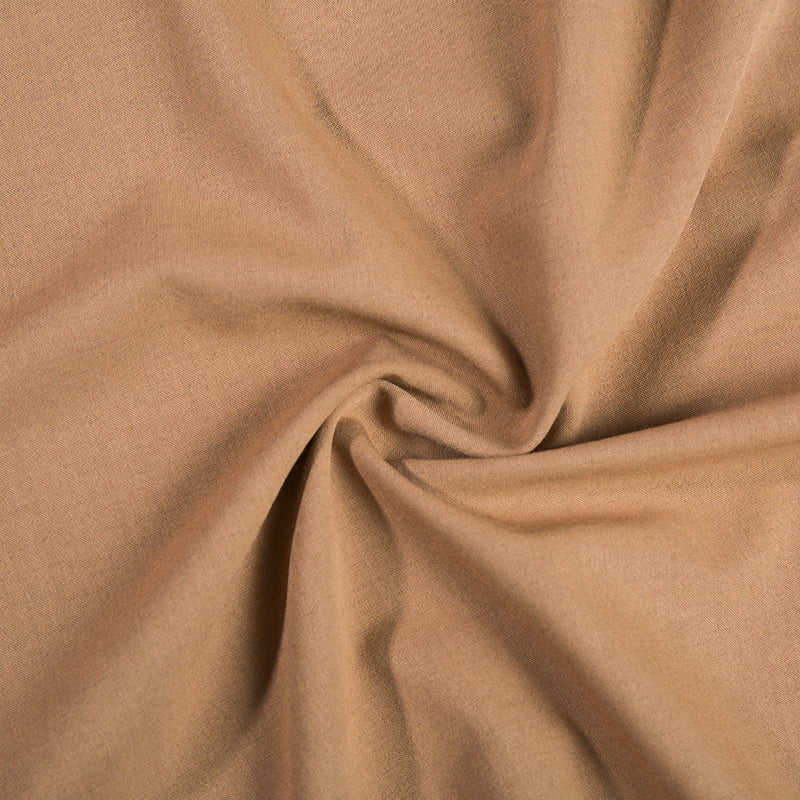
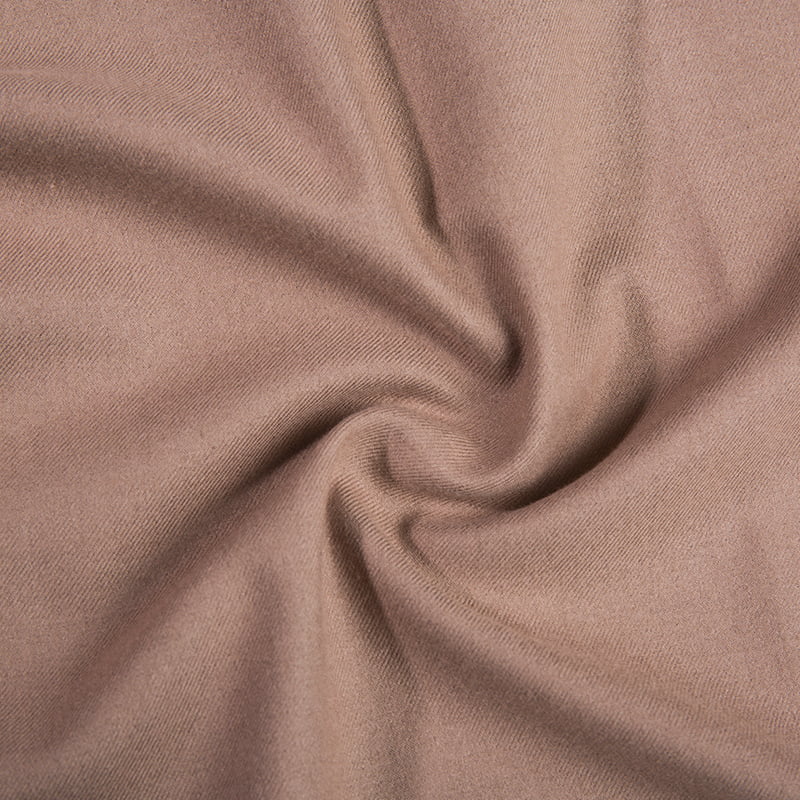
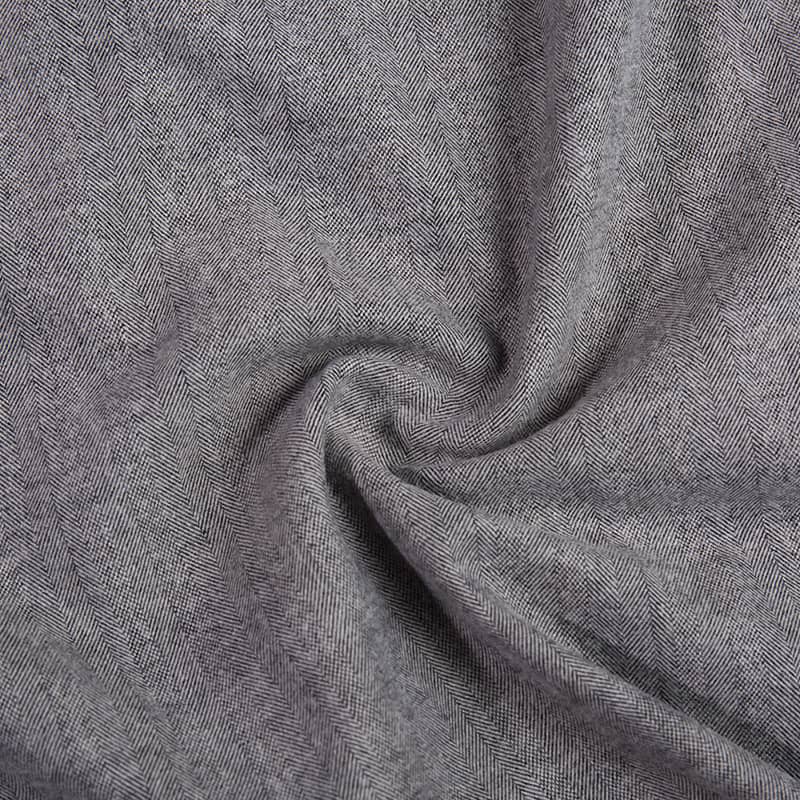
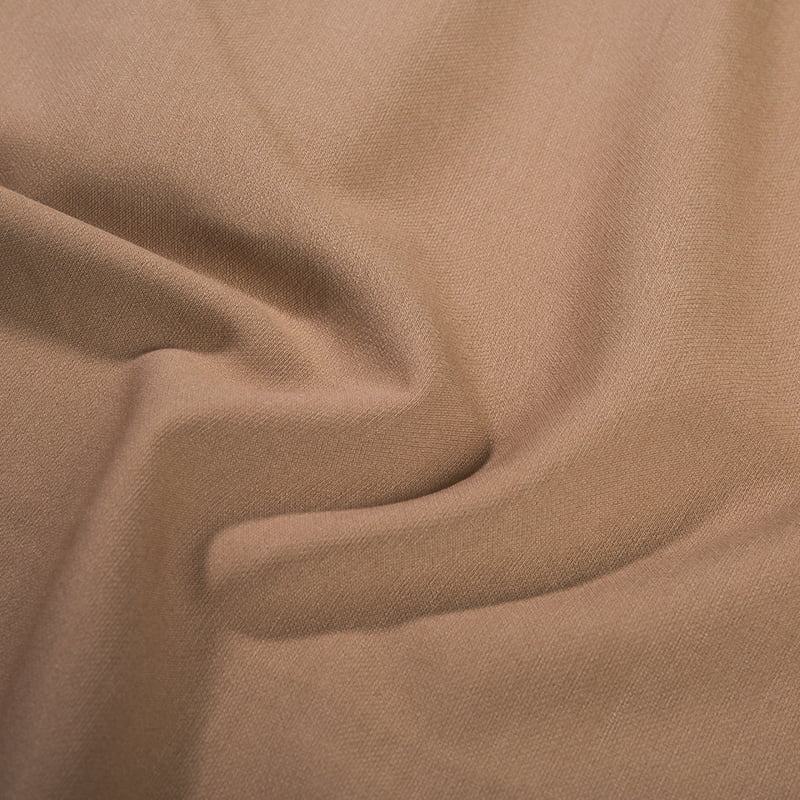
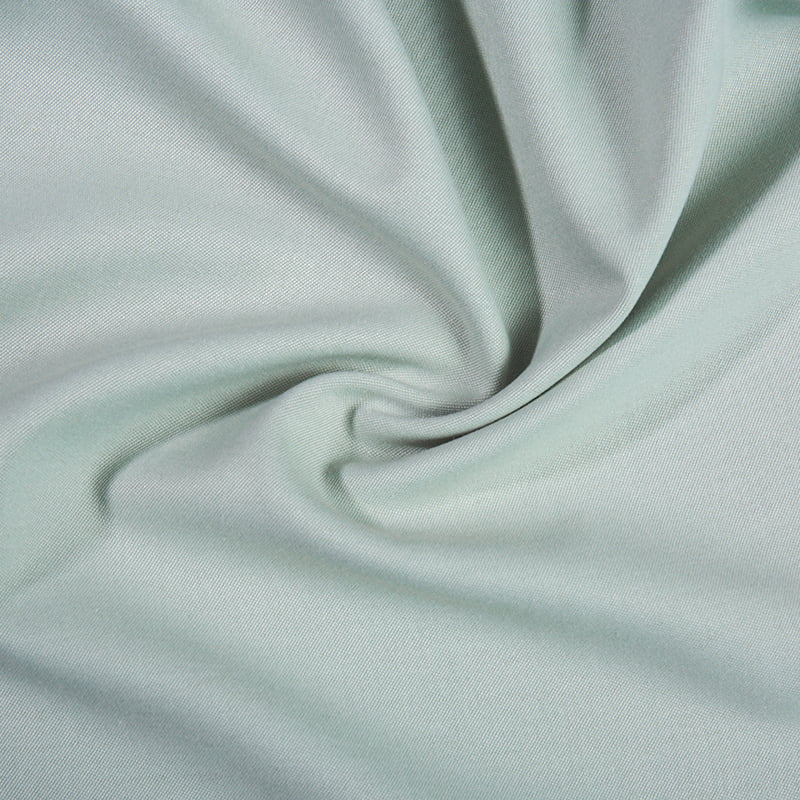
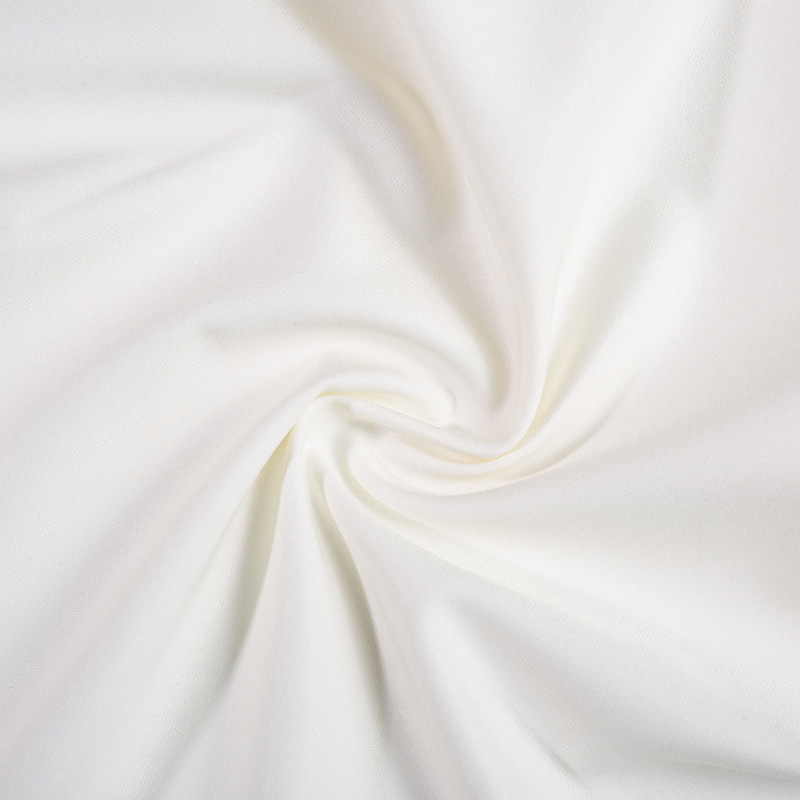
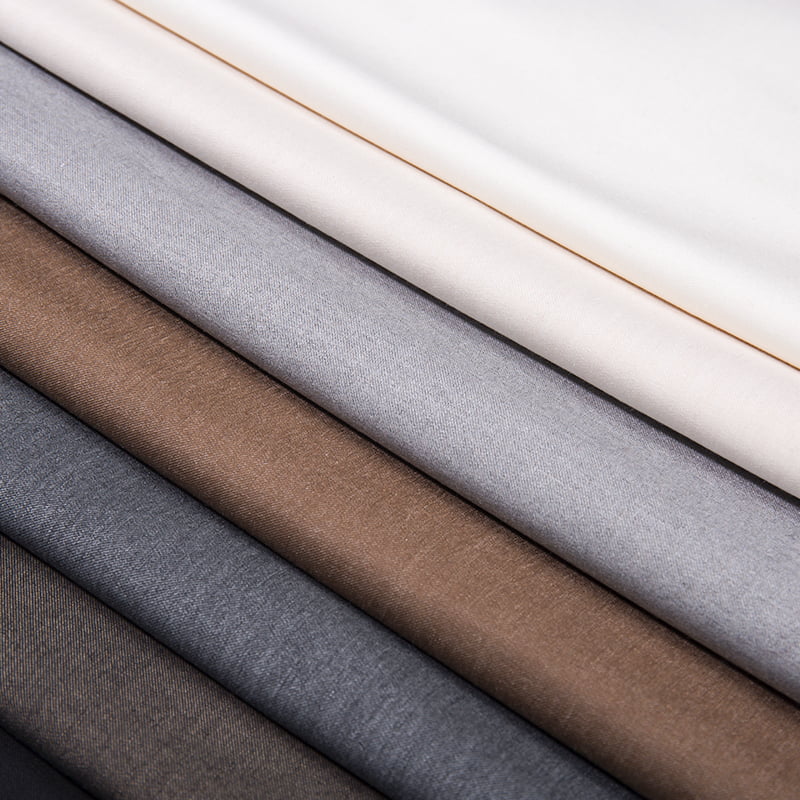
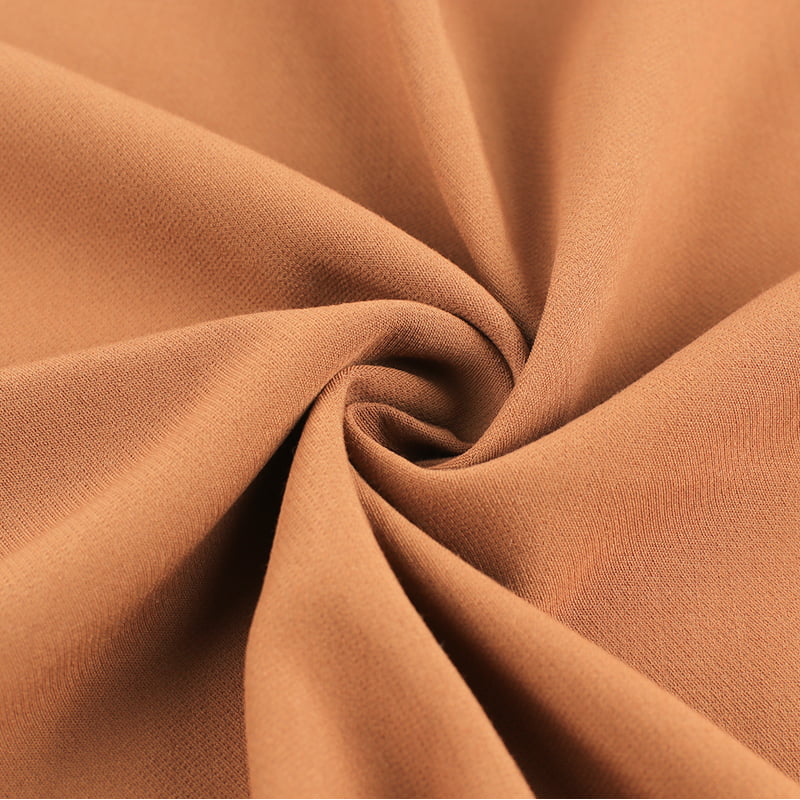
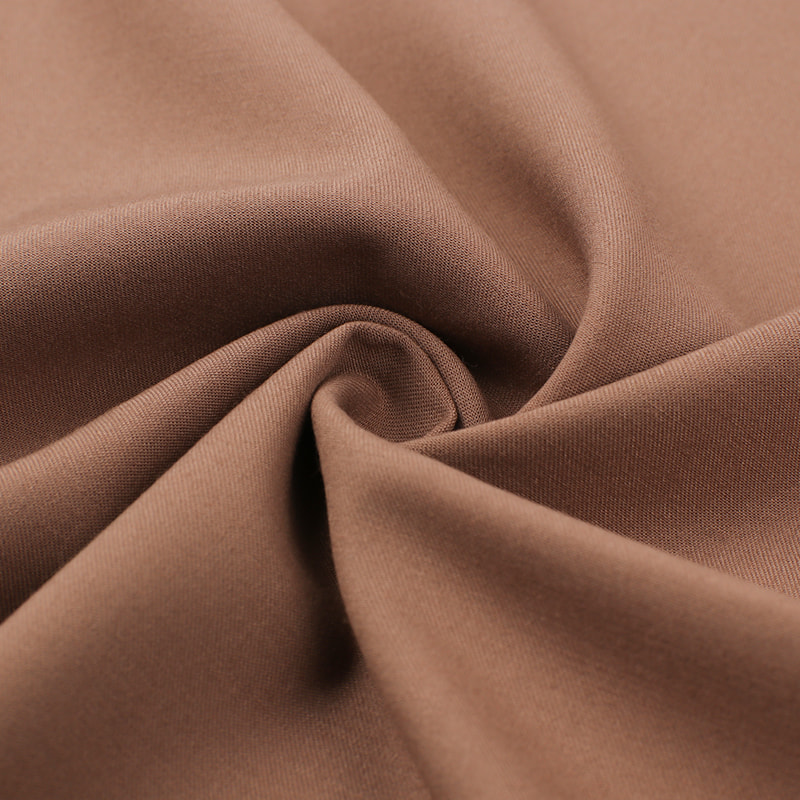
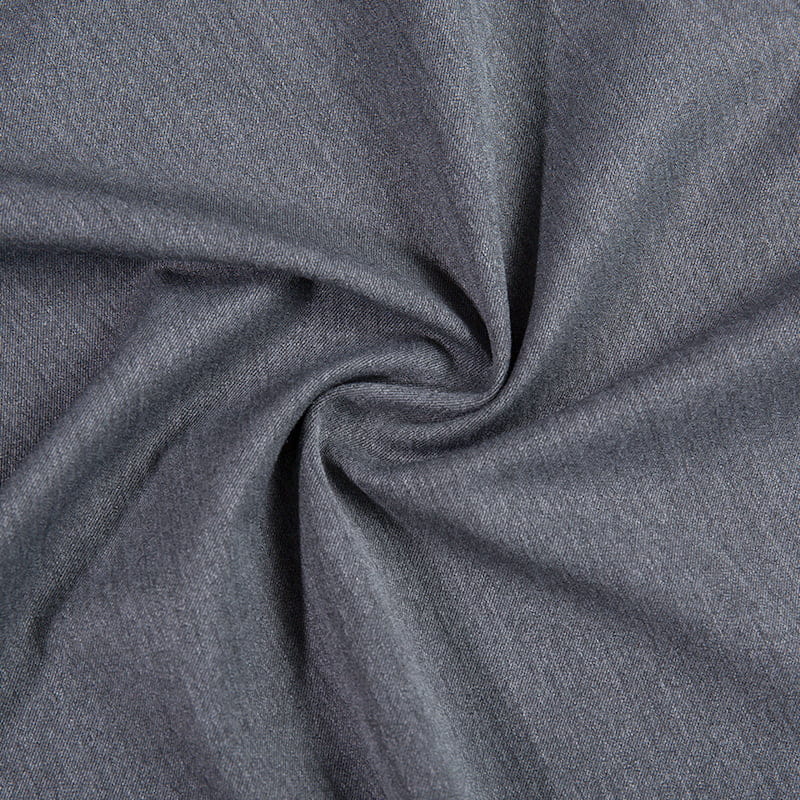
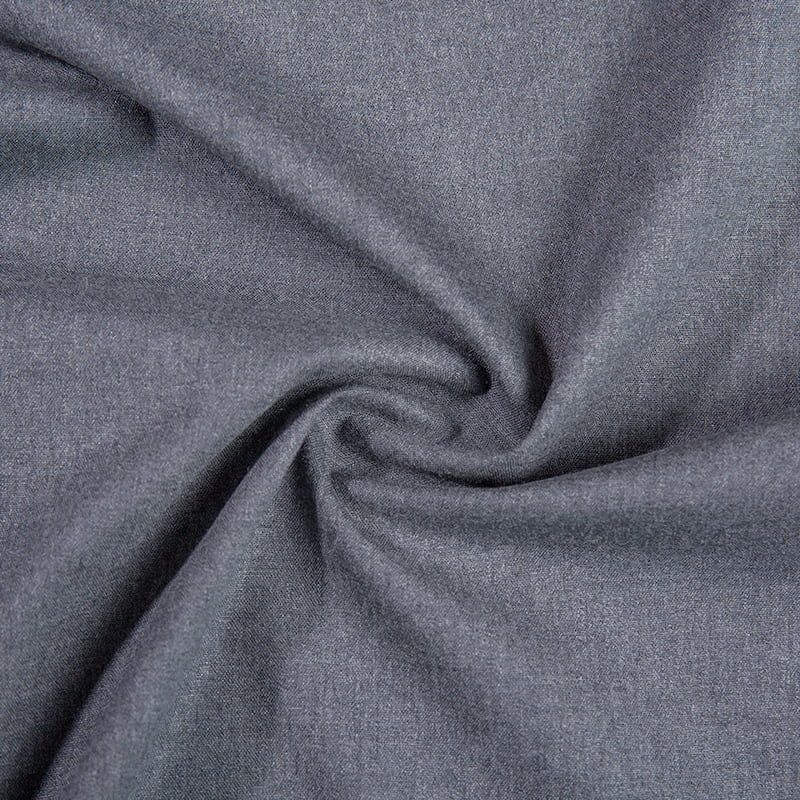
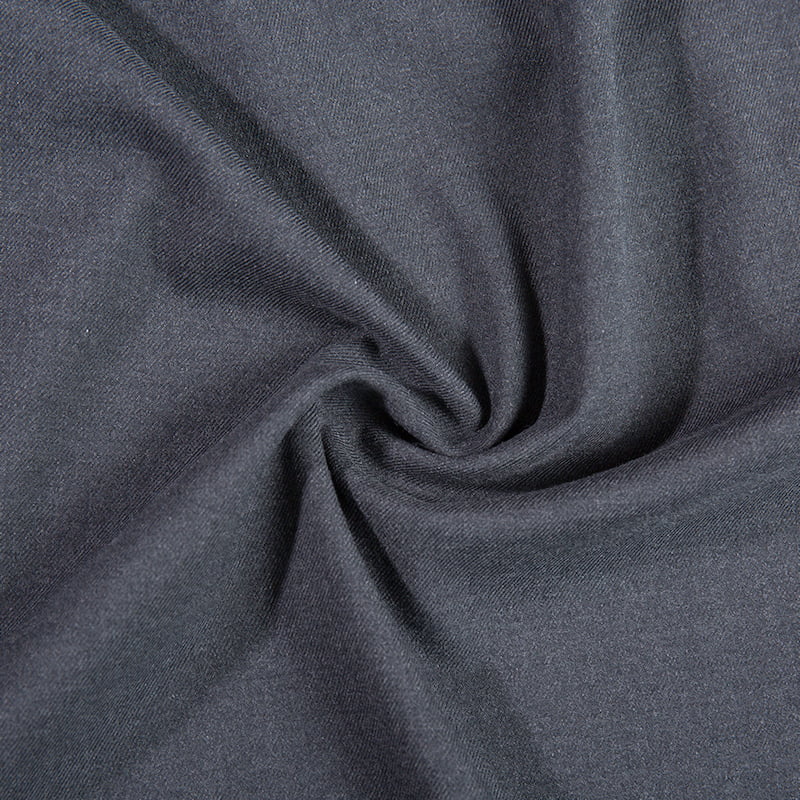
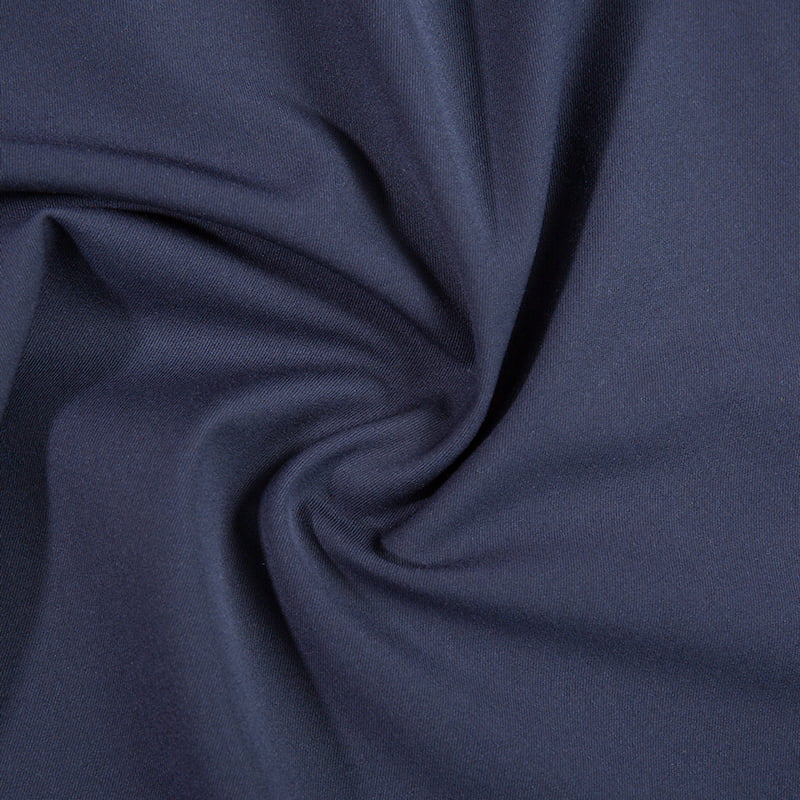
TR Fabrics are blended textiles composed of Terylene (polyester) and Rayon (viscose). Polyester contributes strength, durability, and wrinkle resistance, while rayon adds softness, breathability, and a silky drape. This smart combination makes TR Fabrics suitable for a wide range of end-use applications.
Why TR Fabrics Are Dominating the Apparel Market
- Excellent balance of comfort and durability
- Cost-effective compared to wool and pure viscose
- Easy maintenance and long service life
- Adaptable for seasonal and all-weather garments
Key Features to Look for When Choosing TR Fabrics
1. Fiber Blend Ratio and Its Impact on Performance
The polyester-to-rayon ratio is the foundation of TR Fabric performance. Common blend ratios include:
- 80% Polyester / 20% Rayon: High durability, strong wrinkle resistance, ideal for uniforms and workwear
- 70% Polyester / 30% Rayon: Balanced comfort and strength for business apparel
- 65% Polyester / 35% Rayon: Softer hand feel for fashion garments
Selecting the correct ratio ensures the fabric meets the specific functional and aesthetic requirements of your clothing line.
2. Fabric Weight and Thickness
Fabric weight directly affects drape, warmth, and structure. Lightweight TR Fabrics are well-suited for summer dresses and blouses, while medium to heavyweight versions are preferred for suits, trousers, and jackets. Typical weights range from 180gsm to 320gsm depending on garment purpose.
3. Breathability and Moisture Management
Rayon enhances air permeability, allowing TR Fabrics to remain breathable even in warm conditions. High-quality TR Fabrics also feature enhanced moisture-wicking properties, ensuring wearer comfort in both office and outdoor environments.
4. Wrinkle Resistance and Shape Retention
Polyester’s resilience ensures garments maintain a polished appearance. Strong wrinkle resistance significantly reduces the need for ironing, especially in business and travel apparel.
5. Color Fastness and Dye Performance
Stable dye absorption is a hallmark of premium TR Fabrics. High color fastness ensures vibrant hues remain intact after repeated washing, exposure to sunlight, and daily wear.
6. Hand Feel and Skin Comfort
A refined surface finish improves tactile comfort. High-grade TR Fabrics feel smooth, soft, and gentle against the skin, making them ideal for close-contact clothing such as shirts and lining materials.
7. Durability and Abrasion Resistance
Strong tensile strength and resistance to pilling are critical for long-lasting garments, especially in uniforms, school wear, and commuter apparel where frequent use is expected.
8. Environmental Compliance and Sustainability
Eco-certified TR Fabrics using recycled polyester or low-impact dyeing processes help brands meet sustainability goals while appealing to environmentally conscious consumers.
How TR Fabrics Perform Across Different Clothing Applications
Business and Formal Wear
TR Fabrics are widely used in suits, blazers, and trousers due to their clean drape, shape retention, and professional appearance. They provide a wool-like texture at a more accessible cost.
Casual and Fashion Apparel
From skirts and dresses to lightweight jackets, TR Fabrics offer excellent versatility for fashion-forward designs while maintaining durability for daily wear.
Uniforms and Workwear
Hospitality, aviation, security, and corporate uniforms rely heavily on TR Fabrics for their easy maintenance, wrinkle resistance, and consistent color performance.
School Wear
High durability, stain resistance, and dimensional stability make TR Fabrics an industry standard for school uniforms worldwide.
Weaving and Finishing Techniques That Matter
Weave Structures
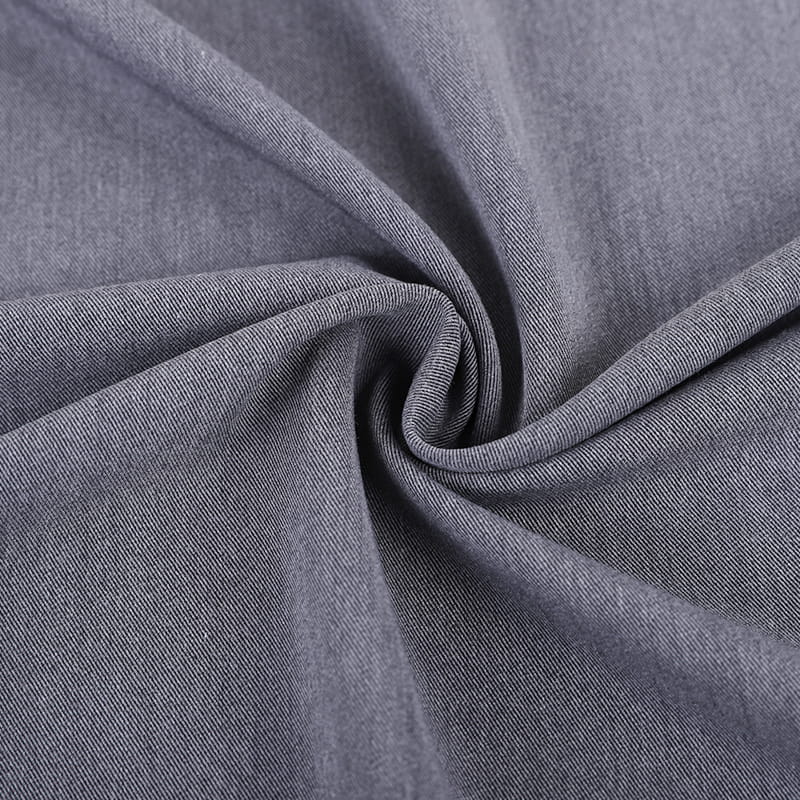
- Twill Weave: Provides durability and a diagonal texture
- Plain Weave: Lightweight and breathable
- Satin Weave: Smooth surface for premium garments
Functional Fabric Treatments
- Anti-static finishing
- Water-repellent coatings
- Anti-pilling treatment
- UV protection
Quality Inspection Standards for TR Fabrics
Common Fabric Testing Indicators
- Color fastness to washing and rubbing
- Tensile and tear strength
- Pilling resistance
- Shrinkage control
- Formaldehyde content and safety compliance
High-quality TR Fabrics should comply with international textile standards such as OEKO-TEX®, ISO, and REACH regulations for global market access.
Cost Considerations and Profitability
Balancing Quality and Production Cost
TR Fabrics offer a cost advantage over wool while delivering comparable appearance. Strategic sourcing helps brands maximize profits without sacrificing garment quality.
Long-Term Value
Although premium TR Fabrics may have slightly higher upfront costs, their durability, reduced returns, and enhanced customer satisfaction deliver better long-term returns.
Customization Possibilities for TR Fabrics
- Custom blend ratios
- Special color matching
- Pattern and texture customization
- Functional coatings based on garment usage
Future Trends in TR Fabrics Development
- Recycled polyester integration
- Low-carbon production processes
- Smart textile coatings
- Lightweight advanced weaving
As consumer demand shifts toward sustainability and comfort, TR Fabrics continue to evolve with innovative blends and eco-friendly solutions.
Common Mistakes to Avoid When Selecting TR Fabrics
- Ignoring blend ratio relevance to garment function
- Overlooking shrinkage and pilling performance
- Choosing based on price alone
- Neglecting certification requirements
Frequently Asked Questions (FAQ)
Are TR Fabrics suitable for summer clothing?
Yes. Lightweight TR Fabrics with higher rayon content offer excellent breathability and moisture absorption for warm-weather garments.
Do TR Fabrics shrink after washing?
High-quality TR Fabrics undergo pre-shrinking processes and maintain stable dimensions during normal washing cycles.
How do TR Fabrics compare to wool?
TR Fabrics mimic the appearance of wool while providing better wrinkle resistance, easier maintenance, and lower cost.
Can TR Fabrics be used for sportswear?
Standard TR Fabrics are mainly used for casual and formal wear. However, functional finishes can enhance moisture-wicking and flexibility for light activewear.
Are TR Fabrics environmentally friendly?
Modern TR Fabrics increasingly incorporate recycled polyester and eco-dyeing technologies to reduce environmental impact.
Conclusion: Building a Strong Clothing Line with the Right TR Fabrics
Choosing the right TR Fabrics is a strategic decision that affects every aspect of a clothing brand—from design aesthetics and garment performance to production efficiency and customer satisfaction. By carefully evaluating blend ratios, fabric weight, comfort, durability, sustainability, and finishing processes, fashion brands and garment manufacturers can create products that stand out in competitive markets.
As textile technologies continue to advance, TR Fabrics will remain a cornerstone material for brands seeking reliable performance, flexible design options, and long-term value. Making informed fabric choices today creates stronger, more competitive clothing lines for tomorrow.