
 English
 中文简体
中文简体 日本語
日本語 한국어
한국어 Español
 русский
Content
- 1 Key Environmental Benefits of TR Fabrics
- 2 Comparison: TR Fabrics vs. Traditional Cotton and Polyester
- 3 Applications of TR Fabrics in Eco-Friendly Fashion
- 4 Environmental Certifications and Sustainable Practices
- 5 Frequently Asked Questions (FAQs) About TR Fabrics
- 6 Future Outlook for TR Fabrics in Sustainable Textile Manufacturing
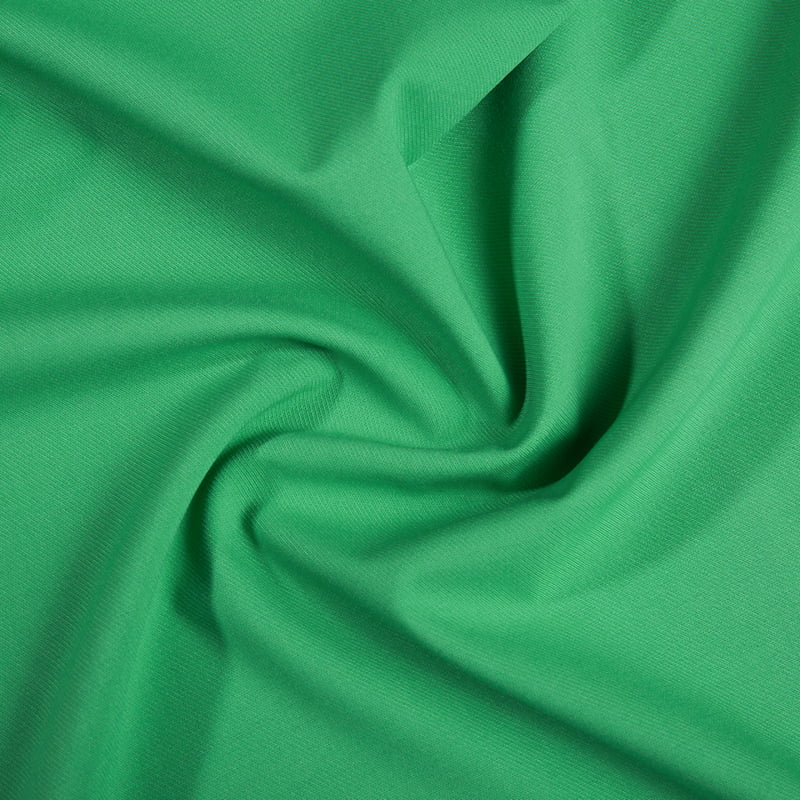
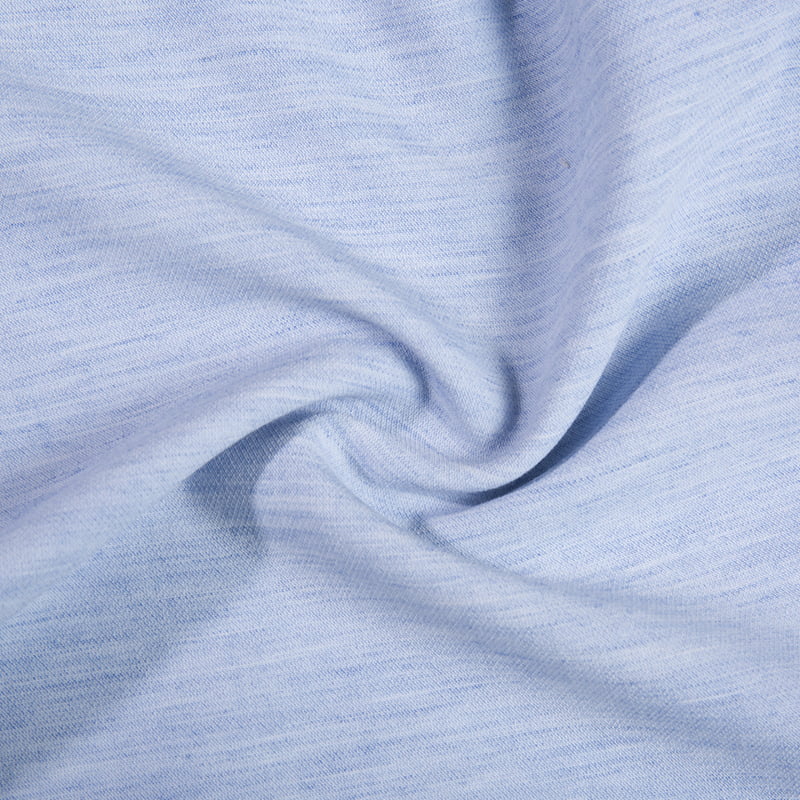
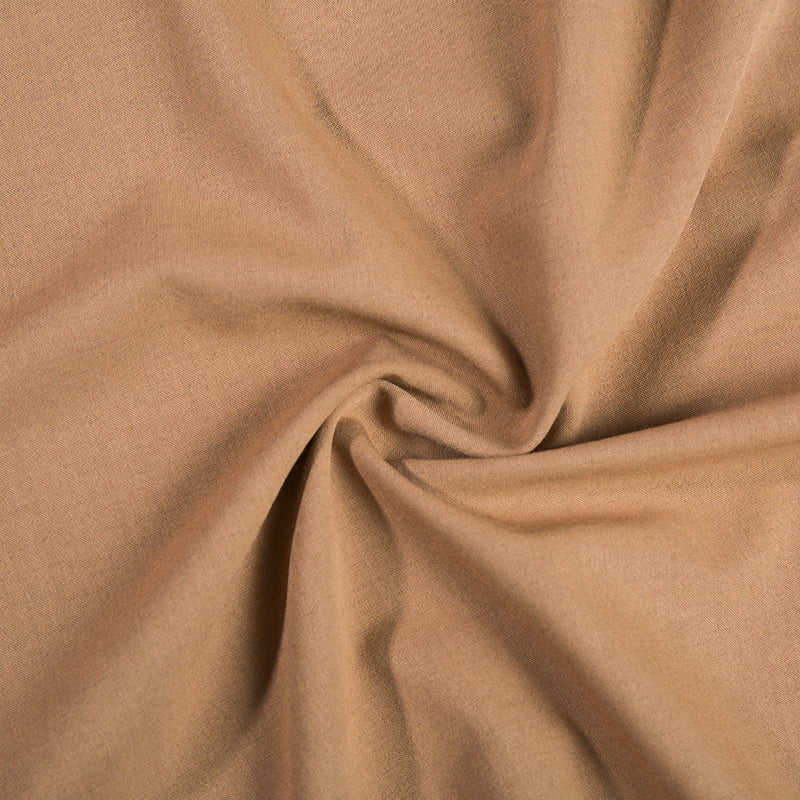
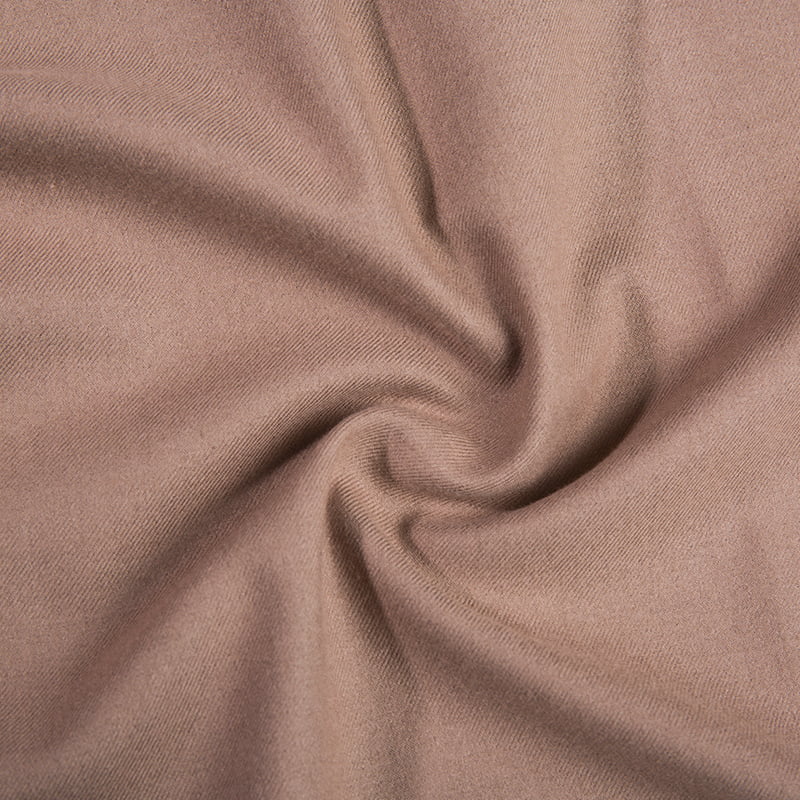
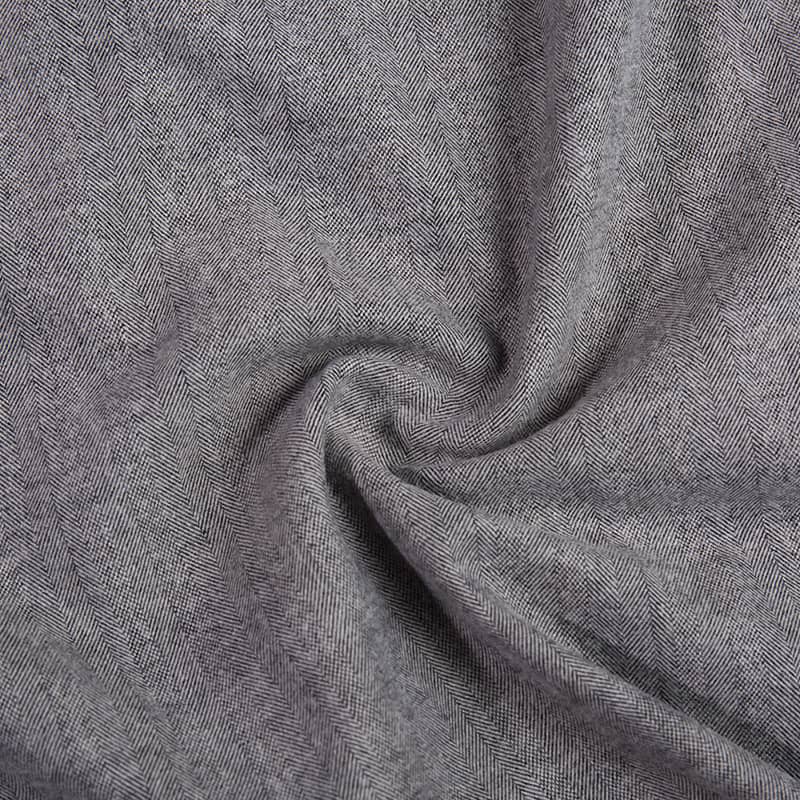
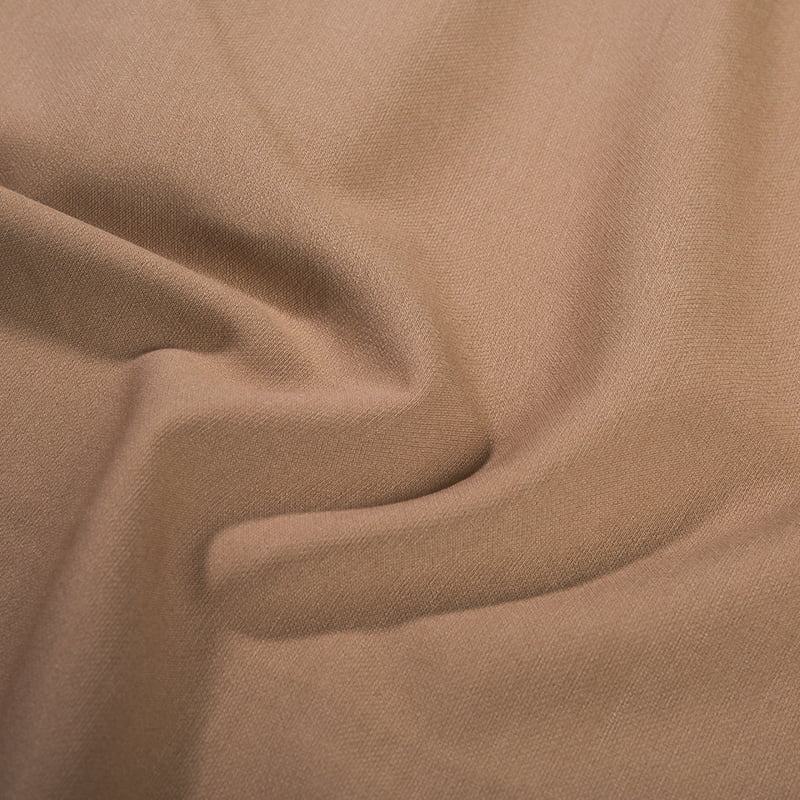
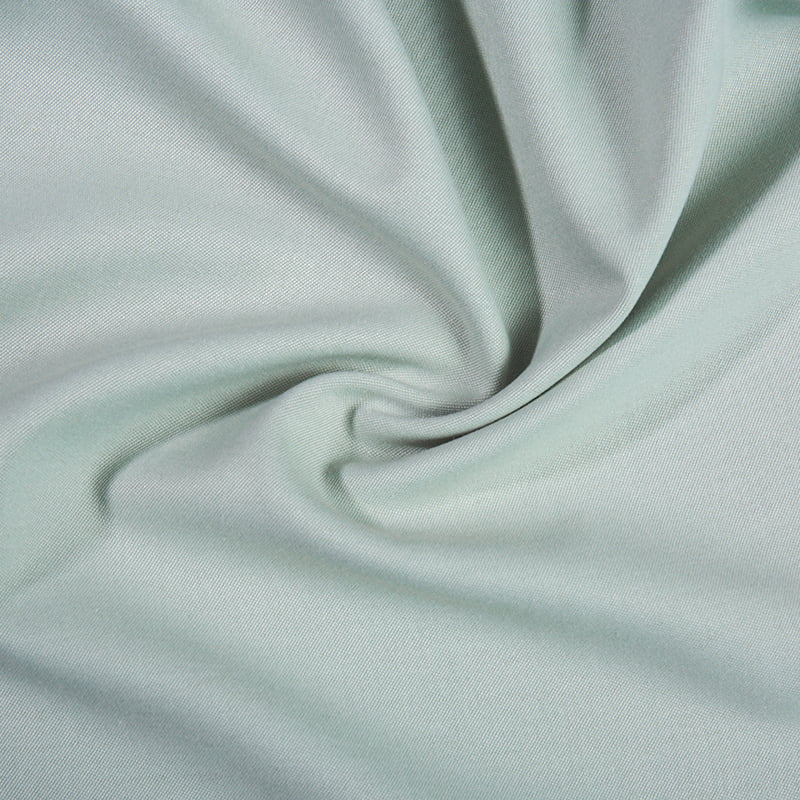
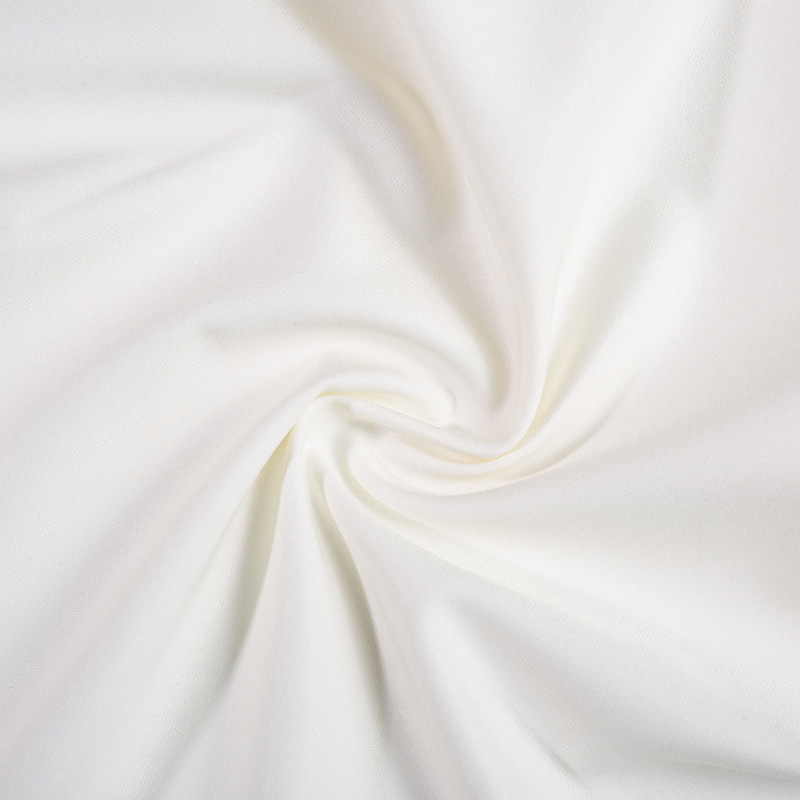
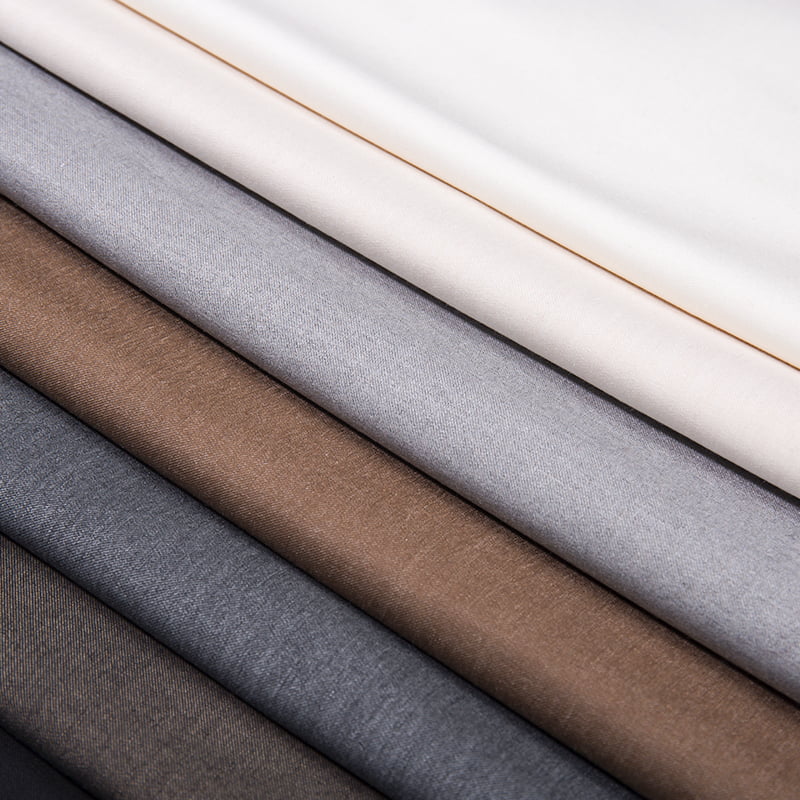
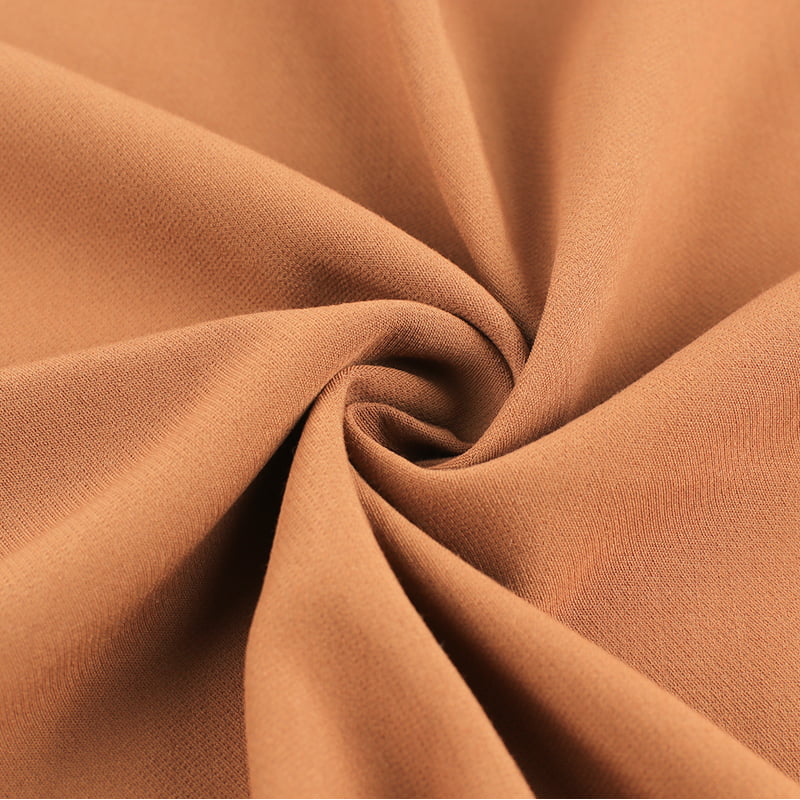
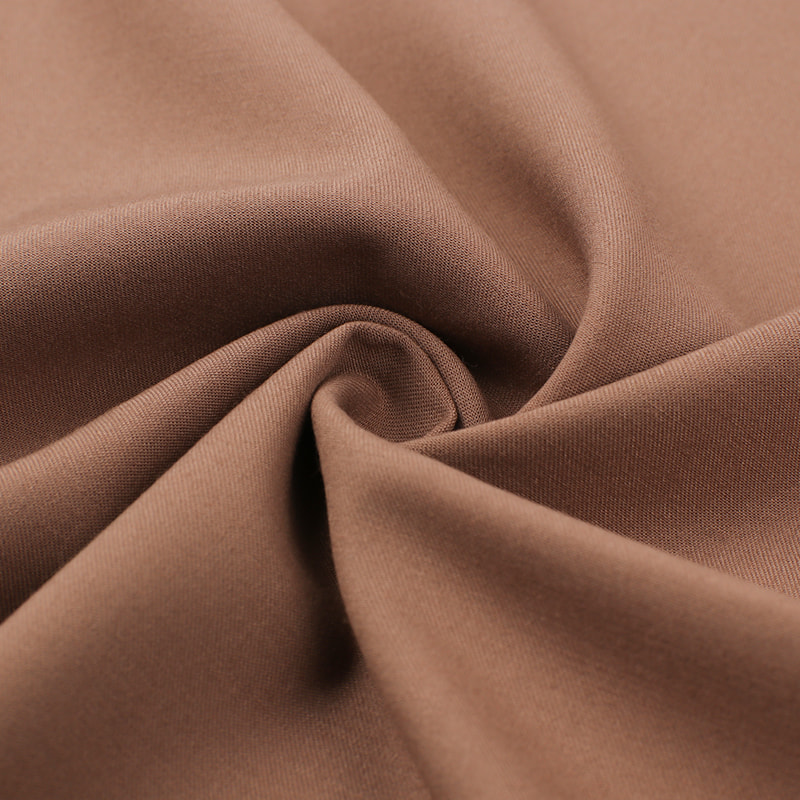
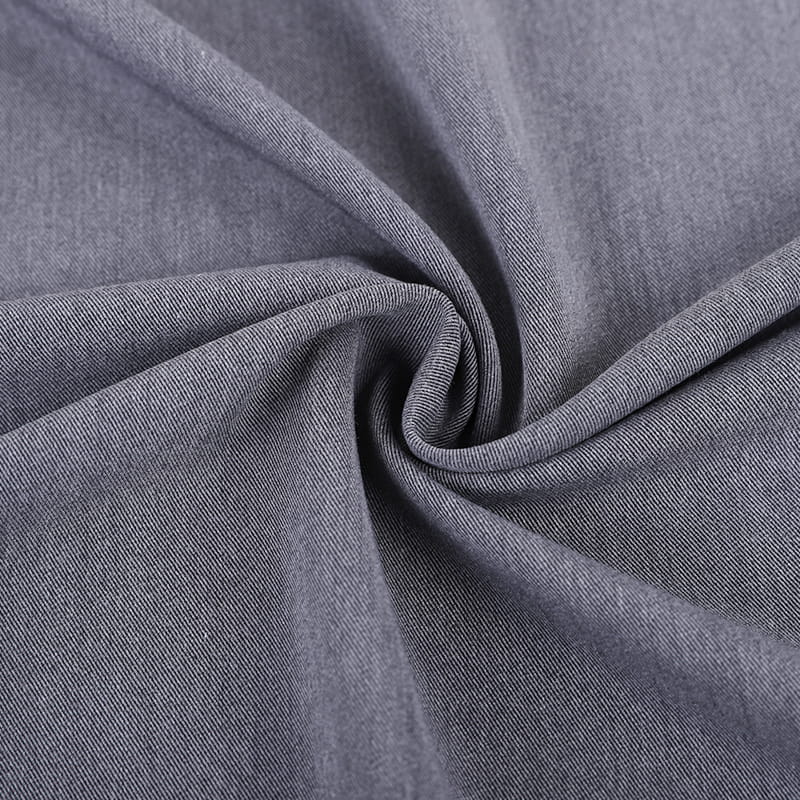
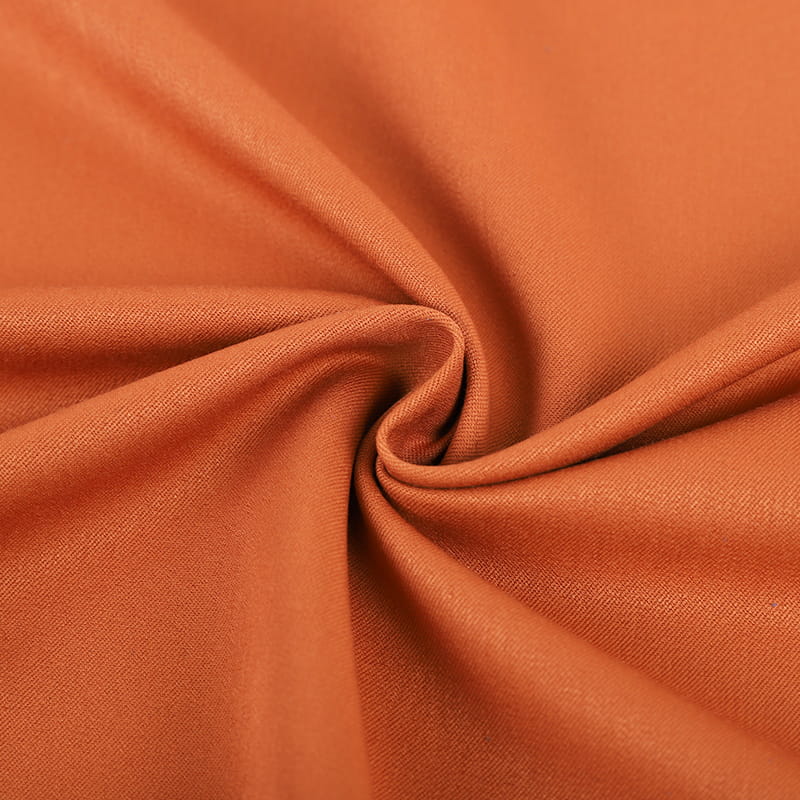
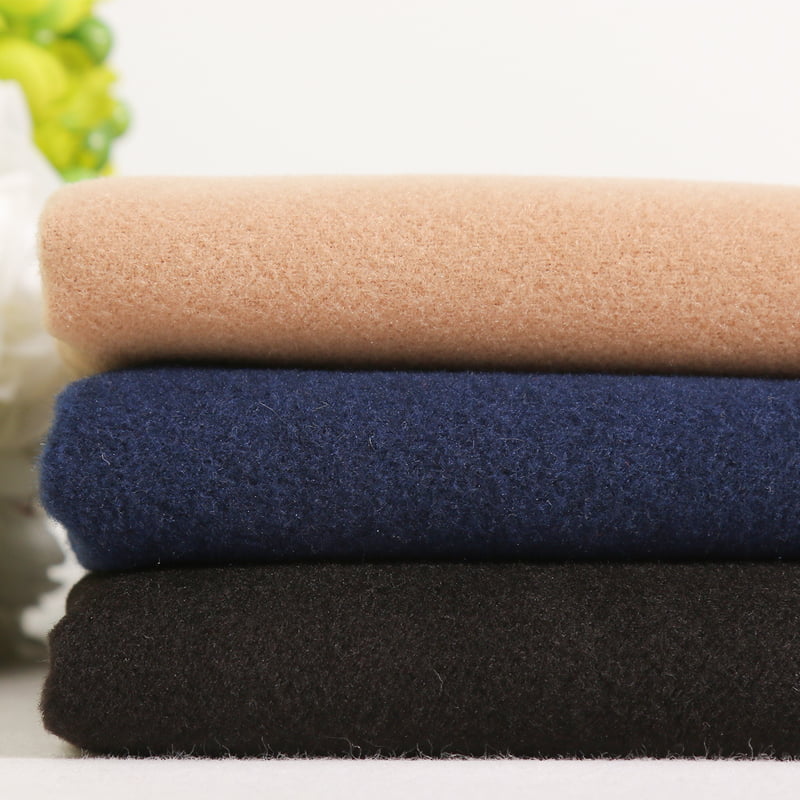
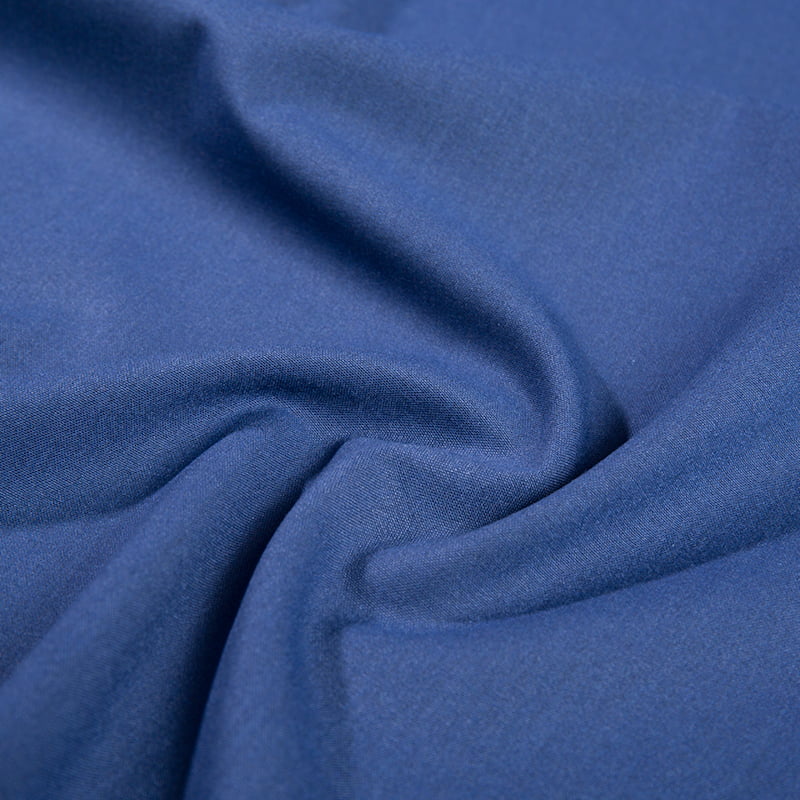
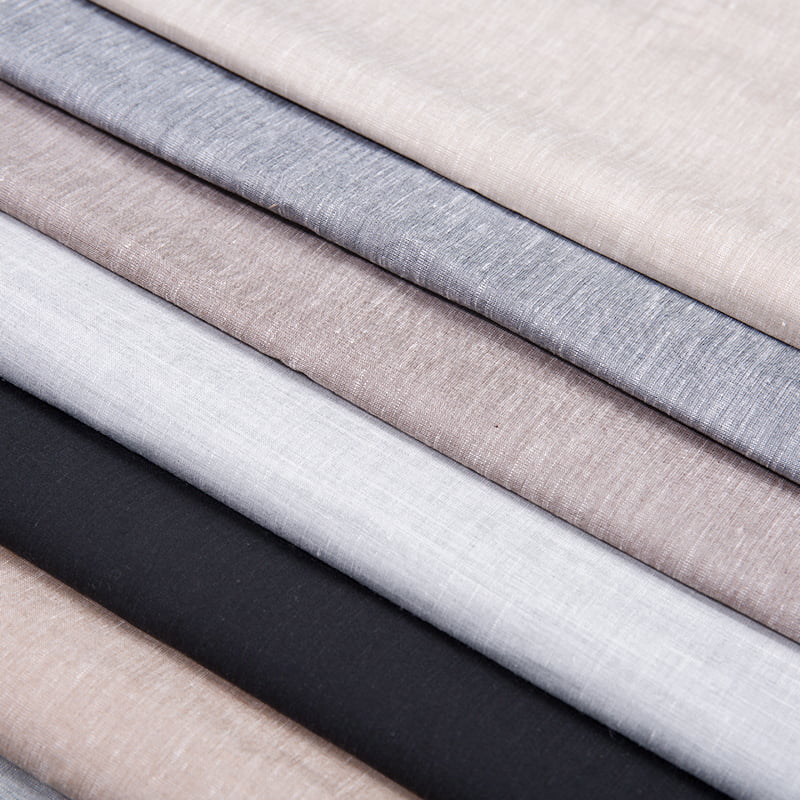
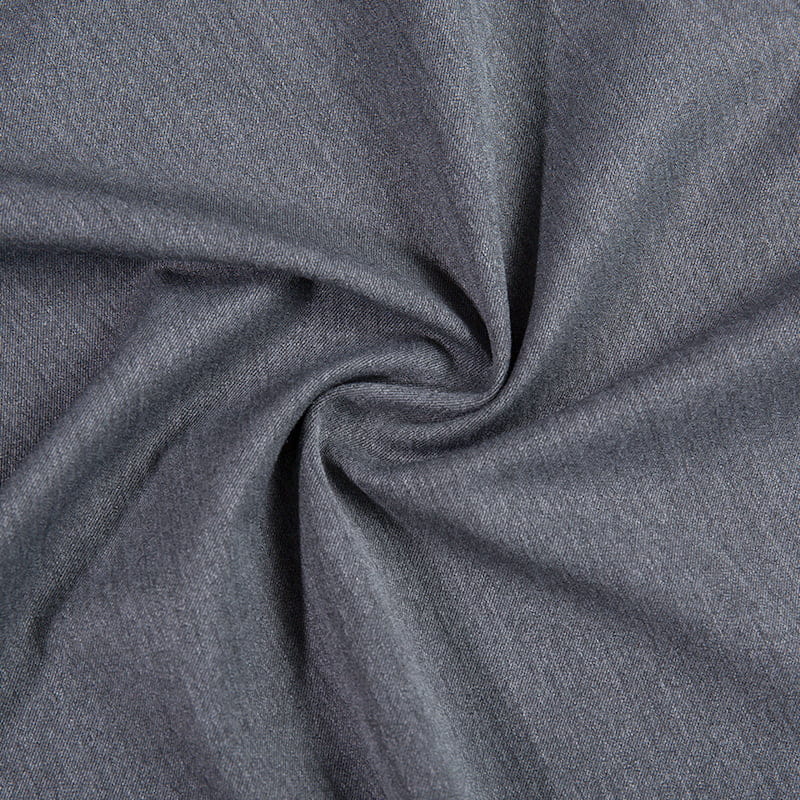
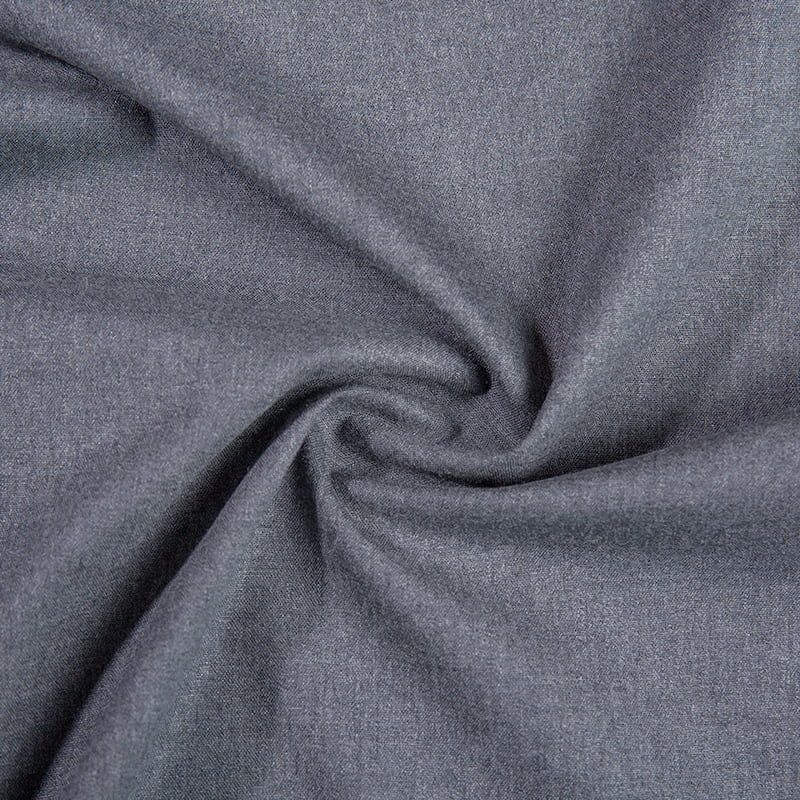
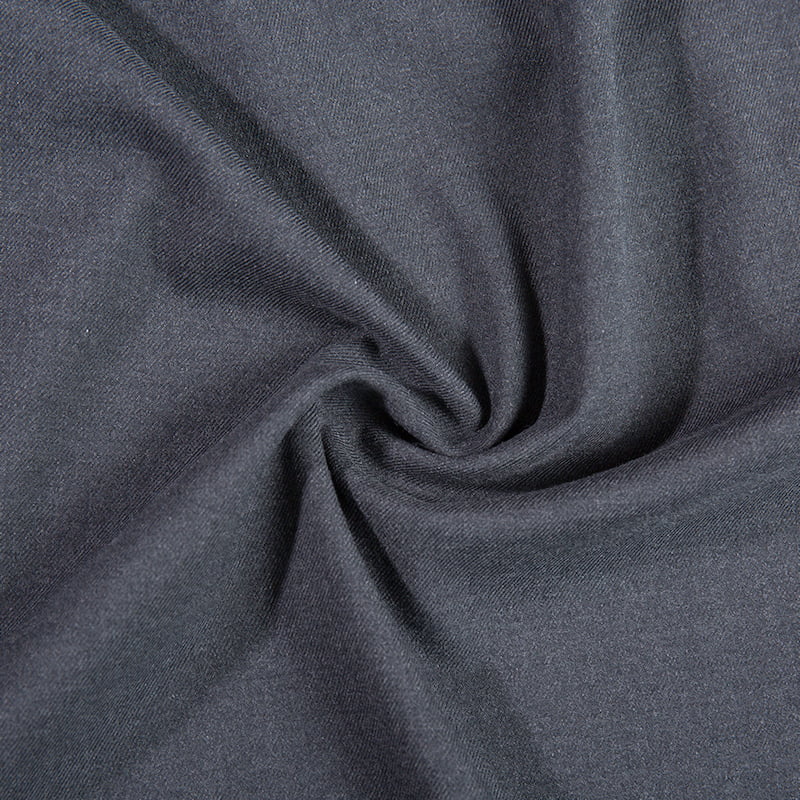
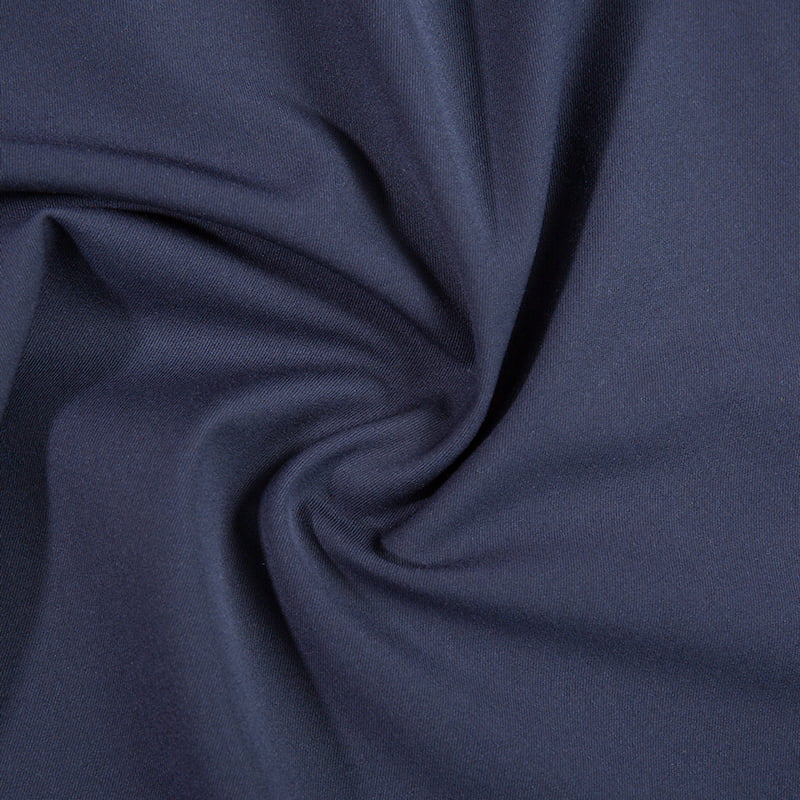
TR Fabrics, a blend of polyester (T) and rayon (R), have gained significant attention in modern textile manufacturing due to their unique combination of durability, comfort, and environmental advantages. As the textile industry faces increasing pressure to reduce its environmental footprint, TR Fabrics offer a practical solution that balances performance with sustainability.
Key Environmental Benefits of TR Fabrics
1. Reduced Water Consumption
Traditional natural fibers like cotton require large volumes of water for cultivation. In contrast, TR Fabrics use synthetic polyester blended with rayon, which significantly reduces water dependency during production. This is particularly important in regions where water scarcity is a concern, making TR Fabrics an environmentally responsible choice.
2. Energy Efficiency in Production
Producing 100% natural fibers can be energy-intensive, involving harvesting, spinning, and extensive washing processes. TR Fabrics leverage synthetic polyester, which requires less processing energy compared to cotton or linen. The blended nature of TR Fabrics also allows for easier handling in weaving and dyeing, further reducing the overall energy footprint of textile manufacturing.
3. Lower Chemical Usage
Conventional cotton farming relies heavily on pesticides and fertilizers, which can contaminate soil and water. Rayon, derived from cellulose, uses fewer harmful chemicals when combined with polyester to create TR Fabrics. This blend minimizes chemical runoff and supports a cleaner, more eco-friendly manufacturing process.
4. Longevity and Reduced Waste
One of the most overlooked environmental benefits of TR Fabrics is durability. Because they are resistant to wear and maintain shape over time, garments made from TR Fabrics have a longer lifecycle. Extended product longevity reduces textile waste, which is a growing global concern given the rise of fast fashion and landfill accumulation.
Comparison: TR Fabrics vs. Traditional Cotton and Polyester
| Property | TR Fabrics | Cotton | 100% Polyester |
|---|---|---|---|
| Water Usage | Low | High | Moderate |
| Energy Consumption | Moderate | High | Low |
| Chemical Use | Low | High | Moderate |
| Lifespan | High | Moderate | High |
| Comfort | Soft, breathable | Soft, natural | Less breathable |
This comparison highlights how TR Fabrics provide an effective middle ground, offering the comfort of natural fibers with the durability and environmental advantages of synthetics.
Applications of TR Fabrics in Eco-Friendly Fashion
- Workwear: Durable TR Fabrics reduce frequent replacements, lowering waste.
- Casual Clothing: Comfortable and breathable blends encourage longer garment use.
- Uniforms: TR Fabrics maintain shape and color, reducing the need for harsh chemical treatments during washing.
- Home Textiles: Curtains, beddings, and upholstery benefit from the blend’s longevity, minimizing textile turnover.
Environmental Certifications and Sustainable Practices
Many textile manufacturers producing TR Fabrics are adopting sustainability certifications such as OEKO-TEX Standard 100 and Global Recycled Standard (GRS). These certifications ensure that the fabrics are free from harmful substances and produced under environmentally responsible practices, further enhancing their ecological benefits.
Frequently Asked Questions (FAQs) About TR Fabrics
Q1: Are TR Fabrics fully recyclable?
TR Fabrics are partially recyclable. While polyester can be recycled into new fibers, the blend with rayon requires specific industrial processes for proper recycling. However, innovations in textile recycling are making TR Fabrics more circular over time.
Q2: How do TR Fabrics impact microplastic pollution?
Since TR Fabrics contain polyester, they can contribute to microplastic release during washing. Using washing bags designed to capture microfibers and reducing wash frequency can help minimize environmental impact.
Q3: Can TR Fabrics replace cotton entirely?
While TR Fabrics offer many environmental and performance advantages, they cannot fully replace cotton in all applications, particularly where 100% natural fibers are required. However, for blends and fashion applications, TR Fabrics provide a sustainable alternative.
Q4: Are TR Fabrics biodegradable?
TR Fabrics are not fully biodegradable due to their polyester content. Rayon is biodegradable, but polyester can take decades to decompose in landfills. Combining sustainable disposal practices with longer garment lifespans mitigates this concern.
Future Outlook for TR Fabrics in Sustainable Textile Manufacturing
The textile industry is increasingly prioritizing eco-friendly materials that reduce resource consumption and waste. TR Fabrics are positioned to play a major role in this shift, offering a practical balance between sustainability, durability, and comfort. As manufacturers innovate in recycling technologies and chemical-free processing, the environmental footprint of TR Fabrics is expected to decrease further.
Ultimately, the adoption of TR Fabrics in textile manufacturing represents a forward-thinking approach, addressing environmental concerns while meeting market demands for high-quality, long-lasting, and comfortable fabrics.