
 English
 中文简体
中文简体 日本語
日本語 한국어
한국어 Español
 русский
Content
- 1 What Is Piece Dyed Fabric?
- 2 What Is Yarn Dyed Fabric?
- 3 Piece Dyed vs Yarn Dyed: Key Differences at a Glance
- 4 Where Piece Dyed Fabric Works Best
- 5 Piece Dyed TR Fabric: Why It Dominates Commercial Apparel
- 6 How to Choose: A Practical Decision Framework
- 7 What to Check Before Placing a Bulk Order
- 8 Conclusion
When sourcing fabric, one of the most common questions buyers ask is: should I choose piece dyed or yarn dyed fabric? The answer depends on your product type, budget, and production goals - not on which method is "better." This guide breaks down the core differences so you can make a confident sourcing decision.
What Is Piece Dyed Fabric?
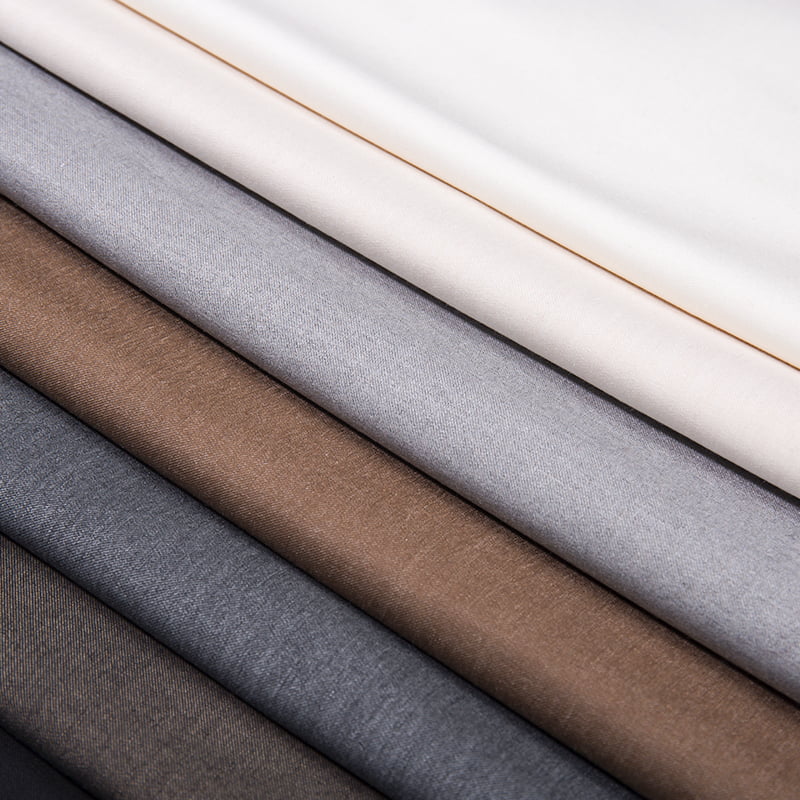
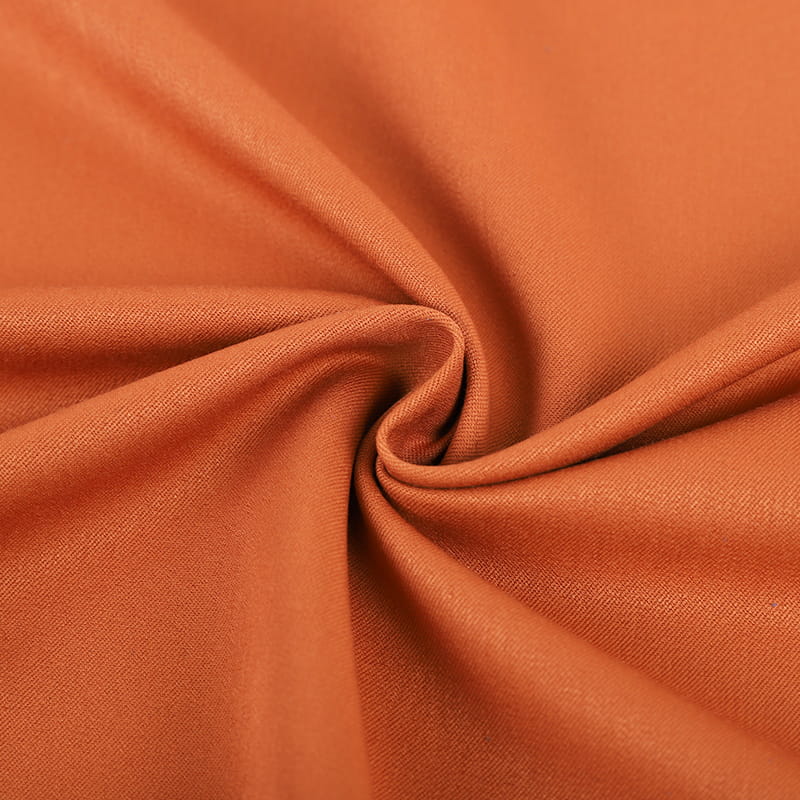
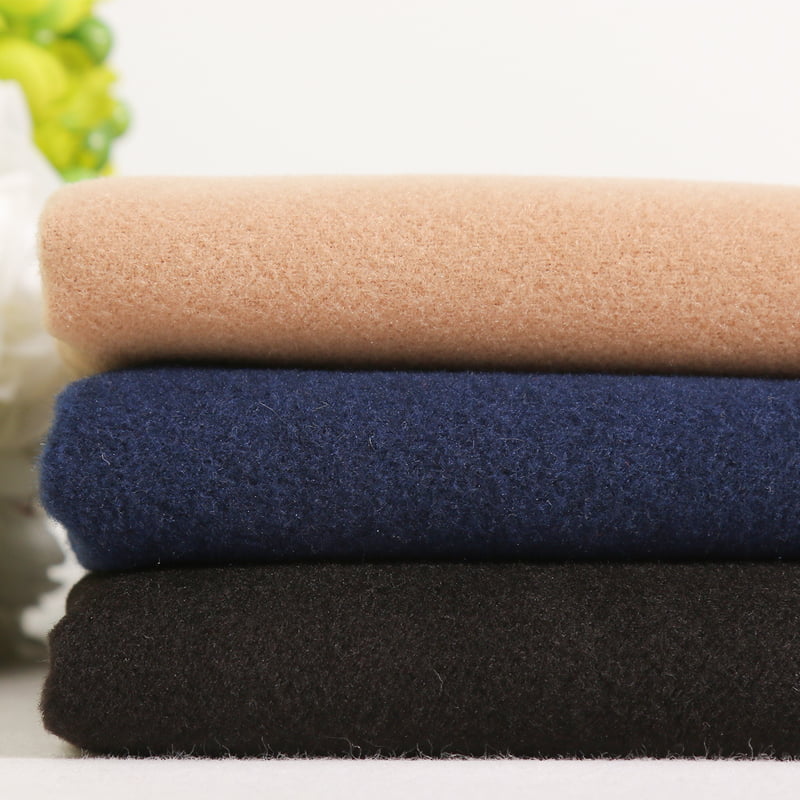
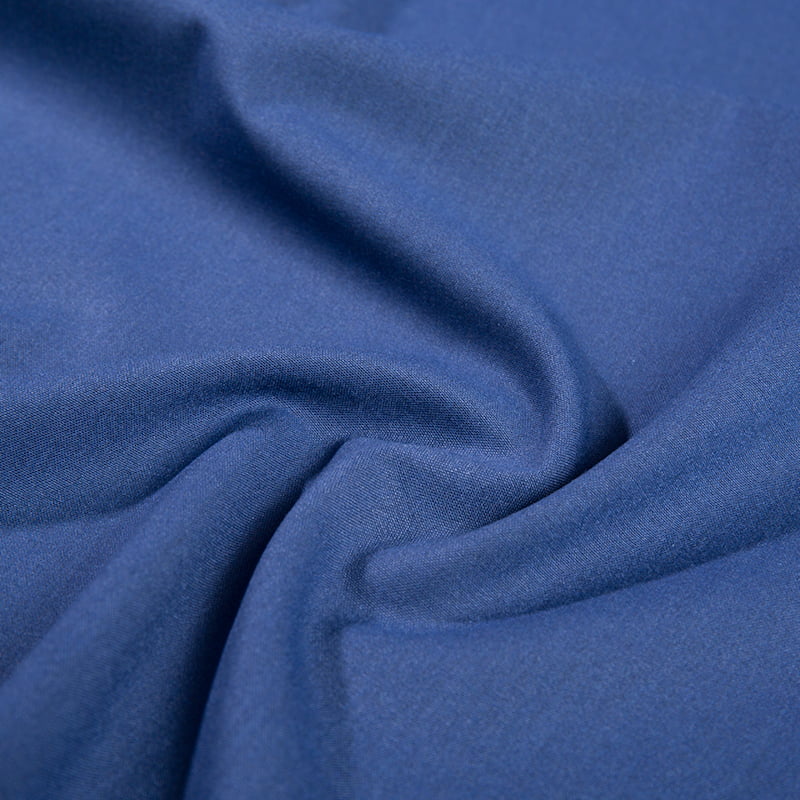
Piece dyeing is a process where fabric is woven first using undyed (grey) yarns, and then dyed as a whole piece after weaving. This is the most widely used dyeing method in commercial textile production - particularly for solid-color fabrics used in apparel, workwear, and uniforms.
Because dyeing happens after weaving, manufacturers can respond quickly to color orders without holding large inventories of pre-dyed yarn. This makes piece dyeing especially suitable for large-scale, standardized production runs.
What Is Yarn Dyed Fabric?
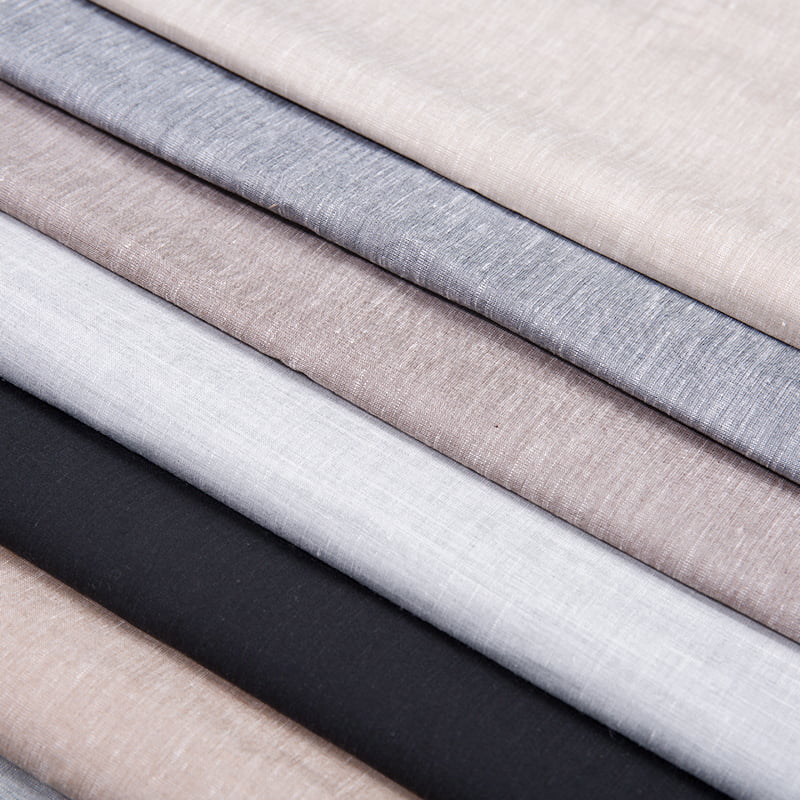
In yarn dyeing, individual yarns are dyed before being woven into fabric. This allows manufacturers to create multi-color patterns - stripes, checks, plaids, jacquards - directly in the weave structure itself.
Yarn dyed fabric generally has deeper color penetration and better color fastness than piece dyed fabric, because the dye bonds with the fiber at the yarn stage. However, it requires longer lead times and higher minimum order quantities (MOQ), making it less flexible for buyers who need quick production or frequent color changes.
Piece Dyed vs Yarn Dyed: Key Differences at a Glance
| Factor | Piece Dyed | Yarn Dyed |
| Dyeing stage | After weaving | Before weaving |
| Color options | Solid / up to 3 colors | Multi-color patterns |
| Color fastness | Good (fiber dependent) | Excellent |
| Production cost | Lower | Higher |
| Lead time | Shorter | Longer |
| MOQ flexibility | More flexible | Higher MOQ typical |
| Pattern capability | Solid colors only | Stripes, checks, jacquard |
| Typical use | Workwear, uniforms, basics | Dress shirts, suiting, fashion |
Where Piece Dyed Fabric Works Best
Piece dyed fabric is the preferred choice in several key apparel categories where cost efficiency, color consistency, and production speed matter most:
- Medical scrubs and uniforms - solid colors required, high volume, strict performance standards
- Corporate workwear and office uniforms - consistent color across large batches is critical
- Women's trousers and casual pants - plain dyed stretch fabrics offer clean aesthetics and comfort
- Blazers and tailored outerwear - solid TR blends provide structure without pattern complexity
- Fast fashion basics - short lead times and lower MOQ align with fast-moving inventory cycles
Piece Dyed TR Fabric: Why It Dominates Commercial Apparel
TR fabric - a blend of polyester (T) and rayon/viscose (R) - is one of the most widely used base materials for piece dyeing in commercial garment production. When combined with spandex for stretch, it delivers a performance profile that few other fabrics can match at this price point.
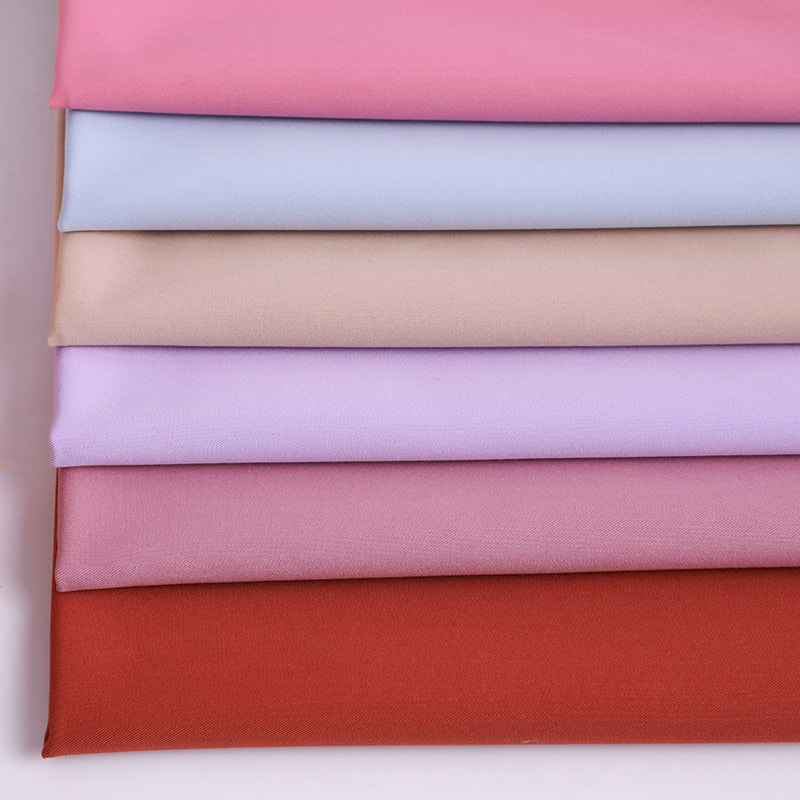
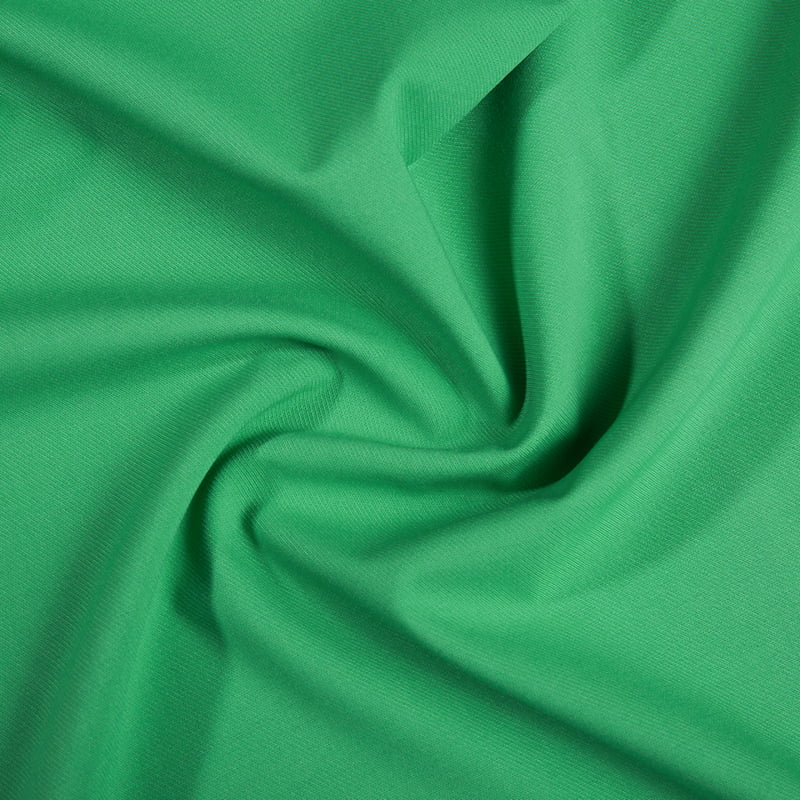
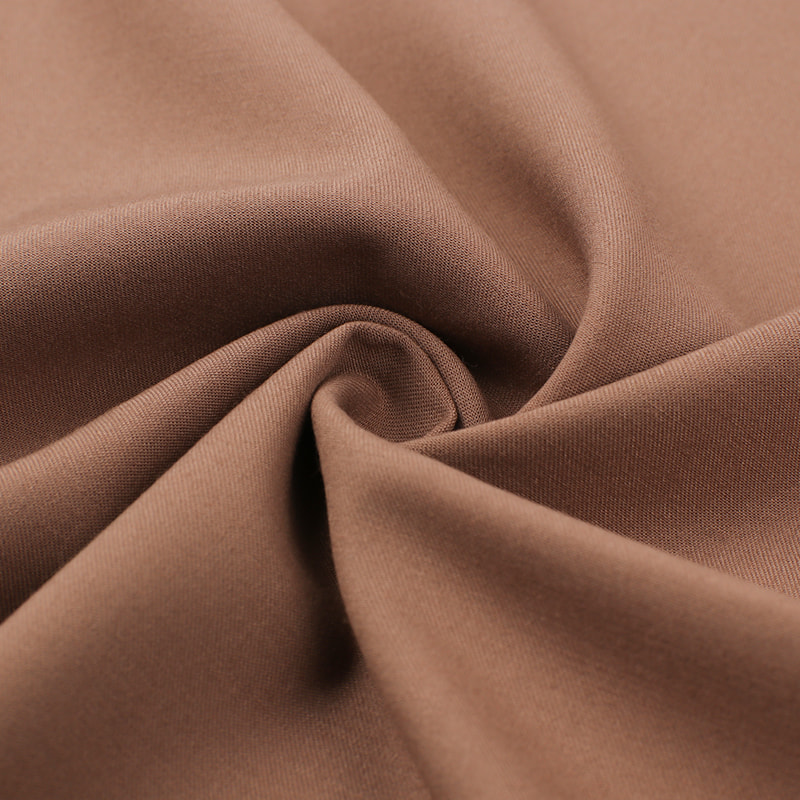
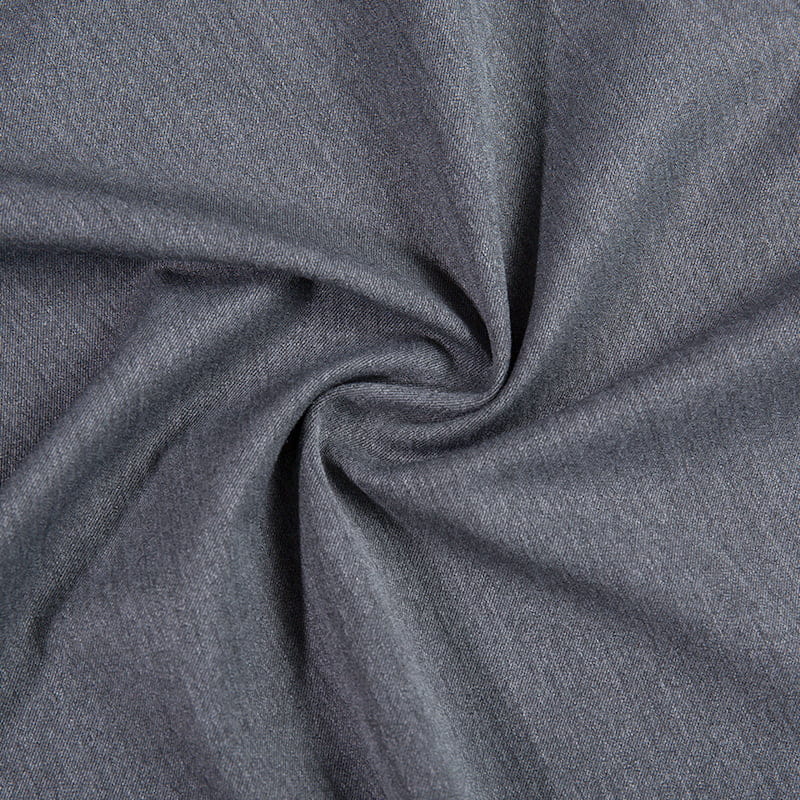
FX50316 - Soft Plain Dyed Polyester Rayon 4-Way Stretch Twill
A 4-way stretch twill with soft hand-feeling, engineered specifically for medical scrubs and uniforms. The piece-dyed finish ensures color uniformity across bulk orders - a key requirement in healthcare environments where garment consistency matters.
- 4-way stretch for full range of motion
- Soft hand-feeling, comfortable for all-day wear
- Plain dyed - excellent color batch consistency
- Suitable for scrubs, medical and clinical uniforms
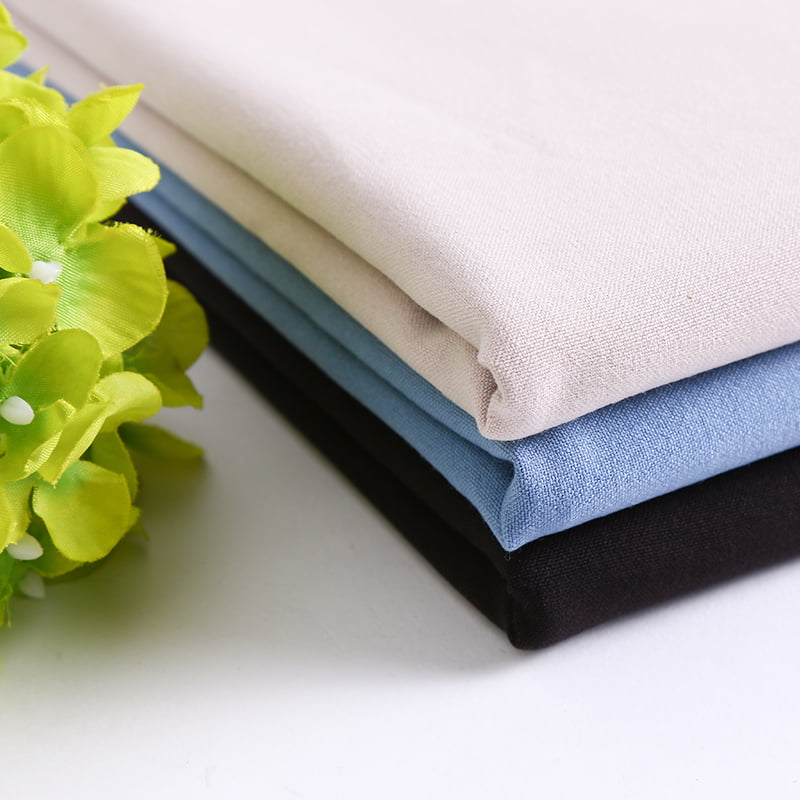
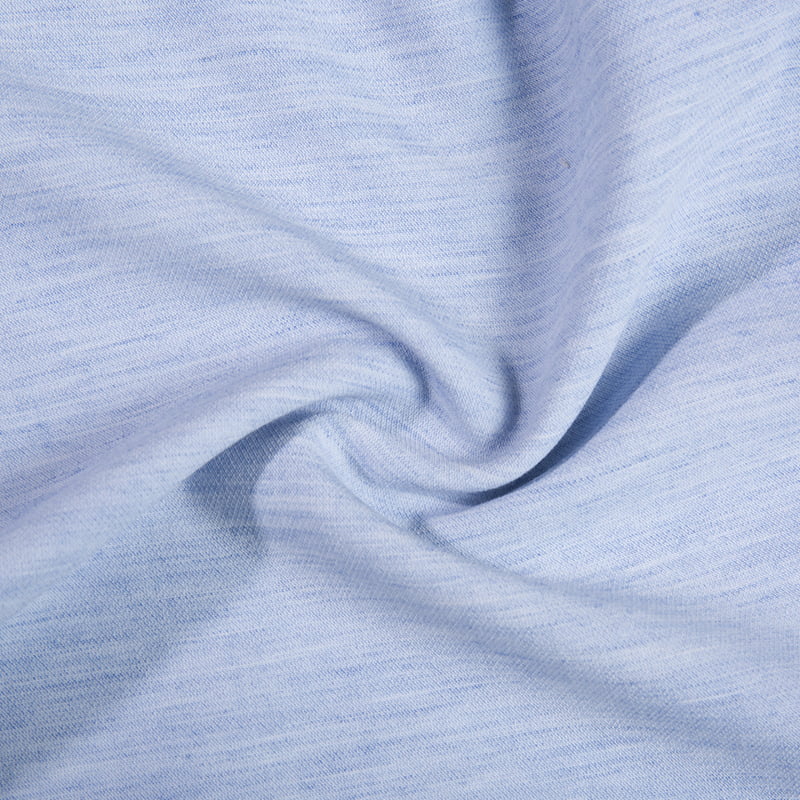
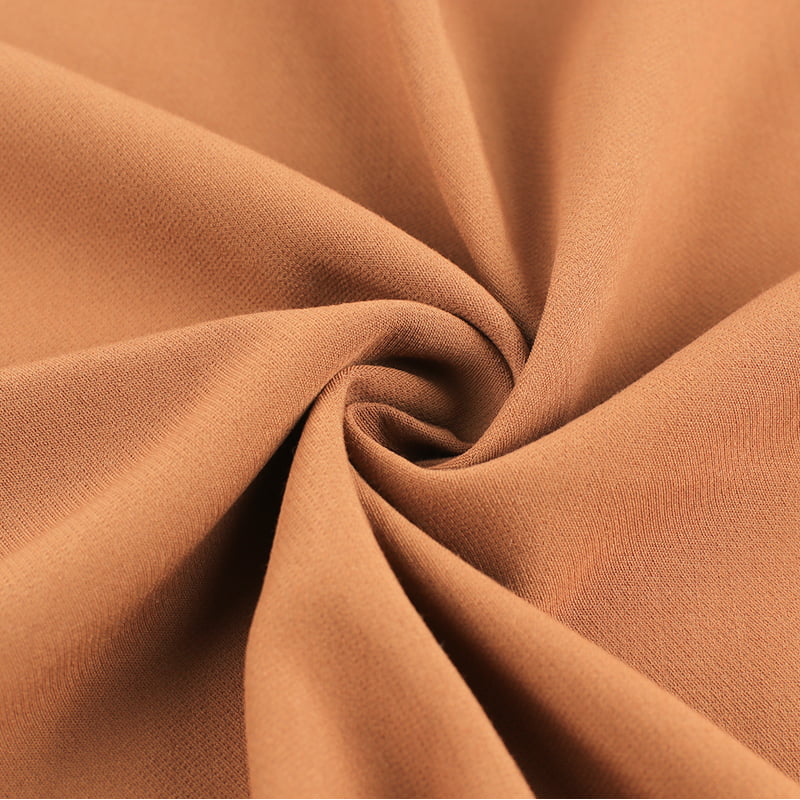
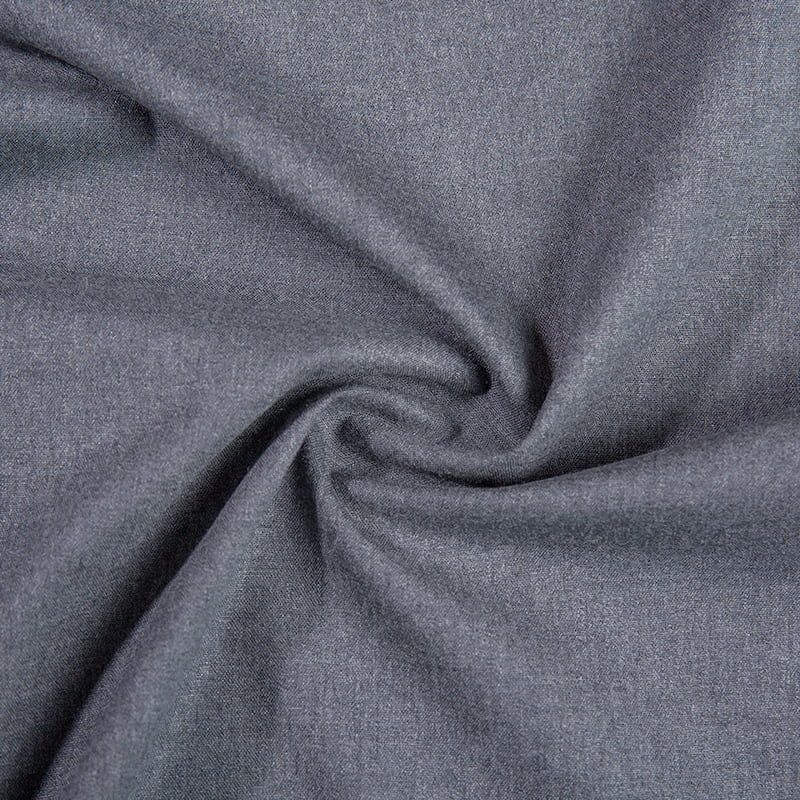
FX50326 - Colorful Viscose/Poly Plain Dyed TR Spandex
A vibrant piece-dyed TR spandex fabric available in a wide color range, designed for ladies trousers and uniform applications. Piece dyeing allows this fabric to be produced in custom colors with relatively short lead times, making it ideal for seasonal uniform programs.
- Wide color range available via piece dyeing
- Viscose/poly blend for drape and durability
- Spandex content adds stretch and comfort
- Suited for ladies trousers, skirts, and corporate uniforms
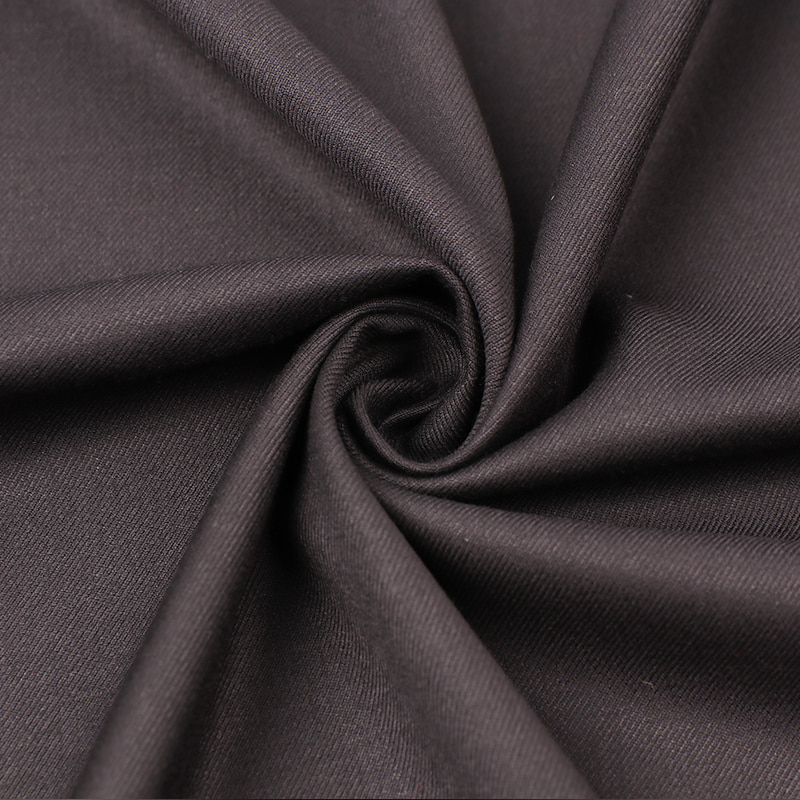
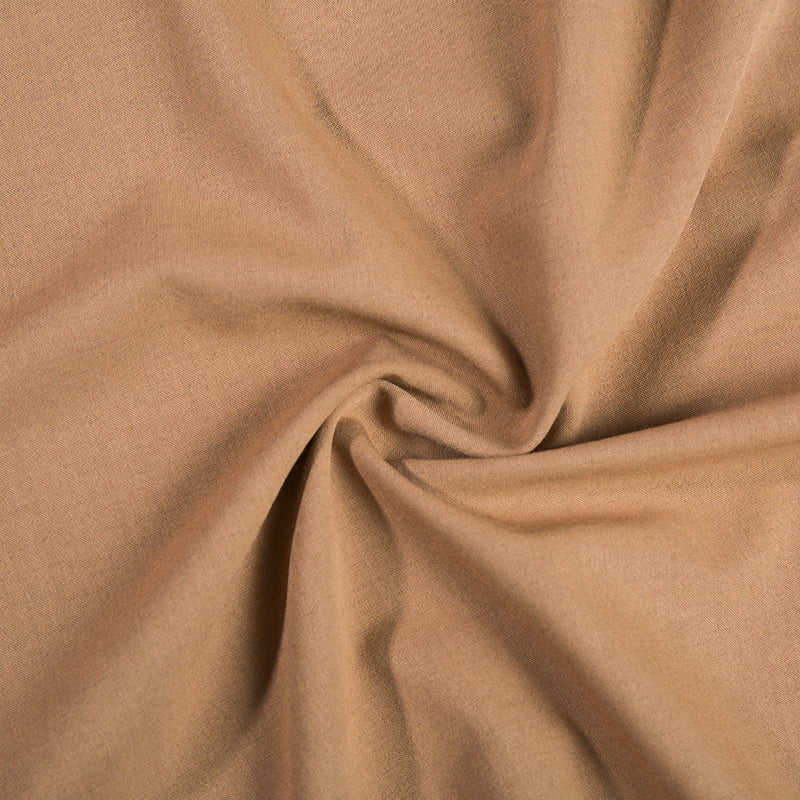
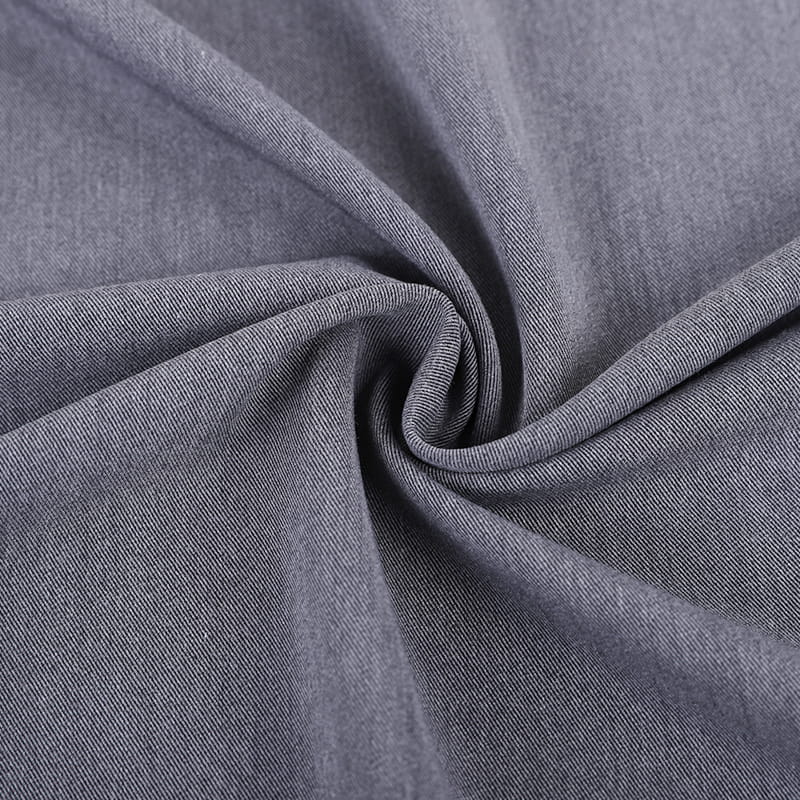
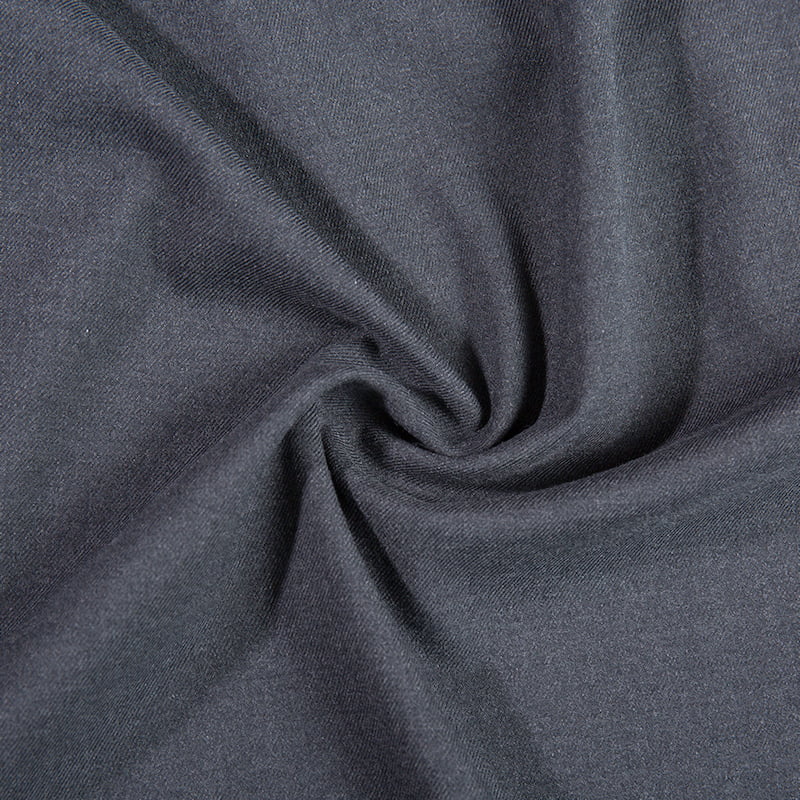
FX50388 - Wrinkle Resistant Polyester Viscose Stretch Twill
A tailoring-grade piece-dyed twill combining wrinkle resistance with a soft hand feel - a balance that is difficult to achieve in lower-cost alternatives. The stretch structure supports clean cut lines while maintaining comfort, making it a strong choice for pants and blazers.
- Wrinkle-resistant finish - lower garment care cost
- Soft hand feeling with structured twill weave
- Stretch for ease of movement in tailored cuts
- Ideal for pants, blazers, and smart-casual outerwear
How to Choose: A Practical Decision Framework
Use the following criteria to determine which dyeing method fits your sourcing needs:
- Your design requires solid colors only
- You need shorter lead times
- Budget and cost control are priorities
- You produce workwear, uniforms, or basics at scale
- You need flexibility to change colors between orders
- Your design includes stripes, checks, or woven patterns
- Maximum color fastness is required
- You are producing premium or luxury garments
- Color depth and dimensional appearance matter
- You can accommodate longer lead times and higher MOQ
What to Check Before Placing a Bulk Order
Whether you choose piece dyed or yarn dyed, these quality checkpoints apply before committing to bulk production:
Color fastness test standards reference: ISO 105-C06 (washing), ISO 105-X12 (rubbing), ISO 105-B02 (light). Published by the International Organization for Standardization (ISO). See: iso.org
Conclusion
Piece dyed and yarn dyed fabrics are not competitors - they serve different design and production needs. Piece dyeing wins on cost, speed, and flexibility for solid-color garments produced at volume. Yarn dyeing wins on pattern complexity and color depth for premium or patterned products.
For workwear, uniforms, scrubs, trousers, and blazers - piece dyed TR stretch fabrics remain one of the most commercially practical choices available to buyers sourcing from China today.