
 English
 中文简体
中文简体 日本語
日本語 한국어
한국어 Español
 русский
Content
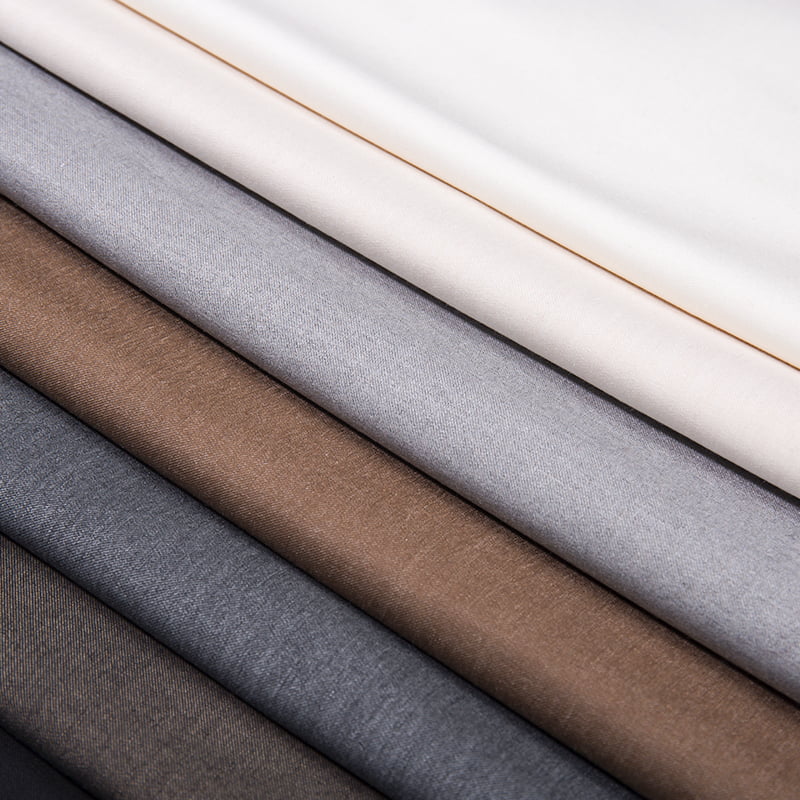
Choosing suit fabric by season comes down to three factors: fabric weight in GSM, weave construction, and stretch ratio. This applies whether you are picking a fabric for a single tailored garment or specifying a full seasonal collection. For polyester rayon (TR) suiting fabric, the fiber blend itself does not need to change with the calendar - what changes is how the fabric is woven and finished. This guide explains how those three factors work together, and how they translate into a usable specification for anyone sourcing this fabric, from an individual buyer to a production team.
Why Season Should Drive Suit Fabric Selection
Suit fabric is often described in loose, consumer-friendly terms - "a summer fabric" or "something for winter blazers" - but these labels do not say much on their own. Polyester rayon blends behave differently from natural fibers: the polyester core keeps its shape and resists shrinkage regardless of temperature, so the fabric does not need a different fiber to perform across seasons. What actually changes with season is weight, openness of weave, and stretch content, since these are what control airflow, drape, and insulation in the finished garment.
This distinction matters at every stage, from a tailor picking swatches to a brand specifying a production order. A fabric described only as "lightweight" without a weight range can end up feeling light on the roll but heavy once cut and lined. Anchoring the season to a numeric range removes that ambiguity, whether you are choosing one garment or planning an entire line.
GSM and Weight Ranges by Season for TR Suiting Fabric
The chart below shows typical GSM ranges used across three seasonal categories for polyester rayon stretch suiting fabric. These ranges are general guidelines, not fixed industry rules, since finishing and blend ratio can shift them slightly. They are useful whether you are comparing swatches for a single garment or reviewing a supplier's fabric book.
| Season | GSM Range | Typical Construction | Primary Use |
| Summer | 140-220 GSM | Plain weave or open twill, 2-way stretch | Lightweight blazers, trousers, warm-climate uniforms |
| Spring/Autumn | 220-270 GSM | Twill weave, 2-way or 4-way stretch | Year-round business suiting, transitional collections |
| Winter | 270-360 GSM | Double weave or brushed face, wool-blend option, 4-way stretch | Heavier blazers, coats, cold-climate workwear |
Weave Structure and Stretch Ratio by Season
Weight alone does not determine seasonal performance. Weave openness and stretch content adjust how the fabric handles heat, movement, and structure.
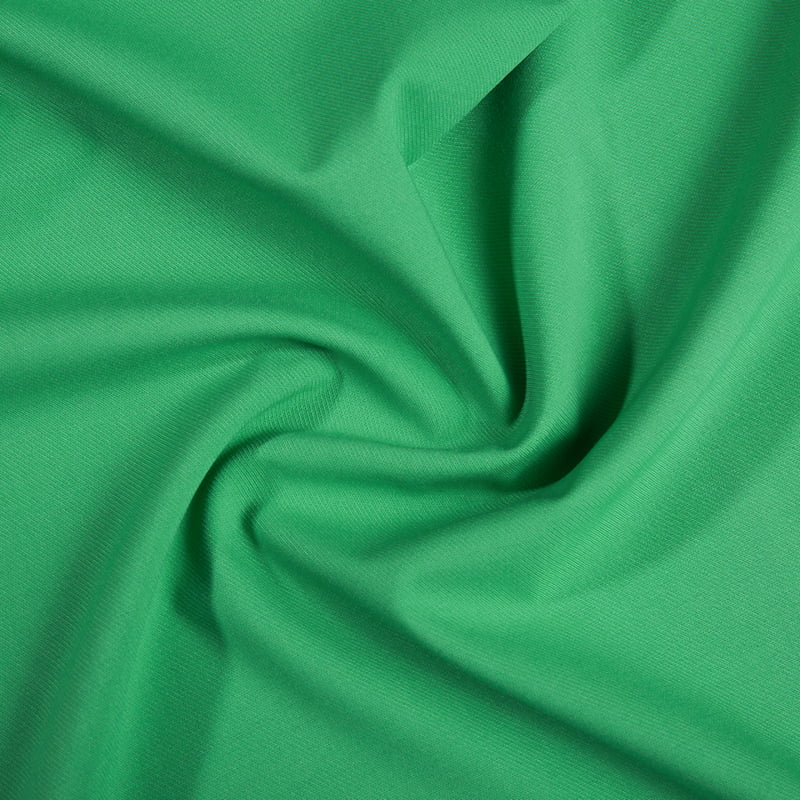
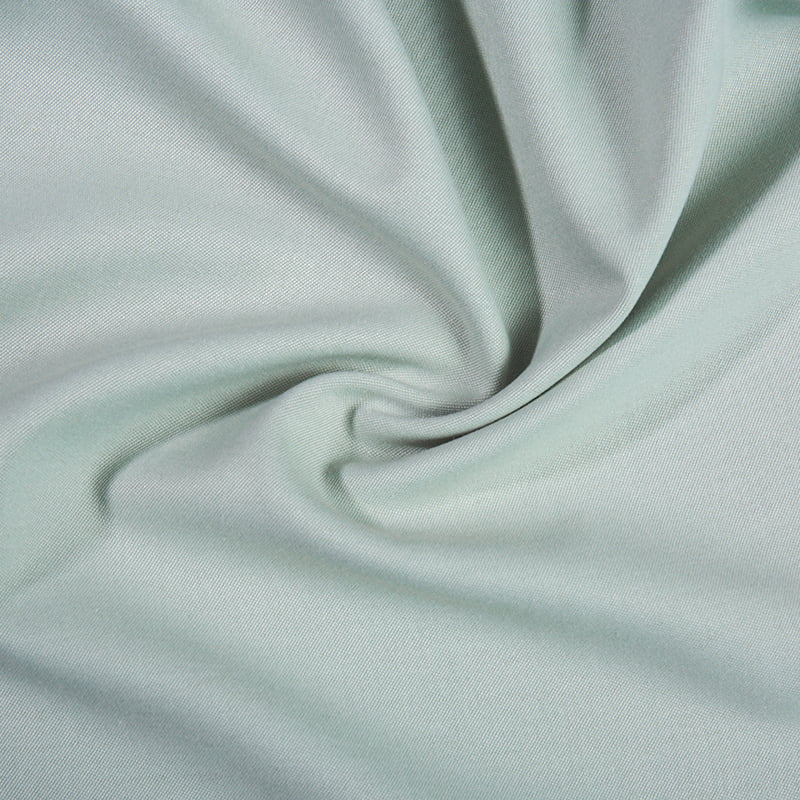
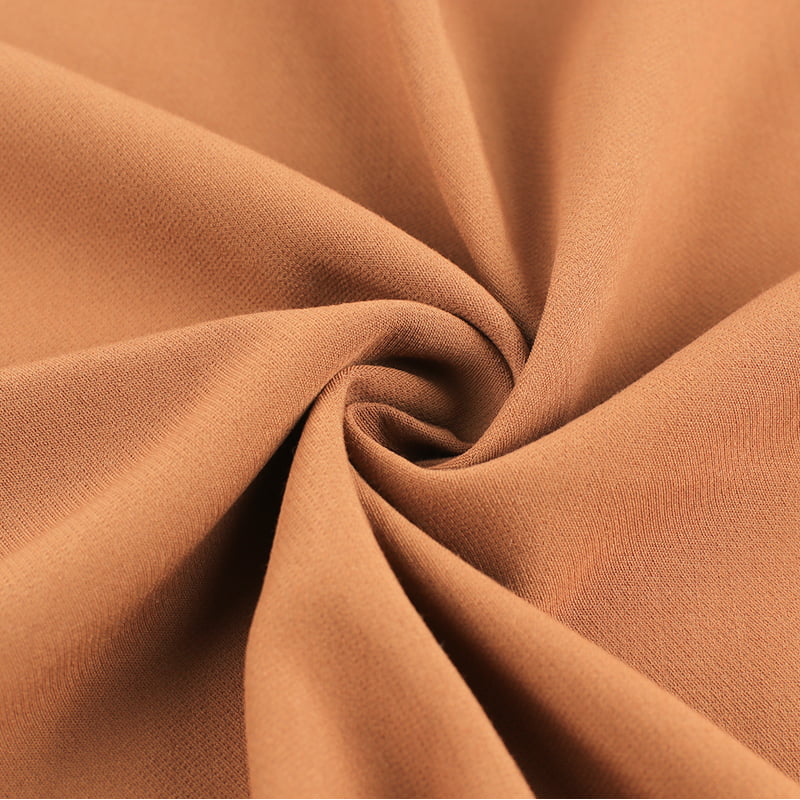
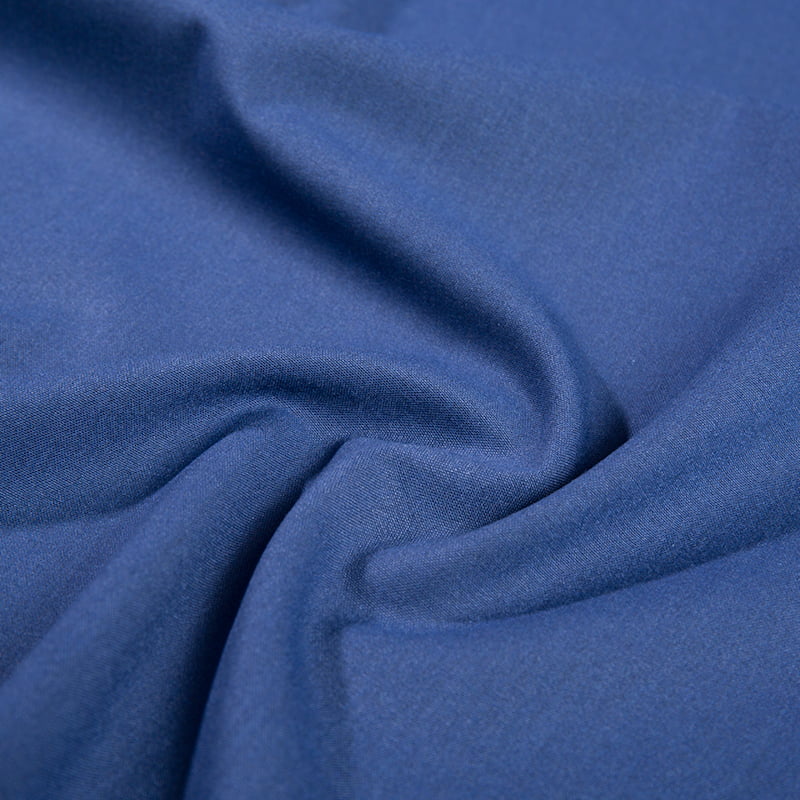
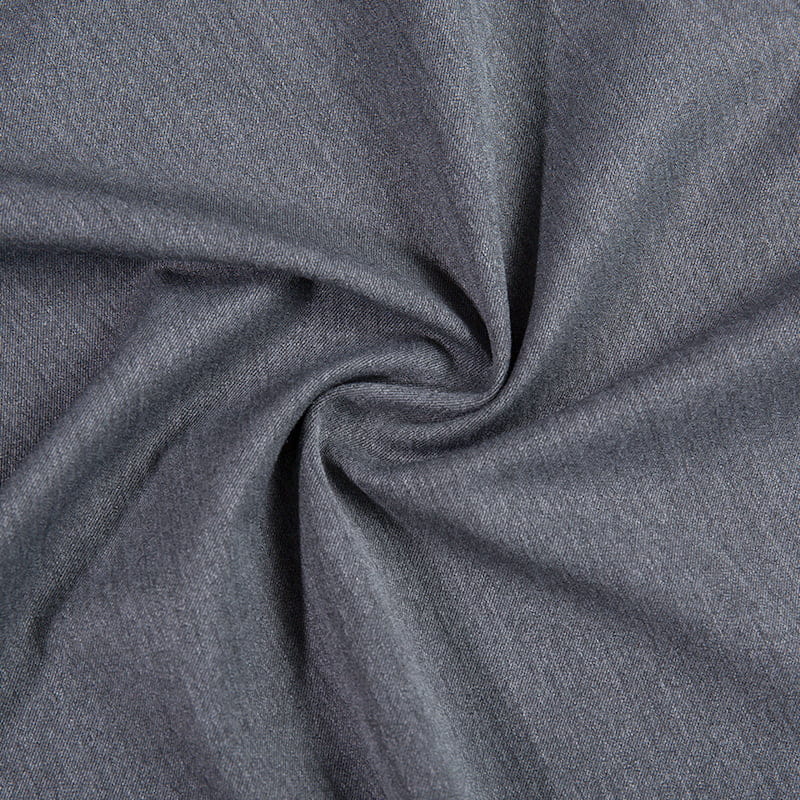
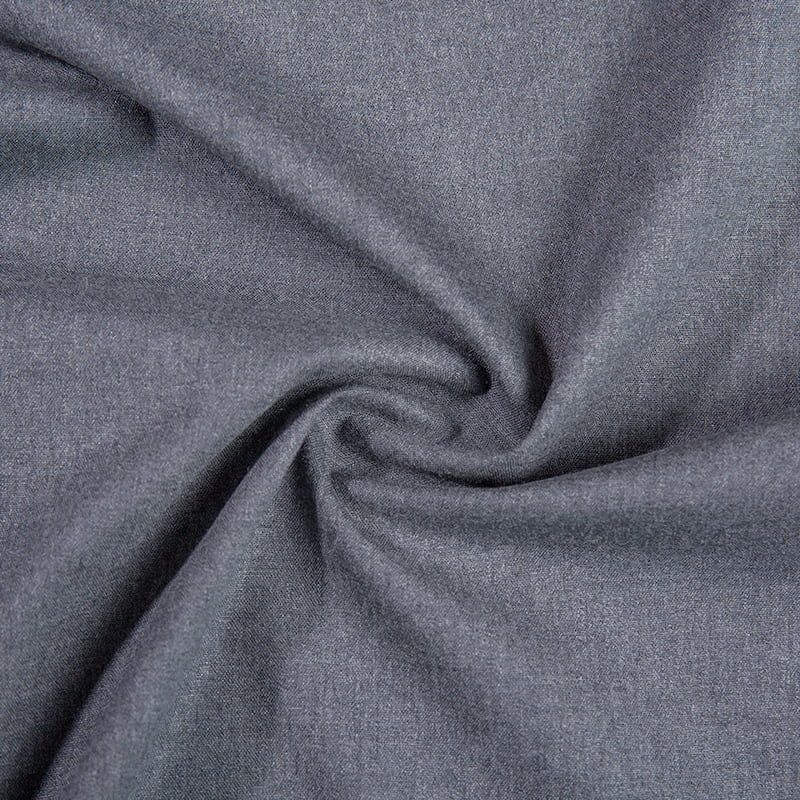
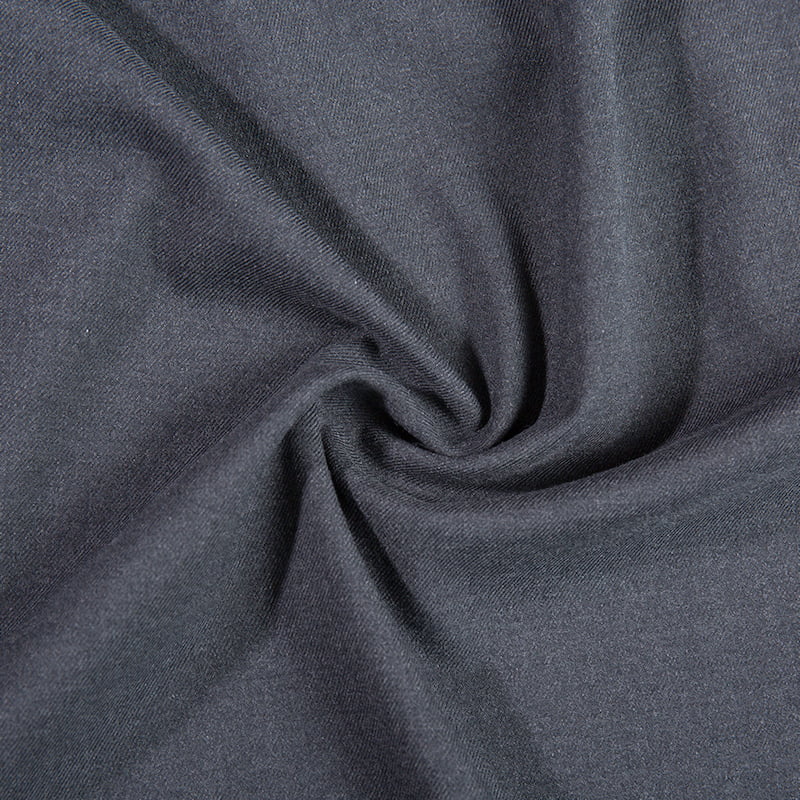
Open, even structure. Best airflow of the three constructions, suited to summer blazers and trousers where breathability outranks structure.
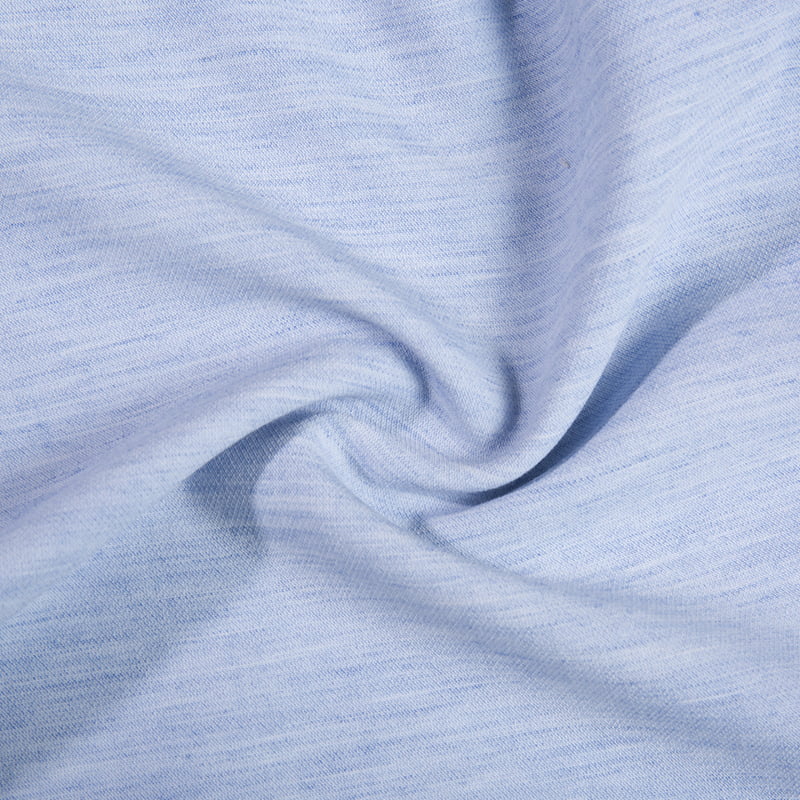
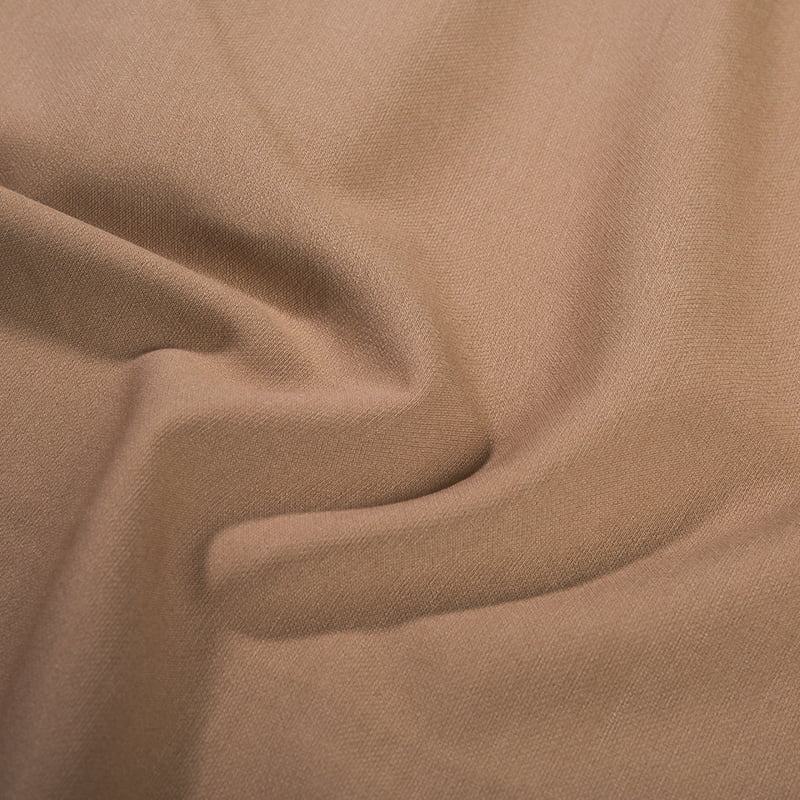
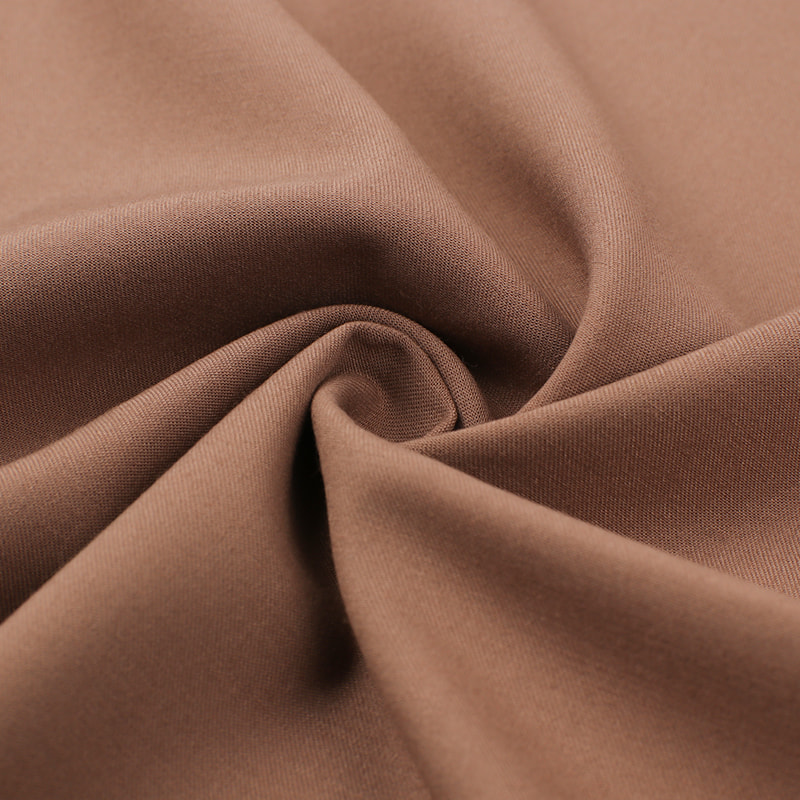
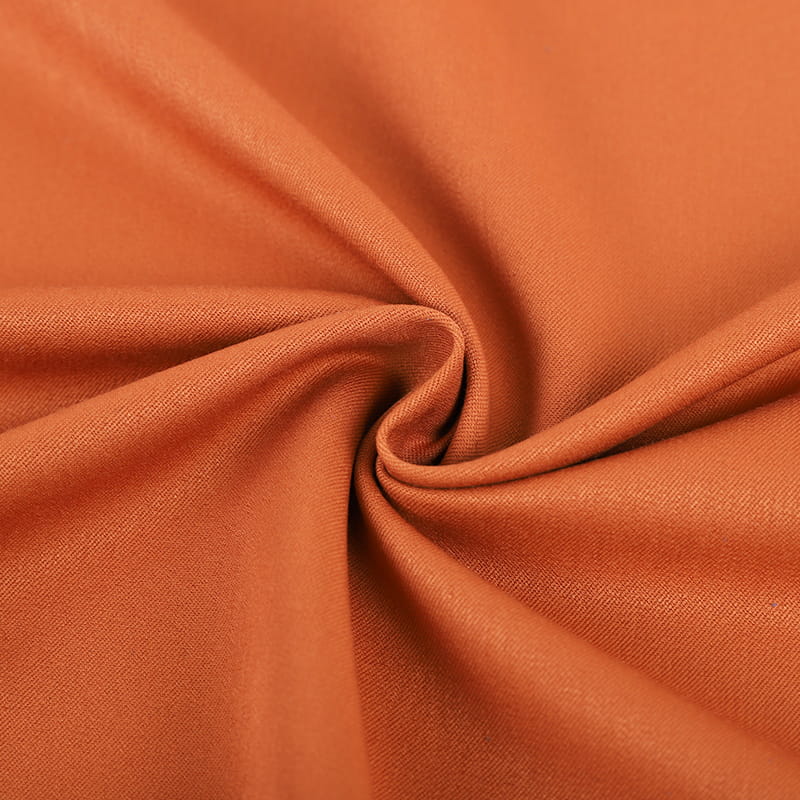
Diagonal rib gives more body and a sharper drape than plain weave while staying moderate in weight, making it the default for transitional and year-round orders.
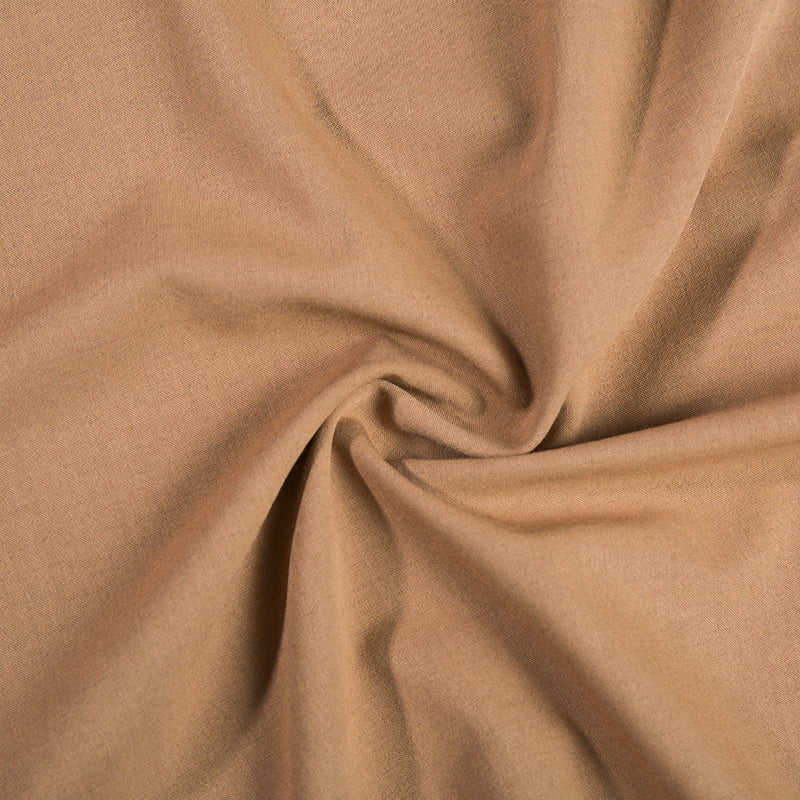
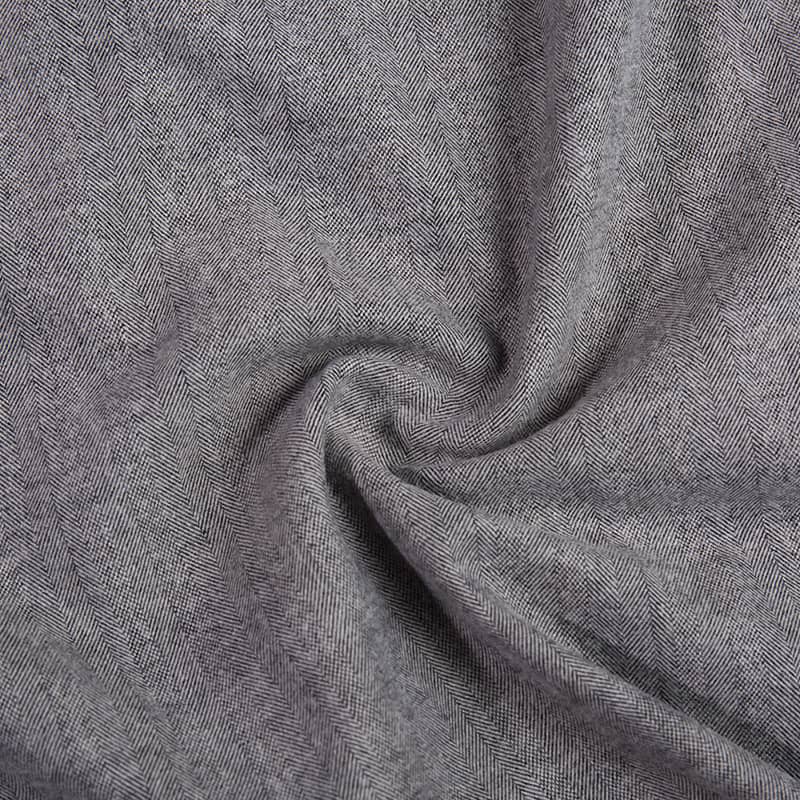
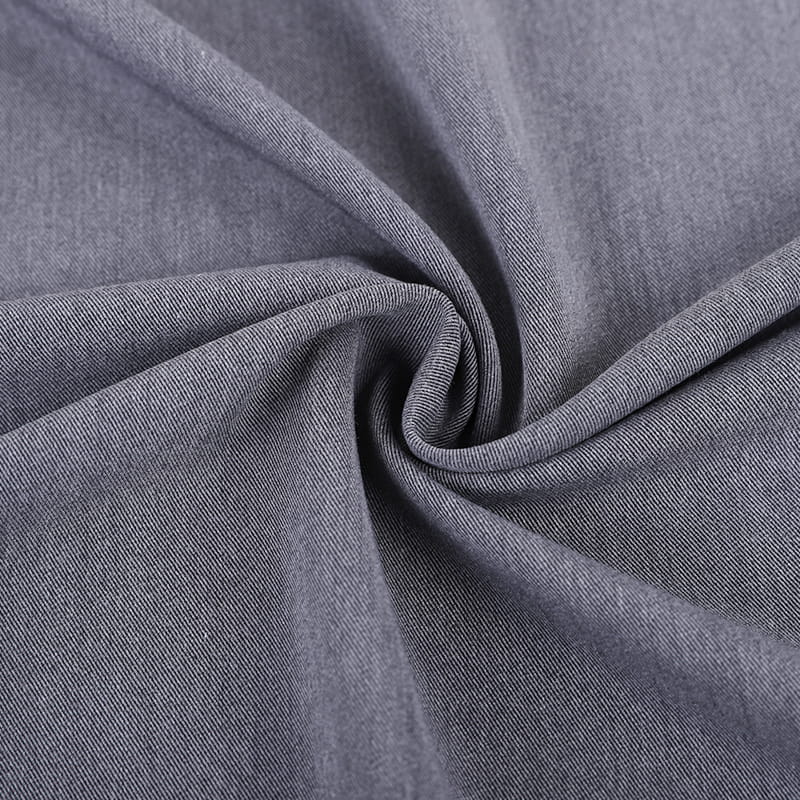
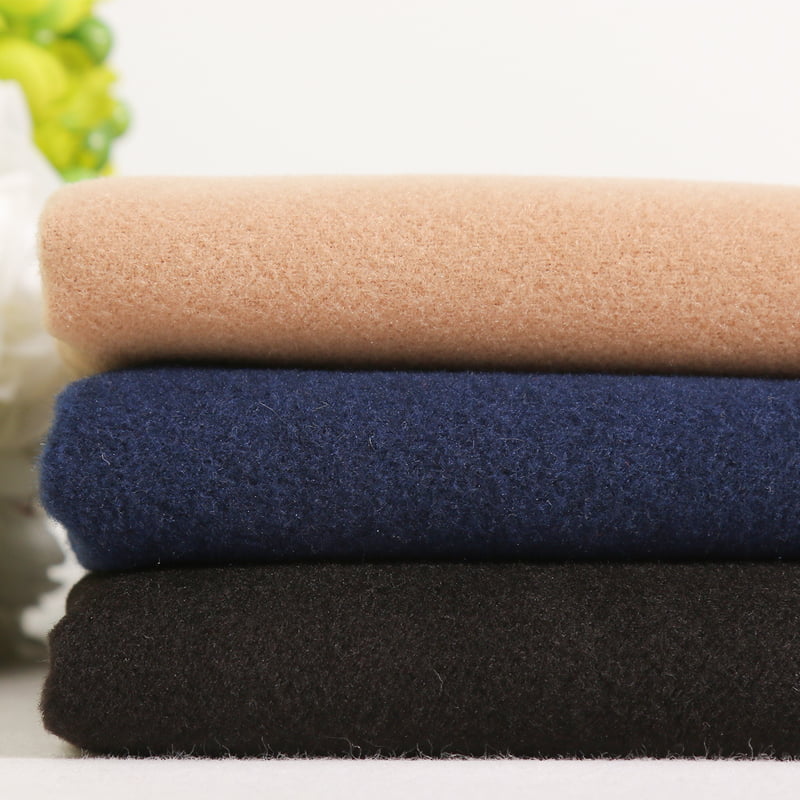
Denser, sometimes wool-blended construction that traps warmth. Reserved for winter blazers, coats, and cold-climate uniform programs.
Stretch ratio should be specified alongside weave. A 2-way stretch (width only) is standard for tailored blazers and trousers. A 4-way stretch, which adds vertical give, is increasingly requested for uniform and workwear programs where the wearer needs to move through a full shift, regardless of season.
Dyeing Method and Color Strategy for Seasonal Collections
Dyeing method affects color depth, surface texture, and how quickly a colorway can be produced. This matters to anyone comparing fabric options, not only to buyers placing bulk orders.
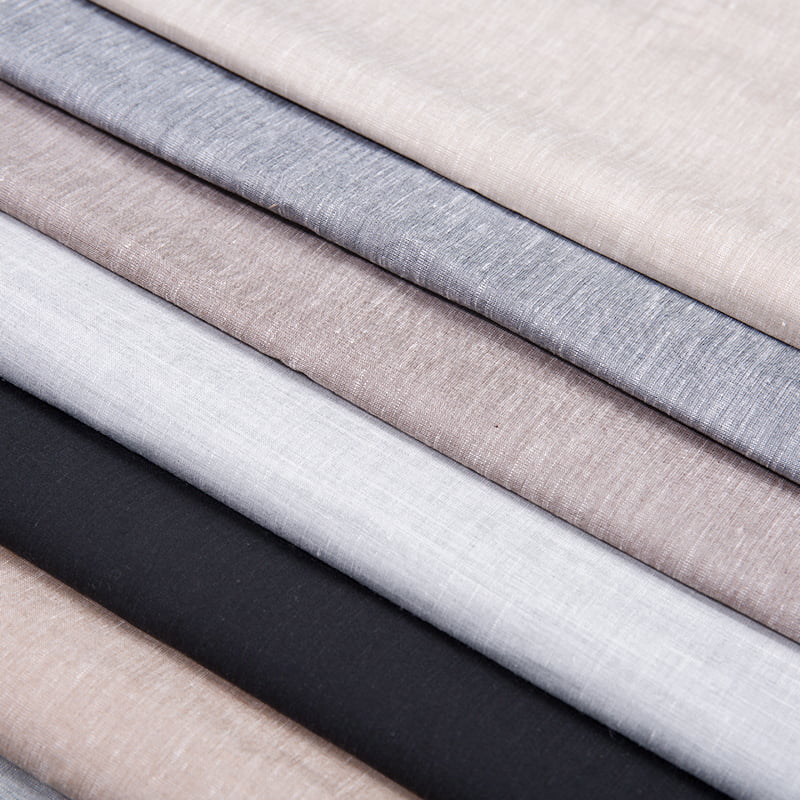
- Yarn-dyed fabric is dyed before weaving, giving strong color fastness and a slightly textured surface. It suits structured colorways such as pinstripe or check programs, but each color typically needs its own minimum order quantity.
- Top-dyed (piece-dyed) fabric is dyed after weaving, which shortens lead time and allows smaller-batch color changes. This is useful for buyers running multiple seasonal colorways from one base construction.
- Solid-dyed fabric offers the most consistent large-lot color matching and is the common choice for uniform and workwear programs that need repeat orders to match exactly across seasons.
For Brands and Manufacturers Sourcing in Bulk
The same weight, weave, and stretch principles apply at production scale, but a bulk order adds a few extra checks worth confirming with the supplier before cutting begins:
- GSM and construction are stated as numbers, not just a season name
- Color fastness has been tested against a recognized wash and light fastness standard
- Shrinkage tolerance is confirmed before bulk cutting begins
- Preproduction sample yardage is ordered ahead of peak seasonal lead times
- Minimum order quantity per colorway is clarified separately for yarn-dyed and top-dyed batches
Shaoxing Fuxing Textile and Technology Co., Ltd., established in 2022, specializes in polyester rayon (TR) and TR spandex suiting fabric, producing across the full weight and construction range covered in this guide. Working directly with a mill that focuses on this fabric family makes it easier to match weight and construction consistently across a seasonal collection, from lightweight summer twill to brushed winter double weave.
Frequently Asked Questions
What GSM is best for a summer suit fabric?
Most summer TR suiting fabric falls between 140 and 220 GSM, using a plain or open twill weave to maximize airflow.
Can TR fabric be used for winter suits?
Yes. Winter-weight TR suiting typically runs 270 to 360 GSM, often with a brushed face or wool blend and a denser double weave for added warmth and structure.
Is a heavier suit fabric always warmer?
Usually, but not entirely. Weave openness also affects insulation - a dense weave at a moderate weight can trap more warmth than an open weave at a slightly higher weight.
What is the difference between 2-way and 4-way stretch in suit fabric?
2-way stretch gives movement across the width of the fabric, which suits tailored blazers and trousers. 4-way stretch adds vertical give as well, which is useful for uniform and workwear fabric that needs to move with the wearer through a full shift.
Does dyeing method affect fabric performance, or only color?
Dyeing method mainly affects color depth, consistency, and surface texture rather than the fabric's weight or stretch performance, but it does influence lead time and minimum order quantity when sourcing in bulk.