
 English
 中文简体
中文简体 日本語
日本語 한국어
한국어 Español
 русский
Content
- 1 Why Fabric Is the Most Important Decision You Will Make
- 2 The Main Fabric Types Explained
- 3 Understanding Wool - Weaves, Weights, and Super Numbers
- 4 Choosing Fabric by Season and Climate
- 5 Matching Fabric to the Occasion
- 6 How to Assess Fabric Quality Before You Buy
- 7 Budget Considerations and Long-Term Value
- 8 Frequently Asked Questions
Why Fabric Is the Most Important Decision You Will Make
Before the cut, the lapel, or the color - fabric determines everything. The right fabric dictates how a suit drapes on your body, how long it survives daily wear, and how appropriate it looks in any setting. A brilliantly tailored suit in the wrong fabric will still disappoint; a simple silhouette in a beautiful wool can look extraordinary.
This guide walks you through every major fabric option, explains when and why to choose each one, and gives you a clear framework so you never buy the wrong suit again.
The Main Fabric Types Explained
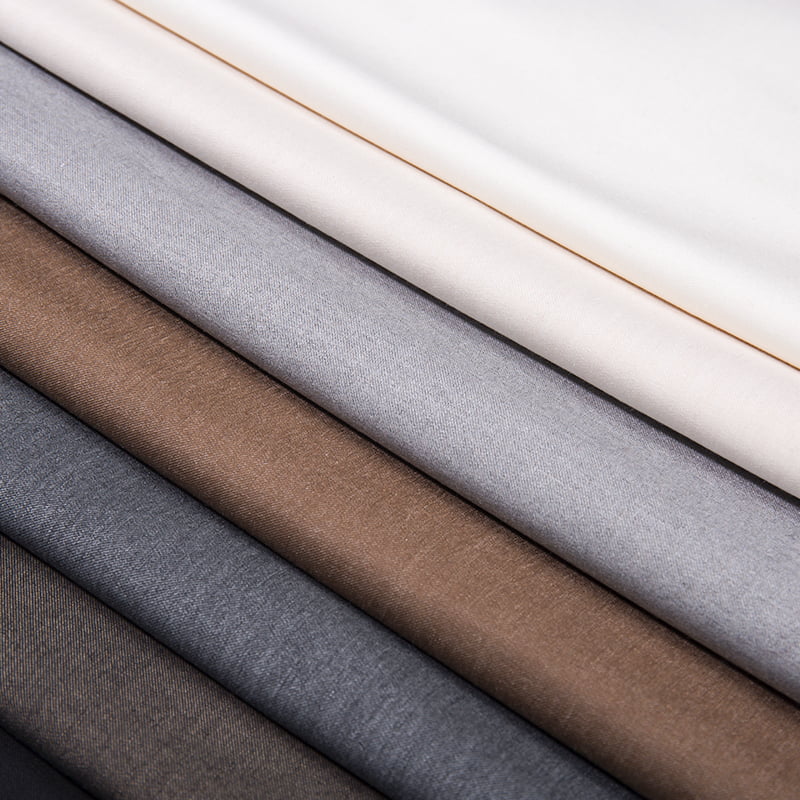
Each fabric family has a distinct character. Here is an honest breakdown of the most common options:
Wool
The gold standard. Breathable, resilient, and available in dozens of weights and weaves.
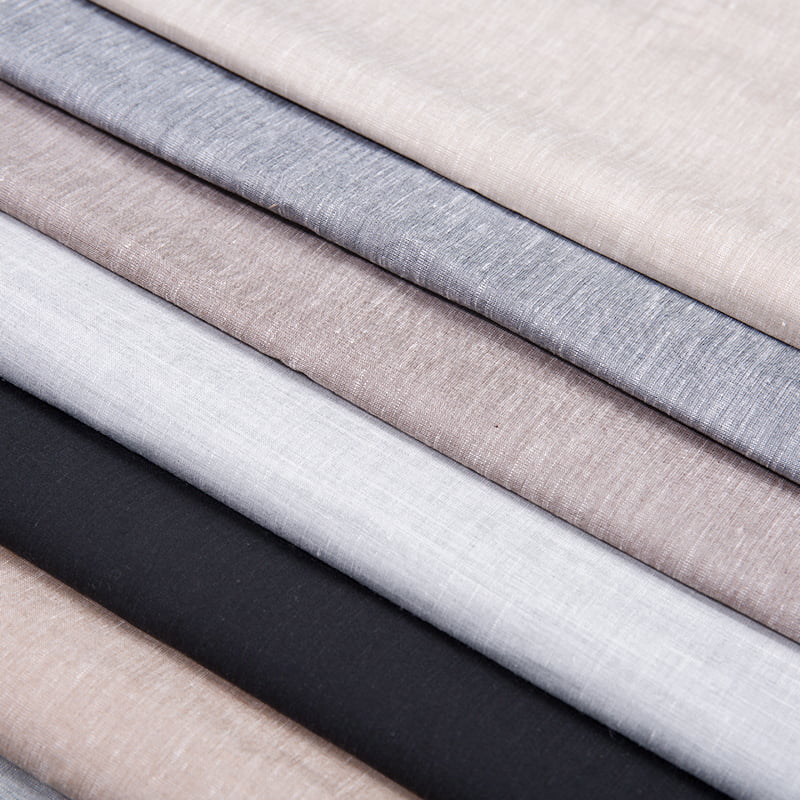
Linen
Light and airy, perfect for hot weather. Wrinkles easily - that is part of its charm.
Cotton
Comfortable and casual. Less structure than wool; best for smart-casual settings.
Cashmere
Ultra-soft and luxurious. Often blended with wool for durability and warmth.
Mohair
High sheen and lightness. Great for warm-weather suits with a dressed-up finish.
Blends
Wool-polyester or wool-linen mixes balance performance, cost, and seasonal versatility.
For most men, a wardrobe built around wool and wool blends is the most practical investment. Linen and cotton work well as warm-weather additions once the basics are covered.
Understanding Wool - Weaves, Weights, and Super Numbers
Wool alone covers a huge range of options. Three factors matter most: the weave, the weight, and the Super number.
Weave Types
| Weave | Texture | Best For | Durability |
| Plain Weave | Smooth, flat | Business suits, year-round | High |
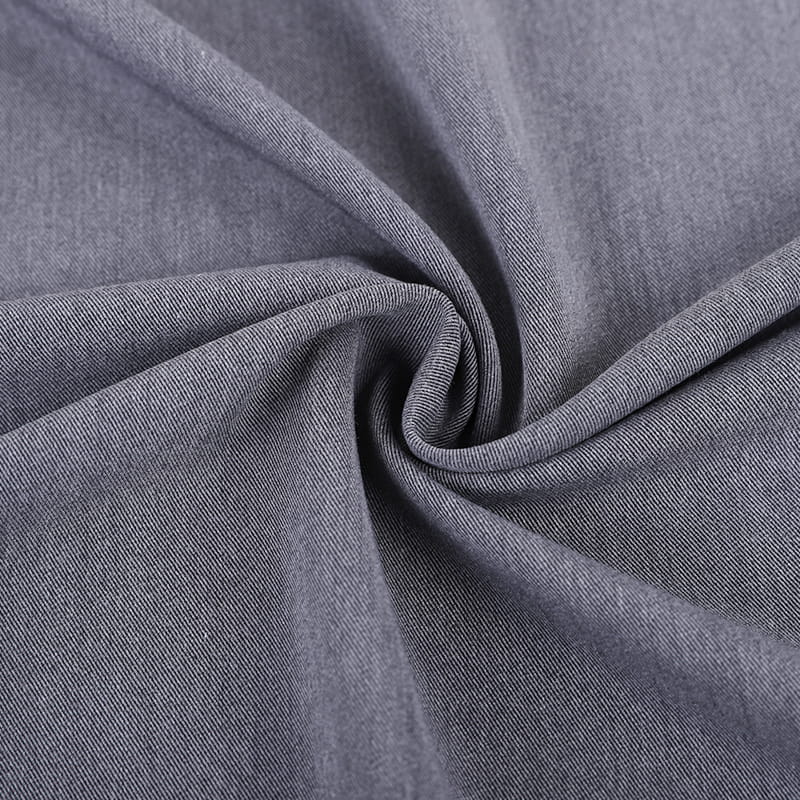
| Twill (Serge) | Diagonal rib | Navy and charcoal classics | Very High |
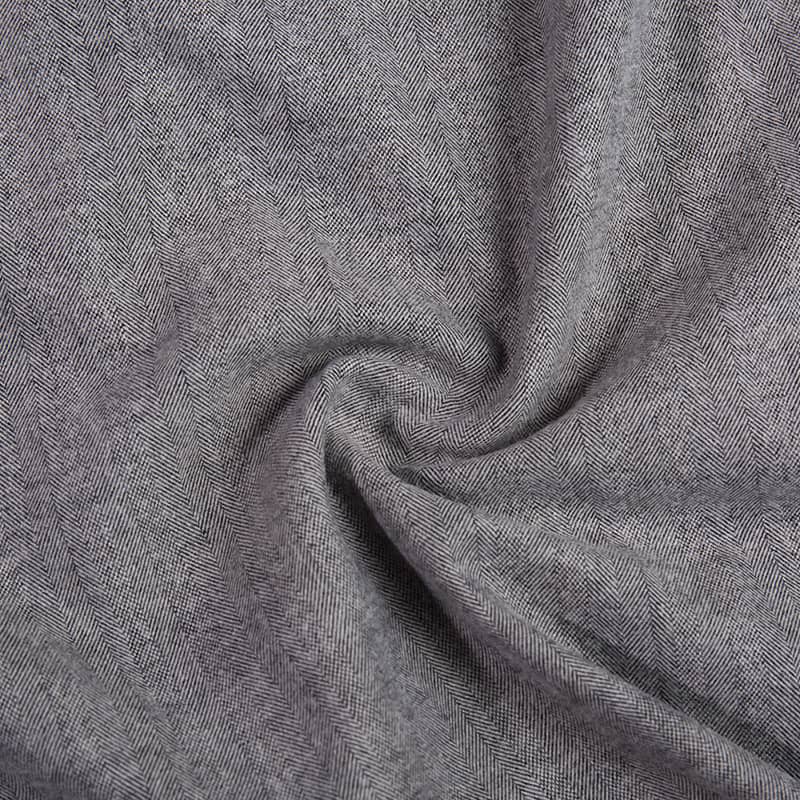
| Herringbone | V-pattern texture | Business casual, sport coats | High |
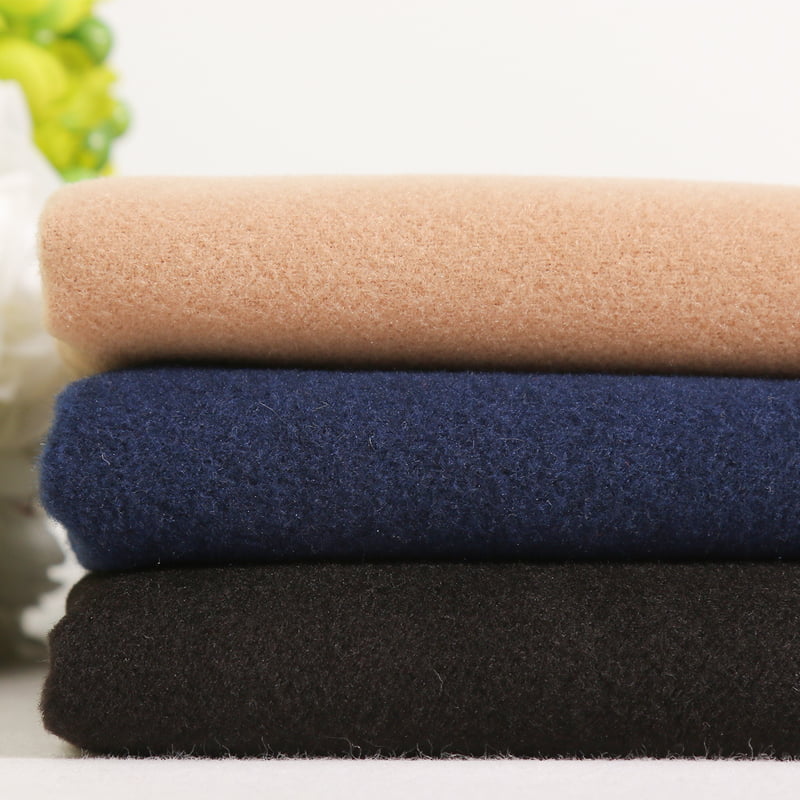
| Flannel | Soft, brushed | Autumn and winter suits | Medium |
| Hopsack | Open, airy | Summer business, travel | Medium |
Fabric Weight
Fabric weight is measured in ounces per yard (oz) or grams per square meter (gsm). As a general guide:
- 1.Lightweight (6-8 oz / 170-220 gsm) - Summer and warm climates; delicate but breathable
- 2.Mid-weight (9-11 oz / 250-310 gsm) - The year-round sweet spot for most men
- 3.Heavyweight (12+ oz / 340+ gsm) - Cold climates and winter wear; more structure and warmth
Super Numbers Decoded
You will often see labels like "Super 100s" or "Super 150s." This number refers to the fineness of the wool fiber. Higher Super numbers mean softer, finer fabric - but also less durability. Super 100s to 120s offer the best balance of softness and wearability for everyday suits. Super 150s and above are reserved for special occasions where the suit will not face heavy use.
Choosing Fabric by Season and Climate
Dressing well means dressing appropriately for the weather. Here is how to match fabric choice to the season:
Matching Fabric to the Occasion
The setting matters as much as the season. A boardroom suit and a summer wedding suit are entirely different garments.
| Occasion | Recommended Fabric | Avoid |
| Corporate / Business Formal | Worsted wool, twill, plain weave | Linen, heavy tweed |
| Business Casual | Cotton, wool-cotton blend, herringbone | Heavy flannel |
| Black Tie / Formal Events | Barathea wool, wool-mohair, silk blend | Tweed, casual cotton |
| Summer Wedding | Linen, tropical wool, hopsack | Heavy flannel, tweed |
| Casual / Smart Casual | Linen, cotton, soft tweed | Barathea, high-sheen wool |
How to Assess Fabric Quality Before You Buy
You do not need to be a textile expert to recognize quality. Use these practical tests and signals:
The Touch Test
Run the fabric between your fingers. High-quality wool feels smooth and even, with a slight spring-back when creased. If it feels scratchy or stiff, it is either low-grade wool or a poor synthetic blend.
The Recovery Test
Scrunch a corner of the fabric in your fist for five seconds and release. Quality wool recovers quickly with minimal creasing. Fabric that stays crumpled will look the same after a day of wear.
Labels and Certifications
Look for "Pure New Wool" or "100% Virgin Wool" on the label
The Woolmark logo indicates certified pure wool quality
Super 100s-130s is a reliable range for daily business wear
Named mill fabrics (from established English or Italian mills) indicate consistent quality standards
Synthetic Blends - When They Work
A small percentage of synthetic fiber (typically 5-15% polyester or nylon) can improve durability and reduce cost without significantly affecting comfort or appearance. Blends over 30% synthetic tend to lose the breathability and drape that makes natural-fiber suits worth wearing.
Budget Considerations and Long-Term Value
Price and quality correlate more consistently in fabric than almost anywhere else in menswear. That said, spending more is not always necessary - it depends on how often you will wear the suit.
| Usage | Recommended Investment | Best Fabric Choice |
| Daily office wear (5x/week) | Invest heavily in fabric quality | Super 100s-110s worsted wool |
| Regular business (2-3x/week) | Mid-range, quality blend acceptable | Wool or wool-polyester blend |
| Occasional events (weddings etc.) | Moderate - condition over durability | Super 120s-150s or mohair blend |
| One suit for everything | Invest in one great fabric | Mid-weight pure wool, navy or charcoal |
Frequently Asked Questions
What is the best fabric for a first suit?
For a first suit, mid-weight pure wool in navy or charcoal is the safest and most versatile choice. A plain weave or twill in the 9-11 oz range works for most occasions throughout the year and holds its shape well with regular wear.
Is linen suitable for formal business settings?
Generally, linen is too casual for formal corporate environments. Its relaxed texture and natural wrinkling read as smart-casual at best. Reserve linen suits for warm-weather social events, summer weddings, or creative and casual workplaces where a relaxed aesthetic is acceptable.
What does a higher Super number actually mean in practice?
A higher Super number (Super 150s vs Super 100s) means finer, softer wool fiber. In practice, this means the fabric feels more luxurious against the skin but is also more delicate and prone to pilling or wear with frequent use. For everyday suits, Super 100s to 120s is the sensible range.
Can I wear a wool suit in summer?
Yes - with the right wool. Lightweight tropical wool (6-8 oz, loosely woven) is specifically designed for warm weather. It breathes better than many people expect. Mohair blends and open-weave hopsack woolens are also excellent summer options that maintain a sharp look in the heat.
How do I care for a wool suit to make it last?
Hang your suit on a shaped wooden hanger after each wear. Brush gently with a suit brush to remove surface dust. Allow at least one full day of rest between wears. Dry clean sparingly - no more than once or twice per year - as frequent dry cleaning gradually degrades the wool fibers. Steam pressing is gentler than ironing and helps recover the shape between cleans.
Are polyester or synthetic suits worth buying?
A fully synthetic suit can work for very occasional wear at a low price point, but it will not breathe or drape as naturally as wool, and it tends to look noticeably cheaper up close. A better approach is a quality wool-polyester blend (80/20 or 70/30), which offers improved durability and wrinkle resistance while retaining most of the natural fabric's appearance and comfort.
What is the difference between worsted and woolen fabric?
Worsted wool uses long fibers that are combed parallel before spinning, resulting in a smooth, flat-faced fabric ideal for sharp business suits. Woolen fabric uses shorter, carded fibers that give a softer, fuzzier texture - typical of flannels and tweeds. Worsted is better for structured formal suits; woolen works well for casual and cold-weather styles.