
 English
 中文简体
中文简体 日本語
日本語 한국어
한국어 Español
 русский
Content
- 1 Understanding Suit Fabric Weight: What the Numbers Mean
- 2 Lightweight Suit Fabrics: Summer Performance
- 3 Mid-Weight Suit Fabrics: The All-Season Workhorse
- 4 Heavyweight Suit Fabrics: Winter Authority
- 5 Side-by-Side Comparison: Fabric Weight Across Key Attributes
- 6 Climate and Lifestyle: Matching Fabric Weight to Your Reality
- 7 How Fabric Weight Affects Care and Longevity
- 8 Frequently Asked Questions About Suit Fabric Weight
- 9 Conclusion: Weight Is the Foundation of Seasonal Dressing
Suit fabric weight directly determines how comfortable and appropriate a suit is for a given season. Measured in grams per meter squared (GSM) or ounces per yard, fabric weight governs breathability, insulation, drape, and durability. Lightweight suit fabric (under 200 GSM) excels in summer heat, mid-weight suit fabric (200–280 GSM) transitions smoothly between seasons, and heavyweight suit fabric (above 280 GSM) provides warmth and structure in cold months. Choosing the right weight is the single most important factor in building a seasonally versatile wardrobe.
Understanding Suit Fabric Weight: What the Numbers Mean
Fabric weight is the standardized metric tailors and manufacturers use to classify textiles. In modern suiting, weight is almost universally expressed in GSM (grams per square meter). Some heritage clothiers still use ounces per linear yard (oz/yd), but the principle is identical — the heavier the fabric, the denser, warmer, and more structured the resulting suit.
The weight of a suit fabric depends on three variables: the raw fiber used (wool, linen, cotton, synthetic blends), the yarn count (how finely the fibers are spun), and the weave structure (plain, twill, herringbone, etc.). A finely spun Super 150s wool can produce a lightweight, silky fabric despite wool's reputation for warmth, while a coarse-spun tweed remains heavy even in thinner cuts.
The Three Core Weight Categories
| Weight Category | GSM Range | Oz/Yd Range | Best Season | Common Fabrics |
| Lightweight | < 200 GSM | < 6 oz | Summer | Linen, Fresco, Tropical Wool |
| Mid-weight | 200–280 GSM | 6–9 oz | Spring / Autumn | Worsted Wool, Cotton, Flannel (light) |
| Heavyweight | > 280 GSM | > 9 oz | Winter | Tweed, Heavy Flannel, Cashmere Blends |
Lightweight Suit Fabrics: Summer Performance
When temperatures climb, lightweight suit fabric is non-negotiable for anyone who wishes to remain both polished and physically comfortable. Fabrics in this range are engineered for air circulation and moisture management — properties that prevent the overheating and visible perspiration that heavier cloths invariably produce.
Top Lightweight Suit Fabrics for Summer
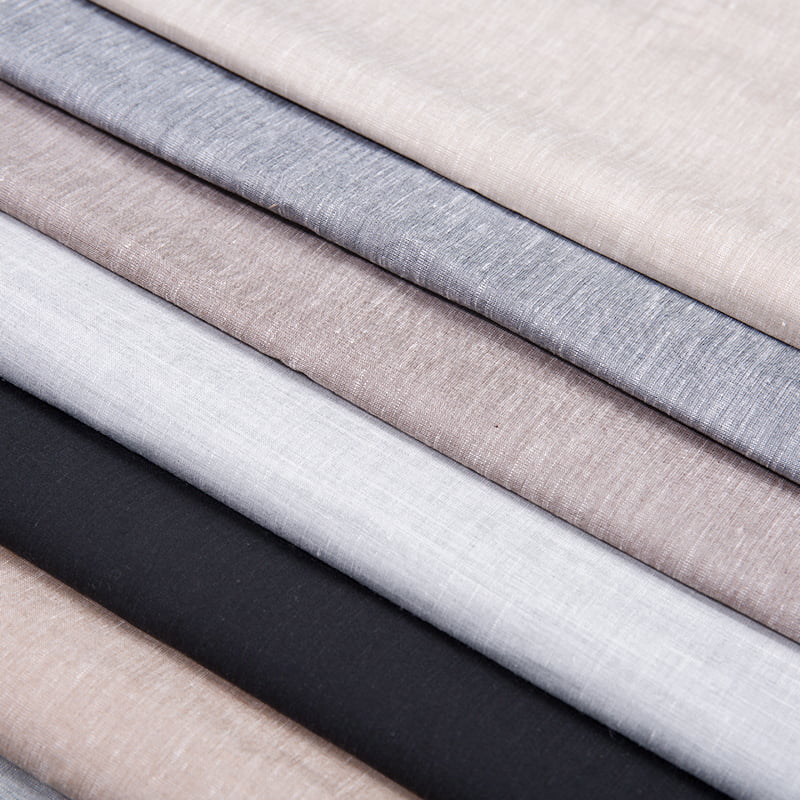
- Linen (130–180 GSM): The definitive summer suit fabric. Linen's hollow-core fibers conduct heat away from the body exceptionally well. Its characteristic texture and natural tendency to wrinkle are now widely accepted as part of its relaxed, warm-weather character.
- Tropical Wool (160–200 GSM): Woven with an open structure using fine merino yarns, tropical wool achieves the breathability of linen with the sharper drape and crease resistance of wool — a compelling choice for business settings in humid climates.
- Fresco (170–200 GSM): A high-twist open-weave worsted fabric with a slightly rough hand. Its texture creates air pockets that dramatically improve ventilation, making fresco one of the most functional hot-weather suit fabrics available.
- Cotton Seersucker (150–180 GSM): Its puckered weave keeps the fabric away from the skin, improving airflow. Seersucker suits are a staple of warm-climate professional dress with roots in classic American suiting tradition.
The trade-off with very lightweight suit fabric is structural: suits under 160 GSM may lack the body and drape of heavier cloths, and some require more careful pressing and handling to maintain a sharp appearance throughout the day.
Mid-Weight Suit Fabrics: The All-Season Workhorse
Mid-weight suit fabrics occupy the sweet spot of the suiting spectrum. They provide enough structure for professional settings while remaining comfortable across a wider temperature range than either extreme. For most men building a core wardrobe, investing in one or two mid-weight suits delivers the best cost-per-wear ratio.
Best Mid-Weight Options
- Worsted Wool (200–260 GSM): The benchmark mid-weight fabric. Smooth, resilient, and easy to care for, worsted wool drapes beautifully and suits both formal and business contexts. Super 100s to Super 130s sit comfortably in this range.
- Wool-Silk Blends (200–240 GSM): Adding silk to wool reduces weight while improving sheen and drape. These blends excel in spring and early autumn, bridging the gap between lightweight and standard suiting.
- Wool-Cotton Blends (210–260 GSM): A practical everyday choice. The cotton component adds breathability and reduces cost; the wool provides structure and wrinkle recovery.
- Light Flannel (240–270 GSM): Lighter flannel iterations bridge the gap between mid-weight and heavyweight. They offer the characteristic soft hand of flannel without excessive warmth, making them excellent for autumn wear.
Heavyweight Suit Fabrics: Winter Authority
Heavyweight suit fabrics prioritize insulation, durability, and visual substance. These cloths carry a gravitas — a visual weight — that lighter fabrics simply cannot replicate. In formal winter settings, a well-cut suit in a robust heavy flannel or tweed commands immediate respect.
Premier Heavyweight Suit Fabrics
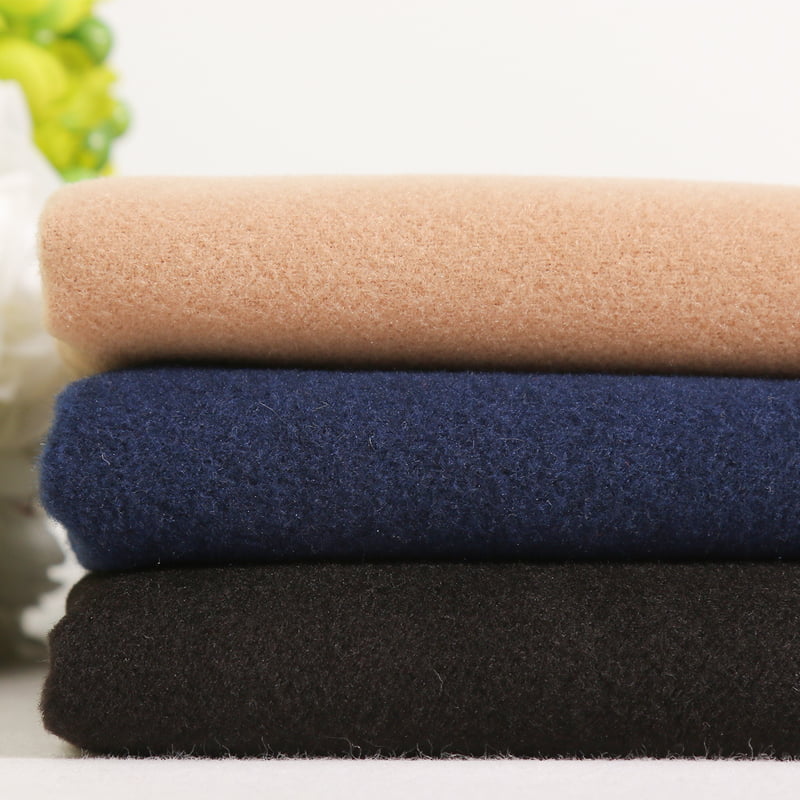
- Heavy Flannel (280–340 GSM): The quintessential winter suiting fabric. Flannel's napped finish traps warm air close to the body and develops a rich patina with wear. Charcoal flannel is widely regarded as the most authoritative suit choice for cold formal occasions.
- Tweed (300–450 GSM): A traditional British fabric woven from coarse wool, typically associated with country pursuits but increasingly adapted for urban tailoring. Its dense weave makes it exceptionally wind-resistant and durable.
- Cashmere Blends (260–320 GSM): Cashmere added to wool produces a softer hand and improved insulation without significant added weight. These blends offer winter warmth with a luxurious drape that pure heavy wool cannot match.
- Barleycorn & Houndstooth Wools (280–350 GSM): Textured weaves with visual interest, ideal for business-casual winter suiting where pattern and personality are valued alongside warmth.
Side-by-Side Comparison: Fabric Weight Across Key Attributes
| Attribute | Lightweight (<200 GSM) | Mid-weight (200–280 GSM) | Heavyweight (>280 GSM) |
| Breathability | Excellent | Good | Low |
| Insulation | Low | Moderate | Excellent |
| Structure / Drape | Soft, flowing | Balanced | Firm, substantial |
| Wrinkle Resistance | Lower (esp. linen) | High | Very High |
| Durability | Moderate | Good | Excellent |
| Seasonal Versatility | Summer only | Spring–Autumn | Winter only |
| Formality Ceiling | Business Casual | Business Formal | Formal / Black Tie |
Climate and Lifestyle: Matching Fabric Weight to Your Reality
Seasonal calendars are a useful starting point, but your local climate and lifestyle demands should ultimately dictate your suit fabric choices. A person working in a climate-controlled office in a temperate city faces vastly different requirements from someone who commutes outdoors in a humid coastal city or a cold continental region.
Climate-Based Recommendations
- Hot and Humid Climates (e.g., Southeast Asia, Gulf states, Southern US): Prioritize linen, fresco, and tropical wool year-round. Even winter months rarely demand fabric above 220 GSM.
- Temperate Climates with Distinct Seasons (e.g., UK, Northern Europe, East Asia): A rotation of lightweight summer suits and mid-to-heavyweight winter suits covers the full calendar. Mid-weight worsted wool suits serve as the essential bridge garment.
- Cold Continental Climates (e.g., Canada, Scandinavia, Central Europe in winter): Heavyweight fabrics are essential from October through March. Flannel and cashmere blends are worth the investment for anyone regularly dressing formally in these conditions.
- Indoor-Dominant Professionals: Office air conditioning complicates seasonal choices. Many men working in heavily air-conditioned environments find mid-weight fabrics comfortable year-round regardless of outdoor temperatures.
How Fabric Weight Affects Care and Longevity
Beyond comfort, suit fabric weight influences how a garment should be maintained and how long it will last. Heavier fabrics tend to be more forgiving of daily wear but require more deliberate storage. Lighter fabrics demand more careful handling but are often faster to dry and easier to press.
- Lightweight suits should be hung on wide-shouldered hangers immediately after wear and allowed to air out before pressing. Linen especially benefits from light steaming rather than hard pressing to avoid flat, lifeless creases.
- Mid-weight suits are the most forgiving. Worsted wool recovers well from light creasing when hung properly overnight. These suits can tolerate more frequent wear — up to twice weekly with proper rotation — without accelerated deterioration.
- Heavyweight suits, particularly tweed and flannel, should be brushed after each wear to remove dust and surface debris. They benefit from cedar-block storage to manage moisture and deter moths, and they reward infrequent dry cleaning to preserve the nap and natural lanolin in the wool fibers.
Frequently Asked Questions About Suit Fabric Weight
Q: What is the best all-year suit fabric weight?
Mid-weight worsted wool between 220–260 GSM is widely considered the most versatile suit fabric weight. It handles mild cold through warm spring days comfortably and maintains a professional silhouette across formal and business settings.
Q: Is a 200 GSM suit good for summer?
It depends on the fiber and weave. A 200 GSM fresco or open-weave wool is far more breathable than a 200 GSM tightly woven fabric. For genuine summer comfort, aim for fabrics specifically marketed as tropical weave, fresco, or linen blends even at similar weights.
Q: Can I wear a heavyweight suit in mild weather?
Technically yes, but it will be uncomfortable above approximately 15°C (59°F). Heavyweight suit fabric is engineered to trap warmth — which becomes a liability rather than a virtue in mild or warm conditions.
Q: Does Super number (Super 100s, 150s) relate to weight?
Not directly. Super numbers measure fiber fineness (micron count), not fabric weight. A Super 150s cloth can be woven into either a lightweight summer fabric or a heavier winter fabric depending on the yarn density and construction. Both weight and Super number matter, but they are independent specifications.
Q: How many suits do I need to cover all seasons?
Three suits cover most men's seasonal needs effectively: one lightweight summer suit (linen or tropical wool), one mid-weight suit for the transitional months (worsted wool around 240 GSM), and one heavyweight winter suit (flannel or cashmere blend). Those in extreme climates or with demanding dress codes may benefit from expanding each category.
Q: What is the lightest acceptable suit fabric for a formal event in summer?
Tropical wool between 160–200 GSM provides the minimum structure appropriate for formal occasions in summer. Pure linen, while cooler, carries a relaxed character better suited to weddings and garden parties than boardrooms or galas.
Conclusion: Weight Is the Foundation of Seasonal Dressing
Understanding suit fabric weight is not a peripheral concern for the detail-obsessed — it is the foundational framework around which every other suiting decision should be made. Color, pattern, cut, and construction all matter, but a beautifully cut suit in the wrong weight fabric will leave you either sweating in summer or shivering in winter regardless of how well it fits.
The ideal approach is to treat your suit wardrobe like a capsule collection organized by weight: lightweight suit fabrics for the heat, mid-weight workhorses for the majority of the year, and one or two heavyweight anchors for the coldest months. This architecture ensures you always have a contextually appropriate, comfortable, and seasonally correct option available — the hallmark of genuinely considered personal style.
When in doubt, ask your tailor for a fabric swatch and hold it to the light — the structure, density, and hand of a suit fabric tell you everything about how it will perform across the seasons.