
 English
 中文简体
中文简体 日本語
日本語 한국어
한국어 Español
 русский
Content
- 1 Why It Matters: 100% Wool vs. Wool Blends
- 2 Method 1 - Read the Fabric Label or Composition Tag
- 3 Method 2 - The Burn Test
- 4 Method 3 - Hand Feel and Drape Assessment
- 5 Method 4 - Visual and Microscopic Inspection
- 6 Method 5 - Water Absorption Test
- 7 What to Ask Your Fabric Supplier
- 8 Quick Reference: Summary of Identification Methods
- 9 Final Thoughts
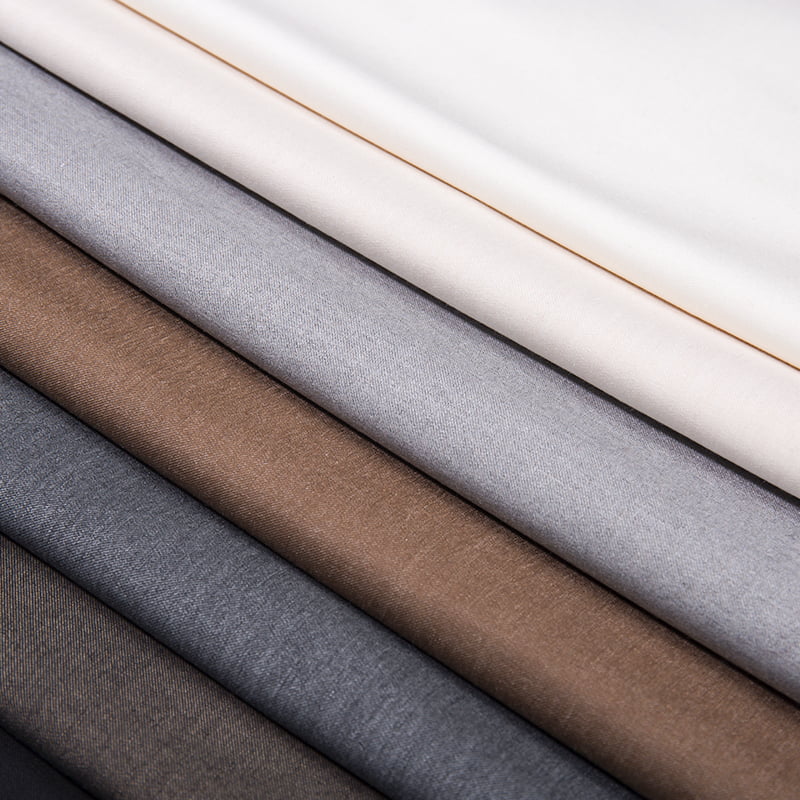
Identifying whether a suit fabric is truly 100% wool is a critical skill for B2B buyers, garment manufacturers, and brand owners. The most reliable combination of methods includes label verification, the burn test, hand feel assessment, and microscopic fiber inspection. No single method is foolproof on its own - using two or three together gives you a confident answer before committing to a bulk order.
Why It Matters: 100% Wool vs. Wool Blends
Suit fabrics come in a range of fiber compositions, each suited to different end uses and budget requirements. Many suit fabrics on the market are wool blends - commonly combined with polyester, viscose, or other fibers - offering different performance characteristics and price points. For B2B buyers, understanding the composition helps match the right fabric to the right product line.
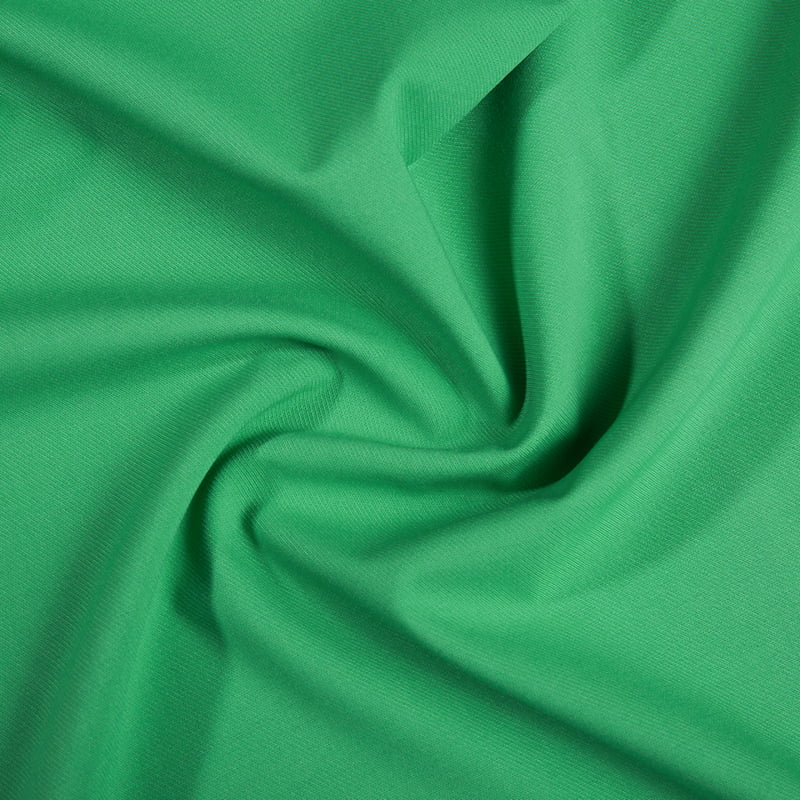
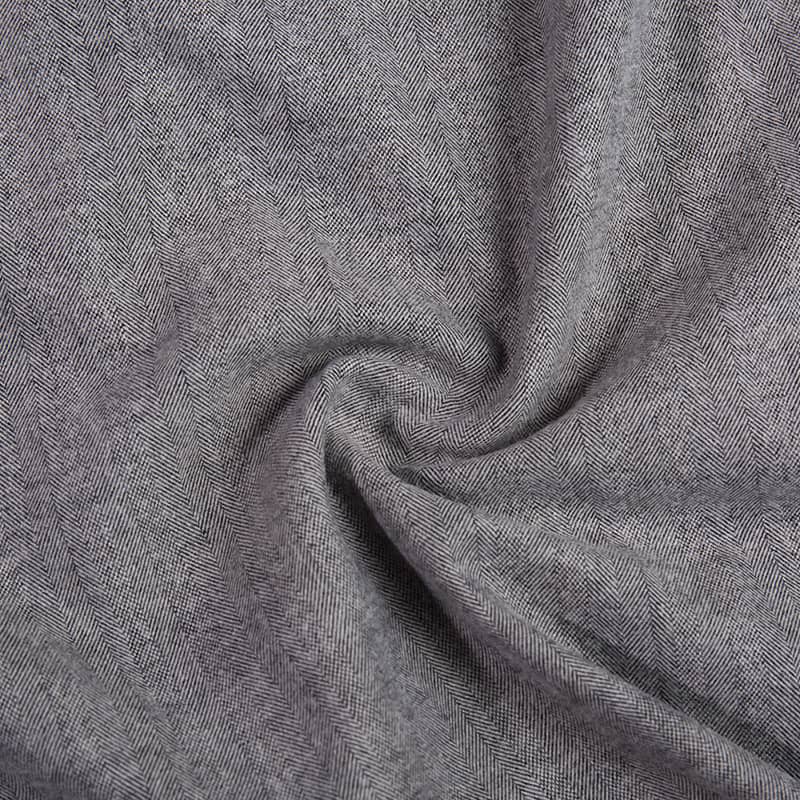
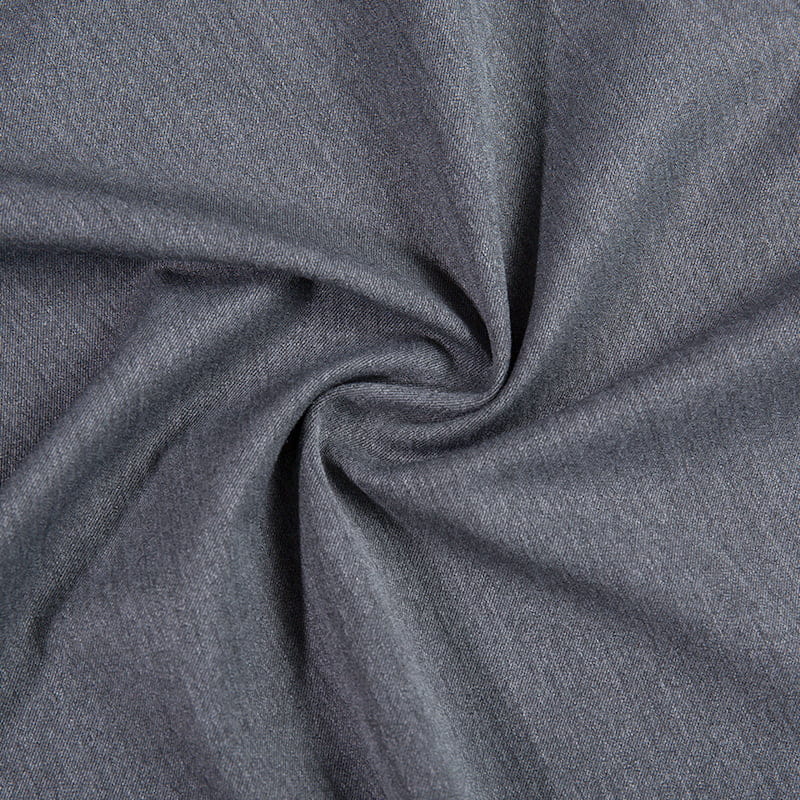
Natural temperature regulation, classic drape and hand feel, well-suited to luxury and formal tailoring
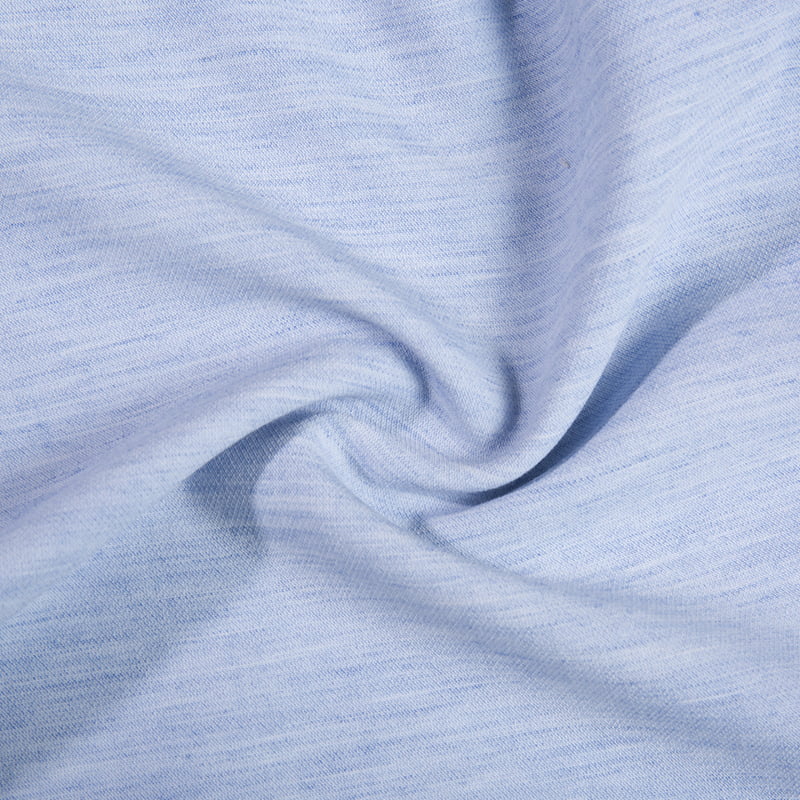
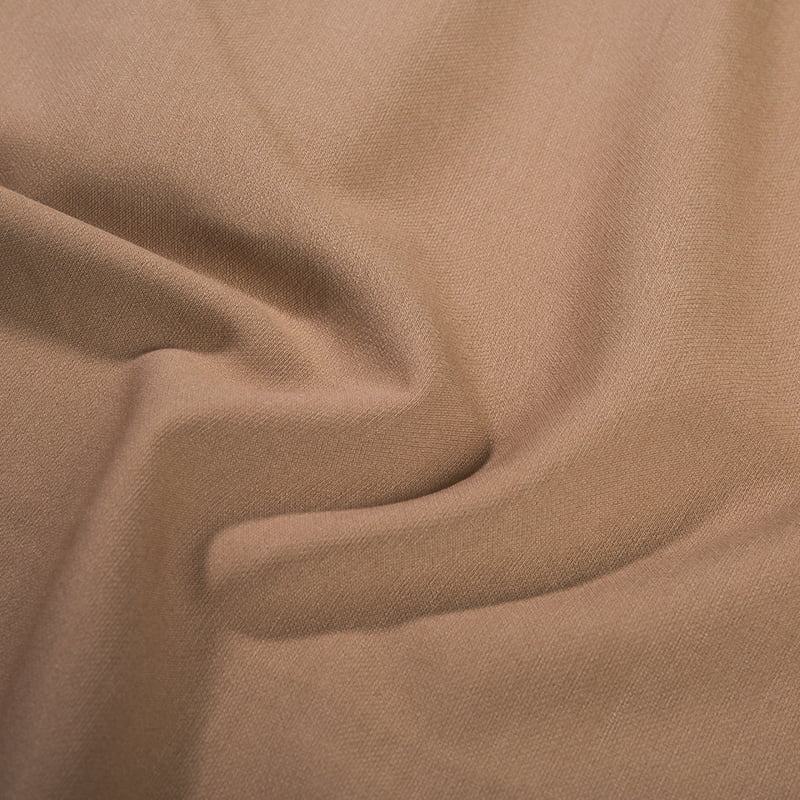
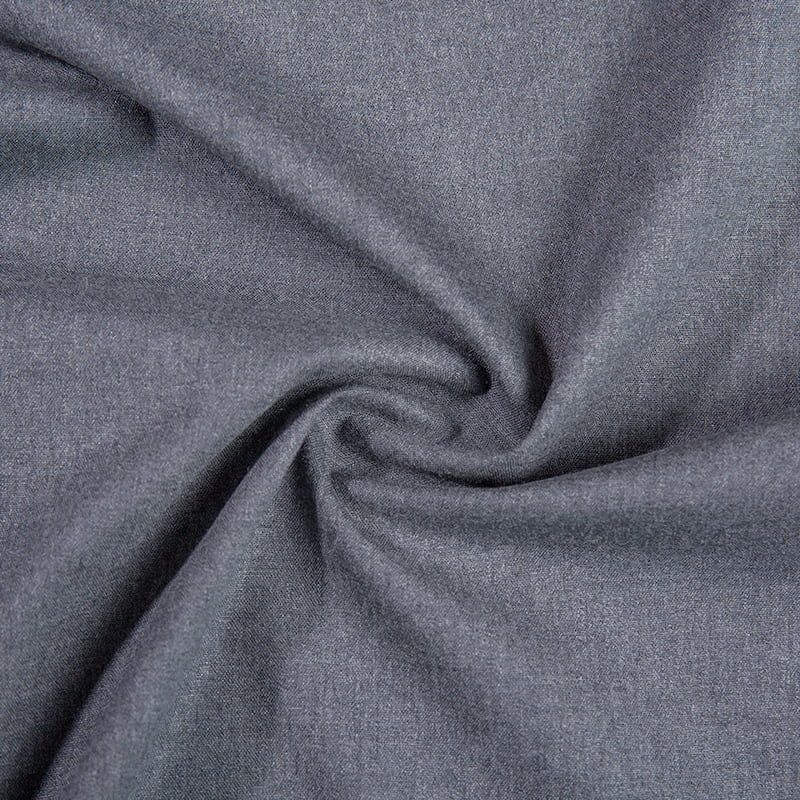
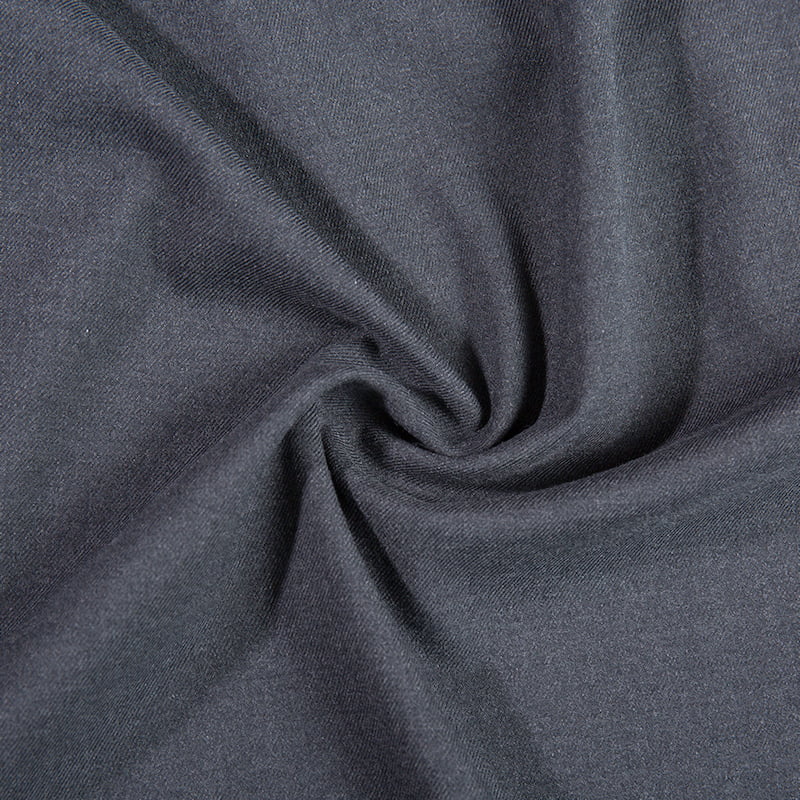
Combines wool's natural properties with added durability, wrinkle resistance, or cost efficiency - a versatile choice for a wide range of collections
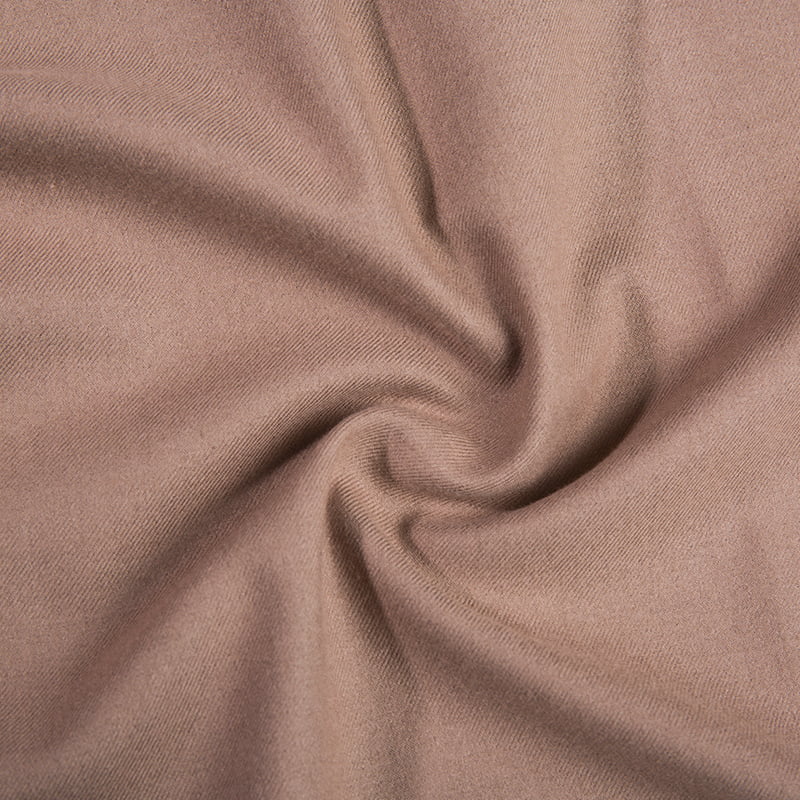
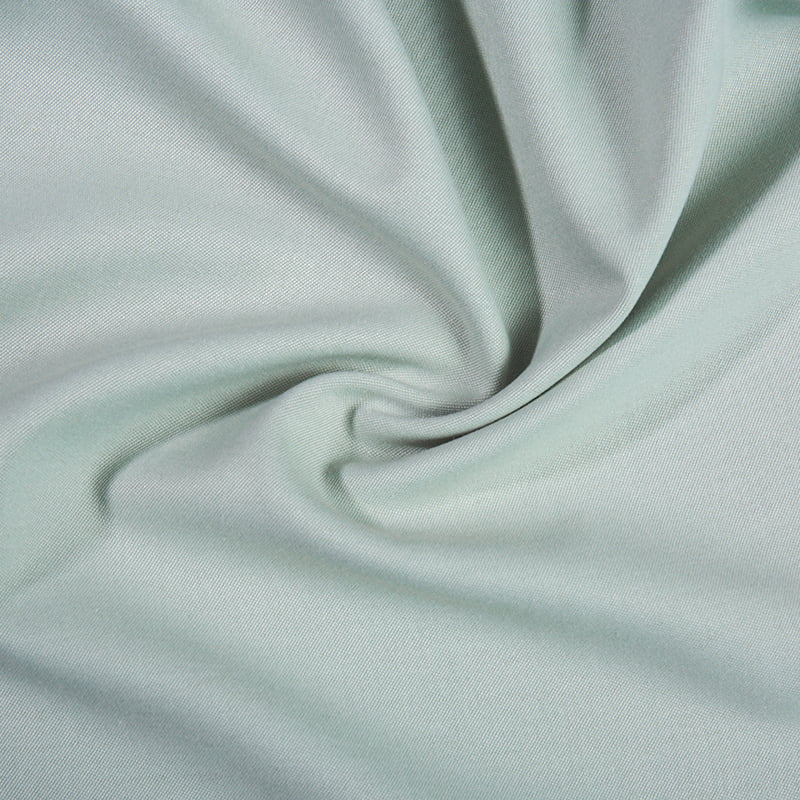
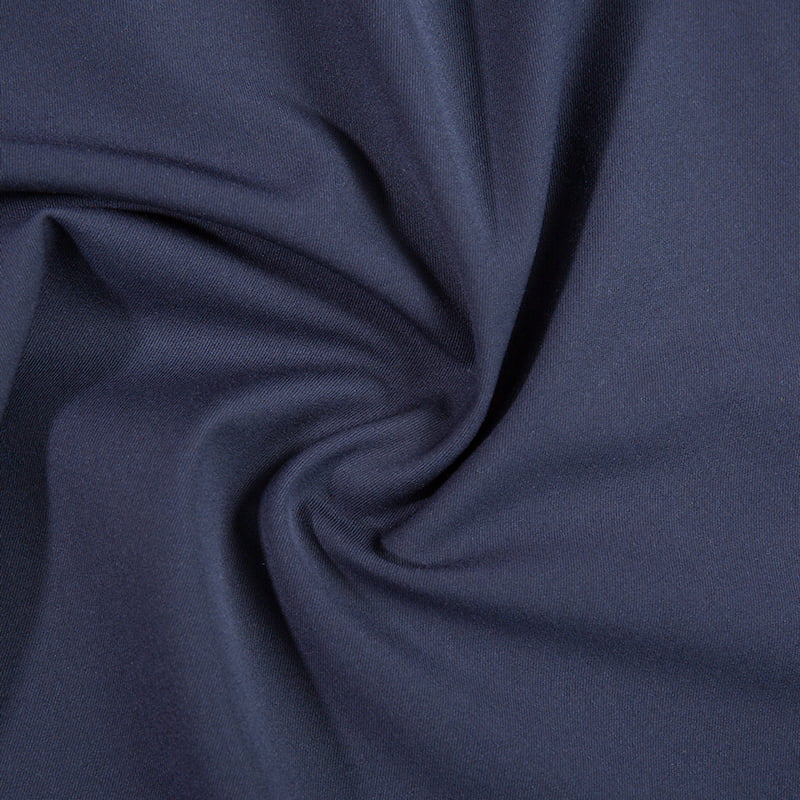
Polyester or acrylic fabrics with a wool-like appearance - a budget-friendly option for price-sensitive markets
Method 1 - Read the Fabric Label or Composition Tag
The first and simplest step is checking the fabric composition label. Legitimate fabric suppliers are required to declare fiber content. A true 100% wool fabric will show "100% Wool," "Pure New Wool," or "Pure Virgin Wool" on the label or technical data sheet.
Key terms to look for:
- Pure New Wool / Virgin Wool - made from freshly shorn fleece, never recycled
- Merino Wool - a premium variety of pure wool, finer and softer
- Super 100s, 120s, 150s - indicates wool fineness grade, all 100% wool
- Worsted Wool - a weave construction term, still 100% wool
If the label lists a percentage of polyester, viscose, nylon, or acrylic alongside wool, the fabric is a wool blend rather than 100% wool - each serving a different purpose in a product line. When sourcing from a manufacturer, always request the official fabric specification sheet (also called a "tech sheet" or "fabric card") which lists the exact fiber composition.
Method 2 - The Burn Test
The burn test is the most widely used field method for identifying fiber content. It requires only a small swatch of fabric and a flame source. Wool burns differently from synthetic fibers in a very distinctive way.
| Test Factor | 100% Wool | Polyester | Acrylic | Viscose / Rayon |
| Flame behavior | Burns slowly, self-extinguishes | Melts and drips | Burns fast, melts | Burns quickly, no melting |
| Smell when burning | Burnt hair or feathers | Sweet chemical smell | Acrid chemical smell | Burning paper smell |
| Ash residue | Crushable black ash | Hard, plastic bead | Hard, irregular bead | Light gray, powdery ash |
| Smoke color | Black | Black / dark | Black / dark | Light gray |
For the burn test to be valid, use a small frayed edge of the fabric - not the finished seam. Hold it with tweezers, bring a flame close, and observe the behavior carefully. The distinctive smell of burnt hair is the clearest indicator of genuine wool content.
Method 3 - Hand Feel and Drape Assessment
Experienced fabric buyers often rely on tactile assessment as a quick preliminary check. While this method requires practice to do reliably, 100% wool has a very specific set of physical characteristics that distinguish it from synthetics.
Wool feels warm to the touch and adapts to body heat. Synthetics tend to feel cool or neutral regardless of handling.
Crush a corner of the fabric in your fist for 10 seconds. Pure wool recovers its shape quickly due to its natural elasticity. Wool blends with a higher synthetic content may respond differently depending on their fiber ratio.
Wool drapes with natural weight and fluidity. Wool blends may have a slightly different drape depending on the synthetic content and weave construction - which can be an advantage for structured garments.
Note that very fine wools such as Merino or Super 120s can feel almost silk-like, so unfamiliar buyers should not assume softness means synthetic. High-grade wool is genuinely soft - coarseness is not a requirement for authenticity.
Method 4 - Visual and Microscopic Inspection
Under magnification (even a 10x loupe used by fabric buyers), wool fibers show a distinctive scaly surface structure. Each wool fiber has overlapping scales along its length - this is what gives wool its natural felting and moisture-wicking properties. Synthetic fibers, by contrast, appear smooth and uniform under magnification.
For B2B sourcing decisions at scale, laboratory fiber analysis (wet chemistry or near-infrared spectroscopy) provides a definitive composition breakdown and is standard practice for premium buyers sourcing large volumes.
Method 5 - Water Absorption Test
Wool is naturally hygroscopic - it absorbs moisture into the fiber rather than repelling it. A simple water drop test can offer a quick indication:
- Place a small swatch on a flat surface.
- Drop a few drops of water onto the surface.
- Observe how the fabric responds over 10-20 seconds.
Pure wool absorbs water relatively quickly and the fabric darkens evenly. Fabrics with a higher synthetic fiber content may absorb water more slowly or unevenly, which reflects the different moisture management properties of each fiber type. This test is less definitive than the burn test but useful as a quick secondary check.
What to Ask Your Fabric Supplier
For B2B buyers ordering in volume, the best protection against mislabeled fabric is working with a transparent, documented supplier. Before placing an order for wool suit fabric, request the following:
- Official fiber composition certificate - issued by a third-party testing lab
- Fabric specification sheet - including yarn count, weight (GSM), weave type, and fiber percentage
- Pre-production sample - for in-house burn test and hand feel verification
- Country of origin documentation - particularly relevant for wool sourced from premium regions
A reliable manufacturer will have no hesitation providing this documentation. Inability or reluctance to supply these documents is a strong signal to source elsewhere.
Quick Reference: Summary of Identification Methods
| Method | Reliability | Equipment Needed | Best For |
| Label / Spec Sheet | High (if from reputable source) | None | First check for all buyers |
| Burn Test | High | Flame, tweezers, swatch | Quick field verification |
| Hand Feel | Medium (requires experience) | None | Experienced buyers |
| Microscopic Inspection | High | 10x loupe or microscope | Quality control teams |
| Water Absorption | Medium | Water dropper | Quick secondary check |
| Laboratory Analysis | Definitive | Third-party lab | Large-volume sourcing |
Final Thoughts
Telling a 100% wool suit fabric apart from a wool blend or other fiber types does not require specialized equipment in most cases. The combination of label verification, burn test, and hand feel will cover the majority of sourcing scenarios. For high-value orders, always back this up with supplier documentation and a pre-production sample review. Working with a factory that openly provides fiber composition data and testing certificates is the most reliable way to ensure you receive exactly the fabric your collection requires - whether that is pure wool, a performance wool blend, or any other specification.