
 English
 中文简体
中文简体 日本語
日本語 한국어
한국어 Español
 русский
Content
- 1 What Are TR Fabrics?
- 2 Why Fast-Fashion Brands Are Turning to TR Fabrics
- 3 TR Fabrics vs Traditional Materials in Fast Fashion
- 4 Impact of TR Fabrics on Design and Trend Responsiveness
- 5 Sustainability Considerations in TR Fabrics
- 6 Role of TR Fabrics in Mass Customization
- 7 Global Manufacturing Advantages of TR Fabrics
- 8 Applications of TR Fabrics in Fast Fashion
- 9 Challenges and Limitations of TR Fabrics
- 10 Future Outlook: TR Fabrics and the Next Phase of Fast Fashion
- 11 FAQ: Common Questions About TR Fabrics
The global fast-fashion industry is evolving at an unprecedented pace, driven by changing consumer expectations, sustainability pressures, and technological innovation. Among the materials reshaping this sector, TR Fabrics have emerged as a key driver of transformation. Known for their balance of performance, cost efficiency, and versatility, TR Fabrics are increasingly favored by apparel manufacturers and fashion brands seeking to respond quickly to market trends while maintaining acceptable quality standards.
As fashion cycles become shorter and production volumes grow, material choices play a decisive role in shaping competitiveness. TR Fabrics are now widely applied in everything from office wear and casual clothing to uniforms and trend-driven collections, making them a cornerstone material in modern fast-fashion supply chains.
What Are TR Fabrics?
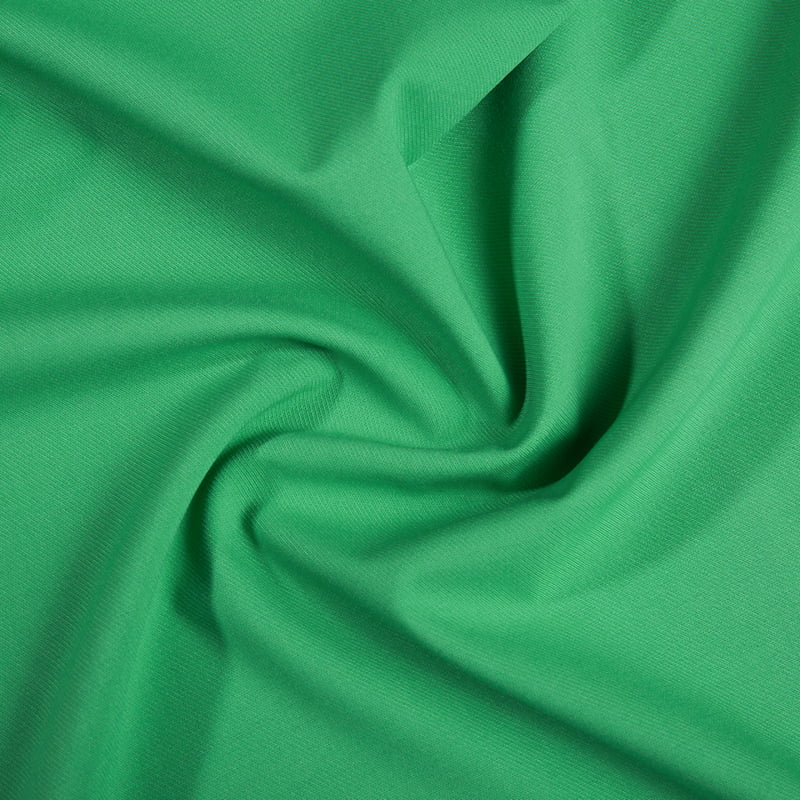
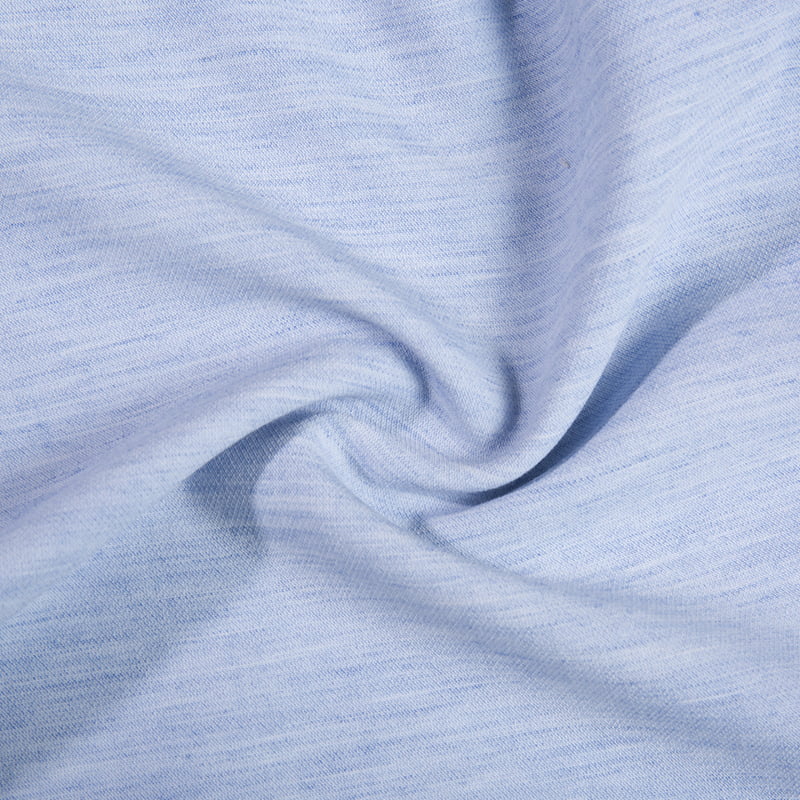
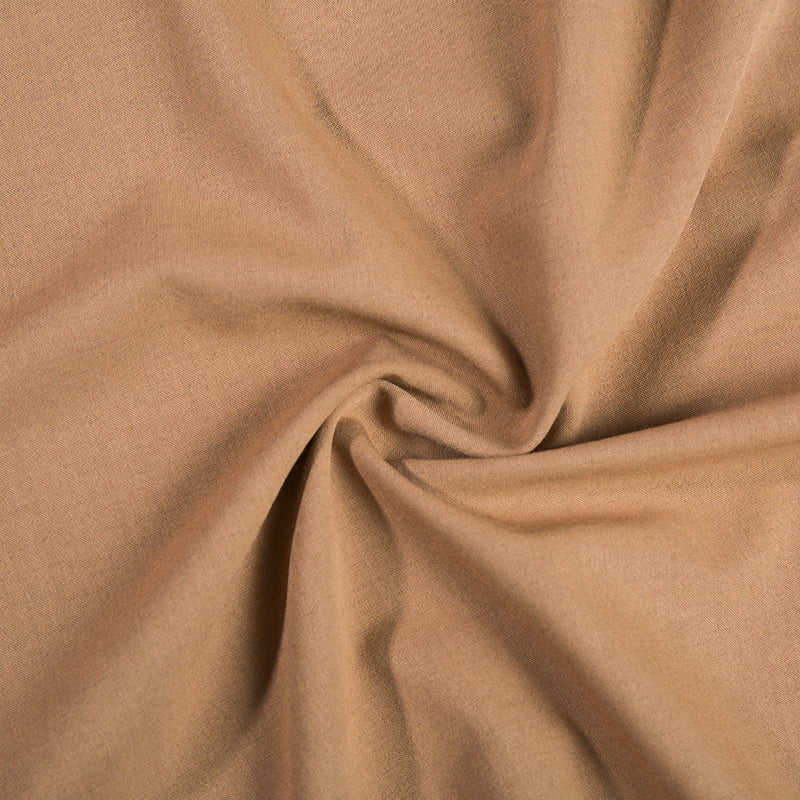
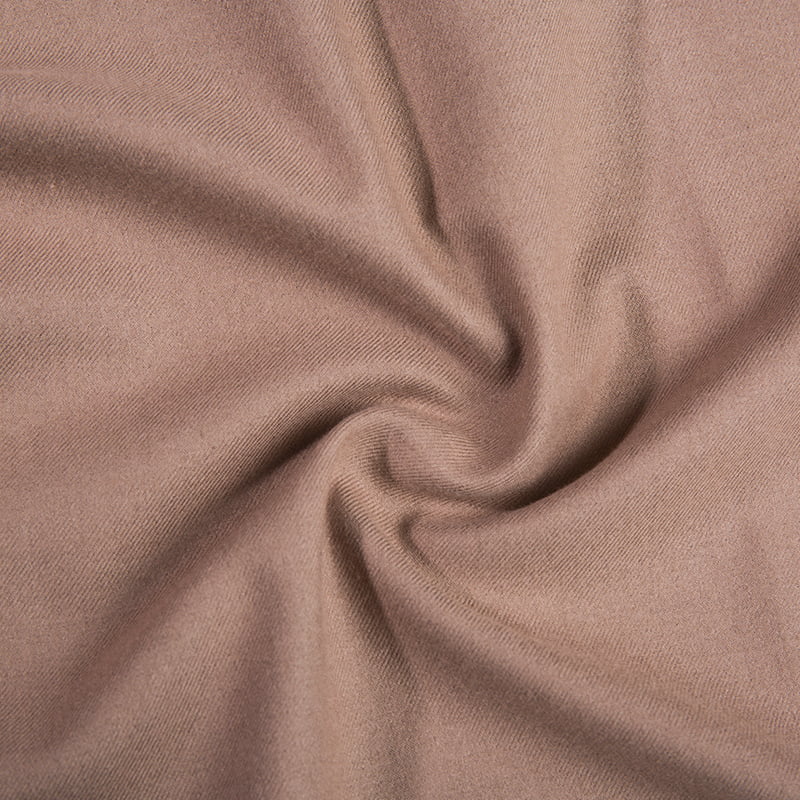
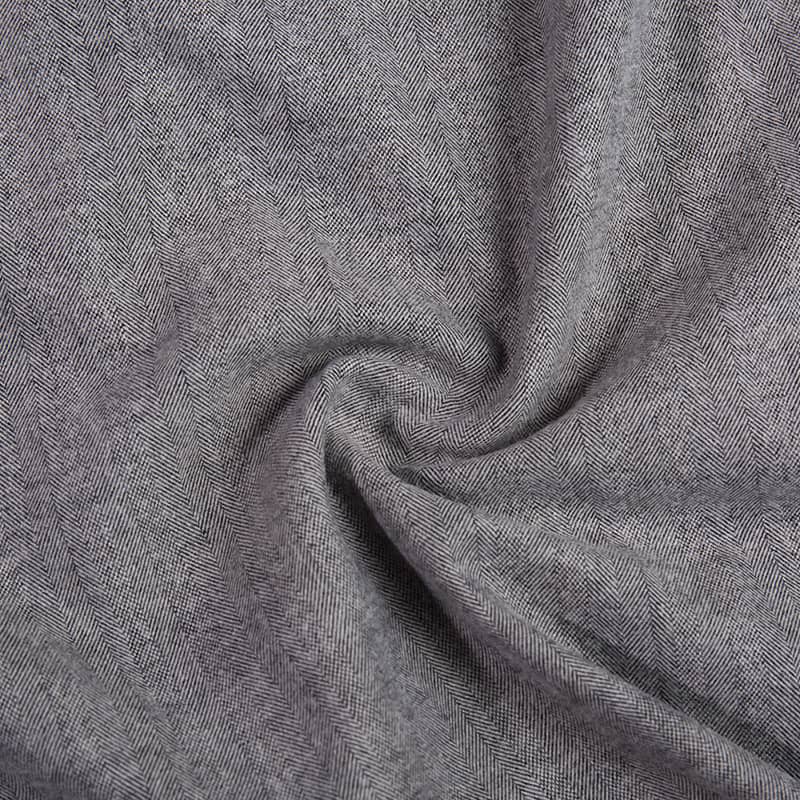
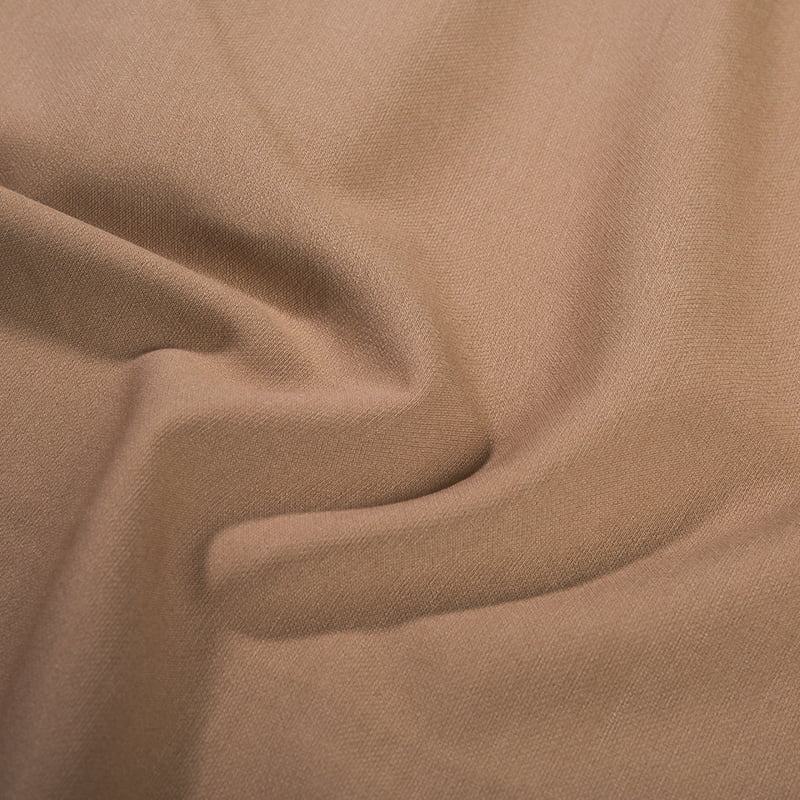
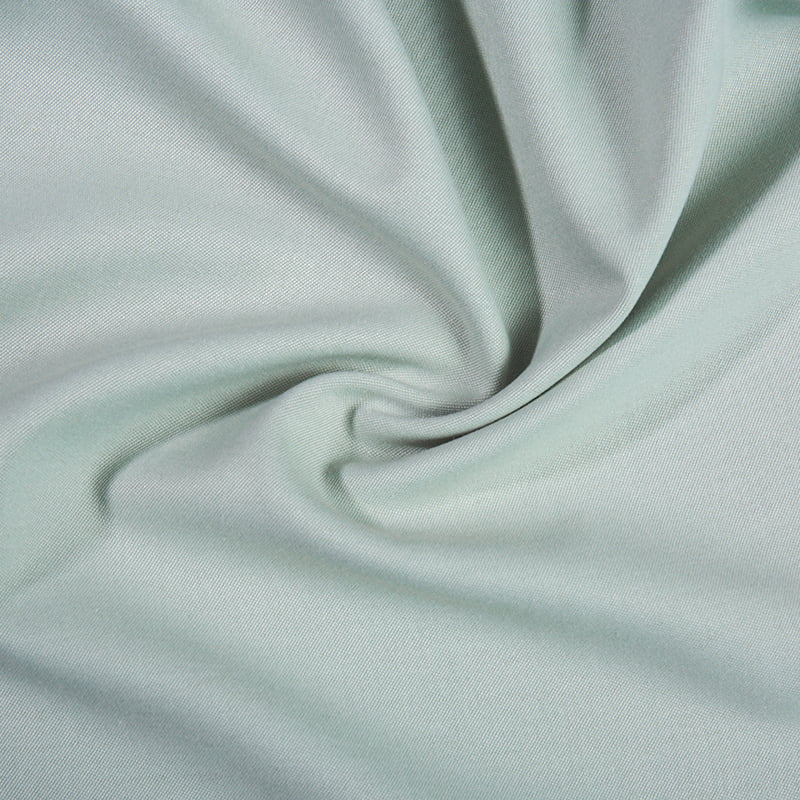
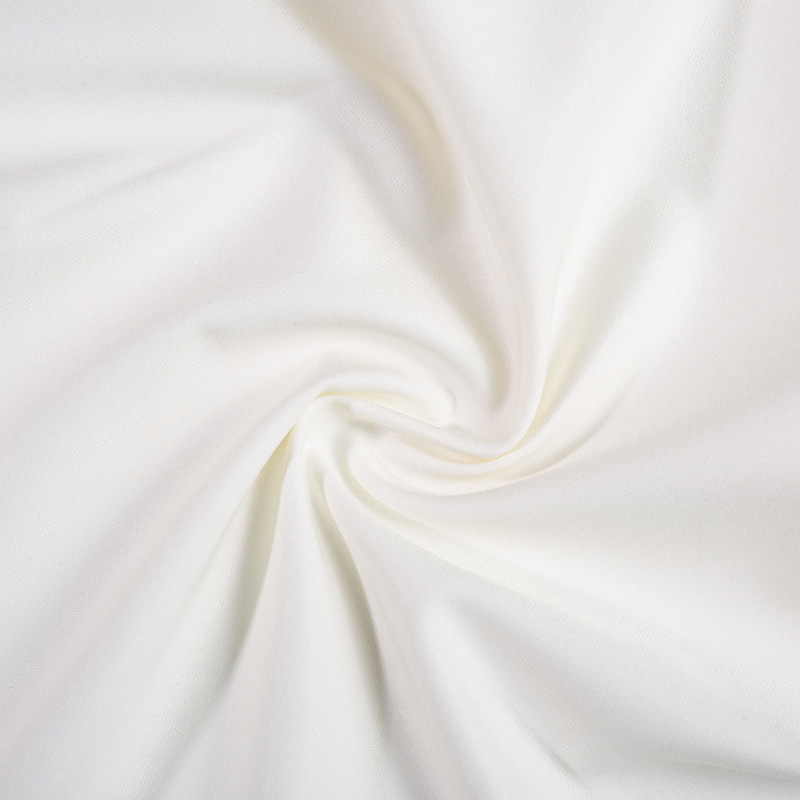
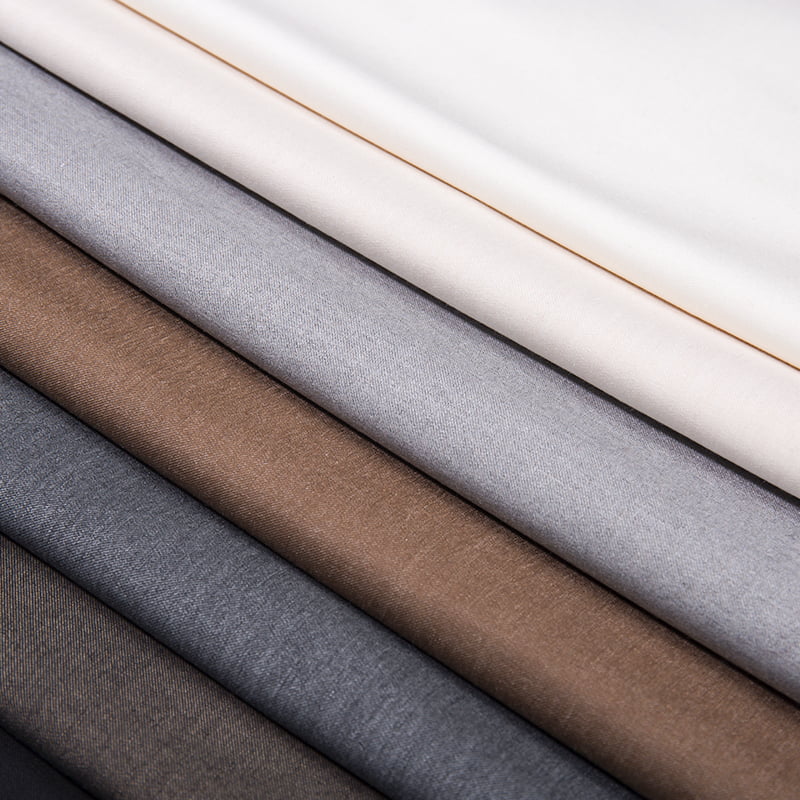
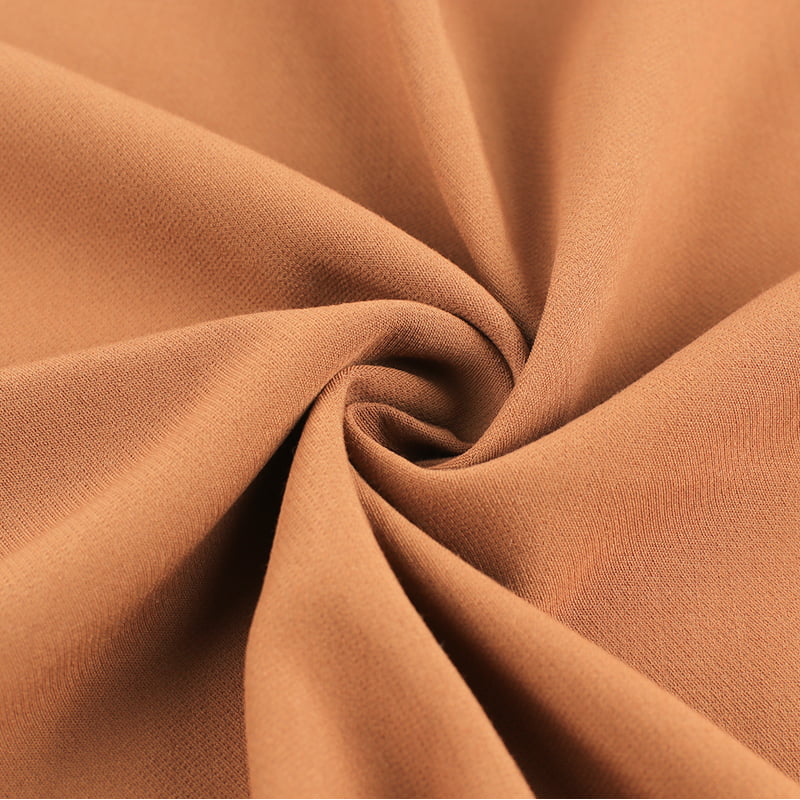
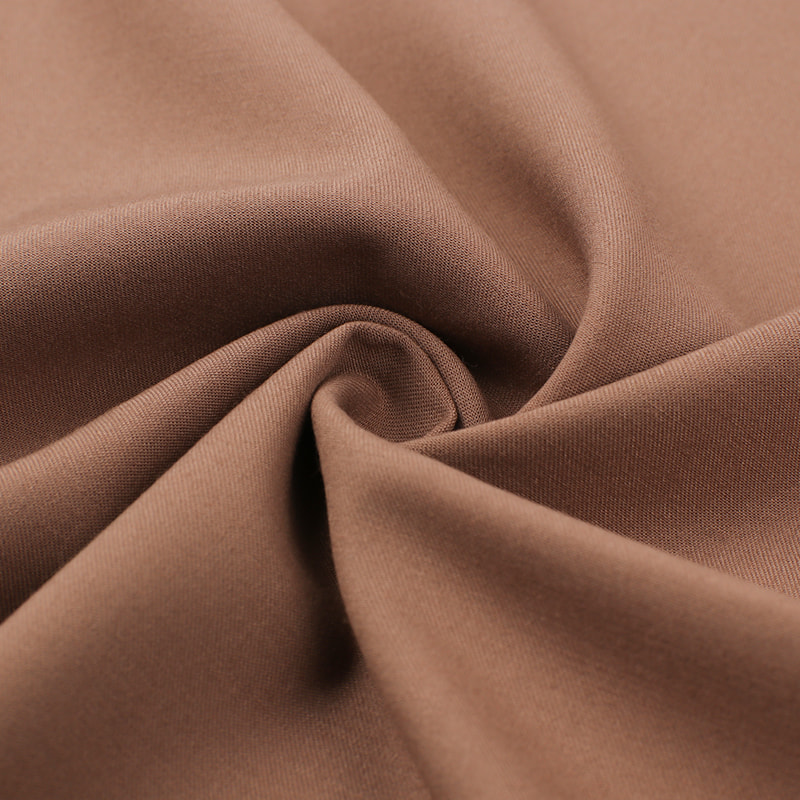
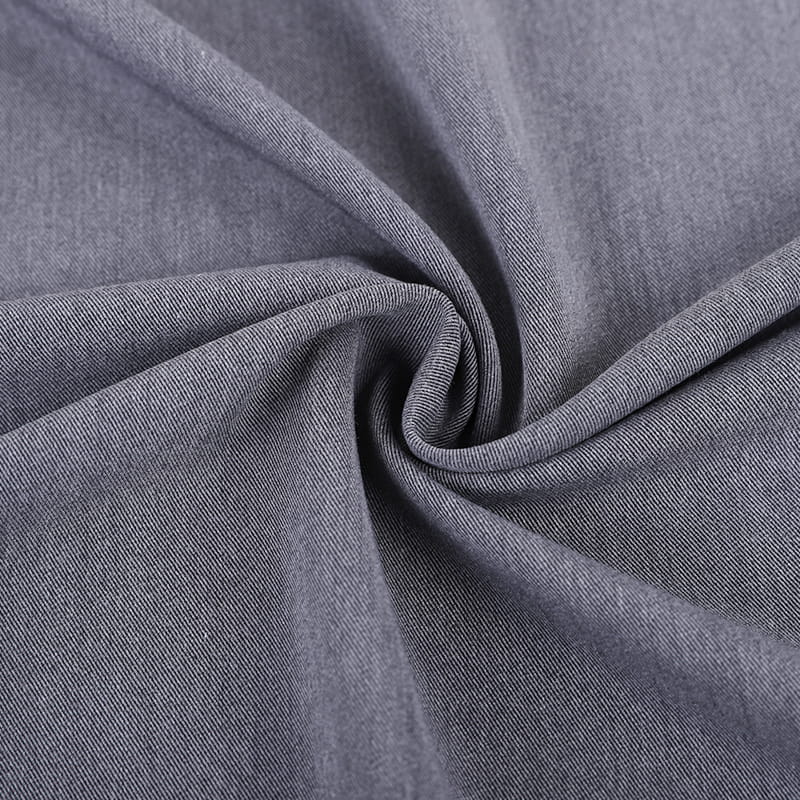
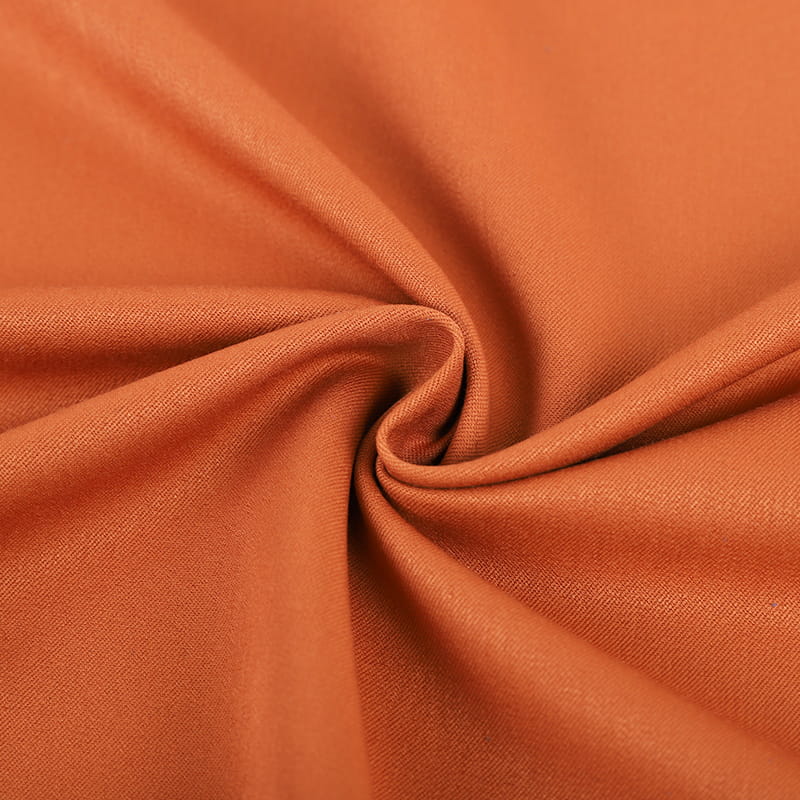
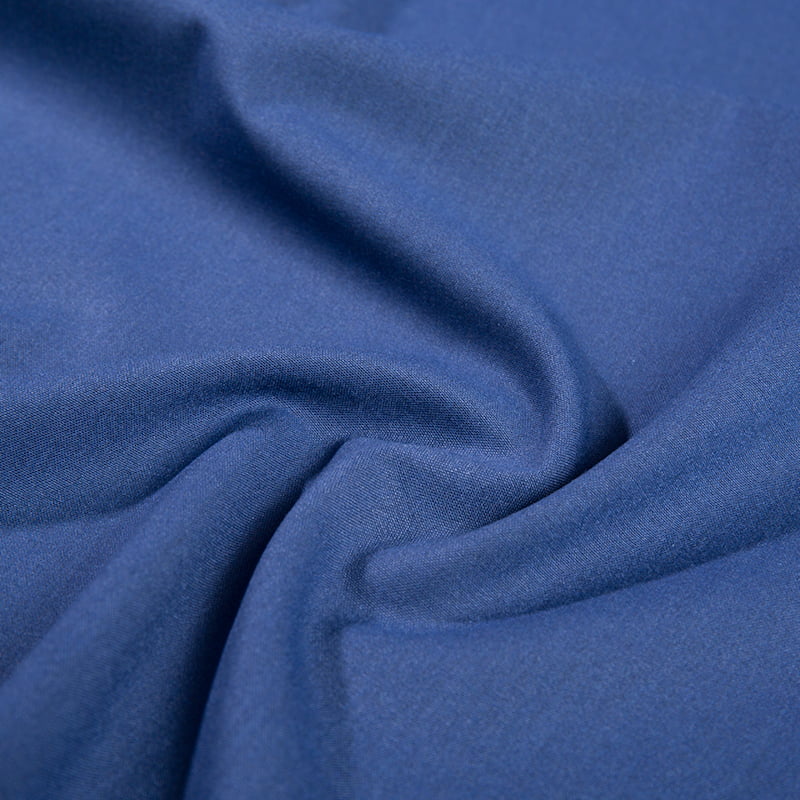
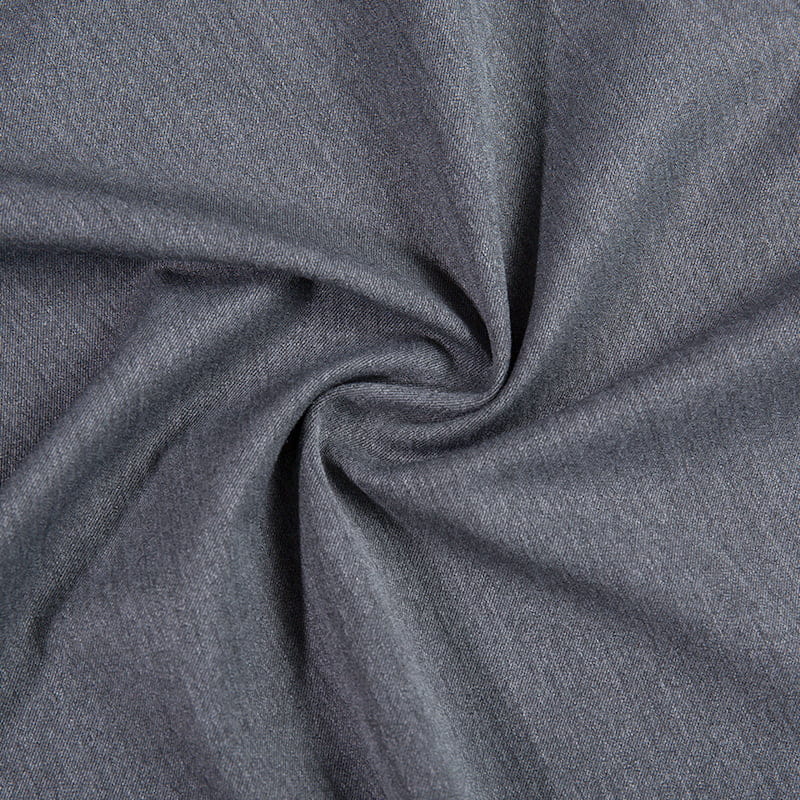
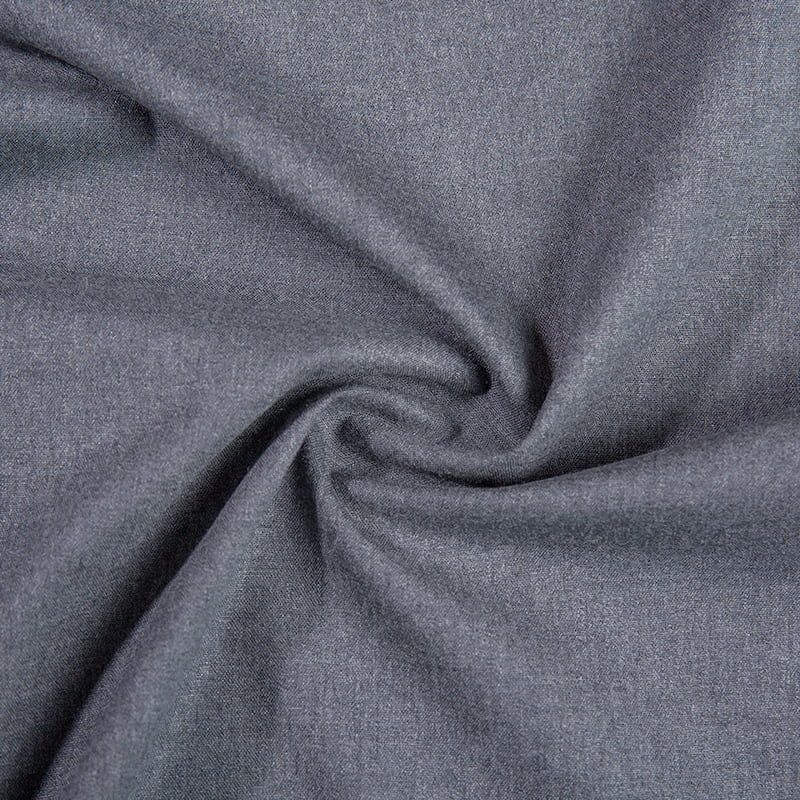
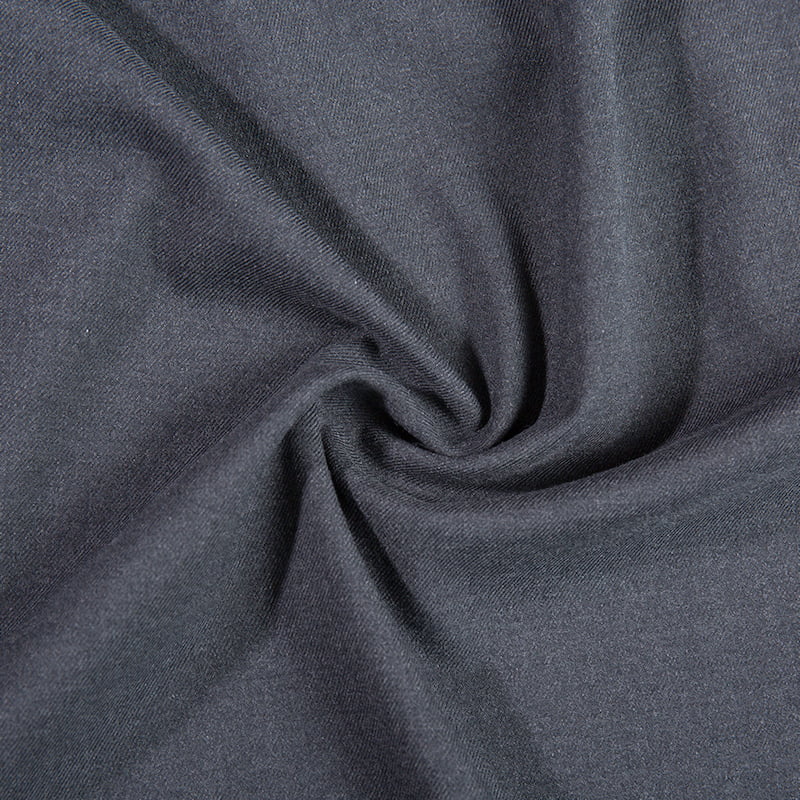
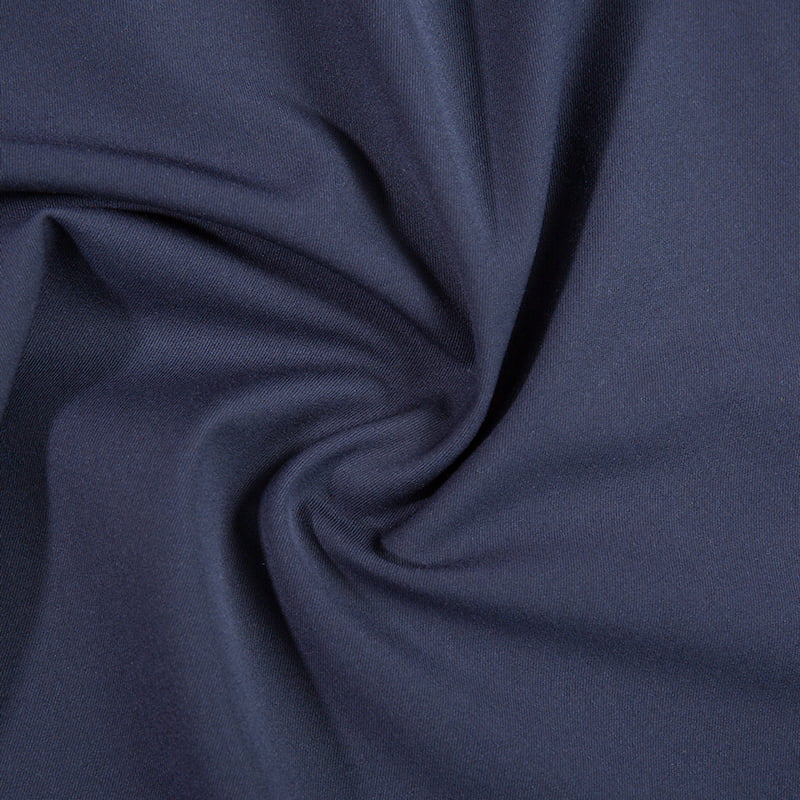
TR Fabrics are blended textiles made primarily from polyester (T) and rayon (R). This combination is engineered to merge the durability and wrinkle resistance of polyester with the softness, drape, and breathability of rayon.
Core Composition of TR Fabrics
- Polyester (T): Provides strength, shape retention, abrasion resistance, and easy care
- Rayon (R): Adds softness, moisture absorption, comfort, and a natural fabric feel
The blending ratio can be adjusted depending on the desired performance. Common blends include 65% polyester / 35% rayon or 80% polyester / 20% rayon, allowing manufacturers to fine-tune texture, durability, and cost.
Why Fast-Fashion Brands Are Turning to TR Fabrics
Fast-fashion brands face constant pressure to deliver new styles quickly while controlling costs. TR Fabrics align well with these demands due to their adaptable properties and scalable production.
Cost Efficiency and Stable Supply
Compared with natural fibers such as wool or cotton, TR Fabrics offer a more predictable cost structure. Polyester production is highly industrialized, and rayon is widely available, ensuring consistent supply even during market fluctuations. This stability allows brands to plan large-volume production with reduced financial risk.
Shorter Production Cycles
TR Fabrics are easy to dye, finish, and process, which significantly reduces lead times. In a fast-fashion environment where speed-to-market determines success, this advantage allows brands to respond rapidly to emerging trends.
Versatility Across Styles
From tailored trousers to flowing skirts and structured jackets, TR Fabrics can be engineered to suit diverse garment categories. Their adaptability enables designers to experiment with silhouettes, textures, and finishes without changing base materials.
TR Fabrics vs Traditional Materials in Fast Fashion
To understand how TR Fabrics are transforming the industry, it is useful to compare them with other commonly used textiles.
TR Fabrics vs Cotton
- Wrinkle Resistance: TR Fabrics outperform cotton, reducing the need for ironing
- Durability: Polyester content increases abrasion resistance
- Moisture Handling: Cotton absorbs more moisture, while TR Fabrics dry faster
- Cost Stability: TR Fabrics are less affected by agricultural price fluctuations
TR Fabrics vs Wool Blends
- Price: TR Fabrics are significantly more affordable
- Maintenance: Easier to wash and care for than wool blends
- Weight: Lighter and more suitable for year-round wear
TR Fabrics vs Pure Polyester
- Comfort: Rayon improves softness and breathability
- Drape: TR Fabrics offer a more natural and elegant fall
- Skin Feel: Less synthetic sensation compared to 100% polyester
Impact of TR Fabrics on Design and Trend Responsiveness
Fast-fashion thrives on rapid trend replication and continuous design updates. TR Fabrics support this model by offering designers flexibility without sacrificing manufacturability.
Enhanced Draping and Silhouette Control
The rayon component of TR Fabrics allows garments to flow naturally, making them suitable for modern minimalist designs, oversized fits, and layered styling trends. Designers can achieve tailored looks or relaxed aesthetics using the same base fabric.
Compatibility with Advanced Finishing Techniques
TR Fabrics respond well to brushing, sanding, anti-pilling treatments, and wrinkle-resistant finishes. These enhancements add perceived value to garments while maintaining fast production timelines.
Sustainability Considerations in TR Fabrics
Sustainability has become a critical concern in fast fashion, and TR Fabrics are increasingly part of the conversation.
Reduced Resource Dependency
Compared to natural fibers like cotton, TR Fabrics require less water during raw material production. This advantage is particularly relevant as water scarcity becomes a global issue.
Emerging Eco-Friendly Variations
- Recycled polyester integrated into TR Fabrics
- Viscose sourced from certified sustainable forests
- Low-impact dyeing processes
These innovations allow fast-fashion brands to position TR Fabrics as a more responsible option while maintaining commercial viability.
Role of TR Fabrics in Mass Customization
Fast fashion is gradually moving toward semi-customization, offering multiple fits, colors, and fabric weights within the same style. TR Fabrics enable this shift by providing consistent performance across variations.
Manufacturers can adjust yarn count, weave density, or finishing processes without altering the core material, simplifying inventory management and reducing waste.
Global Manufacturing Advantages of TR Fabrics
The global supply chain benefits significantly from the standardized nature of TR Fabrics.
Ease of Quality Control
Blended fibers provide uniformity, reducing batch-to-batch variation. This consistency is essential for large fast-fashion brands operating across multiple production hubs.
Logistics and Storage Benefits
TR Fabrics are less prone to shrinkage, mildew, or deformation during transportation, lowering losses and ensuring garments reach retail stores in optimal condition.
Applications of TR Fabrics in Fast Fashion
- Office wear such as trousers, blazers, and skirts
- Casual fashion including shirts, dresses, and lightweight jackets
- Uniforms and workwear requiring durability and comfort
- Seasonal collections designed for transitional weather
Challenges and Limitations of TR Fabrics
Despite their advantages, TR Fabrics are not without challenges.
Breathability in Extreme Heat
While rayon improves moisture absorption, TR Fabrics may still feel warmer than pure natural fibers in high-temperature environments.
Perception of Synthetic Content
Some consumers associate blended fabrics with lower quality, requiring brands to invest in education and transparent labeling.
Future Outlook: TR Fabrics and the Next Phase of Fast Fashion
The future of fast fashion will likely emphasize speed, flexibility, and responsible production. TR Fabrics are positioned to play a central role in this evolution by bridging the gap between performance and affordability.
Ongoing developments in fiber recycling, biodegradable rayon alternatives, and smart textile integration are expected to further enhance the appeal of TR Fabrics. As brands seek materials that support both creative freedom and operational efficiency, TR Fabrics will remain a strategic choice.
FAQ: Common Questions About TR Fabrics
Are TR Fabrics suitable for everyday wear?
Yes. TR Fabrics are widely used in daily clothing due to their comfort, durability, and easy maintenance.
Do TR Fabrics shrink after washing?
Properly processed TR Fabrics have minimal shrinkage compared to natural fibers, especially when washed according to care instructions.
Are TR Fabrics environmentally friendly?
Traditional TR Fabrics are not fully sustainable, but newer versions using recycled polyester and responsibly sourced rayon offer improved environmental performance.
How do TR Fabrics feel compared to cotton?
TR Fabrics feel smoother and more structured, with better wrinkle resistance, while cotton offers a more breathable and natural touch.
Why are TR Fabrics popular in fast fashion?
Their balance of cost, versatility, durability, and production efficiency makes them ideal for rapid, large-scale apparel manufacturing.
As the fast-fashion industry continues to adapt to global trends and operational challenges, TR Fabrics stand out as a transformative material shaping the future of modern apparel.