
 English
 中文简体
中文简体 日本語
日本語 한국어
한국어 Español
 русский
Content
- 1 What Is Scrubs Fabric? Core Definition and Purpose
- 2 Main Types of Scrubs Fabric and Their Properties
- 3 Key Performance Standards Scrubs Fabric Must Meet
- 4 Fabric Weight (GSM): Why It Matters for Scrubs
- 5 Stretch and Construction: Woven vs. Knit Scrubs Fabric
- 6 Antimicrobial and Fluid-Resistant Finishes in Scrubs Fabric
- 7 How to Choose the Right Scrubs Fabric for Your Role
- 8 Care and Laundering: What Happens to Scrubs Fabric Over Time
- 9 Sustainability Trends in Scrubs Fabric
- 10 FAQ: Scrubs Fabric
- 10.1 What fabric is most commonly used for scrubs?
- 10.2 Is 100% cotton good for scrubs?
- 10.3 What does GSM mean for scrubs fabric?
- 10.4 How long do scrubs fabrics last?
- 10.5 Are scrubs fabrics antibacterial?
- 10.6 What is the difference between scrubs fabric and regular clothing fabric?
- 10.7 Can scrubs fabric be made from sustainable materials?
- 10.8 What fabric is best for scrubs in hot weather?
- 11 About Shaoxing Fuxing Textile Technology Co., Ltd.
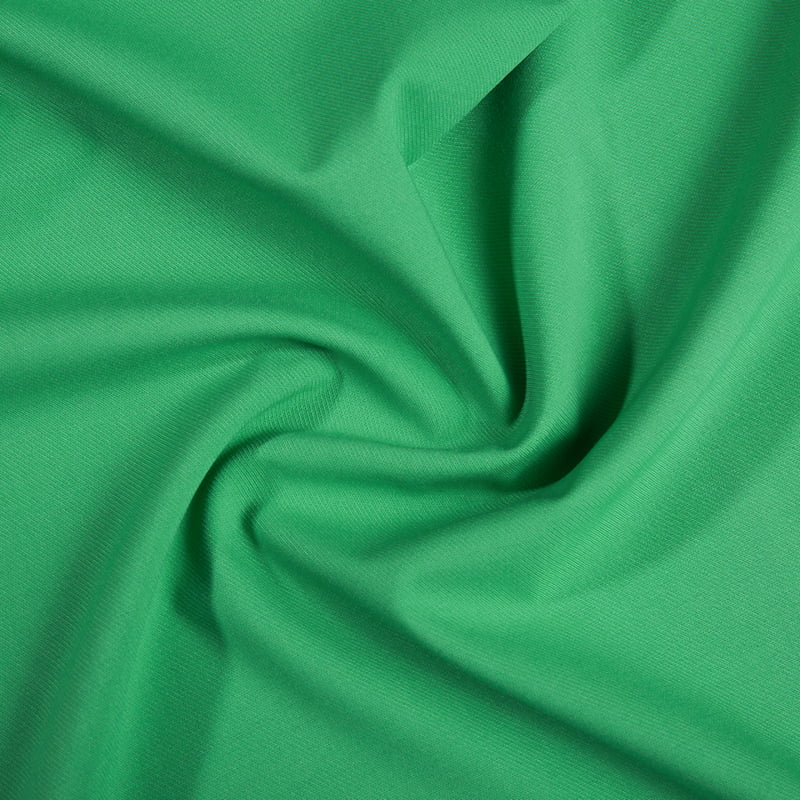
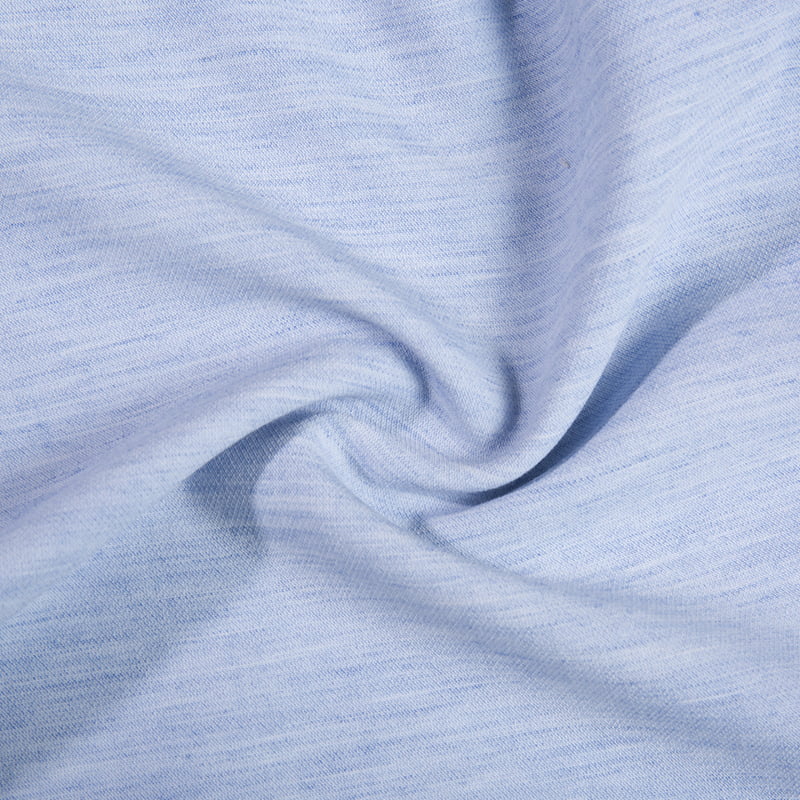
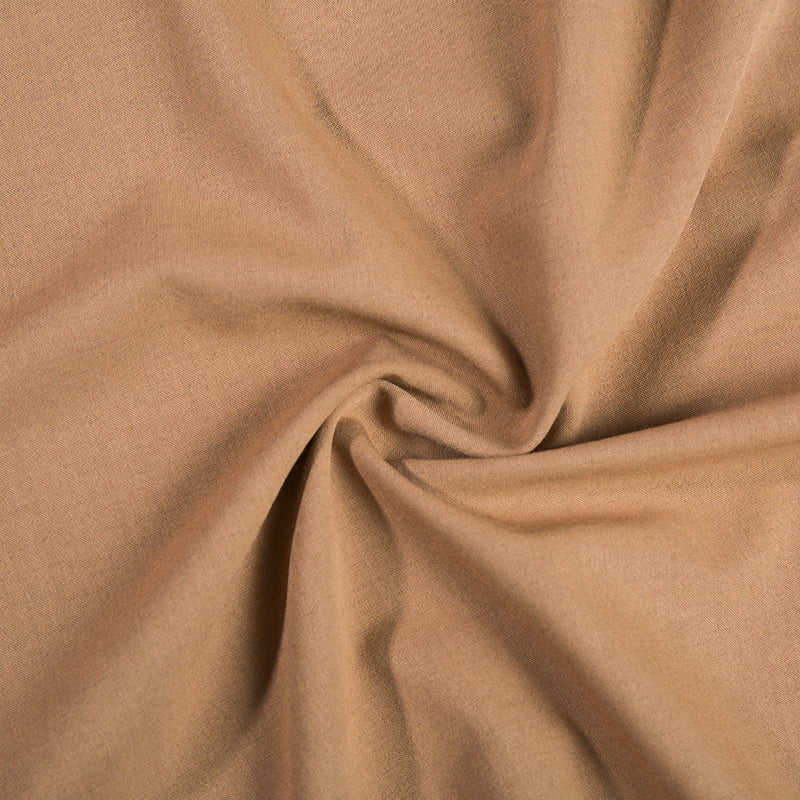
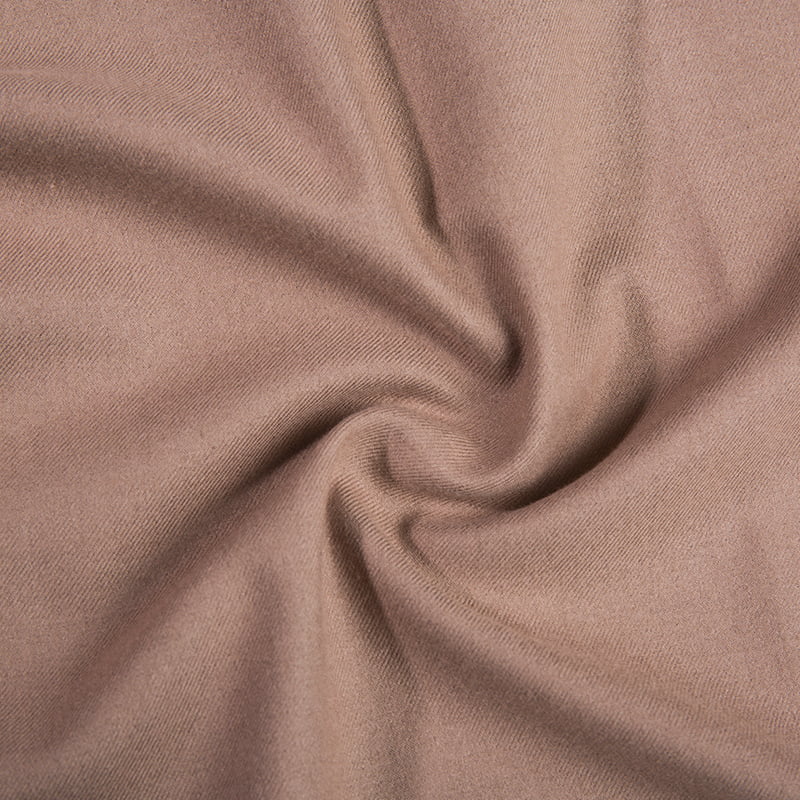
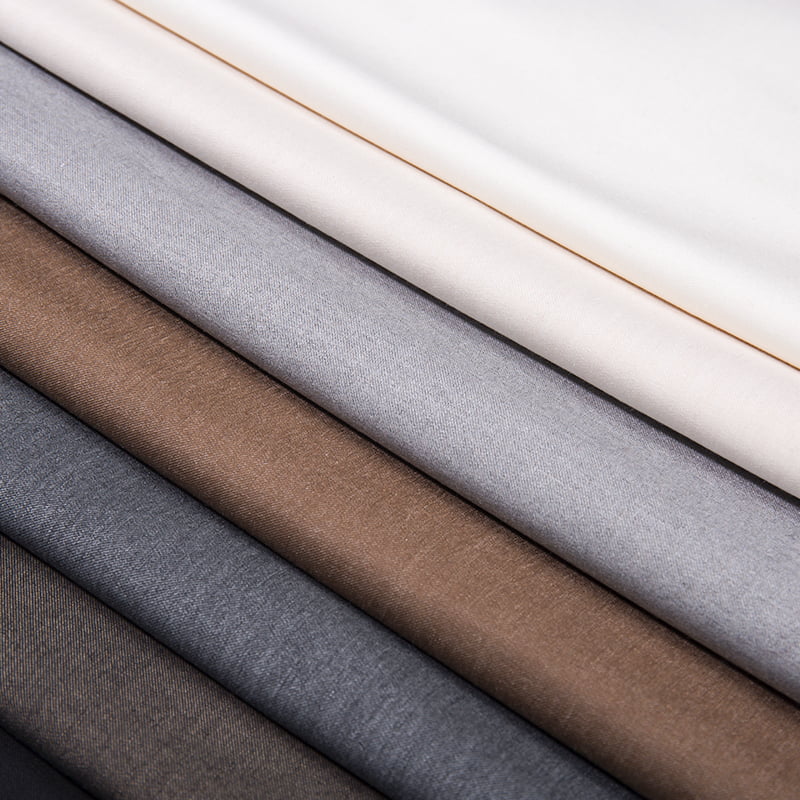
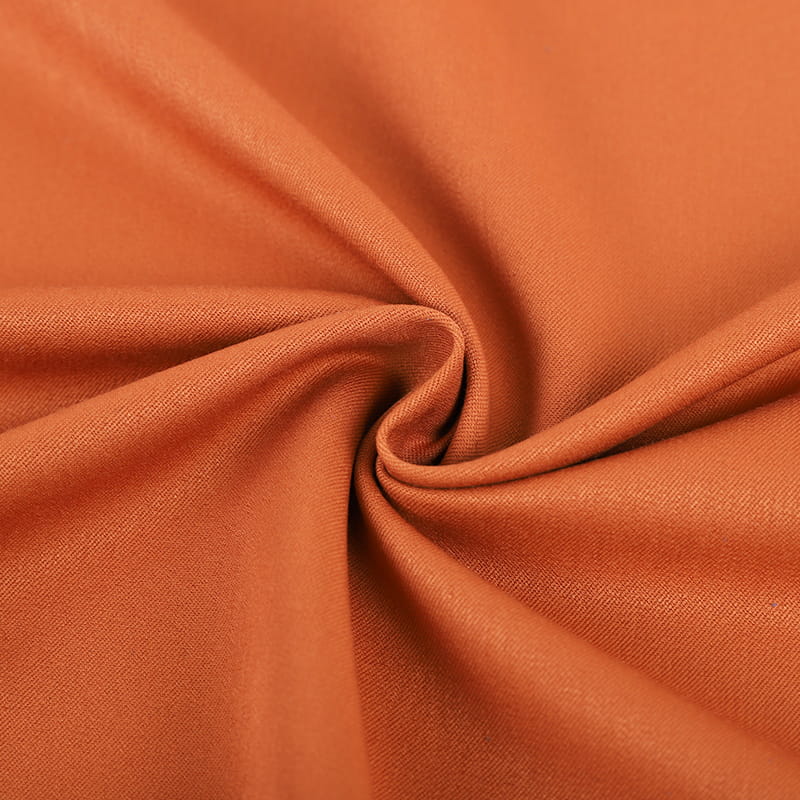
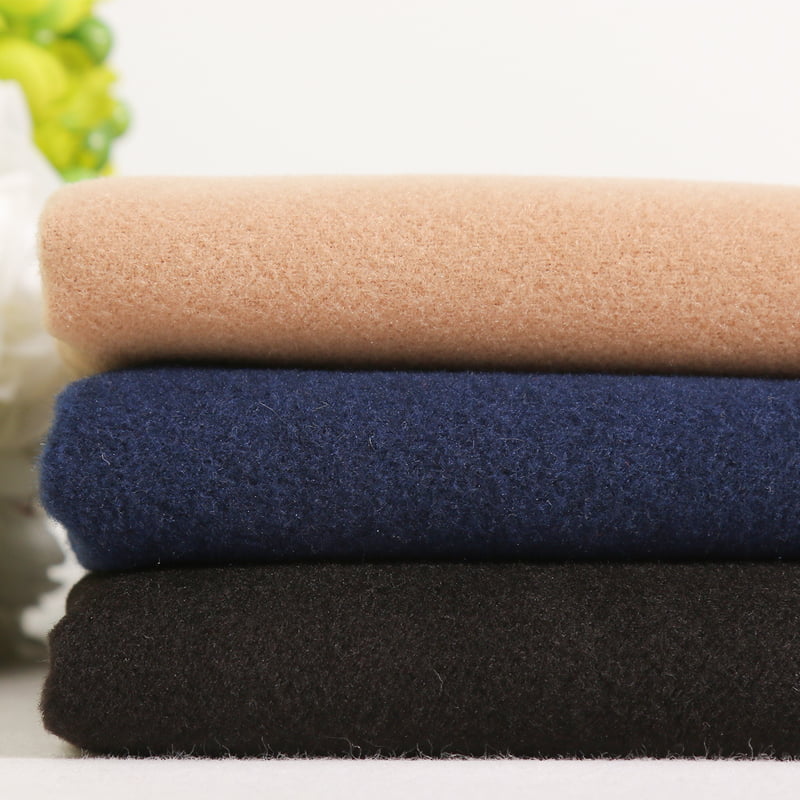
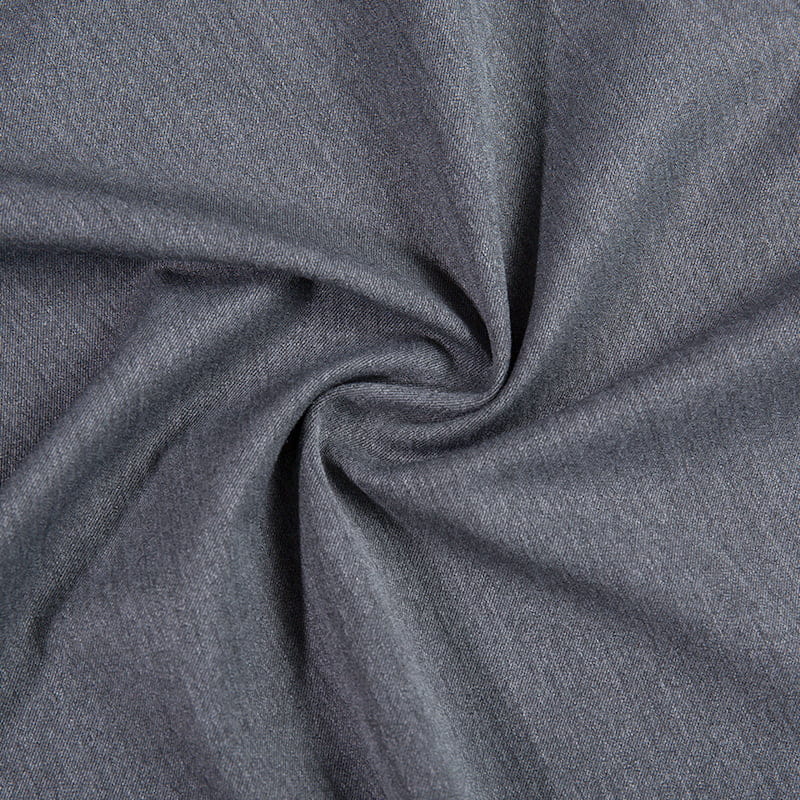
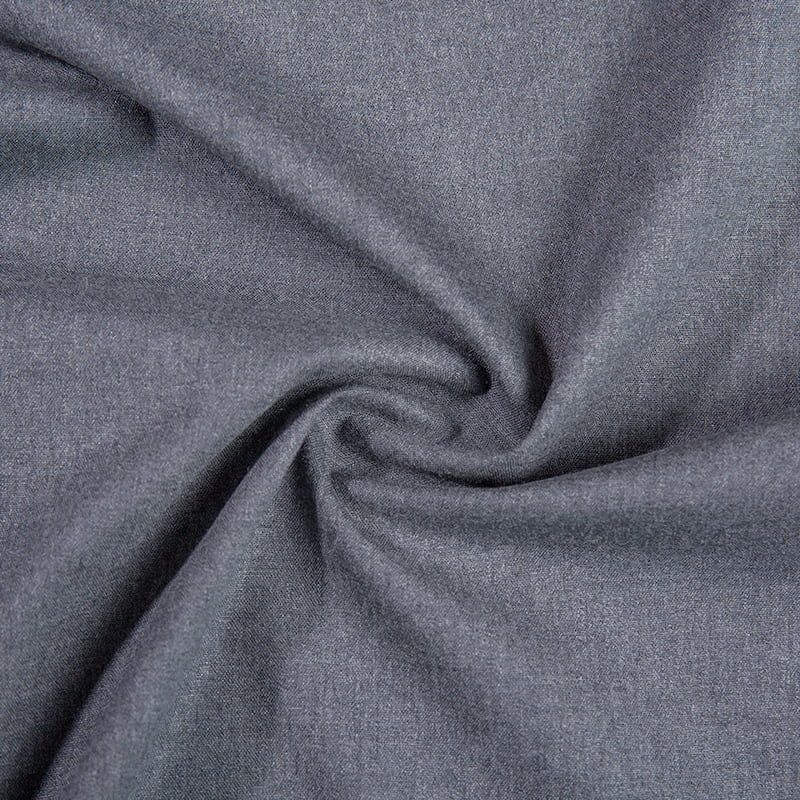
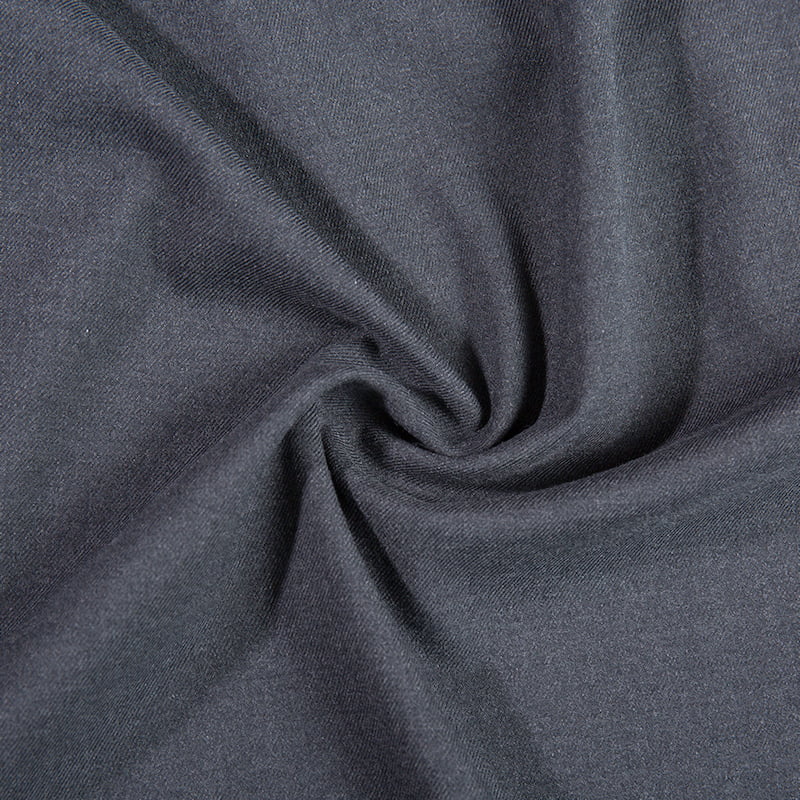
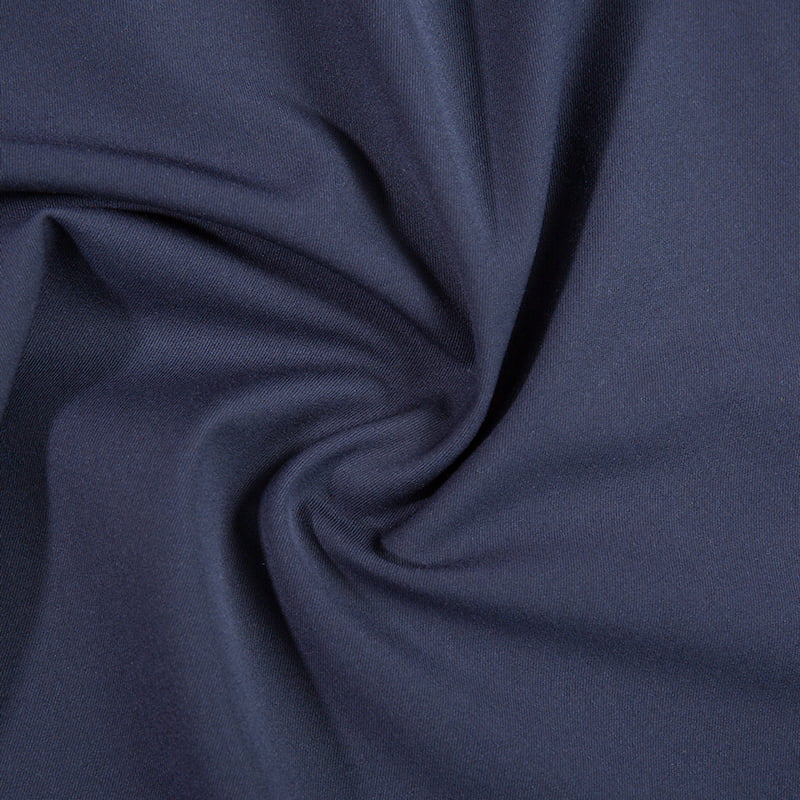
Scrubs fabric is a category of purpose-built textile engineered specifically for medical and clinical environments. The most commonly used scrubs fabrics today are polyester-cotton blends, poly-rayon blends, and spandex composites — chosen for their balance of durability, comfort, fluid resistance, and ease of care. Understanding what scrubs fabric is made of, how it performs, and how to choose the right one can directly impact comfort during long shifts and compliance with healthcare hygiene standards.
What Is Scrubs Fabric? Core Definition and Purpose
Scrubs fabric refers to the textile material used to manufacture medical scrubs — the loose-fitting uniforms worn by surgeons, nurses, dental hygienists, veterinary staff, and other healthcare professionals. Unlike everyday clothing fabric, scrubs fabric is engineered to withstand repeated industrial laundering, resist biological fluid penetration, minimize bacterial harboring, and maintain shape and color through hundreds of wash cycles.
Originally, scrubs were made from 100% cotton because of its breathability and skin-friendliness. However, as medical settings demanded more performance — particularly around fluid resistance and durability — the industry shifted toward blended and synthetic fabrics. Today, most commercial scrubs are made from:
- Polyester/Cotton (65/35 or 55/45 blends)
- Polyester/Rayon/Spandex (tri-blends)
- 100% Polyester with moisture-wicking treatment
- Poly/Rayon blends (popular for softness)
Main Types of Scrubs Fabric and Their Properties
Different fabric types serve different clinical needs. Below is a breakdown of the most widely used scrubs fabrics:
| Fabric Type | Breathability | Durability | Fluid Resistance | Stretch | Typical GSM |
|---|---|---|---|---|---|
| 100% Cotton | Excellent | Moderate | Low | None | 150–200 |
| Poly/Cotton Blend | Good | High | Moderate | Low | 160–220 |
| Poly/Rayon/Spandex | Very Good | High | Moderate–High | 4-way | 180–240 |
| 100% Polyester (wicking) | Moderate | Very High | High | Low–Moderate | 150–200 |
| Poly/Rayon Blend | Good | High | Moderate | Low | 170–230 |
Polyester-Cotton Blends
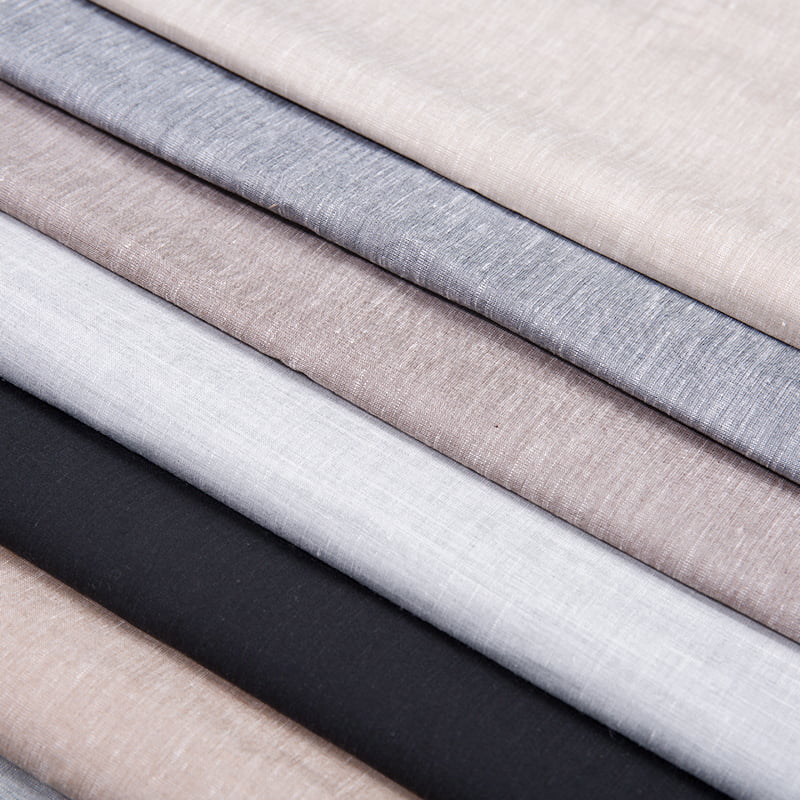
This is the industry workhorse. A 65% polyester / 35% cotton blend offers wrinkle resistance and color retention from the polyester, combined with breathability and softness from the cotton. This fabric typically survives 200+ industrial wash cycles without significant degradation — a critical factor for hospitals with strict laundering protocols.
Poly/Rayon/Spandex Tri-Blends
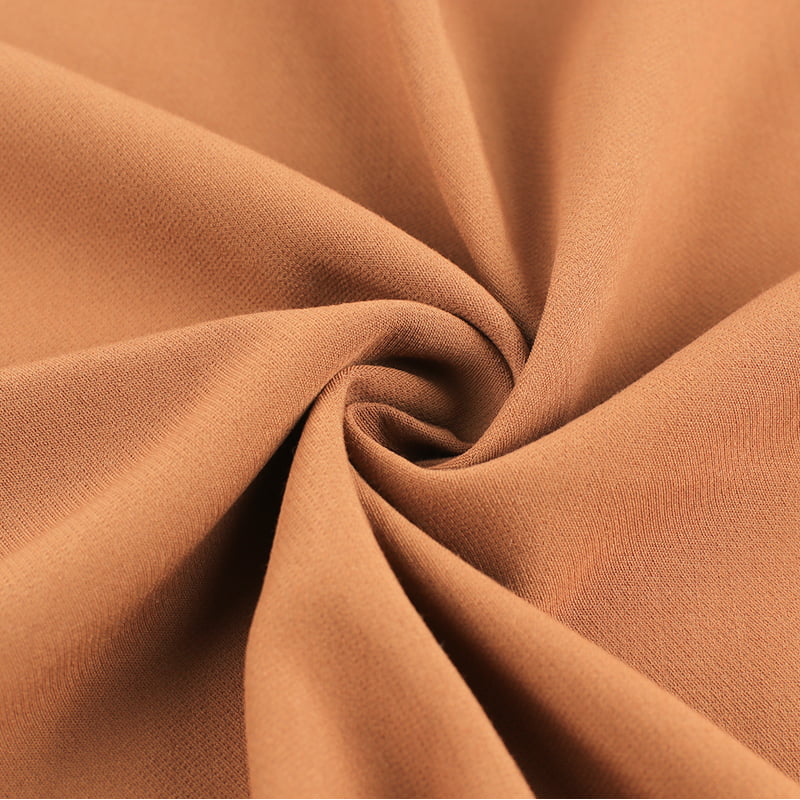
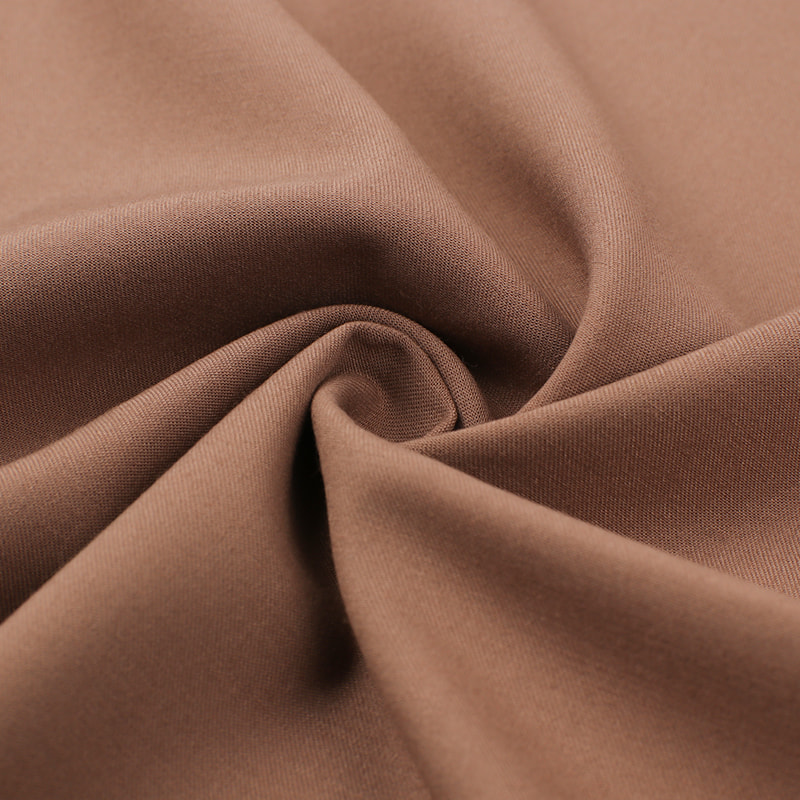
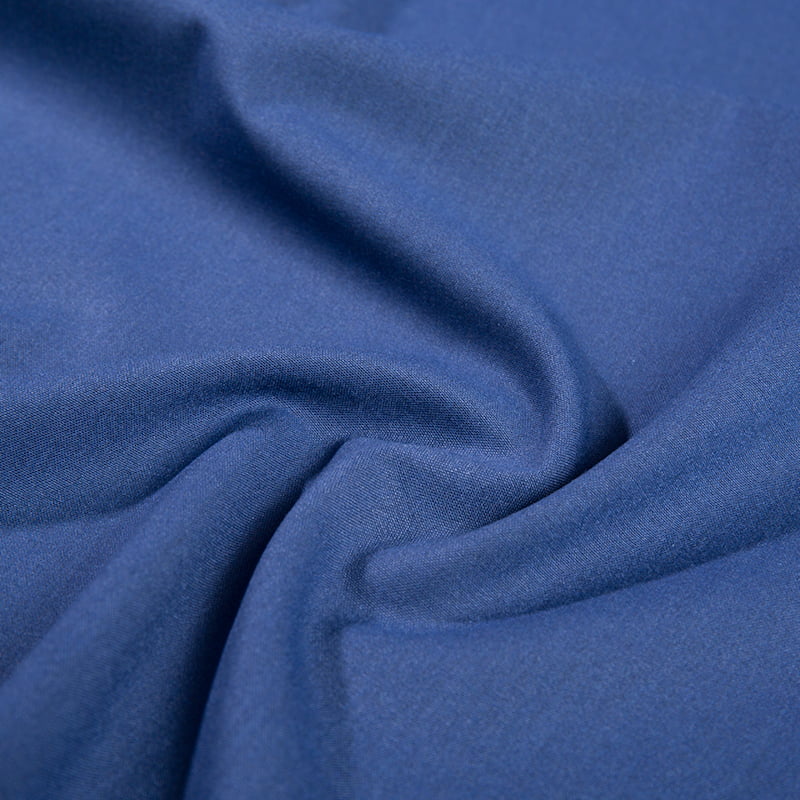
Increasingly popular in modern scrubs lines, tri-blends typically use a ratio such as 52% polyester / 40% rayon / 8% spandex. The rayon adds drape and a luxuriously soft hand feel; the spandex provides 4-way stretch. These fabrics are preferred by brands targeting active-use environments like emergency departments or surgical suites, where freedom of movement is essential. The downside: rayon's moisture absorption can slightly reduce fluid resistance.
100% Polyester with Moisture-Wicking Finish
Used in performance-oriented scrubs, this fabric is treated with moisture-wicking and antimicrobial finishes. It's lightweight — often 150–170 GSM — and excels at pulling sweat away from the body, making it ideal for high-activity settings. However, it can feel less "premium" than blended options and may pill over time without quality finishing.
Key Performance Standards Scrubs Fabric Must Meet
Healthcare fabric isn't chosen purely for comfort. It must satisfy clinical and regulatory performance benchmarks. The most important include:
- ASTM F1671 – Resistance to penetration by blood-borne pathogens
- ISO 15797 – Industrial washing and finishing procedures for workwear
- AATCC 100 – Antibacterial finish assessment for textile materials
- Pilling resistance ≥ Grade 3 (ISO 12945-2) after 50 wash cycles
- Color fastness ≥ 4–5 under ISO 105-C06 (washing) and ISO 105-B02 (light)
Fabrics that fail these benchmarks can compromise staff safety, violate hospital procurement rules, or result in costly uniform replacements within months of purchase.
Fabric Weight (GSM): Why It Matters for Scrubs
GSM — grams per square meter — is one of the most overlooked but critical factors in scrubs fabric selection. Most scrubs fall between 160 and 240 GSM, but the right weight depends heavily on the use environment.
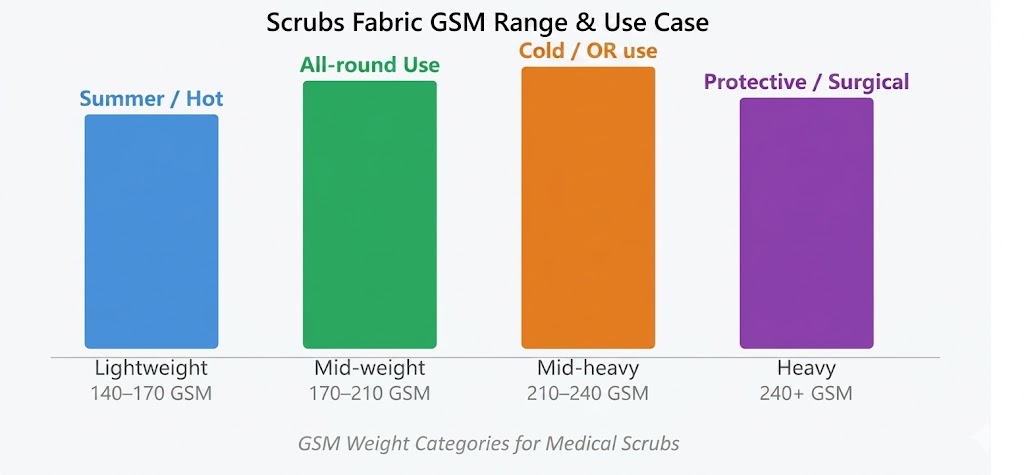
- 140–170 GSM: Lightweight scrubs suited to hot climates or high-activity roles. More breathable but less durable long-term.
- 170–210 GSM: The sweet spot for most healthcare environments. Balances comfort, durability, and fluid management.
- 210–240 GSM: Heavier feel preferred in operating rooms or cooler settings. Greater opacity and body structure.
- 240+ GSM: Found in specialized protective or surgical gown fabrics. Less common in everyday scrubs.
Stretch and Construction: Woven vs. Knit Scrubs Fabric
The construction method fundamentally changes how a scrubs fabric feels and moves on the body.
Woven Scrubs Fabric
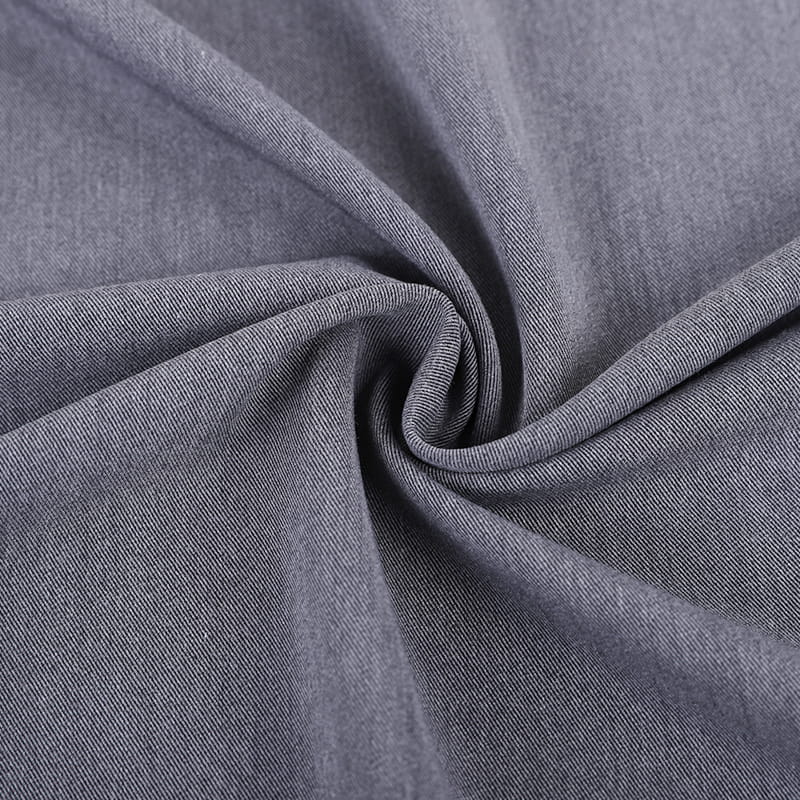
Woven fabrics are made on looms where yarns interlace at right angles. They are dimensionally stable, resist stretching, and are less prone to deformation. Most traditional scrubs used woven constructions — plain weave, twill, or ripstop patterns. They're ideal where a structured, professional appearance is required, such as surgical theaters or patient-facing roles.
Knit Scrubs Fabric
Knit fabrics (jersey, interlock) are constructed by interlocking loops of yarn. They offer natural two-way or four-way stretch without added spandex. When spandex is incorporated into a knit structure, the resulting fabric can stretch over 50% in all directions and return to its original shape — critical for roles that involve bending, squatting, or reaching. Brands like FIGS and Cherokee have popularized knit-based scrubs with spandex for this reason.
Performance Comparison
| Feature | Woven | Knit |
|---|---|---|
| Stretch | Minimal (unless spandex added) | High (2-way or 4-way) |
| Shape Retention | Excellent | Good (with spandex) |
| Professional Appearance | Structured | Relaxed / Athletic |
| Fluid Resistance | Higher | Lower (more porous) |
| Comfort on Long Shifts | Moderate | Excellent |
| Pilling Risk | Lower | Higher (surface friction) |
Antimicrobial and Fluid-Resistant Finishes in Scrubs Fabric
Raw fabric — even high-quality blends — rarely meets all healthcare requirements on its own. Functional finishes applied during or after weaving significantly enhance performance:
Antimicrobial Finishes
Silver-ion treatments (e.g., Agion® or HeiQ) or quaternary ammonium compounds are embedded into fibers or applied as surface coatings. Studies show these finishes can reduce bacterial growth on fabric surfaces by over 99% in standardized lab conditions (AATCC 100). However, effectiveness diminishes after repeated washing — most certified finishes maintain efficacy for 50–75 industrial wash cycles.
Fluid and Stain Repellency
Durable Water Repellent (DWR) finishes — commonly fluoropolymer or newer PFAS-free alternatives — create a surface tension that causes liquids to bead and roll off. A fabric treated with DWR will typically achieve an AATCC 22 spray rating of 70–90, compared to 0–10 for untreated equivalents. This matters in operating rooms, emergency departments, and any setting with frequent exposure to blood or body fluids.
Odor Control
Zinc pyrithione or activated carbon treatments neutralize volatile compounds from sweat and bacterial metabolism. These are increasingly common in consumer-grade scrubs marketed to nurses working extended 12-hour shifts.
How to Choose the Right Scrubs Fabric for Your Role
There is no single "best" scrubs fabric — the optimal choice depends on the specific clinical context. Here is a practical guide:
- Operating Room / Surgical Staff: Prioritize fluid resistance and lint-free performance. Choose tightly woven polyester-cotton (65/35) or 100% polyester with DWR finish. GSM 200–230 recommended.
- Emergency Department Nurses: Prioritize stretch, moisture-wicking, and durability. Poly/Rayon/Spandex tri-blends with 4-way stretch are ideal. GSM 180–210.
- General Ward / Clinic Staff: Balanced performance needed. Poly/cotton blends or poly/rayon blends at 170–200 GSM offer the right all-round properties.
- Hot-Climate / Summer Use: Opt for lightweight fabrics (140–170 GSM) with strong moisture-wicking. 100% polyester performance fabric or lightweight poly/rayon.
- Dental / Allied Health: Less exposure to bodily fluids means comfort and appearance can take precedence. Poly/rayon or cotton-rich blends work well here.
Care and Laundering: What Happens to Scrubs Fabric Over Time
Scrubs are among the most frequently laundered garments in any professional context. A hospital worker may wash their scrubs 3–5 times per week, meaning a single set might be washed over 200 times per year. Fabric integrity under this stress load is paramount.
Key laundering considerations by fabric type:
- Cotton-containing fabrics: Risk shrinkage of 3–5% in first wash if not pre-shrunk. Tolerates hot-water sanitation (≥71°C for 25 minutes per CDC guidelines) better than synthetic-only fabrics.
- Polyester-dominant fabrics: Highly resistant to shrinkage. However, high-heat drying (above 60°C) can break down DWR and antimicrobial finishes faster.
- Spandex-containing fabrics: Spandex degrades with bleach exposure and very high temperatures. Avoid chlorine bleach; use oxygen-based alternatives.
- Rayon-containing fabrics: Rayon is sensitive to high heat and agitation. Industrial laundry cycles can reduce rayon-blend fabric life significantly if temperature is not controlled.
Best practice: For hospital-issued scrubs, verify that the chosen fabric meets ISO 15797 for industrial washing. For personal scrubs, follow manufacturer labels and wash at 60°C with non-chlorine detergent for optimal longevity.
Sustainability Trends in Scrubs Fabric
The healthcare textile industry generates significant waste — the global medical textile market was valued at approximately USD 21.8 billion in 2023 and is projected to grow to over USD 32 billion by 2030. With this scale comes growing pressure to adopt sustainable fabric practices.
Emerging sustainable options in scrubs fabric include:
- Recycled polyester (rPET): Made from post-consumer plastic bottles. Brands like Patagonia and some scrubs manufacturers now offer rPET scrubs with equivalent performance to virgin polyester, and a ~30–40% lower carbon footprint per meter of fabric.
- Organic cotton blends: GOTS-certified organic cotton eliminates synthetic pesticide use. Trade-off: higher cost (typically 20–35% premium over conventional cotton).
- PFAS-free DWR finishes: Traditional DWR contains per- and polyfluoroalkyl substances (PFAS) linked to health and environmental concerns. C0 DWR alternatives based on silicone or hydrocarbon chemistry are now available with comparable performance ratings.
- Lyocell (Tencel™) blends: Lyocell offers cotton-like softness with significantly lower water usage in production. Still niche in medical scrubs but growing in allied health and spa/wellness uniforms.
FAQ: Scrubs Fabric
What fabric is most commonly used for scrubs?
The most common scrubs fabrics are polyester-cotton blends (typically 65/35) and polyester-rayon-spandex tri-blends. Poly/cotton is the traditional standard for durability and fluid resistance; tri-blends are increasingly popular for their stretch and soft feel.
Is 100% cotton good for scrubs?
100% cotton is breathable and gentle on skin, but it lacks the durability, fluid resistance, and shape retention of modern blends. It also takes longer to dry and can shrink significantly. Most professional healthcare environments have moved away from pure cotton scrubs in favor of performance blends.
What does GSM mean for scrubs fabric?
GSM stands for grams per square meter — a measure of fabric weight and density. Higher GSM generally means a heavier, more durable fabric. Most scrubs fall in the 160–240 GSM range. Lightweight options (140–170 GSM) suit hot environments; heavier options (210–240 GSM) are used in operating rooms or cooler settings.
How long do scrubs fabrics last?
Quality poly-cotton or poly-rayon scrubs fabrics are engineered to withstand 150–300 industrial wash cycles while maintaining color, shape, and performance. In practice, most hospital-issue scrubs are replaced every 12–18 months under heavy daily laundering. Personal scrubs washed at home typically last 2–4 years.
Are scrubs fabrics antibacterial?
Not inherently — but many scrubs fabrics receive antimicrobial finishing treatments (silver-ion, zinc pyrithione, or quaternary ammonium compounds) that inhibit bacterial growth on the fabric surface. These finishes are certified under AATCC 100 and typically remain effective for 50–75 wash cycles.
What is the difference between scrubs fabric and regular clothing fabric?
Scrubs fabric is purpose-engineered for healthcare environments. Key differences include: higher resistance to industrial laundering and disinfectants, optional fluid and pathogen barrier properties, antimicrobial treatments, lint-minimal construction (critical in surgical settings), and compliance with standards like ASTM F1671 and ISO 15797 that regular clothing fabric does not meet.
Can scrubs fabric be made from sustainable materials?
Yes. Recycled polyester (rPET), organic cotton, PFAS-free DWR finishes, and lyocell blends are all available in the scrubs market. Sustainable scrubs typically carry a 15–35% price premium over conventional options, but lifecycle cost analysis often shows lower total cost due to improved durability.
What fabric is best for scrubs in hot weather?
Lightweight polyester with moisture-wicking treatment (150–170 GSM) or poly/rayon blends perform best in hot climates. Look for fabrics with confirmed AATCC 195 liquid moisture management ratings, which measure how effectively the fabric moves sweat away from the skin surface.
About Shaoxing Fuxing Textile Technology Co., Ltd.
If you are sourcing high-performance fabrics for uniforms or workwear — including scrubs-adjacent professional garments — Shaoxing Fuxing Textile Technology Co., Ltd. is a professional fabric manufacturer based in Keqiao, China, with annual output exceeding 10 million meters of fabric.
Established in 2022, Fuxing Textile operates 98 Italian air-jet looms on an 8,122 m² production facility with 75 skilled workers. Their core specialization includes Poly/Rayon/Spandex solid fabrics, Poly/Rayon/Wool blended fabrics, TR spandex yarn-dyed fabrics, and top-dyed fabrics — materials well-suited for professional uniforms, suit pants, blazers, and institutional workwear. If you have specific fabric requirements or new product concepts, Fuxing Textile welcomes collaboration with buyers and brands worldwide.